View Article

Abstract

Herbal cosmetics have gained significant importance in recent years due to their better safety profile, cultural acceptance, and therapeutic value. Herbal lotions are topical preparations intended for application to the skin for moisturizing, soothing, and protective purposes. The present research work is aimed at the formulation and evaluation of a polyherbal lotion containing extracts of Aloe vera, Azadirachta indica (Neem), Curcuma longa (Turmeric), and Ocimum sanctum (Tulsi). These medicinal plants are well known for their moisturizing, antimicrobial, anti-inflammatory, and antioxidant activities. The herbal lotion was prepared by the oil-in-water emulsion method using almond oil, beeswax, glycerin, and borax as excipients. The formulated lotion was evaluated for organoleptic properties, physicochemical parameters, stability, and skin safety. The developed formulation showed acceptable pH, good spreadability, homogeneity, and stability with no signs of irritation, indicating that it may be a safe and effective herbal cosmetic preparation.

Keywords

Herbal lotion, polyherbal formulation, Aloe vera, neem, turmeric, cosmetic research, skin care.

Introduction

The skin is the largest organ of the human body and serves as the primary protective barrier against physical, chemical, and biological agents. Environmental pollution, ultraviolet radiation, microbial exposure, and lifestyle factors continuously challenge skin health, often leading to dryness, irritation, infections, premature aging, and inflammatory disorders. Therefore, topical preparations such as lotions, creams, and gels play an important role in maintaining skin hydration and protection.     Lotions are semi-liquid emulsified systems intended for external application without friction. Compared to creams and ointments, lotions are lighter, easily spreadable, nongreasy, and cosmetically more acceptable. They are particularly suitable for large body surface areas and for individuals with oily or sensitive skin.     In recent decades, there has been growing global interest in herbal cosmetics due to increasing concerns about the adverse effects of synthetic chemicals such as parabens, phthalates, and artificial fragrances. Herbal products are perceived as safer and more biocompatible because they contain naturally occurring phytoconstituents such as flavonoids, alkaloids, terpenoids, tannins, and phenolic compounds.     Traditional systems of medicine such as Ayurveda, Siddha, and Unani have long emphasized the use of medicinal plants for skin care. Plants like Aloe vera, Neem, Turmeric, and Tulsi have been extensively documented for their dermatological benefits. Combining these herbs in a polyherbal formulation may enhance therapeutic efficacy due to synergistic effects.     The present research focuses on the systematic formulation and evaluation of a polyherbal lotion intended for moisturizing, soothing, and antimicrobial skin care.     The term “Herbal Cosmetics” refers to products that are produced utilizing a variety of Approved cosmetic ingredients as a base, then one or more herbal compounds are added to  Provide specific cosmetic benefits. Lotions keep skin hydrated by retaining moisture, which Keeps the skin smooth and healthy. Liquid preparations called lotions are designed to be  Applied externally without causing friction. They are put directly onto the skin with the aid of A substance that absorbs, like gauze or cotton wool soaked in it. Lotions can be used locally  To provide cooling, calming, or protecting effects.[1] Storage: Keep lotions in a cool, dryLocation in an airtight container that is well-filled and closed

  1. REVIEW OF LITERATURE    
    1. Herbal cosmetics    

      Herbal cosmetics are formulations that incorporate natural substances derived from plants for beautification and therapeutic purposes. These products provide nutrients, antioxidants, and bioactive compounds that help in protecting the skin, delaying aging, and maintaining normal skin physiology.    

       Several studies have shown that herbal formulations possess better tolerability and fewer side effects compared to synthetic cosmetics. Plant extracts have been reported to improve skin hydration, enhance collagen synthesis, and reduce microbial growth.    

    1. Aloe vera (Aloe barbadensis Miller)    

       Aloe vera is widely used in cosmetic and pharmaceutical products due to its excellent moisturizing and healing properties. It contains polysaccharides, vitamins (A, C, E), enzymes, and amino acids. Aloe vera gel promotes hydration, improves skin elasticity, accelerates wound healing, and reduces inflammation.    

    1. Neem (Azadirachta indica)    

      Neem has been described as a “village pharmacy” in India. It contains limonoids, nimbin, nimbidin, and quercetin, which possess antimicrobial, antifungal, anti-inflammatory, and antioxidant activities. Neem extract is commonly used in skin preparations for acne, eczema, and microbial infections.    

    1. Turmeric (Curcuma longa)    

      Turmeric is a well-known medicinal plant containing curcumin as the principal active compound. Curcumin exhibits strong antioxidant, anti-inflammatory, wound healing, and antimicrobial properties. Turmeric has traditionally been used to improve complexion and treat skin disorders.    

    1. Tulsi (Ocimum sanctum)    

       Tulsi is rich in eugenol, ursolic acid, and rosmarinic acid. It possesses antibacterial, antifungal, and antioxidant activities. Tulsi extracts are widely incorporated into herbal cosmetics for skin purification and protection.    

    1. Herbal lotions    

       Research studies have demonstrated that herbal lotions formulated with Aloe vera, neem, and turmeric exhibit significant moisturizing, antimicrobial, and antioxidant potential. Polyherbal formulations may provide enhanced therapeutic effects compared to single-herb preparations.  

RAW MATERIALS USED

USES OF HERBAL INGREDIENT

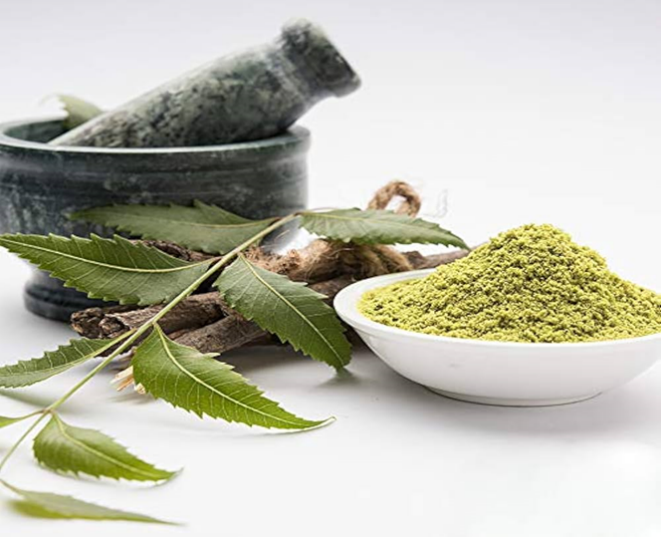
Neem

Neem oil contains fatty acids, antioxidants, and antimicrobial compounds, and these can Benefit the skin in a range of ways. Research shows that these compounds may helpfight skin Infections, promote wound healing, and combat signs of skin aging. The stem, root bark, and Fruit are used as a tonicand astringent. Some people apply neem directly to the skin to treat Head lice, skin diseases, wounds, and skin ulcers; as a mosquito repellent; and as a skin Softner

Saffron

It is derived from the flower of crocus sativus. Saffron is a scarlet color thread like pistle,Which is believed to have originated primarily in Greece. Treating tanned skin Meansbrightening the skin by treating the affected areas. Using saffron for skin whitening Helps to brighten the skin and bring out the skin natural radiance. And to treat skin diseasesLike acne. Wound.

Coconut milk

Coconut milk has a high fat content which can have an excellent moisturizing effect whenApplied topically dry skin, and it also acts as a sealant to look in moisture and hydrate. It?sEasily absorbed, smoothest skin cells, and the fats help maintain your skin?s elasticity. It is Ideal moisturizer for the body which makes the skin smooth and textured.[11]

Honey

Honey is a natural antiseptic and anti-inflammatory that helps to heal breakouts of acneand Prevent extra infections. Honey also reduces the redness and swelling of acne. It controlthe Accumulation of dust in the skin pores and absorbs the impurities from the pores It reduces The dryness of skin by providing long-lasting hydration. Honey moisturizes the to players of Skin and helps to reduce wrinkles and fine lines. It use as wound-healing agent.

Almond oil

Almond oil is an emollient that provides hydration, which can help moisturize and smoothSkin. Almond oil is generally safe for sensitive skin because it is non-irritating and Lightweight.• It may act as an antioxidant.• It may have anti-inflammatory action.• It may act as an immunity booster.• It may increase good cholesterol levels.• It may have antibacterial activity.• It may have anti-fungal properties.

MATHOD OF PREPARATION HERBAL LOTION

1.Weigh all the ingredients as per formulation

2Neem extract was taken in separate clean beaker then stirred it till it gets converted into Little bit creamy form

3.Then honey and saffron extract was added and mixed it

4.Then another beaker was taken and in that Almond oil, Lavender oil, Vitamin. Oil from Capsules and Glycerin was addedn

1. Then this oils solution was slowly added in the first one beaker and mixed it thoroughly. 2. After mixing all ingredients rose water and coconut milk was added as per consistency.

4. MATERIALS AND METHODS    

4.1 Materials    

Herbal ingredients    

Aloe vera gel (Aloe barbadensis)    

Neem leaves (Azadirachta indica)    

Turmeric rhizome (Curcuma longa)    

Tulsi leaves (Ocimum sanctum)    

Excipients    

Almond oil (emollient)    

Beeswax (stiffening agent)    

Borax (emulsifier)    

Glycerin (humectant)    

Vitamin E (antioxidant)  Rose water

(vehicle)    

1. Aloe vera   Synonyms:    

Aloe, Ghritkumari, Kumari, Indian aloe Biological source:    

Fresh or dried mucilaginous pulp and juice obtained from the leaves of Aloe vera (L.) Burm.f. (Aloe barbadensis Mill.) Family:    

Liliaceae (modern classification: Asphodelaceae) 
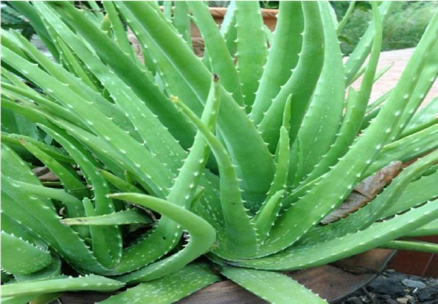


(Fig.1:Aloe  vera)

Morphology:     

Leaves are thick, fleshy, succulent, lanceolate, 30–60 cm long, arranged in a basal rosette.  

Margin bears small sharp spines. Outer surface green, inner gel colorless and mucilaginous.  Odor slight; taste bitter.   Chemical constituents:    

Anthraquinone glycosides (aloin A & B), aloe-emodin, barbaloin, polysaccharides (acemannan), chromones, vitamins, enzymes, amino acids, minerals.     Aloe vera is widely used in cosmetic and pharmaceutical products due to its excellent moisturizing and healing properties. It contains polysaccharides, vitamins (A, C, E), enzymes, and amino acids. Aloe vera gel promotes hydration, improves skin elasticity, accelerates wound healing, and reduces inflammation.    

Uses:    

Wound healing, burns, skin moisturizer, anti-inflammatory, laxative (latex), antimicrobial, cosmetic and pharmaceutical preparations.    

2. Neem  

Synonyms:   

Neem, Margosa tree, Nimba, Indian lilac Biological source:     Fresh or dried leaves, bark, seeds, and flowers of Azadirachta indica A.

Family:Meliaceae                                

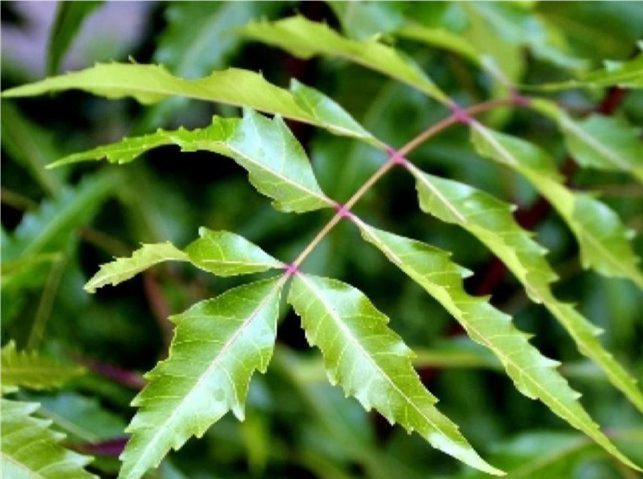
Morphology:Leaves are compound, imparipinnate, 20–40 cm long. Leaflets 8–18,   lanceolate, serrated margins, pointed apex, dark green. Odor characteristic; taste very bitter.    

Chemical constituents: Azadirachtin, nimbin, nimbidin, nimbolide, quercetin, gedunin, fatty acids (seed oil).    

Uses:Antimicrobial,  antifungal,   anti-inflammatory,   insecticidal,  blood  purifier,  skin diseases, dental care, antimalarial, wound healing.  


1. Curcumin (Turmeric) – Rhizome    Synonyms: 

Turmeric, Haldi, Curcuma    

Biological source:Dried rhizomes of Curcuma longa Linn.    

Family: Zingiberaceae   
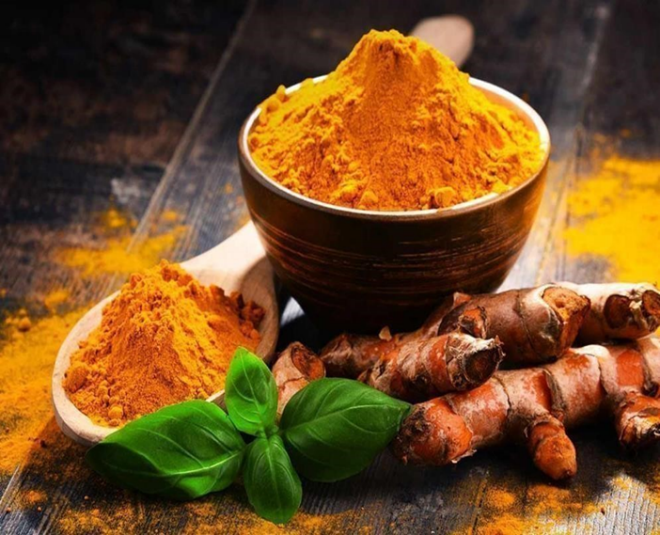


(Fig.3: curcumin rhizome)

Morphology:    

Rhizomes are short, thick, branched, cylindrical or ovate, yellow to orange in color. Outer surface is rough with rings of leaf scars and root marks. Fracture is horny; internal surface bright yellow-orange. Odor aromatic; taste bitter and slightly pungent.    

Chemical constituents:    

Curcuminoids (curcumin, demethoxycurcumin, bisdemethoxycurcumin), volatile oils (turmerone, atlantone, zingiberene), resins, starch.    

Uses:    

Anti-inflammatory, antioxidant, antimicrobial, wound healing, skin disorders, digestive aid, coloring agent.    

2. Tulsi – Leaves

Synonyms:    

Holy basil, Sacred basil, Ocimum Biological source:    

Fresh or dried leaves of Ocimum sanctum Linn. (Ocimum tenuiflorum)

 Family:Lamiaceae    
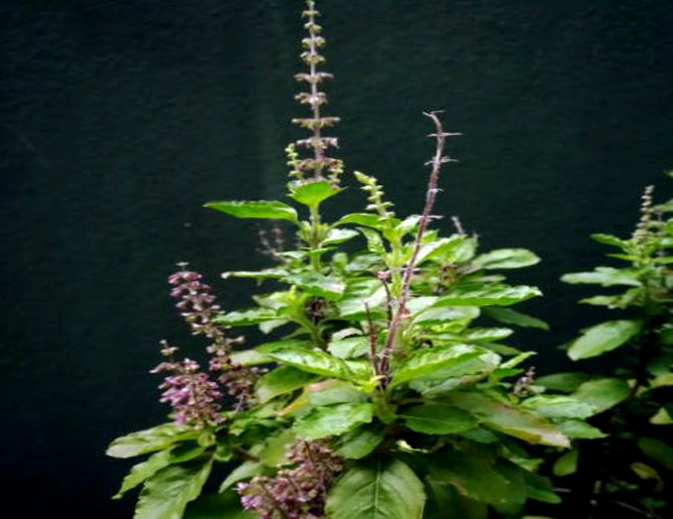


(Fig.4: tulsi leaves)


Morphology:    

Leaves are simple, opposite, ovate, 2–5 cm long, margins toothed, apex acute. Surface hairy, green to purplish. Strong aromatic odor, taste pungent and slightly bitter.    

Chemical constituents:    

Eugenol, methyl eugenol, ursolic acid, rosmarinic acid, linalool, carvacrol, flavonoids, tannins.    

Uses:    

Antimicrobial, anti-inflammatory, immunomodulator, cough and cold, stress relief, skin and oral care.    

3. Almond Oil Synonyms:    

Sweet almond oil, Oleum amygdalae Biological source:    

Fixed oil obtained from seeds of Prunus amygdalus (sweet almond)  Family:Rosaceae
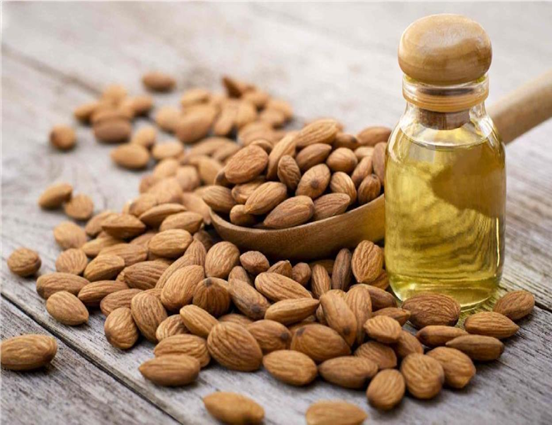


(Fig.5: Almond oil)

 Morphology (source):    

Seeds are oval, flattened, brown, with one end pointed. Oil is pale yellow, clear, oily liquid, odorless or faint nutty odor.    

Chemical constituents:    

Oleic acid, linoleic acid, palmitic acid, stearic acid, tocopherols, phytosterols.    

Uses:     

Emollient, skin softener, hair nourishment, mild laxative, pharmaceutical and cosmetic base.    

4. Beeswax Synonyms:    

Cera flava (yellow beeswax), Cera alba (white beeswax) Biological source:    

Purified wax from honeycombs of Apis mellifera Family:  Apidae (Insecta)    
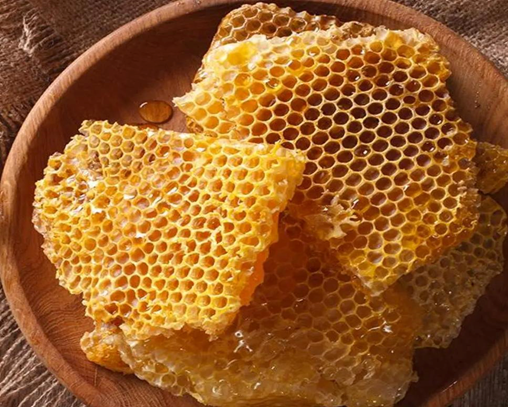


(Fig.6; beeswax)

Morphology:    

Solid, yellow to pale white mass, brittle when cold, soft and pliable when warm. Honey-like odor. Fracture granular and dull.    

Chemical constituents:    

Esters of fatty acids and alcohols (myricyl palmitate), hydrocarbons, free fatty acids, cerotic acid.    

Uses:    

Ointment base, thickening agent, protective coating, cosmetics, pharmaceuticals, polishes.    

5. Glycerine Synonyms:    

Glycerol, 1,2,3-propanetriol Biological source:    

Obtained from hydrolysis of fats and oils (vegetable or animal origin) Family:  Not applicable (chemical substance)    
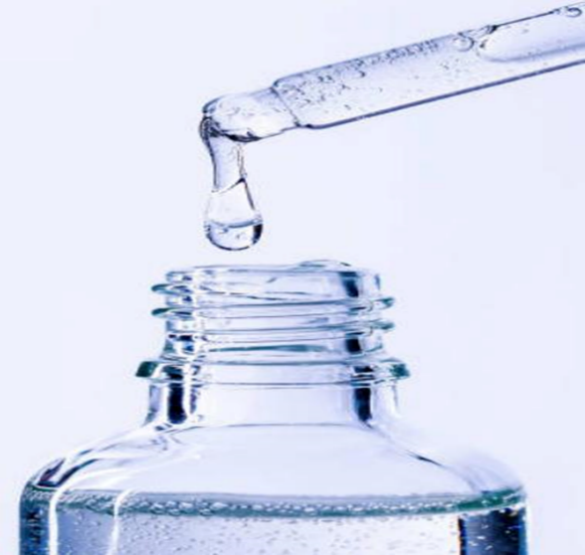


(Fig: glycerine)

Morphology:    

Clear, colorless, odorless, viscous, sweet-tasting, hygroscopic liquid.    

Chemical constituents:   

Trihydric alcohol (C?H?O?) Uses:    

Humectant, solvent, emollient, sweetening agent, preservative, pharmaceutical and cosmetic preparations.    

 6. Rose Water Synonyms:    

Aqua rosae, Gulab jal Biological source:    

Distillate of fresh petals of Rosa damascena Mill.    

Family:    Rosaceae        
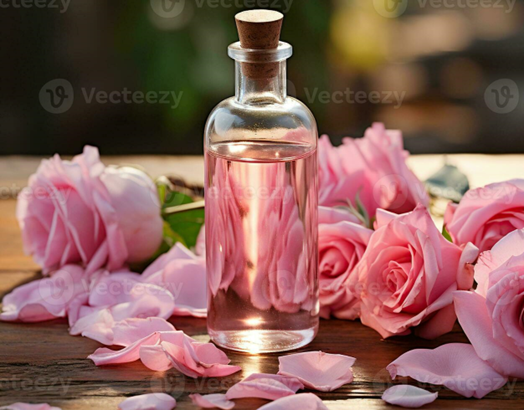


Morphology:    

Clear, colorless liquid with pleasant rose odor and slightly sweet taste.    

Chemical constituents:Citronellol, geraniol, nerol, phenyl ethyl alcohol, flavonoids, volatile oils.    

Uses:Cooling agent, mild astringent, skin toner, anti-inflammatory, flavoring agent, eye and cosmetic preparations.   

4.2 Method of extraction    

Fresh plant materials were washed, shade dried, and powdered. The powdered drugs were extracted separately using hydro-alcoholic solvent by maceration. The extracts were filtered and concentrated on a water bath. The concentrated extracts were stored in airtight containers until further use.   

5 Benefits of Herbal Lotion

  1. Natural moisturizing effect – Herbal lotions hydrate the skin and help maintain the skin’s natural moisture balance.
  2. Fewer side effects – Made from plant-based ingredients, they are generally safer and better tolerated than synthetic products.
  3. Soothes dry and irritated skin – Herbs like aloe vera and calendula relieve itching, redness, and roughness.
  4. Anti-inflammatory action – Many herbal extracts reduce inflammation and swelling in skin conditions.
  5. Promotes wound healing – Certain herbs accelerate tissue repair and regeneration.
  6. Antioxidant protection – Herbal lotions protect the skin from free radical damage and premature aging.
  7. Antimicrobial activity – Natural ingredients help prevent bacterial and fungal skin infections.
  8. Improves skin texture and softness – Regular use makes skin smoother, softer, and healthier.
  9. Suitable for sensitive skin – Gentle herbal formulations are ideal for people with sensitive or allergy-prone skin.
  10. Enhances skin glow naturally – Nourishes the skin and supports a healthy, natural complexion.
  11. Cooling and refreshing effect – Herbs like cucumber, mint, and rose provide a calming sensation.
  12. Supports long-term skin health – Strengthens the skin barrier and improves overall skin function

6 Advantages of Herbal Lotion

  1. Natural ingredients – Prepared from plant-based materials like aloe vera, neem, turmeric, rose water, almond oil, etc.
  2. Fewer side effects – Generally safer and gentler than synthetic products when used properly.
  3. Good skin compatibility – Usually suitable for sensitive skin and long-term use.
  4. Moisturizing and nourishing – Rich in vitamins, antioxidants, fatty acids, and bioactive compounds.
  5. Therapeutic benefits – Can show antimicrobial, anti-inflammatory, antioxidant, wound-healing, and soothing effects.
  6. Eco-friendly – Biodegradable, renewable sources, and less environmental pollution.
  7. Lower risk of toxicity – Compared to petroleum-based or strongly synthetic cosmetics.
  8. Cultural and traditional acceptance – Supported by Ayurveda and traditional medicine systems.
  9. Multifunctional action – Moisturizer + protective + healing effect in one preparation.
  10. Consumer preference – Growing demand for “green” and “clean label” cosmetics.

7. Disadvantages of Herbal Lotion

  1. Shorter shelf life – Natural products are more prone to microbial growth and spoilage.
  2. Stability issues – Color, odor, and consistency may change over time.
  3. Batch-to-batch variation – Active constituents vary depending on plant source and season.
  4. Risk of contamination – If not properly preserved, herbal lotions may harbor microbes.
  5. Slower action – Effects may be mild and take longer compared to synthetic formulations.
  6. Possible allergic reactions – Some users may develop sensitivity to certain herbs.
  7. Standardization difficulty – Hard to maintain constant potency and uniform quality.
  8. Limited scientific validation – Not all herbal ingredients are supported by strong clinical trials.
  9. Lower aesthetic appeal sometimes – May have strong herbal odor or darker color.
  10. Higher production cost – Quality herbal extracts and natural preservatives can be expensive.

8. List of Herbal Lotions

  1. Aloe vera moisturizing lotion
  2. Turmeric herbal lotion
  3. Neem antibacterial lotion
  4. Tulsi (Holy basil) skin-protective lotion
  5. Sandalwood cooling lotion
  6. Cucumber soothing lotion
  7. Rose water hydrating lotion
  8. Calendula healing lotion
  9. Lavender calming herbal lotion
  10. Tea tree anti-acne lotion
  11. Papaya skin-brightening lotion
  12. Multani mitti (Fuller’s earth) lotion
  13. Almond oil nourishing lotion
  14. Coconut milk herbal lotion
  15. Saffron complexion-enhancing lotionHerbal baby lotion
  16. Herbal foot-care lotion
  17. Herbal anti-stretch mark lotion
  18. Herbal after-sun lotion
  19. Herbal wound-healing lotion
  20. Anti-dandruff herbal scalp lotion
  21. Herbal fairness/brightening lotion
  22. Herbal men’s grooming lotion
  23. Herbal aromatherapy lotion

CONCLUSION

Herbal lotions offer a safe and effective alternative to synthetic topical formulations by utilizing the therapeutic potential of medicinal plants. Enriched with natural bioactive constituents such as flavonoids, phenolics, and essential oils, herbal lotions exhibit moisturizing, antioxidant, anti-inflammatory, and antimicrobial properties that support overall skin health. Their improved biocompatibility and lower risk of adverse effects enhance patient and consumer acceptance. Although traditional use supports their benefits, scientific standardization and clinical validation are essential to ensure consistent quality, safety, and efficacy. Overall, herbal lotions hold significant promise in the development of modern dermatological and cosmeceutical products.

REFERENCES     

  1. Pandhare P, More K, Gadade A, Gawai N, Madane P. A review on formulation and evaluation of herbal lotion. Int J Res Appl Sci Eng Technol. 2025;13(1):245–252.
  2. Dombe P, Gawai NM, Aher S, Virkar T, Godase P. Preparation and evaluation of herbal lotion. Int J Res Appl Sci Eng Technol. 2025;13(2):118–124.
  3. Bura SV, Babar GL. Formulation and evaluation of herbal lotion. Int J Pharm Res Appl. 2023;8(3):1720–1726. Ijprajournal.com
  4. Mishra S, Tiwari S, Prakash K, Jaiswal H, Rajpoot H. Pharmaceutical assessment of body lotion: a herbal formulation and its potential benefits. Int J Pharm Pharm Sci. 2023;5(2):32–38. Pharmacy Journal
  5. Yandamuri A, Subrahmanyam NS, Navuduri SJ. Formulation and evaluation of herbal body lotion using Aloe barbadensis miller. Learnovate-Int. 2025;2(3):15–21. Lapinjournals.com
  6. Raj M, Vyas GK, Sharma S, Sharma A. Phyto analysis, formulation and evaluation of herbal lotion from Allium sativum and Phyllanthus emblica extracts. Asian J Pharm Res Dev. 2022;10(2):37–43.

AJPRD

  1. Sanjeev D, Jaiswal S, Dhole O, et al. Formulation and evaluation of herbal lotion with Aloe vera, turmeric and neem extracts. J Emerg Technol Innov Res. 2024;11(5):182–189. Jetir
  2. Gupta TJ, Bondhare NN, Ramesh V, et al. Formulation and evaluation of polyherbal body lotion. Int J Novel Res Dev. 2025;10(4):67–75. IJNRD
  3. Hande SS, Tete JR, Ghope PD. Formulation and standardization of herbal lotion. ISJEM J. 2023;4:1–7. ISJEM Journal
  4. Formulation and evaluation of herbal lotion (with Tulsi, aloe, rose oil). Int J Adv Pharm Res. [year];[vol(issue)]:page-page. Ijarsct.co.in
  5. Formulation and evaluation of herbal suntan SLN lotion with plant extracts. J Coastal Life Med. 2023;11(1):1691–1712. Jclmm.com
  6. Banerjee D, Kumar M, Mukopadayay S. Formulation and evaluation of herbal body lotion. Int J Health Sci. 2022;6(S2):13342–13349.Sciencescholar.us
  7. Salvi A, Soni P, Shaikh M, Sharma A. A review on formulation and evaluation of polyherbal skin care lotion. J Drug Deliv Ther. 2023;13(4):180–186. JDDA Therapeutics
  8. Formulation and standardization of herbal lotion: a review. Int J Novel Res Dev. 2023;8(4):556–562. IJNRD
  9. Dipali C, et al. A review on herbal lotions. World J Pharm Res. 2024;13(9):361–369. WJPR
  10. A review on herbal cosmetics. Int J Pharm Sci Res. 2021;11(2):1000–1010. ResearchGate
  11. A review of herbal formulations in skin care and cosmetics. Int J Pharm Res Appl. 2024;[vol(issue)]:page-page. Ijprajournal.com
  12. Chandrasekar R. A comprehensive review on herbal cosmetics in the management of skin diseases. Res J Topical Cosmet Sci. 2020;11(1):32–44. RJTCs Online
  13. Kiran D. Natural radiance unveiled: a comprehensive review of herbal cosmetics and their transformative effects. Pharma Sci Anal Res J. 2024;6(2):180043. Academicstrive.com
  14. A review on herbal lotions in skincare and dermatology. IJSRED. 2024;8(2):20–35. Ijsred.com
  15. Michalak M. Plant extracts as skin care and therapeutic agents. Evid Based Complement Alternat Med. 2023;2023:Article ID. PMC
  16. Ribeiro AS, Estanqueiro M, Oliveira MB, Sousa Lobo JM. Main benefits and applicability of plant extracts in skin care products. Cosmetics. 2015;2(2):48–65. MDPI
  17. Dal’Belo SE, Gaspar LR, Maia Campos PMBG. Moisturizing effect of cosmetic formulations with Aloe vera assessed by skin bioengineering techniques. Skin Res Technol. 2006;12(3):241–246. Lapinjournals.com
  18. Dweck AC. Herbal medicine for the skin: natural chemical compounds and plant extracts in cosmetics. J Cosmet Sci. 2002;53(3):135–168. Lapinjournals.com
  19. Mukherjee PK, Maity N, Nema NK, Sarkar BK. Bioactive compounds from natural resources against skin aging. Phytomedicine. 2011;19(1):64–73. Lapinjournals.com
  20. Gediya SK, Mistry RB, Patel UK, Blessy M, Jain HN. Herbal plants used in cosmetics. J Nat Prod Plant Resour. 2011;1(1):24–28. Lapinjournals.com
  21. Nair R, Kalariya T, Sumitra C. Plant-based products for skin care and therapeutics. Indian J Drugs Dermatol. 2020;6(2):67–75. Lapinjournals.com
  22. Arora K, Selvarajan S. Natural emulsifiers in herbal cosmetic formulations. Asian J Pharm. 2019;13(1):45–52. Lapinjournals.com
  23. Mehta RM, Patel D. Herbal extracts and topical delivery systems: a review. J Cosmet Dermatol. 2021;20(5):1304–1315. Lapinjournals.com
  24. Kaur T, Singh A, Kaur L. Herbal cosmetics: formulation, evaluation and challenges. Int J Pharm Anal Sci. 2021;10(1):11–23. ResearchGate
  25. Amar Surjushe, Resham Vasani, D G Saple. Aloe vera: a short review. Indian J Dermatol. 2008;53(4):163–166. Ijprajournal.com
  26. Debjit B, Harish G, Kumar BP, Duraivel S, Aravind G, Sampath Kumar KP. Medicinal uses of Punica granatum and its health benefits. J Pharmacogn Phytochem. 2013;1(5):45–52. IJNRD
  27. Harshita V, Sisodiya DS. Formulation and evaluation of herbal lotion of Aloe vera. Sch Acad J Biosci. 2020;8(3):123–130.Ijprajournal.com
  28. Kaur J, Arora R. Development and evaluation of herbal body lotions. J Nat Remedies. 2019;19(3):137–145. IJNRD
  29. Salunke P, Hingane LD. Preparation and evaluation of herbal lotion. Int J Adv Eng Manag. 2022;6(2):44–50. IJNRD
  30. Vishakha S, Tiwari K. Formulation and evaluation of lemongrass lotion. Cosmet Dermatol Res. 2023;7(4):210–217. IJNRD
  31. Comparative study of herbal vs synthetic moisturizers. Dermatol Cosmet Sci J. 2022;4(1):12–21. ResearchGate
  32. Effect of botanical antioxidant extracts on lotion stability and shelf life. J Phar Sci Res. 2023;15(11):3330–3338. ResearchGate
  33. Anti-inflammatory effects of turmeric extract in topical formulations. Int J Herbal Med. 2024;12(3):55–62. Ijsred.com
  34. Evaluation of neem extract in cosmetic emulsions. Asian J Cosmet Res. 2023;5(2):78–86. Ijsred.com
  35. pH, viscosity and spreadability tests in lotion evaluation. Cosmet Pharm Res. 2024;6(1):3–12. ijprajournal.com
  36. Microbial contamination assessment in herbal cosmetics. J Microbio Cosmet Sci. 2024;2(4):55–63. Ijprajournal.com
  37. Stability testing methods for herbal lotions. Int J Cosmet Sci Technol. 2023;35(7):423–430. MDPI
  38. Dermatological patch test procedures for topical products. Clin Dermatol Rev. 2023;9(2):88–96. MDPI
  39. In vitro permeation studies for lotion formulations. Drug Deliv Transl Res. 2022;12(3):765–778. MDPI
  40. Kaur L, Singh AP, Singh A et al. Herbal cosmetic formulations: an overview. Int J Pharm Anal Sci. 2021;9(4):15–27. ResearchGate
  41. Dhanapal V, Thavamani S. Review on herbal cosmetics in skin care. J Pharm Sci Res. 2019;11(8):307–314. PMC
  42. Saudagar RB, Sisodiya MH. Review on herbal cosmetics. World J Pharm Res. 2018;7(7):573–591. WJPR
  43. Patil RR, Khan MP. Comparison of physical characteristics of vanishing cream base and lotion. Int J Pharm Bio Sci. 2013;4(4):14–21.Ijprajournal.com
  44. Handbook of Arabian Medicinal Plants. CRC Press; 1994. Lapinjournals.com
  45. Physicians’ Desk Reference for Herbal Medicines. 4th ed. Thomson Health Care; 2007.Lapinjournals.com
  46. Herbal antioxidants in skin care formulations. Int J Dermatol. 2021;60(3):289–300.

MDPI

  1. Evaluation of natural sunscreen agents from plant extracts. Cosmet Dermatol Sci. 2022;11(5):102–110. Jclmm.com
  2. Moisturization mechanisms of botanical oils in lotions. Skin Pharmacol Physiol. 2020;33(2):91–101. MDPI
  3. Effect of plant phenolics on skin barrier function. J Cosmet Dermatol. 2019;18(4):1028–1036. MDPI
  4. Herbal extracts as natural preservatives in topical formulations. J Cosmet Sci. 2023;74(2):99–108. MDPI
  5. Plant-derived emollients in cosmetics. Cosmet Technol. 2022;14(3):55–63. MDPI
  6. Impact of herbal ingredients on skin pH balance. Int J Cosmet Sci. 2021;43(1):28–36. MDPI

Herbal oil emulsions for dry skin: clinical evidence. Dermatol Ther. 2022;35(5):e15510. MDPI

  1. Safety evaluation of herbal skincare products. Toxicol Dermatol J. 2023;10(1):45–56. MDPI
  2. Role of flavonoids in skin health and cosmetics. Phytother Res. 2021;35(1):30–42. MDPI
  3. Nanoemulsion technology in herbal lotion delivery. Int J Nanomedicine. 2022;17:123–138. MDPI
  4. Herbal extracts as anti-aging actives. J Cosmet Dermatol. 2020;19(4):982–990. MDPI
  5. Ethnobotanical survey of plants used in skin care. J Ethnopharmacol. 2019;230:50–65. MDPI
  6. Plant sterols in cosmetic moisturizers. Cosmet Ingred J. 2021;12(2):22–29. MDPI
  7. Evaluation of botanical anti-inflammatory agents for skin. Inflamm Res. 2020;69(6):567–575. MDPI
  8. Herbal lotion base comparison: O/W vs W/O emulsions. Int J Cosmet Sci Tech. 2021;43(7):394–402.
  9. Natural fragrance compounds in herbal lotions. Flavour Fragr J. 2022;37(3):159–167. MDPI
  10. Herbal lotion formulations with essential oils: efficacy and safety. Eur J Dermatol. 2021;31(2):243–250. MDPI
  11. Plant polyphenols as natural UV protectants. Photodermatol Photoimmunol Photomed. 2020;36(6):321–330. MDPI
  12. Comparative evaluation of herbal vs synthetic moisturizers. Dermatol Online J. 2019;25(7):13030. MDPI
  13. Topical delivery of herbal actives in lotion vehicles. Drug Deliv. 2023;30(1):238–250. MDPI
  14. Antioxidant capacity assays for plant extracts in cosmetics. J Food Drug Anal. 2021;29(3):425–433. MDPI
  15. Herbal ingredients in pediatric skincare lotions. Pediatr Dermatol. 2022;39(1):19–28. MDPI
  16. Plant extract synergism in topical formulations. Cosmet Sci Tech. 2022;2(1):31–45. MDPI
  17. Glycerin and botanical humectants in lotion bases. J Cosmet Sci. 2020;71(6):345–354MDPI
  18. Comparative evaluation of lotion emulsifiers from herbal and synthetic sources. Int J Cosmet Sci Tech. 2023;45(8):983–995.MDPI
  19. Kapoor S, Saraf S. Formulation and evaluation of herbal cosmetic creams and lotions. Indian J Pharm             Sci. 2010;72(2):231–236.
  20. Barel AO, Paye M, Maibach HI. Handbook of cosmetic science and technology. 4th ed. New York: Informa Healthcare; 2014.
  21. Draelos ZD. Cosmetic dermatology: products and procedures. 2nd ed. Oxford: Wiley-Blackwell; 2016.
  22. Baumann L. Cosmetic dermatology: principles and practice. New York: McGraw-Hill; 2009.
  23. Mukherjee PK. Quality control of herbal drugs. 2nd ed. New Delhi: Business Horizons; 2007.
  24. Evans WC. Trease and Evans’ pharmacognosy. 16th ed. Edinburgh: Saunders Elsevier; 2009.
  25. Kokate CK, Purohit AP, Gokhale SB. Pharmacognosy. 55th ed. Pune: Nirali Prakashan; 2019.
  26. Heinrich M, Barnes J, Gibbons S, Williamson EM. Fundamentals of pharmacognosy and phytotherapy. 2nd ed. Edinburgh: Churchill Livingstone; 2012.
  27. Surjushe A, Vasani R, Saple DG. Aloe vera: a short review. Indian J Dermatol. 2008;53(4):163–166.
  28. Dal’Belo SE, Gaspar LR, Maia Campos PMBG. Moisturizing effect of cosmetic formulations
  29. Chanchal D, Swarnlata S. Novel approaches in herbal cosmetics. J Cosmet Dermatol. 2008;7(2):89–95
  30. Dweck AC. Herbal medicine for the skin: natural chemical compounds and plant extracts in cosmetics. J Cosmet Sci. 2002;53(3):135–168.
  31. Ribeiro AS, Estanqueiro M, Oliveira MB, Sousa Lobo JM. Main benefits and applicability of plant extracts in skin care products. Cosmetics. 2015;2(2):48–65.
  32. Mukherjee PK, Maity N, Nema NK, Sarkar BK. Bioactive compounds from natural resources against skin aging. Phytomedicine. 2011;19(1):64–73.
  33. Gediya SK, Mistry RB, Patel UK, Blessy M, Jain HN. Herbal plants used as cosmetics. J Nat Prod Plant Resour. 2011;1(1):24–28.
  34. Nair R, Kalariya T, Sumitra C. Antibacterial activity of some selected Indian medicinal flora. Turk J Biol. 2005;29:41–47.
  35. Mehta RM, Patel D. Herbal extracts and topical delivery systems: a review. J Cosmet Dermatol. 2021;20(5):1304–1315.

Reference

  1. Pandhare P, More K, Gadade A, Gawai N, Madane P. A review on formulation and evaluation of herbal lotion. Int J Res Appl Sci Eng Technol. 2025;13(1):245–252.
  2. Dombe P, Gawai NM, Aher S, Virkar T, Godase P. Preparation and evaluation of herbal lotion. Int J Res Appl Sci Eng Technol. 2025;13(2):118–124.
  3. Bura SV, Babar GL. Formulation and evaluation of herbal lotion. Int J Pharm Res Appl. 2023;8(3):1720–1726. Ijprajournal.com
  4. Mishra S, Tiwari S, Prakash K, Jaiswal H, Rajpoot H. Pharmaceutical assessment of body lotion: a herbal formulation and its potential benefits. Int J Pharm Pharm Sci. 2023;5(2):32–38. Pharmacy Journal
  5. Yandamuri A, Subrahmanyam NS, Navuduri SJ. Formulation and evaluation of herbal body lotion using Aloe barbadensis miller. Learnovate-Int. 2025;2(3):15–21. Lapinjournals.com
  6. Raj M, Vyas GK, Sharma S, Sharma A. Phyto analysis, formulation and evaluation of herbal lotion from Allium sativum and Phyllanthus emblica extracts. Asian J Pharm Res Dev. 2022;10(2):37–43.

AJPRD

  1. Sanjeev D, Jaiswal S, Dhole O, et al. Formulation and evaluation of herbal lotion with Aloe vera, turmeric and neem extracts. J Emerg Technol Innov Res. 2024;11(5):182–189. Jetir
  2. Gupta TJ, Bondhare NN, Ramesh V, et al. Formulation and evaluation of polyherbal body lotion. Int J Novel Res Dev. 2025;10(4):67–75. IJNRD
  3. Hande SS, Tete JR, Ghope PD. Formulation and standardization of herbal lotion. ISJEM J. 2023;4:1–7. ISJEM Journal
  4. Formulation and evaluation of herbal lotion (with Tulsi, aloe, rose oil). Int J Adv Pharm Res. [year];[vol(issue)]:page-page. Ijarsct.co.in
  5. Formulation and evaluation of herbal suntan SLN lotion with plant extracts. J Coastal Life Med. 2023;11(1):1691–1712. Jclmm.com
  6. Banerjee D, Kumar M, Mukopadayay S. Formulation and evaluation of herbal body lotion. Int J Health Sci. 2022;6(S2):13342–13349.Sciencescholar.us
  7. Salvi A, Soni P, Shaikh M, Sharma A. A review on formulation and evaluation of polyherbal skin care lotion. J Drug Deliv Ther. 2023;13(4):180–186. JDDA Therapeutics
  8. Formulation and standardization of herbal lotion: a review. Int J Novel Res Dev. 2023;8(4):556–562. IJNRD
  9. Dipali C, et al. A review on herbal lotions. World J Pharm Res. 2024;13(9):361–369. WJPR
  10. A review on herbal cosmetics. Int J Pharm Sci Res. 2021;11(2):1000–1010. ResearchGate
  11. A review of herbal formulations in skin care and cosmetics. Int J Pharm Res Appl. 2024;[vol(issue)]:page-page. Ijprajournal.com
  12. Chandrasekar R. A comprehensive review on herbal cosmetics in the management of skin diseases. Res J Topical Cosmet Sci. 2020;11(1):32–44. RJTCs Online
  13. Kiran D. Natural radiance unveiled: a comprehensive review of herbal cosmetics and their transformative effects. Pharma Sci Anal Res J. 2024;6(2):180043. Academicstrive.com
  14. A review on herbal lotions in skincare and dermatology. IJSRED. 2024;8(2):20–35. Ijsred.com
  15. Michalak M. Plant extracts as skin care and therapeutic agents. Evid Based Complement Alternat Med. 2023;2023:Article ID. PMC
  16. Ribeiro AS, Estanqueiro M, Oliveira MB, Sousa Lobo JM. Main benefits and applicability of plant extracts in skin care products. Cosmetics. 2015;2(2):48–65. MDPI
  17. Dal’Belo SE, Gaspar LR, Maia Campos PMBG. Moisturizing effect of cosmetic formulations with Aloe vera assessed by skin bioengineering techniques. Skin Res Technol. 2006;12(3):241–246. Lapinjournals.com
  18. Dweck AC. Herbal medicine for the skin: natural chemical compounds and plant extracts in cosmetics. J Cosmet Sci. 2002;53(3):135–168. Lapinjournals.com
  19. Mukherjee PK, Maity N, Nema NK, Sarkar BK. Bioactive compounds from natural resources against skin aging. Phytomedicine. 2011;19(1):64–73. Lapinjournals.com
  20. Gediya SK, Mistry RB, Patel UK, Blessy M, Jain HN. Herbal plants used in cosmetics. J Nat Prod Plant Resour. 2011;1(1):24–28. Lapinjournals.com
  21. Nair R, Kalariya T, Sumitra C. Plant-based products for skin care and therapeutics. Indian J Drugs Dermatol. 2020;6(2):67–75. Lapinjournals.com
  22. Arora K, Selvarajan S. Natural emulsifiers in herbal cosmetic formulations. Asian J Pharm. 2019;13(1):45–52. Lapinjournals.com
  23. Mehta RM, Patel D. Herbal extracts and topical delivery systems: a review. J Cosmet Dermatol. 2021;20(5):1304–1315. Lapinjournals.com
  24. Kaur T, Singh A, Kaur L. Herbal cosmetics: formulation, evaluation and challenges. Int J Pharm Anal Sci. 2021;10(1):11–23. ResearchGate
  25. Amar Surjushe, Resham Vasani, D G Saple. Aloe vera: a short review. Indian J Dermatol. 2008;53(4):163–166. Ijprajournal.com
  26. Debjit B, Harish G, Kumar BP, Duraivel S, Aravind G, Sampath Kumar KP. Medicinal uses of Punica granatum and its health benefits. J Pharmacogn Phytochem. 2013;1(5):45–52. IJNRD
  27. Harshita V, Sisodiya DS. Formulation and evaluation of herbal lotion of Aloe vera. Sch Acad J Biosci. 2020;8(3):123–130.Ijprajournal.com
  28. Kaur J, Arora R. Development and evaluation of herbal body lotions. J Nat Remedies. 2019;19(3):137–145. IJNRD
  29. Salunke P, Hingane LD. Preparation and evaluation of herbal lotion. Int J Adv Eng Manag. 2022;6(2):44–50. IJNRD
  30. Vishakha S, Tiwari K. Formulation and evaluation of lemongrass lotion. Cosmet Dermatol Res. 2023;7(4):210–217. IJNRD
  31. Comparative study of herbal vs synthetic moisturizers. Dermatol Cosmet Sci J. 2022;4(1):12–21. ResearchGate
  32. Effect of botanical antioxidant extracts on lotion stability and shelf life. J Phar Sci Res. 2023;15(11):3330–3338. ResearchGate
  33. Anti-inflammatory effects of turmeric extract in topical formulations. Int J Herbal Med. 2024;12(3):55–62. Ijsred.com
  34. Evaluation of neem extract in cosmetic emulsions. Asian J Cosmet Res. 2023;5(2):78–86. Ijsred.com
  35. pH, viscosity and spreadability tests in lotion evaluation. Cosmet Pharm Res. 2024;6(1):3–12. ijprajournal.com
  36. Microbial contamination assessment in herbal cosmetics. J Microbio Cosmet Sci. 2024;2(4):55–63. Ijprajournal.com
  37. Stability testing methods for herbal lotions. Int J Cosmet Sci Technol. 2023;35(7):423–430. MDPI
  38. Dermatological patch test procedures for topical products. Clin Dermatol Rev. 2023;9(2):88–96. MDPI
  39. In vitro permeation studies for lotion formulations. Drug Deliv Transl Res. 2022;12(3):765–778. MDPI
  40. Kaur L, Singh AP, Singh A et al. Herbal cosmetic formulations: an overview. Int J Pharm Anal Sci. 2021;9(4):15–27. ResearchGate
  41. Dhanapal V, Thavamani S. Review on herbal cosmetics in skin care. J Pharm Sci Res. 2019;11(8):307–314. PMC
  42. Saudagar RB, Sisodiya MH. Review on herbal cosmetics. World J Pharm Res. 2018;7(7):573–591. WJPR
  43. Patil RR, Khan MP. Comparison of physical characteristics of vanishing cream base and lotion. Int J Pharm Bio Sci. 2013;4(4):14–21.Ijprajournal.com
  44. Handbook of Arabian Medicinal Plants. CRC Press; 1994. Lapinjournals.com
  45. Physicians’ Desk Reference for Herbal Medicines. 4th ed. Thomson Health Care; 2007.Lapinjournals.com
  46. Herbal antioxidants in skin care formulations. Int J Dermatol. 2021;60(3):289–300.

MDPI

  1. Evaluation of natural sunscreen agents from plant extracts. Cosmet Dermatol Sci. 2022;11(5):102–110. Jclmm.com
  2. Moisturization mechanisms of botanical oils in lotions. Skin Pharmacol Physiol. 2020;33(2):91–101. MDPI
  3. Effect of plant phenolics on skin barrier function. J Cosmet Dermatol. 2019;18(4):1028–1036. MDPI
  4. Herbal extracts as natural preservatives in topical formulations. J Cosmet Sci. 2023;74(2):99–108. MDPI
  5. Plant-derived emollients in cosmetics. Cosmet Technol. 2022;14(3):55–63. MDPI
  6. Impact of herbal ingredients on skin pH balance. Int J Cosmet Sci. 2021;43(1):28–36. MDPI

Herbal oil emulsions for dry skin: clinical evidence. Dermatol Ther. 2022;35(5):e15510. MDPI

  1. Safety evaluation of herbal skincare products. Toxicol Dermatol J. 2023;10(1):45–56. MDPI
  2. Role of flavonoids in skin health and cosmetics. Phytother Res. 2021;35(1):30–42. MDPI
  3. Nanoemulsion technology in herbal lotion delivery. Int J Nanomedicine. 2022;17:123–138. MDPI
  4. Herbal extracts as anti-aging actives. J Cosmet Dermatol. 2020;19(4):982–990. MDPI
  5. Ethnobotanical survey of plants used in skin care. J Ethnopharmacol. 2019;230:50–65. MDPI
  6. Plant sterols in cosmetic moisturizers. Cosmet Ingred J. 2021;12(2):22–29. MDPI
  7. Evaluation of botanical anti-inflammatory agents for skin. Inflamm Res. 2020;69(6):567–575. MDPI
  8. Herbal lotion base comparison: O/W vs W/O emulsions. Int J Cosmet Sci Tech. 2021;43(7):394–402.
  9. Natural fragrance compounds in herbal lotions. Flavour Fragr J. 2022;37(3):159–167. MDPI
  10. Herbal lotion formulations with essential oils: efficacy and safety. Eur J Dermatol. 2021;31(2):243–250. MDPI
  11. Plant polyphenols as natural UV protectants. Photodermatol Photoimmunol Photomed. 2020;36(6):321–330. MDPI
  12. Comparative evaluation of herbal vs synthetic moisturizers. Dermatol Online J. 2019;25(7):13030. MDPI
  13. Topical delivery of herbal actives in lotion vehicles. Drug Deliv. 2023;30(1):238–250. MDPI
  14. Antioxidant capacity assays for plant extracts in cosmetics. J Food Drug Anal. 2021;29(3):425–433. MDPI
  15. Herbal ingredients in pediatric skincare lotions. Pediatr Dermatol. 2022;39(1):19–28. MDPI
  16. Plant extract synergism in topical formulations. Cosmet Sci Tech. 2022;2(1):31–45. MDPI
  17. Glycerin and botanical humectants in lotion bases. J Cosmet Sci. 2020;71(6):345–354MDPI
  18. Comparative evaluation of lotion emulsifiers from herbal and synthetic sources. Int J Cosmet Sci Tech. 2023;45(8):983–995.MDPI
  19. Kapoor S, Saraf S. Formulation and evaluation of herbal cosmetic creams and lotions. Indian J Pharm             Sci. 2010;72(2):231–236.
  20. Barel AO, Paye M, Maibach HI. Handbook of cosmetic science and technology. 4th ed. New York: Informa Healthcare; 2014.
  21. Draelos ZD. Cosmetic dermatology: products and procedures. 2nd ed. Oxford: Wiley-Blackwell; 2016.
  22. Baumann L. Cosmetic dermatology: principles and practice. New York: McGraw-Hill; 2009.
  23. Mukherjee PK. Quality control of herbal drugs. 2nd ed. New Delhi: Business Horizons; 2007.
  24. Evans WC. Trease and Evans’ pharmacognosy. 16th ed. Edinburgh: Saunders Elsevier; 2009.
  25. Kokate CK, Purohit AP, Gokhale SB. Pharmacognosy. 55th ed. Pune: Nirali Prakashan; 2019.
  26. Heinrich M, Barnes J, Gibbons S, Williamson EM. Fundamentals of pharmacognosy and phytotherapy. 2nd ed. Edinburgh: Churchill Livingstone; 2012.
  27. Surjushe A, Vasani R, Saple DG. Aloe vera: a short review. Indian J Dermatol. 2008;53(4):163–166.
  28. Dal’Belo SE, Gaspar LR, Maia Campos PMBG. Moisturizing effect of cosmetic formulations
  29. Chanchal D, Swarnlata S. Novel approaches in herbal cosmetics. J Cosmet Dermatol. 2008;7(2):89–95
  30. Dweck AC. Herbal medicine for the skin: natural chemical compounds and plant extracts in cosmetics. J Cosmet Sci. 2002;53(3):135–168.
  31. Ribeiro AS, Estanqueiro M, Oliveira MB, Sousa Lobo JM. Main benefits and applicability of plant extracts in skin care products. Cosmetics. 2015;2(2):48–65.
  32. Mukherjee PK, Maity N, Nema NK, Sarkar BK. Bioactive compounds from natural resources against skin aging. Phytomedicine. 2011;19(1):64–73.
  33. Gediya SK, Mistry RB, Patel UK, Blessy M, Jain HN. Herbal plants used as cosmetics. J Nat Prod Plant Resour. 2011;1(1):24–28.
  34. Nair R, Kalariya T, Sumitra C. Antibacterial activity of some selected Indian medicinal flora. Turk J Biol. 2005;29:41–47.
  35. Mehta RM, Patel D. Herbal extracts and topical delivery systems: a review. J Cosmet Dermatol. 2021;20(5):1304–1315.

Photo
Ajinath Andhale
Corresponding author

Valmik Naik College of pharmacy telwadi kannad

Photo
Sagane Renuka
Co-author

Valmik Naik College of pharmacy telwadi

Photo
Sapate Rohini
Co-author

Valmik Naik College of pharmacy telwadi kannad

Photo
Kadam Prachi
Co-author

Valmik Naik College of pharmacy

Ajinath andhale, Prachi kadam, Sagane Renuka, Rohini Sapate, Review on Brief Study of Herbal Lotions., Int. J. of Pharm. Sci., 2026, Vol 4, Issue 2, 1482-1494. https://doi.org/10.5281/zenodo.18585204

More related articles
Review on Floating Drug Delivery System...
Kavita Sahu, Aditya Kumar, Tarini Sahu, Trusha Marsoniya, Dikeshw...
Comprehensive Review on Emulgel as a Novel Approac...
Jagtap Bhakti, Jadhav Ashwini, Supekar Amol, Gangurde Hemant, ...
Polycystic Ovarian Disease: A Comprehensive Review of Pathophysiology, Diagnosis...
Trushal Singh , Aniket Singh , Swastik Mishra , Vaibhavi Sange, Kajal Yadav , ...
Use Of Anti Inflammatory Drugs in Aloe Vera Gel Base Formulation...
Chaitali Dhale, Nikita Pol, Akanksha Raut, ...
Related Articles
Exploring Jackfruit Phytoconstituents for Cervical Cancer Intervention: An Integ...
Tejaswini Usrate, Dr. R. S. Moon, Pranita Yengunde , Abhinav Bhadange , Sushil Kshirsagar, ...
A Comprehensive Review: Simultaneous Estimation of Lamivudine and Silymarin by U...
Anand Kumar Gupta, Aslam Hussain Agwan, Kriti Ranjana, ...
Green Synthesis of Quinoline and Its Derivatives...
Anand Bajaniya, Chauhan Aashish J., ...
Review on Floating Drug Delivery System...
Kavita Sahu, Aditya Kumar, Tarini Sahu, Trusha Marsoniya, Dikeshwar Verma, Suchita Wamankar, Dr. Raj...
More related articles
Review on Floating Drug Delivery System...
Kavita Sahu, Aditya Kumar, Tarini Sahu, Trusha Marsoniya, Dikeshwar Verma, Suchita Wamankar, Dr. Raj...
Comprehensive Review on Emulgel as a Novel Approach for Skin Disease...
Jagtap Bhakti, Jadhav Ashwini, Supekar Amol, Gangurde Hemant, ...
Review on Floating Drug Delivery System...
Kavita Sahu, Aditya Kumar, Tarini Sahu, Trusha Marsoniya, Dikeshwar Verma, Suchita Wamankar, Dr. Raj...
Comprehensive Review on Emulgel as a Novel Approach for Skin Disease...
Jagtap Bhakti, Jadhav Ashwini, Supekar Amol, Gangurde Hemant, ...