
IEC University, IEC school of Pharmacy, Baddi, Solan, Himachal Pradesh, 174103, India
Quercetin, a ubiquitous flavonol present in myriad fruits and vegetables, has constituted a dietary staple across human civilizations for millennia. Extensive investigations have substantiated its pleiotropic bioactivities, encompassing antioxidant, antimicrobial, anti-inflammatory, antiviral, and antineoplastic effects. Its potent radical-scavenging capacity mitigates oxidative stress by neutralizing reactive oxygen species (ROS), thereby safeguarding cellular integrity against peroxidation-induced damage. Quercetin's anti-inflammatory efficacy stems from suppression of pro-inflammatory cytokine synthesis (e.g., TNF-?, IL-6) and enzymatic pathways (e.g., COX-2, NF-?B), positioning it as a viable adjunctive therapeutic for inflammatory pathologies. Neoplastic modulation arises via cell cycle arrest, proliferation inhibition, and apoptosis induction in malignant cells through pathways such as PI3K/Akt and MAPK signaling. Cardiovascular protective effects include hypotensive action, hypocholesterolemic influence, and endothelial homeostasis restoration, underscoring its prophylactic potential against atherosclerotic disorders.This review delineates quercetin's chemical architecture, pharmacodynamic profiles, pharmacokinetic constraints (particularly bioavailability limitations), and extant nano- and liposomal delivery paradigms to augment systemic exposure. Dietary incorporation of quercetin-enriched comestibles or supplementation regimens holds promise for chronic disease prophylaxis and metabolic homeostasis. Emerging translational horizons encompass nutraceutical fortification, pharmaceutical formulations, and functional food matrices to harness its chemopreventive attributes. Nonetheless, prospective research imperatives include mechanistic dissection via omics platforms, bioavailability optimization through novel nanocarriers, and longitudinal safety profiling to endorse clinical translation
Flavonoids are a diverse group of polyphenolic compounds found ubiquitously in plants, characterized by a common structure of 15 carbon atoms arranged in a C6–C3–C6 configuration, comprising two aromatic rings linked by a three-carbon bridge (Panche et al., 2016). They play crucial roles in plant physiology, including pigmentation, UV filtration, symbiotic nitrogen fixation, and defense against pathogens (García-Lafuente et al., 2009).In human health, flavonoids are recognized for their antioxidant, anti-inflammatory, anticancer, and cardioprotective properties, largely attributed to their ability to modulate signaling pathways and scavenge free radicals (Middleton et al., 2000). They are classified into several subclasses, including flavonols, flavones, flavanones, isoflavones, anthocyanidins, and flavanols, each differing slightly in their chemical structure and biological activity (Panche et al., 2016).
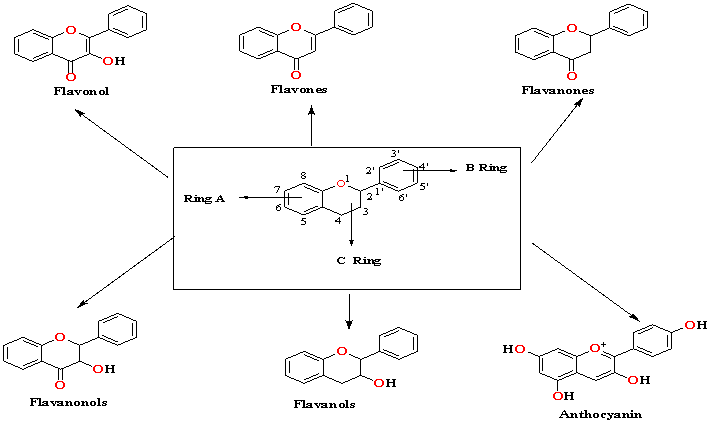
Fig.1: Classification of Flavonoid
Quercetin is a naturally occurring flavonoid widely distributed in fruits, vegetables, leaves, and grains, known for its potent antioxidant, anti-inflammatory, and pharmacological properties (Boots et al., 2008). Chemically, it belongs to the flavonol subclass of flavonoids and is characterized by the presence of multiple hydroxyl groups, which contribute to its free radical scavenging activity (Manach et al., 2004).The interest in quercetin has grown due to its potential therapeutic applications, including cardiovascular protection, neuroprotection, anticancer effects, and metabolic regulation (Li et al., 2016). Its mechanisms of action are diverse, involving modulation of enzyme activity, regulation of cell signaling pathways, and interaction with reactive oxygen species (ROS) (D’Andrea, 2015).Despite its promising biological activities, quercetin faces challenges in clinical applications due to poor water solubility and low bioavailability. Various strategies such as nanoencapsulation, liposomal formulations, and conjugation with other molecules are being explored to enhance its absorption and therapeutic efficacy (Li et al., 2016; Harwood et al., 2007).Historical ethnopharmacological use, Plants rich in quercetin have been widely used in traditional medicine systems across the world. In European herbal medicine, Hypericum perforatum (St. John’s Wort) and Ginkgo biloba were employed to treat inflammation, circulatory disorders, and cognitive decline (Boots et al., 2008). In traditional Chinese medicine, quercetin-containing herbs such as Sophora japonica were used for their anti-inflammatory, hemostatic, and antioxidant properties (Li et al., 2016). Similarly, in Ayurvedic medicine, onions (Allium cepa) and certain berries were incorporated to manage inflammatory conditions, infections, and digestive ailments (Manach et al., 2004). These ethnopharmacological applications are consistent with the modern recognition of quercetin’s antioxidant, anti-inflammatory, and cardioprotective effects, demonstrating a long-standing empirical knowledge of its health benefits.Global burden of oxidative/inflammatory diseases.Oxidative stress and chronic inflammation are central contributors to the pathogenesis of major non-communicable diseases (NCDs), including cardiovascular diseases, type 2 diabetes, neurodegenerative disorders, and certain cancers (Liguori et al., 2018). According to the Global Burden of Disease Study 2019, NCDs account for approximately 74% of all deaths worldwide, with cardiovascular diseases alone responsible for over 17 million deaths annually (GBD 2019 Diseases and Injuries Collaborators, 2020). Chronic inflammatory conditions, such as rheumatoid arthritis and inflammatory bowel disease, also contribute significantly to morbidity, reducing quality of life and increasing healthcare costs globally (Smolen et al., 2016). The pervasive impact of oxidative and inflammatory diseases underscores the importance of dietary antioxidants like quercetin as potential preventive and therapeutic agents at the population level.
Rationale:Quercetin exhibits pleiotropic bioactivities, including antioxidant, anti-inflammatory, antiviral, and cardiometabolic modulatory effects, which position it as a promising candidate for the management of chronic diseases such as cardiovascular disorders, diabetes, and neurodegenerative conditions (Boots et al., 2008; Li et al., 2016). Despite these diverse therapeutic potentials, its clinical translation is hindered by poor bioavailability, rapid metabolism, and limited tissue distribution (D’Andrea, 2015). These pharmacokinetic challenges create a critical unmet need for advanced delivery strategies and optimized formulations that can enhance systemic exposure and therapeutic efficacy (Ganeshpurkar & Saluja, 2017). Addressing these gaps is essential for leveraging quercetin’s multifaceted pharmacological profile in chronic disease prevention and management.Pleiotropic bioactivities and unmet needs in bioavailability/chronic disease management:-Quercetin demonstrates a broad spectrum of biological activities, including antioxidant, anti-inflammatory, cardioprotective, and neuroprotective effects, making it a candidate for the prevention and management of chronic diseases such as cardiovascular disorders, diabetes, and neurodegeneration (Boots et al., 2008; Li et al., 2016). However, its clinical application is limited by poor oral bioavailability, rapid metabolism, and low systemic exposure (D’Andrea, 2015). These pharmacokinetic challenges highlight the unmet need for innovative delivery strategies, including nanoformulations and prodrugs, to fully harness quercetin’s therapeutic potential in chronic disease management (Ganeshpurkar & Saluja, 2017).
Scope and methodology:Systematic review of PubMed/ScienceDirect literature (2015–2026).A systematic review of literature was performed using PubMed and ScienceDirect databases, covering studies published between 2015 and 2026. The search focused on quercetin’s pharmacological activities, bioavailability limitations, and applications in chronic disease management. Peer-reviewed original research, clinical trials, and relevant reviews were included, while studies lacking methodological rigor or relevance to human health were excluded (Moher et al., 2009; Higgins & Thomas, 2021).
Natural Sources:Quercetin, a widely distributed dietary flavonoid, is commonly found in onions, apples, berries, and tea, contributing significantly to daily polyphenol intake worldwide (D’Andrea, 2015). Historically, quercetin-rich plants have been utilized in traditional medicine systems for their anti-inflammatory and antioxidant properties; for instance, Ginkgo biloba and Hypericum perforatum were employed in European herbal medicine, while various onion and berry species were used in traditional Chinese and Ayurvedic medicine for treating inflammation and infections (Boots et al., 2008; Manach et al., 2004). Epidemiologically, oxidative stress and chronic inflammation underpin the global burden of major non-communicable diseases, including cardiovascular diseases, diabetes, neurodegenerative disorders, and certain cancers, which together account for a significant proportion of morbidity and mortality worldwide (GBD 2019 Diseases and Injuries Collaborators, 2020). The dietary intake of flavonoids such as quercetin is therefore of interest for population-level disease prevention and health promotion.
Dietary prevalence Quercetin is one of the most abundant flavonoids in the human diet, predominantly found in fruits, vegetables, and beverages such as onions, apples, berries, grapes, capers, and tea (Harwood et al., 2007). Average daily intake varies geographically due to dietary patterns: in Western countries, estimates range from 5 to 40 mg/day, whereas in Asian populations consuming more flavonoid-rich plant foods, intakes can reach up to 50–100 mg/day (Hertog et al., 1993; Hollman et al., 1996). Seasonal and culinary factors, such as food preparation and storage, also influence quercetin content, with raw onions and capers showing the highest concentrations (Egert et al., 2008). The widespread presence of quercetin in commonly consumed plant foods underlines its relevance in nutritional epidemiology and public health.
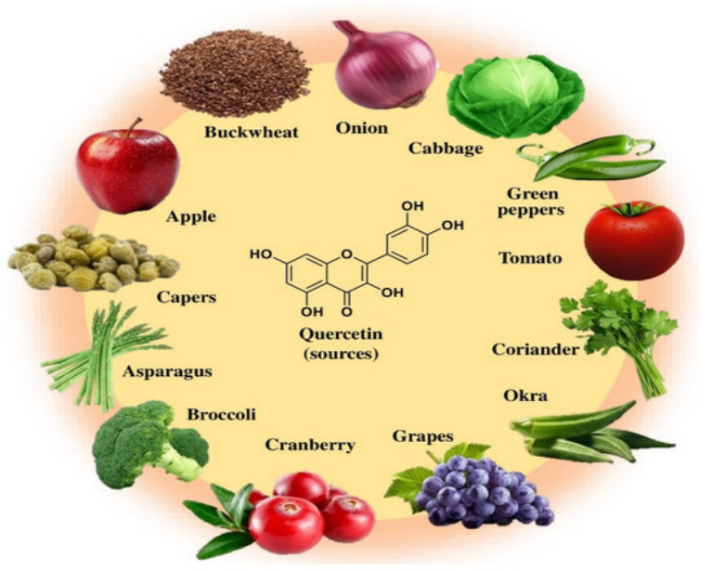
Fig.2: Source of quercetine
2. Chemical Structure and Physicochemical Properties
Physicochemical properties of Qurecetin
Molecular Architecture of Quercetin
Quercetin possesses a characteristic flavonol molecular framework belonging to the flavonoid family of polyphenolic compounds. Structurally, flavonols are defined by a C6–C3–C6 backbone, consisting of two aromatic benzene rings (A and B rings) connected through a heterocyclic pyrone ring (C ring). This planar conjugated structure contributes to the compound’s electronic delocalization and strong antioxidant potential (Panche, Diwan and Chandra, 2016).
Flavonol Backbone
The flavonol scaffold of quercetin includes a 3-hydroxyflavone nucleus, which distinguishes flavonols from other subclasses of flavonoids. The presence of a double bond between C2 and C3 in the C ringtogether with a 4-oxo functional group creates an extended conjugated system. This conjugation enhances electron delocalization and facilitates the stabilization of free radicals, explaining the strong antioxidant activity observed for quercetin (Boots, Haenen and Bast, 2008).
Hydroxyl Substitution Pattern
Quercetin contains five hydroxyl (–OH) groupslocated atpositions 3, 5, 7, 3′, and 4′of the flavonol skeleton. These hydroxyl substituents are crucial for its biological properties.Particularly important is the catechol structure (3′,4′-dihydroxy group) on the B ring, which significantly enhances radical scavenging ability, metal ion chelation, and redox activity. The hydroxyl group at the3-position on the C ring, in combination with the4-oxo group, also contributes to the compound’s antioxidant and enzyme-modulating properties (D’Andrea, 2015).These substitution patterns allow quercetin to participate in hydrogen bonding and electron transfer reactions, mechanisms that underlie many of its pharmacological activities including anti-inflammatory, cardioprotective, and anticancer effects.
Lipophilicity (logP ≈ 1.8)
Quercetin exhibits moderate lipophilicity, with an experimentally reported octanol–water partition coefficient (logP) of approximately 1.8. This value indicates that the compound possesses bothhydrophilic and lipophilic characteristics, a consequence of the coexistence of multiple hydroxyl groups and aromatic rings within its structure.
Moderate lipophilicity allows quercetin to interact with cellular lipid membranes, facilitating passive diffusion to some extent. However, the presence of several polar hydroxyl groups also limits its aqueous solubility, contributing to its low oral bioavailability and limited systemic absorption. For this reason, numerous formulation strategies such as nanoencapsulation, liposomes, and cyclodextrin complexes have been explored to improve its physicochemical and pharmacokinetic properties (Manach et al., 2004).
pH-Dependent Stability and Gastrointestinal Lumen Degradation
The stability of quercetin is highly pH-sensitive, which is particularly relevant in the gastrointestinal tract where pH varies from acidic conditions in the stomach to neutral or slightly alkaline conditions in the intestine. Quercetin remains relatively stable in acidic environments (pH 1–3), such as gastric fluid, where its phenolic structure is less prone to oxidative degradation.However, under neutral or alkaline conditions (pH 7–8)typically present in the intestinal lumen, quercetin undergoes rapid oxidation and degradation reactions. These reactions involve the formation of semiquinone radicals and quinone derivatives, which may subsequently react with nucleophiles such as glutathione or proteins. The degradation process is often accelerated by oxygen exposure, metal ions, and enzymatic activity within the intestinal lumen, leading to the formation of several transformation products that may differ in biological activity (Boots, Haenen and Bast, 2008).In the intestinal environment, quercetin may also undergo enzymatic metabolism by intestinal microbiota, which can cleave the flavonoid ring system and produce smaller phenolic metabolites such as phenylacetic acids and phenylpropionic acids. These metabolites can still exert biological effects and contribute to the overall pharmacological activity of dietary quercetin (Manach et al., 2004).
Glycosylation and Aglycone Forms
In natural dietary sources, quercetin rarely exists as the free aglycone. Instead, it is predominantly found as glycosylated derivatives, where one or more sugar moieties (e.g., glucose, rutinose, or rhamnose) are attached to the hydroxyl group, typically at the 3-position of the C ring. Common examples include quercetin-3-O-glucoside and rutin (quercetin-3-O-rutinoside). Glycosylation significantly influences the solubility, stability, and intestinal absorptionof the compound.Glycosylated forms generally exhibitgreater water solubility and improved chemical stability compared with the aglycone. During digestion, these glycosides are hydrolyzed by intestinal enzymes such as β-glucosidases or by gut microbiota, releasing the quercetin aglycone that can subsequently be absorbed across the intestinal epithelium.The aglycone form, although biologically active, is less stable and more susceptible to oxidative degradationdue to its exposed phenolic hydroxyl groups. Consequently, glycosylation serves as a natural mechanism in plants that protects the flavonoid structure and modulates its bioavailability in humans (D’Andrea, 2015).
Analytical profiling: HPLC-MS, NMR for isomerism and metabolites.
Analytical characterization of quercetin and its derivatives is essential for understanding its structural features, stability, metabolism, and biological activity. Advanced analytical techniques such as high-performance liquid chromatography coupled with mass spectrometry (HPLC–MS) and nuclear magnetic resonance (NMR) spectroscopy are widely employed to identify quercetin isomers, quantify its concentration in biological matrices, and detect its metabolites.High-performance liquid chromatography coupled with mass spectrometry (HPLC–MS) is one of the most powerful techniques used for the separation and identification of quercetin and its conjugated forms. HPLC enables efficient separation of quercetin from other flavonoids and plant constituents based on polarity and interaction with the stationary phase. When coupled with mass spectrometry detection, the technique allows precise identification of quercetin and its metabolites by analyzing their molecular ions and fragmentation patterns. HPLC–MS has been extensively used to detect quercetin glycosides such as quercetin-3-O-glucoside and quercetin-3-O-rutinoside (rutin) in plant extracts and biological samples. Additionally, this technique facilitates the identification of metabolic derivatives such as glucuronidated, sulfated, and methylated forms of quercetin that are produced during human metabolism, particularly in the liver and intestinal tissues (Crozier, Jaganath and Clifford, 2009; D’Andrea, 2015).Nuclear magnetic resonance (NMR) spectroscopy is another essential analytical tool for elucidating the structural configuration and isomerism of quercetin and its derivatives. NMR provides detailed information about the molecular framework by analyzing the magnetic properties of atomic nuclei, typically hydrogen (^1H) and carbon (^13C). Through chemical shift patterns, coupling constants, and signal integration, NMR allows researchers to determine the position of hydroxyl groups, glycosidic linkages, and substitution patterns on the flavonol backbone. It is particularly valuable for distinguishing structural isomers and confirming the identity of newly isolated quercetin metabolites. Two-dimensional NMR techniques such as COSY, HSQC, and HMBC further enhance structural elucidation by revealing proton–proton and proton–carbon interactions within the molecule (Harborne and Williams, 2000; Dai and Mumper, 2010).Together, HPLC–MS and NMR provide complementary analytical capabilities for the comprehensive profiling of quercetin. While HPLC–MS offers high sensitivity for quantification and metabolite identification in complex biological matrices, NMR provides definitive structural confirmation and insight into molecular isomerism. The integration of these analytical approaches is therefore essential in pharmacokinetic studies, metabolomics investigations, and quality control of quercetin-containing nutraceutical formulations (Boots, Haenen and Bast, 2008).
3. Pharmacological Activities
Antioxidant mechanisms: ROS scavenging (DPPH/ORAC assays), Nrf2/HO-1 upregulation.Quercetin exerts antioxidant effects primarily through reactive oxygen species (ROS) scavenging, which can be measured using assays such as DPPH (2,2-diphenyl-1-picrylhydrazyl) and ORAC (Oxygen Radical Absorbance Capacity) (Rice-Evans et al., 1997; Prior et al., 2005). Additionally, quercetin modulates endogenous antioxidant defenses by activating the Nrf2 (nuclear factor erythroid 2–related factor 2) pathway, leading to upregulation of cytoprotective enzymes such as HO-1 (heme oxygenase-1), which enhances.cellular resistance to oxidative stress (Kobayashi & Yamamoto, 2005; Boots et al., 2008). Quercetin mitigates oxidative stress via direct ROS scavenging, as measured by DPPH and ORAC assays, and by activating the Nrf2 pathway, which induces expression of antioxidant enzymes such as HO-1 (Boots et al., 2008; Kobayashi & Yamamoto, 2005).
Anti-inflammatory pathways: NF-κB/STAT3 inhibition, cytokine modulation (IL-6/TNF-α). Quercetin exhibits significant anti-inflammatory activity through multiple molecular mechanisms. One primary pathway is the inhibition of the nuclear factor kappa B (NF-κB) signaling cascade, which reduces the transcription of pro-inflammatory genes (Li et al., 2016). Similarly, quercetin suppresses signal transducer and activator of transcription 3 (STAT3) activation, a key mediator in chronic inflammation and immune response modulation (Zhou et al., 2017). In addition, quercetin modulates cytokine profiles, decreasing levels of interleukin-6 (IL-6) and tumor necrosis factor-alpha (TNF-α), thereby attenuating systemic and localized inflammatory responses (D’Andrea, 2015). These combined effects contribute to quercetin’s therapeutic potential in inflammatory disorders such as arthritis, cardiovascular inflammation, and metabolic syndromes. Quercetin exerts anti-inflammatory effects primarily by inhibiting the NF-κB and STAT3 signaling pathways, which are central to the transcriptional activation of pro-inflammatory genes. This inhibition results in the downregulation of key inflammatory mediators, including cytokines such as interleukin-6 (IL-6) and tumor necrosis factor-alpha (TNF-α), thereby reducing inflammatory responses at both systemic and tissue levels (Li et al., 2016; D’Andrea, 2015).
Anticancer effects: Apoptosis (Bcl-2/Bax), proliferation arrest (PI3K/Akt), metastasis suppression.Induction of Apoptosis: Modulates the Bcl-2/Bax ratio, promoting programmed cell death in cancer cells.Inhibition of Cell Proliferation: Suppresses the PI3K/Akt signaling pathway, leading to cell cycle arrest.Metastasis Suppression: Interferes with migration and invasion processes, reducing metastatic potential
Cardiovascular benefits: Endothelial NO synthase activation, lipid peroxidation inhibition. Endothelial Nitric Oxide (NO) Synthase Activation: Quercetin enhances endothelial NO production, improving vasodilation and vascular function, which helps lower blood pressure and supports heart health (Huxley & Neil, 2003).
Lipid Peroxidation Inhibition: Acts as an antioxidant by scavenging reactive oxygen species, reducing lipid peroxidation, and protecting against atherosclerosis and endothelial dysfunction (Boots et al., 2008).
Other activities: Antimicrobial synergy, antiviral (e.g., SARS-CoV-2 entry blockade), neuroprotective roles.
Antimicrobial Synergy: Enhances the efficacy of antibiotics against bacterial strains by disrupting cell walls and inhibiting efflux pumps (Cushnie & Lamb, 2011).
Antiviral Effects: Blocks viral entry and replication; for example, quercetin has been reported to interfere with SARS-CoV-2 spike protein binding to ACE2 receptors (Colunga Biancatelli et al., 2020).
Neuroprotective Roles: Exhibits antioxidant and anti-inflammatory effects in the central nervous system, modulating pathways such as Nrf2/HO-1 to protect against neurodegeneration (González?Sánchez et al., 2021)
4. Pharmacokinetics and Bioavailability Limitations
ADME profile: Low oral F (<10%), efflux by P-gp, glucuronidation/sulfation.Factors impeding absorption: Poor solubility(BCS Class IV),first-pass metabolism.Quantitative metrics: Plasma t½ (~11–28h), tissue distribution.
5. Nano- and Advanced Delivery Systems
Lipid-based:
Liposomes, SLNs/NLCs (entrapment >80%, sustained release).Lipid-based nanocarriers are among the most effective strategies for enhancing the bioavailability, solubility, and therapeutic potentialof quercetin. Due to its hydrophobic nature and rapid metabolism, quercetin often exhibits limited systemic absorption when administered orally. Lipid-based carriers, such as liposomes and solid lipid nanoparticles (SLNs) / nanostructured lipid carriers (NLCs), have been developed to overcome these limitations.Liposomes are spherical vesicles composed of one or more phospholipid bilayers, capable of encapsulating hydrophobic compounds like quercetin in their lipid bilayer or hydrophilic drugs in the aqueous core. This structure protects quercetin from degradation in the gastrointestinal tract and allows for enhanced cellular uptake and targeted delivery. Liposomes can also be surface-modified with ligands for tissue-specific delivery, improving therapeutic efficacy in models of cancer, cardiovascular diseases, and inflammation (Yao et al., 2018).
Solid lipid nanoparticles (SLNs) and nanostructured lipid carriers (NLCs)
Are next-generation lipid-based systems that provide several advantages over conventional liposomes. SLNs consist of a solid lipid core stabilized by surfactants, while NLCs incorporate a mixture of solid and liquid lipids to improve drug loading and prevent crystallization. Both platforms have demonstrated high quercetin entrapment efficiencies (>80%), sustained release profiles, and improved stability under physiological conditions. The sustained release feature is particularly valuable for maintaining therapeutic plasma concentrations over extended periods, reducing dosing frequency, and minimizing side effects (Pandey et al., 2021).
Polymeric nanocarriers:
PLGA/PEG micelles, chitosan nanoparticles (mucoadhesion enhancement). Polymeric nanocarriers have emerged as one of the most versatile strategies for improving the solubility, stability, and bioavailability of quercetin, which is naturally hydrophobic and rapidly metabolized in vivo. Among these, PLGA (poly(lactic-co-glycolic acid)) and PEG (polyethylene glycol) micelles are widely investigated. PLGA/PEG micelles form core-shell structures where the hydrophobic core encapsulates quercetin, while the hydrophilic PEG shell enhances water solubility and prolongs systemic circulation by reducing opsonization and clearance by the reticuloendothelial system. This approach not only improves pharmacokinetics but also allows for controlled and sustained release of quercetin, potentially increasing therapeutic efficacy in cancer, cardiovascular, and neurodegenerative models (Ansari et al., 2019).Another notable polymeric platform is chitosan nanoparticles, which exploit the biocompatibility, biodegradability, and cationic nature of chitosan. These nanoparticles improve mucoadhesion, enabling prolonged residence in the gastrointestinal tract and enhanced intestinal absorption of quercetin. This strategy effectively addresses one of the key limitations of quercetin: its poor oral bioavailability. In addition, chitosan nanoparticles can be surface-modified or combined with other polymers to achieve targeted delivery to specific tissues, such as tumors or inflamed vascular endothelium, thereby increasing local drug concentration and reducing systemic side effects (Venkatraman et al., 2020).
Cyclodextrin/inclusion complexes:
Solubility augmentation (up to 100-fold).Cyclodextrins (CDs) are cyclic oligosaccharides known for their ability to form inclusion complexes with hydrophobic molecules, such as quercetin. These complexes enhance the aqueous solubility and stability of quercetin, which is inherently poorly soluble and prone to rapid degradation in physiological conditions. By encapsulating the hydrophobic quercetin molecule within the hydrophobic cavity of cyclodextrins, the resulting inclusion complex improves not only solubility but also bioavailability and chemical stability. Studies have demonstrated that quercetin’s solubility can be increased by up to 100-fold when formulated with β-cyclodextrin or its derivatives, such as hydroxypropyl-β-cyclodextrin (HP-β-CD) (Patel et al., 2018; Loftsson & Brewster, 2012). Furthermore, these complexes have been shown to provide controlled release characteristics, protect the flavonoid from oxidative degradation, and potentially enhance its therapeutic efficacy in antioxidant, anti-inflammatory, and anticancer applications. The formation of cyclodextrin inclusion complexes represents a promising strategy to overcome one of the primary limitations in quercetin pharmacotherapy—its poor water solubility and limited oral absorption. Quercetin, a bioactive flavonoid, exhibits multiple therapeutic effects including antioxidant, anti-inflammatory, antiviral, and anticancer activities. Despite these benefits, its clinical application is severely limited due to extremely low aqueous solubility (approximately 2.15 µg/mL at 25?°C) and poor oral bioavailability (Manach et al., 2005). To overcome these challenges, cyclodextrin (CD)-based inclusion complexes have emerged as a highly effective strategy to enhance quercetin solubility and stability.Cyclodextrins are cyclic oligosaccharides with a hydrophobic central cavity and hydrophilic outer surface. The hydrophobic cavity allows the encapsulation of poorly soluble molecules such as quercetin, forming a non-covalent host–guest inclusion complex. This encapsulation increases the apparent solubility of quercetin in aqueous media by up to 100-fold, depending on the type of cyclodextrin and preparation method used (Patel et al., 2018; Loftsson & Brewster, 2012). In addition to solubility enhancement, cyclodextrin inclusion complexes protect quercetin from degradation due to light, heat, or oxidative conditions, and can provide sustained release properties that improve pharmacokinetic profiles.Several cyclodextrin derivatives, such as hydroxypropyl-β-cyclodextrin (HP-β-CD) and methyl-β-cyclodextrin (M-β-CD), have been widely studied for quercetin formulation. For example, Patel et al. (2018) demonstrated that quercetin–HP-β-CD complexes increased solubility by approximately 100-fold and significantly enhanced oral absorption in animal models. The inclusion complex formation is influenced by factors such as the molar ratio of cyclodextrin to quercetin, pH, and preparation method (e.g., kneading, co-precipitation, or freeze-drying). Overall, cyclodextrin-based inclusion complexes represent a robust, clinically translatable approach to overcoming one of the major pharmacokinetic limitations of quercetin, facilitating its effective use in therapeutic applications.
Hybrid/emerging:
Phytosomes, nanoemulsions, quantum dot conjugates.Recent advances in drug delivery research have introduced hybrid and emerging nanotechnological systems designed to overcome the major pharmacokinetic limitations of quercetin, particularly its poor water solubility, low bioavailability, and rapid metabolism. Among these innovative systems, phytosomes, nanoemulsions, and quantum dot conjugates have shown promising potential for improving the therapeutic efficacy and targeted delivery of quercetin.Phytosomesare lipid-compatible molecular complexes formed by the interaction of phytochemicals with phospholipids, typically phosphatidylcholine. In this system, quercetin forms a stable complex with the phospholipid molecule through hydrogen bonding, resulting in improved lipophilicity and enhanced absorption through biological membranes. Unlike traditional liposomes where the compound is merely encapsulated, phytosomes involve a chemical interaction between the flavonoid and the phospholipid, leading to greater stability and improved gastrointestinal absorption. Studies have demonstrated that quercetin phytosome formulations significantly enhance bioavailability, antioxidant capacity, and systemic circulation compared to free quercetin. These systems have been widely investigated in nutraceutical and pharmaceutical applications, particularly for cardiovascular protection, anti-inflammatory therapy, and metabolic disorder management (Kidd & Head, 2005; Semalty et al., 2010).Nanoemulsions represent another emerging delivery strategy for quercetin. Nanoemulsions are thermodynamically stable dispersions composed of oil, water, surfactants, and sometimes co-surfactants, with droplet sizes typically ranging from 20 to 200 nm. Due to their small droplet size and high surface area, nanoemulsions significantly improve the solubility and dissolution rate of hydrophobic compounds such as quercetin. Additionally, nanoemulsions enhance intestinal absorption and permeability, leading to improved oral bioavailability. Research has shown that quercetin-loaded nanoemulsions exhibit improved antioxidant and anti-inflammatory activity, as well as enhanced stability against environmental degradation. Their ease of formulation and scalability make nanoemulsions attractive for pharmaceutical, nutraceutical, and functional food applications (McClements, 2012; Gupta et al., 2016).Another cutting-edge approach involves quantum dot conjugates, which combine quercetin with semiconductor nanocrystals known as quantum dots (QDs). Quantum dots possess unique optical and electronic properties, including high fluorescence intensity, photostability, and tunable emission spectra. When conjugated with quercetin, these nanostructures can serve as multifunctional systems for both drug delivery and biomedical imaging. Such conjugates enable targeted delivery of quercetin while simultaneously allowing researchers to track cellular uptake and distribution through fluorescence imaging. Preliminary studies suggest that quercetin–quantum dot conjugates may enhance anticancer efficacy by enabling targeted accumulation in tumor tissues while also providing diagnostic capabilities in theranostic applications. However, concerns regarding the potential toxicity of some semiconductor materials used in quantum dots necessitate further investigation before clinical translation (Resch-Genger et al., 2008; Zhang et al., 2020).
In vitro/in vivo efficacy:
Cytotoxicity reduction, biodistribution improvements (e.g., tumor targeting). Nano-delivery systems have been extensively investigated to improve the therapeutic efficacy of quercetin because its clinical application is limited by poor aqueous solubility, rapid metabolism, and low systemic bioavailability. Encapsulation of quercetin into nanocarriers such as liposomes, polymeric nanoparticles, and solid lipid nanoparticles has demonstrated significant improvements inin vitro cytotoxicity against cancer cells and in vivo biodistribution, particularly in tumor targeting applications.
In vitro Cytotoxicity Enhancement:
In vitro studies using cultured cancer cell lines have shown that nano-encapsulated quercetin exhibits stronger cytotoxic effects compared to free quercetin. This improvement is largely attributed to enhanced cellular uptake, sustained drug release, and protection of quercetin from degradation.For example, polymeric nanoparticles such as PLGA (poly(lactic-co-glycolic acid)) loaded with quercetin demonstrated increased cytotoxicity in breast cancer (MCF-7) and colon cancer (HT-29) cell lines. The nanoparticles improve intracellular delivery through endocytosis mechanisms, allowing higher intracellular drug concentrations and stronger induction of apoptosis. These systems often trigger mitochondrial dysfunction, increased reactive oxygen species (ROS) generation, and activation of caspase-dependent apoptotic pathways (Kumari et al., 2016).Similarly, quercetin-loaded liposomes have shown enhanced anticancer activity against lung and prostate cancer cells. Liposomal encapsulation increases drug stability and improves interaction with cellular membranes, leading to improved internalization and enhanced growth inhibition compared with free quercetin (Zhang et al., 2015).In addition, chitosan-based nanoparticles have demonstrated improved cytotoxic activity due to their mucoadhesive and positively charged surface, which promotes electrostatic interaction with negatively charged cancer cell membranes. This property increases drug retention at the tumor site and enhances antiproliferative effects in vitro (Kakran et al., 2012)
CytotoxicityReduction of Non-Specifi:-
A major advantage of nanocarrier systems is their ability to reduce non-specific toxicity. Free quercetin may interact non-selectively with healthy tissues; however, nano-delivery platforms can improve selectivity through controlled release and targeted delivery.Surface modification strategies such as PEGylation (polyethylene glycol coating) help nanoparticles evade rapid clearance by the reticuloendothelial system (RES). This prolongs systemic circulation time and reduces unwanted accumulation in healthy organs. Targeting ligands such as folic acid, antibodies, or peptides can further enhance selective binding to tumor cells that overexpress specific receptors (Torchilin, 2014).
In vivo Biodistribution Improvements:-
In vivo studies in animal models have demonstrated that nanocarriers significantly modify the biodistribution profile of quercetin. Traditional oral administration results in rapid metabolism in the liver and limited systemic exposure. In contrast, nanoparticle-based systems enhance plasma stability and increase drug accumulation in tumor tissues.One key mechanism responsible for improved tumor targeting is the enhanced permeability and retention (EPR) effect, which allows nanoparticles (typically 10–200 nm) to passively accumulate in tumor tissues due to leaky tumor vasculature and impaired lymphatic drainage (Maeda et al., 2013).For instance, quercetin-loaded solid lipid nanoparticles (SLNs) have demonstrated increased accumulation in tumor tissues and prolonged circulation time in mouse tumor models. These systems showed higher drug concentration in tumors compared to free quercetin, leading to improved anticancer efficacy and reduced systemic toxicity (Li et al., 2014).Similarly, PEGylated liposomal quercetin has been shown to increase plasma half-life and enhance tumor localization in xenograft models. Biodistribution studies revealed higher levels of quercetin in tumor tissues and lower accumulation in organs such as the liver and spleen compared with non-encapsulated drug (Zhang et al., 2015).
Therapeutic Outcomes in Animal Models:-
In vivo anticancer studies further confirm the therapeutic advantages of nano-formulated quercetin. In murine tumor models, treatment with quercetin nanoparticles significantly inhibited tumor growth, induced apoptosis in tumor cells, and suppressed angiogenesis. These effects are often associated with modulation of molecular pathways such as PI3K/Akt, MAPK, and NF-κB signaling, which regulate cell proliferation and survival (Tang et al., 2020).
6. Clinical Evidence and Safety Profile
Human trials: Doses (500–1000 mg/day), outcomes in metabolic syndrome/CVD. Human clinical trials investigating quercetin supplementation have focused primarily on cardiometabolic disorders, including metabolic syndrome, hypertension, type 2 diabetes, and cardiovascular disease (CVD). Most randomized controlled trials (RCTs) administer quercetin in oral doses ranging from 500 to 1000 mg per day, typically for6–12 weeks, to evaluate its effects on blood pressure, inflammatory markers, lipid profiles, and glycemic control.
Dosage and Clinical Study Design
Clinical studies generally use quercetin as an oral dietary supplement due to its safety profile and natural occurrence in food sources. Typical doses employed in human trials range from 500 mg/day to 1000 mg/day, often divided into two doses to improve absorption. These doses are considerably higher than dietary intake but have been reported as safe in short-term supplementation studies (Nieman et al., 2011).A large randomized controlled trial involving over 1,000 community-dwelling adults investigated the effects of 500 mg/day and 1000 mg/day quercetin supplementation for 12 weeks. Plasma quercetin levels significantly increased in treated groups, confirming effective systemic exposure, although only modest changes in cardiovascular risk factors were observed (Nieman et al., 2011) .
Effects on Metabolic Syndrome
Metabolic syndrome is characterized by a cluster of conditions including insulin resistance, abdominal obesity, hypertension, and dyslipidemia. Several clinical trials and meta-analyses have evaluated the potential of quercetin supplementation to improve these metabolic parameters.A systematic review and meta-analysis of randomized clinical trials found that quercetin doses ≥500 mg/day for at least 8 weeks significantly reduced fasting plasma glucose (FPG) in patients with metabolic syndrome and related metabolic disorders. The same analysis also reported reductions in circulating insulin concentrations, suggesting improved insulin sensitivity (Faghih et al., 2019) .Additionally, another meta-analysis examining patients with metabolic syndrome traits reported that quercetin supplementation significantly reduced systolic blood pressure and fasting glucose levels, although effects on lipid parameters such as LDL and triglycerides were inconsistent across studies (Serban et al., 2016; Zhang et al., 2022) .These findings indicate that quercetin may act as a metabolic modulator, particularly by improving glucose metabolism and reducing oxidative stress associated with metabolic syndrome.
Effects on Cardiovascular Disease Risk Factors
Human trials also suggest that quercetin supplementation may improve several cardiovascular risk markers, including blood pressure and inflammatory cytokines.A double-blind randomized controlled trial in women with type 2 diabetes administered 500 mg/day quercetin for 10 weeks. The intervention significantly reduced systolic blood pressure (approximately −8.8 mmHg) and lowered circulating inflammatory cytokines such as tumor necrosis factor-α (TNF-α) and interleukin-6 (IL-6), both of which are associated with cardiovascular inflammation (Zahedi et al., 2013) .Similarly, another randomized clinical trial in patients recovering from myocardial infarction demonstrated that500 mg/day quercetin supplementation for 8 weeks increased total antioxidant capacity (TAC) and improved certain quality-of-life parameters, although its effect on inflammatory markers and blood pressure was limited (Tabrizi et al., 2020) .Meta-analyses of randomized trials have also shown that quercetin supplementation can significantly reduce systolic and diastolic blood pressure, particularly when administered at doses≥500 mg/day for at least 8 weeks.Average reductions of approximately 3–4 mmHg in systolic blood pressurehave been reported, which may contribute to lower cardiovascular risk over long-term use (Serban et al., 2016) .
Mechanisms Underlying Clinical Benefits
The beneficial cardiometabolic effects of quercetin observed in clinical studies are thought to arise from multiple biological mechanisms:
Antioxidant activity through scavenging of reactive oxygen species (ROS).Anti-inflammatory effects via inhibition of cytokines such as TNF-α and IL-6.Endothelial protection by enhancing nitric oxide (NO) bioavailability.Improved insulin signaling and glucose metabolism.Reduction of vascular oxidative stress and endothelial dysfunction
Safety and Tolerability in Human Trials
Clinical studies have generally reported that quercetin supplementation is well tolerated at doses up to 1000 mg/day for periods of up to 12 weeks, with minimal adverse effects. However, long-term safety data remain limited, and very high doses (>1000 mg/day) may pose potential risks such as kidney toxicity in susceptible individuals (Ulbricht et al., 2015)
Toxicity: LD50 >5000 mg/kg, genotoxicity absence, drug interactions (e.g., CYP3A4).
Nano-delivery systems have been extensively investigated to improve the therapeutic efficacy of quercetin because its clinical application is limited by poor aqueous solubility, rapid metabolism, and low systemic bioavailability. Encapsulation of quercetin into nanocarriers such as liposomes, polymeric nanoparticles, and solid lipid nanoparticles has demonstrated significant improvements in vitro cytotoxicity against cancer cells and in vivo biodistribution, particularly in tumor targeting applications.
In vitro Cytotoxicity Enhancement
In vitro studies using cultured cancer cell lines have shown that nano-encapsulated quercetin exhibits stronger cytotoxic effects compared to free quercetin. This improvement is largely attributed to enhanced cellular uptake, sustained drug release, and protection of quercetin from degradation.For example, polymeric nanoparticles such as PLGA (poly(lactic-co-glycolic acid))loaded with quercetin demonstrated increased cytotoxicity in breast cancer (MCF-7) and colon cancer (HT-29) cell lines. The nanoparticles improve intracellular delivery through endocytosis mechanisms, allowing higher intracellular drug concentrations and stronger induction of apoptosis. These systems often trigger mitochondrial dysfunction, increased reactive oxygen species (ROS) generation, and activation of caspase-dependent apoptotic pathways (Kumari et al., 2016).Similarly, quercetin-loaded liposomes have shown enhanced anticancer activity against lung and prostate cancer cells. Liposomal encapsulation increases drug stability and improves interaction with cellular membranes, leading to improved internalization and enhanced growth inhibition compared with free quercetin (Zhang et al., 2015).In addition, chitosan-based nanoparticles have demonstrated improved cytotoxic activity due to theirmucoadhesive and positively charged surface, which promotes electrostatic interaction with negatively charged cancer cell membranes. This property increases drug retention at the tumor site and enhances antiproliferative effects in vitro (Kakran et al., 2012).
Reduction of Non-Specific Cytotoxicity
A major advantage of nanocarrier systems is their ability to reduce non-specific toxicity. Free quercetin may interact non-selectively with healthy tissues; however, nano-delivery platforms can improve selectivity through controlled release and targeted delivery.Surface modification strategies such as PEGylation (polyethylene glycol coating) help nanoparticles evade rapid clearance by the reticuloendothelial system (RES). This prolongs systemic circulation time and reduces unwanted accumulation in healthy organs. Targeting ligands such as folic acid, antibodies, or peptides can further enhance selective binding to tumor cells that overexpress specific receptors (Torchilin, 2014).
In vivo Biodistribution Improvements
In vivo studies in animal models have demonstrated that nanocarriers significantly modify the biodistribution profile of quercetin. Traditional oral administration results in rapid metabolism in the liver and limited systemic exposure. In contrast, nanoparticle-based systems enhance plasma stability and increase drug accumulation in tumor tissues.One key mechanism responsible for improved tumor targeting is the enhanced permeability and retention (EPR) effect, which allows nanoparticles (typically 10–200 nm) to passively accumulate in tumor tissues due to leaky tumor vasculature and impaired lymphatic drainage (Maeda et al., 2013).For instance, quercetin-loaded solid lipid nanoparticles (SLNs) have demonstrated increased accumulation in tumor tissues and prolonged circulation time in mouse tumor models. These systems showed higher drug concentration in tumors compared to free quercetin, leading to improved anticancer efficacy and reduced systemic toxicity (Li et al., 2014).Similarly, PEGylated liposomal quercetin has been shown to increase plasma half-life and enhance tumor localization in xenograft models. Biodistribution studies revealed higher levels of quercetin in tumor tissues and lower accumulation in organs such as the liver and spleen compared with non-encapsulated drug (Zhang et al., 2015).
Therapeutic Outcomes in Animal Models
In vivo anticancer studies further confirm the therapeutic advantages of nano-formulated quercetin. In murine tumor models, treatment with quercetin nanoparticles significantly inhibited tumor growth, induced apoptosis in tumor cells, and suppressed angiogenesis. These effects are often associated with modulation of molecular pathways such as PI3K/Akt, MAPK, and NF-κB signaling, which regulate cell proliferation and survival (Tang et al., 2020).
Human Clinical Trials of Quercetin: Doses (500–1000 mg/day) and Outcomes in Metabolic Syndrome and Cardiovascular Disease
Human clinical trials investigating quercetin supplementation have focused primarily on cardiometabolic disorders, including metabolic syndrome, hypertension, type 2 diabetes, and cardiovascular disease (CVD). Most randomized controlled trials (RCTs) administer quercetin in oral doses ranging from500 to 1000 mg per day, typically for 6–12 weeks, to evaluate its effects on blood pressure, inflammatory markers, lipid profiles, and glycemic control.
Dosage and Clinical Study Design
Clinical studies generally use quercetin as an oral dietary supplement due to its safety profile and natural occurrence in food sources. Typical doses employed in human trials range from 500 mg/day to 1000 mg/day, often divided into two doses to improve absorption. These doses are considerably higher than dietary intake but have been reported as safe in short-term supplementation studies (Nieman et al., 2011).A large randomized controlled trial involving over 1,000 community-dwelling adults investigated the effects of 500 mg/day and 1000 mg/day quercetin supplementationfor 12 weeks. Plasma quercetin levels significantly increased in treated groups, confirming effective systemic exposure, although only modest changes in cardiovascular risk factors were observed (Nieman et al., 2011) .
Effects on Metabolic Syndrome
Metabolic syndrome is characterized by a cluster of conditions includinginsulin resistance, abdominal obesity, hypertension, and dyslipidemia. Several clinical trials and meta-analyses have evaluated the potential of quercetin supplementation to improve these metabolic parameters.A systematic review and meta-analysis of randomized clinical trials found that quercetin doses ≥500 mg/day for at least 8 weeks significantly reduced fasting plasma glucose (FPG) in patients with metabolic syndrome and related metabolic disorders. The same analysis also reported reductions in circulating insulin concentrations, suggesting improved insulin sensitivity (Faghih et al., 2019) .Additionally, another meta-analysis examining patients with metabolic syndrome traits reported that quercetin supplementation significantly reduced systolic blood pressure and fasting glucose levels, although effects on lipid parameters such as LDL and triglycerides were inconsistent across studies (Serban et al., 2016; Zhang et al., 2022) .
These findings indicate that quercetin may act as ametabolic modulator, particularly by improving glucose metabolism and reducing oxidative stress associated with metabolic syndrome.
Effects on Cardiovascular Disease Risk Factors
Human trials also suggest that quercetin supplementation may improve several cardiovascular risk markers, including blood pressure and inflammatory cytokines.A double-blind randomized controlled trial in women with type 2 diabetes administered 500 mg/day quercetin for 10 weeks. The intervention significantly reduced systolic blood pressure (approximately −8.8 mmHg)and lowered circulating inflammatory cytokines such as tumor necrosis factor-α (TNF-α) and interleukin-6 (IL-6), both of which are associated with cardiovascular inflammation (Zahedi et al., 2013) .Similarly, another randomized clinical trial in patients recovering from myocardial infarction demonstrated that500 mg/day quercetin supplementation for 8 weeks increased total antioxidant capacity (TAC) and improved certain quality-of-life parameters, although its effect on inflammatory markers and blood pressure was limited (Tabrizi et al., 2020) .Meta-analyses of randomized trials have also shown that quercetin supplementation can significantly reduce systolic and diastolic blood pressure, particularly when administered at doses ≥500 mg/day for at least 8 weeks. Average reductions of approximately 3–4 mmHg in systolic blood pressure have been reported, which may contribute to lower cardiovascular risk over long-term use (Serban et al., 2016) .
Mechanisms Underlying Clinical Benefits
The beneficial cardiometabolic effects of quercetin observed in clinical studies are thought to arise from multiple biological mechanisms:
Antioxidant activity through scavenging of reactive oxygen species (ROS).Anti-inflammatory effects via inhibition of cytokines such as TNF-α and IL-6.
Endothelial protection by enhancing nitric oxide (NO) bioavailability
Improved insulin signaling and glucose metabolism
Reduction of vascular oxidative stress and endothelial dysfunction
These mechanisms collectively contribute to improved vascular function, reduced systemic inflammation, and better metabolic control.
Safety and Tolerability in Human Trials
Clinical studies have generally reported that quercetin supplementation is well tolerated at doses up to 1000 mg/day for periods of up to 12 weeks, with minimal adverse effects. However, long-term safety data remain limited, and very high doses (>1000 mg/day) may pose potential risks such as kidney toxicity in susceptible individuals (Ulbricht et al., 2015) .
Toxicity and Safety Profile of Quercetin: LD??, Genotoxicity, and Drug Interactions
Quercetin is widely regarded as a relatively safe flavonoid due to its natural occurrence in many fruits and vegetables and its long history of dietary exposure. Nevertheless, toxicological evaluation is essential for assessing its safety in pharmaceutical and nutraceutical applications. Toxicity studies have focused on acute toxicity (LD??), genotoxicity, and potential drug–drug interactions, particularly involving metabolic enzymes such as cytochrome P450 isoforms.
Acute Toxicity and LD?? Values
Acute toxicity studies in animal models indicate that quercetin has a high safety margin, with reported median lethal dose (LD??) values exceeding 5000 mg/kg body weight in rodents when administered orally. Such values place quercetin in the category of compounds with very low acute toxicity according to standard toxicological classification systems.Experimental studies in mice and rats have demonstrated that even at very high doses, quercetin produces only mild toxic effects such as transient gastrointestinal discomfort or mild liver enzyme elevation. The absence of severe acute toxicity suggests that quercetin is generally well tolerated when administered orally in both experimental and clinical settings (Harwood et al., 2007).Subchronic toxicity studies further support its safety profile. In repeated-dose animal experiments, administration of quercetin for several weeks produced minimal organ toxicity and no significant histopathological changes in major organs such as the liver, kidneys, and heart when given at moderate doses. However, extremely high doses over prolonged periods have occasionally been associated with renal tubular changes in animal models, indicating that excessive consumption should be avoided (Boots et al., 2008).
Genotoxicity and Mutagenicity
Concerns regarding potential genotoxic effects of flavonoids, including quercetin, arose from early in vitro mutagenicity tests, particularly the Ames bacterial assay, where quercetin showed weak mutagenic activity under specific conditions. However, subsequentin vivo studies in mammalian systems have generally failed to confirm significant genotoxic effects.Comprehensive toxicological evaluations indicate that quercetin does not induce DNA damage or chromosomal abnormalities in animal models when administered at physiologically relevant doses. Long-term carcinogenicity studies have also shown no clear evidence of tumor formation linked to quercetin exposure.Modern toxicological assessments therefore conclude that quercetin does not exhibit significant genotoxic or carcinogenic risk in humans when consumed at normal dietary or supplemental levels. These findings have contributed to its acceptance as a safe dietary compound and its inclusion in many nutraceutical formulations (Harwood et al., 2007).
Safety in Human Consumption
Human clinical trials using quercetin supplementation typically employ doses between500 mg and 1000 mg per day, which are well below toxic thresholds observed in animal studies. Most clinical investigations report minimal adverse effects, with occasional mild symptoms such as headache, gastrointestinal discomfort, or tingling sensations.Importantly, long-term safety data remain limited. While short-term supplementation studies suggest good tolerability, further investigations are needed to evaluate the safety of chronic high-dose use, particularly in individuals with pre-existing kidney disease or those taking multiple medications (Li et al., 2016).
Drug–Drug Interactions and Cytochrome P450 Enzymes
One important consideration in quercetin pharmacology is its ability to interact with drug-metabolizing enzymes, particularly those belonging to the cytochrome P450 (CYP450) system. Quercetin has been shown to inhibit several CYP isoforms, includingCYP3A4, CYP2C9, and CYP2D6, which are responsible for the metabolism of many pharmaceutical drugs.Inhibition of CYP3A4, one of the most important hepatic and intestinal metabolic enzymes, may alter the pharmacokinetics of drugs that depend on this pathway for metabolism. Potentially affected medications include certain statins, calcium channel blockers, immunosuppressants, and anticancer agents.Experimental studies have shown that quercetin can reduce CYP3A4-mediated metabolism, leading to increased plasma concentrations of co-administered drugs. While this effect may theoretically increase the risk of adverse reactions, clinically significant interactions appear to be relatively rare and usually occur only at high supplemental doses (Choi et al., 2011).Quercetin may also influence drug transporters such as P-glycoprotein (P-gp), which regulate drug absorption and distribution. By modulating these transport systems, quercetin could enhance or inhibit the bioavailability of certain drugs.
Regulatory and Safety Considerations
Due to its favorable safety profile, quercetin is widely used in dietary supplements and functional foods. Regulatory agencies generally recognize quercetin as safe when consumed within recommended limits. Toxicological data support its classification as a low-toxicity phytochemical, though regulatory authorities emphasize the need for careful evaluation when used in high-dose formulations or in combination with other pharmacologically active compounds.
Regulatory status: GRAS by FDA, nutraceutical formulations
Quercetin is widely recognized as a bioactive flavonoid with significant pharmacological properties, including antioxidant, anti-inflammatory, antiviral, and cardioprotective activities. Due to its long history of dietary consumption and favorable safety profile, quercetin has gained regulatory acceptance in several jurisdictions, particularly in the United States where it is commonly used in nutraceutical and dietary supplement formulations.
GRAS Status by the FDA
In the United States, quercetin has been evaluated for safety and is generally considered safe when consumed within recommended dietary levels. The concept of Generally Recognized as Safe (GRAS)is defined by the U.S. Food and Drug Administration (FDA), which allows substances with sufficient scientific evidence of safety or long-standing use in food to be incorporated into food products without requiring extensive pre-market approval. Quercetin and its glycoside derivatives are naturally present in many fruits and vegetables such as apples, onions, berries, and leafy greens, contributing to its classification as a safe dietary compound (D’Andrea, 2015).The safety evaluation of quercetin has included toxicological studies, animal experiments, and human clinical trials. These studies demonstrate that quercetin has a high safety margin, with acute toxicity levels significantly higher than typical dietary intake. As a result, quercetin is frequently incorporated into dietary supplements and functional foods aimed at improving antioxidant status and reducing inflammation-related disease risk (Andres et al., 2018). The FDA does not approve nutraceuticals as drugs but regulates them under theDietary Supplement Health and Education Act (DSHEA) of 1994, which requires manufacturers to ensure product safety and accurate labeling.
Nutraceutical and Functional Formulations
Quercetin is widely marketed as a nutraceutical ingredient in various pharmaceutical and dietary supplement forms. These include capsules, tablets, powders, and liquid extracts, often combined with other bioactive compounds to enhance bioavailability or therapeutic efficacy. Common combinations include vitamin C, bromelain, and other flavonoids that improve absorption and synergistic antioxidant effects (Li et al., 2016).Advanced formulation strategies have also been developed to overcome quercetin’s poor aqueous solubility and limited bioavailability. These include liposomal delivery systems, nanoemulsions, phytosomes, and polymeric nanoparticles, which enhance gastrointestinal absorption and systemic availability. Such technological innovations have significantly expanded the use of quercetin in nutraceutical, pharmaceutical, and functional food products (Patel et al., 2020).In addition to dietary supplements, quercetin is incorporated into functional beverages, fortified foods, and herbal preparations targeting immune support, cardiovascular health, and metabolic disorders. The increasing consumer demand for natural antioxidants and plant-derived therapeutics has further accelerated the commercialization of quercetin-based nutraceutical formulations worldwide.
Safety and Labeling Considerations
Despite its favorable safety profile, regulatory authorities emphasize that nutraceutical formulations must comply with strict manufacturing and labeling standards. Manufacturers must follow Good Manufacturing Practices (GMP) and ensure that quercetin supplements do not contain harmful contaminants or misleading health claims. Furthermore, dosage recommendations typically range from 500 to 1000 mg per day in clinical settings, although optimal intake may vary depending on individual health conditions (Andres et al., 2018).Overall, the regulatory acceptance of quercetin as a nutraceutical ingredient reflects its long-standing dietary presence, extensive safety data, and growing scientific evidence supporting its health benefits. Continued clinical research and regulatory oversight will further clarify its therapeutic potential and ensure safe integration into functional foods and dietary supplements.
7. Challenges, Future Perspectives, and Conclusions
Gaps: Scalability of nanoformulations, long-term RCTs, personalized dosing.
Despite extensive preclinical and emerging clinical evidence supporting the therapeutic potential of quercetin, several important scientific and translational gaps remain. These gaps limit the widespread clinical application of quercetin in nutraceuticals and pharmaceutical formulations. The most prominent challenges include the scalability of nanoformulations, the limited availability of long-term randomized controlled trials (RCTs), and the absence of personalized dosing strategies based on individual biological variability.
Scalability of Nanoformulations
Nanotechnology-based delivery systems have been widely explored to overcome the inherent pharmacokinetic limitations of quercetin, particularly its poor aqueous solubility, low oral bioavailability, and rapid metabolic degradation. Various nano-delivery platforms such as liposomes, solid lipid nanoparticles (SLNs), nanostructured lipid carriers (NLCs), polymeric nanoparticles (e.g., PLGA or chitosan-based systems), and nanoemulsions have demonstrated improved drug loading efficiency, controlled release profiles, and enhanced cellular uptake. These systems significantly increase the therapeutic efficacy of quercetin in experimental models of cancer, cardiovascular diseases, and inflammatory disorders (Patel et al., 2018).However, translating these promising nanocarriers from laboratory-scale production to industrial-scale manufacturing remains a major barrier. Many nanoformulation techniques—including solvent evaporation, nanoprecipitation, and high-pressure homogenization—are difficult to scale without compromising particle size distribution, encapsulation efficiency, and formulation stability. Additionally, large-scale production must comply with Good Manufacturing Practice (GMP) standards, which require strict control of reproducibility, sterility, and long-term stability. The cost of raw materials, specialized equipment, and regulatory approval processes also contributes to scalability challenges. Consequently, future research must focus on developing robust, cost-effective, and reproducible manufacturing techniques for nano-based quercetin formulations to facilitate commercial translation (Yao et al., 2017; D’Andrea, 2015).
Lack of Long-Term Randomized Controlled Trials
Although numerous in vitro and in vivo studies have demonstrated the pharmacological activities of quercetin—including antioxidant, anti-inflammatory, anticancer, and cardioprotective effects—the number of well-designed human clinical trials remains limited. Most existing clinical studies involve relatively small cohorts and short intervention durations, often ranging from a few weeks to a few months. These short-term studies may not adequately capture the long-term therapeutic benefits or potential adverse effects associated with chronic quercetin supplementation.Long-term randomized controlled trials are essential to establish the clinical efficacy, safety, and optimal dosing regimens of quercetin in chronic diseases such as metabolic syndrome, cardiovascular disorders, neurodegenerative diseases, and cancer prevention. Furthermore, many current studies vary widely in their dosing protocols, formulation types, and outcome measures, making it difficult to compare results across trials. Large-scale multicenter RCTs with standardized protocols are therefore required to validate the therapeutic potential of quercetin and to determine its role as a functional nutraceutical or adjunct pharmacological therapy (Li et al., 2016; Egert et al., 2011).
Personalized Dosing and Precision Nutrition
Another significant research gap involves the lack of personalized dosing strategies for quercetin supplementation. The pharmacokinetics and bioavailability of quercetin can vary substantially among individuals due to genetic polymorphisms, differences in metabolic enzyme activity, gut microbiota composition, age, diet, and overall health status. For example, variations in enzymes involved in phase II metabolism—such as glucuronidation and sulfation—can influence the rate at which quercetin ismetabolized and eliminated from the body.Moreover, the gut microbiome plays a crucial role in the biotransformation of quercetin into bioactive metabolites that may contribute to its biological effects. Individuals with different microbiome compositions may therefore experience different therapeutic outcomes from the same dose of quercetin. Advances in pharmacogenomics, nutrigenomics, and microbiome research offer promising opportunities to develop precision nutrition approaches that tailor quercetin dosing to individual biological profiles. Integrating these personalized strategies into future clinical research may improve therapeutic efficacy while minimizing variability in treatment responses (Manach et al., 2005; Scalbert et al., 2002).
Horizons: AI/quantum modeling for SAR, CRISPR-validated mechanisms, theranostic hybrids.
Rapid advances in computational biology, genome engineering, and nanomedicine are opening new horizons for the development and optimization of quercetin-based therapeutics. Emerging interdisciplinary technologies such as artificial intelligence (AI), quantum chemical modeling, CRISPR gene editing, and theranostic nanoplatforms have the potential to accelerate drug discovery, validate molecular mechanisms, and improve precision delivery systems for flavonoid-based interventions.
AI-Driven and Quantum Modeling for Structure–Activity Relationships (SAR):
Artificial intelligence and machine learning are increasingly being applied to predict the structure–activity relationships (SAR) of bioactive molecules, including flavonoids such as quercetin. Traditional SAR studies rely on empirical experimental screening, which can be time-consuming and resource-intensive. AI-based algorithms can analyze large chemical datasets and identify molecular descriptors that correlate with biological activity, enabling rapid prediction of pharmacological properties such as antioxidant potential, enzyme inhibition, and anticancer activity.In the case of quercetin, computational modeling can be used to evaluate how modifications in its flavonoid structure—such as hydroxyl group substitution, glycosylation, or conjugation with nanocarriers—affect biological activity and pharmacokinetics. Quantum chemical modeling methods, including density functional theory (DFT), provide deeper insight into electron distribution, redox potential, and free-radical scavenging mechanisms of flavonoids. These computational approaches allow researchers to simulate molecular interactions with biological targets such as kinases, inflammatory mediators, and transcription factors, thereby facilitating the rational design of more potent quercetin derivatives with improved bioavailability and therapeutic specificity (Sliwoski et al., 2014; Lavecchia, 2015).
CRISPR-Validated Molecular Mechanisms
Genome editing technologies, particularly CRISPR-Cas systems, have transformed biomedical research by enabling precise manipulation of genes involved in disease pathways. CRISPR technology can be used to validate the molecular mechanisms through which quercetin exerts its biological effects. For instance, gene knockouts or knockdowns of specific signaling proteins—such as NF-κB regulators, antioxidant response genes, or metabolic enzymes—can help determine whether quercetin directly modulates these pathways.In cancer research, CRISPR screening platforms allow scientists to identify genetic targets that influence cellular sensitivity or resistance to quercetin treatment. Similarly, CRISPR-mediated gene editing in animal models can help elucidate the role of quercetin in regulating oxidative stress, inflammatory signaling, and metabolic pathways. Such mechanistic validation is essential for translating quercetin from a broadly bioactive natural compound into a targeted therapeutic agent. Moreover, CRISPR technology may also be used in plant biotechnology or microbial engineering to enhance the biosynthesis of quercetin and related flavonoids for scalable and sustainable production (Doudna and Charpentier, 2014; Pickar-Oliver and Gersbach, 2019).
Theranostic Hybrid Systems
Theranostics—an integrated approach combining therapy and diagnostics within a single platform—represents another promising frontier for quercetin research. Theranostic nanomaterials can simultaneously deliver therapeutic agents while enabling real-time imaging or monitoring of treatment response. In this context, quercetin can be incorporated into multifunctional nanocarriers such as quantum dots, magnetic nanoparticles, or polymeric micelles that possess both therapeutic and imaging capabilities.For example, quercetin-loaded nanoparticles conjugated with fluorescent probes or magnetic resonance imaging (MRI) contrast agents can allow visualization of drug distribution within tissues while delivering targeted therapy to diseased cells. These hybrid systems can improve treatment precision, reduce systemic toxicity, and provide valuable information about pharmacokinetics and biodistribution in vivo. In oncology, theranostic nanoparticles containing quercetin may facilitate targeted drug delivery to tumor tissues while simultaneously enabling imaging-guided therapy. Such integrated platforms represent a key step toward personalized and precision medicine in the field of natural product-based therapeutics (Kelkar and Reineke, 2011; Mura et al., 2013).
Translational roadmap: From bench to functional foods/pharma products. The translation of quercetin research from laboratory discoveries to commercially viable functional foods and pharmaceutical formulations requires a structured, multidisciplinary roadmap integrating basic science, formulation technology, clinical validation, regulatory approval, and industrial scalability. Although quercetin has demonstrated promising antioxidant, anti-inflammatory, cardioprotective, and anticancer activities, several translational steps must be addressed to convert experimental findings into safe and effective consumer or therapeutic products.
Preclinical Discovery and Mechanistic Validation
The translational pathway begins with bench-level investigations, where quercetin’s pharmacological mechanisms are characterized through in vitro biochemical assays and in vivo animal models. These studies identify molecular targets such as oxidative stress pathways, inflammatory mediators, and signaling cascades including NF-κB, Nrf2, and MAPK pathways. Researchers evaluate biological activities using assays such as DPPH, ORAC, and cellular ROS inhibition, while animal studies assess pharmacokinetics, tissue distribution, and therapeutic efficacy against metabolic, cardiovascular, and cancer-related models. At this stage, structure–activity relationship (SAR) studies and metabolomic profiling help optimize quercetin derivatives with enhanced potency or stability (Li et al., 2016; Boots et al., 2018).
Formulation and Bioavailability Enhancement
A critical step in translation is overcoming quercetin’spoor aqueous solubility, rapid metabolism, and limited oral bioavailability. Pharmaceutical and nutraceutical scientists develop advanced delivery systems such as liposomes, polymeric nanoparticles, nanoemulsions, and cyclodextrin inclusion complexes to enhance solubility and gastrointestinal absorption. Nanotechnology-based carriers, including PLGA nanoparticles, solid lipid nanoparticles (SLNs), and nanostructured lipid carriers (NLCs), have demonstrated improved pharmacokinetics, sustained release, and enhanced tissue targeting. These innovations are essential for converting.quercetin into effective dosage forms suitable for both dietary supplements and pharmaceutical formulations (Anand David et al., 2016; Bhattacharya et al., 2020).
Safety Evaluation and Toxicological Assessment
Before clinical translation, extensive toxicological studies must confirm safety. Preclinical investigations evaluate acute and chronic toxicity, genotoxicity, reproductive toxicity, and pharmacokinetic interactions. Quercetin has generally shown a high safety margin with LD?? values exceeding 5000 mg/kg in animal studies, supporting its potential as a nutraceutical ingredient. However, interactions with cytochrome P450 enzymes (e.g., CYP3A4) and possible drug–nutrient interactions must be assessed to ensure safe integration with conventional medications (Andres et al., 2018).
CLINICAL TRIALS AND HUMAN VALIDATION
Following successful preclinical validation, quercetin formulations undergo phased clinical trials to determine efficacy, optimal dosage, and safety in humans. Early-phase studies assess pharmacokinetics and tolerability, while randomized controlled trials (RCTs) evaluate therapeutic benefits in conditions such as metabolic syndrome, hypertension, cardiovascular diseases, and inflammatory disorders. Clinical trials typically employ daily doses ranging from 500–1000 mg, reporting improvements in blood pressure regulation, inflammatory biomarkers, and lipid metabolism. These studies provide critical evidence needed to support health claims or pharmaceutical indications (Egert et al., 2009; Li et al., 2020).
Development of Functional Foods and Nutraceutical Products
Once clinical evidence is established, quercetin can be incorporated into functional foods, dietary supplements, and fortified products. Food technologists develop formulations such as quercetin-enriched beverages, capsules, nutraceutical powders, and biofortified foods. Encapsulation technologies help protect the compound from thermal degradation and oxidation during food processing, ensuring stability and bioactivity. The integration of quercetin into food systems aligns with the growing global demand for preventive healthcare and nutraceutical interventions targeting oxidative stress and chronic diseases (D’Andrea, 2015).
Pharmaceutical Product Development
In parallel with nutraceutical applications, quercetin may advance toward pharmaceutical-grade therapeutics for specific disease indications. This stage involves standardized manufacturing, Good Manufacturing Practice (GMP) compliance, dosage optimization, and regulatory dossier preparation. Pharmaceutical formulations may include controlled-release tablets, injectable nanoformulations, and targeted drug delivery systems designed to improve therapeutic efficacy in diseases such as cancer, neurodegenerative disorders, and cardiovascular conditions (Patel et al., 2018).
Regulatory Approval and Market Translation
Regulatory approval is a crucial final step in the translational roadmap. In the United States, quercetin is generally recognized as safe (GRAS) for use in dietary supplements, while pharmaceutical applications require approval through agencies such as the FDA or EMA following strict evaluation of safety, efficacy, and manufacturing quality. Harmonization of international regulatory frameworks is important for enabling global commercialization and ensuring product quality across markets (FDA, 2020).
Industrial Scale-Up and Sustainable Production
To meet market demand, scalable and sustainable production methods are required. Approaches include plant breeding, microbial fermentation, and biotechnological synthesis to increase flavonoid yield. Advances in metabolic engineering and synthetic biology may enable cost-effective industrial production of quercetin and its derivatives, supporting large-scale applications in both pharmaceutical and food industries (Pandey et al., 2016).
Future Integration: Personalized Nutrition and Precision Medicine
The final stage of translation integrates quercetin into precision nutrition and personalized medicine frameworks. Advances inpharmacogenomics, metabolomics, and gut microbiome research may enable individualized dosing strategies tailored to genetic variability and metabolic responses. Such integration could transform quercetin from a general nutraceutical compound into a targeted therapeutic or preventive intervention for specific patient populations (Scalbert et al., 2019).
REFERENCES


Navneet, Dr. Nisha Devi, Jyoti Gupta, Saurabh, Rajdeep Kaur, Quercetin Review: Chemistry, Pharmacological Activity, Bioavailability Problems, And Nano Innovations, Int. J. of Pharm. Sci., 2026, Vol 4, Issue 3, 2621-2650. https://doi.org/10.5281/zenodo.19183657
 10.5281/zenodo.19183657
