
Department Of Pharmaceutics, Kamalakshi Pandurangan College of Pharmacy, Tiruvannamalai, Tamilnadu -03, Affiliated with TN Dr. M.G.R. Medical University, Chennai-32.
Wound healing is a vital physiological process involving tissue repair and regeneration, and effective topical therapy plays a key role in preventing infection and promoting recovery. Conventional wound care formulations may present limitations such as delayed healing, high cost, and adverse effects. The present study focuses on the preparation and evaluation of a wound healing powder intended for topical application using selected ingredients with wound-healing and antimicrobial properties. The formulation was prepared by drying, pulverization, sieving, and uniform blending to obtain a fine, free-flowing powder suitable for external use. The prepared powder was evaluated for organoleptic characteristics, particle size, flow properties, moisture content, pH, and microbial load. The formulation exhibited acceptable physicochemical parameters, good flowability, skin-compatible pH, and compliance with microbial limit tests. The results indicate that the developed wound healing powder is safe, stable, and suitable for topical application.
Wound is defined as a disruption in the normal structure and function of the skin and underlying tissues caused by physical, chemical, thermal, or microbial injury. Wound healing is a complex and dynamic biological process that involves a sequence of events such as inflammation, proliferation, and tissue remodeling, ultimately leading to restoration of skin integrity. Effective wound management is essential to prevent infection, minimize complications, and accelerate the healing process. Conventional wound care therapies include topical antibiotics, antiseptics, ointments, and modern dressings. Although these treatments are widely used, they may be associated with certain limitations such as delayed wound healing, development of microbial resistance, skin irritation, and high treatment cost. These drawbacks have encouraged the development of alternative and supportive topical formulations.
Topical powders, particularly wound healing powders, offer several advantages such as ease of application, ability to absorb excess moisture, maintenance of a dry wound environment, and reduction of microbial growth. They are especially useful in managing minor wounds, cuts, abrasions, and skin injuries. Thus, wound-healing powders represent a simple, cost-effective, and patient-friendly dosage form that supports wound protection, accelerates healing, and enhances overall wound management outcomes.
POLYHERBAL CONCEPT IN WOUND HEALING
The polyherbal approach is based on the principle that the combination of multiple herbs produces synergistic therapeutic effects superior to those of a single herb alone. This concept, widely emphasized in traditional systems of medicine, integrates diverse phytochemical constituents that act on different stages of wound healing—hemostasis, inflammation, proliferation, and tissue remodeling. Such a strategy enhances overall efficacy while minimizing adverse effects.
In the present wound-healing powder formulation, a combination of Neem, Turmeric, Tulsi, Amla, and Vallarai has been selected to provide antimicrobial, anti-inflammatory, antioxidant, and tissue-regenerating actions. Each herb contributes distinct bioactive compounds such as flavonoids, tannins, alkaloids, terpenoids, and polyphenols, which collectively promote faster and safer wound repair. Camphor supports antiseptic action and improves local circulation, while talc acts as an absorbent base to maintain a dry wound environment.
Multi – Phase Healing Support:
• Different herbs support different phases of wound healing.
Reduced Side Effects:
Herbal ingredients used at appropriate concentrations are generally safe and well tolerated. Compared to synthetic wound powders, the present polyherbal formulation shows minimal irritation and improved skin compatibility, making it suitable for repeated topical application.
HERBAL MONOGRAPHS
NEEM
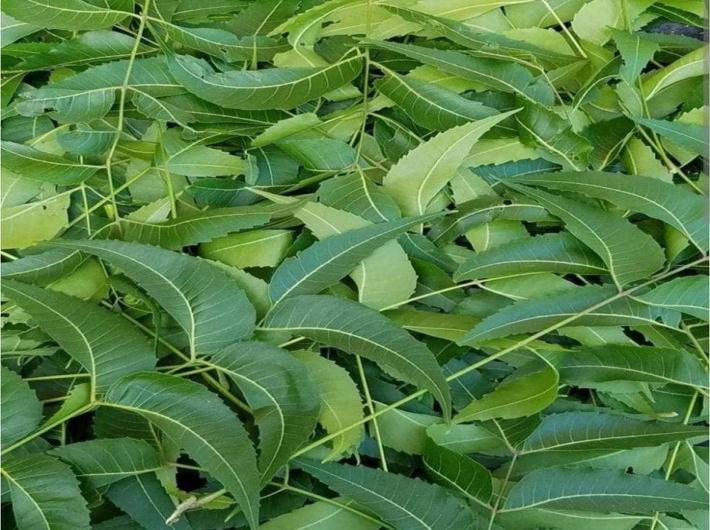
Fig 1: Neem.
Botanical Name: Azadirachta indica
Family: Meliaceae
Synonyms: Neem, Margosa
Useful Part: Leaves
Phytochemical Class: Limonoids, flavonoids, tannins, nimbin
Wound-Healing Actions:
Neem exhibits strong antibacterial, antifungal, anti-inflammatory, and antiseptic properties. It helps prevent wound infection, reduces inflammation, and promotes faster wound cleansing and healing.
TURMERIC
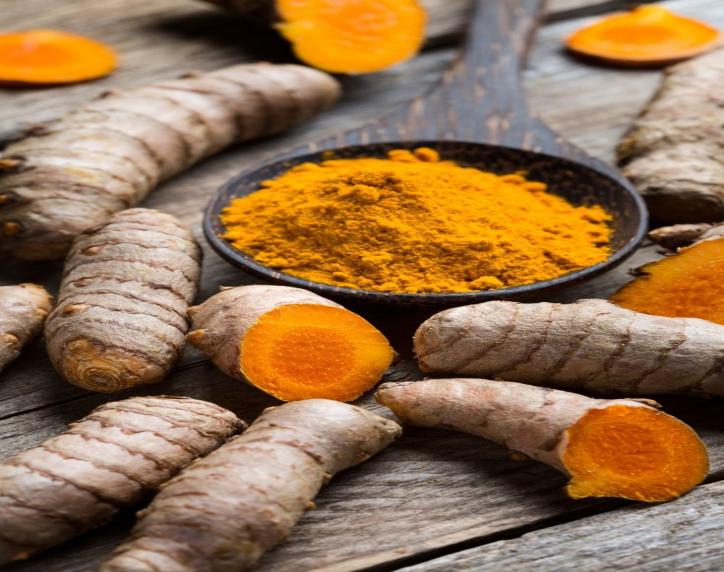
Fig 2 : Turmeric
Botanical Name: Curcuma longa
Family: Zingiberaceae
Synonyms: Haldi
Useful Part: Rhizome
Phytochemical Class: Curcuminoids, volatile oils
Wound-Healing Actions:
Turmeric possesses potent anti-inflammatory, antioxidant, and antimicrobial properties. Curcumin enhances collagen synthesis and accelerates tissue regeneration.
TULSI
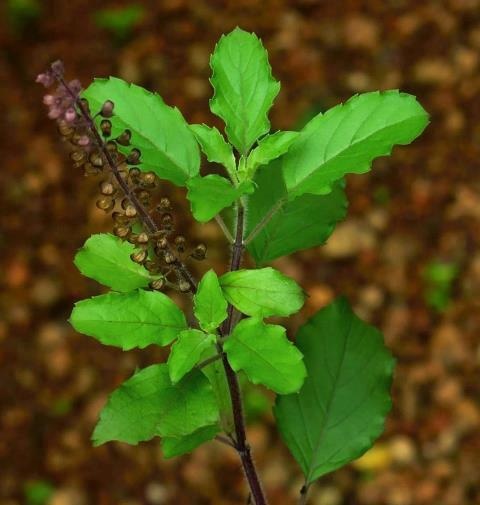
Fig 3: Tulsi
Botanical Name: Ocimum sanctum
Family: Lamiaceae
Synonyms: Holy basil
Useful Part: Leaves
Phytochemical Class: Eugenol, flavonoids, phenolics
Wound-Healing Actions:
Tulsi exhibits antimicrobial, anti-inflammatory, and immunomodulatory effects, aiding in infection prevention and inflammation control.
AMLA
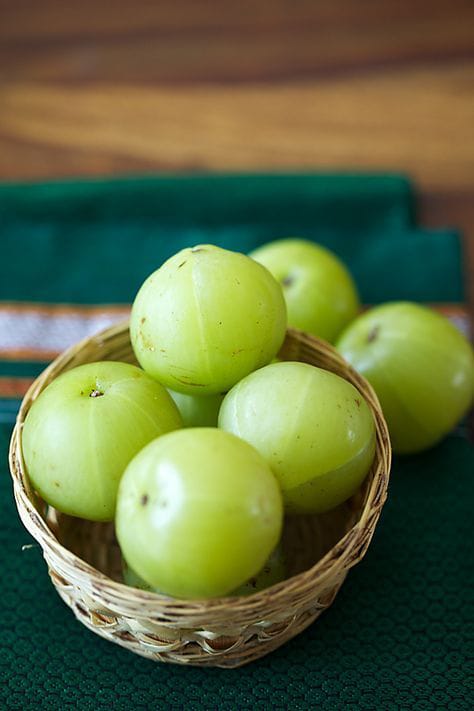
Fig 4 : Amla
Botanical Name: Emblica officinalis
Family: Phyllanthaceae
Synonyms: Indian gooseberry
Useful Part: Fruit
Phytochemical Class: Vitamin C, tannins, polyphenols
Wound-Healing Actions:
Amla is a powerful antioxidant that enhances collagen synthesis, promotes epithelialization, and strengthens tissue repair.
VALLARAI
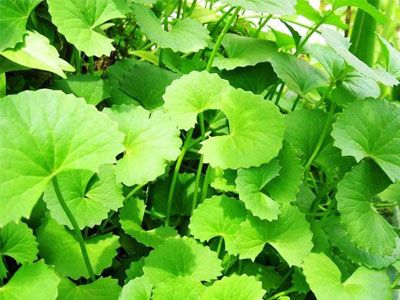
Fig 5 : Vallarai
Botanical Name: Centella asiatica
Family: Apiaceae
Synonyms: Gotu kola
Useful Part: Whole plant
Phytochemical Class: Triterpenoids (asiaticoside), flavonoids
Wound-Healing Actions:
Vallarai promotes fibroblast proliferation, collagen synthesis, angiogenesis, and granulation tissue formation, leading to faster wound closure.
CAMPHOR
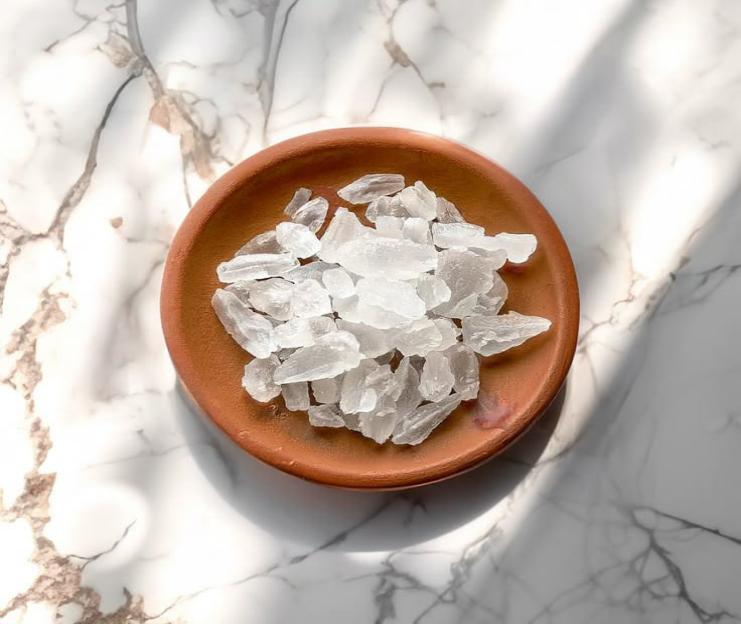
Fig 6 : Camphor
Botanical Name: Cinnamomum camphora
Family: Lauraceae
Synonyms: Kapur
Useful Part: Crystalline resin
Phytochemical Class: Terpenoids
Wound-Healing Actions:
Camphor exhibits mild antiseptic, anti-inflammatory, and circulation-enhancing properties.
TALC
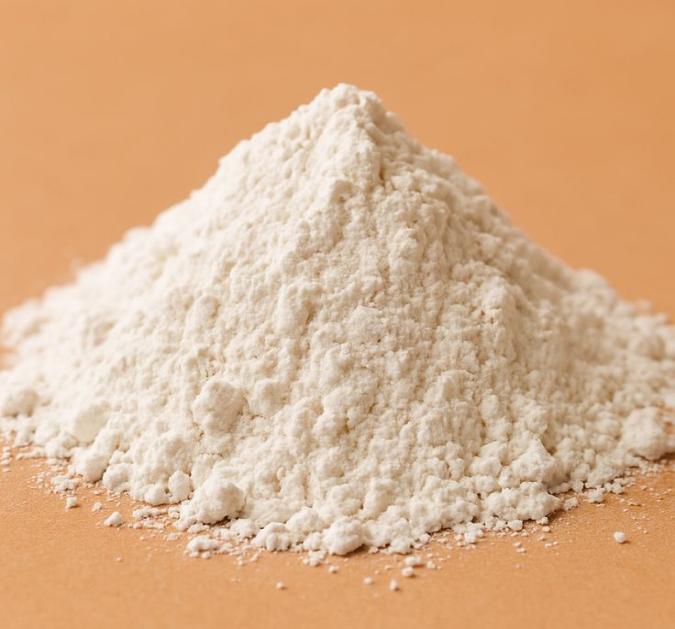
Fig 7 : Talc
Nature: Hydrated magnesium silicate
Synonyms: Talcum powder
Useful Part: Purified mineral powder
Phytochemical Class: (Inorganic compound)
Wound-Healing Actions:
Talc acts as an absorbent, protective, and anti-friction agent, keeping the wound dry and comfortable.
FORMULATION DEVELOPMENT
Formulation Strategy:
The combination of multiple herbs was intended to provide synergistic wound-healing action, covering different phases of healing such as infection control, inflammation reduction, collagen synthesis, and epithelialization. Talc was selected as the base to improve flow properties and absorb excess moisture, while camphor was incorporated in a small quantity for its antiseptic and circulation-enhancing effect.
Composition Of Wound Healing Powder :
Table 1: formulation of polyherbal wound healing powder.
|
INGREDIENTS |
F1 |
F2 |
F3 |
F4 |
|
VALLARAI |
10g |
15g |
25g |
20g |
|
NEEM |
10g |
20g |
15g |
25g |
|
THULASI |
10g |
10g |
10g |
15g |
|
TURMERIC |
5g |
10g |
5g |
15g |
|
AMLA |
10g |
10g |
15g |
15g |
|
CAMPHOR |
3g |
2g |
1g |
2g |
|
TALC |
52g(q.s to 100g) |
33g(q.s to 100g) |
29g(q.s to 100g) |
8g(q.s to 100g) |
Method of Preparation
General Procedure for F1–F4:
Collection and Procurement of Materials:
Fresh leaves of Vallarai (Centella asiatica), Neem (Azadirachta indica), and Tulasi (Ocimum sanctum) were collected locally and authenticated using standard references. Dried turmeric and amla powders were procured from a local herbal store.
Cleaning and Drying
The collected leaves were washed to remove impurities and shade-dried at room temperature until completely moisture-free.
Preparation of Herbal Powders:
The dried leaves were powdered separately and sieved through sieve No. 80 to obtain uniform fine powders. Turmeric and amla powders were used as received.
Formulation of Polyherbal Wound Healing Powder:
Accurately weighed quantities of all herbal powders were mixed by geometric dilution. Camphor was incorporated for additional therapeutic effect, and talc was added as a base to improve flow and moisture absorption. The mixture was blended thoroughly to obtain a uniform powder.
Evaluation:
The prepared formulation was evaluated for organoleptic characteristics, pH, flow properties, loss on drying, particle size, uniformity, skin irritation, and microbial load using standard procedures.
Storage:
The final product was stored in an airtight container at room temperature.
Evaluation Parameters
A comprehensive set of pharmaceutical, physicochemical, and microbiological tests were carried out to evaluate the quality, safety, and suitability of the prepared wound-healing powder. The evaluation was conducted according to standard guidelines.
This test provides a preliminary qualitative assessment of formulation acceptability.
Parameters evaluated:
Flowability determines ease of handling, packaging, and uniform application.
Angle of Repose
• Measured using the fixed funnel method.
• Ideal value: ≤ 35° for good flow.
• Indicates cohesive or free-flowing nature.
• Powder dispersed in distilled water (1% w/v).
• Ideal topical pH range: 4.5–6.5.
• Ensures compatibility with skin and wound bed.
• Determined using loss-on-drying method at 105°C.
• Acceptable moisture content: < 10%.
• Performed using standard sieves (#60–#120)
• Optimal particle size range: 100–150 µm
Microbial limit testing was conducted to ensure the microbiological safety of the wound-healing powder for topical application.
Parameters Tested :
• Total Aerobic Microbial Count (TAMC)
• Total Yeast and Mold Count (TYMC)
• Absence of specified pathogens:
° Escherichia coli.
° Pseudomonas aeruginosa.
° Staphylococcus aureus.
STABILITY STUDIES
Stability studies were performed to assess the physical, chemical, and microbial stability of the polyherbal wound-healing powder under accelerated and controlled storage conditions. The study followed ICH guidelines and standard procedures recommended for herbal topical dosage forms.
Storage Conditions Used:
Two different controlled environments were employed:
40°C ± 2°C
75% ± 5% RH
Duration: 3 months
Sampling intervals: 0, 30, 60, and 90 days.
25°C ± 2°C
60% ± 5% RH
Duration: 3 months
Sampling intervals: Same as above
Formulations were stored in airtight containers to prevent moisture uptake and microbial contamination.
Interpretation of Expected Outcomes:
CONCLUSION
The present study successfully formulated and evaluated a polyherbal wound healing powder containing Vallarai (Centella asiatica), Neem (Azadirachta indica), Tulsi (Ocimum sanctum), turmeric, and amla. The optimized formulation showed acceptable organoleptic properties, appropriate pH for topical application, good flow characteristics, low moisture content, and uniform particle size distribution. Microbial limit testing confirmed that the formulation was within permissible limits and safe for external use.
The combined presence of wound healing, antimicrobial, anti-inflammatory, and antioxidant herbal ingredients suggests a synergistic therapeutic effect. Based on the evaluation results, the optimized formulation was found to be stable, safe, and suitable for topical wound management. Further in vivo and clinical studies are recommended to confirm its efficacy and establish its potential as an effective herbal wound healing product.
REFERENCES







S. Jamuna, U. Sridhar, C. Suriya, M. Vasudevan, O. Mullaikodi, V. Kannabirran, D. Rajalingam, Preparation And Evaluation of Polyherbal Wound Healing Powder for Topical Application, Int. J. of Pharm. Sci., 2026, Vol 4, Issue 3, 1080-1087. https://doi.org/10.5281/zenodo.18951779
 10.5281/zenodo.18951779
