
Shraddha Institute of Pharmacy, Washim.
Ayurvedic herbs with healing properties, such as ashwagandha, mulethi, brahmi, manjishta, aloe vera, neem.The natural skincare product Polyherbal Ubtan Soap is made with tulsi. These have been used for centuries.Plants that promote the development of healthy skin and address skin problems. This herbal soap has antibacterial properties.treatment that helps cure skin problems such bacterial infections and tans, in contrast to commercial soaps, which oftencontains hazardous substances. It is safe, cost-effective, and efficient because of its skin-rejuvenating and antioxidant properties.A replacement for organic skincare products that encourage healthier skin.
Many people, notably young people who frequently have beautiful and fair complexion, aspire to it in the modern society.Fightwith acne, blackheads, pimples, and dark circles. Ayurveda holds that blood pollutants are the root cause of skin issues.That build up as a result of an unhealthy diet and lifestyle. For blood, Ayurveda suggests a variety of herbs and medications.Purifying."Mukhalepana" is one such therapy, in which an herbal paste is applied to the face to cure scars, acne, and other skin conditions,Marks,and coloration. The powder used in this beauty treatment, popularly called a facial, is named A "face pack." Various skin types need different kinds of herbal face packs in order to deliver vital nutrients and penetrate the skin,subcutaneous tissues. Ayurvedic face packs can help lessen wrinkles, dark circles, pimples, and acne, while also enhancing skin radiance And fairness. One of the earliest and most efficient methods for cleaning the skin is using face packs. According to Ayurveda, there are several types of face packs that have nutritious, therapeutic, cleansing, astringent, and antiseptic characteristics. These face packs, which include organic components like oils, fruits, and herbs, can aid in treating a variety of skin conditions worries. Selecting the appropriate face pack for their skin type and demands is how people can combat acne, dark circles, wrinkles, and dryness. May take advantage of the numerous benefits of this age-old and efficient beauty treatment. With simple ingredients, we can make face pack at home discovered in the kitchen and at home. Herbal face packs are a natural and inexpensive method for getting fairer skin without any negative side effects consequences. Since the ancient era, humans have utilized herbs for cleaning, grooming, and managing their bodies. Cosmetics are defined as the goods Used to alternate one's appearance, cleanse, beautify, or improve appeal . Homemade organic Face masks and packs pave the way for skin that is smooth, bright, and silky. Herbal face packs allow us to reap the most benefits.By utilizing them in accordance with our skin type. The finest ayurvedic remedy for boosting skin radiance is an ayurvedic face pack fairness.Face packs are useful for preventing, encouraging, and treating a variety of skin conditions. The fundamental essential plants used for fairness from The following is a list of skin types. The process of applying an herbal combination to the face is known as "Mukhalepana" in Ayurveda, but it is now widely referred to as a facial. A face pack is a fine powder that is used for facial application, and a decent herbal face pack must give the required to deliver the necessary nutrients, the subcutaneous tissues are penetrated, and the skin receives nutrients. The needs of different skin types vary. Diverse kinds of herbal face packs. Ayurveda lists different types of face packs with astringent, cleansing, healing, and nourishing properties and antiseptic qualities. Herbal face packs are a natural way to achieve this because they are inexpensive and have no adverse effects, more equitable skin.
Our memories immediately transport us to the previous haldi ceremony of Indian weddings if we think of the yellow, paste-like substance. “Ubtan” is the only thing this paste is. It is a handmade Ayurvedic and pure cosmetic product created by ancient sages and has been around for centuries use from the beginning of time. It's a semi-solid preparation made with a variety of herbal components, including primarily raw milk,rose water, turmeric, gram flour, sandalwood powder, saffron, and other items Every item is readily available at home. Used Haldi has been shown in numerous studies to significantly improve the skin's texture and quality. (Curcuma Longa) gives the complexion radiance and has potent anti-aging, anti-inflammatory, anti-oxidative, and antibacterial qualities property. Raw milk aids in eliminating indicators of aging, which helps in enhancing, while gram flour and other components serve as the exfoliating agent. The shows the skin's radiance in the best possible light. The nutrients found in the ubtan will moisturize and nourish your skin. The conventional herbal composition exfoliates the user's body, eliminating dead skin cells and creating space for new ones to develop ones. Ubvartan, an Ayurvedic body massage technique that softens and soothes the skin, is another name for ubtan and free of a lot of undesirable microflora and filth on the skin. It is thought to have been extensively utilized throughout India and the subcontinent.own a long-established set of values and principles for regulating drugs, created for the rehabilitation of the body, mind, and soul. People with oily skin that is prone to acne and blackheads should use herbal face packs. These packs have the ability to help regulate the pace at which sebum is released from sebaceous glands and combat the dangerous bacteria that live inside acne lesions. Minimize the skin may seem to have leftover markings, and you can include delicate powders of sandalwood, rose petals, and dried orange peels intoNherbal face packs, which have several benefits over chemical-based ones, have grown in popularity.nThey are entirely natural, non-addictive, non-allergenic, and non-toxic. They also have a longer shelf life.
Drugs Profile:
1.Pharmacognosy of Ashwagandha:
Biological Source: Ashwagandha consists of the dried roots and leaves of Withania somnifera (L.) Dunal, belonging to the family Solanaceae.
Synonyms: Indian Ginseng ,Winter Cherry ,Asgandh (Hindi).
Family: Solanaceae.
Geographical Source: Cultivated throughout India, especially in Madhya Pradesh, Rajasthan, Punjab, Gujarat, and Uttar Pradesh. Also found in parts of Africa and the Mediterranean region.
Chemical Constituents: Withanolides (main active principles – steroidal lactones): Withaferin A, Withanolide.
Alkaloids: Somniferine, Withanine, Anaferine, Tropine Saponins Sterols: β-sitosterol Reducing sugars and starch
Uses / Pharmacological Actions: Adaptogenic and rejuvenating tonic (Rasayana), Anti-stress, anti-anxiety, and antidepressant, Anti-inflammatory and analgesic,Immunomodulatory Aphrodisiac and fertility enhancer ,CNS depressant – induces sleep ,Improves strength, vitality, and endurance.
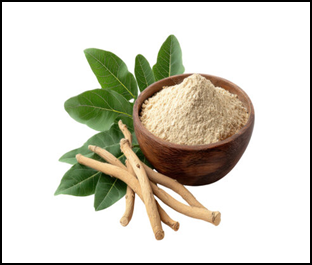
Fig 1: Ashwagandha Powder
2. Pharmacognosy of Manjistha:
Biological Source: Manjistha consists of the dried roots and stems of Rubia cordifolia Linn. (syn. Rubia munjista Roxb.), belonging to the family Rubiaceae.
Synonyms: Indian Madder Common Madder Manjith, Manjistha (Sanskrit/Hindi)
Family: Rubiaceae
Geographical Source: Found throughout India, especially in the Himalayan region, Nilgiris, and Western Ghats. Also distributed in Sri Lanka, China, and other tropical and subtropical regions of Asia.
Chemical Constituents :Anthraquinone derivatives: Purpurin, Munjistin, Alizarin, Pseudopurpurin.
Glycosides: Ruberythric acid, Resins and coloring matter Tannins ,Calcium salts.
Uses/Pharmacological Actions: A blood purifier (Raktashodhaka), anti-oxidant and anti-inflammatory, Diuretic and astringent. Used to treat skin conditions, acne, eczema, and pigmentation abnormalities. Protects the liver (helps the liver function) ,Uterine tonic and menstrual regulator, Ayurvedic recipes' detoxifying component.
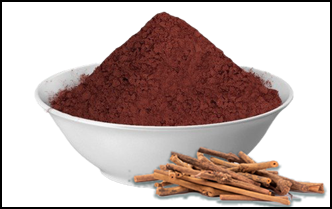
Fig 2 : Manjistha Powder
3. Pharmacognosy of Brahmi:
Biological Source: Brahmi consists of the whole plant of Bacopa monnieri (L.) Pennell, belonging to the family Scrophulariaceae (sometimes placed under Plantaginaceae in modern classification).
Synonyms :Water Hyssop, Indian Pennywort (though Centella asiatica is also called Brahmi in some regions) .
Sanskrit: Brahmi
Hindi: Jal Brahmi
Family: Scrophulariaceae / Plantaginaceae.
Geographical Source :Found throughout India, especially in wet, marshy places, near riverbanks and ponds. Also found in Sri Lanka, Nepal, Pakistan, China, and other tropical regions.
Chemical Constituents: Saponin glycosides: Bacosides A and B (major active principles)
Alkaloids: Brahmine, Herpestine
Sterols: Stigmasterol, β-sitosterol
Flavonoids: Luteolin, Apigenin
Amino acids: Asparagine
Other compounds: Betulic acid, D-mannitol
Uses / Pharmacological Actions:Nootropic, neuroprotective, and a memory booster ,Antidepressant and anti-anxiety ,Anti-inflammatory and antioxidant ,reduces stress, adaptogenic ,Sedative and anti-epileptic ,Enhances attention, mental clarity, and learning ,Used to treat epilepsy, sleeplessness, mental exhaustion, and Alzheimer's disease.
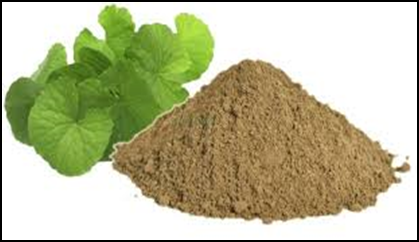
Fig 3: Brahmi Powder
4. Pharmacognosy of Beetroot:
Biological Source: Beetroot consists of the fresh or dried root of Beta vulgaris Linn., belonging to the family Amaranthaceae (formerly Chenopodiaceae).
Common Names: Beetroot, Table beet, Garden beet, Red beet.
Synonyms: Betae radix, Red beet root.
Family: Amaranthaceae
Geographical Source: Beetroot is cultivated worldwide, especially in Europe, North America, and India. It grows well in temperate and tropical climates.
Chemical Constituents: Pigments: Betacyanins (Betanin) and Betaxanthins
Carbohydrates: Sucrose, glucose, fructose
Vitamins: Vitamin C, folate, B-complex vitamine
Minerals: Iron, potassium, magnesium, calcium
Other: Nitrates, polyphenols, flavonoids, and saponins
Pharmacological Actions: Antioxidant: Because of betalains and polyphenols, Protective of the liver: aids in liver detoxification Nitrate level contributes to blood vessel dilatation, making it an antihypertensive agent. Antianemic: High folate and iron content enhances hemoglobin, Anticancer: Betalains exhibit chemoprotective properties, Anti-inflammatory: Decreases oxidative stress and inflammation.
Therapeutic Uses: Used as a dietary supplement to aid in blood production and boost endurance. It supports liver problems, high blood pressure, anemia, and skin health. Works as a natural coloring in cosmetics and food.

Fig 4: Beetroot Powder
5. Pharmacognosy of Neem:
Biological Source: Neem consists of the leaves, bark, seeds, and oil obtained from Azadirachta indica A. Juss., belonging to the family Meliaceae.
Common Names: Neem, Margosa tree, Indian lilac.
Synonyms: Azadirachta, Nimba, Arishta.
Family: Meliaceae.
Geographical Source: Neem is native to India, Myanmar, and Sri Lanka, and widely cultivated in tropical and subtropical regions of Asia, Africa, and South America.
Chemical Constituents:
Active Principles: Azadirachtin (main bitter principle – insecticidal) Nimbin, Nimbidin, Nimbosterol Gedunin, Salannin, Meliantriol Fatty acids (oleic, stearic, palmitic) in neem oil Tannins, flavonoids, saponins, polysaccharides.
Pharmacological Actions: Antibacterial and Antifungal, Antiviral ,Antimalarial and Insecticidal ,Anti-inflammatory and Antipyretic ,Antidiabetic and Hepatoprotective, Antioxidant and Immunomodulatory.
Therapeutic Uses: Used to treat skin conditions like eczema, acne, and wounds. Neem branches are used as toothbrushes for dental care (antibacterial). Treatment for malaria and worms blood purifier and liver tonic neem oil and extracts as insect repellent. Used in Ayurvedic preparations like Nimbadi churna, Nimbatiktaka ghrita.
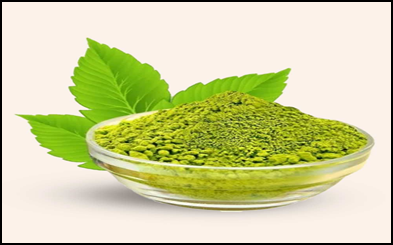
Fig 5: Neem Powder
Advantages of Polyherbal Ubtan:
Disadvantages of Polyherbal Ubtan:
Applications of Polyherbal Ubtan:
CONCLUSION:
The growing preference for natural remedies over synthetic ones is based on the notion that they are safer and have fewer adverse effects. Consequently, there is a strong demand for herbal treatments in the global market. People are increasingly cognizant of the advantages of using Ayurveda, an old Indian medical system, has been gaining popularity as a natural treatment for preserving health and beauty. Renowned worldwide for its focus on utilizing herbs and natural treatments to treat a variety of illnesses.
In recent years, a number of scientific research have to determine the effectiveness of herbal treatments and their active components, studies have been carried out. Herbal ubtan face packs help to maintain the skin's suppleness, remove dirt, revitalize the muscles, and increase blood flow skin pores. Our best effort is to create the ubtan face pack, which includes natural herbal components like orange peel, kateera, matar, tukhme kharbooza, chana dal, etc. We assessed the face packs and discovered they had positive qualities, were free of skin, and so on. It has been shown that herbal face pack having irritation and maintaining its consistency even under stable storage circumstances has the potential to produce a glowing effect on the skin. Due to its usefulness, the entire study is helpful in supporting product claims benefits to people.
REFERENCES

Mamta Surve*, Akshay Shyamsundar, Sakshi Kharate, Dr. Swati Deshmukh, Polyherbal Ubtan Review: Unlocking the Power of Natural Skincare, Int. J. of Pharm. Sci., 2025, Vol 3, Issue 11, 104-111 https://doi.org/10.5281/zenodo.17501520
 10.5281/zenodo.17501520
