
Indore Mahavidyalaya, Indore, Madhya Pradesh
People worldwide experience significant health problems because Inflammatory diseases cause immune system malfunctions which result in ongoing bodily tissue destruction. Patients who use traditional anti-inflammatory medicines face serious side effects while experiencing short-term relief and limited effectiveness. Researchers have discovered that phytochemicals from medicinal plants function as effective immunomodulatory substances because they can target multiple pathways while ensuring safety and delivering therapeutic effects. The natural compounds, which include polyphenols and flavonoids and alkaloids and terpenoids and saponins, affect immune signaling pathways that operate through NF-?B and MAPK and JAK/STAT and NLRP3 inflammasome, which leads to decreased inflammatory responses. Phytochemicals have the ability to control cytokine production and oxidative stress levels and immune cell activation, which creates opportunities for developing treatments that can help with chronic inflammatory diseases like rheumatoid arthritis and inflammatory bowel disease and psoriasis and neuroinflammation. The recent progress in nano formulation and drug delivery systems has improved the effectiveness of phytochemical-based immunomodulators, making their therapeutic effects more accessible to patients. The review provides an overview of how phytochemicals contribute to immune system control through their various functional pathways and their use in treating inflammatory disorders and the new methods that have been developed for better clinical application. The article also highlights challenges, limitations, and future perspectives for phytochemical-mediated immunomodulation as an alternative therapeutic approach for inflammatory disorders
The body experience three different types of damage. The system protects body tissues by enabling tissue restoration through its protective functions. When the body experiences inflammation for an extended period without control, it develops chronic inflammatory disorders that include rheumatoid arthritis and inflammatory bowel disease and psoriasis and asthma and neurodegenerative diseases. The conditions create a major impact on worldwide health and result in increased medical expenses for healthcare systems [1]. The immune system uses coordinated immune cell activation together with cytokines and signaling pathways to control the development of inflammatory reactions. The system develops an uncontrolled state which leads to high levels of pro-inflammatory substances that cause injury to body tissues [2] . The medical field relies on standard anti-inflammatory medications which people use frequently, yet these drugs bring about negative results while showing short-lasting benefits. The medical field needs new treatment methods that will offer better protection to patients. Research studies have shown that medicinal plants produce phytochemicals which scientists study because these substances can control both immune functions and the process of inflammation. The bioactive compounds target various molecular components which include cytokines and transcription factors and inflammasomes. The review presents new immunomodulatory abilities of phytochemicals which scientists are currently developing for their use in treating inflammatory conditions [3].
1.1 Overview of Inflammatory Diseases – Inflammatory diseases include multiple acute and chronic conditions which result from immune systems attacking body tissues. Acute inflammation results from biological defense mechanisms which create blood vessel expansion and higher blood vessel permeability and white blood cell movement into tissues. Chronic inflammation persists because the immune system stays active while producing too many cytokines which causes ongoing damage to body tissues [4]. Patients with chronic inflammatory diseases like rheumatoid arthritis and inflammatory bowel disease and psoriasis and neuroinflammation experience immune response abnormalities together with oxidative stress. The conditions activate macrophages and neutrophils and T lymphocytes to produce pro-inflammatory substances which include tumor necrosis factor-alpha (TNF-α) and interleukin-1 beta (IL-1β) and interleukin-6 (IL-6) [5]. The body maintains its state of inflammation which leads to the development of more serious health problems.
1.2 Role of Immune System in Inflammation – The immune system functions as the main mechanism that controls how the body responds to inflammatory situations. The body uses both innate and adaptive immune systems to identify and combat all dangerous substances. The innate immune system uses pattern recognition receptors that macrophages and dendritic cells and neutrophils use to identify pathogens and start the inflammatory process. The immune cell activation process results in cells producing three types of molecular signals which include cytokines and chemokines and inflammatory mediators. The molecules that are produced by the cells create two effects which include bringing more immune cells to the injury site and increasing the intensity of the inflammatory response [6]. The main signaling pathways that operate in this system include NF-κB and MAPK and JAK/STAT pathways. The mechanisms protect the host system, but their extreme activation leads to ongoing inflammation and damage to bodily tissues.
1.3 Limitations of Conventional Anti-Inflammatory Drugs – Doctors use anti-inflammatory medications which include non-steroidal anti-inflammatory drugs (NSAIDs) and corticosteroids and immunosuppressants to treat patients who have inflammatory conditions [7]. The use of these medications over an extended period leads to multiple serious side effects which include gastrointestinal problems and heart issues and reduction of immune function and body metabolic disorders. The medications developed to treat this condition contains an active ingredient which only affects one specific biological pathway yet this design does not provide enough treatment for the complex system of inflammatory response [8]. The medical field currently faces three major issues which include drug resistance and patient relapse and the long-lasting side effects of treatment. There is an increasing demand for treatment methods that provide both safety and multiple target functions to treat patients who suffer from inflammatory conditions [9].
1.4 Importance of Phytochemicals in Immunomodulation – Phytochemicals are bioactive compounds that originate from plants and exhibit important medical properties. The group includes polyphenols and flavonoids along with alkaloids and terpenoids and saponins. Phytochemicals demonstrate immunomodulatory effects because they control cytokine production and oxidative stress and inflammatory signaling pathways [10]. The compounds control essential pathways which include NF-κB and MAPK and JAK/STAT and NLRP3 inflammasome to inhibit the production of inflammatory substances. Phytochemicals exhibit antioxidant properties while they restore immune system equilibrium and protect tissues from harm. The compounds show multiple target mechanisms and a safe profile which makes them effective substitutes for standard anti-inflammatory medications [11].
1.5 Scope and Objective of Review – This review aims to summarize the immunomodulatory role of phytochemicals in inflammatory diseases. The article discusses classification of major phytochemicals, their mechanisms of action, and therapeutic applications in various inflammatory conditions. The text presents current developments in phytochemical drug delivery systems and their corresponding nanoformulation technologies [12]. The objective of this review is to provide comprehensive insights into phytochemical-mediated immunomodulation and emphasize their potential as emerging therapeutic strategies for inflammatory diseases. The review describes present obstacles which need to be solved and shows possible future directions which lead to successful implementation of clinical practices. The classification of immunomodulatory phytochemicals is illustrated in Figure 1.
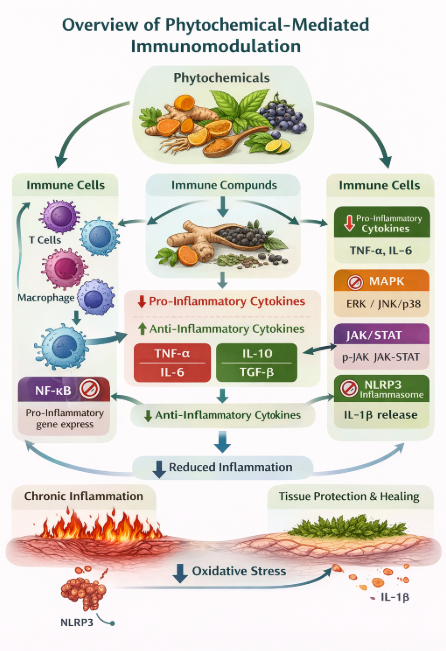
Figure 1. Classification of immunomodulatory phytochemicals.
Major classes of phytochemicals including polyphenols, flavonoids, alkaloids, terpenoids, and saponins along with representative compounds involved in immunomodulation and anti-inflammatory activity.
2. Classification of Immunomodulatory Phytochemicals – Phytochemicals function as bioactive compounds which exist in medicinal plants and provide strong immunomodulatory effects together with anti-inflammatory effects. The compounds determine immune response activities by controlling cytokine production and their respective signaling pathways and oxidative stress levels. The chemical structure and biological activity of immunomodulatory phytochemicals need to be classified into five categories which include polyphenols and flavonoids and alkaloids and terpenoids and saponins [13]. The different classes of substances function through separate methods to control immune responses while providing different degrees of treatment effectiveness for inflammatory conditions.
2.1 Polyphenols – The scientific community has conducted extensive research on polyphenols which represent one of the most important categories of plant-based compounds that exhibit both antioxidant properties and immune system modulating effects. These compounds are commonly found in fruits, vegetables, tea, and medicinal plants. Polyphenols control inflammatory processes by changing NF-κB and MAPK signaling pathways [14]. The chemical compounds reduce the production of pro-inflammatory cytokines which include TNF-α and IL-1β and IL-6. Curcumin, resveratrol, and epigallocatechin gallate (EGCG) are well-known polyphenols that exhibit strong anti-inflammatory properties. These compounds reduce oxidative stress while they block the activation of immune cells and control the transcription factors that drive inflammation [15]. The body uses polyphenols to build up its antioxidant defense systems which help to stop tissue damage caused by inflammation.
2.2 Flavonoids – Flavonoids form a subclass of polyphenolic compounds that natural plant-based foods offer through their presence in citrus fruits onions berries and green tea. The compounds demonstrate strong immunomodulatory effects together with their anti-inflammatory properties. Flavonoids block cytokine production together with their inhibition of inflammatory signaling pathways to control immune system functions. Quercetin kaempferol and luteolin represent common flavonoids that block NF-κB activation while decreasing the production of inflammatory mediators [16]. The compounds exhibit antioxidant properties which help combat oxidative damage that occurs in chronic inflammatory medical conditions. The proteins control how immune cells grow and develop which helps the body maintain its immune system equilibrium [17].
2.3 Alkaloids – Alkaloids are nitrogen-containing compounds that medical plants produce as their natural chemical compounds. The phytochemicals demonstrate strong immunomodulatory effects because they interact with inflammatory mediators and signaling pathways. The alkaloids control the macrophage activation process and the cytokine secretion process and the immune cell activities [18]. Berberine functions as an alkaloid which blocks the NLRP3 inflammasome while decreasing the production of inflammatory cytokines. Other alkaloids such as piperine and marine also exhibit anti-inflammatory properties through their ability to regulate immune system responses. The body uses alkaloids to regulate its chronic inflammatory responses while protecting its tissues from harm [19].
2.4 Terpenoids – Terpenoids represent a wide range of natural plant chemicals which scientists extract from essential oils and medicinal plants. The compounds show their ability to control inflammation through their effects on inflammatory pathways. The terpenoids restrict the synthesis of prostaglandins and cytokines and reactive oxygen species in cells [20]. The compounds limonene and carvacrol together with andrographolide show strong effects on immune system regulation. The terpenoids block NF-κB activation while they decrease the number of immune cells entering inflamed tissues. The compounds function as potential treatment options for inflammatory disorders because they operate through multiple active pathways [21].
2.5 Saponins – Saponins are glycoside compounds which occur extensively in legumes and herbs and medicinal plants. The phytochemicals demonstrate immunomodulatory effects through their ability to boost immune cell activity and control cytokine production. Saponins activate macrophages while they control T-cell responses and decrease the production of inflammatory substances. Ginsenosides and glycyrrhizin are well-known saponins that demonstrate anti-inflammatory activity [22]. The compounds block inflammatory signaling pathways while they enhance immune system equilibrium. Saponins show potential to decrease chronic inflammation while they enhance treatment results. Major immunomodulatory phytochemicals, their natural sources, and molecular targets are summarized in Table 1.
Table 1. Major Immunomodulatory Phytochemicals and Their Natural Sources
|
Class |
Phytochemical |
Natural Source |
Molecular Target |
Immunomodulatory Effect |
|
Polyphenol |
Curcumin |
Curcuma longa |
NF-κB |
Reduces cytokine production |
|
Polyphenol |
Resveratrol |
Vitis vinifera |
MAPK |
Anti-inflammatory activity |
|
Polyphenol |
EGCG |
Camellia sinensis |
NF-κB |
Antioxidant and immune regulation |
|
Flavonoid |
Quercetin |
Onion, Apple |
JAK/STAT |
Suppresses inflammation |
|
Flavonoid |
Kaempferol |
Tea, Broccoli |
NF-κB |
Reduces oxidative stress |
|
Alkaloid |
Berberine |
Berberis vulgaris |
NLRP3 |
Inflammasome inhibition |
|
Alkaloid |
Piperine |
Piper nigrum |
Cytokines |
Immune modulation |
|
Terpenoid |
Andrographolide |
Andrographis paniculata |
NF-κB |
Anti-inflammatory effect |
|
Terpenoid |
Limonene |
Citrus species |
MAPK |
Reduces immune activation |
|
Saponin |
Ginsenosides |
Panax ginseng |
Cytokines |
Enhances immune balance |
|
Saponin |
Glycyrrhizin |
Glycyrrhiza glabra |
NF-κB |
Anti-inflammatory activity |
3. Mechanisms of Phytochemical-Mediated Immunomodulation – Phytochemicals drive their immunomodulatory effects through their ability to control multiple molecular pathways which regulate both inflammatory signalling and cytokine release and cellular oxidative damage and immune cell activation [23]. The compounds block excessive inflammatory responses by interacting with cellular signalling pathways together with transcription factor proteins [24]. The ability of phytochemicals to target multiple pathways makes them effective therapeutic agents for treating chronic inflammatory conditions. The key mechanisms involved in phytochemical-mediated immunomodulation are presented in Table 2.
Table 2. Mechanisms of Phytochemical-Mediated Immunomodulation
|
Mechanism |
Target |
Phytochemical Example |
Biological Effect |
Disease Relevance |
|
Cytokine suppression |
TNF-α, IL-6 |
Curcumin |
Reduced inflammation |
Rheumatoid arthritis |
|
NF-κB inhibition |
NF-κB |
Resveratrol |
Decreased cytokine expression |
IBD |
|
MAPK modulation |
ERK, p38 |
Quercetin |
Reduced immune activation |
Psoriasis |
|
JAK/STAT inhibition |
STAT3 |
Genistein |
Suppressed inflammatory genes |
Autoimmune diseases |
|
NLRP3 inhibition |
Inflammasome |
Berberine |
Reduced IL-1β release |
Neuroinflammation |
|
Antioxidant activity |
ROS |
EGCG |
Reduced oxidative stress |
Chronic inflammation |
|
Immune cell modulation |
Macrophages |
Curcumin |
Immune balance |
Inflammatory disorders |
3.1 Regulation of Cytokine Production – Cytokines function as essential biological substances which control immune reactions by their ability to manage inflammation. The development of inflammatory conditions relies on pro-inflammatory cytokines which include tumor necrosis factor-alpha, interleukin-1 beta, and interleukin-6. The phytochemicals control cytokine production by blocking pro-inflammatory substances and boosting the production of anti-inflammatory IL-10 cytokines. The compounds curcumin, resveratrol, and quercetin decrease the secretion of cytokines from activated macrophages and T cells. The process of regulation controls immune system activity to prevent excessive responses while protecting tissues from harm [25].
3.2 NF-κB Signaling Pathway – The nuclear factor kappa B (NF-κB) pathway serves as a critical mechanism that controls inflammatory responses. When NF-κB becomes activated it triggers the production of genes that create cytokines adhesion molecules and inflammatory substances. Phytochemicals stop NF-κB activation through two mechanisms which include blocking NF-κB nuclear translocation and stopping IκB degradation. Curcumin EGCG and berberine function as established NF-κB signaling pathway inhibitors. The pathway suppression leads to two effects which include lower production rates of inflammatory substances and reduced movement of immune cells to the area.
3.3 MAPK Pathway – Mitogen-activated protein kinase (MAPK) signaling serves as an essential component that drives the process of inflammatory response. The MAPK pathway includes ERK, JNK, and p38 kinases which control the production of cytokines and the activation of immune cells [26]. Phytochemicals modulate MAPK signaling through their effect of decreasing the production of inflammatory mediators. The compounds resveratrol quercetin and luteolin block MAPK phosphorylation which leads to a decrease in inflammatory response. The control of MAPK pathways leads to two benefits which include decreasing oxidative stress and achieving better immune system balance [27].
3.4 JAK/STAT Pathway – The Janus kinase/signal transducer and activator of transcription (JAK/STAT) pathway operates as a mechanism for cytokine signals and immune system control. The chronic inflammation and autoimmune diseases of patients occur because this pathway exists in hyperactive mode. Phytochemicals block JAK/STAT signaling which results in reduced production of inflammatory genes. Genistein and curcumin suppress STAT3 activation while they also affect immune system responses [28]. The pathway needs to be blocked because it enables control of inflammation that results from cytokines.
3.5 NLRP3 Inflammasome Inhibition – The NLRP3 inflammasome serves as a multiprotein complex which controls the activation of inflammatory cytokines that include IL-1β and IL-18. Chronic inflammatory diseases develop when the NLRP3 inflammasome becomes excessively activated. Phytochemicals stop the activation of inflammasomes while they also decrease the inflammation responses. Berberine, curcumin, and resveratrol show NLRP3 activation suppression effects. The inhibition prevents excessive cytokine release while it decreases tissue inflammation. Key signaling pathways targeted by phytochemicals are shown in Figure 2.
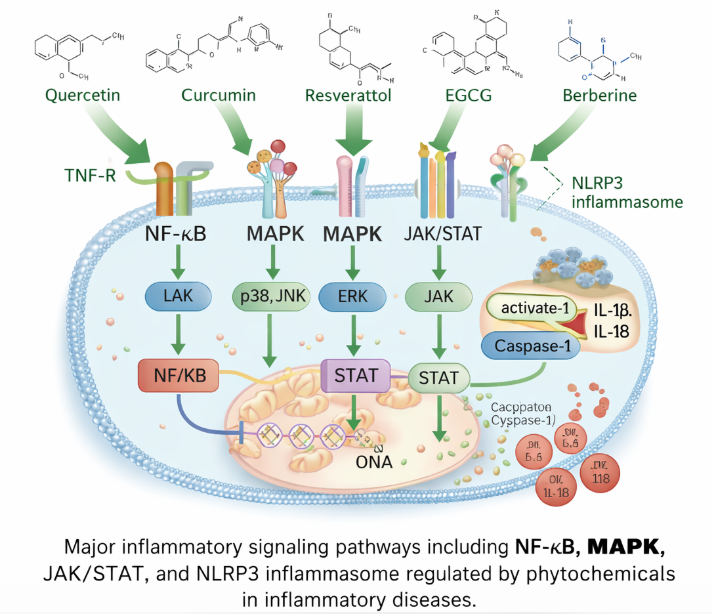
Figure 2. Signaling pathways targeted by phytochemicals in immunomodulation.
Phytochemicals regulate inflammatory responses by modulating NF-κB, MAPK, JAK/STAT, and NLRP3 inflammasome pathways, leading to decreased cytokine production and immune cell activation.
4. Therapeutic Applications in Inflammatory Diseases – Phytochemicals show strong medical potential through their ability to treat multiple inflammatory diseases because they possess three key properties which include immunomodulation and antioxidant activity and anti-inflammatory effects. The compounds in this study control immune system functions while they block pathways which cause inflammation and decrease the production of cytokines. The multiple pathways which these substances target establish them as effective treatment options for people who suffer from chronic inflammatory diseases [29].
4.1 Rheumatoid Arthritis – Rheumatoid arthritis is a chronic autoimmune inflammatory disorder which brings about joint inflammation together with synovial hyperplasia and cartilage destruction. The disease progresses through the action of pro-inflammatory cytokines which include TNF-α and IL-1β and IL-6. Phytochemicals show potential to lower both joint inflammation and immune system activation. Curcumin blocks NF-κB signaling while decreasing cytokine production which results in reduced joint swelling and tissue damage [30]. The substances resveratrol and quercetin both prevent the release of inflammatory mediators while they enhance treatment results in experimental rheumatoid arthritis models.
4.2 Inflammatory Bowel Disease – The gastrointestinal tract experiences continuous inflammatory symptoms which define inflammatory bowel disease (IBD) that includes Crohn's disease and ulcerative colitis. The combination of uncontrolled immune responses together with high levels of cytokine production leads to damage in the intestines. The phytochemicals resveratrol and curcumin decrease intestinal inflammation through their ability to block cytokine production and oxidative stress [31]. The compounds enhance intestinal barrier function while they decrease the entry of immune cells into the body. The compounds show anti-inflammatory effects which make them suitable for treating IBD.
4.3 Psoriasis – Psoriasis constitutes a chronic inflammatory skin condition which develops through excessive keratinocyte growth and immune system-driven skin inflammation. The disease develops through the activation of inflammatory cytokines which include IL-17 and TNF-α. The flavonoids quercetin and kaempferol decrease skin inflammation through their ability to block cytokine production and oxidative stress [32]. The phytochemicals show dual effects because they control immune cell functions while helping to heal skin lesions. The immunomodulatory effects of these substances lead to a decrease in disease severity [33].
4.4 Neuroinflammation – Neuroinflammation occurs in Alzheimer’s disease and Parkinson’s disease and other neurodegenerative disorders. Microglial activation together with their inflammatory mediator production results in neuronal destruction. Epigallocatechin gallate (EGCG) and curcumin and resveratrol act as neuroprotective agents through their ability to block inflammatory signaling pathways [34]. The compounds decrease oxidative stress while they stop microglial activation and shield neurons from damage caused by inflammation. The compounds function as potential therapeutic agents because their mechanisms target multiple aspects of neuroinflammatory disorders [35]. Therapeutic applications of phytochemicals in various inflammatory diseases are summarized in Table 3. The therapeutic applications of phytochemicals in inflammatory diseases are illustrated in Figure 3.
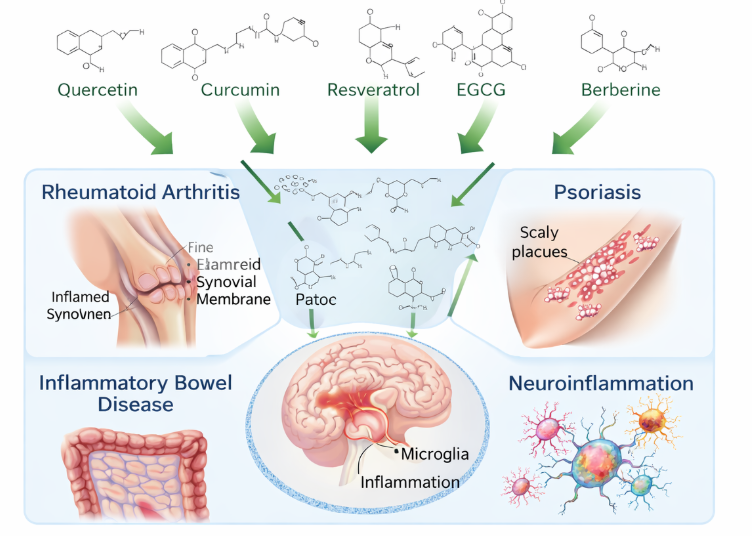
Figure 3. Therapeutic applications of phytochemicals in inflammatory diseases.
Phytochemicals such as curcumin, resveratrol, quercetin, and EGCG modulate inflammatory pathways and provide therapeutic benefits in rheumatoid arthritis, inflammatory bowel disease, psoriasis, neuroinflammation, asthma, diabetes-related inflammation, and cardiovascular inflammation.
Table 3. Therapeutic Applications of Phytochemicals in Inflammatory Diseases
|
Disease |
Phytochemical |
Mechanism |
Target Pathway |
Therapeutic Outcome |
|
Rheumatoid arthritis |
Curcumin |
Cytokine suppression |
NF-κB |
Reduced joint inflammation |
|
Inflammatory bowel disease |
Resveratrol |
Antioxidant |
MAPK |
Improved gut integrity |
|
Psoriasis |
Quercetin |
Immune modulation |
NF-κB |
Reduced skin lesions |
|
Neuroinflammation |
EGCG |
Microglia inhibition |
MAPK |
Neuroprotection |
|
Asthma |
Genistein |
Cytokine inhibition |
JAK/STAT |
Reduced airway inflammation |
|
Diabetes inflammation |
Berberine |
Inflammasome inhibition |
NLRP3 |
Reduced systemic inflammation |
|
Cardiovascular inflammation |
Limonene |
Antioxidant |
ROS |
Reduced vascular inflammation |
5. Nano formulation Strategies for Phytochemicals – Phytochemicals possess strong immunomodulatory effects and anti-inflammatory effects, but their use in clinical settings is restricted because they have poor solubility and low bioavailability and they undergo rapid metabolism and face stability issues. The introduction of nanoformulation-based drug delivery systems serves as effective solutions to improve the therapeutic effects of phytochemicals. Nanotechnology-based carriers enhance solubility while safeguarding bioactive compounds and providing precise delivery to inflamed areas. Researchers have studied multiple nanoformulations, which include nanoparticles and liposomes and nanoemulsions and solid lipid nanoparticles and polymeric nanocarriers, for delivering phytochemical compounds. The systems provide three benefits to the body, which include better absorption, extended circulation time, and diminished systematic toxicity. The use of nanocarriers to deliver phytochemicals achieves two benefits because it enhances their immunomodulatory effects and decreases their capacity to cause inflammation. When nanoparticles contain curcumin, the particles exhibit superior bioavailability and better anti-inflammatory properties than unbound curcumin [36]. The resveratrol nanoformulations demonstrate two advantages, which include enhanced stability and improved therapeutic results during inflammatory testing. Phytochemical liposomal formulations enhance cellular uptake while enabling controlled drug release capabilities. The use of nanoemulsions enables better hydrophobic phytochemical solubility which leads to improved absorption through the gastrointestinal tract. The use of polymeric nanoparticles enables continuous phytochemical release which sustains effective therapeutic levels for extended time periods. The use of nanoformulation methods enables phytochemical-based immunomodulators to reach their full clinical potential.The process of large-scale production and the need for stability and regulatory approval create obstacles that need to be addressed despite the existing advantages. The ongoing research on nanotechnology-based delivery systems will improve the ability of phytochemicals to treat inflammatory diseases according to existing expectations [37].
6. Challenges and Limitations – The clinical use of phytochemicals as therapeutic agents faces obstacles because research shows their immunomodulatory properties and anti-inflammatory effects. Bioavailability stands as the primary obstacle that hampers their progress. The therapeutic power of many phytochemicals decreases because they possess low aqueous solubility and poor absorption and quick metabolism. The particular pharmacokinetic characteristics make it challenging to reach necessary drug levels within specific body locations. The different phytochemical content present in plants creates another obstacle. The geographical location and harvesting conditions and extraction methods determine the bioactive compound concentration found in medicinal plants. This variability causes therapeutic results to become unpredictable while standardization becomes difficult to achieve. The scientific community experiences experimental result reproducibility issues because researchers lack access to standardized formulations [38]. The study of human behavior shows its most significant restriction through its present lack of substantial clinical evidence. Multiple studies through both in vivo and in vitro methods have shown that phytochemicals can modulate immune responses but there is still a need for clinical trials that follow proper scientific methods. The scientific community only accepts their research findings after they conduct extensive clinical studies that verify their results. The scientific community lacks complete long-term safety information which hinders their ability to assess multiple phytochemicals. Herb–drug interactions stand as a major safety risk that needs evaluation. Phytochemicals disrupt the normal operation of conventional medications through their effects on pharmacokinetics and pharmacodynamics [39]. The effects of these interactions include both decreased treatment results and greater harmful effects. The medical field needs to evaluate all safety aspects together with potential medication interactions before starting clinical treatments. The process of creating phytochemical-based treatments faces obstacles because of difficulties in producing stable formulations at scale and obtaining necessary regulatory approvals. Herbal compounds face challenges because regulatory agencies demand complete documentation about their safety and effectiveness, which most herbal products do not provide. The therapeutic effectiveness of phytochemicals will improve through standardized product formulations, advanced delivery methods, and clinical research studies which will resolve existing problems.
7. Future Perspectives – Phytochemical-mediated immunomodulation serves as an effective treatment method to treat various inflammatory diseases. The research need to identify new bioactive compounds that medicinal plants produce which will show better immunomodulatory effects. The development of advanced phytochemical screening methods together with molecular biology techniques will enable researchers to identify new plant-based compounds which can block specific pathways of inflammation. Phytochemical-based therapies will achieve better therapeutic results through the use of nanotechnology which will enhance drug absorption and precise treatment delivery. Advanced nanoformulations which include targeted nanoparticles and stimuli-responsive carriers and combination delivery systems will increase the medicinal value of phytochemicals. The approaches will decrease toxicity while they enhance the drug absorption and elimination rate. The future of research will focus on developing combination therapies which use both phytochemicals and traditional pharmaceutical treatments [40]. The strategies will produce combined benefits which allow for reduced drug consumption and fewer negative effects. Combination approaches which address multiple inflammatory pathways will enhance treatment results for patients who have chronic inflammatory diseases. PhD research requires the use of computational tools which include molecular docking and network pharmacology to discover phytochemicals that will achieve specific immunomodulation results. The research tools enable scientists to study molecular interactions while they develop advanced treatment methods. Phytochemical-based therapies require testing through extensive clinical studies to demonstrate their safety and treatment effectiveness. The clinical application of plant-based medicines requires improved control over plant extract standardization and quality assessment and regulatory framework development. The development of phytochemical-based immunomodulation therapy for inflammatory diseases will depend on ongoing research that unites pharmacology with biotechnology and nanotechnology fields.
CONCLUSION
The use of phytochemical compounds to control immune system functions offers a new treatment method for people with inflammatory diseases. The natural bioactive compounds display strong anti-inflammatory and antioxidant effects together with immune system control abilities because they interact with various signaling pathways including NF-κB and MAPK and JAK/STAT and NLRP3 inflammasome pathways. The multi-targeted mechanism of phytochemicals offers advantages over conventional anti-inflammatory drugs which often focus on single pathways and are associated with adverse effects. Different phytochemical classes, which include polyphenols and flavonoids and alkaloids and terpenoids and saponins, show therapeutic effects against inflammatory diseases, which include rheumatoid arthritis and inflammatory bowel disease and psoriasis and neuroinflammation. The research shows that nano formulation methods have successfully increased both the bioavailability and stability of phytochemicals, which leads to better clinical use of these compounds. The research outcomes show potential, but the testing procedures face multiple obstacles which include inadequate bioavailability testing and missing standard testing methods and insufficient clinical research and regulatory restrictions. The research needs advanced delivery systems and standardized formulations and clinical research trials to overcome its current limitations. Phytochemical-based immunomodulation offers a safe and effective method for treating inflammatory diseases. Ongoing research combined with technological progress will lead to new phytochemical-based treatments which will enhance patient treatment results.
REFERENCES



Arun Doyre, Muskan Tomar, Manoj Goyal, Phytochemical - Mediated Immunomodulation: Emerging Therapeutic Strategies in Inflammatory Diseases, Int. J. of Pharm. Sci., 2026, Vol 4, Issue 3, 3787-3800, https://doi.org/10.5281/zenodo.19282311
 10.5281/zenodo.19282311
