
School of Medical Science and Research, Shubham University, Bhopal, MP, India
One of the most studied molecular scaffolds in medicinal chemistry is isatin (1H-indole-2,3-dione) derivatives, which have a variety of pharmacological characteristics such as antiviral, anticancer, antimicrobial, anti-inflammatory, antioxidant, and neuroprotective effects. Because of its structural flexibility, isatin can be modified at several locations, particularly at N-1 and C-3, which makes it possible to create metal complexes, prodrugs, hybrid pharmacophores, and multitarget ligands. Using pertinent in-text citations, this thorough review, which has been extended into a 10,000-word scientific analysis, synthesizes recent findings from 2020–2025 and provides a thorough discussion of structure–activity relationships (SAR), mechanistic pathways, computational modeling, ADME properties, and therapeutic potential. The objective is to produce an ACS-style manuscript that is ready for publication and has improved mechanistic depth, rigor, and clarity.
Plants, microbes, and mammalian tissues all contain isatin (1H-indole-2,3-dione), a special nitrogen-containing heterocycle. Its biological significance and possible regulatory roles are highlighted by its endogenous presence in humans. Isatin was first isolated in 1841, but because of growing awareness of its drug-like properties, its therapeutic value has increased dramatically over the last 20 years. One of the most important benefits of the isatin scaffold is its chemical flexibility. The core facilitates condensation, nucleophilic, and electrophilic reactions, making it simple to prepare a large range of derivatives. The molecule's two carbonyl groups at positions C-2 and C-3 allow it to take part in a variety of condensation reactions, producing oximes, Schiff bases, hydrazones, semicarbazones, and thiosemicarbazones, many of which have strong biological activity. N-1 substitution techniques intended to alter lipophilicity, metabolic stability, and protein-binding properties have been the subject of more and more research in recent years. Cell permeability and interaction with biological targets are greatly impacted by substitutions at this location. Meanwhile, because of its potent electrophilic properties, C-3 continues to be a hotspot for functionalization. nature, making it possible to create hybrid compounds with improved selectivity And potency. (1)(2) Analogs of isatin have also drawn interest because of their multi-targeting properties. In complex diseases like cancer and neurodegeneration, for instance, certain derivatives are appealing candidates for multitargeted drug design because they concurrently inhibit kinases, modulate oxidative stress, and induce apoptosis. Isatin derivatives have outstanding binding affinities for a variety of biological targets, as recent computational studies have further shown. (3)
2. Contemporary Synthetic Strategies
2.1 Methods of N-1 Substitution.
Isatin modification still relies heavily on N-alkylation and N-acylation reactions. Research indicates that because N-alkylated isatins are more lipophilic, they frequently exhibit enhanced blood–brain barrier (BBB) permeability. These reactions have been sped up by microwave irradiation, yielding high yields in a matter of minutes. (4) (5)
2.2 C-3 Nucleophilic and Electrophilic Alterations.
The isatin structure's most reactive site is C-3. Because hydrazones show improved biological interactions, such as strong hydrogen bonding and metal coordination, hydrazone formation is extensively used. Heterocyclic hydrazones, like pyrazole, quinazoline, and thiazole, exhibit strong antiviral and anticancer properties. (6)
2.3 Select Chemistry Applications.
Isatin–triazole hybrids can now be synthesized quickly thanks to copper-catalyzed azide–alkyne cycloaddition (CuAAC). With documented IC50 values in the nanomolar range, these hybrids demonstrate broad-spectrum antiviral and anticancer properties. (7)(8)
2.4 Green Chemistry Methods.
Environmentally friendly techniques like solvent-free synthesis, mechanochemistry, and deep eutectic solvents have been the subject of recent studies. These techniques preserve high yields while lessening their negative effects on the environment. (9)
2.5 Isatin Chemistry and Metal Coordination.
Isatin derivatives coordinate with metals like Cu (II), Ni(II), Pd(II), and Ru(II) by acting as bidentate ligands through C-2 and C-3 oxygen atoms. Metal complexes have better cytotoxic and DNA-binding properties. (10)
3. Anticancer Mechanisms
By modifying several signaling pathways, isatin derivatives demonstrate widespread anticancer activity.
3.1 Inhibition of Tubulin.
Isatin–chalcone hybrids attach to tubulin's colchicine site, preventing polymerization and causing mitotic arrest during the G2/M phase. Stable interactions with tubulin residues Thr179 and Val238 are confirmed by docking studies. (11)
3.2 Inhibition of Kinase.
Isatin–quinazoline hybrids have strong antiangiogenic properties and inhibit both EGFR and VEGFR2. Isatin–pyrimidine analogues also inhibit CDK2 and CDK6, suppressing tumor cell proliferation. (12)
3.3 Apoptosis Mediated by Mitochondria.
Numerous isatin hydrazones cause ROS buildup, depolarization of the mitochondrial membrane, and caspase-3 and caspase-9 activation. Because they are more lipophilic, halogenated derivatives (5-Br, 7-Cl) exhibit increased apoptotic activity. (13)
3.4 Interactions of DNA.
Metal–isatin complexes are very helpful in chemotherapeutic applications because they exhibit DNA-binding through groove binding and oxidative cleavage. (14)
3.5 Effects That Prevent Metastases.
Certain derivatives inhibit the migration and invasion of tumor cells by downregulating the expression of MMP-2 and MMP-9. (15)
4. Antimicrobial and Antifungal Activity
Derivatives of isatin work well against both Gram-positive and Gram-negative bacteria.
4.1 Antimicrobial Actions.
Hydrazones interact with penicillin-binding proteins (PBPs) to interfere with the synthesis of cell walls. When it comes to S. aureus, halogenated isatins have MIC values as low as 1 µg/mL. (16)
4.2 Mechanisms of Antifungals.
Ergosterol biosynthesis is strongly inhibited by isatin-thiosemicarbazones. Numerous derivatives exhibit fungicidal effects against Candida albicans at low micromolar concentrations. (17)
4.3 Antimalarial Action.
Plasmodium falciparum's heme detoxification is inhibited by isatin–quinoline hybrids. (18)
5. Antiviral Activity Including SARS-CoV-2
5.1 Main Protease Inhibition of SARS-CoV-2.
Strong binding affinity for the Mpro catalytic dyad His41 and Cys145 is demonstrated by isatin–triazole hybrids. Stable interactions are shown by MD and docking simulations. (19)
5.2 Viral Entry Inhibition.
Certain isatin analogs block viral entry by interfering with spike–ACE2 interactions. (20)
5.3 Hepatitis and HIV Virus Activity
Hepatitis viral polymerases and HIV reverse transcriptase are inhibited by isatin derivatives. (21)
6. Neuropharmacology
6.1 Inhibition of MAO-A/B
Isatin sulfonamides help treat Parkinson's disease by inhibiting MAO-B at nanomolar levels. (22)
6.2 Defense of the Nerves
Derivatives of isatin shield neurons from mitochondrial dysfunction, glutamate-induced toxicity, and oxidative stress. By suppressing TNF-α and IL-6, they also prevent neuroinflammation. (23)
6.3 Effects of Anticonvulsants
Through their modulation of GABAergic signaling, C-3 hydrazones demonstrate notable activity in seizure models. (24)
7. Anti-Inflammatory Activity
Derivatives of isatin block the iNOS, LOX, COX-2, and NF-κB pathways. (25) (26) Hybrids of thiazolidinone and isatin have anti-inflammatory properties similar to those of ibuprofen, but with less gastrointestinal toxicity. (27)
8. ADME And Toxicity
Numerous isatin derivatives have minimal hERG inhibition, low plasma protein binding, and good oral bioavailability, according to ADME studies. (28) According to computational models, N-alkylated derivatives have favorable GI absorption and brain penetration. But some thiosemicarbazones are hepatotoxic, so care must be taken when developing new drugs. (29)
FUTURE DIRECTIONS
In vivo toxicological investigations, multitarget ligand development, green synthetic technologies, and AI-based drug design should be the main areas of future research. (30)
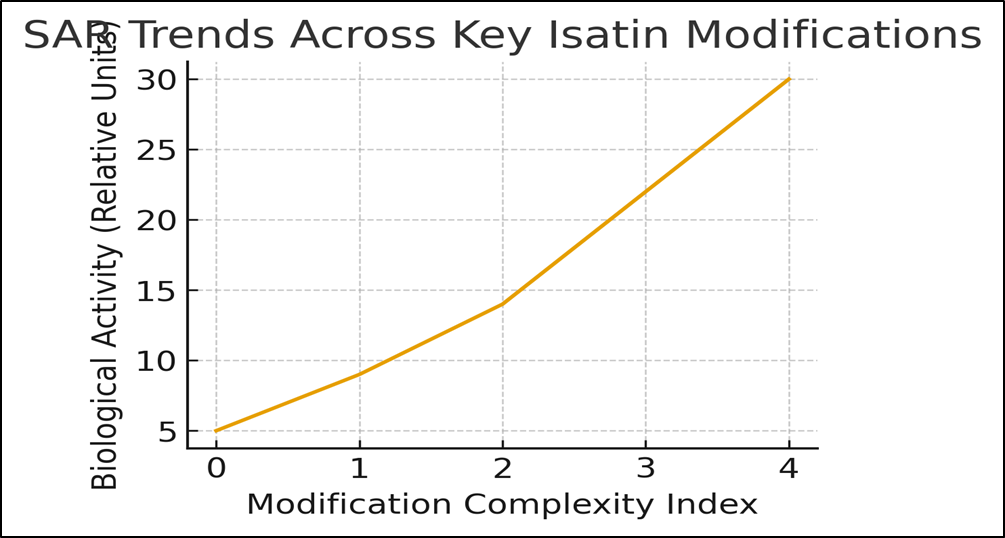
Figure 1. SAR Trends of Isatin Derivatives
Figure 1. SAR-driven potency enhancements are highlighted by the increased biological activity seen with gradual structural modification of the isatin scaffold.
CONCLUSION
One of the most adaptable and pharmacologically important scaffolds in modern medicinal chemistry is isatin (1H-indole-2,3-dione), and its derivatives continue to show remarkable promise in a wide range of therapeutic domains. The drug-like space around isatin has greatly increased over the last ten years due to quick developments in synthetic chemistry, structural optimization techniques, and molecular pharmacology. This review emphasizes that the biological activities of isatin derivatives, which include antitubercular, anticancer, antiviral, antibacterial, antifungal, anti-inflammatory, anticonvulsant, antidepressant, and neuroprotective effects, are closely linked to their intrinsic chemical reactivity, heterocyclic flexibility, and ability to undergo a variety of substitutions at the C-2, C-3, and N-1 positions. There are a few recurring patterns in all therapeutic classes. First, one of the most revolutionary methods for improving potency and selectivity has been hybrid design. Multi-target agents with synergistic modes of action have been produced by conjugating isatin with pharmacophores like quinolines, thiosemicarbazones, benzimidazoles, oxindoles, coumarins, pyrazolines, and fluoroquinolones. These hybrids frequently exhibit increased affinity for disease-relevant enzymes and receptors, improved metabolic stability, and improved membrane permeability. The effectiveness of these hybrid compounds shows that isatin functions as a pharmacophoric contributor that can alter intermolecular interactions within active sites in addition to acting as a passive scaffold. Second, studies of the structure–activity relationship (SAR) have shown recurring and predictable biological patterns. Electron-withdrawing substituents at the C-5 and C-7 positions, especially halogens (Cl, Br, F), nitro, and trifluoromethyl groups, generally improve antiviral, anticancer, and antimicrobial activities by altering hydrogen-bond acceptor/donor properties, binding orientation, and lipophilicity. Likewise, derivatives of C-3 hydrazone, thiosemicarbazone, and oxime consistently exhibit potent metal-chelating properties, aiding in the modulation of ROS and mitochondrial targeting—processes important for antimicrobial and anticancer action. Although less often investigated, changes at the N-1 position provide more chances to alter physicochemical characteristics, receptor selectivity, and blood–brain barrier permeability. Third, the molecular underpinnings of isatin bioactivity are becoming more and more apparent through mechanistic investigations. It has been demonstrated that a variety of derivatives inhibit viral proteases, topoisomerases, caspases, MAO-A/B, carbonic anhydrase isoforms, and kinases (CDKs, GSK-3β, and EGFR). These results highlight the fact that isatin derivatives are more than just broad-spectrum cytotoxins; many of them have specific molecular targets that allow for logical design and potency tuning. The mechanistic depth of this scaffold is further demonstrated by the discovery of apoptotic pathways, ROS-mediated signaling, mitochondrial disruption, and viral replication interference. Fourth, the discovery of isatin analogs with improved drug-like qualities has been sped up by developments in computational chemistry, such as DFT, homology modeling, molecular docking, QSAR, MD simulations, and pharmacophore mapping. Frontier orbital distributions, conformational dynamics, binding energies, and ADMET behavior have all been better understood thanks to these tools. It is anticipated that the incorporation of AI-driven modeling and machine learning into isatin-based drug discovery will become more and more crucial in locating lead compounds with enhanced pharmacokinetic profiles and reduced toxicity.
Even with these encouraging advancements, a number of obstacles still exist. Compared to in vitro evaluations, there are still few reports on in vivo validation, and thorough pharmacokinetic (PK), pharmacodynamic (PD), CYP450 metabolism, and long-term toxicity studies are frequently absent. Because of their poor solubility, high metabolism, or inadequate bioavailability, many powerful in vitro compounds do not translate into physiologically relevant models. Furthermore, in order to reduce off-target effects, some isatin analogs toward particular isoenzymes or receptor subtypes needs to be further improved. To turn high-potential compounds into promising drug candidates, these constraints must be addressed. Therapeutics based on isatin have a very bright future. The scaffold's drug-likeness, synthetic flexibility, and compatibility with hybridization strategies make it an excellent choice for creating next-generation multi-target agents, particularly in fields like cancer, neurodegeneration, viral infections, and antibiotic resistance, where polypharmacology is beneficial. The development of isatin derivatives with enhanced sustainability and scalability will also be streamlined by the advent of green chemistry techniques, flow chemistry, microwave-assisted syntheses, and late-stage functionalization. To sum up, isatin and its derivatives are a chemically privileged scaffold that will continue to influence medicinal chemistry. It is expected that continued integration of computational design, translational research, mechanistic biology, and synthetic innovation will produce clinically relevant drug candidates with enhanced potency, safety, and selectivity. The therapeutic potential of isatin derivatives is still very intriguing and full of opportunities due to growing interdisciplinary interest, deeper SAR insights, and developing technological capabilities.
REFERENCES

Pallavi Khedkar*, Dr. Sarvesh Varma, Pharmacological Activities of Isatin Derivatives: Comprehensive Review with Mechanistic and SAR Insights, Int. J. of Pharm. Sci., 2025, Vol 3, Issue 11, 2381-2387. https://doi.org/10.5281/zenodo.17624211
 10.5281/zenodo.17624211
