
Rupesh Badhan Institute of Pharmacy, Pimpalner, Maharashtra, India
Cancer is a leading cause of mortality worldwide, characterized by uncontrolled cell proliferation, resistance to apoptosis, and metastasis. Limitations of conventional therapies, including toxicity and drug resistance, highlight the need for safer and more effective alternatives. Medicinal plants have gained attention as potential sources of anticancer agents due to their diverse bioactive compounds and multi-targeted mechanisms. Pandanus fascicularis Lam., a member of the Pandanaceae family, is traditionally used for various therapeutic purposes and exhibits significant pharmacological activities. This review focuses on the anticancer potential of Pandanus fascicularis, emphasizing its phytochemical composition and underlying mechanisms. The plant contains flavonoids, phenolics, alkaloids, terpenoids, tannins, and saponins, which contribute to its antioxidant and anti-inflammatory properties. These compounds help in scavenging reactive oxygen species, reducing oxidative stress, and inhibiting inflammation-associated carcinogenesis. Additionally, Pandanus fascicularis demonstrates cytotoxic and antiproliferative effects, induces apoptosis via caspase activation, and causes cell cycle arrest by regulating cyclins and cyclin-dependent kinases. Furthermore, it modulates key molecular pathways such as NF-?B, PI3K/Akt, and MAPK, thereby inhibiting tumor growth and progression. Although promising, further experimental and clinical studies are required to validate its efficacy and safety.
Cancer is a multifactorial disease characterized by uncontrolled cellular proliferation, evasion of apoptosis, sustained angiogenesis, and the ability to invade and metastasize to distant organs. It represents one of the leading causes of morbidity and mortality worldwide, accounting for millions of deaths annually and posing a significant burden on healthcare systems [1]. Despite substantial advancements in cancer therapy, including chemotherapy, radiotherapy, immunotherapy, and targeted therapy, several limitations persist, such as severe adverse effects, development of multidrug resistance, lack of selectivity, and high treatment costs [2]. These challenges necessitate the exploration of alternative therapeutic strategies, particularly those derived from natural sources with improved safety profiles and multi-targeted mechanisms of action.
Medicinal plants have historically played a pivotal role in drug discovery and development, especially in oncology. A significant proportion of currently used anticancer drugs, such as paclitaxel and vincristine, are derived from plant sources, highlighting the importance of phytochemicals as lead compounds [3]. Plant-derived secondary metabolites, including flavonoids, alkaloids, phenolics, and terpenoids, have demonstrated potent anticancer activities through diverse mechanisms such as antioxidant effects, induction of apoptosis, inhibition of cell proliferation, and modulation of key signaling pathways involved in carcinogenesis [4]. These natural compounds often exhibit lower toxicity and better compatibility with biological systems, making them promising candidates for cancer prevention and therapy.
Among medicinal plants, Pandanus fascicularis Lam. (family: Pandanaceae) has attracted increasing scientific attention due to its wide range of pharmacological properties. It is a tropical plant commonly distributed in coastal regions of India and Southeast Asia and is traditionally used in Ayurvedic and folk medicine for the treatment of various ailments, including inflammation, rheumatism, fever, and pain [5]. The therapeutic applications of Pandanus fascicularis are largely attributed to its rich phytochemical composition, which includes flavonoids, phenolic compounds, alkaloids, tannins, and terpenoids. These bioactive constituents are known to possess significant antioxidant and anti-inflammatory properties, both of which are closely linked to anticancer activity [6].
Oxidative stress and chronic inflammation are recognized as key contributors to the initiation and progression of cancer. Reactive oxygen species (ROS) can induce DNA damage, promote genetic mutations, and activate oncogenic signaling pathways, while chronic inflammation creates a tumor-promoting microenvironment through the release of cytokines, growth factors, and inflammatory mediators [7]. Therefore, agents with strong antioxidant and anti-inflammatory activities are considered potential chemopreventive and therapeutic candidates. In this context, Pandanus fascicularis has shown promising antioxidant and anti-inflammatory effects in various experimental studies, suggesting its potential role in cancer prevention and management [6].
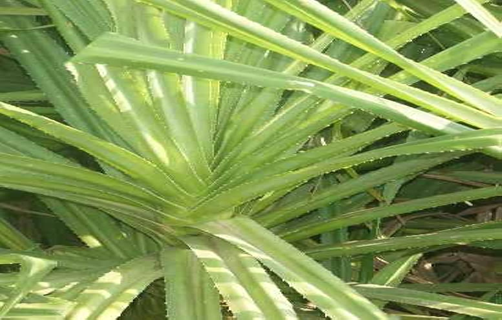
Figure 1: Pandanus fascicularis
Although direct evidence regarding the anticancer activity of Pandanus fascicularis remains limited, studies on closely related species such as Pandanus odoratissimus have demonstrated significant cytotoxic and antiproliferative effects against various cancer cell lines [8]. These findings provide indirect support for the anticancer potential of Pandanus fascicularis, given the similarity in phytochemical composition and pharmacological properties within the genus. Furthermore, the presence of bioactive compounds capable of modulating key molecular targets involved in cancer progression, such as NF-κB, PI3K/Akt, and MAPK pathways, strengthens the rationale for investigating this plant as a potential anticancer agent [9].
In addition to its therapeutic potential, the growing interest in plant-based anticancer agents is driven by the need for safer, cost-effective, and accessible treatments, particularly in developing countries. Herbal medicines and phytopharmaceuticals offer a promising alternative or complementary approach to conventional therapies, with the potential to reduce side effects and improve patient outcomes [10]. However, scientific validation through rigorous experimental and clinical studies is essential to establish their efficacy, safety, and mechanisms of action. Therefore, the present review aims to comprehensively evaluate the anticancer potential of Pandanus fascicularis by focusing on its phytochemical constituents, pharmacological activities, and underlying molecular mechanisms. The review also highlights current research gaps and future perspectives for the development of novel anticancer agents derived from this plant.
Phytochemical Profile of Pandanus fascicularis
The therapeutic potential of medicinal plants is primarily attributed to their diverse array of secondary metabolites, which play a crucial role in disease prevention and treatment. Pandanus fascicularis has been reported to possess a rich phytochemical composition comprising flavonoids, phenolic compounds, alkaloids, terpenoids, tannins, saponins, and glycosides [11]. These bioactive constituents are known to exhibit significant pharmacological properties, particularly in the context of cancer, where they act through multiple molecular targets and pathways.
Flavonoids represent one of the most important classes of phytochemicals identified in Pandanus fascicularis. These polyphenolic compounds are widely recognized for their potent antioxidant and anticancer activities. Flavonoids such as quercetin, kaempferol, and their derivatives have been reported to inhibit tumor growth by inducing apoptosis, suppressing angiogenesis, and modulating signaling pathways such as PI3K/Akt and MAPK [12]. They also play a critical role in scavenging reactive oxygen species (ROS), thereby preventing oxidative DNA damage and mutation, which are key events in carcinogenesis. The presence of flavonoids in Pandanus fascicularis strongly supports its potential as a chemopreventive agent.
Phenolic compounds, another major class of phytoconstituents in Pandanus fascicularis, contribute significantly to its antioxidant capacity. These compounds act by donating hydrogen atoms or electrons to neutralize free radicals, thus protecting cellular components from oxidative stress [13]. In addition to their antioxidant effects, phenolics have been shown to inhibit cancer cell proliferation, induce cell cycle arrest, and promote apoptosis. Their ability to modulate key enzymes involved in carcinogen metabolism further enhances their role in cancer prevention.
Table 1: Phytochemical Constituents of Pandanus fascicularis and Their Anticancer Roles
|
Phytochemical Class |
Major Compounds (Examples) |
Anticancer Mechanism |
|
Flavonoids |
Quercetin, Kaempferol |
Antioxidant, apoptosis induction, inhibition of PI3K/Akt pathway |
|
Phenolic compounds |
Gallic acid, Tannic acid |
Free radical scavenging, DNA protection, anti-proliferative |
|
Alkaloids |
Indole alkaloids |
DNA intercalation, inhibition of cell division |
|
Terpenoids |
Monoterpenes, Triterpenes |
Induction of apoptosis, anti-angiogenic activity |
|
Tannins |
Hydrolysable tannins |
Anti-proliferative, inhibition of tumor growth |
|
Saponins |
Steroidal saponins |
Membrane disruption, apoptosis induction |
|
Glycosides |
Cardiac glycosides |
Cell cycle arrest, cytotoxicity |
Alkaloids present in Pandanus fascicularis are known for their diverse pharmacological activities, including anticancer effects. Many plant-derived alkaloids, such as vincristine and vinblastine, have already been successfully developed into clinically used anticancer drugs. Alkaloids exert their anticancer effects primarily by interfering with DNA replication, inhibiting microtubule formation, and inducing apoptosis in rapidly dividing cancer cells [14]. The presence of alkaloidal constituents in Pandanus fascicularis suggests its potential to disrupt cancer cell proliferation through similar mechanisms.
Terpenoids, including monoterpenes, diterpenes, and triterpenes, are also important constituents of Pandanus fascicularis. These compounds have demonstrated significant anticancer activities by inducing apoptosis, inhibiting tumor growth and suppressing metastasis. Terpenoids are known to modulate various molecular targets, including transcription factors, growth factors, and inflammatory mediators, thereby exerting a broad spectrum of anticancer effects [15]. Their role in inhibiting angiogenesis further contributes to their therapeutic potential in cancer management.
Tannins and saponins present in Pandanus fascicularis also contribute to its anticancer activity. Tannins exhibit strong antioxidant and anti-proliferative properties, while saponins are known to induce apoptosis and inhibit cancer cell growth by disrupting cell membrane integrity and modulating immune responses [16]. These compounds enhance the overall anticancer efficacy of the plant through synergistic interactions with other phytochemicals.
In addition to these major classes, glycosides and other minor constituents present in Pandanus fascicularis may also contribute to its biological activity. The combined effect of these phytochemicals results in a multi-targeted approach to cancer therapy, which is considered advantageous over single-target synthetic drugs. This synergistic interaction among various bioactive compounds enhances the therapeutic efficacy while minimizing toxicity.
Overall, the phytochemical profile of Pandanus fascicularis provides a strong scientific basis for its potential anticancer activity. The presence of multiple classes of bioactive compounds capable of targeting different stages of cancer development highlights its promise as a natural source for anticancer drug discovery. However, further studies focusing on the isolation, characterization, and quantification of individual compounds are necessary to fully elucidate their specific roles and mechanisms of action.
Antioxidant Mechanism in Cancer Prevention
Oxidative stress plays a fundamental role in the initiation and progression of cancer and is primarily caused by an imbalance between the production of reactive oxygen species (ROS) and the body’s antioxidant defense system. Reactive oxygen species, including superoxide anions, hydroxyl radicals, and hydrogen peroxide, are highly reactive molecules capable of damaging essential cellular components such as DNA, proteins, and lipids [17]. Persistent oxidative stress leads to genetic mutations, genomic instability, and activation of oncogenes, all of which contribute to carcinogenesis. Therefore, the modulation of oxidative stress through antioxidant mechanisms represents a crucial strategy in cancer prevention and therapy.
Medicinal plants rich in natural antioxidants have gained considerable attention for their ability to neutralize ROS and protect against oxidative damage. Pandanus fascicularis has been reported to exhibit significant antioxidant activity, which is largely attributed to its high content of phenolic compounds and flavonoids [18]. These phytochemicals act as free radical scavengers by donating electrons or hydrogen atoms, thereby stabilizing reactive species and preventing cellular damage. The antioxidant potential of Pandanus fascicularis has been demonstrated through various in vitro assays such as DPPH (2,2-diphenyl-1-picrylhydrazyl) radical scavenging, nitric oxide scavenging, and reducing power assays, indicating its strong capacity to counteract oxidative stress [18].
Table 2: Mechanisms of Anticancer Action of Pandanus fascicularis
|
Mechanism |
Target/Effect |
Outcome in Cancer |
|
Antioxidant activity |
ROS scavenging |
Prevents DNA damage and mutation |
|
Anti-inflammatory activity |
TNF-α, IL-6, COX-2 inhibition |
Reduces tumor-promoting inflammation |
|
Cytotoxicity |
Cancer cell membrane/DNA |
Induces cancer cell death |
|
Apoptosis induction |
Caspases, Bax/Bcl-2 |
Programmed cell death |
|
Cell cycle arrest |
Cyclins, CDKs |
Inhibits uncontrolled proliferation |
|
Anti-angiogenesis |
VEGF inhibition |
Prevents tumor blood supply |
|
Anti-metastatic activity |
MMP inhibition |
Reduces invasion and spread |
One of the key mechanisms by which oxidative stress contributes to cancer is through DNA damage. ROS can induce base modifications, strand breaks, and cross-linking of DNA, leading to mutations that initiate tumor formation. Antioxidants present in Pandanus fascicularis play a protective role by neutralizing ROS before they can interact with DNA, thereby reducing the risk of mutagenesis [19]. In addition, these compounds may enhance the activity of endogenous antioxidant enzymes such as superoxide dismutase (SOD), catalase, and glutathione peroxidase, further strengthening the cellular defense system against oxidative injury.
Lipid peroxidation is another important consequence of oxidative stress, resulting in the formation of reactive aldehydes such as malondialdehyde (MDA), which can further damage cellular structures and promote carcinogenesis. The phenolic constituents of Pandanus fascicularis have been shown to inhibit lipid peroxidation by scavenging free radicals and stabilizing cell membranes [20]. This protective effect helps maintain cellular integrity and prevents the initiation of tumorigenic processes.
Furthermore, oxidative stress is closely linked to the activation of various signaling pathways involved in cancer development, including NF-κB, MAPK, and PI3K/Akt pathways. These pathways regulate key cellular processes such as proliferation, survival, inflammation, and apoptosis. Antioxidants from Pandanus fascicularis may modulate these signaling cascades by reducing ROS levels, thereby inhibiting the activation of pro-tumorigenic pathways [21]. This highlights the importance of antioxidant activity not only in preventing DNA damage but also in regulating molecular mechanisms associated with cancer progression. Another important aspect of antioxidant-mediated cancer prevention is the inhibition of tumor promotion and progression. By reducing oxidative stress, antioxidants can suppress the proliferation of initiated cells and prevent their transformation into malignant tumors. Additionally, they may enhance immune function and improve the body’s ability to eliminate cancer cells [19].
Anti-inflammatory Mechanism in Cancer
Chronic inflammation is widely recognized as a critical factor in the initiation, promotion, and progression of cancer. It contributes to tumorigenesis by creating a microenvironment that supports cellular proliferation, survival, angiogenesis, and metastasis. Inflammatory processes are mediated by various cytokines, chemokines, growth factors, and enzymes such as tumor necrosis factor-alpha (TNF-α), interleukins (IL-1β, IL-6), cyclooxygenase-2 (COX-2), and inducible nitric oxide synthase (iNOS) [22]. Persistent activation of these inflammatory mediators leads to DNA damage, inhibition of apoptosis, and increased cellular proliferation, thereby facilitating the development of malignancies.
Natural products with anti-inflammatory properties have gained considerable attention as potential anticancer agents due to their ability to modulate the tumor-promoting inflammatory microenvironment. Pandanus fascicularis has been traditionally used for its anti-inflammatory effects, and experimental studies have validated its ability to reduce inflammation in various models [23]. The anti-inflammatory activity of Pandanus fascicularis is primarily attributed to its rich phytochemical composition, including flavonoids, phenolics, and terpenoids, which are known to inhibit key inflammatory mediators.
One of the major mechanisms by which Pandanus fascicularis exerts its anti-inflammatory effects is through the inhibition of pro-inflammatory cytokines such as TNF-α and IL-6. These cytokines play a pivotal role in cancer progression by promoting cell survival, proliferation, and angiogenesis. By suppressing their production, the plant may help reduce tumor growth and prevent metastasis [24]. Additionally, inhibition of COX-2 expression leads to decreased synthesis of prostaglandins, which are involved in inflammation and tumor promotion.
Another important target of anti-inflammatory action is the nuclear factor-kappa B (NF-κB) signaling pathway, which is a key regulator of inflammation and cancer. Activation of NF-κB leads to the transcription of genes involved in cell proliferation, anti-apoptosis, and angiogenesis. Phytochemicals present in Pandanus fascicularis may inhibit the activation of NF-κB, thereby suppressing the expression of inflammatory and tumor-promoting genes [25]. This inhibition plays a crucial role in preventing the progression of inflammation-associated cancers.
Inflammation is also closely associated with the production of reactive nitrogen species (RNS) and nitric oxide (NO), which can cause DNA damage and promote carcinogenesis. The inhibition of inducible nitric oxide synthase (iNOS) by bioactive compounds in Pandanus fascicularis may reduce NO production, thereby preventing nitrosative stress and its associated carcinogenic effects [22].
Furthermore, chronic inflammation contributes to angiogenesis, the formation of new blood vessels that supply nutrients and oxygen to tumors. Inflammatory mediators such as vascular endothelial growth factor (VEGF) are upregulated in inflamed tissues, promoting tumor vascularization. By inhibiting inflammatory signaling pathways, Pandanus fascicularis may indirectly suppress angiogenesis, thereby limiting tumor growth and metastasis [24].
The anti-inflammatory activity of Pandanus fascicularis has also been demonstrated in experimental models such as carrageenan-induced paw edema, where the plant extract significantly reduced inflammation, indicating its potential to inhibit acute and chronic inflammatory responses [23]. These findings support its traditional use and provide scientific evidence for its role in modulating inflammation-related pathways. In addition to direct anti-inflammatory effects, the synergistic interaction of multiple phytochemicals present in Pandanus fascicularis enhances its overall therapeutic efficacy. This multi-targeted approach is particularly advantageous in cancer treatment, as it allows simultaneous modulation of various pathways involved in tumor development and progression.
Cytotoxic and Antiproliferative Activity
Cytotoxic and antiproliferative activities are fundamental parameters in evaluating the anticancer potential of medicinal plants. Cytotoxicity refers to the ability of a substance to induce cell death, particularly in cancer cells, while antiproliferative activity involves the inhibition of cell growth and division. These properties are essential for preventing tumor progression and are commonly assessed using in vitro cancer cell line models. Natural products have been extensively studied for these effects due to their ability to selectively target cancer cells with minimal toxicity to normal tissues.
Although direct experimental studies specifically evaluating the cytotoxic effects of Pandanus fascicularis on cancer cell lines are limited, available pharmacological evidence and studies on closely related species strongly suggest its potential in this area. Extracts of plants belonging to the genus Pandanus, particularly Pandanus odoratissimus, have demonstrated significant cytotoxic activity against various human cancer cell lines, including breast, liver, and colon cancer cells [26]. These studies have shown dose-dependent inhibition of cell viability, indicating the presence of potent bioactive compounds capable of suppressing tumor cell growth.
The cytotoxic activity of Pandanus fascicularis can be attributed to its rich phytochemical composition, particularly flavonoids, alkaloids, and terpenoids. These compounds exert their effects through multiple mechanisms, including disruption of cellular membranes, inhibition of DNA synthesis, and interference with essential metabolic pathways in cancer cells. Flavonoids, for instance, are known to induce oxidative stress selectively in cancer cells, leading to mitochondrial dysfunction and subsequent cell death [27]. This selective toxicity is advantageous, as it reduces damage to normal cells.
In addition to direct cytotoxic effects, the antiproliferative activity of Pandanus fascicularis plays a crucial role in cancer prevention and therapy. Cancer cells are characterized by uncontrolled proliferation due to dysregulation of cell cycle checkpoints. Bioactive compounds present in the plant may inhibit key regulators of the cell cycle, such as cyclins and cyclin-dependent kinases (CDKs), thereby preventing progression through critical phases of the cell cycle [28]. This results in growth arrest and suppression of tumor expansion.
Another important aspect of antiproliferative activity is the inhibition of DNA replication. Alkaloids and other phytochemicals present in Pandanus fascicularis may intercalate into DNA or inhibit topoisomerase enzymes, thereby preventing DNA unwinding and replication. This ultimately leads to inhibition of cell division and induction of cell death in rapidly dividing cancer cells [29]. Such mechanisms are similar to those observed with several clinically used anticancer drugs derived from plant sources.
Furthermore, cytotoxic agents often induce morphological and biochemical changes in cancer cells, including cell shrinkage, membrane blebbing, chromatin condensation, and nuclear fragmentation. These changes are indicative of apoptosis, which is a controlled and desirable form of cell death in cancer therapy. The presence of apoptosis-inducing compounds in Pandanus fascicularis enhances its potential as an effective anticancer agent.
The evaluation of cytotoxic activity is commonly performed using assays such as MTT, trypan blue exclusion, and sulforhodamine B (SRB) assays. Preliminary phytochemical studies suggest that extracts of Pandanus fascicularis exhibit moderate to strong cytotoxic effects in such assays, although more targeted research is required to confirm these findings [26]. Additionally, the use of different solvent extracts (methanolic, ethanolic, aqueous) may influence the degree of cytotoxicity due to variation in phytochemical composition.
Induction of Apoptosis
Apoptosis, or programmed cell death, is a highly regulated physiological process essential for maintaining cellular homeostasis by eliminating damaged, abnormal, or potentially malignant cells. In cancer, one of the hallmark features is the evasion of apoptosis, which allows cancer cells to survive and proliferate uncontrollably. Therefore, the induction of apoptosis is a major therapeutic target in cancer treatment, and many anticancer agents exert their effects by activating apoptotic pathways [30].
Apoptosis occurs through two main pathways: the intrinsic (mitochondrial) pathway and the extrinsic (death receptor-mediated) pathway. The intrinsic pathway is primarily regulated by mitochondrial signals and involves the balance between pro-apoptotic proteins (such as Bax and Bak) and anti-apoptotic proteins (such as Bcl-2 and Bcl-xL). Disruption of this balance leads to mitochondrial membrane permeabilization, release of cytochrome c, and subsequent activation of caspases, which are proteolytic enzymes responsible for executing cell death [31]. The extrinsic pathway, on the other hand, is initiated by the binding of ligands to death receptors such as Fas and TNF receptors, leading to activation of downstream caspases and apoptosis.
Phytochemicals present in Pandanus fascicularis, particularly flavonoids, alkaloids, and terpenoids, are known to induce apoptosis through multiple mechanisms. These compounds can modulate the expression of apoptotic proteins by upregulating pro-apoptotic factors (Bax, p53) and downregulating anti-apoptotic proteins (Bcl-2), thereby shifting the balance towards cell death [32]. This regulation is crucial for eliminating cancer cells that have acquired resistance to normal apoptotic signals.
One of the key events in apoptosis is the activation of caspases, particularly initiator caspases (caspase-8 and caspase-9) and executioner caspases (caspase-3). Bioactive compounds in Pandanus fascicularis may activate these caspases, leading to cleavage of cellular proteins, DNA fragmentation, and eventual cell death. Caspase activation also results in the breakdown of structural and functional proteins within the cell, ensuring an orderly and controlled process of cell elimination [33].
Mitochondrial dysfunction is another important mechanism involved in apoptosis. Phytochemicals can induce the loss of mitochondrial membrane potential, leading to the release of cytochrome c and other pro-apoptotic factors into the cytosol. This triggers the formation of the apoptosome complex and activation of the caspase cascade [31]. Flavonoids and phenolic compounds in Pandanus fascicularis are particularly effective in targeting mitochondrial pathways, making them potent inducers of apoptosis in cancer cells.
Reactive oxygen species (ROS) also play a dual role in apoptosis. While low levels of ROS promote cell survival, excessive ROS generation can trigger apoptotic cell death. Certain phytochemicals in Pandanus fascicularis may increase intracellular ROS levels selectively in cancer cells, leading to oxidative stress-induced apoptosis [34]. This selective induction of oxidative stress is advantageous, as cancer cells are more susceptible to ROS-mediated damage compared to normal cells.
Morphological changes associated with apoptosis, such as cell shrinkage, chromatin condensation, nuclear fragmentation, and formation of apoptotic bodies, are commonly observed in cells treated with plant-derived anticancer agents. Although specific studies on Pandanus fascicularis are limited, similar effects have been reported in related species, suggesting comparable mechanisms of action [26].
Another important regulator of apoptosis is the tumor suppressor protein p53, which plays a critical role in DNA repair, cell cycle arrest, and apoptosis. Phytochemicals may enhance the activity of p53, thereby promoting apoptosis in cancer cells with damaged DNA [35]. This is particularly important in preventing the survival and proliferation of genetically unstable cells. In addition to direct induction of apoptosis, Pandanus fascicularis may also sensitize cancer cells to other anticancer agents by modulating apoptotic pathways. This synergistic effect enhances the overall therapeutic efficacy and may help overcome drug resistance, which is a major challenge in cancer treatment.
Cell Cycle Arrest
The cell cycle is a tightly regulated process that ensures accurate replication and division of cells. It consists of distinct phases, namely G0/G1 (cell growth), S (DNA synthesis), G2 (preparation for mitosis), and M phase (mitosis). In normal cells, progression through these phases is strictly controlled by regulatory proteins such as cyclins, cyclin-dependent kinases (CDKs), and tumor suppressor genes. However, in cancer cells, this regulation is disrupted, leading to uncontrolled proliferation and tumor growth [36]. Therefore, targeting the cell cycle machinery represents a crucial strategy in cancer therapy. Cell cycle arrest refers to the inhibition of cell cycle progression at specific checkpoints, thereby preventing the replication and division of cancer cells. Many anticancer agents exert their effects by inducing arrest at key phases such as G0/G1, S, or G2/M, which ultimately leads to inhibition of tumor growth and induction of apoptosis. Phytochemicals derived from medicinal plants have shown significant potential in modulating cell cycle regulatory pathways, making them valuable candidates for anticancer drug development [37].
The bioactive compounds present in Pandanus fascicularis, particularly flavonoids, phenolic compounds, and alkaloids, are known to interfere with cell cycle progression. These compounds can regulate the expression and activity of cyclins and CDKs, which are essential for the transition between different phases of the cell cycle. For instance, flavonoids have been reported to downregulate cyclin D1 and CDK4/6, leading to arrest at the G0/G1 phase, thereby preventing the initiation of DNA synthesis [38]. This inhibition effectively halts the proliferation of cancer cells at an early stage.
In addition to G0/G1 arrest, certain phytochemicals may induce arrest at the G2/M phase by inhibiting cyclin B1 and CDK1, which are required for the transition from G2 to mitosis. This prevents the division of cells with damaged DNA, thereby limiting the propagation of mutations. The ability to target multiple checkpoints enhances the effectiveness of plant-derived compounds in controlling cancer cell growth [39].
Another important regulator of the cell cycle is the tumor suppressor protein p53, which plays a key role in maintaining genomic integrity. In response to DNA damage, p53 activates the expression of p21, a CDK inhibitor that blocks cell cycle progression. Phytochemicals present in Pandanus fascicularis may enhance the activity of p53 and p21, thereby promoting cell cycle arrest and preventing the proliferation of damaged cells [40]. This mechanism is particularly important in cancer prevention, as it allows time for DNA repair or triggers apoptosis if the damage is irreparable.
Cell cycle arrest is often closely linked to apoptosis, as prolonged arrest can lead to activation of apoptotic pathways. By halting cell cycle progression, Pandanus fascicularis may sensitize cancer cells to apoptotic signals, thereby enhancing its overall anticancer efficacy. This dual action combining inhibition of proliferation with induction of cell death makes it a promising candidate for anticancer therapy.
Furthermore, cell cycle regulation is influenced by various signaling pathways, including the PI3K/Akt and MAPK pathways, which are frequently dysregulated in cancer. Phytochemicals may modulate these pathways, leading to downregulation of cell cycle-promoting genes and upregulation of inhibitory proteins. This multi-targeted approach enhances the ability of Pandanus fascicularis to control cancer cell growth and progression [37].
Molecular Mechanisms and Signaling Pathways
Cancer development and progression are driven by complex molecular signaling networks that regulate key cellular processes such as proliferation, survival, apoptosis, angiogenesis, and metastasis. Dysregulation of these signaling pathways is a hallmark of cancer, making them critical targets for therapeutic intervention. Phytochemicals derived from medicinal plants have been shown to modulate multiple signaling pathways simultaneously, offering a multi-targeted approach to cancer treatment. The bioactive compounds present in Pandanus fascicularis are believed to exert their anticancer effects through the regulation of several important molecular pathways.
One of the most significant pathways involved in cancer progression is the nuclear factor-kappa B (NF-κB) signaling pathway. NF-κB is a transcription factor that regulates the expression of genes involved in inflammation, cell survival, proliferation, and angiogenesis. In many cancers, NF-κB is constitutively activated, leading to increased expression of anti-apoptotic proteins (such as Bcl-2 and Bcl-xL), inflammatory cytokines (TNF-α, IL-6), and growth factors [41]. Phytochemicals such as flavonoids and phenolic compounds present in Pandanus fascicularis may inhibit the activation of NF-κB by preventing the degradation of its inhibitory protein (IκB), thereby suppressing the transcription of tumor-promoting genes. This inhibition plays a crucial role in reducing inflammation and inducing apoptosis in cancer cells.
Table 3: Molecular Targets and Signaling Pathways
|
Sr. No. |
Signaling Pathway |
Role in Cancer |
Effect of Phytochemicals |
|
1 |
NF-κB pathway |
Inflammation, survival |
Inhibition of gene expression |
|
2 |
PI3K/Akt pathway |
Cell survival, growth |
Induces apoptosis |
|
3 |
MAPK pathway |
Proliferation, differentiation |
Modulates cell death pathways |
|
4 |
p53 pathway |
Tumor suppression |
Enhances apoptosis and repair |
|
5 |
VEGF pathway |
Angiogenesis |
Inhibits tumor vascularization |
|
6 |
MMP pathway |
Metastasis |
Prevents invasion |
Another critical pathway is the phosphoinositide 3-kinase/protein kinase B (PI3K/Akt) signaling pathway, which is involved in regulating cell survival, growth, and metabolism. Activation of the PI3K/Akt pathway promotes cell proliferation and inhibits apoptosis, contributing to tumor progression and resistance to therapy. Phytochemicals in Pandanus fascicularis may inhibit this pathway by blocking the phosphorylation of Akt, thereby restoring apoptotic processes and inhibiting cancer cell survival [42]. This modulation is particularly important in overcoming drug resistance in cancer therapy.
The mitogen-activated protein kinase (MAPK) pathway is another key signaling cascade involved in cell growth, differentiation, and apoptosis. It includes several sub-pathways such as ERK, JNK, and p38 MAPK, each playing distinct roles in cellular responses. Dysregulation of the MAPK pathway is commonly observed in cancer, leading to uncontrolled proliferation. Bioactive compounds in Pandanus fascicularis may modulate MAPK signaling by inhibiting ERK-mediated proliferation while activating JNK and p38 pathways, which promote apoptosis [43]. This dual modulation helps in controlling tumor growth and inducing cell death.
Angiogenesis, the formation of new blood vessels, is essential for tumor growth and metastasis, as it provides nutrients and oxygen to rapidly dividing cancer cells. Vascular endothelial growth factor (VEGF) is a main regulator of angiogenesis, and its overexpression is commonly associated with tumor progression. Phytochemicals present in Pandanus fascicularis may inhibit VEGF expression and angiogenic signaling pathways, thereby restricting blood supply to tumors and limiting their growth [44]. This anti-angiogenic property is a crucial aspect of anticancer therapy. In addition to these pathways, oxidative stress-mediated signaling also plays a significant role in cancer. Reactive oxygen species (ROS) can activate multiple signaling pathways, including NF-κB and MAPK, leading to tumor progression. Antioxidant compounds in Pandanus fascicularis may reduce ROS levels, thereby indirectly modulating these signaling pathways and preventing cancer development [21]. Another important aspect of molecular regulation is the inhibition of metastasis, which involves the spread of cancer cells to distant organs. Matrix metalloproteinases (MMPs) are enzymes that degrade extracellular matrix components, facilitating tumor invasion and metastasis. Phytochemicals may inhibit the expression and activity of MMPs, thereby preventing cancer cell migration and invasion [45]. This anti-metastatic effect enhances the therapeutic potential of Pandanus fascicularis.
Table 4: Pharmacological Activities Supporting Anticancer Potential
|
Pharmacological Activity |
Experimental Method |
Key Findings |
Relevance to Anticancer Activity |
References |
|
Antioxidant Activity |
DPPH, FRAP, reducing power assays (plant extracts) |
Significant free radical scavenging activity observed; phenolic-rich extracts showed strong antioxidant potential |
Prevents oxidative DNA damage, inhibits mutation and cancer initiation |
[18], [46] |
|
Anti-inflammatory Activity |
Carrageenan-induced paw edema model in rats |
Significant reduction in paw edema and inflammation; confirms inhibition of inflammatory mediators |
Suppresses tumor-promoting inflammation and cytokine signaling |
[47,48] |
|
Analgesic Activity |
Acetic acid-induced writhing test, tail clip method |
Reduction in pain response indicating inhibition of prostaglandin synthesis |
Supports anti-inflammatory action, improves cancer-associated pain management |
[49] |
|
Cytotoxic Activity (Related Pandanus species) |
MTT assay on cancer cell lines (MCF-7, HepG2, HeLa) |
Dose-dependent reduction in cancer cell viability observed in Pandanus species |
Direct killing of cancer cells; indicates potential for P. fascicularis |
[11, 50] |
|
Antioxidant–Cytotoxic Correlation |
Phenolic profiling + antioxidant assays |
Higher phenolic content correlated with increased antioxidant and anticancer activity |
Suggests mechanism via ROS modulation and apoptosis induction |
[51] |
|
Anti-inflammatory (COX-2 modulation – related species) |
In vivo COX-2 expression studies |
Significant reduction in COX-2 expression and inflammatory markers |
Inhibits inflammation-driven carcinogenesis and tumor progression |
[52] |
|
Free Radical Scavenging Mechanism |
DPPH radical scavenging assay |
Concentration-dependent increase in % inhibition of free radicals |
Reduces oxidative stress-mediated activation of cancer pathways |
[53] |
|
Phytochemical-mediated Activity |
Phytochemical screening (flavonoids, alkaloids, phenolics) |
Presence of bioactive compounds responsible for multiple pharmacological effects |
Multi-target anticancer mechanism (apoptosis, cell cycle arrest, signaling inhibition) |
[54] |
Furthermore, epigenetic modifications, such as DNA methylation and histone acetylation, play a crucial role in cancer development by altering gene expression without changing the DNA sequence. Emerging evidence suggests that plant-derived compounds can modulate epigenetic mechanisms, leading to reactivation of tumor suppressor genes and inhibition of oncogenes. Although specific studies on Pandanus fascicularis are limited, its phytochemical composition indicates potential involvement in epigenetic regulation. The multi-targeted nature of phytochemicals in Pandanus fascicularis is particularly advantageous in cancer therapy, as it allows simultaneous modulation of multiple pathways involved in tumor development and progression. This reduces the likelihood of drug resistance and enhances overall therapeutic efficacy. Unlike single-target synthetic drugs, plant-derived compounds provide a holistic approach by targeting interconnected signalling networks.
Future Perspectives
Despite the promising pharmacological properties of Pandanus fascicularis, particularly its antioxidant, anti-inflammatory, cytotoxic and apoptosis-inducing activities, its full potential as an anticancer agent remains largely underexplored. Future research should therefore focus on bridging the gap between preliminary phytochemical findings and clinical applications through systematic and multidisciplinary approaches. One of the major areas requiring attention is the isolation and characterization of bioactive compounds responsible for anticancer activity. Although the plant is known to contain flavonoids, phenolics, alkaloids, and terpenoids, the identification of specific lead molecules and their structure–activity relationships (SAR) is essential for drug development [55]. Advanced analytical techniques such as high-performance liquid chromatography (HPLC), liquid chromatography–mass spectrometry (LC-MS), and nuclear magnetic resonance (NMR) spectroscopy should be employed for precise characterization of these compounds. Another important direction is the evaluation of anticancer activity using in vitro and in vivo models. While preliminary evidence suggests cytotoxic and antiproliferative potential, well-designed studies using a variety of human cancer cell lines and animal tumor models are necessary to validate these effects. These studies should also focus on determining the dose-response relationship, selectivity index and mechanism of action at the molecular level [56-58].
The development of novel drug delivery systems, particularly nanotechnology-based formulations, represents a promising approach to enhance the therapeutic efficacy of Pandanus fascicularis. Nanoformulations such as nanoparticles, liposomes, and nanoemulsions can improve the bioavailability, stability, and targeted delivery of phytochemicals, thereby increasing their anticancer effectiveness while minimizing systemic toxicity [53]. Such advanced delivery systems may also facilitate site-specific targeting of tumor tissues. Furthermore, molecular docking and in silico studies can play a crucial role in identifying potential targets and predicting the interaction of phytochemicals with key proteins involved in cancer pathways. These computational approaches provide valuable insights into binding affinity, mechanism of action, and drug-likeness properties, thereby accelerating the drug discovery process [59]. Another critical aspect is the evaluation of safety and toxicity profiles. Although traditional use suggests that Pandanus fascicularis is relatively safe, comprehensive toxicological studies, including acute, sub-chronic, and chronic toxicity assessments, are essential to establish its safety for human use. Additionally, pharmacokinetic studies are required to understand the absorption, distribution, metabolism, and excretion (ADME) of its bioactive compounds [60]. The integration of Pandanus fascicularis with conventional cancer therapies also presents an exciting area of research. Combining plant-derived compounds with standard chemotherapeutic agents may result in synergistic effects, enhancing therapeutic efficacy and reducing adverse effects. Such combination therapies could also help overcome drug resistance, which remains a major challenge in cancer treatment [61].
CONCLUSION
Pandanus fascicularis represents a promising medicinal plant with significant potential in cancer prevention and therapy due to its rich phytochemical composition and diverse pharmacological activities. The presence of bioactive compounds such as flavonoids, phenolics, alkaloids, and terpenoids contributes to its antioxidant, anti-inflammatory, cytotoxic, antiproliferative and apoptosis-inducing properties, all of which are crucial mechanisms in combating cancer. The plant demonstrates a multi-targeted approach to anticancer activity by modulating key molecular pathways, including NF-κB, PI3K/Akt, and MAPK signaling, as well as inhibiting angiogenesis and metastasis. Additionally, its ability to induce apoptosis and arrest the cell cycle further supports its role as a potential anticancer agent. Evidence from related species, particularly Pandanus odoratissimus, provides additional support for its therapeutic potential. However, despite these promising findings, the current body of research on Pandanus fascicularis remains limited, particularly in terms of direct anticancer studies and clinical validation. Significant challenges, including lack of compound isolation, insufficient mechanistic data, and absence of clinical trials, must be addressed to fully exploit its therapeutic potential. In conclusion, Pandanus fascicularis holds considerable promise as a natural source of anticancer agents, offering a safer and more holistic alternative to conventional therapies. With further scientific validation and technological advancements, it has the potential to contribute significantly to the development of novel anticancer drugs and improve outcomes in cancer management.
REFERENCES

Minakshi Khairnar, Khushi Bhadane, Sanket Gharte, Varsharani Pawar, Aakanksha Dashpute, Dr. Ganesh Ahire, Pandanus fascicularis as a Potential Anticancer Agent: A Review, Int. J. of Pharm. Sci., 2026, Vol 4, Issue 3, 3906-3921. https://doi.org/10.5281/zenodo.19338713
 10.5281/zenodo.19338713
