
Yadavrao Tasgaonkar Institute of Pharmacy, Bhivpuri Road, Karjat, Maharashtra, India.
Transdermal drug delivery systems offer a non-invasive alternative to oral and injectable routes; however, their clinical application is significantly limited by the barrier function of the stratum corneum. Microneedle-based drug delivery systems have emerged as an innovative strategy to overcome this limitation by creating transient microchannels in the skin, thereby enhancing drug permeation without stimulating deep dermal pain receptors. Microneedles are micron-scale projections, typically 150–1500 µm in length, designed to penetrate the outer skin layers safely and effectively.This review aims to summarize the design principles, classification (solid, coated, dissolving, hollow, and hydrogel-forming), fabrication materials, and mechanisms of drug release associated with microneedle systems. Recent advancements in biodegradable polymers, microfabrication techniques, and sustained-release formulations have expanded their applications in vaccination, chronic pain management, insulin delivery, dermatological therapy, and cosmetic treatments. Compared to conventional hypodermic injections, microneedles offer minimal pain, improved patient compliance, reduced systemic side effects, and potential for self-administration.Despite promising clinical outcomes, challenges related to large-scale manufacturing, regulatory approval, and long-term safety evaluation remain. Continued research and technological innovation are expected to further enhance the translational potential of microneedle-based therapeutics in modern healthcare.
The skin acts as a highly efficient protective barrier against environmental insults and chemical exposure. While this function is physiologically essential, it limits the transdermal absorption of most drug molecules. Conventional hypodermic injections provide effective systemic delivery but are associated with discomfort, needle anxiety, and reduced long-term adherence. Conversely, topical formulations often fail to achieve therapeutic drug concentrations due to limited permeability across the stratum corneum.
Microneedle-based systems were developed to overcome these limitations. These devices consist of arrays of microscopic projections typically ranging from 150–1500 µm in length. Their dimensions permit penetration through the outermost skin layer while avoiding deeper vascular and neural structures, thereby minimizing pain and tissue trauma. This approach enhances dermal drug transport and improves patient acceptance.
Skin Anatomy (5)
The skin is composed of three principal layers: epidermis, dermis, and hypodermis. The epidermis contains multiple strata, with the stratum corneum serving as the primary permeability barrier. The dermis is a connective tissue layer containing blood vessels, nerve endings, and appendages that support thermoregulation and sensation. The hypodermis consists largely of adipose tissue and provides insulation and structural support. Knowledge of this layered structure is fundamental in designing effective microneedle systems.
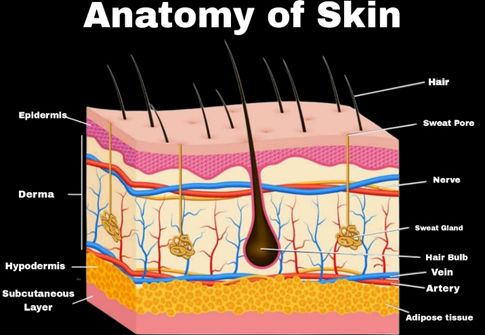
Figure 1- Anatomy of skin
Conventional Drug Delivery for Pain Management (6-8)
Pain is commonly managed using oral, parenteral, topical, and transdermal drug delivery approaches. Each route offers certain advantages; however, significant limitations remain.
Oral administration of analgesics and anti-inflammatory agents is widely preferred because it is convenient and non-invasive. Despite this practicality, oral therapy often requires repeated dosing due to short duration of action. Additionally, delayed onset of relief, gastrointestinal irritation, variable absorption, and reduced bioavailability may compromise therapeutic effectiveness. Long-term use of certain oral analgesics is also associated with systemic adverse effects.
Parenteral administration provides rapid onset of action and precise dosing, making it useful in acute pain conditions. However, it is not ideal for routine or long-term management. Repeated injections increase the risk of infection, tissue damage, and local inflammation at the injection site. Moreover, needle-related anxiety, discomfort, and fear significantly reduce patient acceptance and adherence to therapy.
Topical drug delivery systems were introduced to minimize systemic side effects and improve safety. These formulations allow localized treatment and are generally well tolerated. Nevertheless, their clinical effectiveness is frequently limited by poor drug penetration across the skin barrier, necessitating frequent reapplication. Prolonged use may also cause local irritation or sensitivity.
Transdermal drug delivery systems represent a more advanced alternative. By facilitating controlled drug release across the skin, they provide sustained therapeutic levels while avoiding first-pass hepatic metabolism. Compared with oral and injectable routes, transdermal systems can reduce systemic toxicity, improve bioavailability, and enhance patient compliance. However, their performance remains constrained by the barrier properties of the stratum corneum, which restrict the delivery of many therapeutic agents.
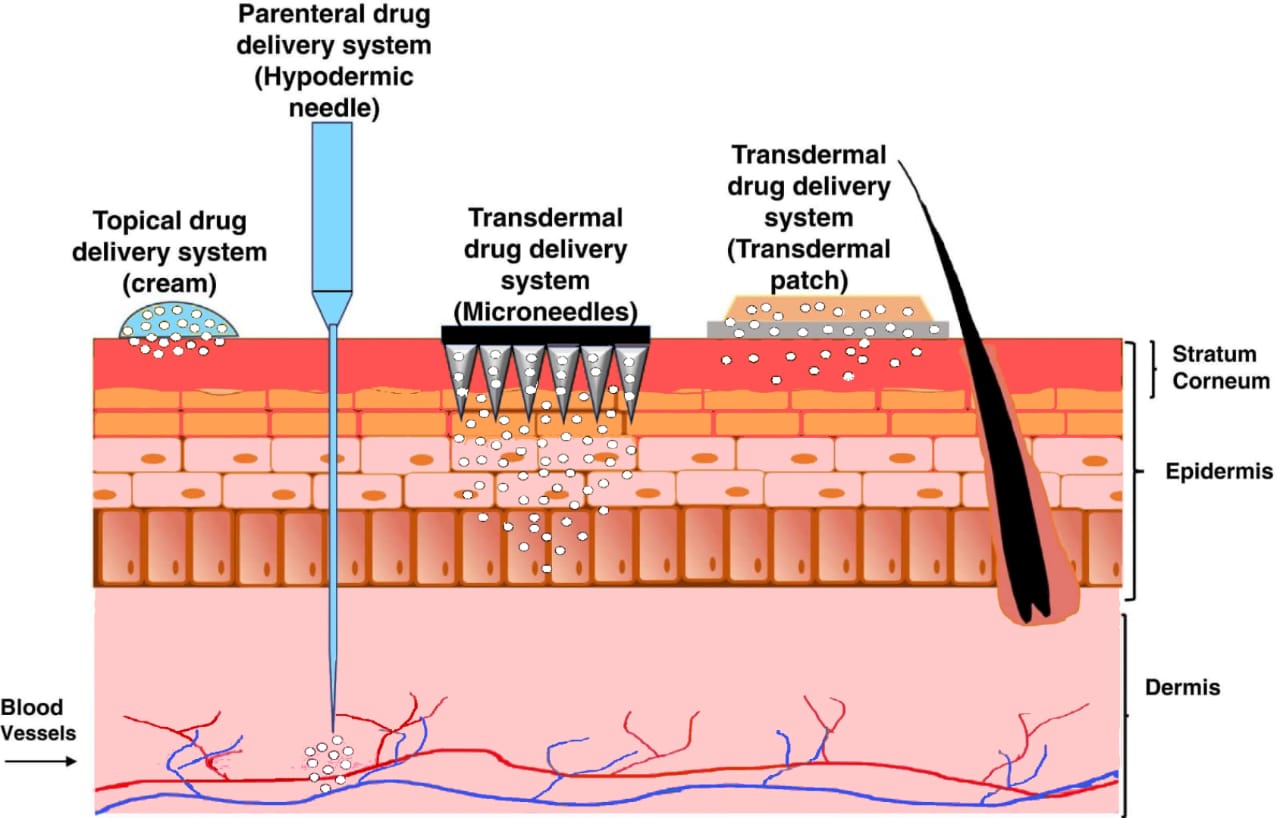
figure 2 – conventional drug delivery
Types of Microneedles (9,10)
1. Solid Microneedles: Used to create microchannels followed by topical drug application.
2. Coated Microneedles: Drug-coated surfaces allow rapid release upon insertion.
3. Dissolving Microneedles: Fabricated from biodegradable polymers that dissolve after insertion.
4. Hollow Microneedles: Contain a lumen for controlled liquid drug infusion.
5. Hydrogel-Forming Microneedles: Swell after insertion and enable sustained drug diffusion.
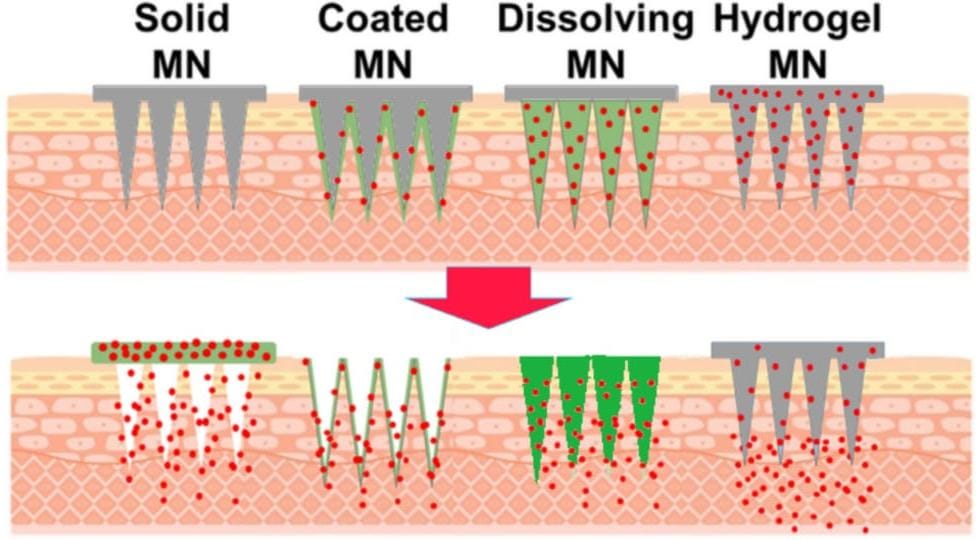
Figure 3 – Types of microneedles
Mechanism of Drug Delivery (11)
Microneedles function by mechanically breaching the stratum corneum to create temporary aqueous pathways. Drug molecules subsequently diffuse into the epidermis or dermis, depending on formulation design. The microchannels typically reseal within hours, reducing infection risk and preserving skin integrity.
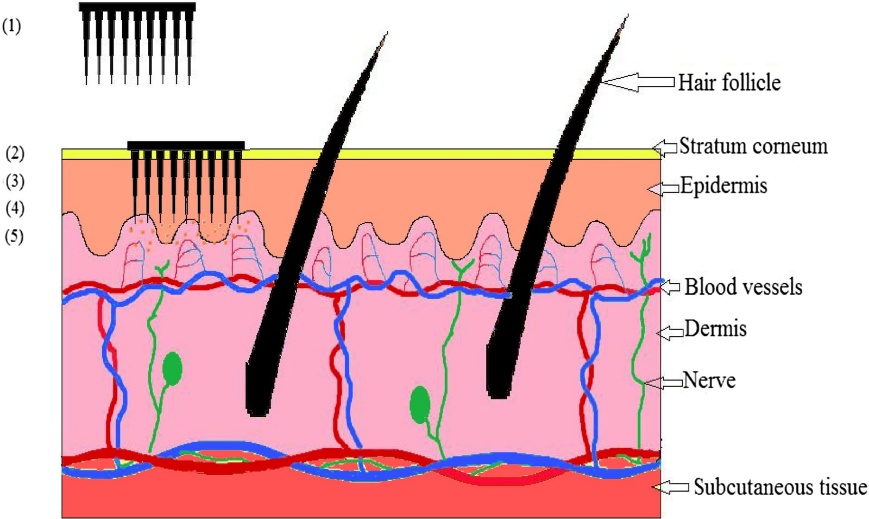
Figure 4 – Mechanism of medicine delivery
Applications in Chronic Pain-Associated Disorders (12-15)
Microneedle systems have demonstrated potential in osteoarthritis, rheumatoid arthritis, neuropathic pain, atopic dermatitis, and psoriatic arthritis. Localized dermal delivery reduces systemic exposure and enhances therapeutic precision. Sustained-release designs further improve long-term symptom control.
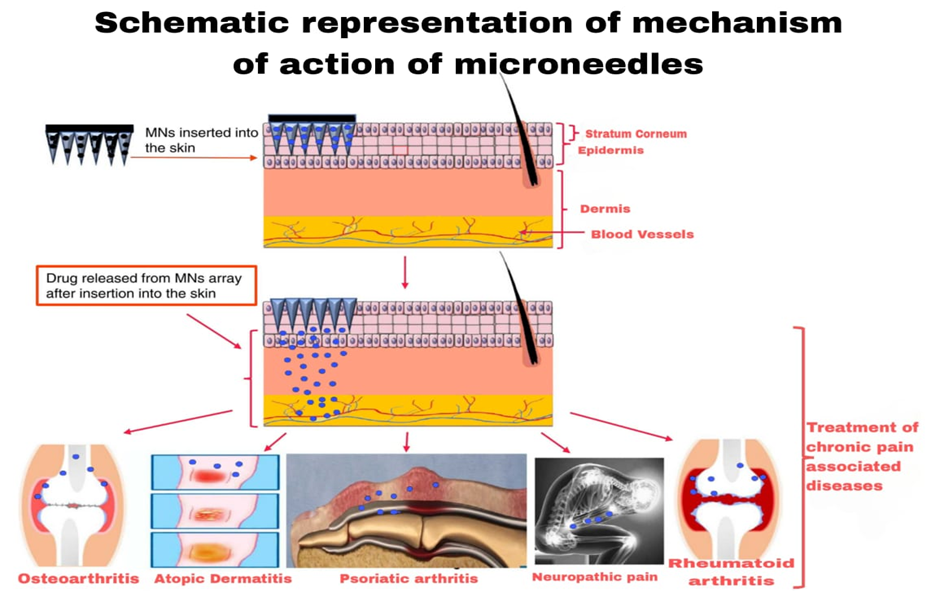
Figure 5 – microneedles in chronic pain associated disease
Materials Used in Fabrication (16,17)
Common fabrication materials include biodegradable polymers (PVA, PVP, PLA, PLGA), carbohydrates, metals, silicon, ceramics, and glass. Material selection influences mechanical strength, biocompatibility, drug loading capacity, and release kinetics.
Approved microneedle products
The first microneedle product was derma comber. numerous microneedle products are coming in the request and are approved for medical and ornamental use.
|
Sr. No. |
PRODUCT NAME |
COMPANY |
DESCRIPTION |
USES |
|
1. |
Dermaroller® |
Dermaroller Germany, White Lotus |
A small roller with solid or essence-coated microneedles, ranging from 0.2 to 2.5 mm in length. |
Improves skin texture and appearance. |
|
2. |
Soluvia® |
Sanofi Pasteur Europe |
Hollow microneedle attached to a syringe-like device for precise delivery. |
Administers influenza vaccination. |
|
3. |
MicroHyala® |
CosMed |
Dissolving microneedle patch containing hyaluronic acid. |
Reduces wrinkles and promotes skin hydration. |
|
4. |
LiteClear® |
Nanomed Skincare |
Solid silicon microneedles used for pre-treatment before applying topical medicines. |
Helps in acne management and enhances topical treatment efficacy. |
Advantages (18,19)
Microneedles offer minimal pain, improved patient compliance, avoidance of first-pass metabolism, reduced systemic side effects, and suitability for self-administration.
Future Prospects
Future research focuses on stimuli-responsive microneedles, wearable integration, and personalized drug delivery systems. Advances in microfabrication and biomaterials are expected to enhance scalability and clinical translation.
CONCLUSION
Microneedle-based drug delivery represents a progressive advancement in transdermal therapeutics. By transiently disrupting the skin barrier without causing significant discomfort, microneedles provide a patient-centered and minimally invasive alternative to conventional injections. Continued innovation in material science and device engineering is likely to expand their clinical applications in the coming years.
REFERENCES





Aasawaree Mane, Vinaya Gharat, Aayush Gawale, Rushikesh Ghatul, Rudraksha Gharge, Microneedle-Based Drug Delivery System: A Painless and Patient-Friendly Approach, Int. J. of Pharm. Sci., 2026, Vol 4, Issue 3, 3801-3806, https://doi.org/10.5281/zenodo.19282580
 10.5281/zenodo.19282580
