
Shri Chhatrapati Shahu Maharaj Shikshan Sansthas Institute of Pharmacy, Maregaon -445303.
Infertility is a growing public health crisis globally, especially in India. This comprehensive review synthesizes the current scientific understanding of both the pathophysiology and diverse therapeutic landscapes of infertility. Specifically, it aims to critically evaluate the pharmacological effects of known medicinal plants on the female reproductive system. By examining their potential mechanisms and efficacy alongside established conventional and bioregenerative therapies, this review seeks to identify safe, effective, and accessible plant-based interventions. The ultimate goal is to bridge the gap between traditional wisdom and evidence-based medicine, offering a unified perspective to improve outcomes for couples facing unexplained infertility. While conventional treatment options are broad, encompassing pharmacotherapies, advanced Assisted Reproductive Technologies (ART), and emerging regenerative medical modalities (e.g., cell therapy, mitochondrial replacement), these are often expensive or inaccessible. Historically, tropical nations rich in biodiversity have favored traditional medicines (TM) and phytotherapeutic remedies to address reproductive health concerns, with ancient Ayurvedic texts recording the use of various plants as aphrodisiacs and fertility enhancers.
An estimated 27.5 million couples in India are affected by infertility, which is quickly becoming a national public health issue rather than a silent crisis limited to whispered conversations. A parallel and frequently disregarded issue is growing as India's overall fertility rate falls below replacement level: the silent epidemic of infertility, which is significantly altering the demographic future of the nation. Men and women are nearly equally affected by infertility, a disorder of the reproductive system. An average of 10% of people of reproductive age are impacted by this worldwide problem. One Numerous problems can be linked to this issue, including extrinsic factors like obesity, pelvic TB, infections during parturition or surgery, and intrinsic factors including anatomical, genetic, hormonal, and immunological disorders [1]. Infertility is the inability of a sexually active, non-contraceptive couple to conceive within a year[2] Diabetes mellitus, peripheral vascular disease, hepatic failure, pelvic (i.e., prostatic) surgery, chronic renal failure, penile abnormalities or diseases, spinal cord injuries, etc. were among the biological and organic factors of ED are for hormonal imbalances, including prednisolone in immunologic diseases, human chorionic gonadotropin (HCG), recombinant follicle-stimulating hormone (FSH), and GnRH for hypogonadotropic and hypogonadism, as well as bromocriptine for congenital adrenal hyperplasia[3]. Whether as a remedy for menstrual problems or as a tool for family planning, women in these tropical nations, which are rich in flora, Favor traditional medicines for their medical concerns [4]. Numerous medicine Infertility is a growing public health crisis globally, especially in India. This comprehensive review synthesizes the current scientific understanding of both the pathophysiology and diverse therapeutic landscapes of infertility. Specifically, it aims to critically evaluate the pharmacological effects of known medicinal plants on the female reproductive system. By examining their potential mechanisms and efficacy alongside established conventional and bioregenerative therapies, this review seeks to identify safe, effective, and accessible plant-based interventions. The ultimate goal is to bridge the gap between traditional wisdom and evidence-based medicine, offering a unified perspective to improve outcomes for couples facing unexplained infertility. Whil conventional treatment options are broad, encompassing pharmacotherapies, advanced Assisted Reproductive Technologies (ART), and emerging regenerative medical modalities (e.g., cell therapy, mitochondrial replacement), these are often expensive or inaccessible. Historically, tropical nations rich in biodiversity have favored traditional medicines (TM) and phytotherapeutic remedies to address reproductive health concerns, with ancient Ayurvedic texts recording the use of various plants as aphrodisiacs and fertility enhancers.al plant parts have also been used to treat reproductive and post-reproduction health issues [4]. Having access to safe and effective medicinal plants is a good way to help women's reproductive health [4]. Ancient literature records the use of many plants and Ayurvedic formulas as aphrodisiacs [2]. However, little is known about how these medicinal plants affect the reproduction of females. Highlighting the different ways that known medicinal plants affect the female reproductive system was the aim of this review [ 4]. Products that raise semen volume, sperm concentration and motility, the proportion of normal sperm morphology, and testosterone levels are known as fertility enhancers. Any substance that increases sexual pleasure is referred to as an aphrodisiac. When discussing the effects of different types of fibroids on reproduction, it is crucial to use consistent terminology for the location of fibrosis. The international Federation of Gynaecology and Obstetrics (FIGO) staging scheme is used for fibroid location in the majority of societies and clinical research trials.[7]
Literature survey:-
The inability to conceive after 12 months or more of consistent, unprotected sexual activity is a sign of a disease affecting the male or female reproductive system. It is regarded as a disease of the reproductive system that affects reproduction, one of the fundamental bodily processes. Men and women can both experience infertility, and in certain situations, both partners are at fault.
Historical background:-
It is fascinating to occasionally take a moment to reflect on the past and discover that men have been thinking about fertility and infertility since ancient times. For early humans, the continuation of the race and its survival were serious concerns; a woman who was unable to conceive and carry a pregnancy to term was a cause for worry and considered her situation a disgrace [8].
Gender dynamics of marriage, family formation, household structure, work, space, and mobility must be considered in conjunction with the availability of therapies (biomedical or otherwise) and the acceptability of alternatives to biological parenthood in order to comprehend women's experiences with and reactions to fertility issues. Another significant aspect of the picture is men and masculinity. In addition to ejaculation or erection issues, female body flaws were frequently blamed for infertility issues. It's true that new social discussions regarding male infertility have been sparked by the growing accessibility of semen analysis.[9]
Statistical background on infertility:-
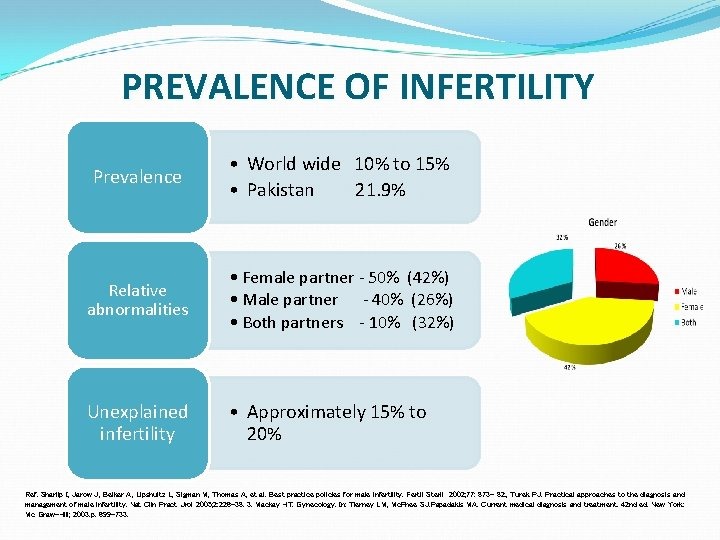
Globally, about 1 in 6 people experience infertility, with approximately 60–80 million couples affected each year. Infertility is a widespread issue that affects populations in both high-income and low-income countries, though data collection is still limited in many regions. In some areas, such as India, specific statistics reveal a significant burden, with approximately 27.5 million couples struggling with infertility, though prevalence rates vary widely by region. prevalence rates vary widely by region.
Life style effect: -
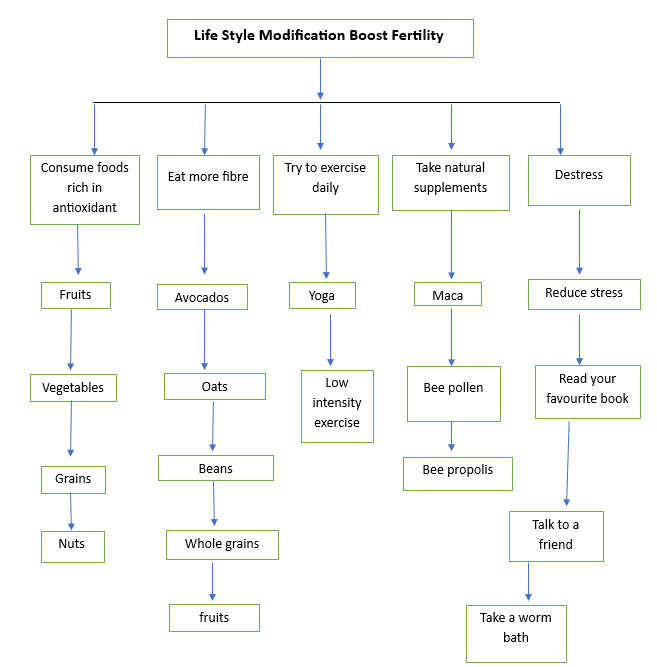
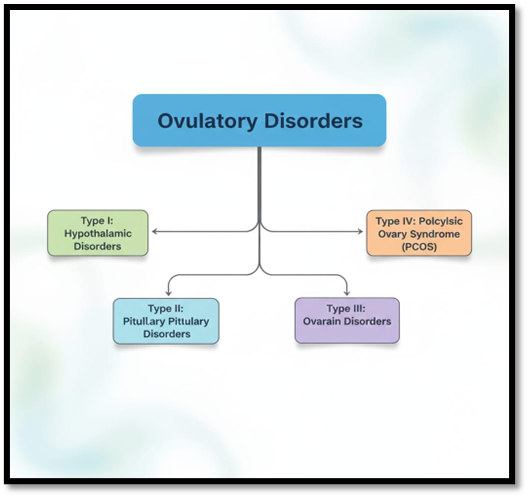
The prevalence of infertility is increasing, drawing emphasis away from genetic causes and toward environmental factors. Genetic mutations, chromosomal abnormalities, lifestyle variables, ovulatory disorders, tubal factors, endometriosis, and infertility that cannot be explained are some of the many causes of female infertility. Contrary to obesity, female fertility is negatively impacted by nutritional deficiencies brought on by improper eating habits, excessively demanding activity, and low peripheral body weight. It lowers the body's energy levels and affects the GnRH pulse by targeting the hypothalamic-pituitary-gonads axis (HPG) at the central nervous system level [10]. This study showed that infertility in women was linked to a number of lifestyle factors. The most strongly correlated factors were certain ones, such becoming older, being obese, smoking now, and having had an ectopic pregnancy in the past. [11]
Therapy option:-
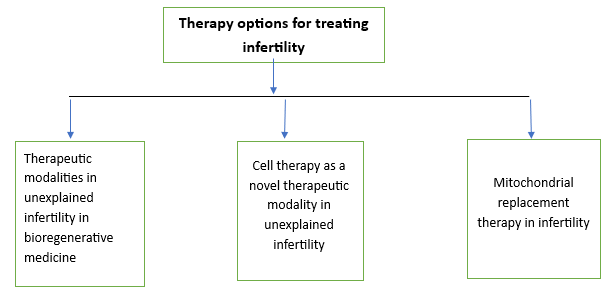
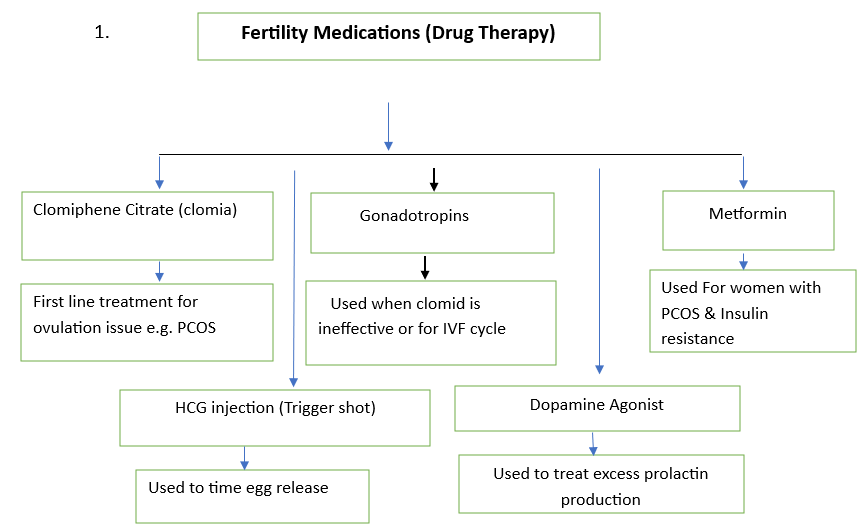
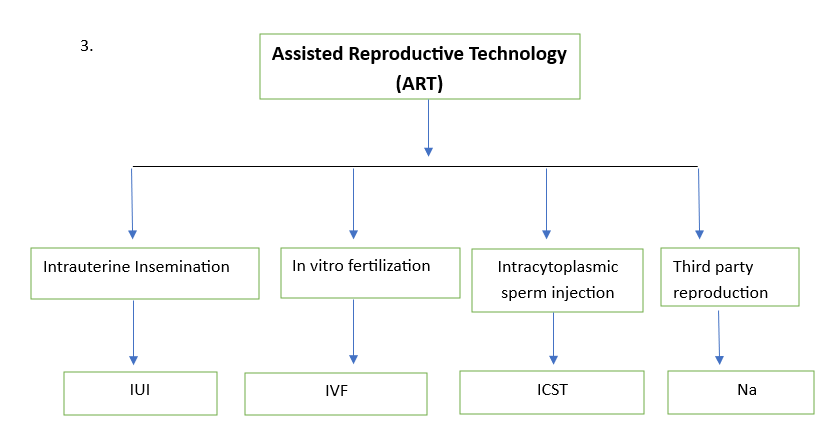
Patients with infertility have a wide range of therapy choices. Both pharmacotherapy and assisted reproductive technologies can be employed. There are treatment commonalities for patient groups based on ethology as the number of patients seeking therapy rises [12].
1) Therapy:
Women with ovulatory disorders can induce ovulation with a variety of medications. In order to increase the quantity of oocytes available for assisted reproductive technologies like IUI or IVF, these drugs may also be used in controlled ovarian hyperstimulation (COH) in patients without known ovulatory disorders. A patient's chances of becoming pregnant will increase with more oocytes.
2) Ovulation induction/COH
Using FSH, LH, or a combination of the two to cause follicle maturation and release is known as ovulation induction. Ovulation induction can be used in conjunction with ART or with regular sexual activity. To produce multiple follicles, increase the chances of success, or enable cryopreservation of embryos, COH involves inducing ovulation. There isn't a single published guideline, standard, algorithm, or best practice. [12]
3) Therapeutic modalities in unexplained infertility in bioregenerative medicine: -
The human IVF culture media must be supplemented with biologically active molecules that can modulate mitochondrial function, stimulators of mitochondrial genesis, and biologically active substances with antioxidant properties due to the presence of underlying mitochondrial dysfunction and the failure of anti-oxidative stress defence mechanisms in the reproductive system. Because resveratrol has anti-aging, antioxidant, anti-inflammatory, insulin-upregulating, cardioprotective, and anti-neoplastic qualities, it can be used therapeutically to treat a wide range of illnesses. Women with PCOS, endometriosis, uterine fibroids, and impaired ovarian function may benefit from resveratrol. Resveratrol also prevents the production of androgen by theca-interstitial cells. Consequently, resveratrol is discovered to be helpful in treating PCOS, a disorder that is closely linked to hyperinsulinemia and insulin resistance. Folate, vitamin B9, and folic acid, a synthetic form of it, are frequently found in dietary supplements because of its great health benefits and high bioavailability. Thus, by boosting the cell's endogenous expression of antioxidants, folic acid protects against oxidative stress. As a result, folic acid supplementation is popular in the reproductive industry and is crucial for obtaining positive pregnancy outcomes.[13]
4) Cell therapy as a novel therapeutic modality in unexplained infertility: -
Cell-based therapy is an effective modality that targets the pathophysiological conditions of patients by offering a personalized, dynamic, and interactive treatment. The immune microenvironment of uterine tissue is essential for pregnancy maintenance. The main regulators are the immunogenic cells, which include bone marrow-derived cells, thymic progenitor cells, placenta-derived stem cells, and their cytokines. These cells have beneficial effects on the endometrium and express a variety of cytokines, including TNF-α, interleukins IL-1α and IL-1β, and others. Additionally, it controls the embryo's immune status during implantation and encourages invasion and haemochorial placentation. Numerous reports indicate that stem cell therapy is an effective therapeutic approach for treating infertility that cannot be explained. The effectiveness of stem cell treatments in humans has been assessed in numerous clinical trials. More recently, it was found that the female Germ Precursor Stem cells and Ovarian Precursor Stem cells could influence ovarian function and encourage ovarian regeneration. Additionally, cell extracts have the benefit of having a shorter production time than stem cells and price, a longer shelf life, and a comparatively simple storage technique. An analysis of biologically active components from diverse tissue sources has been conducted, demonstrating the variations in the composition, characterization of the peptide, and clinical outcomes generated. According to one study, the interleukins IL-1β, IL6, and IL-8 had significantly lower mRNA expressions than the controls. 76 Few studies have shown that patients with thin endometrium who receive decellularized cell-based therapy protocols have better endometrial growth and gestation outcomes [13].
2) Mitochondrial replacement therapy in infertility: -
The goal of mitochondrial substitution therapies is to improve and/or replace the mitochondria within the patient's oocytes. 79 A cytoplasmic transfer of oocytes from donor oocytes to patient oocytes80 or a transfer of oocyte chromosomes connected to the meiotic spindle from donor oocytes to recipient oocytes are the two methods currently in development. When mitochondrial dysfunction is not identified in females with idiopathic infertility, the maternal miRNA contains a variety of other physiologically active factors that contribute to the clinical success of mitochondrial transfer rather than just mitochondrial replacement. The use of these methods in the clinical practice of treating infertility should be encouraged by their effectiveness, lack of side effects, and safety for the embryo. Another promising treatment option to enhance embryo quality in patients with infertility that cannot be explained is mitochondria replacement and substitution therapy, which uses mitochondria derived from the patient's own stem cells rather than allogeneic oocytes. This was confirmed by a more recent clinical study.[13]
Approaches: -
In Males: -
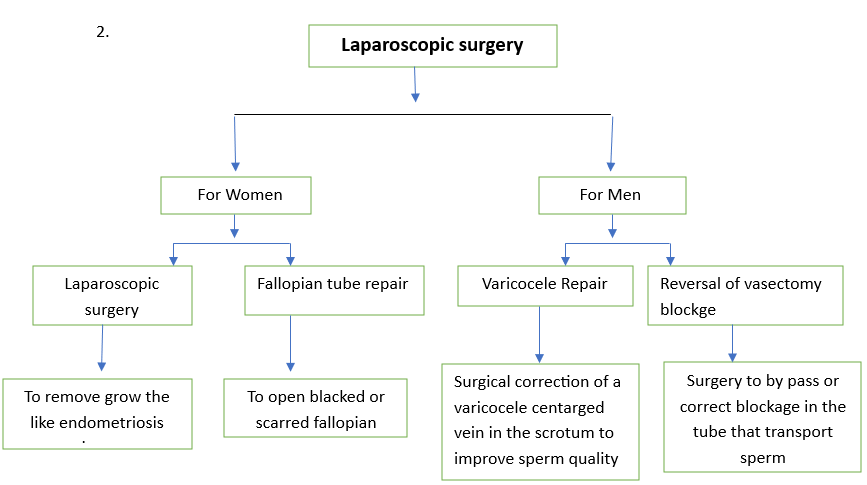
1)Varicocele Repair/Varicocelectomy
Male fertility has long been known to be impacted by varicoceles; correcting a clinical varicocele can significantly enhance semen parameters and the likelihood of get With the exception of a potential minor numerical impact on progressive sperm motility that is unlikely to be clinically significant, a systematic review and meta-analysis of varicocelectomy for subclinical varicocele found no discernible benefit of varicocele repair in pregnancy or bulk seminal parameters. A systematic review and meta-analysis of varicocelectomy for subclinical varicocele found no appreciable benefit of varicocele repair in pregnancy or bulk seminal parameters, except for a small numerical impact on progressive sperm motility that is unlikely to be clinically significant.[14]
2) Sperm Retrieval
Microdissection-testicular sperm extraction (micro-TESE) was found to produce successful extractions 1.5 times more frequently than no microsurgical testis sperm extraction and 2 times more frequently than testicular aspiration in a meta-analysis of published studies for men with Sperm retrieval and cryopreservation can be performed before ART for men with obstructive azoospermia because there are no appreciable variations in ICSI success rates between using fresh or cryopreserved sperm. As long as there were enough sperm that survived cryopreservation and thawing, most series showed no differences in results between fresh and frozen sperm. There is little information comparing the results of the many methods used to extract sperm from males who have ejaculatory disorder. Penile vibratory stimulation, electroejaculation, surgical sperm retrieval, or sympathomimetic drugs may be used, depending on the patient's health, the surgeon's familiarity with IVF laboratories, and the ethology of the ejaculatory dysfunction.[14]
3) Medical & Nutraceutical Interventions for Fertility
ART enables conception for couples who have never experienced a natural pregnancy, even if it does not address the underlying condition or conditions causing male infertility. As long as there are enough viable sperm to inject into oocytes, the ICSI intervention used during IVF appears to eliminate any negative effects of sperm "quality" as determined by sperm concentration, motility, and morphology, even though sperm number and quality affected the outcomes of treatment with IVF. A semen specimen is processed and the low volume cleaned semen is inserted into the uterus during ovulation as part of the IUI fertility procedure. Optimizing spermatogenesis and, consequently, the likelihood of sperm recovery at the time of attempted surgical sperm retrieval would be optimal for any patient with NOA. Off-label usage of SERMs, AIs, and hCG has attempted to control male reproductive hormones in an effort to increase surgical sperm retrieval rates or induce sperm recovery to the ejaculate.
MATERIAL METHOD: -
Medicinal plants used for improving fertility =
|
SR. NO. |
Name of plant |
Part of plant used |
Mechanism of action |
Reference |
|
1 |
Ashwagandha |
Stem |
Maintaining hormonal balance and promoting proper functioning of the reproductive org |
16 |
|
2 |
Cinnamon |
Bark |
Helps in proper ovarian functioning |
16 |
|
3 |
Chasteberry |
Fruit |
It improves ovulation |
16 |
|
4 |
Pomegranate |
Fruit |
Increase blood flow to the uterus and thickens the uterine lining to reduce the chance of miscarriage |
16 |
|
5 |
Allium tuberosum Rott |
seeds |
Improvement of sexual behaviour |
15 |
|
6 |
Bulbine natalensis Baker |
Stem |
increase hormone level |
15 |
|
7 |
Pedalium murex |
Fruits |
Increased levels of serum testosterone |
2 |
|
8 |
Citrullus lanatus |
Fruits |
sperm count; increase in FSH, LH, and testosterone |
2 |
|
9 |
Aframomum Melegueta roscoe |
Fruits |
Improvement of sexual behaviour |
15 |
|
10 |
Asparagus racemosus Willd |
roots |
Improvement of sexual behaviour |
15 |
|
11 |
Allium sativum |
Bulb |
Increase in testicular weight |
2 |
|
12 |
Anacardium occidentale |
leaf |
Increase fertility |
15 |
|
13 |
Peganum harmalaL |
Fruits |
Stimulating action on the motor tracts of the central nervous system |
6 |
|
14 |
Dactylorhiza hatagirea |
Roots |
Increased sexual behaviour, penile erection index |
2 |
|
15 |
Fadogia agrestis stem |
stem |
|
2 |
|
16 |
Piper guineense |
Fruits |
Increase in testicular weight, testosterone; normal parameter of semen analysis |
2 |
|
17 |
Anacardium occidentale 17 Basella alba L. leaf Increased the blood testosterone concentrations |
leaf |
Increase fertility |
15 |
|
18 |
Basella alba L. |
leaf |
Increased the blood testosterone concentrations |
15 |
|
19 |
Casimiroa edulis La Llave |
seed |
Improve sexual activity |
2 |
|
20 |
Fadogia agrestis |
Stem |
Increased sexual behavior |
2 |
|
21 |
Phoenix dactylifera |
Fruits |
Improved sperm quality |
6 |
|
22 |
Ankyropetalum gypsophiloides |
Flower |
increase hormone level |
6 |
|
23 |
Viscum cruciatum SieberexBoiss. |
|
increase hormone level |
6 |
|
24 |
Diodia scandeus
|
Herbs |
Potentiates the action of ACh and adrenaline |
6 |
|
25 |
Epimedium brevicornum Maxim |
Root |
Increase Nitric oxide release |
15 |
|
26 |
Ferula hermonis Boiss
|
Root |
Stimulated sexual motivation |
15 |
|
27 |
Securidaca longepedunculata |
Root bark |
Relaxed the corpus cavernoma smooth muscle |
15 |
|
28 |
Maca Root |
Root |
boosts normal hormone production |
16 |
|
29 |
Saffron
|
Flower |
It regulates menstrual cycle, alleviate symptoms of PMS |
6 |
|
30 |
Clove |
Flower bud |
Increase in serum testosterone levels |
6 |
|
31 |
Alchemilla vulgaris
|
|
It maintains regular menstrual cycle and symptoms of menopause |
6 |
|
32 |
Lecaniodiscus cupanioides Planch |
Root |
Increase testosterone level |
15 |
|
33 |
Musa paradisiacal L |
Root |
Increase testosterone level |
15 |
|
34 |
Corchorus depressus Linn |
Whole plant |
Stimulate sexual behaviour |
15 |
|
35 |
Sesame |
Seeds |
Significant improvement in the sperm count and motility |
2 |
|
36 |
Withania somnifera |
stem |
Increase in serum testosterone, sperm concentration, % motile sperm |
2 |
|
37 |
Zingiber officinale |
Leaves |
Increase in sperm count, sperm motility, sperm viability, normal sperm morphology |
2 |
|
38 |
Salviafruticosa mill |
Fruits |
- |
|
|
39 |
Clematis flammulaL |
Flower |
- |
|
|
40 |
Allanblackia floribunda |
Stem bark |
Inhibit the activity of the bulbospongiosus muscles |
16 |
|
41 |
Dracaena arboreaI (Willd.)
|
Root |
Inhibit the activity of the bulbospongiosus muscles |
16 |
|
42 |
Pedalium murex Linn |
Fruits |
Stimulate sexual behaviour |
16 |
|
43 |
Zingiber officinale Roscoe
|
Roots |
Increase of both testis weight and serum testosterone |
16 |
|
44 |
Withania somnifera (L.) |
Stem |
Spermatogenesis
|
16 |
|
45 |
Wrightia natalensis |
Root bark |
Relaxed the corpus cavernosal smooth muscle |
16 |
|
46 |
Tribulus terrestris |
Fruits |
Androgen increasing property |
16 |
|
47 |
Convallaria majalisL |
Flower |
- |
6 |
|
48 |
Ankyropetalum gypsophiloid Fenzal |
Flower |
- |
6 |
|
49 |
Peganum harmala L. |
Seed |
Improve semen quality |
16 |
|
50 |
Panax quinquefolium |
Roots |
Facilitate male copulatory behaviour
|
16 |
DISCUSSION: -
This review establishes infertility as a major global public health crisis, exemplified by the 27.5 million affected couples [1] in India. Modern medicine offers sophisticated solutions, ranging from controlled ovarian hyperstimulation (COH) and ART to cutting-edge regenerative modalities utilizing agents like resveratrol and cell therapy. Concurrently, traditional knowledge provides a diverse pharmacopeia of over 50 medicinal plants, such as Ashwagandha and Sesame, primarily aiming to regulate hormones and enhance semen quality [16] The strategic integration of these effective modern treatments with validated plant-based remedies presents a promising, holistic path forward. However, rigorous clinical validation of these herbal interventions remains the critical next step for adoption [4]
CONCLUSION: -
In conclusion, medicinal plants offer a safer, more natural, and holistic approach to improving fertility compared to allopathy medication and surgery. Unlike chemical treatments that may cause side effects or hormonal imbalances, herbal remedies nourish the body, regulate hormones, and enhance reproductive health gradually and effectively. They work in harmony with the body’s natural systems, improving overall wellness rather than targeting symptoms alone. Many medicinal plants such as Ashwagandha, and Maca root have been scientifically proven to boost fertility by improving sperm quality, balancing hormones, and supporting ovarian function. Furthermore, herbal therapies are costeffective and easily accessible, making them a sustainable option for long-term reproductive health. While allopathic methods can provide quick results, medicinal plants promote lasting benefits and restore natural fertility without invasive procedures or harsh chemicals, ensuring a healthier path to conception.
REFERENCES



Chitra Pund*, Pranjal Nannavare, Sumit Mutha, Dr. Nilesh Chachda, Intervention of Medicinal Plants for Improving Fertility, Int. J. of Pharm. Sci., 2025, Vol 3, Issue 12, 1304-1316 https://doi.org/10.5281/zenodo.17852200
 10.5281/zenodo.17852200
