View Article

Abstract

A new drug administration system called Fast Dissolving oral film uses hydrophilic polymers to produce an ultra-thin film that dissolves on speeches or buccal depression bottom or top. It’s a postage stamp-sized, ultra-thin strip (50-150 microns thick) that contains an active component and fresh excipients and was created using transdermal patch technology. The film dissolves on the lingo in a matter of seconds after operation, precluding first-pass metabolism and maybe boosting the medicine’s bioavailability. Greater faces area availability causes presto salivary stuffiness, which causes decomposition and breakdown in oral depression in a matter of seconds. Mouth Dissolving Films (MDFs) represent a slice-edge advancement in medicine delivery, offering rapid-fire onset of action, enhanced patient convenience, and better remedial efficacy. Their capability to dissolve incontinently in slaver without the need of water makes them particularly to salutary for individualities with dysphagia, pediatric and senior cases, and those taking immediate medicine action. Good taste, great stability, and ease of running are rates that any perfect film should retain. An explanation of the numerous expression ways and their assessments is given in the current review operation of mouth-dispersing films or mouth dissolving films and film compositions.

Keywords

Herbal Mouth Dissolving Strip, Fast Dissolving Oral Film

Introduction

A new drug administration system called “presto dissolving oral film” uses hydrophilic polymer to produce an ultra-thin film that dissolves snappily on the lingo’s or the buccal depression bottom or top. It’s a postage-sized, ultrathin strip (50-150 microns thick) that contains an active component and fresh excipients and was created using transdermal patch technology.

These Herbal Mouth Dissolving Strip increases the demand in cases, and it is effectible and herbal drug. These strips help cases who have issues in swallowing. Recent developments in technology have presented feasible lozenge druthers from oral routes for pediatrics, senior, bedridden squeamish or noncompliant cases. Buccal medicine delivery has recently come an important route of medicine administration. Mouth dissolving film, a new medicine delivery system for the oral delivery of medicines, was developed grounded on the   technology of the transdermal patch. The delivery system consists of a veritable thin oral strip, which is simply placed on the case’s lingo or any oral mucosal towel, in continently wet by slaver the film fleetly hydrates and adheres onto the point of operation. On the other hand, oral depression is veritably well permitted by cases, the mucosa is passable with a strong blood force, it’s flexible and recovers snappily from stress or damage and the absence of nearly all Langerhans cells makes the oral mucosa tolerant to implicit allergens. In addition, oral trans, mucosal medicine administration prevents presystemic elimination in the GI tract and first-pass impact. Recent inventions have expanded OFDF capabilities, including the integration of nanotechnology to increase the solubility and bioavailability of weakly-answerable drugs; for case, nanonization and cyclodextrin addition complexes are employed to enhance dissolution. Recently, Guava and Betel leaves were two traditional medicinal shops known for their antimicrobial, antioxidant, anti-inflammatory, and oral hygiene-prompting parcels making excellent campaigners for herbal MDS phrasings. In Guava leaves have capability to reduce goo inflammation and anti-inflammatory effect. It helps with dental care, gingivitis, and bad breath. And Betel leaves enhance oral sanctification, antiseptic, and stimulating parcels. It also provides affable aroma and taste masking on the strip. Antioxidant Neutralizes free revolutionaries and protects oral mucosa. Anti-inflammatory soothes oral vexation and promotes mending, sweet and deodorizing acts as natural mouth fresheners.

The concept of oral dissolving film:

  • At thin film makes up distribution fashion.
  • When the film puts on lingo, it dissolves veritably snappily in matter of alternate.
  • Cases who are suffering from dysphasia mean delicate to swallow and without water it’s veritably helpful without using water. Not having to worry about like with fast-dissolving tablets.

Advantages: -

  • Bypassing metabolism in liver Fast Dissolving Oral Film allows for direct immersion into systemic rotation largely vascularized oral mucosa for faster effect.
  • Ease to administration and reduce the demand of water and enhance patient adherence to drug.
  • For herbal with first-pass metabolism, Herbal Mouth Dissolving Strip can ameliorate their bioavability.
  • Herbal Mouth Dissolving Strip is in small, feather light, and makes them easy to carry and administer anytime, anywhere.
  • Herbal Mouth Dissolving Oral Strip reduce the threat of choking associated with swallowing solid lozenge forms, which is a major concern for pediatric and senior cases.
  • Formulation Herbal Mouth Dissolving Strip, give precise and accurate cure ion each strip.

Disadvantages: -

  • Medicines that irritate mucosa cannot be given by these routes of administration.
  • Medicines that come unstable at buccal pH cannot be given.
  • A drug with low cure demand can only be given.
  • Taste masking is necessary because the maturity of specifics have a bitter taste.

Table 1: Percentage of various ingredients used in formulation of Mouth Dissolving Oral Film

Sr.

Ingredient

Percentage Amount

1

Drug

1-30%

2

Water

40-60%

3

Plasticizer

10-20%

4

Saliva Stimulant Agent

2-6%

5

Surfactant

0.1-2%

6

Sweetening Agent

3-6%

Table 2:

Sr.

Requirement

Scientific Name

Family

Phytochemical Constituent

Pharmacological

Activities

Medicinal/ Traditional Uses

1.

Peepal Leaves


Ficus religiosa


Moraceae (Mulberry family)


Tannins, Flavonoids (quercetin), β-sitosterol, Vitamin K, Methyl oleanolate, Glucose, Furanocoum arins, Leucocyanidin.


Antioxidants, Antidiabetic, Anti-asthmatic, Antimicrobial, Wound healing

Leaves: Treat asthma, diabetes, constipation, and wounds.

Bark & Latex:

It is used for toothache, skin disorders, diarrhea, and dysentery.

Powder/ Extract: Anti-inflammatory and wound healing.

2.

Betel Leaves


Piper betle


Piperaceae


Chavicol, Eugenol,

Phenols, Tannins, Alkaloids, Flavonoids, Saponins

Gastroprotective, Antidiabetic, Immunomodulatory.

Leaves: Carminative, antiseptic, anti-inflammatory, expectorant.

Juice: For cough, bronchitis, indigestion.

Paste: For headache, wounds, rheumatic pain.


Guava leaf


Psidium guajava

Myrtaceae


Flavonoids (Quercetin, Kaempferol), Tannins, Saponins, Carotenoids, Vitamin C, Essential oils, Terpenoids, Polyphenols

Antidiarrheal, Antioxidant, Antidiabetic, Antimicrobial, Anti-inflammatory.


Leaves: Treat diarrhoea, dysentery, gastroenteritis, toothache, diabetes, wounds, sore throat.

Tea/ Extract: Antidiabetic, antidiarrheal, weight management.


Neem leaf


Azadirachta indica


Meliaceae


Azadirachtin, Nimbin, Nimbidin, Gedunin, Salannin, Quercetin, Flavonoids, Tannins

Antibacterial, Antiviral, Antifungal, Antimalarial, Antidiabetic, Immunostimulant.


Leaves: Blood purifier, antimalarial, antidiabetic, skin disease treatment (eczema, psoriasis, acne).

Juice/ Paste: Used for wounds, ulcers, dental care.

Oil/ Seed Extract: Insecticide, pesticide.

Composition of the system:

Mouth dissolving film is a thin film with an area of 5- 20 cm2 containing an active ingredient. Water-soluble polymers form a unique matrix that allows for instant disintegration in water or saliva. Up to 30 mg of the medication can be added in a single dose.

Active Pharmaceutical agents:

For oral thin film, stronger, less bitter, and highly lipophilic medications should be used. Mouth-dissolving films can be made from a variety of pharmacological classes, such as NSAIDs (Valdecoxib, Meloxicam), expectorants, antitussives, anti-ulcers (Omeprazole), and antiasthmatic (Salbutamol sulphate). To make a film, roughly 5% to 30% w/w of the API can be used. The introduction of high-dose medications is restricted by the size of the dosage form. (8) 

These are natural extract can be used as API.

  • Betel Leaves (Piper betel)
  • Antibacterial & antifungal: Inhibits Streptococcus mutants, Candida albican
  • Antioxidant: Neutralizes free radicals and protects oral mucosa.
  • Anti-inflammatory: Soothes ora  irritation and promotes healing.
  • Aromatic & deodorizing: Acts as a natural mouth freshener.
  • Guava Leaves (Psidium guajava)

Uses:

  • Antimicrobial: Effective against Streptococcus mutans and Lactobacillus acidophilus (major oral pathogens).
  • Anti-inflammatory & antioxidant: Reduces gum inflammation and oxidative stress.
  • Astringent: Tightens gums and reduces bleeding.
  • Wound healing: Promotes tissue repair in mouth ulcers.

Film Forming Polymer

Polymers are the most important ingredients of fat dissolving film. Robustness of film depend on the amount and type of polymer. The polymer should tough enough so that there won't be any damage while handling or during transportation. Generally, 45% of polymer is used which is based on total weight of dry film. Mainly hydrophilic polymer are used in oral strip as they rapidly disintegrate in oral cavity as they come in contact saliva, the polymer can be use alone or combine to obtain the desire film properties. The physiochemical characteristic of polymer select for the film formulation play a vital role in determine the result disintegrate time of film. (1,2) 

Ideal Properties of Film Forming Polymer (1,2)

  • It should be non-toxic and non-irritant.
  • It must be hydrophilic properties.
  • It should have demonstrate excellent film forming capabilities.
  • It should exhibit good wetting and spread ability properties.
  • It should be easily accessible and not be very over costly.
  • It should have low molecular weight.
  • It should have adequate shelf life. It must be tasteless and colorless.
  • It should not induce any secondary infection in oral mucosa.

Plasticizers:

Formulation plasticizer variables (their application has been noted as a significant determinant of the mechanical characteristics of films. The inclusion of plasticizers has also enhanced the films' mechanical qualities, including tensile strength and elongation. These characteristics could be impacted by changes in their concentration. Among the most widely used plasticizers are polyethylene glycols, glycerol, and di-butylphthalide. (11)

Saliva Stimulating Agent:

Sliva stimulating agent help in increase the saliva in mouth quick breakdown of fast dissolving composition. A few examples of salivary stimulants are citric acid, malic acid, lactic acid, ascorbic acid, and tartaric acid: citric acid being the most usable of these. As a result, the formulations might contain acids that stimulate saliva production as food is being prepared. (12)

Super disintegrants:

Super disintegrants, when added to Oral Film formulations, provide rapid disintegration because of the combined effect of both water absorption and swelling. Super disintegrants accelerate disintegration and dissolution by providing absorption and swelling owing to their excessive water absorption. Powerful interaction with saliva is very important for disintegration.

Surfactants:

Surfactants are use as solubilising or wetting or dispersing agent so that the film is getting dissolved within seconds and release active agent immediately. Benzalkonium chloride, tweens, polyethylene glycol, sodium lauryl sulphate, and others are examples of surfactants that are frequently utilized. One of the most significant surfactants for solubilizing, wetting, and dispersing materials is poloxamer 407. (13) 

Sweetening Agent:

These days, sweeteners are an integral ingredient of both nutraceutical and pharmaceutical products. Sweeteners liquefy in the tongue. The following are some sources of sweeteners: glucose, fructose, liquid glucose, maltose, and dextrose. Fructose is commonly used as a sweetener since it is sweeter than sorbitol and mannitol. They also have a cooling effect and a pleasant tongue sensation. First generation artificial sweeteners include saccharin, cyclamate, and aspartame; second generation artificial sweeteners include acesulfame-K, sucralose, alitame, and neotame. (14)

Colouring agents:

Titanium dioxide and other FD & C-approved colouring ants are utilized in the production of oral fast-dissolving films at concentrations no more than 1% w/w. (15)

Methods Of Preparation of Herbal Mouth Dissolving Film:

The Mouth dissolving film can be produced using one or a combination of the following methods:

  • Solvent casting
  • Semisolid casting
  • Solid dispersion extrusion
  • Hot-melt extrusion
  • Rolling Method

Solvent casting:

In solvent casting method water soluble polymer are dissolved in water and the drug along with other Excipients is dissolved in suitable solvent then both the solutions are mixed and stirred and finally casted into the Petri plate and dried. Water-soluble polymers are then introduced. Finally, the solution is poured into the petri dish and allowed to dry. (16)
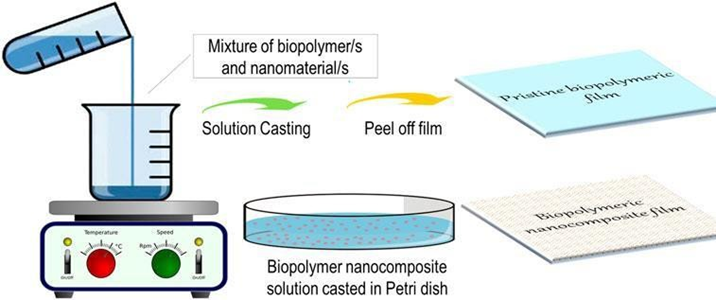
Fig 1:

Semisolid casting:

This approach creates a uniform viscous solution by mixing a solution of an acid insoluble polymer (such as cellulose acetate butyrate and cellulose acetate phthalate) with a solution of a water-soluble film producing polymer. It is applied on untreated casting film after sonication. The film should have a thickness of 0.015 inches after drying. The film acid insoluble polymer to film-forming ratio needs to be 1:4. (17)
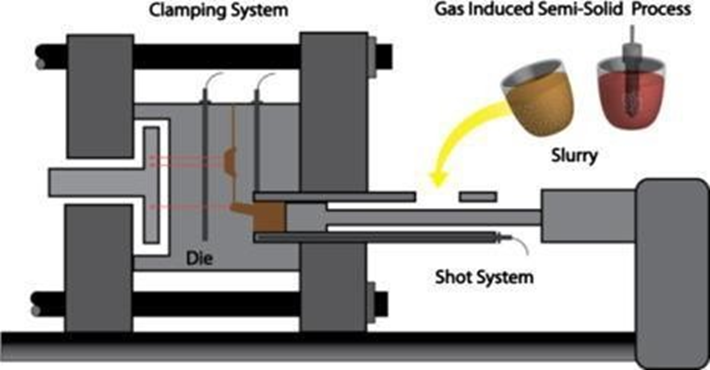
Fig 2:

Solid dispersion extrusion:

Immiscible components are first extruded with the medicine to create a solid dispersion, which is subsequently formed into films using dies.

Hot-melt extrusion:

Granular material is created by mixing the carpeting with carrier. Following drying, these granules are added to the extruder, the screw speed should roughly 15 rpm. The ideal processing temperature is 100 degrees Celsius. To create a film, the extrudate is subsequently squeezed into a cylindrical calendar. (18)

Rolling Method:

Water and alcohol-water mixtures are the main solvents used in the rolling process, which involves creating a medication suspension or solution with a film-forming polymer and applying it to the roller. The film is then dried on the rollers and separated into the proper sizes and shapes, with special attention paid to the suspension's or solution's rheology. (19)
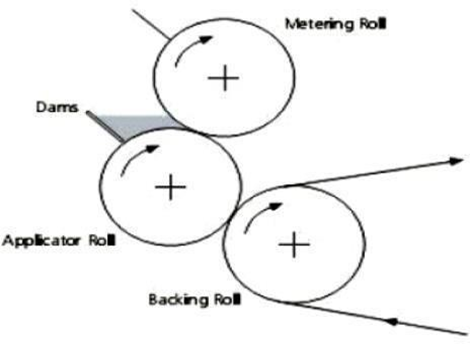
Fig 3:

Evaluation Parameters

  • Appearance:

All the produced films can be checked to see if they seem clear or opaque. Although surface characteristics are often assessed visually, instruments like as microscopes can also be used. (20)

  • Thickness:

The thickness of the resulting coating can be measured using micrometre screw gauges at several strategic locations. To determine the mean thickness, measurements should be taken at five different locations on the film: the centre and each of the four corners. Maintaining uniformity in the film's thickness is essential because it directly affects the strip's dosage accuracy. (21)

  • Weight Variation:

Weighing each movie separately and calculating the average weights is required. The next step is to deduct the average weight of the films from each one separately. An inefficient mode of administration and pharmaceutical content are suggested by a notable weight variation. (22)

  • Contact Angle:

The contact angle can be measured at room temperature using the Goniometer (AB Lorentz and Wetter, Germany). This can be done by applying a droplet of distilled water to the surface of a dry film. Ten seconds after the water droplets are deposited, images of them are taken with a digital camera. The contact angle can be measured on both sides of the descent, and an average is calculated. (23)

  • Transparency:

A simple UV spectrophotometer can be used to evaluate the films' transparency. Place the film into the spectrophotometer cell after cutting it into a rectangle. Determine the transparency of the film at 600 nm. The following T600 = transmittance at 600 nm b = film thickness (mm) C = concentration (24)

  • Moisture Content: 

The degree of moisture affects a film's brittleness and friability. Essentially, the components of the product regulate how much moisture is present in a certain film. In general, the amount of moisture in the film can be ascertained using the weighing method, moisture content measurement apparatus, or Karl Fisher titration method. The amount of moisture in a pre-weighed film of a certain size is shown by the weight difference that results from heating the film to a constant weight, usually between 100 and 120 °C. Use the following formula to determine the moisture content: (25)

% Moisture content = [(Initial weight – Final weight) × 100 / Initial weight].

The moisture content in an ideal film should be < 5%. (26)

CONCLUSION:

Oral fast disintegrating film (OFDFs) is a novel approach in the oral drug delivery system that fulfills an unmet need in a wide range of populations, including children, paralyzed, nauseated, and non-compliant patients. There is no need for water, measurement and after disintegration; the drug gets absorbed in oral mucosa providing quick onset of action. Their ability to dissolve instantly in saliva without the need for water makes them particularly beneficial for individuals with dysphagia, pediatric and geriatric patients, and those requiring immediate drug action. With continuous innovations in polymer science, nanotechnology, and bio adhesive formulations, MDFs are evolving beyond traditional oral medications, enabling precise dosing, controlled drug release, and Incorporation of novel active ingredients. Future developments in personalized medicine and smart film technologies will further expand their potential, revolutionizing the way medications are administered.

REFERENCES
  1. Vollmer. U and Galfetti. P., “Rapid film: Oral thin films as an innovative drug delivery System and dosage”, Drug Dev Report, 2006; 64-67.
  2. Ishikawa T, Koizumi N, Mukai B. Pharmacokinetics of acetaminophen from rapidly disintegrating compressed tablet prepared using microcrystalline cellulose (PHM06) and spherical sugar granules. Chem Pharm Bull (Tokyo) 2001; 49: 230-32.
  3. Price TM, Blauer KL, Hansen M, Stanczyk F, Lobo R, Bates GW. Singledose pharmacokinetics of sublingual versus oral administration of micronized 17 beta estradiol. Obstet Gynecol 1997; 89: 34045. 16
  4. Siddiqui, M.N., Garg, G. and Sharma, P.K., 2011. A short review on “A novel approach in oral fast dissolving drug delivery system and their patents”. Advanced Biology Research, 5(6), pp.291-303.
  5. Arya A, Chandra A, Sharma V and Pathak K. Fast Dissolving Oral Films: An Innovative Drug Delivery System and Dosage Form. Int J of ChemTech Research 2010; 2(1):576- 583.
  6. Dixit RP, Puthli SP, Oral strip technology: Overview and future potential. Journal of Controlled Release. 2009; 139: 94–97.
  7. Bhyan B, Jangra S, Kaur M and Singh H, Orally fast dissolving films: innovations in formulation and technology. International Journal of Pharmaceutical Sciences Review and Research 2011; 9(2): 50-57.
  8. Gavaskar B, Kumar S, Guru S and Ray M. Overview on fast dissolving films, International Journal of Pharmacy and Pharmaceutical Sciences 2009; 2: 29- 33.
  9. Bhura N, Sanghvi K, Patel U, Parmar V and Patel D, “A review on fast dissolving film”, IJPRBS, 2012; 1 (3): 66-89.
  10. Kumar SV; Gavaskar B; Sharan G and Rao YM, “Overview on fast dissolving Films”, Int J Pharmacy and Pharm Sci, 2010; 2(3): 29-33.
  11. Meghana R, Velraj M. An overview on mouth dissolving film. Asian Journal of Pharmaceutical and Clinical Research. 2018;11(4):44-7.
  12. Pawar R, Sharma R, Sharma P, Darwhekar GN. A Review on Mouth Dissolving Film. Journal of Drug Delivery and Therapeutics. 2019 Nov 15;9(6):206-10 .
  13. Mandeep K, Rana AC, Nimrata S. Fast Dissolving Films: An Innovative Drug Delivery System. International Journal of Pharmaceutical Research & Allied Sciences. 2013 Jan 1;2
  14. Heer D, Aggarwal G, Kumar SLH. Recent trends of fast dissolving drug delivery system An overview of formulation technology. Pharmacophore, 2013; 4(1):1
  15. Mahajan A, Chhabra N, Aggarwal G. Formulation and Characterization of Fast Dissolving Buccal Films: A Review. Der Pharm Lett., 2011; 3(1): 152-165
  16. M koland, VP Sandeep, and NR Charyulu. Fast dissolving Sublingual Films of Ondansetron Hydrochloride: Effect of Additives on in vitro Drug Release and Mucosal permeation. Journal of young pharmacists, 2010; 2(3): 216- 222
  17. Prasanna. Desu, B. Brahmaiah, A. Nagalakshmi, K. Neelima, Sreekanth Nama, Chandu Baburao. An Overview on Rapid Dissolving Films. Asian J. Pharm. Res., 2013; 3(1): 15-23.
  18. Dhere PM, and Patwekar SL. Review on conventional dosage forms. So, they are of preparation and evaluation of oral disintegrating films greatimportance during the emergency conditionlike, 2011: IJPT, 3(4): 1572-1585. allergy, Short term spasm and asthma.
  19. Coppens KA, Hall MJ, Mitchell SA, Vollmer U, and Galfetti P. Rapid Film: Oral Thin M.D. Read, Hypromellose, Ethyl Cellulose and Films as an Innovative Drug Delivery System and Polyethylene oxide used in Hot Melt Extrusion. Dosage Form. Drug Development Report, 2006: pp: 1-5. Pharmaceutical Technology, 2005; 1-5.
  20. Kulkarni AS, Deokule HA, Mane MS and Ghadge DM. “Exploration of different polymers for use in the formulation of oral fast dissolving strips” Journal of Current Pharmaceutical Research 2010; 2(1): 33-35.
  21. Francesco C, Cupone IE, Minghetti P. Nicotine Fast Dissolving Films Made of Maltodextrins: A Feasibility Study; AAPS PharmSci Tech,2010 ;11(4):1511- 1517
  22. Gavaskar B, Kumar S, Guru S and Ray M. Overview on fast dissolving films, International Journal of Pharmacy and Pharmaceutical Sciences 2009; 2: 29-33
  23. Corniello C. Quick dissolving strips: from concept to commercialization. Drug Development Technology, 2006; 6: 68 ?71
  24. Irfan M, Rabel S, Bukhtar Q, Qadir MI, Jabeen F, Khan A. Orally disintegrating films: A modern expansion in drug delivery system. Saudi Pharmaceutical Journal. 2016 Sep 1;24(5):537-46.
  25. Scarpa M, Stegemann S, Hsiao WK, Pichler H, Gaisford S, Bresciani M, Paudel A, Orlu M. Orodispersible films: Towards drug delivery in special populations. International journal of pharmaceutics. 2017 May 15;523(1):327-18
  26. Arya A, Chandra A, Sharma V, Pathak K. Fast dissolving oral films: an innovative drug delivery system and dosage form. International Journal of ChemTech Research. 2010 Jan;2(1):576-83.
  27. Ali MS, Vijendar C, Kumar SD, Krishnaveni J. Formulation and evaluation of fast dissolving oral films of diazepam. J Pharmacovigilance. 2016 May 28;4(3):210.
  28. Dixit RP, Puthli SP. Oral strip technology: overview and future potential. Journal of controlled release. 2009 Oct 15;139(2):94- 107. 6. Jose J, Netto G. Role of solid lipid nanoparticles as photoprotective agents in cosmetics. Journal of cosmetic dermatology. 2019 Feb;18(1):315-21.
  29. Barnhart SD, Sloboda MS. The future of dissolvable films. Drug Deliv Technol. 2007;7(8):34-7.
  30. Desai PP, Date AA, Patravale VB. Overcoming poor oral bioavailability using nanoparticle formulations, opportunities and limitations. Drug Discovery Today: Technologies. 2012 Jun 1;9(2): e87-95.
  31. Kumar VD, Sharma I, Sharma V. A comprehensive review on fast dissolving tablet technology. Journal of Applied Pharmaceutical Science. 2011;1(05):50- 8.
  32. Frey P. Film strips and pharmaceuticals. Pharma. Mfg. & Packag. Sourcer. 2006:92-3.
  33. Manivannan R. Oral disintegrating tablets: A future compaction. Drug Invention Today. 2009 Nov 1;1(1):61-5.
  34. Joshua JM, Hari R, Jyothish FK, Surendran SA. Fast dissolving oral thin films: An effective dosage form for quick releases. Drugs. 2016; 11:12.
  35. Pathare YS, Hastak VS, Bajaj AN. Polymers used for fast disintegrating oral films: a review. Int. J. Pharm. Sci. Rev. Res. 2013 Jul;21(1):169-78.

Reference

  1. Vollmer. U and Galfetti. P., “Rapid film: Oral thin films as an innovative drug delivery System and dosage”, Drug Dev Report, 2006; 64-67.
  2. Ishikawa T, Koizumi N, Mukai B. Pharmacokinetics of acetaminophen from rapidly disintegrating compressed tablet prepared using microcrystalline cellulose (PHM06) and spherical sugar granules. Chem Pharm Bull (Tokyo) 2001; 49: 230-32.
  3. Price TM, Blauer KL, Hansen M, Stanczyk F, Lobo R, Bates GW. Singledose pharmacokinetics of sublingual versus oral administration of micronized 17 beta estradiol. Obstet Gynecol 1997; 89: 34045. 16
  4. Siddiqui, M.N., Garg, G. and Sharma, P.K., 2011. A short review on “A novel approach in oral fast dissolving drug delivery system and their patents”. Advanced Biology Research, 5(6), pp.291-303.
  5. Arya A, Chandra A, Sharma V and Pathak K. Fast Dissolving Oral Films: An Innovative Drug Delivery System and Dosage Form. Int J of ChemTech Research 2010; 2(1):576- 583.
  6. Dixit RP, Puthli SP, Oral strip technology: Overview and future potential. Journal of Controlled Release. 2009; 139: 94–97.
  7. Bhyan B, Jangra S, Kaur M and Singh H, Orally fast dissolving films: innovations in formulation and technology. International Journal of Pharmaceutical Sciences Review and Research 2011; 9(2): 50-57.
  8. Gavaskar B, Kumar S, Guru S and Ray M. Overview on fast dissolving films, International Journal of Pharmacy and Pharmaceutical Sciences 2009; 2: 29- 33.
  9. Bhura N, Sanghvi K, Patel U, Parmar V and Patel D, “A review on fast dissolving film”, IJPRBS, 2012; 1 (3): 66-89.
  10. Kumar SV; Gavaskar B; Sharan G and Rao YM, “Overview on fast dissolving Films”, Int J Pharmacy and Pharm Sci, 2010; 2(3): 29-33.
  11. Meghana R, Velraj M. An overview on mouth dissolving film. Asian Journal of Pharmaceutical and Clinical Research. 2018;11(4):44-7.
  12. Pawar R, Sharma R, Sharma P, Darwhekar GN. A Review on Mouth Dissolving Film. Journal of Drug Delivery and Therapeutics. 2019 Nov 15;9(6):206-10 .
  13. Mandeep K, Rana AC, Nimrata S. Fast Dissolving Films: An Innovative Drug Delivery System. International Journal of Pharmaceutical Research & Allied Sciences. 2013 Jan 1;2
  14. Heer D, Aggarwal G, Kumar SLH. Recent trends of fast dissolving drug delivery system An overview of formulation technology. Pharmacophore, 2013; 4(1):1
  15. Mahajan A, Chhabra N, Aggarwal G. Formulation and Characterization of Fast Dissolving Buccal Films: A Review. Der Pharm Lett., 2011; 3(1): 152-165
  16. M koland, VP Sandeep, and NR Charyulu. Fast dissolving Sublingual Films of Ondansetron Hydrochloride: Effect of Additives on in vitro Drug Release and Mucosal permeation. Journal of young pharmacists, 2010; 2(3): 216- 222
  17. Prasanna. Desu, B. Brahmaiah, A. Nagalakshmi, K. Neelima, Sreekanth Nama, Chandu Baburao. An Overview on Rapid Dissolving Films. Asian J. Pharm. Res., 2013; 3(1): 15-23.
  18. Dhere PM, and Patwekar SL. Review on conventional dosage forms. So, they are of preparation and evaluation of oral disintegrating films greatimportance during the emergency conditionlike, 2011: IJPT, 3(4): 1572-1585. allergy, Short term spasm and asthma.
  19. Coppens KA, Hall MJ, Mitchell SA, Vollmer U, and Galfetti P. Rapid Film: Oral Thin M.D. Read, Hypromellose, Ethyl Cellulose and Films as an Innovative Drug Delivery System and Polyethylene oxide used in Hot Melt Extrusion. Dosage Form. Drug Development Report, 2006: pp: 1-5. Pharmaceutical Technology, 2005; 1-5.
  20. Kulkarni AS, Deokule HA, Mane MS and Ghadge DM. “Exploration of different polymers for use in the formulation of oral fast dissolving strips” Journal of Current Pharmaceutical Research 2010; 2(1): 33-35.
  21. Francesco C, Cupone IE, Minghetti P. Nicotine Fast Dissolving Films Made of Maltodextrins: A Feasibility Study; AAPS PharmSci Tech,2010 ;11(4):1511- 1517
  22. Gavaskar B, Kumar S, Guru S and Ray M. Overview on fast dissolving films, International Journal of Pharmacy and Pharmaceutical Sciences 2009; 2: 29-33
  23. Corniello C. Quick dissolving strips: from concept to commercialization. Drug Development Technology, 2006; 6: 68 ?71
  24. Irfan M, Rabel S, Bukhtar Q, Qadir MI, Jabeen F, Khan A. Orally disintegrating films: A modern expansion in drug delivery system. Saudi Pharmaceutical Journal. 2016 Sep 1;24(5):537-46.
  25. Scarpa M, Stegemann S, Hsiao WK, Pichler H, Gaisford S, Bresciani M, Paudel A, Orlu M. Orodispersible films: Towards drug delivery in special populations. International journal of pharmaceutics. 2017 May 15;523(1):327-18
  26. Arya A, Chandra A, Sharma V, Pathak K. Fast dissolving oral films: an innovative drug delivery system and dosage form. International Journal of ChemTech Research. 2010 Jan;2(1):576-83.
  27. Ali MS, Vijendar C, Kumar SD, Krishnaveni J. Formulation and evaluation of fast dissolving oral films of diazepam. J Pharmacovigilance. 2016 May 28;4(3):210.
  28. Dixit RP, Puthli SP. Oral strip technology: overview and future potential. Journal of controlled release. 2009 Oct 15;139(2):94- 107. 6. Jose J, Netto G. Role of solid lipid nanoparticles as photoprotective agents in cosmetics. Journal of cosmetic dermatology. 2019 Feb;18(1):315-21.
  29. Barnhart SD, Sloboda MS. The future of dissolvable films. Drug Deliv Technol. 2007;7(8):34-7.
  30. Desai PP, Date AA, Patravale VB. Overcoming poor oral bioavailability using nanoparticle formulations, opportunities and limitations. Drug Discovery Today: Technologies. 2012 Jun 1;9(2): e87-95.
  31. Kumar VD, Sharma I, Sharma V. A comprehensive review on fast dissolving tablet technology. Journal of Applied Pharmaceutical Science. 2011;1(05):50- 8.
  32. Frey P. Film strips and pharmaceuticals. Pharma. Mfg. & Packag. Sourcer. 2006:92-3.
  33. Manivannan R. Oral disintegrating tablets: A future compaction. Drug Invention Today. 2009 Nov 1;1(1):61-5.
  34. Joshua JM, Hari R, Jyothish FK, Surendran SA. Fast dissolving oral thin films: An effective dosage form for quick releases. Drugs. 2016; 11:12.
  35. Pathare YS, Hastak VS, Bajaj AN. Polymers used for fast disintegrating oral films: a review. Int. J. Pharm. Sci. Rev. Res. 2013 Jul;21(1):169-78.

Photo
Danveer Wath
Corresponding author

School of Pharmacy, GH Raisoni University, Saikheda, Madhya Pradesh, India 480337

Photo
Palak Narnawre
Co-author

School of Pharmacy, GH Raisoni University, Saikheda, Madhya Pradesh, India 480337

Photo
Manish Baheti
Co-author

School of Pharmacy, GH Raisoni University, Saikheda, Madhya Pradesh, India 480337

Danveer Wath, Palak Narnawre, Manish Baheti, Herbal Mouth Dissolving Strip: A Review, Int. J. of Pharm. Sci., 2026, Vol 4, Issue 1, 3316-3325. https://doi.org/10.5281/zenodo.18406542

More related articles
A Review on Microbial Strategies to Combat Chemore...
Niranjan Giri, Quadri Mohammed Soheb, Nikita Bodkhe, Mayur Katode...
Therapeutic Insights into the Antidiabetic Activit...
Manali Chaudhari , Jagruti Patil, ...
Diabetes Mellitus: Current Understanding, Emerging...
Harsh shukla, Shobhit Prakash Srivastava, ...
Related Articles
Review On Effectual Communication In Pharmacovigilance...
Suraj Kumar Prajapati , Tarkeshwar P. Shukla , Pramod Mishra , ...
Method Development and Validation of Simultaneous Estimation of Oxycodone and Ac...
P Surekha, Dr. P V Madhavi Latha, K Suvarna, Dr. P Uma Devi, ...
A Review on Microbial Strategies to Combat Chemoresistance in Pancreatic Cancer...
Niranjan Giri, Quadri Mohammed Soheb, Nikita Bodkhe, Mayur Katode , ...