
Dr. Babasaheb Ambedkar Technological University, Raigad, Lonere
Ayurveda offers a holistic approach to the management of jaundice by combining herbal remedies, detoxification therapies, and lifestyle regulation. Key medicinal plants such as Kutki, Kalmegha, Bhumyamalaki, and Triphala are valued for their hepatoprotective and antioxidant properties, helping to restore liver function and reduce oxidative stress. Classical Panchakarma therapy, particularly Virechana or therapeutic purgation, is emphasized for cleansing the liver and improving metabolic balance. Alongside these treatments, patients are advised to avoid alcohol and fatty foods while following a light, easily digestible diet to reduce strain on the liver. Modern scientific studies increasingly validate these traditional practices, highlighting their antioxidant and hepatoprotective mechanisms.
Jaundice is the yellow color of the skin, sclera and mucous membrane due to increased production or impaired hepatic clearance of bilirubin. Yellow skin color may also be seen in carotenoderma with quinacrine use and with phenol excess exposure. The clinical presentations of jaundice include abdominal pain, nausea, and weakness.
Some of the clinical presentations are also addressed in Kamala’s case. Thus, on the basis of common features and pathology, Kamala (Jaundice) can be associated with jaundice. Jaundice or hyperbilirubinemia refers to yellowing of body tissue due to the deposition of an excess of bilirubin . Presence scenario industrialization introduces a lot of Change to our lifestyle and particularly to our food habit Spicy and fast-food day by day also there is rising Prevalence of hepatitis due to growing population Residing in overpopulated area, poor sanitation, contaminated Water, and intake of unhygienic food.
The majority of Time patient just visit with “sick & tired” later it got Diagnosed as Kamala (Jaundice) According to Acharya Charak as Pittaja Nanatmaja Vyadhi and Rakta pradoshaja vyadhi . for this research arises due to the growing enthusiasm for Ayurveda’s classical herbal medicines for managing jaundice and liver disorders. Thus, it becomes important to scientifically assess the efficacy of Ayurvedic treatments.
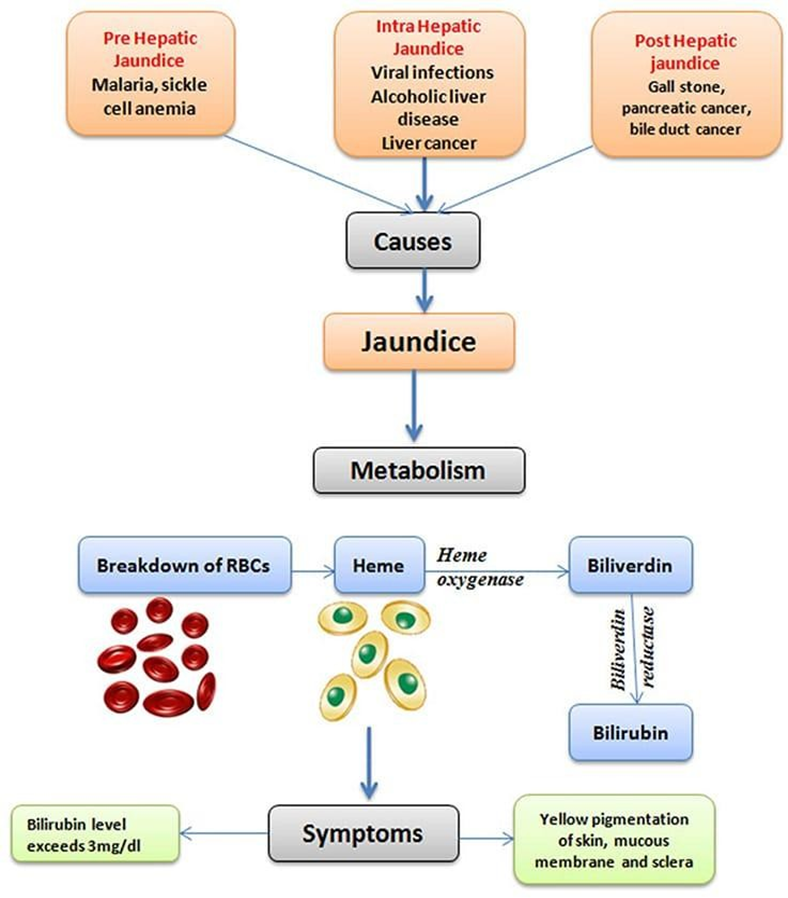
Figure no.01: Pathophysiology of Jaundice
Pre-Hepatic : Excessive RBC breakdown, as in malaria or sickle cell anemia
Intra-Hepatic: Liver injury itself like hepatitis, alcoholic liver disease, liver cancer
Post-Hepatic: Obstruction to bile ducts - Gallstones, Pancreatic or Bile duct cancer
Pathology:
Symptoms:
On the basis of causes Jaundice can be classified into three types.
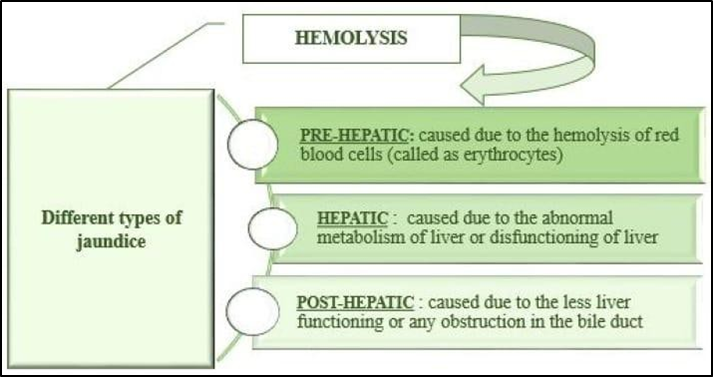
Figure No. 02: Types of jaundice according to its pathophysiology
Pre hepatic jaundice -is such type of jaundice which is Caused due to hemolysis therefore it is also known as Hemolytic jaundice. The major cause of enhanced Hemolysis is defective plasma membrane of red blood Cells. This fragile cell membrane cannot with stand the Shear stress, and hence ruptures, producing hemolysis. Thus, causing increased serum bilirubin level.7-8
Etiology
The pre hepatic jaundice is mainly due to Hemolysis. The causes of pre-hepatic/ haemolytic jaundice9 Are divided into two groups:
Table no: 1
|
Congenital causes |
Acquired causes |
|
Spherocytosis |
Resorption of extensive hematomas |
|
Elliptocytosis |
Auto immune hemolysis |
|
Congenital LCAT Deficiency |
Transfusion reactions |
|
Thalassemia |
Trauma |
|
Sickle cell anemia. |
Microangiopathy |
|
Stomatocytosis |
Hemolytic uremic syndrome |
Hepatic jaundice is a kind of jaundice wherein the basic the defect lies within the liver, mainly in the hepatocytes. Liver captures bilirubin from plasma proteins mainly Albumin, then after conjugation, excretes in the bile via Biliary system. Any pathology of the liver leading to Defect in capture, conjugation & excretion can cause Hepatic jaundice. Main enzyme of conjugation is UDP - Glucronyl tyransferase .10-11
Etiology
Hepatic jaundice is caused due to the defect in capture, Conjugation and excretion of bilirubin by liver. Hepatic causes of jaundice include the following, which can be classified into two types.
Table No.2
|
Congenital causes |
Acquired causes |
|
Wilson's Disease |
Viral hepatitis |
|
Rotor's Syndrome |
Alcoholic Hepatitis |
|
Haemochromatosis |
Autoimmune Hepatitis |
|
CriglerNajar syndrome |
Drug-induced Hepatitis (for example NSAIDs) |
|
Gilbert's syndrome |
Sepsis |
|
Dubin-Johnson's syndrome |
Pregnancy |
Post hepatic jaundice is such type of a jaundice in which the cause of this lies in the biliary portion of hepatobiliary System. The major cause of post hepatic jaundice is extra-Hepatic biliary obstruction. Therefore, it is also called Obstructive jaundice13
Etiology
The major cause of post hepatic jaundice is extra-hepatic Biliary obstruction. (39) The causes of obstruction may be Classified into two types
Table No.3
|
Congenital causes |
Acquired causes |
|
Biliary Atresia. |
Portalbiliopathy |
|
Cystic Fibrosis |
Cholecystitis |
|
Idiopathic dilation of common bile duct |
Trauma |
|
Pancreatic biliary |
Pancreatitis |
|
malfunction Choledochal |
Strictures |
|
Cyst |
Choledocholithiasis |
Clinical manifestations of obstructive jaundice are Dark urine, pale-colored stools, and generalized pruritus. History Of fever biliary colic, weight loss, abdominal pain, and abdominal mass are also representatives of Obstructive jaundice.14 Obstructive Jaundice can lead to Various complications including cholangitis, pancreatitis, renal and hepatic failure.
Table No.01: Ayurvedic Roots and their therapeutic Roles in the treatment of jaundice
|
Sr. No |
Ayurvedic Name (Root) |
Biological Source (Botanical Name) |
Synonyms |
Family |
Therapeutic Role/Effect |
|
1 |
Bhumiamalaki |
Phyllanthus niruri Linn. |
Bhui Amla, Stonebreaker |
Phyllanthaceae |
Protects liver cells, promotes bole secretion, antiviral against hepatitis, detoxified liver. |
|
2 |
Guduchi |
Tinospora cordifolia (wild) Miers |
Amrita., Giloy |
Menispermaceae |
Hepatoprotective, antioxidant, improves liver function, boots immunity, and reduces bilirubin level |
|
3 |
Aloe vera |
Aloe barbadensis Mill. |
Kumari |
Liliceae |
Purifies blood, enhance liver metabolism, and aids in regeneration of liver tissue. |
|
4 |
Sugarcane |
Saccharum officinarum Linn |
Ikshu |
Poaceae (Gramineae) |
Natural liver coolant, promotes urine and bike flow, reduces bilirubin, and helping faster recovery from jaundice |
|
5 |
Kalmegha |
Andrographis paniculata |
Kalmegha, Bhunimba |
Acanthaceae |
Acts as a hepatoprotective and detoxifying herb that support liver health and treats jaundice, Protects liver cell from damage, increases the bile secretion and bilirubin excretion |
4. The role of natural remedies for treatment for jaundice:
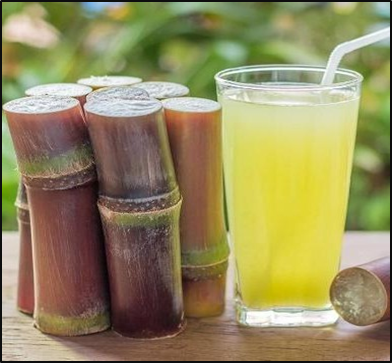
Figure No. 03: SUGARCANE
Mode of Action
Hepatoprotective: Antioxidants protect and regenerate liver cells.
Choleretic: An agent that increases the flow of bile, thereby facilitating the removal of excess bilirubin.
Diuretic: Promotes diuresis, facilitating the excretion of bilirubin.
Anti-inflammatory: This helps in reducing the inflammation of the liver and also aids in detoxification.
Ayurvedic view: It acts as Pittahara, hence controls excess of bile and purifies blood. It is useful in jaundice-Kamala.
According to Ayurveda, sugarcane juice is highly beneficial for jaundice patients as it helps restore liver function and provides essential nutrients. It acts as a natural energy source, especially since patients are advised to limit carbohydrate intake. With a low glycemic index and complex sugars, sugarcane juice is a healthier alternative to glucose. Its alkaline nature helps maintain low acidity levels in the body, creating an environment unfavorable for diseases.15
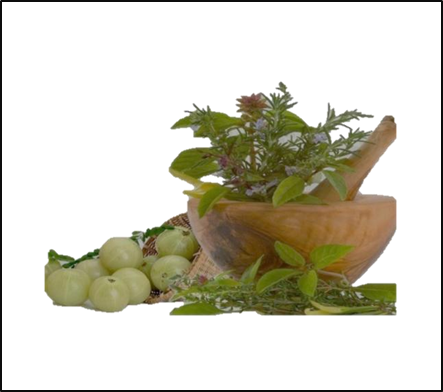
Figure No. 04: BHUMYAMALAKI
Bhumyamalaki (Phyllanthus niruri) in Jaundice Treatment Bhumyamalaki, known as Phyllanthus niruri Linn., is one of the most important medicinal herbs in Ayurveda, traditionally used in treating liver disorders, particularly jaundice and hepatitis. It belongs to the family Euphorbiaceae and is commonly called Stonebreaker or Chanca Piedra in English.
Mode of Action:
Hepatoprotective Effect:-The herb protects liver cells (hepatocytes) against toxic injury, infection, or drug-related damage. Mechanism: Promotes antioxidant activity and stabilizes liver cell membranes.
Antioxidant & Detoxifying Activity:-The flavonoids, lignans, and tannins in Bhumyamalaki reduce oxidative stress and support liver detoxification.
Bhumyamalaki possesses:-
3. GUDUCHI :
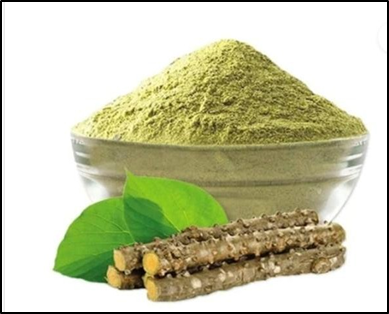
Figure No. 05 GUDUCHI
Guduchi in Treatment of Jaundice (Tinospora cordifolia) Guduchi is regarded as a very valuable herbal medicine in Ayurveda and has a wide range of action on various physiological systems. It is often called Amrita or “nectar of immortality” since it provides rejuvenation and detoxification. Guduchi has classically been indicated in liver disorders, fever, and jaundice because of its hepatoprotective, antioxidant, and immunomodulatory actions.
Mode of Action
Hepatoprotective Effect:- Guduchi exerts a protective effect on liver cells from damage caused by toxins, infections, or oxidative stress. Mechanism: By augmenting antioxidant enzyme activity-such as superoxide dismutase and catalase-it reduces lipid peroxidation.
Enhances Liver Function:-Guduchi increases the secretion of bile, which improves bilirubin excretion and helps recover from jaundice.
Detoxification:-The herb cleanses the blood and aids in metabolism, which is very essential in the treatment of Pittaja Kamala.
Ayurvedic Perspective
In Ayurveda, jaundice is described as Kamala Roga caused by Pitta dosha vitiation and liver dysfunction.
Guduchi has the following properties:-
Thus, Guduchi restores the balance of Pitta and strengthens liver function.
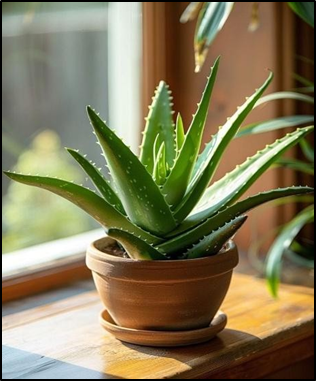
Figure No. 06: Aloe vera
Aloe vera, belonging to the family Liliaceae, is a succulent plant commonly used in Ayurvedic and contemporary herbal medicinal practices. The juice (Swarasa) of Aloe vera has been reported to possess hepatoprotective, detoxifying, and antioxidant activities.It is traditionally used in treating liver disorders, digestive problems, and skin diseases, and is considered beneficial for jaundice (Kamala Roga) due to its liver-cleansing and Pitta-pacifying actions.
Mode of Action in Jaundice
Hepatoprotective Effect:-Aloe vera contains aloin, barbaloin, and aloe-emodin, which exert protective effects on the hepatocytes against toxic injury and inflammation.The extract improves liver enzyme activity and prevents fat accumulation in liver tissues.
Bile Flow Regulation:-Aloe vera juice stimulates bile secretion and, hence, improves the metabolism of bilirubin, thereby helping in the removal of excess bile pigments from the bloodstream.
Detoxification:-Aloe vera helps to purify the blood, aids in metabolism, and is useful for removing toxins that burden the liver during jaundice.
Ayurvedic Perspective
In Ayurveda, jaundice is described as Kamala Roga, due mainly to the vitiation of Pitta dosha. Aloe vera (known as Kumari) has the following Ayurvedic attributes:-
Therefore, Kumari Swarasa (Aloe vera juice) has classically been prescribed for jaundice and other Pitta-related disorders.17
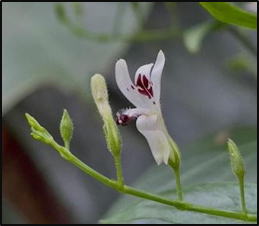
Figure No. 07: KALMEGH
Mode of action
The active compound andrographolide has been shown to stabilize liver cell membranes, preventing their destruction by toxins, infections, and free radicals.
Kalmegha increases the production and secretion of bile, which enhances the excretion of bilirubin, thereby reducing yellow discoloration in jaundice.
Neutralizes toxic free radicals and protects hepatocytes against oxidative stress to assist in liver restoration.
Reduces liver inflammation and congestion, thereby restoring normal hepatic function.
Helps fight viral hepatitis and other infections that commonly cause jaundice.
Stimulates hepatic cell regeneration and supports detoxification enzymes
Kalmegha is referred to as the "King of Bitters." It is a well-recognized herbal plant in Ayurveda, used to maintain liver health and overall well-being. It is really bitter in taste and thus forms an ingredient in herbal tonics, which help in cleaning the body and providing immunity. The herb promotes digestion, supports the health of the liver, and helps detoxify the system by eliminating harmful toxins through respiration and perspiration. Kalmegha is taken mainly during seasonal changes to avoid catching infections and to keep the liver healthy. It is also beneficial for reducing fever, increasing appetite, and enhancing strength and vitality. 18
5. CONCLUSION
From roots to relief, Ayurveda has a holistic and natural approach toward treating jaundice by getting to the very root of it, rather than just the symptoms. Utilizing some of the most potent herbs for liver rejuvenation, including Bhumiamalaki, Kutki, and Guduchi, Ayurvedic treatment creates a balance in food and lifestyle that restores health to the liver, purifies the blood, and rejuvenates overall well-being. By balancing the internal systems in the body and facilitating detoxification, Ayurveda not only offers symptomatic relief in jaundice but also ensures resilience of the body to future ailments-a true reflection of the wisdom:to heal from nature’s roots.
REFERENCES


Bharti Dighule, Sakshi Jaju*, Dr. Sunil Jaybhaye, Prachi Pawar, Neha Chavan, Jitendra Mundada, From Roots to Relief- Ayurvedic Secrets for Treating Jaundice, Int. J. of Pharm. Sci., 2025, Vol 3, Issue 12, 1869-1877. https://doi.org/10.5281/zenodo.17883070
 10.5281/zenodo.17883070
