
Samarth College of Pharmacy, Belhe, Pune, India 412410.
Polycystic Ovarian Syndrome (PCOS) is a multifactorial endocrine disorder marked by ovarian dysfunction, hormonal imbalance, and metabolic disturbances. Differential diagnosis encompasses conditions such as Ovarian Hyperthecosis and Congenital Adrenal Hyperplasia (CAH). The pathophysiology of PCOS arises from complex interactions among genetic, hormonal, and environmental factors. Various medicinal plants, including Cinnamon, Giloe, Ginseng, Licorice, Flax, Asparagus Racemosus, Tinospora cordifolia, Lepidium meyenii, Areca catechu, Aloe vera, Tribulus terrestris, Saw Palmetto, and Pomegranate, exhibit potential therapeutic effects. Phytochemical evaluations, such as flavonoid and carbohydrate screening (e.g., Barfoed’s test), combined with analytical approaches like Fourier-Transform Infrared Spectroscopy (FTIR), provide insights into bioactive constituents. Moreover, artificial intelligence-based tools, including Artificial Neural Networks (ANN) and Convolutional Neural Networks (CNN), offer promising non-invasive strategies for early and accurate PCOS detection.
Polycystic Ovary Syndrome (PCOS) is a prevalent endocrine disorder in women of reproductive age, marked by hormonal imbalance, ovulatory irregularities, and polycystic ovarian morphology. Accurate diagnosis requires consideration of its history, differential diagnosis, and conditions with overlapping features, such as ovarian hyperthecosis and congenital adrenal hyperplasia (CAH). (1) The syndrome arises from a multifactorial etiology involving genetic, metabolic, and environmental contributors, while its pathophysiology encompasses disrupted follicular development, hyperandrogenism, and insulin resistance. Various medicinal plants have demonstrated potential in alleviating PCOS symptoms, including Cinnamon, Giloe, Ginseng, Licorice, Flax, Asparagus racemosus, Tinospora cordifolia, Lepidium meyenii, Areca catechu, Aloe vera, Tribulus terrestris, Saw Palmetto, and Pomegranate, attributed to their bioactive compounds with antioxidant, anti-inflammatory, and endocrine-modulating properties. Phytochemical analysis through flavonoid and carbohydrate screening (Barfoed’s test) and Fourier-Transform Infrared Spectroscopy (FTIR) aids in characterizing these therapeutic agents. Furthermore, advanced computational approaches using Artificial Neural Networks (ANN) and Convolutional Neural Networks (CNN) are increasingly applied to improve early and precise detection of PCOS, integrating biochemical profiling with intelligent diagnostic systems.(2)
History:
Polycystic Ovary Syndrome (PCOS), initially referred to as Stein-Leventhal syndrome, was first identified in 1935 by Drs. Irving F. Stein and Michael L. Leventhal. They described the condition in a group of seven women who exhibited a combination of amenorrhea (absence of menstruation), obesity, and hirsutism (excessive hair growth). (3) These women also suffered from infertility, prompting further investigation into the underlying cause. Upon examination, the researchers discovered that the affected women had enlarged ovaries containing multiple cystic structures, distinguishing this condition from other reproductive disorders known at the time. This finding marked the beginning of medical understanding of what would later be termed PCOS. As research progressed, scientists continued to explore the morphological and hormonal aspects of the disorder. In 1985, Adams and colleagues expanded on the original findings by using ultrasound imaging to identify multifollicular or polycystic ovaries, characterized by the presence of more than ten cysts within each ovary, typically measuring 2 to 8 millimeters in diameter. Their observations provided a clearer diagnostic framework for identifying PCOS and established the link between ovarian morphology and hormonal imbalance. Over time, PCOS became recognized as a complex endocrine and metabolic disorder affecting women of reproductive age worldwide.(4)
Differential Diagnosis:
Ovarian Hyperthecosis:
Ovarian hyperthecosis is a proliferative disorder characterized by the presence of clusters of luteinized theca cells within the ovarian stroma, causing the ovaries to become enlarged and firm in texture. Unlike polycystic ovary syndrome (PCOS), this condition involves more extensive luteinization and androgen production.(5) It often results in pronounced clinical symptoms, including severe hirsutism, virilization (development of male physical traits), and marked insulin resistance. Women affected by ovarian hyperthecosis frequently experience obesity and acanthosis nigricans, a skin condition marked by dark, velvety patches. The disorder represents a more severe spectrum of ovarian androgen excess and is commonly seen in postmenopausal or perimenopausal women, distinguishing it from typical PCOS cases observed in younger individuals.(6)
Congenital Adrenal Hyperplasia (CAH):
Congenital Adrenal Hyperplasia (CAH) is an inherited endocrine disorder resulting from deficiencies in enzymes involved in cortisol biosynthesis, with 21-hydroxylase deficiency being the most prevalent form. This enzyme defect disrupts normal steroid hormone production, leading to excess androgen secretion. The adult-onset form of CAH caused by 21-hydroxylase deficiency can closely resemble Polycystic Ovary Syndrome (PCOS), as both conditions exhibit elevated levels of 17-hydroxyprogesterone and clinical hyperandrogenism.(7) Patients typically present with marked hirsutism, clitoromegaly, and sometimes regular menstrual cycles, which makes differentiation from PCOS challenging. A familial pattern is often observed, and affected individuals may also exhibit short stature due to premature closure of epiphyseal plates. The disorder follows an autosomal recessive mode of inheritance, meaning both parents must carry the defective gene for the condition to manifest in offspring. In some cases, the ovaries may appear polycystic, further complicating diagnosis. The second most frequent enzyme defect associated with CAH is 11β-hydroxylase deficiency, which can lead to mild hirsutism and androgen excess, though generally with less severity compared to 21-hydroxylase deficiency. Proper diagnosis requires hormonal assays and genetic evaluation to distinguish CAH from PCOS.(8)
Etiology:
Polycystic Ovary Syndrome (PCOS) is a common endocrine and metabolic disorder marked by insulin resistance, elevated androgen levels, and altered gonadotropin secretion. These hormonal imbalances disrupt normal ovarian function, leading to follicular maturation arrest, anovulation, and the accumulation of immature follicles within the ovaries.(9) A key factor in PCOS pathophysiology is hyperinsulinemia, which results from insulin resistance. High insulin levels stimulate androgen production in the ovarian theca cells and inhibit sex hormone-binding globulin (SHBG) synthesis in the liver, increasing free testosterone levels. This hormonal disturbance manifests clinically as hirsutism, acne, and irregular menstrual cycles. Additionally, excess abdominal fat worsens insulin resistance and promotes metabolic disturbances, further elevating testosterone and estradiol concentrations. This interplay between metabolic dysfunction and hormonal imbalance underlies the progression of PCOS, making it both a reproductive and metabolic disorder that requires comprehensive management.(10)
Pathophysiology:
Polycystic Ovary Syndrome (PCOS) is a complex metabolic and endocrine disorder primarily characterized by insulin resistance (IR) that affects skeletal muscles, adipose tissue, and the liver. This impaired insulin signaling disrupts glucose metabolism and contributes to hyperinsulinemia, a condition that plays a central role in PCOS development.(11) Elevated insulin levels influence the pituitary gland, hypothalamus, adipose tissue, and ovaries, stimulating lipogenesis and adipogenesis, which promote fat accumulation and hormonal imbalance. Increased insulin activity enhances ovarian androgen production, while hyperandrogenism suppresses sex hormone-binding globulin (SHBG) synthesis, resulting in elevated levels of free testosterone. These hormonal alterations contribute to ovulatory dysfunction, menstrual irregularities, and subfertility, along with the growth of immature ovarian follicles.(12)
The pathogenesis of PCOS is multifactorial, involving genetic predisposition, hormonal dysregulation, and environmental influences. Obesity, particularly visceral fat deposition, further aggravates the condition by inducing chronic low-grade inflammation, which perpetuates insulin resistance and androgen excess. Nutritional factors such as high intake of saturated fatty acids and vitamin D deficiency have also been associated with disease severity. Overall, PCOS represents a dynamic interplay between metabolic, endocrine, and environmental components that together disturb reproductive and metabolic homeostasis in affected women.(13)
Causes of PCOS:
|
Plant Name |
Synonym / Common Name |
Biological Source |
Family |
|
Cinnamon |
Dalchini |
Cinnamomum verum / Cinnamomum zeylanicum |
Lauraceae |
|
Giloe |
Guduchi, Amrita |
Tinospora cordifolia |
Menispermaceae |
|
Ginseng |
Panax ginseng |
Panax ginseng |
Araliaceae |
|
Licorice |
Mulethi |
Glycyrrhiza glabra |
Fabaceae |
|
Flax |
Linseed |
Linum usitatissimum |
Linaceae |
|
Asparagus racemosus |
Shatavari |
Asparagus racemosus |
Asparagaceae |
|
Tinospora cordifolia |
Guduchi |
Tinospora cordifolia |
Menispermaceae |
|
Lepidium meyenii |
Maca |
Lepidium meyenii |
Brassicaceae |
|
Areca catechu |
Betel Nut |
Areca catechu |
Arecaceae |
|
Aloe Vera |
Ghritkumari |
Aloe barbadensis miller |
Asphodelaceae |
|
Tribulus terrestris |
Gokshura, Thorny Vine |
Tribulus terrestris |
Zygophyllaceae |
|
Saw Palmetto |
Serenoa repens |
Serenoa repens |
Arecaceae |
|
Pomegranate |
Anar |
Punica granatum |
Lythraceae |
Medicinal plants for PCOS
Cinnamon:
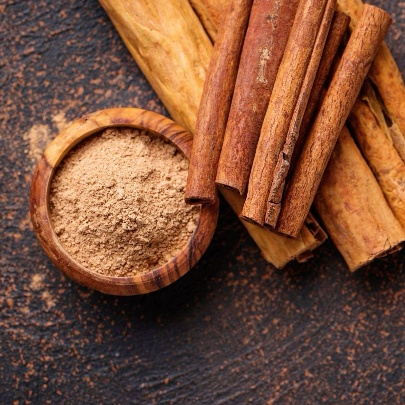
Cinnamon (Synonyms: Dalchini, Cinnamomum zeylanicum), a natural remedy for Polycystic Ovary Syndrome (PCOS), is derived from the bark of the Dalchini tree, belonging to the Lauraceae family. Rich in dietary fiber, cinnamon helps in regulating the menstrual cycle and reducing appetite, which is particularly beneficial for women with PCOS who often experience irregular menses and weight gain.(14) The bioactive compounds in cinnamon extract enhance insulin sensitivity, thereby improving blood glucose regulation and supporting weight management. Clinical studies, including randomized trials, have demonstrated that cinnamon extract can significantly decrease insulin resistance in women affected by PCOS, indicating its potential as a metabolic regulator. Moreover, cinnamon contributes to normalizing menstrual irregularities, offering a natural treatment option with minimal or no adverse effects. In addition to its metabolic benefits, cinnamon extract has been shown to improve lipid profiles and exhibits antioxidant properties, protecting against oxidative stress and cardiovascular complications associated with PCOS. These multifaceted effects make cinnamon a safe, effective, and accessible adjunct therapy for managing both the endocrine and metabolic disturbances in women with PCOS.(15)
Giloe:
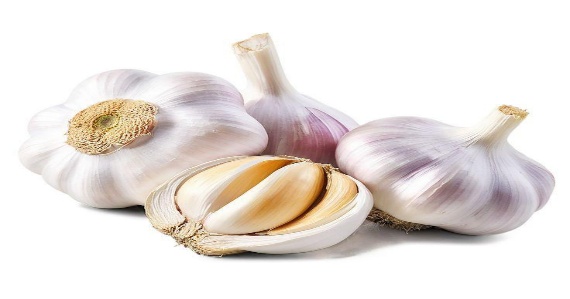
Giloe (Synonyms: Tinospora cordifolia, Guduchi), a medicinal herb from the Menispermaceae family, is renowned for its anti-inflammatory and adaptogenic properties. It is traditionally used to manage conditions associated with Polycystic Ovary Syndrome (PCOS), including multiple ovarian cysts and insulin dysregulation.(16) The herb exerts its therapeutic effects by nourishing body tissues, enhancing metabolic activity, and modulating insulin sensitivity, thereby helping to reduce insulin resistance, a common metabolic disturbance in PCOS. Bioactive constituents in Giloe support hormonal balance and ovarian function, contributing to improved reproductive health. Additionally, its immunomodulatory and antioxidant activities help mitigate chronic inflammation and oxidative stress, which are often associated with endocrine and metabolic disorders. Owing to these properties, Giloe serves as a natural, safe, and effective adjunct therapy for managing PCOS, promoting both metabolic and hormonal homeostasis in affected women.(17)
Ginseng:
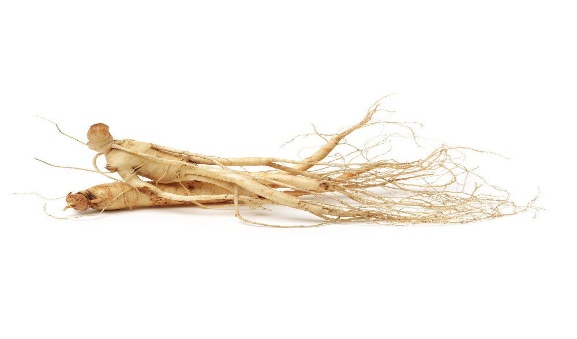
Ginseng (Synonyms: Panax ginseng, Asian ginseng) is a well-known medicinal plant belonging to the Araliaceae family, widely recognized for its antioxidant and adaptogenic properties. Traditionally used in herbal medicine, ginseng has been shown to enhance overall body resistance by modulating oxidative stress and supporting cellular defense mechanisms. Its bioactive compounds stimulate key antioxidant enzymes, including glutathione peroxidase and superoxide dismutase, which play a crucial role in neutralizing reactive oxygen species (ROS) such as superoxide radicals.(18) By preventing lipid peroxidation, ginseng helps protect cellular membranes and maintain tissue integrity, which is particularly relevant in managing metabolic and endocrine disorders. In the context of Polycystic Ovary Syndrome (PCOS), oxidative stress and hormonal imbalance contribute to anovulation and elevated luteinizing hormone (LH) levels, which disrupt normal ovarian function. Ginseng’s ability to reduce plasma LH concentrations can help restore hormonal balance, thereby improving ovulation and reproductive outcomes in women with PCOS. Additionally, its antioxidant effects support insulin sensitivity and metabolic regulation, addressing some of the underlying metabolic disturbances associated with the condition. Overall, ginseng offers a multifaceted therapeutic approach for PCOS by combining its antioxidant, enzyme-modulating, and hormone-regulating properties. Derived from the root of Panax ginseng, this herb provides a natural and safe adjunct treatment, supporting both ovarian function and metabolic health, and potentially improving fertility and overall well-being in affected individuals. Its integration into complementary therapies highlights its significance in holistic management of PCOS.(19)
Licorice:
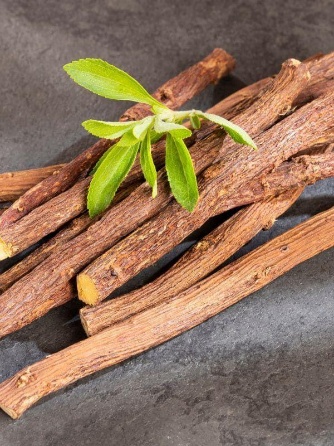
Licorice (Synonyms: Glycyrrhiza glabra L), a medicinal plant belonging to the Fabaceae family, has been extensively used in traditional medicine for its therapeutic properties, including wound healing, analgesic effects, relief from cough, and treatment of gastritis. The plant is rich in bioactive constituents such as flavonoids, sterols, gums, starches, and essential oils, which contribute to its pharmacological effects.(20) One of the key active compounds, glycyrrhizin, exhibits a mineralocorticoid-like action by inhibiting the enzyme 11β-hydroxysteroid dehydrogenase type 2, which plays a role in steroid metabolism and hormonal regulation. In experimental studies, licorice root extract demonstrated promising effects in managing metabolic and endocrine disturbances associated with Polycystic Ovary Syndrome (PCOS). In a study involving 50 Sprague-Dawley rats with PCOS, administration of licorice extract alleviated adverse effects related to insulin resistance and hyperglycemia, indicating its potential to mitigate metabolic dysfunctions linked to the disorder. The results suggest that licorice may help in regulating hormonal imbalance, improving insulin sensitivity, and reducing oxidative stress, which are key factors in PCOS pathophysiology. Therefore, licorice offers a natural, safe, and effective adjunct therapy for managing PCOS and associated metabolic complications.(21)
Flax:
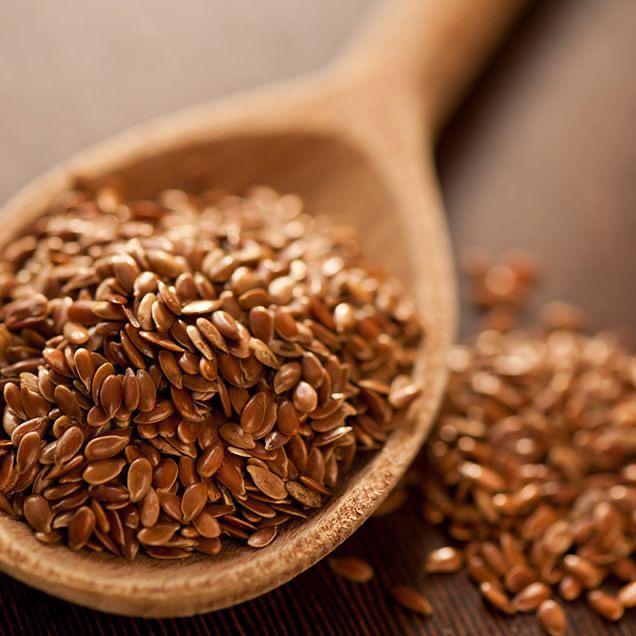
Flax (Synonyms: Linum usitatissimum), a member of the Linaceae family, is a nutrient-dense plant containing significant amounts of fats, proteins, and dietary fiber, along with essential vitamins, minerals, and amino acids. The oil extracted from flax seeds is particularly rich in alpha-linolenic acid, omega-3 fatty acids, lignans, and mucilage, which contribute to its diverse health-promoting properties. Flaxseed oil is known for its anti-cancer effects, containing nearly 27 bioactive compounds that inhibit cancer cell proliferation. Studies have also shown that flaxseed consumption can lower androgen levels, which is relevant to conditions such as hirsutism, menstrual irregularities, and obesity. In relation to Polycystic Ovary Syndrome (PCOS), flaxseed has demonstrated notable therapeutic potential. A clinical study involving a 31-year-old woman with polycystic ovaries reported that flaxseed supplementation led to significant reductions in body mass index (BMI), fasting insulin, total serum testosterone, and free testosterone levels. These outcomes highlight flaxseed’s role in improving hormonal balance, enhancing insulin sensitivity, and supporting weight management. Overall, flax serves as a natural, safe, and effective adjunct therapy for managing both the endocrine and metabolic disturbances associated with PCOS.(22)
Asparagus Racemosus:
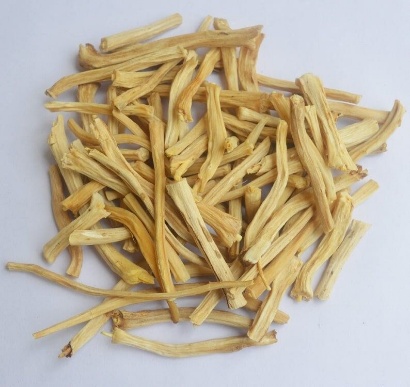
Asparagus racemosus (Synonyms: Shatavari), a member of the Asparagaceae family, is a well-known medicinal plant widely used in traditional Indian Ayurvedic medicine for its extensive therapeutic properties, particularly in female reproductive health.(23) This herb is renowned for its ability to promote ovarian follicle development, thereby supporting proper ovulation and enhancing fertility. It also plays a significant role in regulating menstrual cycles, helping to normalize irregularities often observed in conditions such as Polycystic Ovary Syndrome (PCOS). The pharmacological activities of Asparagus racemosus extend beyond reproductive health. It exhibits adaptogenic, anti-inflammatory, and immunomodulatory effects, which contribute to its efficacy in managing nervous system disorders, inflammation, and immune-related conditions. The plant contains a range of bioactive compounds, including saponins, flavonoids, and alkaloids, which are responsible for its therapeutic effects. Regular use of Shatavari has been associated with enhanced reproductive vitality, improved hormonal balance, and support of ovarian function. Its multifaceted effects make it a valuable natural intervention for women experiencing reproductive and metabolic disturbances. The combination of reproductive, metabolic, and systemic benefits highlights Asparagus racemosus as a safe, effective, and holistic herbal therapy, suitable for supporting female health and managing disorders like PCOS in a natural and integrative manner.(24)
Tinospora Cordifolia:
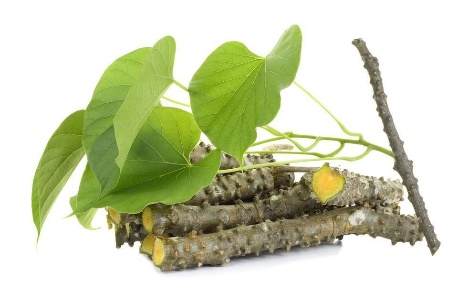
Tinospora cordifolia (Synonyms: Giloe, Guduchi), belonging to the Menispermaceae family, is a widely recognized medicinal plant in traditional Indian Ayurvedic medicine, valued for its diverse therapeutic properties. This herb is particularly noted for its hypoglycemic effects, which help in regulating blood glucose levels and managing insulin resistance, a key factor in metabolic disorders such as Polycystic Ovary Syndrome (PCOS). By enhancing insulin sensitivity, Tinospora cordifolia contributes to improved metabolic balance, facilitating better carbohydrate utilization and energy homeostasis in the body.(25). In addition to its metabolic benefits, Tinospora cordifolia exhibits anti-inflammatory and immunomodulatory properties, supporting the reduction of chronic low-grade inflammation often associated with endocrine and metabolic disorders.(26) The plant also revitalizes tissues and enhances overall metabolism, promoting cellular health and improving systemic physiological functions. Its bioactive constituents, including alkaloids, glycosides, and diterpenoid compounds, are responsible for these therapeutic effects, making it a potent natural remedy. Overall, Tinospora cordifolia serves as a safe, effective, and holistic herbal intervention for improving metabolic and hormonal health. Its ability to modulate insulin resistance, boost tissue regeneration, and support metabolic function underscores its potential role as a complementary therapy for managing PCOS and related metabolic conditions.(27)
Lepidium Meyenii:
Lepidium meyenii (Synonyms: Maca, Peruvian ginseng), belonging to the Brassicaceae family, is a traditional medicinal plant renowned for its endocrine-modulating and adaptogenic properties. Traditionally used in herbal medicine, it has been reported to alleviate menopausal symptoms by supporting hormonal balance and reducing discomfort associated with hormonal fluctuations.(28) The bioactive compounds in Lepidium meyenii stimulate the endocrine system, enhancing the secretion and regulation of key hormones involved in reproductive and metabolic processes. In males, Lepidium meyenii acts as a natural hormonal regulator, contributing to the restoration of testosterone levels and supporting reproductive health, energy, and vitality. Its adaptogenic effects also help the body manage stress and fatigue, which are often linked to endocrine imbalances. The combination of hormonal regulation, endocrine stimulation, and adaptogenic activity makes Lepidium meyenii a valuable natural intervention for both men and women. Overall, this herb provides a safe and effective approach to restoring hormonal homeostasis and improving quality of life in individuals experiencing endocrine and reproductive health challenges.(29)
Areca Catechu:
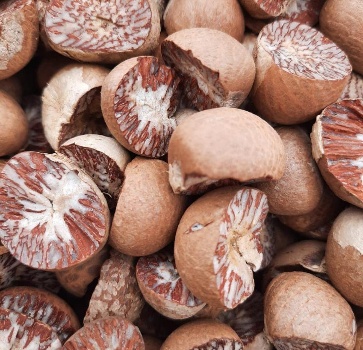
Areca catechu (Synonyms: Betel nut, Areca nut), a member of the Arecaceae family, is a medicinal plant traditionally utilized for its reproductive and endocrine-modulating properties in females. The phytoconstituents of Areca catechu have been shown to support physiological hormone regulation, facilitate menopausal adaptation, and enhance sexual function and uterine contractility, thereby contributing to improved reproductive efficiency. Furthermore, the plant exhibits fertility-promoting effects and aids in the restoration of systemic vitality and tissue strength following postpartum debility. By modulating endocrine function and promoting uterine health, Areca catechu serves as a bioactive agent that can support female reproductive homeostasis. Its integration into herbal therapeutics underscores its potential as a natural and efficacious intervention for enhancing reproductive function, hormonal balance, and postpartum recovery in women.(30)
Aloe Vera:

Aloe vera (Synonyms: Aloe barbadensis Mill, Aloe indica Royle), a perennial herbaceous plant from the Asphodelaceae family, is rich in vitamins A, C, and E, antioxidants, and bioactive constituents including polysaccharides, enzymes, tannins, salicylic acid, minerals, and other nutrients. These phytochemicals confer anti-inflammatory, antimicrobial, and tissue-reparative properties, making Aloe vera a valuable medicinal plant in traditional and modern therapeutics. In the context of Polycystic Ovary Syndrome (PCOS), Aloe vera has demonstrated beneficial effects on ovarian physiology and folliculogenesis.(31) Studies indicate that Aloe vera gel can restore the primary germ cell population in ovarian tissue, normalizing ovarian function. Experimental models in PCOS-induced rats showed that administration of Aloe vera gel, in combination with a stimulant such as letrozole, inhibited the progression of PCOS, highlighting its potential in disease prevention. The therapeutic efficacy of Aloe vera in PCOS is attributed to its phytosterols and phytophenols, which help modulate steroidogenic activity and restore ovarian steroid balance. Ayurvedic approaches for PCOS emphasize hormonal regulation, obesity management, cholesterol control, and improvement of insulin sensitivity, all of which are supported by Aloe vera’s bioactive profile. Hydroalcoholic extracts of Aloe vera have been shown to significantly enhance estrogen and progesterone levels, suggesting its capacity to improve fertility and ovarian function, positioning Aloe vera as a promising natural intervention for PCOS management.(32)
Tribulus Terrestris (Thorny Vine):
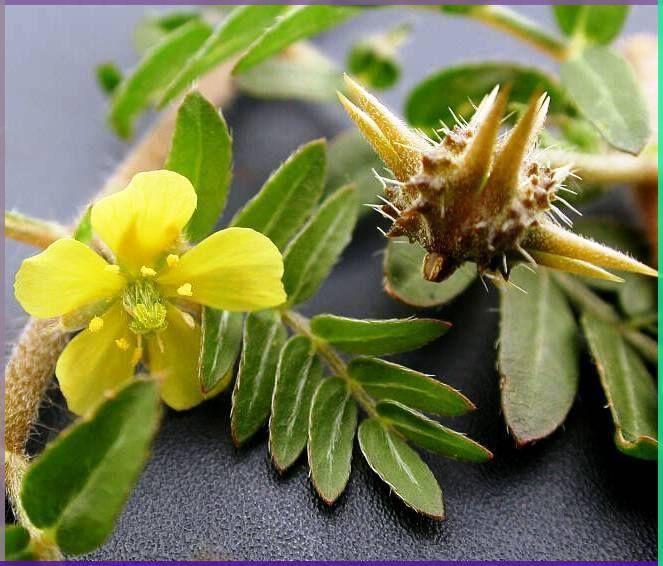
Tribulus terrestris (Synonyms: Gokhru), a plant belonging to the Zygophyllaceae family and the genus Tribulus, is widely recognized for its therapeutic potential in managing Polycystic Ovary Syndrome (PCOS). (33) This medicinal herb has been shown to promote regular ovulation and reduce the formation of ovarian cysts, contributing to the restoration of hormonal homeostasis in affected individuals. Experimental studies in PCOS-induced rats demonstrated that administration of a 10 mg dose of hydroalcoholic extract of T. terrestris effectively eliminated ovarian cysts, normalized ovulatory cycles, and re-established endocrine balance. Gokhru has also been reported to enhance female reproductive health, improving sexual function, folliculogenesis, and fertility, making it a valuable intervention in both Ayurvedic and modern medical practice. Its bioactive constituents are believed to interact with ovarian and hormonal pathways, thereby supporting reproductive efficiency in women with PCOS. Herbal therapies such as T. terrestris offer several advantages over synthetic pharmaceuticals, including lower cost, minimal adverse effects, and overall health benefits, which contribute to their increased utilization in clinical and traditional medicine. Consequently, T. terrestris represents a safe, effective, and natural alternative for supporting ovarian function, regulating hormones, and improving fertility in women affected by PCOS.(34)
Saw Palmetto:
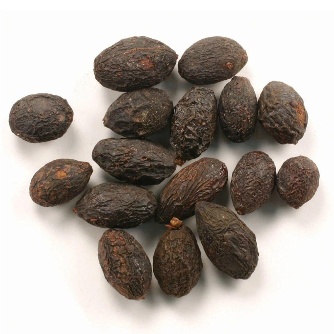
Saw palmetto (Synonyms: Serenoa repens, Sabal serrulata), a medicinal plant belonging to the Arecaceae family, is a widely studied botanical extract recognized for its potential in managing Polycystic Ovary Syndrome (PCOS). Extracted from the fruit of the Serenoa repens palm tree, saw palmetto exhibits significant endocrine-modulating properties, particularly in regulating androgen levels and supporting hormonal homeostasis in women affected by PCOS. By reducing androgen activity, it contributes to improved ovulatory function, normalization of menstrual cycles, and enhanced fertility, thereby increasing the likelihood of conception.(35) Experimental and clinical studies have demonstrated that saw palmetto also exerts anti-inflammatory effects, which help mitigate systemic and ovarian inflammation commonly associated with PCOS. In animal models, administration of saw palmetto extract has been shown to normalize follicular development and prevent follicle suppression, indicating its potential to restore normal ovarian function. Additionally, its positive effects on genitourinary health further support reproductive well-being. Overall, saw palmetto represents a natural, safe, and effective herbal intervention for managing hormonal imbalances and reproductive dysfunctions in PCOS. Its combined anti-androgenic, anti-inflammatory, and ovulatory-supporting properties make it a promising adjunct therapy for improving endocrine, ovarian, and metabolic outcomes in affected individuals.(36)
Pomegranate:
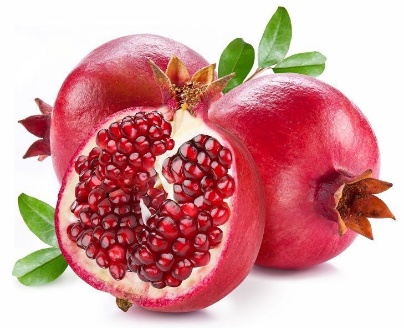
Pomegranate (Synonyms: Punica granatum), a deciduous shrub or small tree from the Lythraceae family, is recognized for its rich nutritional and therapeutic properties. The seeds are abundant in folic acid, natural sugars, and essential vitamins such as B1, B2, and C, which contribute to overall health and well-being.(37) Phytochemical studies have identified phytosterols and phenolic compounds in pomegranate, which play a significant role in modulating hormonal balance and preventing endocrine disturbances associated with Polycystic Ovary Syndrome (PCOS). Regular consumption of pomegranate has been linked to improved hormone regulation, supporting ovarian function and the normalization of menstrual cycles. Moreover, the polyphenolic constituents provide potent antioxidant and anti-inflammatory effects, helping to reduce oxidative stress and systemic inflammation often observed in PCOS. These bioactive compounds also support cardiovascular health, blood pressure management, and glycemic control, addressing the metabolic complications commonly associated with the disorder. Overall, Punica granatum serves as a natural, safe, and effective adjunct therapy for women with PCOS, promoting hormonal, reproductive, and metabolic health while offering comprehensive systemic benefits through its multifunctional bioactive profile.(38)
Screening of Flavonoids and Carbohydrates in PCOD Models:
Flavonoid Screening:
Flavonoids are naturally occurring compounds known for their antioxidant, anti-inflammatory, and hormone-regulating properties, making them potentially beneficial in managing Polycystic Ovarian Disease (PCOD). In this study, the plant extract was subjected to flavonoid screening to confirm the presence of these bioactive compounds.(39) The extract initially showed a dark yellow color, which disappeared upon the addition of diluted hydrochloric acid, indicating the presence of flavonoids. PCOD is an endocrine disorder marked by hyperandrogenism, insulin resistance, irregular menstrual cycles, and multiple ovarian cysts. Flavonoids may help mitigate these symptoms by reducing oxidative stress, regulating hormonal imbalance, and exerting anti-inflammatory effects, which are particularly important given the low-grade chronic inflammation associated with PCOD. The detection of flavonoids in the extract suggests its potential as a natural therapeutic option, warranting further studies to explore its mechanisms of action in improving ovarian function and overall reproductive health.(40)
Carbohydrate Screening (Barfoed’s test):
Carbohydrate screening of the extract was performed using Barfoed’s test to detect the presence of monosaccharides. In this method, an aqueous solution of the extract was mixed with Barfoed’s reagent and heated in a water bath for approximately two minutes.(41) During this process, the formation of a crimson-colored precipitate was observed, indicating the presence of reducing sugars in the extract. The appearance of this precipitate confirms that the extract contains simple carbohydrates, which may contribute to its nutritional and therapeutic properties. Detecting monosaccharides is significant in evaluating plant extracts, as these compounds can play a role in energy provision, metabolic regulation, and enhancement of biological activities, which may be relevant for managing conditions like PCOD through their influence on metabolic and hormonal balance.(42)
Fourier-Transform Infrared Spectroscopy:
Fourier-transform Infrared Spectroscopy (FTIR) was employed to evaluate the phytosomal formulations of milk thistle, curcumin extract, and Ginkgo biloba, focusing on their potential role in managing Polycystic Ovarian Disease (PCOD). FTIR is a widely used analytical technique that provides detailed information on the chemical structure and functional groups present in bioactive compounds. In this study, the phytosome samples were analyzed to detect characteristic absorption peaks corresponding to specific functional groups, which indicate the presence of flavonoids, phenolic compounds, and other active constituents. The measurements were recorded using a Perkin Elmer infrared spectrophotometer, model 234, ensuring accurate identification of molecular interactions and structural integrity. (43). The spectra displayed distinct peaks corresponding to hydroxyl, carbonyl, and aromatic groups, which are linked to the antioxidant, anti-inflammatory, and hormone-regulating activities of the plant extracts. These bioactive compounds may contribute to alleviating PCOD symptoms such as hyperandrogenism, insulin resistance, menstrual irregularities, and cyst formation. The FTIR results confirm the structural stability and functional potential of the phytosomes, supporting their use as therapeutic agents to improve hormonal balance and ovarian health in PCOD management. (44)
Existing PCOS Detection Techniques:
This section provides a comprehensive overview of various techniques used for detecting Polycystic Ovary Syndrome (PCOS), encompassing both traditional diagnostic methods and machine learning (ML)-based approaches. Traditional methods primarily focus on assessing hormonal profiles, comparing levels of key hormones such as androgens, luteinizing hormone (LH), follicle-stimulating hormone (FSH), and insulin within normal ranges and identifying deviations characteristic of PCOS.(45) These methods often include clinical evaluations, blood tests, and imaging techniques like ultrasound to examine ovarian morphology, providing clinicians with critical information for diagnosis and management. In addition to conventional approaches, the section highlights the application of ML algorithms in PCOS detection, explaining their structure, workflow, and ability to analyze complex datasets for predicting disease risk, classifying patients, and supporting early diagnosis with enhanced accuracy and efficiency. To facilitate understanding, a table and figure summarize key details, while an additional figure illustrates the traditional detection process and its use by healthcare professionals. Overall, the integration of both conventional and computational techniques offers a holistic approach to improving PCOS detection and patient care. (46)
Artificial Neural Network (Ann):
Artificial Neural Networks (ANNs) are computational frameworks modeled on the structural and functional organization of the human brain, designed to emulate neural information processing. These networks comprise a collection of interconnected nodes, each representing an activation function that transforms input signals, and an output function that generates the resultant response.(47) Network performance and behavior are governed by the topology of connections, the magnitude of synaptic weights, and the learning or reward function that adjusts these weights during training. By systematically modifying these parameters, ANNs are capable of adaptive learning, pattern recognition, and generalization across diverse datasets. Such architectures enable the simulation of complex nonlinear relationships and decision-making processes. Due to their capacity for handling large and intricate datasets, ANNs have been extensively applied in biomedical diagnostics, predictive modeling, and disease detection, including the identification and classification of endocrine disorders such as Polycystic Ovary Syndrome (PCOS). The flexibility and scalability of ANN models make them robust tools for enhancing analytical accuracy and supporting clinical decision-making.(48)
Convolutional Neural Network (CNN):
Convolutional Neural Networks (CNNs) are a class of deep learning architectures composed of multiple hierarchical layers, including convolutional layers, nonlinear activation layers, pooling layers, and fully connected layers. These networks are particularly effective in image analysis and pattern recognition, making them suitable for applications such as cyst detection and ovarian assessment. In the context of Polycystic Ovary Syndrome (PCOS) detection, CNN-based models have been trained to classify ovarian images, predicting either normal ovarian morphology or the presence of PCOS-related abnormalities. A review of current literature indicates that six studies have successfully employed CNN architectures for PCOS detection, with the majority reporting high accuracy and reliable performance, demonstrating the robustness of CNNs in automated diagnostic systems.(49). Multilayer Perceptrons (MLPs), on the other hand, represent a type of feedforward artificial neural network characterized by an input layer, one or more hidden layers, and an output layer, where neurons in each layer are fully connected to the subsequent layer. MLPs utilize nonlinear activation functions to model complex relationships between input features and target outcomes. In PCOS research, MLPs have been applied using ANN-based techniques to analyze clinical and biochemical data, enabling the prediction of PCOS presence and supporting early diagnosis. Both CNN and MLP frameworks illustrate the potential of artificial intelligence in enhancing PCOS detection and clinical decision-making.(50)
CONCLUSION:
Polycystic Ovary Syndrome (PCOS) is a multifactorial endocrine disorder with complex hormonal and metabolic dysregulations, requiring careful differentiation from similar conditions such as Ovarian Hyperthecosis and Congenital Adrenal Hyperplasia. Its etiology involves genetic, environmental, and lifestyle factors, while its pathophysiology is marked by insulin resistance, hyperandrogenism, and ovarian dysfunction. Medicinal plants like Cinnamon, Tinospora cordifolia, Aloe vera, Tribulus terrestris, and others offer potential therapeutic benefits in symptom management. Advanced diagnostic approaches, including flavonoid and carbohydrate profiling, Fourier-Transform Infrared Spectroscopy, and AI-based techniques such as Artificial Neural Networks and Convolutional Neural Networks, provide accurate, non-invasive, and early detection of PCOS, enhancing clinical assessment and management strategies.
REFERENCES




Yogita Shinde, Tahir Mulani*, Vaishnavi Wavhal, Hemangi Pingle, From Pathophysiology to Therapeutics: Medicinal Plants, FTIR Screening, and Machine Learning in PCOS, Int. J. of Pharm. Sci., 2025, Vol 3, Issue 10, 2531-2547 https://doi.org/10.5281/zenodo.17439630
 10.5281/zenodo.17439630
