We use cookies to make sure that our website works properly, as well as some ‘optional’ cookies to personalise content and advertising, provide social media features and analyse how people use our site. Further information can be found in our Cookies policy
Transdermal drug delivery (TDD) offers a compelling alternative to conventional drug administration routes, particularly for drugs with low oral bioavailability, short half-lives, or significant gastrointestinal side effects. This paper provides a detailed academic review of the formulation and evaluation of transdermal patches for diclofenac sodium (DS), a widely used non-steroidal anti-inflammatory drug (NSAID). The introduction highlights the rationale for transdermal delivery of DS, emphasizing the avoidance of first-pass metabolism and gastric irritation. The formulation section delves into the selection of polymers, plasticizers, penetration enhancers, and backing and release liner materials, outlining the common preparation methods such as solvent casting and hot melt extrusion. The evaluation section comprehensively covers various in-vitro, ex-vivo, and in-vivo assessment methodologies, including physical characterization (thickness, weight uniformity, folding endurance, tensile strength, drug content), in-vitro drug release, ex-vivo skin permeation studies using Franz diffusion cells, skin irritation potential, adhesion properties, and stability studies. Furthermore, the paper discusses the crucial role of penetration enhancers in overcoming the skin barrier and the challenges and future prospects in developing optimized DS transdermal delivery systems.
Pain and inflammation are significant global health concerns, impacting millions of lives. Non-steroidal anti-inflammatory drugs (NSAIDs) represent a cornerstone of pain management therapy. Among them, diclofenac sodium, a phenylacetic acid derivative, is a widely prescribed NSAID known for its potent analgesic and anti-inflammatory properties. It exerts its therapeutic effects by inhibiting cyclooxygenase (COX) enzymes, thereby reducing prostaglandin synthesis.
While oral diclofenac sodium is effective, its widespread use is hampered by a significant incidence of adverse gastrointestinal effects, including ulcers, bleeding, and perforation. Additionally, prolonged systemic exposure to NSAIDs has been linked to an increased risk of cardiovascular events. These limitations have spurred the development of alternative drug delivery systems that can provide localized and controlled release of diclofenac sodium, thereby enhancing therapeutic efficacy and minimizing systemic toxicity.
Transdermal drug delivery systems (TDDS), particularly transdermal patches, have emerged as a viable and attractive option for diclofenac sodium delivery. A transdermal patch is a medicated adhesive patch that is applied to the skin, delivering a specific dose of medication through the skin and into the bloodstream. This approach offers several advantages:
Sustained and Controlled Release: TDDS allows for continuous drug release over an extended period, maintaining therapeutic drug concentrations and avoiding fluctuations associated with oral dosing.
Improved Patient Compliance: Once-daily application of a patch can be more convenient than frequent oral administration, leading to better adherence to treatment regimens.
Reduced Gastrointestinal and Systemic Side Effects: By bypassing first-pass metabolism in the liver and reducing overall systemic drug exposure for localized pain, TDDS can mitigate gastrointestinal issues and potentially lower cardiovascular risks.
Localized Delivery: For conditions like localized musculoskeletal pain, the transdermal route can deliver higher concentrations of the drug directly to the affected area, maximizing therapeutic benefit while minimizing systemic exposure.
Components of diclofenac sodium transdermal patch:
Table 1: Formulation Components of Diclofenac Sodium Transdermal Patches in different ratio:
Sr. No.
Ingredients
Activity
F1
F2
F3
1
Diclofenac Sodium (mg)
Active ingredient (Drug)
25
25
25
2
Methyl Cellulose (mg)
Backing agent
300
300
400
3
PG, PEG-400 (ml)
Plasticizer
1.2
1.2
1.2
4
Dibutyl Phthalate (ml)
Penetration enhancer
1.2
1.2
1.2
5
Distilled water: Ethanol (ml)
Solvent
1:4
1:4
1:4
Preparation method for Diclofenac Sodium Transdermal Patch by Solvent Casting Method:
Transdermal patches were fabricated using methyl cellulose as a polymers containing diclofenac sodium by solvent casting method[43] shown in Figure 1.
According to the formula methyl cellulose were accurately weighed and dissolved in mixture of ethanol: water (1:2) used as a solvent.
The drug was then dispersed in the polymeric solution and plasticizer of dibutyl phthalate was added with continuous stirring using a magnetic stirrer to obtain homogeneous mixture. Lastly, the bottom of petridish were covered with aluminium foil and the resulting solution was poured into levelled mercury surface in a petridish covered with a funnel in inverted position.
The solvent was allowed to evaporate and left undisturbed at room temperature for the next 24 hour.
The patch was obtained intact by slowly lifting from the Petri dish and transdermal patches were cut into radius of 2cm2.[44-46] Ingredients to be used are shown in Table 2.
Evaluation and Characterization
Physical Appearance
World Journal of Pharmaceutical Research All the transdermal film were organoleptically inspected and all over elegance for colour, transparency, shape, texture of the surface, homogeneity of thickness, film formation (no collapse or shrinkage)upon drying.
Thickness of Patch:
The thickness of the drug loaded patch is determined by screw gauge and micrometer at different point and average of readings were calculated.
Uniformity of Weight:
Weight variation is determined by weighing 5 randomly selected patches and calculating the average weight. The individual weight should not digress significantly from the average weight.
Folding Endurance:
This test is performed to determine the elasticity and fragility of transdermal patches.[50] The test was conducted by folding the patch at the same point n number of times till the patch is broken. The number of folds is considered to be the value of resistance to folding.
Surface pH:
Each film was allowed to swell by adding 0.5mL of distilled water on the film surface for 1hr at room temperature. Then, pH was noted by bringing the electrode into contact to the surface of the film and allowing it to equilibrate for 1 min.
Swelling Index:
The film were weighed (WF) immersed in a beaker containing 25mL phosphate buffer pH 7.4.The beaker were kept at 25? using thermo stated water bath. At specific intervals up to 2 hour, the swollen film were weighed (WS) after removal of excess surface water by light blotting with a filter paper. The experiment was discontinued when the film begins to dissolve.
The swelling index was calculated by.
Swelling index =WS-WFWF×100
Where, WF = weight of the dried polymer film.
WS = weight after swelling.
Moisture Uptake:
World Journal of Pharmaceutical Research The films were placed in a desiccator containing activated silica gel for 24 hr. Then, they were weighed (WD) and then transfer to another desiccator containing saturated sodium chloride (75%). The films were weighed daily until they showed constant weight (WU).
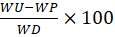
The percentage of moisture uptake was calculated by.
Moisture uptake capacity% = WU-WPWD×100
Moisture Loss:
The film were weighed (WF), kept in a desiccator containing silica gel at 25? and weighed daily until they showed constant weight (WD).
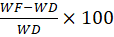
The percentage moisture loss was calculated by.
Moisture loss % = WF-WDWD×100
Content Uniformity Test:
Randomly patches are selected and content in each patch is determined individually. If 9 out of 10 patches have content between 85% to115% of the specified value and one has content not less than 75% to 125% of the specified value, then transdermal patches passes the test of content uniformity. But if 3 patches have content in the range of 75% to 125%, then additional 20 patches are tested for drug content. If these 20 patches have range from 85% to 115%, then the transdermal patches passes the test.
Drug Content:
A specified area of patch is to be dissolved in phosphate buffer solution (pH 7.4). The content was allowed to dissolve in solution. Then the solution is to be filtered through a filter medium and absorbance were measured with the help of UV at wavelength 320nm. Each value represents average of three different samples.
Stability Study:
The developed transdermal patch were sealed in polyethylene coated aluminium foils and kept at 40±0.5? and 75±5%RH for 6 months. The samples are withdrawn at different interval of 0, 30, 60, 90 and 180 days and analysed suitably for the drug content and any physical changes brought about on storage.
RESULT AND DISCUSSION:
Standard Graph of Diclofenac Sodium:
The lambda max of the Diclofenac sodium was found to be 320nm. After the determination of lambda max the calibration curve and absorption are to be evaluated by the UV spectroscopy. The results of the absorption and concentration were given below in the Table 2. Standard graph of diclofenac sodium are shown in Figure 2.
Figure 2: Standard Graph of Diclofenac Sodium.
Table 2: Concentration and Absorption of Diclofenac Sodium.
Sr. No
Concentration(µg/ml)
Absorption
1
2
0.160
2
4
0.310
3
6
0.463
4
8
0.623
5
10
0.790
6
12
0.925
Result of Evaluation Studies
1. Physical Appearance:
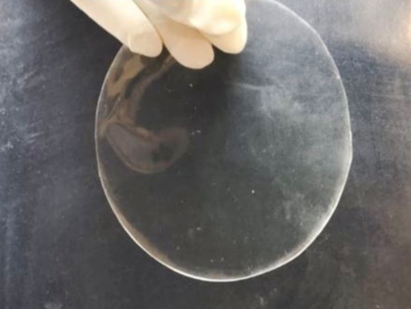
The patch was visually inspected for colour, surface texture, shape. Figure 3 and Table 3. Helps to explain the physical appearance of patch. Transdermal patch cut in 2cm2.
Table 3: Physical Appearance of Patch.
Sr. No
Physical appearance
Result
1
Color
Transparent
2
Surface texture
Smooth
3
Shape
Round
2. Thickness of Patch:
The thickness of the prepared patch was measured by Vernier Calliper. The mean thickness was measured at different point of the film were given in Table 4.
Table 4: Determination of Thickness of Patch.
Sr. No
Sample
Thickness (mm)
1
F1
0.295±0.012
2
F2
0.245±0.09
3
F3
0.259±0.011
The thickness of patch was determined. It was found that F2 (0.2452mm) show less thickness whereas F1 (0.295mm) shows more thickness.
3. Uniformity of Weight:
The quantified area of 2cm2 radius is to be cut at different parts of the patch and weigh in digital balance. The average weight calculated from individual weight are shown in Table 5.
Table 5: Determination of Uniformity of Weight.
Sr. No
Sample
Weight variation (mg)
1
F1
590±0.025
2
F2
598±0.016
3
F3
593±0.017
Uniformity of weight was measured. It was found that F2 (598mg) shows more weight whereas F3(587mg) shows less weight.
4. Folding Endurance:
The folding endurance of the Patches are given below in the Table 6.
Table 6: Determination of Folding Endurance.
Sr. No
Sample
Folding Endurance
1
F1
26±8
2
F2
30±7
3
F3
27±4
Folding endurance of prepared transdermal patches were noted. It was found that more folding endurance value is seen in F2 (30) and less folding endurance value in F3 (27).
Surface pH:
Surface pH of F1 to F3 were determined. The results were tabulated in Table 7.
Table 7: Determination of Surface pH.
Sr. No
Sample
pH
1
F1
6.6±1
2
F2
6.8±1
3
F3
5.9±2
Surface pH was determined and found to be that F2 (6.8) has more pH as compare to other samples.
Swelling Index:
The swelling index at different time interval are given in Table 8 and Table 9.
Table 8: Determination of Swelling Index after 1 hour.
Sr. No
Sample
Swelling Index (%)
1
F1
1.86±0.046
2
F2
2.85±0.032
3
F3
2.33±0.049
Table 9: Determination of Swelling Index after 2 hour.
Sr. No
Sample
Swelling Index (%)
1
F1
2.97±0.083
2
F2
2.23±0.107
3
F3
3.54±0.053
Swelling index after completion of 2 hour was found that F3 has more percentage of swelling index in couple of hour and also film gets erode firstly as compare to other formulated patches.
Moisture Uptake:
Moisture uptake of prepared transdermal patch F1 to F3 were determined.
The results were tabulated in Table 10.
Sr. No
Sample
Moisture uptake
1
F1
2.98%
2
F2
2.11%
3
F3
2.75%
Moisture contents in various formulated patch were determined. It shows that F1 (2.98%) has more moisture content and F2 (2.11%) shows less moisture content.
Moisture Loss:
Moisture loss of prepared transdermal patch F1 to F3 were determined.The results are tabulated in Table 11.
Table 11: Determination of Moisture Loss.
Sr. No
Sample
Moisture Loss
1
F1
0.82%
2
F2
0.79%
3
F3
0.98%
Moisture loss were determined and found that F3 (0.98%) shows more moisture loss and F2 (0.79%) shows less loss in moisture.
Content Uniformity:
Test The Content uniformity of the samples are given below in the Table 12.
Table 12: Determination of Content Uniformity Test.
Sr. No
Sample
Content Uniformity
1
F1
96.4%
2
F2
98%
3
F3
95.0%
Drug Content:
Drug content determination of F1 to F3 formulations were measured spectrophotometrically at 284 nm. The drug content is calculated and results are tabulated in Table 13.
Table 13: Determination of Drug Content.
Sr. No
Sample
Drug content
1
F1
91%
2
F2
98%
3
F3
97%
Drug content were determined. It shows that F2 with (98%) drug content and F1 (91%) shows less drug content.
Stability Studies:
The Stability of the various formulations at different period of time and in different temperature are tabulated below in the Table.14- 17.
Table 14: Stability data after 7 days.
Sr. No
Sample
Temperature ?
2-4?
20-25?
35-40?
1
F1
Stable
Stable
Stable
2
F2
Stable
Stable
Stable
3
F3
Stable
Unstable
Stable
Table 15: Stability data after 14 days.
Sr. No
Sample
Temperature ?
2-4?
20-25?
35-40?
1
F1
Stable
Stable
Unstable
2
F2
Stable
Stable
Stable
3
F3
Stable
Unstable
Unstable
Table 16: Stability data after 21 days.
Sr. No
Sample
Temperature ?
2-4?
20-25?
35-40?
1
F1
Stable
Stable
Unstable
2
F2
Stable
Stable
Stable
3
F3
Unstable
Unstable
Unstable
Table 17: Stability data after 28 days.
Sr. No
Sample
Temperature ?
2-4?
20-25?
35-40?
1
F1
Stable
Stable
Unstable
2
F2
Stable
Stable
Stable
3
F3
Stable
Unstable
Unstable
CONCLUSION:
The development of transdermal patches for diclofenac sodium represents a significant advancement in drug delivery, offering a promising solution to overcome the limitations of conventional oral therapy. By leveraging the advantages of controlled transdermal permeation, these patches provide sustained drug release, improve patient compliance, and minimize adverse gastrointestinal effects. The formulation process necessitates careful selection and optimization of various components, including polymers, plasticizers, and crucial penetration enhancers, tailored to the physicochemical properties of diclofenac sodium. Rigorous evaluation through a battery of in-vitro, ex-vivo, and in-vivo studies is indispensable to ensure the patch's quality, efficacy, safety, and stability. While challenges such as adequate drug permeation across the formidable skin barrier remain, continuous research into novel penetration enhancement strategies and advanced patch designs holds immense potential for developing highly effective and patient-friendly diclofenac sodium transdermal delivery systems.
REFERENCES
Andrew GP, Laverty TP, Jones DS. Mucoadhesive polymeric platforms for controlled drug delivery. European Journal of Pharmaceutics and Biopharmaceutics, 2009; 71(3): 505-1.
Brown MB, Martin GP, Jones SA, Akomeah FK. Dermal and transdermal drug delivery system: current and future prospects. Drug delivery, 2006 Jan 1; 13: 175-87.
Patel RP, Patel G, Baria A. Formulation and evaluation of transdermal patch of aceclofenac. Research Journal of Pharmaceutical Dosage FORM and Technology, 2009; (2): 108-15.
Kusum Devi V, Saisivam S, Maria GR, Deepti PU. Design and evaluation of matrix diffusion controlled transdermal patch of verapamil hydrochloride: Drug Development and industrial pharmacy, 2003 Jan 1; 29(5): 495-503.
Pokala M, Pawarkar K, Tammira KR, Mamidi P, Racha U, Samudrala L. Formulation and evaluation of transdermal patches of salbutamol. World Journal of Pharmacy and Pharmaceutical Sciences, 2016; 5(6): 1358-73.
Latheeshjlal L, Phanitejaswini P, Soujanya Y, Swapna U, Sarika V, Moulika G. Transdermal drug delivery systems: an Overview. Int. J. of Pharm Tech. Res, 2011; 3(4): 2140-8. www.wjpr.net Vol 9, Issue 5, 2020. 1157 Sahu et al. World Journal of Pharmaceutical Research
Rathore B, Mahdi AA, Paul BN, Saxena PN, Das SK. Indian herbal medicines: Possible potent therapeutic agents for rheumatoid arthritis. Journal of clinical biochemistry and nutrition, 2007 Jul; 41(1): 12.
Park YG, Ha CW, Han CD, Bin SI, Kim HC, Jung YB, Lim HC. A prospective, randomized, double-blind, multicenter comparative study on the safety and efficacy of Celecoxib and GCSB-5, dried extracts of six herbs, for the treatment of osteoarthritis of knee joint. Journal of ethnopharmacology, 2013 Oct 7; 149(3): 816-24.
Prausnitz M, Mitragotri S, Langer R. Current status and future potential of transdermal drug delivery. Nature Reviews Drugs discovery, 2004 Feb; 3(2): 115-24.
Díaz?González F, Sánchez?Madrid F. NSAIDs: learning new tricks from old drugs. European journal of immunology, 2015 Mar; 45(3): 679-86.
Newton RF, Roberts SM, editors. Prostaglandins and Thromboxanes: Butterworths Monographs in Chemistry. Butterworth-Heinemann, 2016 Jan 21.
Murthy SN, Shobha R, Hiremath, Paranjothy KL. Evaluation of carboxymethyl guar films for the formulation of transdermal therapeutic systems. International Journal of pharmaceuticals, 2004 Mar 19; 272(1-2): 11–8.
Keith AD. Polymer matrix consideration for transdermal devices. Drug development and industrial pharmacy, 1983 Jan 1; 9(4): 605-25.
Bertocchi P, Antoniella E, Valvo L, Alimonti S, Memoli A. Diclofenac sodium multisource prolonged release tablets- a comparative study on the dissolution profiles. Journal of pharmaceuticals and biomedical analysis, 2005 Apr 1; 37(4): 679-85.
Buritova J, Besson JM. Dose-related antiinflammatory/analgesic effects of lornoxicama: a spinal c-Fos protein study in the rat: Inflammation Research, 1998 Jan 1; 47(1): 18-25.
Begum AS, Sravya AH, Deepak BG, Manasa NG, Srujana M, Uma V, Tejeswari LS, Padmalatha K. Formulation and Evaluation of Fexofenadine Buccal Mucoadhesive Patch of Captopril. Research Journal of Pharmacy and Technology, 2018 Nov 1; 11(11): 4892-8.
Bhilegaonkar SP, Volvoikar SG, Naik AG. Formulation and Evaluation of Bilayer Gastric Mucoadhesive Patch of Captopril. Research Journal of Pharmacy and Technology, 2018 Jun 1; 11(6): 2444-53.
Manoga K, Shilpa TN. Development of Medicated Topical Patches in Transdermal drug delivery system. Research Journal of Pharmacy and Technology, 2018; 11(1): 397-404. www.wjpr.net Vol 9, Issue 5, 2020. 1158 Sahu et al. World Journal of Pharmaceutical Research
Samanthula KS, Satla SR, Bairi AG. Development, In-Vitro and Ex-Vivo Evaluation of Muco-adhesive Buccal patches of Candesartan cilexetil. Research Journal of Pharmacy and Technology, 2019; 12(6): 3038-44.
Lal N, Verma N. Development and Evaluation of Transdermal Patches containing Carvedilol and Effect of Penetration Enhancer on Drug Release. Research Journal of Pharmacy and Technology, 2018 Feb 1; 11(2): 745-52.
Roy A, Wahane A, Karankal S, Sharma P, Khutel D, Singh O, Shardul V, Pitamber, Sabha N, Dewangan J, Dewangan A, Jangde A, Rani C, Sahu T, Tripathi D. K., Agrawal M, Ajazuddin, Sahu G, Alexander A. REVIEW ARTICLE Pharmaceutical Aspects on the Formulations of Hydrogel: An Update. Research Journal of Pharmaceutical Dosage Forms and Technology. January- March, 2018; 1-6.
Kokima M, Kojima T, Suzuki S, Oguchi T, Oba M, Tsuchiya H, et al. Depression, inflammation, and pain in patients with rheumatoid arthritis. Arthritis Rheum, 2009; 61: 1018–24.
Rathbun A, Harrold R, Reed G. A description of patient and rheumatologist-reported depression symptoms in an American rheumatoid arthritis registry population. Clin Exp Rheumatol, 2014; 32: 523–32.
Pincus T, Sokka T, Wolfe F. Premature mortality in patients with rheumatoid arthritis. Arthritis Rheum, 2001; 44: 1234–6.
Dickens C, McGowan L, Clark D, Creed F. Depression in rheumatoid arthritis: a systematic review of the literature with meta-analysis. Psychosom Med, 2002; 64: 52–60.
Van der Helm-van Mil AHM, Verpoort KN, Breedveld FC, Toes REM, Huizinga TWJ. Antibodies to citrullinated proteins and diff erences in clinical progression of rheumatoid arthritis. Arthritis Res Ther, 2005; 7: R949–58.
Van der Woude D, Houwing-Duistermaat JJ, Toes RE, et al. Quantitative heritability of anti-citrullinated protein antibody-positive and anti-citrullinated protein antibody negative rheumatoid arthritis. Arthritis Rheum, 2009; 60: 916–23.
Barton A, Worthington J. Genetic susceptibility to rheumatoid arthritis: an emerging picture. Arthritis Rheum, 2009; 61: 1441–46.
Orozco G, Eyre S, Hinks A, et al. Association of CD40 with rheumatoid arthritis confirmed in a large UK case-control study. Ann Rheum Dis, 2010; 69: 813–16.
Stahl EA, Raychaudhuri S, Remmers EF, et al. Genome-wide association study meta analysis identifies seven new rheumatoid arthritis risk loci. Nat Genet, 2010; 42: 508–14. www.wjpr.net Vol 9, Issue 5, 2020. 1159 Sahu et al. World Journal of Pharmaceutical Research
Plenge RM. Recent progress in rheumatoid arthritis genetics: one step towards improved patient care. Curr Opin Rheumatol, 2009; 21: 262–71.
Sahu G, Sharma H, Gupta A, Kaur C. Review Article Advancements in Microemulsion Based Drug Delivery Systems for Better Therapeutic Effects. International Journal of Pharmaceutical Sciences and Developmental Research, 31 August, 2015; 1-8.
Tanner T, Marks R. Delivering drugs by the transdermal route: review and comment. Skin Research and Technology, 2008 Aug; 14(3): 249-60.
Irfan M, Verma S, Ram A. Preparation and characterization of ibuprofen loaded transferosome as a novel carrier for transdermal drug delivery system. Asian journal of pharmaceutical and clinical research, 2012; 5(3): 162-5.
Saroha K, Yadav B, Sharma B. Transdermal patch: a discrete dosage form. Int J Curr Pharm Res, 2011; 3(3): 98-108.
Graf BA, Milbury PE, Blumberg JB. Flavonols, flavones, flavanones, and human health: epidemiological evidence. Journal of medicinal food, 2005 Sep 1; 8(3): 281-90.
Darwhekar G, Jain DK, Patidar VK. Formulation and evaluation of transdermal drug delivery system of clopidogrel bisulfate. Asian J. Pharm. Life Sci. ISSN, 2011; 2231: 4423.
Karthik V, Saravanan K, Bharathi P, Dharanya V, Meiaraj C. An overview of treatments for the removal of textile dyes. Journal of Chemical and Pharmaceutical Sciences, 2014; 7(4): 301-7.
Selvam RP, Singh AK, Sivakumar T. Transdermal drug delivery systems for antihypertensive drugs-A review. Int J Pharm Biomed Res, 2010 Feb; 1(1): 1-8.
Shah SS, Rahul J, Prabhakar P. Formulation and evaluation of transdermal patches of papaverine hydrochloride. Asian Journal of Pharmaceutics (AJP): Free full text articles from Asian J Pharm, 2014 Sep 24; 4(1).
Chen X, Peng L, Gao J. Novel topical drug delivery systems and their potential use in scars treatment. Asian Journal of Pharmaceutical Sciences, 2012 Jun 1; 7(3).
Pamornpathomkul B, Duangjit S, Laohapatarapant S, Rojanarata T, Opanasopit P, Ngawhirunpat T. Transdermal delivery of fluorescein isothiocyanate-dextrans using the combination of microneedles and low-frequency sonophoresis. asian journal of pharmaceutical sciences, 2015 Oct 1; 10(5): 415-24.
David, SR, Rajabalaya R, Zhia ES. Development and in vitro evaluation of self-adhesive matrix type transdermal delivery system of ondansetron hydrochloride. Tropical Journal of Pharmaceutical Research, 2015; 14(2): 211-8. www.wjpr.net Vol 9, Issue 5, 2020. 1160 Sahu et al. World Journal of Pharmaceutical Research
Gowda DV, Rajesh N, Somashekhara CN. Siddaramaiah. Development and evaluation of aceclofenac loaded transdermal film. Int. J. Pharm Tech Res, 2010; 2: 2224-33.
Patel RP, Patel G, Baria A. Formulation and evaluation of transdermal patch of Aceclofenac. International Journal of Drug Delivery, 2010; 1: 41-51.
Gaikwad AK. Transdermal drug delivery system: Formulation aspects and evaluation. Comprehensive Journal of Pharmaceutical Science, 2013 Feb; 1(1): 1-10.
Sanap GS, Dama GY, Hande AS, Karpe SP, Nalawade SV, Kakade RS, et al. Preparation of transdermal monolithic systems of indapamide by solvent casting method and the use of vegetable oils as permeation enhancer: Int J Green Pharm, 2008; 2: 129-33.
Murthy TEGK, Kishore VS. Effect of casting solvent on permeability of antihypertensive drugs through ethyl cellulose films: J Sci Ind Res, 2008; 67: 147-50.
Kumar SS, Behury B, Sachinkumar P. Formulation and evaluation of transdermal patch of Stavudine. Dhake University Journal of Pharmaceutical Sciences, 2013 Sep 2; 12(1): 63-69.
Barhate SD, Potdar MB. Formulation of transdermal patch of Carvedilol by using novel polymers. Pharmacia, 2012; 2: 185-9.
Bhavani PP, Kumar PR, Shankar RK, Santosh T. Formulation and evaluation studies on transdermal dosage forms of diclofenac sodium. World J Pharm Pharm Sci, 2015; 4: 1043-63.
Patel VM, Prajapati BG, Patel MM. Effect of hydrophilic polymer on buccoadhesive Eudragit patchs of propranolol hydrochloride using factorial design. AAPS Pharm Sci Tech, 2007 jun 1; 8(2): E119-26.
Ammar HO, Ghorab M, El-Nahhas SA, Kamel R. Polymeric matrix system for prolonged delivery of tramadol hydrochloride, part ?: physicochemical evaluation. Aaps Pharma Sci Tech, 2009 Mar 1; 10(1): 7-20.
Pichayakorn W, Suksaeree J, Boonme P, Amnuaikit T, Taweepreda W, Ritthidej GC. Nicotine transdermal patches using polymeric natural rubber as the matrix controlling system: effects of polymer and plasticizer blends. Journal of membrane science, 2012 Sep 1; 411: 81-90.
Ubaidulla U, Reddy MV, Ruckmani K, Ahmad FJ, Khar RK. Transdermal therapeutic system of carvedilol: effect of hydrophilic and hydrophobic matrix on in vitro and in vivo characteristics. AAPS Pharm Sci Tech, 2007 Mar 1; 8(1): E13-20. www.wjpr.net Vol 9, Issue 5, 2020. 1161 Sahu et al. World Journal of Pharmaceutical Research
Keleb E, Sharma RK, Mosa EB, Aljahwi A-AZ. Transdermal drug delivery system- design and evaluation. International Journal of Advances in Pharmaceutical Sciences, 2010; 1: 201-211.
Aggarwal G, Dhawan S. Development, fabrication and evaluation of transdermal drug delivery system –A review. Pharmainfo.net, 2009; 7(5): 1-28.
Prajapati ST, Patel CG, Patel CN. Formulation and evaluation of transdermal patch of repaglinide. ISRN pharmaceutics, 2011 Jul 20; 2011.
Vyas SP, Khar RK. Targetted and controlled drug delivery novel carrier system. 1st ed. CBS Publisher and distributors New Delhi, 2002; 411-447.
Vyas SP, Khar RK. Targetted and controlled drug delivery novel carrier system. 1st ed. CBS Publisher and distributors New Delhi, 2002; 411-447.
Santoyo S, Arellano A, Ygartua P, Martin C. Penetration enhancer effects on the in vitro percutaneous absorption of piroxicam through rat skin. International Journal of Pharmaceuticals, 1995 Apr 18; 117(2): 219-24.
Dureja H, Tiwary AK, Gupta S. Simulation of skin permeability in chitosan membranes. International Journal of Pharmaceuticals, 2001 Feb 1; 213(1-2): 193-8.
Ellaithy HM, El-Shaboury KM. The development of Cutina lipogels and gels microemulsion for topical administration of fluconazole. Aaps Pharmscitech, 2002 Feb 1; 3(4): 77-85.
Ansari N, Bharti R, N. Abdul Kader N.S, Mandavi N, Verma S, Kaur C.D, Sahu G and Sharma H. Review article skin penetration enhancement in novel drug delivery system. World journal of pharmacy and pharmaceutical sciences, 2018; 6: 1-19.
Tripathi S, Sahu U, Meshram J, Kumari R, Tripathi D.K , Ajazuddin, Alexander A, Sharma H, Sahu G. Research article Formulation and characterization of virgin coconut oil emulsion (vcoe) for treatment of alzheimer’s disease. Research Journal of Pharmaceutical Dosage Forms and Technology, 2018; (02): 1-6.
Gupta S, Sahu G, Sharma M, Chandrakar S, Sahu V, Sharma G, Dewangan K Solanki H, Majumdar M, Tripathi D.K, Alexander A, Ajazuddin. Preparation and Optimization of floating microbeads of ciprofloxacin HCl. Research J. Pharm. and Tech, 2016; 9(7): 1-5.
Dapurkar V, Sahu G, Sharma H, Meshram S, Rai G. Research Article Anti-Arthritic Activity of Roots Extract of Boerhaavia Diffusa in Adjuvant Induced Arthritis Rats. Scholars Academic Journal of Pharmacy (SAJP). Sch. Acad. J. Pharm, 2013; 2(2): 107-109. www.wjpr.net Vol 9, Issue 5, 2020. 1162 Sahu et al. World Journal of Pharmaceutical Research
Sahu G, Sharma H, Gupta A, Kaur C. Review Article Advancements in Microemulsion Based Drug Delivery Systems for Better Therapeutic Effects. International Journal of Pharmaceutical Sciences and Developmental Research, 2015; 1-8.
Kader N S A, Ansari N, Bharti R, Mandavi N, Sahu G, Jha A K, Sharma H; Review article; Novel Approaches for Colloidal Drug Delivery System: Nanoemulsion; Research Journal of Pharmaceutical Dosage Forms and Technology, 2018; 10(4).
Sharma H, Dapurkar V K, Rai G, Sahu G K; Research article; Microemulsions for the Topical Administration of 5-Fluorouracil: Preparation and Evaluation Research J. Pharm. and Tech, 2012; 5(8).
Mandavi N, Ansari N, Barti R, Kader S A, Sahu G, Sharma H; Review article, Microemulsion: A Potential Novel Drug Delivery System; Research Journal of Pharmaceutical Dosage Forms and Technology, 2018; 10(4).
Sahu S k, Ajazuddin, Banjare T, Gupta S, Bhandarkar A, Sahu H, Diwedi S.D, Sahu P, Agrawal P, Yadav P, Bhatt A, Sahu K, Dewangan D, Thapa H, Deepika, Sahu G, Sharma M, Tripathi D.K., Alexander A; Research article; Formulation and evaluation of orodispersible tablet of montelukast sodium; Research J. Pharm. and Tech, March 2018; 11(3).
Sahu, G., Sharma H, Dapurkar V, Rai G; Research article; Development And Evaluation of Methotraxate Loaded BSA Microspheres; Int. Res J Pharm. App Sci, 2012; 2(5): 9-12.
Sahu G, Sharma H, Kaur C.D., Review article; A Novel Approach of Magnetic Modulated Microspheres; Asian J. Pharm. Res, 2013; 3
Prausnitz, M. R., & Langer, R. (2008). Transdermal drug delivery. Nature Biotechnology, 26(11), 1261-1268.
Barry, B. W. (2001). Novel mechanisms in dermal and transdermal drug delivery. Journal of controlled release, 71(1), 25-34.
Keshary, P. R., & Sahoo, C. K. (2015). A review on transdermal drug delivery system. International Journal of Pharmaceutical Sciences Review and Research, 31(2), 261-267.
Todd, P. A., & Sorkin, E. M. (1988). Diclofenac sodium. A reappraisal of its pharmacodynamic and pharmacokinetic properties, and therapeutic efficacy. Drugs, 35(3), 244-285.
Willis, J. V., & Kendall, M. J. (1988). The pharmacokinetics of diclofenac sodium in healthy volunteers. European Journal of Clinical Pharmacology, 35(3), 299-302.
Kanikkannan, N. (2002). Skin penetration enhancers in transdermal drug delivery. Journal of Clinical Pharmacology, 42(S1), 74S-80S.
Modified from standard pharmaceutical formulation and analytical textbooks (e.g., Lachman, L., Lieberman, H. A., & Kanig, J. L. (1987). The Theory and Practice of Industrial Pharmacy. Lea & Febiger; Aulton, M. E. (2007). Aulton's Pharmaceutics The Design and Manufacture of Medicines. Churchill Livingstone Elsevier).
ICH Harmonised Tripartite Guideline (1996). Stability Testing of New Drug Substances and Products Q1A (R2). International Conference on Harmonisation of Technical Requirements for Registration of Pharmaceuticals for Human Use.
Goyal A, Kumar S, Nagpal M, Singh I, Arora S (2011) Potential of Novel Drug Delivery Systems for Herbal Drugs. Indian Journal of pharmaceutical Research and Education 45(3): 225-235.
Archer HK, Pettit MS (1997) Analgesic and antiphlogistic compositions and therapeutic wrap for topical delivery.
Ghulaxe C, Verma R (2015) A review on transdermal drug delivery system. The Pharma Innovation Journal 4(1): 37-43.
Rathore B, Mahidi AA, Paul BN, Saxena PN, Das SK (2007) Indian herbal medicines: possible potent therapeutic agents for rheumatoid arthritis. Journal of Clinical Biochemistry and Nutrition. 41(1): 12-17.
Park YG, Ha CW, Han D, Bin S, Kim HC, et al. (2013) A prospective, randomized, double-blind, multicenter comparative study on the safety and efficacy of Celecoxib and GCSB-5,dried extracts of six herbs, 003 for the treatment of of osteoarthritis of knee joint. J Ethnopharmacol 149(3): 816-824.
Sahoo BJ, Mishra AN (2013) Formulation and evaluation of transdermal patches of diclofenac. World Journal of Pharmacy and Pharmaceutical Sciences 2(6): 4965-4971.
Gowda DV, Rajesh N, Somashekhara CN, Siddaramaiah (2010) Development and evaluation of Aceclofenac loaded transdermal film. International Journal of Pharmtech Research 2(4): 2224-2233.
Patel RP, Patel G, Baria A (2009) Formulation and evaluation of transdermal patch of Aceclofenac. International Journal of Drug Delivery 1: 41-51.
Gaikwad AK (2013) Transdermal drug delivery system: formulation aspects and evaluation. J Pharm Sci 1(1): 1-10.
Santosh G, Dhaval P, Mantesh K, Ajay S, Vital V (2009) Formulation and evaluation of matrix type transdermal patches of Glibenclamide. Int J of Pharmaceutical Sciences and Drug Research 1(1): 46-50.
Kumar SS, Behury B, Sachinkumar P (2013) Formulation and evaluation of transdermal patch of Stavudine. J Pharm Sci 12(1): 63-69.
Prabhakar P, Shah S, Gundad (2011) Formulation development and investigation of Domperidone transdermal patches. Int J of Pharm Investig 1(4): 240-246.
Jadhav RT, Kasture PV, Gattani SG, Surana SJ (2009) Formulation and evaluation of transdermal films of diclofenac sodium. Int.J. Pharmtech Res 1(4): 1507-1511.
Murthy SN, Rani S, Hiremath R (2001) Formulation and evaluation of controlled release transdermal patches of theophylline-salbutamol sulphate. Indian Journal of Pharmaceutical Education and Research 27(2): 1057-1062.
Saxena M, Mutalik S, Reddy MS (2006) Formulation and evaluation of transdermal patches of metoclopramide hydrochloride. Indian drugs 43(9): 740-745.
Mali AD, Bathe R, Patil M (2015) An updated review on transdermal drug delivery systems. International Journal of Advances in Scientific Research 1(06): 244-254.
Darwhekar G, Jain DK, Patidar PK (2011) Formulation and evaluation of transdermal drug delivery system of Clopidogrel bisulfate. Asian Journal of Pharmacy and Life Science 1(3): 26.
Prajapati ST, Patel CG, Patel CN (2011) Formulation and Evaluation of transdermal Patch of repaglinide. ISRN Pharma 2: 65-78
Reference
Andrew GP, Laverty TP, Jones DS. Mucoadhesive polymeric platforms for controlled drug delivery. European Journal of Pharmaceutics and Biopharmaceutics, 2009; 71(3): 505-1.
Brown MB, Martin GP, Jones SA, Akomeah FK. Dermal and transdermal drug delivery system: current and future prospects. Drug delivery, 2006 Jan 1; 13: 175-87.
Patel RP, Patel G, Baria A. Formulation and evaluation of transdermal patch of aceclofenac. Research Journal of Pharmaceutical Dosage FORM and Technology, 2009; (2): 108-15.
Kusum Devi V, Saisivam S, Maria GR, Deepti PU. Design and evaluation of matrix diffusion controlled transdermal patch of verapamil hydrochloride: Drug Development and industrial pharmacy, 2003 Jan 1; 29(5): 495-503.
Pokala M, Pawarkar K, Tammira KR, Mamidi P, Racha U, Samudrala L. Formulation and evaluation of transdermal patches of salbutamol. World Journal of Pharmacy and Pharmaceutical Sciences, 2016; 5(6): 1358-73.
Latheeshjlal L, Phanitejaswini P, Soujanya Y, Swapna U, Sarika V, Moulika G. Transdermal drug delivery systems: an Overview. Int. J. of Pharm Tech. Res, 2011; 3(4): 2140-8. www.wjpr.net Vol 9, Issue 5, 2020. 1157 Sahu et al. World Journal of Pharmaceutical Research
Rathore B, Mahdi AA, Paul BN, Saxena PN, Das SK. Indian herbal medicines: Possible potent therapeutic agents for rheumatoid arthritis. Journal of clinical biochemistry and nutrition, 2007 Jul; 41(1): 12.
Park YG, Ha CW, Han CD, Bin SI, Kim HC, Jung YB, Lim HC. A prospective, randomized, double-blind, multicenter comparative study on the safety and efficacy of Celecoxib and GCSB-5, dried extracts of six herbs, for the treatment of osteoarthritis of knee joint. Journal of ethnopharmacology, 2013 Oct 7; 149(3): 816-24.
Prausnitz M, Mitragotri S, Langer R. Current status and future potential of transdermal drug delivery. Nature Reviews Drugs discovery, 2004 Feb; 3(2): 115-24.
Díaz?González F, Sánchez?Madrid F. NSAIDs: learning new tricks from old drugs. European journal of immunology, 2015 Mar; 45(3): 679-86.
Newton RF, Roberts SM, editors. Prostaglandins and Thromboxanes: Butterworths Monographs in Chemistry. Butterworth-Heinemann, 2016 Jan 21.
Murthy SN, Shobha R, Hiremath, Paranjothy KL. Evaluation of carboxymethyl guar films for the formulation of transdermal therapeutic systems. International Journal of pharmaceuticals, 2004 Mar 19; 272(1-2): 11–8.
Keith AD. Polymer matrix consideration for transdermal devices. Drug development and industrial pharmacy, 1983 Jan 1; 9(4): 605-25.
Bertocchi P, Antoniella E, Valvo L, Alimonti S, Memoli A. Diclofenac sodium multisource prolonged release tablets- a comparative study on the dissolution profiles. Journal of pharmaceuticals and biomedical analysis, 2005 Apr 1; 37(4): 679-85.
Buritova J, Besson JM. Dose-related antiinflammatory/analgesic effects of lornoxicama: a spinal c-Fos protein study in the rat: Inflammation Research, 1998 Jan 1; 47(1): 18-25.
Begum AS, Sravya AH, Deepak BG, Manasa NG, Srujana M, Uma V, Tejeswari LS, Padmalatha K. Formulation and Evaluation of Fexofenadine Buccal Mucoadhesive Patch of Captopril. Research Journal of Pharmacy and Technology, 2018 Nov 1; 11(11): 4892-8.
Bhilegaonkar SP, Volvoikar SG, Naik AG. Formulation and Evaluation of Bilayer Gastric Mucoadhesive Patch of Captopril. Research Journal of Pharmacy and Technology, 2018 Jun 1; 11(6): 2444-53.
Manoga K, Shilpa TN. Development of Medicated Topical Patches in Transdermal drug delivery system. Research Journal of Pharmacy and Technology, 2018; 11(1): 397-404. www.wjpr.net Vol 9, Issue 5, 2020. 1158 Sahu et al. World Journal of Pharmaceutical Research
Samanthula KS, Satla SR, Bairi AG. Development, In-Vitro and Ex-Vivo Evaluation of Muco-adhesive Buccal patches of Candesartan cilexetil. Research Journal of Pharmacy and Technology, 2019; 12(6): 3038-44.
Lal N, Verma N. Development and Evaluation of Transdermal Patches containing Carvedilol and Effect of Penetration Enhancer on Drug Release. Research Journal of Pharmacy and Technology, 2018 Feb 1; 11(2): 745-52.
Roy A, Wahane A, Karankal S, Sharma P, Khutel D, Singh O, Shardul V, Pitamber, Sabha N, Dewangan J, Dewangan A, Jangde A, Rani C, Sahu T, Tripathi D. K., Agrawal M, Ajazuddin, Sahu G, Alexander A. REVIEW ARTICLE Pharmaceutical Aspects on the Formulations of Hydrogel: An Update. Research Journal of Pharmaceutical Dosage Forms and Technology. January- March, 2018; 1-6.
Kokima M, Kojima T, Suzuki S, Oguchi T, Oba M, Tsuchiya H, et al. Depression, inflammation, and pain in patients with rheumatoid arthritis. Arthritis Rheum, 2009; 61: 1018–24.
Rathbun A, Harrold R, Reed G. A description of patient and rheumatologist-reported depression symptoms in an American rheumatoid arthritis registry population. Clin Exp Rheumatol, 2014; 32: 523–32.
Pincus T, Sokka T, Wolfe F. Premature mortality in patients with rheumatoid arthritis. Arthritis Rheum, 2001; 44: 1234–6.
Dickens C, McGowan L, Clark D, Creed F. Depression in rheumatoid arthritis: a systematic review of the literature with meta-analysis. Psychosom Med, 2002; 64: 52–60.
Van der Helm-van Mil AHM, Verpoort KN, Breedveld FC, Toes REM, Huizinga TWJ. Antibodies to citrullinated proteins and diff erences in clinical progression of rheumatoid arthritis. Arthritis Res Ther, 2005; 7: R949–58.
Van der Woude D, Houwing-Duistermaat JJ, Toes RE, et al. Quantitative heritability of anti-citrullinated protein antibody-positive and anti-citrullinated protein antibody negative rheumatoid arthritis. Arthritis Rheum, 2009; 60: 916–23.
Barton A, Worthington J. Genetic susceptibility to rheumatoid arthritis: an emerging picture. Arthritis Rheum, 2009; 61: 1441–46.
Orozco G, Eyre S, Hinks A, et al. Association of CD40 with rheumatoid arthritis confirmed in a large UK case-control study. Ann Rheum Dis, 2010; 69: 813–16.
Stahl EA, Raychaudhuri S, Remmers EF, et al. Genome-wide association study meta analysis identifies seven new rheumatoid arthritis risk loci. Nat Genet, 2010; 42: 508–14. www.wjpr.net Vol 9, Issue 5, 2020. 1159 Sahu et al. World Journal of Pharmaceutical Research
Plenge RM. Recent progress in rheumatoid arthritis genetics: one step towards improved patient care. Curr Opin Rheumatol, 2009; 21: 262–71.
Sahu G, Sharma H, Gupta A, Kaur C. Review Article Advancements in Microemulsion Based Drug Delivery Systems for Better Therapeutic Effects. International Journal of Pharmaceutical Sciences and Developmental Research, 31 August, 2015; 1-8.
Tanner T, Marks R. Delivering drugs by the transdermal route: review and comment. Skin Research and Technology, 2008 Aug; 14(3): 249-60.
Irfan M, Verma S, Ram A. Preparation and characterization of ibuprofen loaded transferosome as a novel carrier for transdermal drug delivery system. Asian journal of pharmaceutical and clinical research, 2012; 5(3): 162-5.
Saroha K, Yadav B, Sharma B. Transdermal patch: a discrete dosage form. Int J Curr Pharm Res, 2011; 3(3): 98-108.
Graf BA, Milbury PE, Blumberg JB. Flavonols, flavones, flavanones, and human health: epidemiological evidence. Journal of medicinal food, 2005 Sep 1; 8(3): 281-90.
Darwhekar G, Jain DK, Patidar VK. Formulation and evaluation of transdermal drug delivery system of clopidogrel bisulfate. Asian J. Pharm. Life Sci. ISSN, 2011; 2231: 4423.
Karthik V, Saravanan K, Bharathi P, Dharanya V, Meiaraj C. An overview of treatments for the removal of textile dyes. Journal of Chemical and Pharmaceutical Sciences, 2014; 7(4): 301-7.
Selvam RP, Singh AK, Sivakumar T. Transdermal drug delivery systems for antihypertensive drugs-A review. Int J Pharm Biomed Res, 2010 Feb; 1(1): 1-8.
Shah SS, Rahul J, Prabhakar P. Formulation and evaluation of transdermal patches of papaverine hydrochloride. Asian Journal of Pharmaceutics (AJP): Free full text articles from Asian J Pharm, 2014 Sep 24; 4(1).
Chen X, Peng L, Gao J. Novel topical drug delivery systems and their potential use in scars treatment. Asian Journal of Pharmaceutical Sciences, 2012 Jun 1; 7(3).
Pamornpathomkul B, Duangjit S, Laohapatarapant S, Rojanarata T, Opanasopit P, Ngawhirunpat T. Transdermal delivery of fluorescein isothiocyanate-dextrans using the combination of microneedles and low-frequency sonophoresis. asian journal of pharmaceutical sciences, 2015 Oct 1; 10(5): 415-24.
David, SR, Rajabalaya R, Zhia ES. Development and in vitro evaluation of self-adhesive matrix type transdermal delivery system of ondansetron hydrochloride. Tropical Journal of Pharmaceutical Research, 2015; 14(2): 211-8. www.wjpr.net Vol 9, Issue 5, 2020. 1160 Sahu et al. World Journal of Pharmaceutical Research
Gowda DV, Rajesh N, Somashekhara CN. Siddaramaiah. Development and evaluation of aceclofenac loaded transdermal film. Int. J. Pharm Tech Res, 2010; 2: 2224-33.
Patel RP, Patel G, Baria A. Formulation and evaluation of transdermal patch of Aceclofenac. International Journal of Drug Delivery, 2010; 1: 41-51.
Gaikwad AK. Transdermal drug delivery system: Formulation aspects and evaluation. Comprehensive Journal of Pharmaceutical Science, 2013 Feb; 1(1): 1-10.
Sanap GS, Dama GY, Hande AS, Karpe SP, Nalawade SV, Kakade RS, et al. Preparation of transdermal monolithic systems of indapamide by solvent casting method and the use of vegetable oils as permeation enhancer: Int J Green Pharm, 2008; 2: 129-33.
Murthy TEGK, Kishore VS. Effect of casting solvent on permeability of antihypertensive drugs through ethyl cellulose films: J Sci Ind Res, 2008; 67: 147-50.
Kumar SS, Behury B, Sachinkumar P. Formulation and evaluation of transdermal patch of Stavudine. Dhake University Journal of Pharmaceutical Sciences, 2013 Sep 2; 12(1): 63-69.
Barhate SD, Potdar MB. Formulation of transdermal patch of Carvedilol by using novel polymers. Pharmacia, 2012; 2: 185-9.
Bhavani PP, Kumar PR, Shankar RK, Santosh T. Formulation and evaluation studies on transdermal dosage forms of diclofenac sodium. World J Pharm Pharm Sci, 2015; 4: 1043-63.
Patel VM, Prajapati BG, Patel MM. Effect of hydrophilic polymer on buccoadhesive Eudragit patchs of propranolol hydrochloride using factorial design. AAPS Pharm Sci Tech, 2007 jun 1; 8(2): E119-26.
Ammar HO, Ghorab M, El-Nahhas SA, Kamel R. Polymeric matrix system for prolonged delivery of tramadol hydrochloride, part ?: physicochemical evaluation. Aaps Pharma Sci Tech, 2009 Mar 1; 10(1): 7-20.
Pichayakorn W, Suksaeree J, Boonme P, Amnuaikit T, Taweepreda W, Ritthidej GC. Nicotine transdermal patches using polymeric natural rubber as the matrix controlling system: effects of polymer and plasticizer blends. Journal of membrane science, 2012 Sep 1; 411: 81-90.
Ubaidulla U, Reddy MV, Ruckmani K, Ahmad FJ, Khar RK. Transdermal therapeutic system of carvedilol: effect of hydrophilic and hydrophobic matrix on in vitro and in vivo characteristics. AAPS Pharm Sci Tech, 2007 Mar 1; 8(1): E13-20. www.wjpr.net Vol 9, Issue 5, 2020. 1161 Sahu et al. World Journal of Pharmaceutical Research
Keleb E, Sharma RK, Mosa EB, Aljahwi A-AZ. Transdermal drug delivery system- design and evaluation. International Journal of Advances in Pharmaceutical Sciences, 2010; 1: 201-211.
Aggarwal G, Dhawan S. Development, fabrication and evaluation of transdermal drug delivery system –A review. Pharmainfo.net, 2009; 7(5): 1-28.
Prajapati ST, Patel CG, Patel CN. Formulation and evaluation of transdermal patch of repaglinide. ISRN pharmaceutics, 2011 Jul 20; 2011.
Vyas SP, Khar RK. Targetted and controlled drug delivery novel carrier system. 1st ed. CBS Publisher and distributors New Delhi, 2002; 411-447.
Vyas SP, Khar RK. Targetted and controlled drug delivery novel carrier system. 1st ed. CBS Publisher and distributors New Delhi, 2002; 411-447.
Santoyo S, Arellano A, Ygartua P, Martin C. Penetration enhancer effects on the in vitro percutaneous absorption of piroxicam through rat skin. International Journal of Pharmaceuticals, 1995 Apr 18; 117(2): 219-24.
Dureja H, Tiwary AK, Gupta S. Simulation of skin permeability in chitosan membranes. International Journal of Pharmaceuticals, 2001 Feb 1; 213(1-2): 193-8.
Ellaithy HM, El-Shaboury KM. The development of Cutina lipogels and gels microemulsion for topical administration of fluconazole. Aaps Pharmscitech, 2002 Feb 1; 3(4): 77-85.
Ansari N, Bharti R, N. Abdul Kader N.S, Mandavi N, Verma S, Kaur C.D, Sahu G and Sharma H. Review article skin penetration enhancement in novel drug delivery system. World journal of pharmacy and pharmaceutical sciences, 2018; 6: 1-19.
Tripathi S, Sahu U, Meshram J, Kumari R, Tripathi D.K , Ajazuddin, Alexander A, Sharma H, Sahu G. Research article Formulation and characterization of virgin coconut oil emulsion (vcoe) for treatment of alzheimer’s disease. Research Journal of Pharmaceutical Dosage Forms and Technology, 2018; (02): 1-6.
Gupta S, Sahu G, Sharma M, Chandrakar S, Sahu V, Sharma G, Dewangan K Solanki H, Majumdar M, Tripathi D.K, Alexander A, Ajazuddin. Preparation and Optimization of floating microbeads of ciprofloxacin HCl. Research J. Pharm. and Tech, 2016; 9(7): 1-5.
Dapurkar V, Sahu G, Sharma H, Meshram S, Rai G. Research Article Anti-Arthritic Activity of Roots Extract of Boerhaavia Diffusa in Adjuvant Induced Arthritis Rats. Scholars Academic Journal of Pharmacy (SAJP). Sch. Acad. J. Pharm, 2013; 2(2): 107-109. www.wjpr.net Vol 9, Issue 5, 2020. 1162 Sahu et al. World Journal of Pharmaceutical Research
Sahu G, Sharma H, Gupta A, Kaur C. Review Article Advancements in Microemulsion Based Drug Delivery Systems for Better Therapeutic Effects. International Journal of Pharmaceutical Sciences and Developmental Research, 2015; 1-8.
Kader N S A, Ansari N, Bharti R, Mandavi N, Sahu G, Jha A K, Sharma H; Review article; Novel Approaches for Colloidal Drug Delivery System: Nanoemulsion; Research Journal of Pharmaceutical Dosage Forms and Technology, 2018; 10(4).
Sharma H, Dapurkar V K, Rai G, Sahu G K; Research article; Microemulsions for the Topical Administration of 5-Fluorouracil: Preparation and Evaluation Research J. Pharm. and Tech, 2012; 5(8).
Mandavi N, Ansari N, Barti R, Kader S A, Sahu G, Sharma H; Review article, Microemulsion: A Potential Novel Drug Delivery System; Research Journal of Pharmaceutical Dosage Forms and Technology, 2018; 10(4).
Sahu S k, Ajazuddin, Banjare T, Gupta S, Bhandarkar A, Sahu H, Diwedi S.D, Sahu P, Agrawal P, Yadav P, Bhatt A, Sahu K, Dewangan D, Thapa H, Deepika, Sahu G, Sharma M, Tripathi D.K., Alexander A; Research article; Formulation and evaluation of orodispersible tablet of montelukast sodium; Research J. Pharm. and Tech, March 2018; 11(3).
Sahu, G., Sharma H, Dapurkar V, Rai G; Research article; Development And Evaluation of Methotraxate Loaded BSA Microspheres; Int. Res J Pharm. App Sci, 2012; 2(5): 9-12.
Sahu G, Sharma H, Kaur C.D., Review article; A Novel Approach of Magnetic Modulated Microspheres; Asian J. Pharm. Res, 2013; 3
Prausnitz, M. R., & Langer, R. (2008). Transdermal drug delivery. Nature Biotechnology, 26(11), 1261-1268.
Barry, B. W. (2001). Novel mechanisms in dermal and transdermal drug delivery. Journal of controlled release, 71(1), 25-34.
Keshary, P. R., & Sahoo, C. K. (2015). A review on transdermal drug delivery system. International Journal of Pharmaceutical Sciences Review and Research, 31(2), 261-267.
Todd, P. A., & Sorkin, E. M. (1988). Diclofenac sodium. A reappraisal of its pharmacodynamic and pharmacokinetic properties, and therapeutic efficacy. Drugs, 35(3), 244-285.
Willis, J. V., & Kendall, M. J. (1988). The pharmacokinetics of diclofenac sodium in healthy volunteers. European Journal of Clinical Pharmacology, 35(3), 299-302.
Kanikkannan, N. (2002). Skin penetration enhancers in transdermal drug delivery. Journal of Clinical Pharmacology, 42(S1), 74S-80S.
Modified from standard pharmaceutical formulation and analytical textbooks (e.g., Lachman, L., Lieberman, H. A., & Kanig, J. L. (1987). The Theory and Practice of Industrial Pharmacy. Lea & Febiger; Aulton, M. E. (2007). Aulton's Pharmaceutics The Design and Manufacture of Medicines. Churchill Livingstone Elsevier).
ICH Harmonised Tripartite Guideline (1996). Stability Testing of New Drug Substances and Products Q1A (R2). International Conference on Harmonisation of Technical Requirements for Registration of Pharmaceuticals for Human Use.
Goyal A, Kumar S, Nagpal M, Singh I, Arora S (2011) Potential of Novel Drug Delivery Systems for Herbal Drugs. Indian Journal of pharmaceutical Research and Education 45(3): 225-235.
Archer HK, Pettit MS (1997) Analgesic and antiphlogistic compositions and therapeutic wrap for topical delivery.
Ghulaxe C, Verma R (2015) A review on transdermal drug delivery system. The Pharma Innovation Journal 4(1): 37-43.
Rathore B, Mahidi AA, Paul BN, Saxena PN, Das SK (2007) Indian herbal medicines: possible potent therapeutic agents for rheumatoid arthritis. Journal of Clinical Biochemistry and Nutrition. 41(1): 12-17.
Park YG, Ha CW, Han D, Bin S, Kim HC, et al. (2013) A prospective, randomized, double-blind, multicenter comparative study on the safety and efficacy of Celecoxib and GCSB-5,dried extracts of six herbs, 003 for the treatment of of osteoarthritis of knee joint. J Ethnopharmacol 149(3): 816-824.
Sahoo BJ, Mishra AN (2013) Formulation and evaluation of transdermal patches of diclofenac. World Journal of Pharmacy and Pharmaceutical Sciences 2(6): 4965-4971.
Gowda DV, Rajesh N, Somashekhara CN, Siddaramaiah (2010) Development and evaluation of Aceclofenac loaded transdermal film. International Journal of Pharmtech Research 2(4): 2224-2233.
Patel RP, Patel G, Baria A (2009) Formulation and evaluation of transdermal patch of Aceclofenac. International Journal of Drug Delivery 1: 41-51.
Gaikwad AK (2013) Transdermal drug delivery system: formulation aspects and evaluation. J Pharm Sci 1(1): 1-10.
Santosh G, Dhaval P, Mantesh K, Ajay S, Vital V (2009) Formulation and evaluation of matrix type transdermal patches of Glibenclamide. Int J of Pharmaceutical Sciences and Drug Research 1(1): 46-50.
Kumar SS, Behury B, Sachinkumar P (2013) Formulation and evaluation of transdermal patch of Stavudine. J Pharm Sci 12(1): 63-69.
Prabhakar P, Shah S, Gundad (2011) Formulation development and investigation of Domperidone transdermal patches. Int J of Pharm Investig 1(4): 240-246.
Jadhav RT, Kasture PV, Gattani SG, Surana SJ (2009) Formulation and evaluation of transdermal films of diclofenac sodium. Int.J. Pharmtech Res 1(4): 1507-1511.
Murthy SN, Rani S, Hiremath R (2001) Formulation and evaluation of controlled release transdermal patches of theophylline-salbutamol sulphate. Indian Journal of Pharmaceutical Education and Research 27(2): 1057-1062.
Saxena M, Mutalik S, Reddy MS (2006) Formulation and evaluation of transdermal patches of metoclopramide hydrochloride. Indian drugs 43(9): 740-745.
Mali AD, Bathe R, Patil M (2015) An updated review on transdermal drug delivery systems. International Journal of Advances in Scientific Research 1(06): 244-254.
Darwhekar G, Jain DK, Patidar PK (2011) Formulation and evaluation of transdermal drug delivery system of Clopidogrel bisulfate. Asian Journal of Pharmacy and Life Science 1(3): 26.
Prajapati ST, Patel CG, Patel CN (2011) Formulation and Evaluation of transdermal Patch of repaglinide. ISRN Pharma 2: 65-78





 10.5281/zenodo.17441917
