
Pratibhatai Pawar College of Pharmacy, Wadala Mahadev, Shrirampur
Many people have common issues of coughing. There are two types of coughs: dry cough and wet cough. Syrup is a popular form of medication for cough and cold due to its ease of use for patients. Herbal syrup is the most preferred form of treatment for cough, as it offers benefits over synthetic syrups. Herbal cough syrup is made using ingredients such as Clove, Tulsi, Cinnamon, Honey, and pudina. This unique combination of herbs is highly effective in treating cough, as well as common cold, respiratory disorders, and nasal problems. In this study, four batches of honey-based herbal syrup were prepared with concentrations of 25%, 30%,35% and 40% w/v. The quality of the final herbal syrup was assessed based on pre-formulation and post-formulation parameters including density, viscosity, pH, and various organoleptic characteristics. The current market for herbal syrups is extensive, with a growing demand for natural and herbal remedies.
Herbal medicine.
Herbal medicine, also referred to as Herbalism and Phyto-medicine, has been utilized as treating disease by utilizing plant and their raw material. It may also incorporate derived from animals, fungi, or bacteria. Throughout history, herbal or plant- based medicine have been employed for the prevention, treatment, and alleviation of various ailments. Over time, the medicinal properties of these natural sources have continued to evolve and expand. The root of herbal medicine can be traced back to ancient civilization, where plants were utilized for their medicinal properties to address illness and promotes overall wellness. Certain herbs contain strong components and must be consumed with the same care attention conventional drugs. (1) Herbal remedies are included in a diverse array of therapies like phytotherapy, hydrotherapies, and Traditional Chinese Medicine (TCM), some of which are utilized in mainstream medicine. Although herbal remedies have been utilized for centuries in different societies, there is typically a lack of randomized controlled trial (RCT) data on their efficacy. Effective herbal cough treatments consist of ivy/primrose/thyme-based preparations, which are endorsed as expectorants in present European guidelines. (2) Herbal remedies are known for their minimal or non-existent toxic effects. Cough and cold are prevalent ailments that affect individuals of all ages. Medicinal drugs such as cough suppressants and expectorants are commonly used to alleviate cough and its associated symptoms. These medications are readily accessible in the form of syrup, also referred to as Linctus’s. In India, there is a strong inclination towards herbal remedies, and in response to this preference, the Indian market has witnessed the introduction of numerous highly efficient herbal cough syrups that provide rapid relief. (3)
Cough
Cough means "tussis" is the involuntary action that clears the throat and respiratory passage of foreign particles, microbes, irritants, fluids, and mucus. It involves the rapid expulsion of air from the lungs. When there is a blockage or irritation in the throat and upper airway, the brain perceives the presence of a foreign substance in the body and immediately signals the body to cough in order to expel it. The cough reflex consists of three phases: inhalation, forced exhalation against a closed glottis, and the forceful release of air from the lungs upon opening of the glottis, resulting in a distinct sound. (5) Coughing can cause various symptoms such as an itchy throat, chest pain, and congestion. The repetitive act of coughing leads to inflammation and discomfort, which in turn triggers more coughing. Natural products or their derived compounds have a significant impact on the development of synthetic drugs, serving as drugs themselves or as lead molecules. It is worth noting that many antibiotic materials tend to be unstable when kept in solution for a considerable period of time. Therefore, manufacturers find insoluble forms of drug substances in aqueous suspension or as dry powder for reconstitution to be more appealing from a stability perspective. (6)
Types of coughs: -
Coughs are categorized based on their duration, characteristics, and type.
It can be classified into two types: dry cough and wet cough, which depend on their characteristics. These types are determined by observing the signs and symptoms exhibited.
Symptoms of a dry cough consist of:
Treatment:- Cough suppressant and antitussive Medication.
Symptoms of wet cough consist of: -
Medication: Expectorant. (5)
It may be classified into acute, sub-acute and chronic cough depending upon duration
Herbal Cough Syrup: -
A concentrated decoction is combined with either honey or sugar, and occasionally alcohol to formulate herbal syrup. Herbal plants and formulations are utilized for various ailments, including cough syrup and numerous other diseases. (1) The oral liquid pharmaceutical known as cough syrup is a liquid dosage form that has been specifically designed for individuals who struggle with swallowing solid medication. This medication is administered easily due to its basic ease of administration. Cough syrup is a concentrated solution that contains sugar and purified water, distinguishing it from other types of syrup solutions. (8)
Types of herbal syrup:
Advantages of Herbal Syrup: -
Disadvantages of Herbal Syrup-
ADR with prescription drugs – Herbal medicine can result in adverse effects, especially when taken alongside antidepressants that are regularly consumed. Additionally, one drawback of herbal medicines is the rare occurrence of self-dosing, which poses a risk.
Patients- It is important to note that herbal medicines are natural products. However, their effectiveness is not maximized in a laboratory setting, so it may take some time for them to produce the desired effects. (10)
Ideal Properties of Herbal Syrup
MATERIAL AND METHODOLOGY
Synonyms: Clove buds, Caryophyllum; Caryophylli, Caryophyllus, Laung (Hindi).
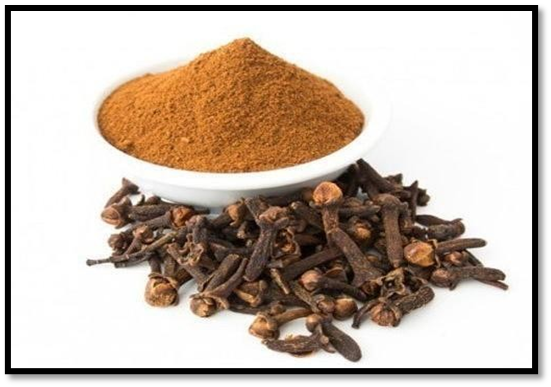
Fig 1: Clove
Biological source: The dried flower buds of Eugenia caryophyllata Thumb are known as cloves.
Family: Myrtaceae
Geographical source: The clove tree originates from the Molucca Island. It is cultivated in various regions like Sumatra, South America, Zanzibar, West Indies, Ambon, Madagascar, Mauritius, Tanzania, Brazil, Pemba Sri Lanka, and South India.
Chemical composition:
Clove possesses a volatile oil content ranging from 13-21%. Additionally, it contains various other constituents such as eugenol, gallotannic acid, acetyl eugenol and two crystalline principles known as a- and ß- caryophyllenes. Other components include methyl furfural, gum, resin, and fiber. Caryophylline, an odorless element, is believed to be a phytosterol, while eugenol is a colorless liquid. The eugenol content in clove oil ranges from 60-90%, which is responsible for its anesthetic and antiseptic properties.
Uses: Used for upset stomach and as an expectorant clove is used for bad breath and diarrhea hernia and also used for toothache, pain during dental. (1)
Synonyms: Holy Basil, sacred Basil

Fig 3: Tulsi
Biological Source: It consists of dried leaves of Ocimum sanctum linn.
Family -Labiatae
Geographical Source: It is native to tropical and subtropical regions of Australia, Asia, Malesia, and the western Pacific. It is widely cultivated throughout the Southeast Asian tropics. This plant has escaped from cultivation and has naturalized in many tropical regions of the Americas. It is an agricultural and environmental weed.
Chemical Composition: The volatile oil, ranging from 0.1% to 0.9%, also contains 70% eugenol and carvacrol (3%), as well as methyl eugenol (20%).
Uses: It is used for various purposes, with its insecticidal and antibacterial properties. Fresh leaves are commonly used for stomach ailments. (11)
Synonyms: Madh, Madhu.
Fig 5: Honey.
Biological Source: The honey is a sticky and sugary substance that is stored in the honeycomb by different species of bees.
Family: Apideae.
Geographical Source: Honey is produce in certain parts of West Indies, Africa, Australia, California, Chile, New Zealand and also in India.
Chemical Composition: Honey consists of approximately 80–85% carbohydrates, 15–17% water, 0.3% proteins, 0.2% ashes, and small amounts of amino acids, phenols, pigments, and vitamins.
Uses: Laxative and bactericidal properties. Sedative and alkaline characteristics. It is utilized in chilled food Also acts as a sweetening agent. Additionally, it serves as a vehicle. (8)
Synonyms: Fennel fruit, Fenkel, Fructus foeniculli Florence fennel, Wild fennel, large fennel, sweet fennel.

Fig 7: Fennel.
Biological Source: Fennel consists of the dried ripe fruits of Foeniculum vulgare Miller.
Family: Umbelliferae.
Geographical Source: Fennel is indigenous to Mediterranean countries and Asia; it is largely cultivated in France, Saxony, Japan, Galicia, Russia, India, and Persia.
Chemical Composition: Fennel is composed of 4 to 5% volatile oil. The main components of the volatile oil consist of 18 to 22% fenchone, 50 to 60% anethole, a phenolic ester, a ketone. Fenchone is a bicyclic monoterpene that is a colorless liquid with a pungent and camphoraceous odor and taste. Fennel oil includes β-pinene, anisic acid, phellandrene, and anisic aldehyde. Additionally, Fennel contains approximately 20% fixed oil and 20% proteins.
Uses: Fennel is used as flavouring agent, stomachic, aromatic, diuretic, carminative, diaphoretic, as a digestive, pectoral. (12)
Synonyms: Saigon cinnamon, Cortex cinnamon oil Ceylon cinnamon, cinnamon oil aromaticum, Cinnamon bark; Kalmi-Dalchini.
Biological Source – Cinnamon umzeylanicum is widely cultivated in Ceylon Java sumatra
Family – lauraceae
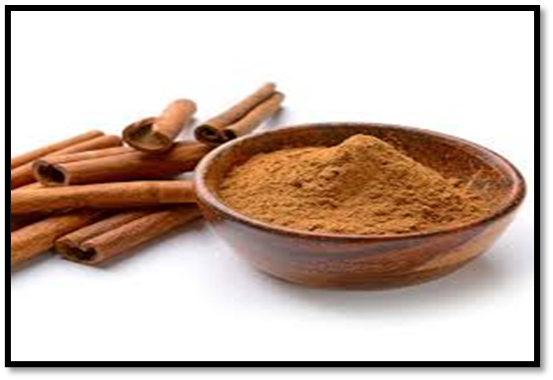
Fig 9: Cinnamon.
Geographical Source: Cinnamon is native to Sri Lanka the neighboring Malabar Coast of India, and Myanmar (Burma) and is also cultivated in South America and the West Indies.
Chemical Constituents – Cinnamon bark is composed of 0.5 to 1.0% volatile oil, 1.2% tannins, and various compounds such as Cinnamyl acetate, cinnamaldehyde, Cinnamic acid, eugenol, and cumin aldehyde. Additionally, it contains mucilage, calcium oxalate, starch, and a sweet substance known as mannitol.
Uses – Stomachic, mild astringent and antiseptic. Carminative, stimulant. (11)
6) PUDINA
Synonyms: Mentha leaves, Peppermint, fragrant.

Fig 11: Pudina
Biological source: Pudina consists of dried leaves and obtained from flowering tops of menthe spicatalinn.
Family: labiatae.
Geographical source: Mentha arvensis linn. is found in Eurasia. It is widely growing in subtropical regions. Mentha arvensis linn. is found around the north pole, extending as far south as New Mexico. It is native to the regions of western, central Asia and Europe,
Chemical constituents:
The main constituent’s menthol (40.7%) and menthone (23.4%) further components were (%+-) menthyl acetate,1,8-cinecole, limonene, beta-pinene and beta-caryophyllene.
Uses: Flowering agent Carminative, digestive, spasmolytic. Also use in herbal syrup preparation. (8)
METHODOLOGY
1) Decoction Process.
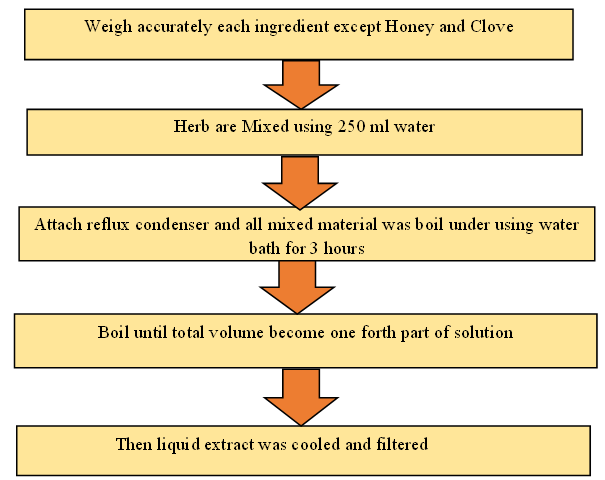
Fig 13: Method of preparation of decoction. (4)
2) Maceration Process.
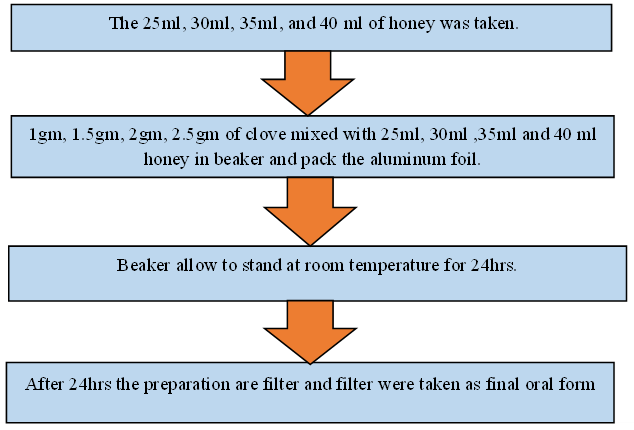
Fig 16: Method of preparation of maceration. (10)
3) Final Herbal Cough Syrup process
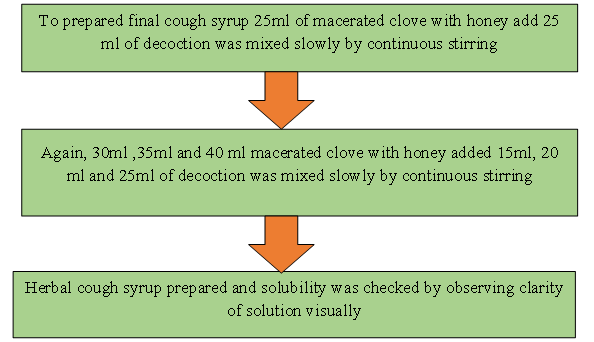
Fig 18: Method of preparation of final syrup (10)
CHARECTERIZATION AND EVALUATION STUDY.
1) Colour Examination: The five ml of final syrup was taken into watch glasses and positioned against the force of gravity. This setup was placed on white back ground under in white tube light. The naked eye was then used to observe and determine the of the syrup. (13)
2) Odour Examination: Two ml of syrup were each smell separately. A two-minute gap was maintained between the two smelling to eliminate any lingering effect from the previous one. (13)
3) Taste Examination: A small amount of syrup was sampled and tested for its flavor on taste receptors of the tongue. (13)
4) pH Determination: The 10 ml of final syrup was taken and placed into 100ml of volumetric flask. The volume was adjusted to 100 ml using distilled water. The solution underwent sonication for approximately 10 minutes. pH measured with help of digital pH meter. (14)
5) Viscosity Determination:
6) Density Determination: The density of syrup was determined by using the bottle method by measuring the weight and the volume, by density bottle average density was found to be 1.43g/ml. (16)
Formula: Density (p)= Mass(m)/Volume (v)
RESULT
1) Preformulation Result:
Table 2: Result of Preformulation Study.
|
SR. NO |
TEST |
RESULT |
|
1. |
Moisture Content |
1.8 |
|
2. |
Water Soluble extractive |
12.5 |
2) Formulation Table:
Table 3: Formulation Table for syrup
|
SR. No |
INGREDIENT |
F1 |
F2 |
F3 |
F4 |
USES |
|
1. |
Clove |
1 gm |
1.5 gm |
2 gm |
2.5 gm |
API, Expectorant |
|
2. |
Tulsi |
10-12 leaves |
10-12 leaves |
10-12 leaves |
10-12 leaves |
Antitussive |
|
3. |
Cinnamon |
4 gm |
4 gm |
4 gm |
4 gm |
Preservative, Expectorant |
|
4. |
Fennel |
3-4 gm |
3-4 gm |
3-4 gm |
3-4 gm |
Aromatic, Flavouring agent |
|
5. |
Peppermint (Pudina) |
8-10 leaves |
8-10 leaves |
8-10 leaves |
8-10 leaves |
Cough reliever |
|
6. |
Honey |
25% |
30% |
35% |
40% |
Base |
3) Evaluation Result:
Table 4: Result of Evaluation Parameter Formulation
|
SR.NO |
TEST |
F1 |
F2 |
F3 |
F4 |
|
1. |
Colour Examination |
Yellowish-Brown |
Yellowish-Brown |
Yellowish-Brown |
Yellowish-Brown |
|
2. |
Odour Examination |
Sweet, Aromatic |
Sweet, Aromatic |
Sweet, Aromatic |
Sweet, Aromatic |
|
3. |
Taste Examination |
Slightly Pungent |
Slightly Pungent |
Slightly Pungent |
Slightly Pungent |
|
4. |
pH Determination |
4.8 |
5.2 |
5.4 |
5.3 |
|
5. |
Viscosity Determination |
0.2463 cp |
0.2531cp |
0.4311cp |
0.3285cp |
|
6. |
Density Determination |
0.8 g/ml |
0.9 g/ml |
g/ml |
g/ml |
CONCLUSION
The aim of this project was to create and assess an herbal cough syrup. This research enabled us to gain insight into the nature of cough, the various types of coughs, and the factors that contribute to coughing. The study facilitated the development of an effective and safe herbal cough syrup containing 35% W/V honey as its base. By incorporating herbal ingredients such as clove, Tulsi, Honey, fennel, cinnamon, pudina formulations were produced. Which have various action and effect on reducing acute or chronic cough and cold and act as cough suppressant having expectorant and anti-tussive property. We conclude about herbal cough syrup that; herbal cough syrups are A safest herbal medicine which is use for treatment of cough and cold.
REFERENCES

Dhanshri Mote, Damayanti Bokefod, Shinde Sonal, Formulation and Evaluation of Clove Macerated Honey Based Herbal Cough Syrup, Int. J. of Pharm. Sci., 2026, Vol 4, Issue 1, 580-589. https://doi.org/10.5281/zenodo.18172837
 10.5281/zenodo.18172837
