
Department of Pharmacy, Chhatrapati Shivaji College of Pharmacy, Deori, Gondia, Maharashtra, India 441901
The present study focuses on the formulation and evaluation of a herbal syrup containing Cissus quadrangularis extract, a plant widely known for its potent anti-inflammatory and analgesic properties. The primary objective was to develop a stable, palatable liquid dosage form to harness the therapeutic benefits of the plant in managing inflammatory conditions. Ethanolic extract of Cissus quadrangularis was prepared and incorporated into a syrup base using suitable sweeteners, preservatives, and viscosity enhancers. The formulated syrup was subjected to standard physicochemical evaluations including pH, viscosity, specific gravity, and organoleptic properties. Stability studies were conducted under accelerated conditions to assess formulation robustness. The anti-inflammatory activity of the syrup was evaluated using in vivo models such as carrageenan-induced paw edema in rats, comparing results with standard anti-inflammatory drugs. The formulation demonstrated significant anti-inflammatory activity, supporting the traditional use of Cissus quadrangularis in inflammatory disorders. The syrup was found to be stable, well-tolerated, and suitable for oral administration. These findings suggest that Cissus quadrangularis syrup can serve as an effective and natural alternative for the management of inflammation.
India has a rich history of employing its 31 different species of plants and animals as medicines and dietary additives. The estimated number of higher plant species on Earth is 2,50,000, according to the data that is currently accessible, and 33. Over 70,000 are considered medicinal. With over 45,000 plant species, India is the 12th biodiversity center in the world . Along with this abundant flora and fauna, the fact that India has an alternative medical system that includes Siddha, 36 Ayurveda, Unani, Naturopathy, and homeopathy has confirmed that herbs have been used for 37 very long, safe, and continuous periods of time. Approximately 8000 medicinal plant species from various alternative medical systems have been identified in India as far, according to a thorough 38 literature review. In numerical terms, if we display 40.
At 25°C, specific gravity By filling it with freshly boiled and cooled water at 25°C and weighing the contents, a Pycnometer that had been well cleaned and dried was chosen and calibrated. Considering that 1 milliliter of Weighing water at 250°C in air with a density of 0.0012g/ml yielded 0.99602g. The Pycnometer's capacity was computed. After bringing the finished syrup's temperature down to around 20°C, it was put into the Pycnomete . Approximately 700 species of medicinal plants were then identified from Ayurveda, 600 from 41 Sidhha, 600 from Amchi, 700 from Unani, 67, 42, 81, and 43 different Rigvedic, Yajurvedic, and other traditions.[1,2]
This review study is crafted by taking into account the rich heritage of India's the presence of medicinal plants. The research primarily aimed to present one of the significant herbs in Ayurveda referred to as Cissus quadrangularis commonly known as 'Had-Jod' or 'Asthisamharaka'. The article strives to showcase the specific Phytochemicals and therapeutic potential of the plant along with basic details regarding traditional assertions and prospective views of the plant.[3]
Cissus quadrangularis (Linn) has been used bycommon man in India for promotion of fracture healing and well known as “Hadjod”. It is also known as Vitis quadrangularis Wall. Which belongs to family Vitaceae. It is a common perennial climber, which is distributed throughout India particularly in tropical regions. The plant is commonly known as Vajravalli in Sanskrit, Hadjod in Hindi, Kandvel in Marathi, Haddjor in Punjabi, Hadbhanga in Oria, Vedhari in Gujrati, Perandi in Tamil, Nalleru in Telugu and Veldgrap, Edible Stemmed Vine in English. Vajravalli in Sanskrit, and Veldgrap, which translates to "Edible Stemmed Vine."[4,5]The entire plant is utilized in several regions of the world for oral rehydration, although the plant's leaf, stem, and root extracts are crucial in the treatment of different illnesses. Other results on Cissus quadrangularis support its antioxidant and free radical scavenging properties in vitro, as well as its efficacy in managing obesity and issues related to metabolic diseases [6].
Currently, Cissus quadrangularis extracts are used in formulations along with additional active components, utilized for the to treat obesity and overweight, as well as the comorbidities that arise from these disorders, particularly metabolic syndrome (Syndrome X). According to phytochemical screening, Cissus quadrangularis has high levels of calcium, carotene, ascorbic acid, and anabolic steroids.[7,8]Inflammation has been a significant issue since ancient times, particularly affecting the elderly. The most vulnerable parts to inflammation are the joints. The effects of many diseases can cause inflammation, and there are numerous disorders that cause inflammation as a significant symptom.[9]The process of developing drugs using medicinal plants entails identifying and isolating the active ingredient. Plant material is identified and isolated using a variety of analytical methods, such as ultraviolet spectroscopy. and chromatographic methods such as HPLC and HPTLC, as well as infrared spectroscopy. The solubility characteristics and volatility of the chemicals to be separated have a major role in the procedure selection. Isolating and separating plant extracts using various methods according to their solubility pattern might simplify their complexity.[10]
The process of developing drugs using medicinal plants entails identifying and isolating the active ingredient. Plant material is identified and isolated using a variety of analytical methods, such as ultraviolet spectroscopy and chromatographic methods such as HPLC and HPTLC, as well as infrared spectroscopy. The solubility characteristics and volatility of the chemicals to be separated have a major role in the procedure selection. Isolating and separating plant extracts using various methods according to their solubility pattern might simplify their complexity.[11]Commonly referred to as "bone setter," this herb aids in bone empowerment and lessens pain. Because of its capacity to fuse bones together, it is also known as "Hadjod."[12]
Given the significance of plants, the current study's goal was to create and assess a topical herbal formulation of Cissus quadrangularis as an anti-inflammatory drug, particularly for gout, in order to support conventional assertion of the plant. [13]Acetylcholine's muscarinic and nicotinic effects on blood pressure in dogs are comparable. percentages of ethyl acetate from both fresh and Extracts from dried stems exhibit antioxidant properties. Additionally, the fresh and dried stem extracts in ethyl acetate and methanol show antibacterial action against gram-positive bacteria such as Streptococcus species, Staphylococcus aureus, Bacillus subtilis, and Bacillus cereus. The current study emphasized the health-promoting and therapeutic qualities of Cissus quadrangularis because of its numerous and varied medicinal applications as well as pharmacological effects.[14,15]
Herbs have been utilized for thousands of years to treat a variety of illnesses by various cultures worldwide. Among the herbs that have demonstrated positive benefits on bone belongs to the plant family Cissus. Since ancient times, Cissus quadrangularis (CQ) has been utilized in Siddha and Ayurvedic medicine across Asia as a general tonic and painkiller, particularly for the repair of bone fractures.[16]
CQ has recently been connected to a number of health advantages, including decreased proinflammatory cytokines, anti-obesity, antiglucocorticoid, anti-inflammatory, antioxidant, and antidiabetic qualities.[17,18,19]
The meaty plant Cissus quadrangularis L. is widespread over most of the world, but particularly in Asia, Africa, and a few other warm tropical locations. In India, it is among the staple foods. Additionally, Cissus quadrangularis is utilized to treat a number of conditions, including fracture repair, antimicrobial, analgesic, antifungal, antiulcer, antihelminthic, and antihemorrhoidal qualities, among others. Additionally, it is the most effective treatment for a number of illnesses, including skin burns, dyspepsia, hemorrhoids, leprosy, epilepsy, intestinal issues, and appetite enhancement.[20]
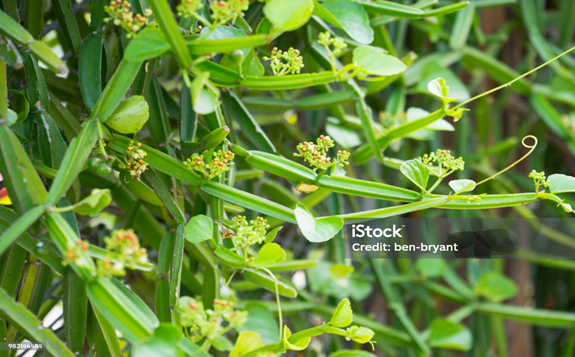
Fig: Cissus Quandrangularis.
Inhibition of Pro-Inflammatory Mediators: Pro-inflammatory mediators, including cytokines (e.g., TNF-α, IL-1β), which are essential for the inflammatory response, have been studied in relation to Cissus quadrangularis. Signaling pathways linked to inflammation, such as NF-κB (nuclear factor kappa-light-chain-enhancer of activated B cells), may be downregulated by Cissus quadrangularis, according to research. The ability of a material or therapy to lessen swelling or inflammation is known as anti-inflammatory. About half of analgesics are anti-inflammatory medications, sometimes known as anti-inflammatories Prolonged joint inflammation can harm bones, cartilage, ligaments that keep joints together, tendons that connect muscles to bones, and nerves. It can also cause a wide range of symptoms, such as pain, stiffness, and swelling. The damage to the joints could worsen over time. and unchangeable.[21]
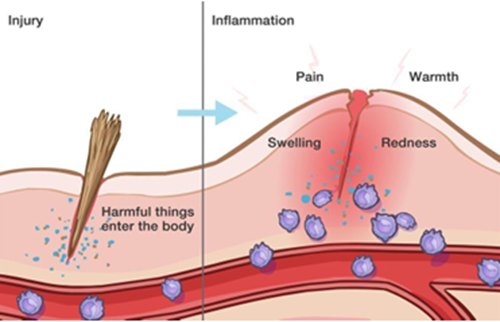
Fig: Inflammation.
The most typical signs of inflammatory arthritis include stiffness and soreness in the joints, especially in the morning, following extended periods of inactivity or rest. redness, warmth, and/or swelling in the afflicted joints. inflammation in other body parts, such the skin or internal organs, such as the heart and lungs.
Because of its anti-inflammatory qualities, Cissus quadrangularis has been investigated for a possible function in treating the symptoms of osteoarthritis and rheumatoid arthritis. Rheumatoid arthritis and osteoarthritis are two diseases that cause inflammation in the joints. Bone Fracture Healing: According to certain research, Cissus quadrangularis may help maintain bone health and promote bone regeneration by lowering inflammation. [22]
Topical Application: According to certain research, topical application of Cissus quadrangularis extracts may accelerate the healing of wounds. Its anti-inflammatory and tissue-regenerating qualities may be the cause of this.[23]
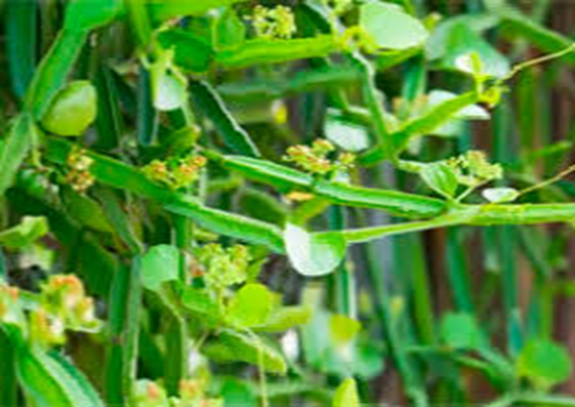
Fig. No. 1: Cissus Quadrangularis
Synonyms:- Hadjod, Bone setter , Asthisamharaka.
Biological source :- Common people in India have been used Cissus quadrangularis (Linn), also known as "Hadjod," to promote the healing of fractures. It is also referred as the Wall of Vitis quadrangularis
Family:- It is a member of the Vitaceae family. [24]
Chemical Constituent:- Preliminary phytoconstituent analysis of extract made with various solvents revealed the presence of significant primary metabolites, including fatty acids, methyl esters, protein, amino acids, iridoids, lipids (cyclic and acyclic), mucilage and gums. A few significant secondary metabolites, including alkaloids, flavonoids and flavonoids, saponins, phytosterols, steroids, stilbenes, triterpenoids, tannins, carotene, cardiac glycosides, and vitamins (particularly vitamin C)[25], were also detected in the plant extracts. However, when analyzed for phytochemical profiles, the extracts made from the plant's underground sections using various solvents revealed a broad range of chemicals, including alkaloids, saponins, tannins, flavonoids, and glycosides. [26]
Uses:-
Synonyms :-
Biological source :- The Dried juice of the leaves of various species of the aloe plant on Aloe Barbadensis Miller .
Family:- It belongs to Asphodelaceae (Liliaceae)
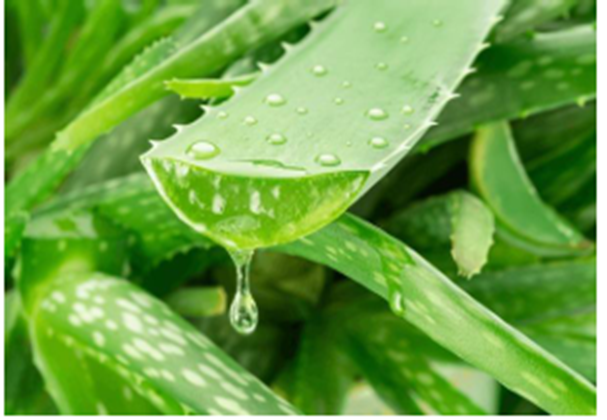
Fig. No. 2: Aleo Vera
Chemical constituents :-
Uses :-
Synonyms:- Holy basil, Sacred basil.
Biological source:- It consists of dried leaves of Ocimum sanctum.
Family: -Lamiacene; Labiatae
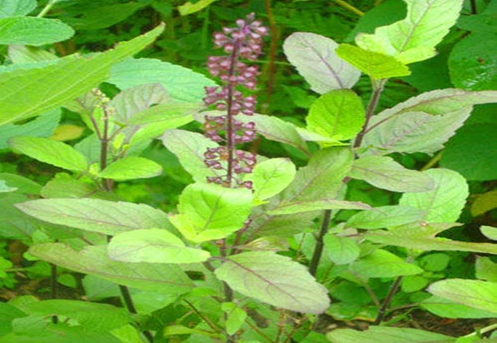
Fig. No. 3 :- Tulsi
Chemical constituents :-
Pleasant volatile oil (0.1 to 0.9%) Also Consist 70% eugenol and Carvacrol (3%) eugenol, methyl-ether (20%).
Uses :-
Synonyms :-
Biological source:- The dried rhizomes of the zingiber officinale plant.
Family: - Zingiberaceae.
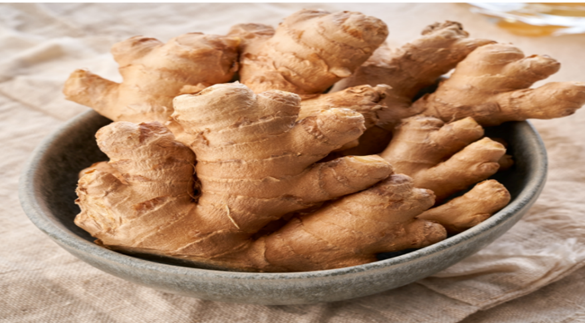
Fig No.4 :- Ginger
Chemical constituents :-
Medicinal user :-
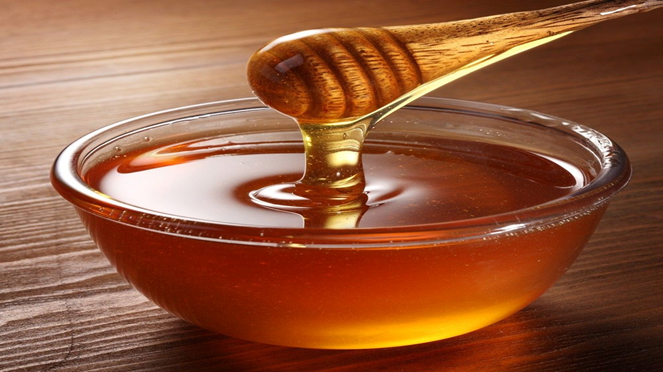
Fig. No. 5 :- Honey
Synonyms: - Madhu, Madh
Biological source :- Honey is viscid and sweet secretion stored in the honey comb by various species of bees. Ie. APIs Floera, APIs dorsata, APIs Florea, API Sindica belonging to family Apideac.
Chemical constituents :-
Uses :-
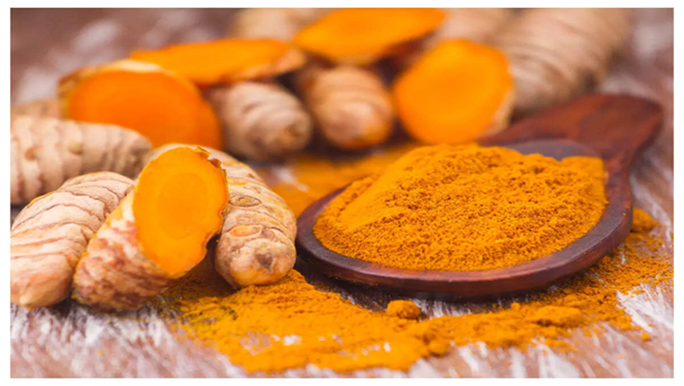
Fig. No.6: Turmeric
Synonym: -Haldi, Indian saffron
Biological source:- It consist dried rhizome (Underground stem)of the herbaceous perennial plant Curcuma longa linn.
Family:- Zingiberaceae
Chemical constituent:- Curcumin Zingiberene Borneol Caprylic acid Curcumanoids
Uses:-
Synonym :- Saunf , sweet fennel, fennel seeds,
Biological source :- It consist of dried ripe fruit of the plant Foeniculum vulgare Miller .
Family:- Umbelliferace (Apiaceae)
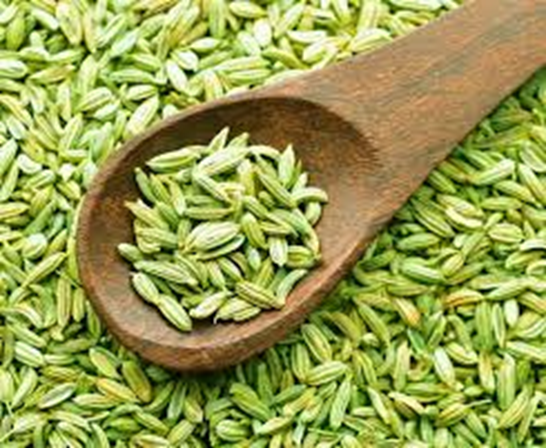
Fig. No. 7: Fennel
Chemical constituent :- Camphene, fenchone, anethole
Medicinal Uses: -
1. Carminative (relieves gas and bloating).
2. Antispasmodic (relaxes smooth muscles).
3. Stimulant.
4. Expectorant.
5. Flavoring agent .[34,35]
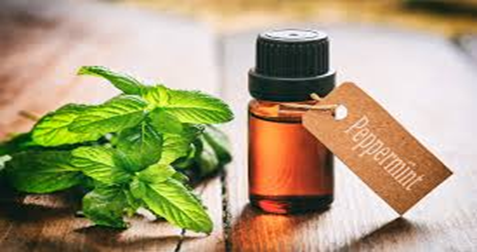
Fig. No. 8:- Peppermint Oil
Botanical Classification: -
• Biological source- Mentha oil is obtained by steam distillation of flowering tops of Mentha piperita Linn.
• Kingdom- Plantae.
• Phylum- Magnoliophyta.
• Class- Magnoliopsida.
• Order- Lamiales.
• Family- Lamiaceae.
• Genus- Mentha.
• Species- Mentha piperita.
Synonyms- Peppermint oil, Oleum mentha Piperita, Mint oil.
Chemical constituent :-
Menthol (35-45%): Cooling, analgesic, and anti-inflammatory. Menthone(15-25%): Antimicrobial, anti-inflammatory, and antioxidant. Limonene(5-10%): Antimicrobial, antioxidant, and anti-inflammatory. Eucalyptol(2-5%): Decongestant, anti-inflammatory, and antioxidant. Beta-Caryophyllene(1-3%): Anti-inflammatory, antimicrobial, and antioxidant. Alpha-Pinene(0.5-2%), Beta-Pinene(0.5-2%), Gamma-Terpinene(0.5-2%), Terpinolene(0.5-2%), Linalool(0.5-1%), Bergamotene(0.5-1%), Piperitone (0.5- 1%).
Medicinal Uses: -
1. Eases indigestion and bloating.
2. Soothes stomach ulcers.
3. Supports gut health.
1. Relieves congestion and coughs.
2. Eases bronchitis and asthma symptoms.
3. Helps clear mucus and phlegm. [36]
The herbal syrup was assessed for a number of physicochemical characteristics, including density, specific gravity, pH, and physical appearance (color, taste, and odor).
Five milliliters of the finished syrup were transferred into a watch glass and set up under a white tube light against a white background. The color of it was visible to the unaided eye.
Two milliliters of the finished syrup were each smelled separately. To counteract the impact of earlier sniffing, the time between two sniffs was set at two minutes.
A small amount of the finished syrup was obtained, and its flavor was assessed using the tongue's taste buds. To determine the test, a pinch of syrup was applied to the tip of the tongue.
10 milliliters of the finished syrup, precisely measured, were added to a 100 milliliter volumetric flask, and the remaining volume was filled with distilled water to reach 100 milliliters. For roughly ten minutes, the solution was sonicated. minutes. A digital pH meter was used to measure the pH.
By measuring the syrup's weight and volume, the density bottle method was used to calculate its average density, which came out to be 1.43g/ml.
By filling it with freshly boiled and cooled water at 25°C and weighing the contents, a Pycnometer that had been well cleaned and dried was chosen and calibrated. Considering that 1 milliliter of Weighing water at 250°C in air with a density of 0.0012g/ml yielded 0.99602g. The Pycnometer's capacity was computed. After bringing the finished syrup's temperature down to around 20°C, it was put into the Pycnometer. After bringing the filled Pycnometer's temperature down to 25°C, any extra syrup was drained off and the weight was recorded. The loaded weight was deducted from the Pycnometer's tare weight. By dividing the weight in air, measured in grams, of the amount of syrup that fills the Pycnometer at the designated temperature by the Pycnometer's capacity, measured in milliliters, at the same temperature, the weight per milliliter was calculated.
A viscometer, primarily a capillary viscometer, was used to measure the syrup's viscosity. At 21–30°C, the average viscosity of any syrup is 700–1300 centipoises, or cp. The syrup's viscosity was 880 cp. [37,38]
Using the cup plate method and agar media, the antibacterial activity of the polyherbal syrup was evaluated. Four distinct testing plates were made, designated F1, F2, Control, and The control plate contains any standard antimicrobial preparation (marketed Adulsa syrup with preservatives like methyl and propyl paraben) and the blank. The F1 plate contains syrup without preservatives, the F2 plate contains syrup with preservatives, and the blank (the microbial culture used is Escherichia coli bacteria). The diameter of the zone of inhibition was measured in order to ascertain the antibacterial activity. [39,40]
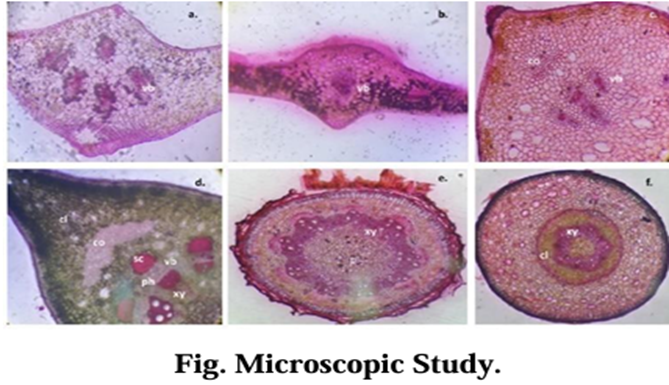
The juvenile stem's transversely sliced surface has irregular rings of vascular bundles and a rectangular contour. With three to four vascular bundles beneath the wings that are more developed than those at the flat sides, this is parallel to the epidermis' underside. This section has many air cavities and is conjoint, collateral, with a cap of bast fibers surrounded by idioblast that contains calcium oxalate cluster crystals. Except for the flat, broad side of the old stem, the entire ring of vascular strands with a well-developed cambium ring is visible.
Actinocytic stomata are found throughout the epidermis and are surrounded by tiny cells that form a sheath that resembles a girdle when viewed from the surface. In surface view, the epidermal cells are rectangular to pentangular and have thick walls. The thin-walled parenchymatous cells that make up the cortex contain calcium oxalate rap hides, starch grains, and chloroplasts. Under each of the four angles, there is a colleen chymatous arc in the cortex outside the vascular bundles. [41]
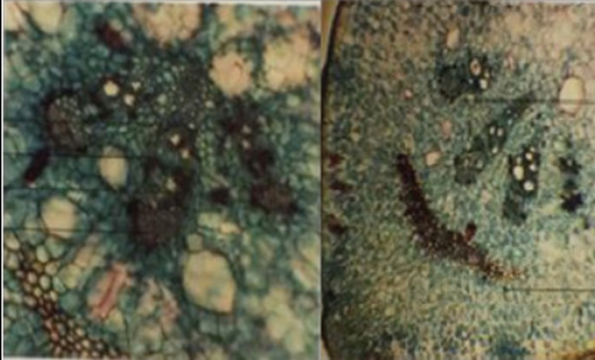
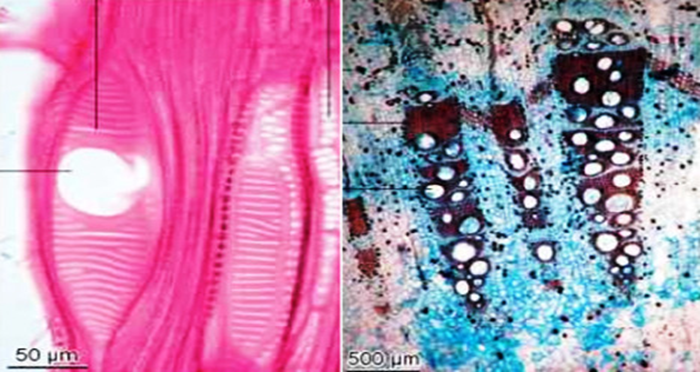
Preparing plant samples to preserve the biomolecules is the first step in researching therapeutic plants. before they are extracted from the plants. Samples of plants, including leaves, barks, roots, fruits, and flowers, can be extracted from either fresh or dried plant materials. The preservation of phytochemicals in the final extracts is also influenced by drying and grinding. [42]
5gm of herbal substances made up the weighed crude drug sample. After that, 500ml of water was combined with herbal ingredients. After that, connect the reflux condenser, and the ingredients were heated to attentively over the course of three hours in a water bath. The mixture was brought to a boil until it was one-fourth of its original volume. After cooling, the decoction was filtered. Filtrate was used to make the finished syrup.[43]
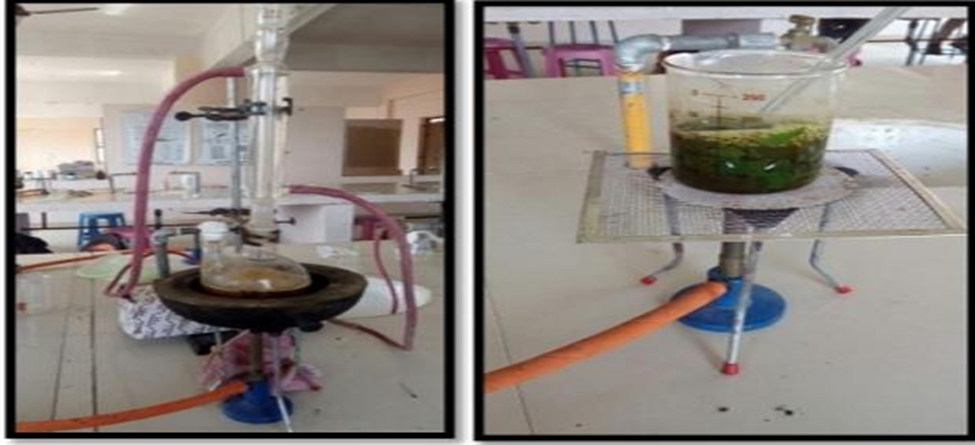
Fig. Preparation of Decoction Method
CONCLUSION
Africa and some regions of Asia, including India, are home to the vine plant Cissus quadrangularis. In addition to being utilized in traditional African and Ayurvedic medicine, it is one of the most widely used medicinal plants in Thailand. Every part of the plant is utilized. for medical purposes. Numerous significant primary and secondary metabolites, including lipids (cyclic and acyclic), fatty acids, methyl esters, protein and amino acids, iridoids, gums and mucilage, alkaloids, flavonoids and flavonoids, tannins, carotene, enzymes, nicotinic acid, tyrosin, cardiac glycosides, triterpenoid, and vitamins, particularly vitamin C, are found in the plant, according to phytochemical analysis.
The plant's ability to effectively heal wounds and fractures was also demonstrated by scientific research involving both people and animals. The main pharmacological properties of plants that have been identified include antibacterial, anti-diabetic, an anti-inflammatory, anti-obesity, antioxidant, bone turnover, and protective of the liver and heart. [44]
It goes without saying that Cissus quadrangularis root and stem preparations are medicinally effective and are recognized to have They have antibacterial and antioxidant properties and are frequently used to hasten the healing of bone fractures. Because of its many beneficial therapeutic applications, the plant is regarded as a versatile medicinal plant in both Ayurvedic and contemporary drug research fields.[45]
ACKNOLEDEGEMENT
We are privileged to express our sincere gratitude to our Principal Sir for providing us the opportunity to write this review under the guidance and support of Mrs. Shahajiyan G. Pathan mam and also my institute Chhatrapati Shivaji College of pharmacy, Deori for kind support and encouragement.
REFERENCES




Urvashi Badole, Ruchi Meshram, Ashwin Kapse, Shahajiyan Pathan, Upadesh Lade, Formulation and Evaluation of Cissus Quadrangularis for Anti-Inflammatory Syrup, Int. J. of Pharm. Sci., 2026, Vol 4, Issue 4, 285-298. https://doi.org/10.5281/zenodo.19387365
 10.5281/zenodo.19387365
