
School of Pharmaceutical Sciences, Vels Institute of Science, Technology and Advanced Studies (VISTAS), Chennai, Tamil Nadu, India. 600117
Melasma is a chronic hyperpigmentation condition that has a major impact on one's quality of life and face appearance. Because of their variable results and possible adverse effects, conventional treatments frequently have limitations. The purpose of this study is to create and assess a polyherbal face serum with natural components that are well-known for their skin-nourishing, antioxidant, and depigmenting qualities. Aqueous extracts and juices from neem, liquorice, aloe vera, papaya, carrot, cucumber, and potato were used to make the serum, along with olive oil and rosemary. These ingredients were chosen for their synergistic effects in melasma management based on phytochemical profiles and traditional knowledge. The serum's physicochemical characteristics, such as its pH (6.6), homogeneity, spreadability, and viscosity (1.27 cp), were assessed. The presence of bioactive substances such as flavonoids, tannins, saponins, and alkaloids was verified by phytochemical screening. Comparing the synthesized serum to the reference (Garnier), which showed 62.84% inhibition, the in-vitro tyrosinase inhibition experiment showed 40.47% enzyme inhibition, suggesting moderate depigmentation capability. According to the study's findings, the developed polyherbal serum is a safe, natural, and promising option for the treatment of melasma, and it merits additional research to determine its long-term stability and clinical effectiveness
Melasma is a common hyperpigmentation disorder characterized by irregular dark patches on the skin, particularly on the face. Despite its benign nature, melasma can significantly impact the quality of life of affected individuals. Current treatment options often involve topical agents with potential side effects. Natural remedies have gained attention due to their perceived safety and efficacy. In this study, a polyherbal face serum was formulated, aiming to harness the beneficial properties of various botanical ingredients for melasma management. 1
Rationale for the Study
The formulation and evaluation of a polyherbal face serum for melasma serve several important purposes
Addressing unmet Needs: Melasma is a challenging dermatological condition with limited treatment options, often leading to dissatisfaction among affected individuals. By developing a novel polyherbal face serum, this study aims to address the unmet needs of individuals seeking safe, effective, and natural solutions for melasma management.
Harnessing Natural Remedies: Natural ingredients have long been used in traditional medicine systems for their therapeutic properties. By formulating a polyherbal face serum, we aim to harness the potential of botanical extracts known for their skin-brightening, anti-inflammatory, and antioxidant effects. This approach aligns with the growing consumer preference for natural skincare products and complements conventional treatment modalities.
Promoting Holistic Skincare: Skincare is not merely about addressing visible symptoms but also involves promoting overall skin health and well-being. The polyherbal face serum offers a holistic approach to skincare by nourishing, protecting, and rejuvenating the skin, thereby enhancing its resilience against environmental stressors and aging factors.
Scientific Knowledge: Through rigorous formulation and evaluation processes, this study Advancing contributes to the scientific understanding of polyherbal formulations and their efficacy in skincare. By elucidating the mechanisms of action and clinical outcomes of the polyherbal face serum, we expand the body of evidence supporting the use of natural remedies in dermatology.
Meeting Consumer Demand: With the increasing demand for natural, sustainable, and environmentally friendly skincare products, the development of a polyherbal face serum addresses the preferences and priorities of today's consumers. By offering a safe and effective alternative to conventional treatments, the serum caters to the needs of individuals seeking holistic and mindful skincare solutions.2
Effects and Causes of Melasma
Melasma occurs due to the overproduction of melanin, the pigment responsible for skin color. While the exact cause of melasma is not fully understood, factors such as hormonal changes, sun exposure genetics, and certain medications can contribute to its development. Melasma primarily affects women of reproductive age, particularly those with darker skin types. The condition often manifests as symmetrical, brownish patches on sun-exposed areas of the face, including the cheeks, forehead, and upper lip. 3
What is Serum and How Can Ingredients Be Used?
Serum is a lightweight, fast-absorbing skincare product formulated with high concentrations of active ingredients. Serums are designed to target specific skin concerns, such as hyperpigmentation, aging, or acne. The ingredients in the polyherbal face serum were carefully selected for their individual and synergistic effects on melasma. Aloe Vera, known for its soothing and moisturizing properties, forms the base of the serum. Papaya and cucumber provide exfoliating and brightening effects, while carrot and potato extracts offer antioxidant protection. Neem and liquorice extracts possess anti-inflammatory properties, while rosemary and olive oils nourish and rejuvenate the skin. 4
Herbs used in melasma
Why Natural Ingredients
Natural ingredients have long been favoured in skincare formulations for several reasons:
In summary, natural ingredients offer numerous benefits for skincare formulations, including their gentle nature, nutrient-rich composition, sustainability, synergistic effects, minimal side effects, holistic approach, and cultural heritage. Incorporating natural ingredients into skincare products can provide an effective and wholesome skincare experience, catering to the growing demand for safe, sustainable, and environmentally conscious skincare solutions. 6
Poly herbal Formulations
Poly herbal formulations, also known as poly herbal remedies or compound herbal preparations, refer to medicinal or cosmetic products that contain a combination of multiple herbal ingredients. These formulations draw upon the synergistic effects of various botanical extracts to target specific health or skincare concerns. Poly herbal formulations have been used for centuries in traditional medicine systems such as Ayurveda, Traditional Chinese Medicine (TCM), and Unani medicine, where the combination of herbs is believed to enhance therapeutic efficacy while minimizing side effects.
In the context of skincare, poly herbal formulations offer a holistic approach to addressing multifaceted concerns such as hyperpigmentation, acne, aging, and sensitivity. Each herb contributes unique bioactive compounds, vitamins, minerals, and phytochemicals that work synergistically to promote skin health and vitality. By harnessing the collective power of multiple botanical ingredients, poly herbal formulations can deliver comprehensive skincare benefits, including moisturization, nourishment, rejuvenation, and protection against environmental stressors.
The versatility of poly herbal formulations allows for customization based on specific skin types, concerns, and desired outcomes. Herbalists and skincare formulators carefully select and balance the botanical ingredients to create well-rounded formulations that address the individual needs of the skin. Additionally, poly herbal formulations may incorporate carrier oils, essential oils, extracts, and other natural ingredients to enhance efficacy and sensory appeal.
Poly herbal formulations exemplify the integration of traditional wisdom with modern science, offering a natural and holistic approach to skincare that resonates with consumers seeking safe, effective, and sustainable alternatives to conventional products. As the demand for natural skincare solutions continues to grow, poly herbal formulations represent a promising avenue for innovation and exploration in the beauty and wellness industry. 7
Literature Review
The literature about the use of medicinal plants for the management of melasma was collected from various National and International Journals available at Vels Institute of Science and Technology and Advanced Studies(VISTAS) library.
ETHNOBOTANICAL REVIEW
ALEO BARBADENSIS MILLER

Fig1:ALOE BARBADENSIS LEAF
Taxonomic classification
Vernacular names
Chemical Constituent:
Aloe vera gel is extracted from the leaves of the aloe plant. It’s renowned for its soothing properties, making it an excellent choice for sensitive or irritated skin. Aloe vera contains vitamins (such as vitamin E and C), minerals, and amino acids that promote skin health. Its anti-inflammatory properties help calm redness and inflammation associated with melasma. Regular application can aid in fading dark spots and promoting an even complexion.
Traditional uses:
Traditionally, this medicinal plant has been employed to treat skin problems (burns, wounds, and anti- inflammatory processes). Moreover, Aloe vera has shown other therapeutic properties including anticancer, antioxidant, antidiabetic, and antihyperlipidemic.
Aloe vera has been used for medicinal purposes in several cultures for millennia: Greece, Egypt, India, Mexico, Japan and China. Egyptian queens Nefertiti and Cleopatra used it as part of their regular beauty regimes. Alexander the Great, and Christopher Columbus used it to treat soldiers' wounds.
PAPAYA FRUIT
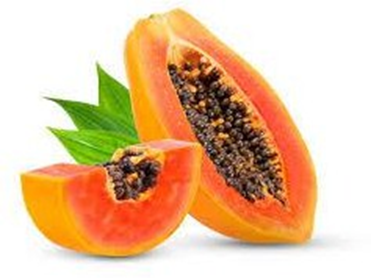
Fig 2: CARICA PAPAYA FRUIT
Taxonomic classification Kingdom : Plantae
Vernacular names
Chemical Constituent:
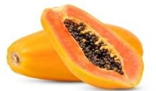
Papaya contains alkaloids, glycosides, tannins, saponins, flavonoids and glycosides which may be responsible for its therapeutic activity.
Family: Caricaceae), also known as 'papaya,' is a tropical American fruit tree. Due to the bioactive components (carpaines, BITC, benzyl glucosinolates, latex, papain, ze-axanthin, choline, etc.) in its seeds, leaves, and fruits, it is revered for its excellent antioxidant, digestive , and nutraceutical benefits.
Traditional uses:
Papaya has a wide range of purported medicinal properties for treatment of diabetes, as birth control, as an antiseptic, antimicrobial, or diuretic, to control parasites, reduce inflammation, lower blood pressure, and lower cholesterol.
In traditional medicine, C. papaya has been used as a therapeutic agent due to its wound healing, anti- cancer, hypolipidemic and hypoglycemic properties. Extracts have also been used to treat digestive disorders, arthritis, ringworm and hypertension.
CARROT ROOT
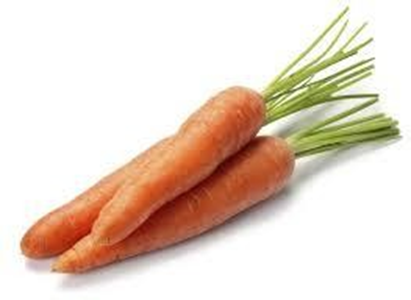
Fig3: DAUCUS CAROTA
Taxonomic classification
Vernacular name
Chemical Constituent:
Moisture (86%), protein (0.9%), fat (0.2%), carbohydrate (10.6%), crude fiber (1.2%), total ash (1.1%), Ca (80 mg/100 g), Fe (2.2 mg/100 g) and p (53 mg/100 g)
The four types of phytochemicals found in carrots, namely phenolic, carotenoids, polyacetylenes, and ascorbic acid, were summarised.
These chemicals aid in the risk reduction of cancer and cardiovascular diseases due to their antioxidant, anti-inflammatory, plasma lipid modification, and anti-tumour properties.
Traditional uses:
Traditionally, the wild carrot has been recognized for its antilithic, diuretic, carminative, antiseptic, and anti-inflammatory properties and has been employed in the treatment of urinary calculus, cystitis, gout, prostatitis, and cancer.
CUCUMBER FRUIT
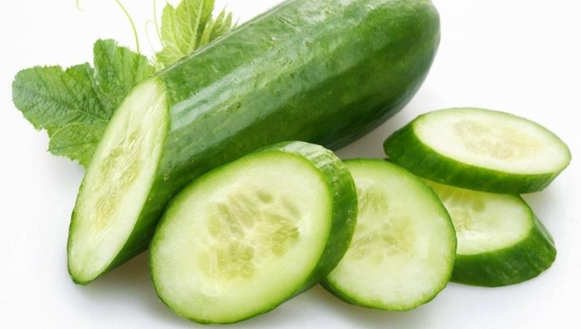
Fig4: CUCUMUS SATIVUS L.
Taxonomic classification
Vernacular names
Chemical Constituent:
Several bioactive compounds have been isolated from cucumber including cucurbitacins, cucumegastigmanes I and II, cucumerin A and B, vitexin, orientin, isoscoparin 2″-O-(6?-(E)-p- coumaroyl) glucoside, apigenin 7-O-(6″-O-p-coumaroylglucoside).
These chemicals aid in the risk reduction of cancer and cardiovascular diseases due to their antioxidant, anti-inflammatory, plasma lipid modification, and anti-tumour properties.
Traditional uses:
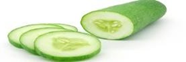
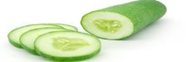
Cucumber (Cucumis sativus L.) has anti-acne activity in traditional use. The part taken is fresh fruit. The way of preparation is the ingredients are sliced thinly across. The way to use it is by placing it and rubbing it on the face with acne.
In addition to eating, cucumbers were also widely used as a source of several medicinal remedies (both Cultivated and wild cucumbers of cucumbers were used for creation of over various 40 remedies.
POTATO
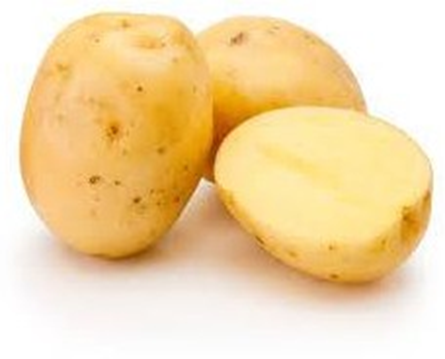
Fig 5: SOLANUM TUBEROSUM
Taxonomic classification
Vernacular names
Chemical Constituent:
The dry matter of potato tubers is composed of various substances: starch (15%), sugars, nitrogen compounds, lipids, organic acids, phenolic compounds, mineral substances and non-starch polysaccharides.
Starch Tuber samples were analyzed in terms of moisture, ash, protein, lipid, total sugar, fiber, starch, and phosphorus contents.
Traditional uses:
Traditional use in the traditional medicine of Europe, raw potatoes is used for gastrointestinal disorders and topical potato preparations as a hot pack for pain or for softening furuncles.
In the traditional medicine of Europe, raw potatoes are used for gastrointestinal disorders and topical potato preparations as a hot pack for pain or for softening furuncles.
LICORICE

Fig 6: GLYCYRRHIZA GLABRA
Taxonomic classification
Vernacular names
Chemical Constituent:
Liquorice extract contains sugars, starch, bitters, resins, essential oils, tannins, inorganic salts, and low levels of nitrogenous constituents such as proteins, individual amino acids, and nucleic acids. Licorice, also known as liquorice, sweet wood, and sweet root, has been used as a cough remedy and asthma treatment. The active ingredient is glycyrrhizin, also known as glycyrrhizic acid.
Glycyrrhizin is the major active constituent obtained from liquorice roots.
Traditional uses:
Glycyrrhiza glabra L. (Liquorice) is a small perennial herb that has been traditionally used to treat many diseases, such as respiratory disorders, hyperdipsia, epilepsy, fever, sexual debility, paralysis, stomach ulcers, rheumatism, skin diseases, hemorrhagic diseases, and jaundice.
Glycyrrhizin is the major active constituent obtained from liquorice rots, one of the most widely used in herbal preparations for the treatment of liver complaints. The plant is used as anti-inflammatory, spasmolytic, laxative, anti-depressive, anti-ulcer and anti-diabetic.
NEEM LEAF
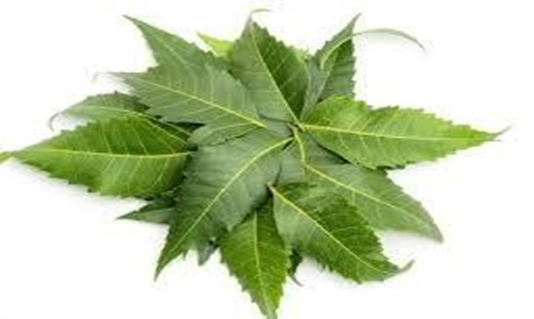
Fig 7: AZADIRACHTA INDICA A.
Taxonomic classification
Vernacular names
Chemical Constituent:
The most important active constituent is azadirachtin and the others are nimbolinin, nimbin, nimbidin, nimbidol, sodium nimbinate, gedunin, salannin, and quercetin.
Azadirachtin. One of the first active ingredients isolated from neem, azadirachtin has proved to be the tree's main agent for battling insects. It appears to cause some 90 percent of the effect on most pests. It does not kill insects—at least not immediately.
Traditional uses:
All parts of the neem tree- leaves, flowers, seeds, fruits, roots and bark have been used traditionally for the treatment of inflammation, infections, fever, skin diseases and dental disorders. The medicinal utilities have been described especially for neem leaf.
Cultural Importance: One can find Neem in almost all the parts of India. It is said that planting Neem tree in the house is an ensured passage to heaven. Its leaves are stung on the main entrance to remain away from the evil spirits. Brides take bath in the water filled with the Neem leaves.
ROSEMARY OIL
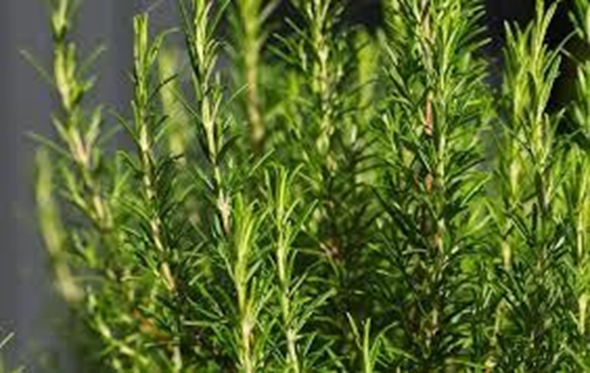
Fig 8: ROSMARINUS OFFICINALIS L.
Taxonomic classification
Vernacular names
Chemical Constituent:
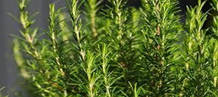
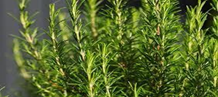
α-Pinene, 1,8-cineole, camphor, and borneol are usually the main rosemary oil constituents. Oils with a decreased amount of α-pinene and camphor and increased amounts of 1,8-cineole and borneol are judged to be of a better quality.
Carnosic acid, carnosol, rosmanol and epirosmanol are the major phenolic diterpenes responsible for the antioxidant properties of rosemary
Traditional uses:
Traditional use: In folk medicine, it has been used as an antispasmodic, mild analgesic, to cure intercostal neuralgia, headaches, migraine, insomnia emotional upset, and depression. Different investigations have highlighted rosemary neuropharmacological properties as their main topics.
Therapeutic effects of rosemary (Rosmarinus officinalis L.) and its active constituents on nervous system disorders.
OLIVE OIL
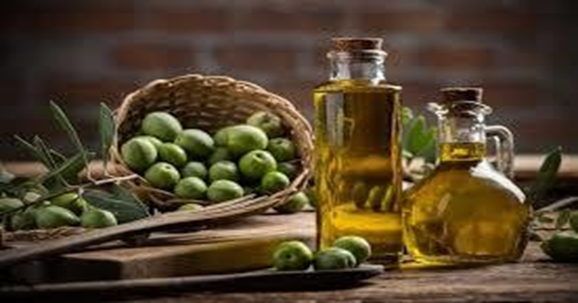
Fig 9: OLEA EUROPAEA
Taxonomic classification
Vernacular names
Chemical Constituent:
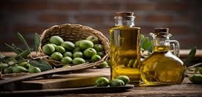
Olive oil is a liquid fat obtained by pressing whole olives, the fruit of Olea europaea, a traditional tree crop of the Mediterranean Basin, and extracting the oil.
The composition of olive oil varies with the cultivar, altitude, time of harvest, and extraction process. It consists mainly of oleic acid (up to 83%), with smaller amounts of other fatty acids including linoleic acid (up to 21%) and palmitic acid (up to 20%). Extra virgin olive oil is required to have no more than 0.8% free acidity.
Traditional uses:
It is commonly used in cooking for frying foods or as a salad dressing. It can also be found in some cosmetics, pharmaceuticals, soaps, and fuels for traditional oil lamps. It also has additional uses in some religions. The olive is one of three core food plants in Mediterranean cuisine, together with wheat and grapes.
A look at the history of olive oil production. Wild olives originated in Asia Minor (majority of modern day Turkey) approximately 6,000 years ago. Historically, olive oil was used for many purposes including religious rituals, medicines, fuel in oil lamps, soap-making, and skin care application.
AIM AND OBJECTIVES
AIM:
The aim of study is to formulation of polyherbal serum and its evaluation for melasma.by in-vitro method.
Objectives:
The main objectives are
MATERIALS AND METHOD-
Materials-
Table1: List of plants used in the Poly herbal Serum
|
Sr. No. |
Common Name |
Botanical Name |
Uses in polyherbal serum |
Parts used |
|
1 |
Liquorice |
Glycyrrhiza Glabra |
Antimicrobial agent |
|
|
2 |
Neem |
Azadirachta indica |
Antimicrobial agent |
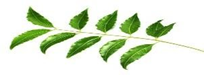
|
|
3 |
Aloe vera |
Aloe barbadensis |
Treat wound and infection |
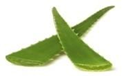
|
|
4 |
Carrot |
Daucus carotsa |
Anti ageing |
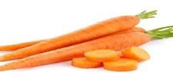
|
|
5 |
Potato |
Solanum tuberosum |
Bleaching agent |
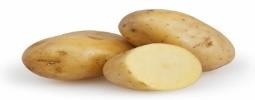
|
|
6 |
Papaya |
Carica papaya |
Exfloating agent |
|
|
7 |
Cucumber |
Cucumis sativus |
Antioxidant |
|
|
8 |
Rosemary oil |
Rosmarinus officinalis L. |
Preservatives |
|
|
9 |
Olive oil |
Olea europaea |
Moisturizing agent |
|
The materials needs for the formulation were procured from yucca enterprises, Mumbai. And juices were freshly prepared from the laboratory.
COLD MACERATION
Maceration is one of the oldest and simplest extraction techniques. The solid to be extracted, once introduced into the container, is completely covered by the solvent, minimizing contact with the air, so that the liquid can enrich itself as much as possible with the substances contained in the solid matrix. Generally, an extraction performed by maceration is characterized by long times, even several days or a few weeks. The diffusion and osmosis processes used in this extraction can be accelerated the molecules of the solid to be extracted. Agitation can also improve the diffusion processes of the extracted substances throughout the mass of the extraction liquid.
Extraction of Neem leaves
Fig :10
Extraction of liquorice
Fig :11
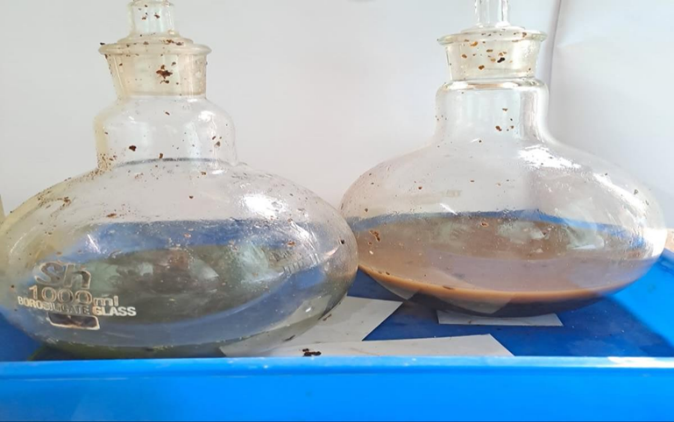
Fig :12
Left image : Neem extract with aquous solution.
Right image: liquorice extract with aqueous solution.
Preparation of serum
The emulsion was prepared according to the formula given below. The oily consistency of olive oil, rosemary oil was mixed for 10 min to obtain uniform solution. And the water phase is separately prepared by mixing of neem extract, Aloe vera, carrot juice, cucumber juice, liquor ice extract, potato juice, and papaya juice were mixed together properly. The oil phase is added to the liquid phase drop by drop under the continuous string to obtain oil in water biphasic emulsion.
Table: 2 Composition of the Formulation
|
Sr. No. |
Ingredients |
Quantity (30ml) |
|
1 |
Neem aqueous extract |
6ml |
|
2 |
Liquorice aqueous extract |
6ml |
|
3 |
Aloe Vera juice |
2ml |
|
4 |
Carrot juice |
2ml |
|
5 |
Cucumber juice |
2ml |
|
6 |
Papaya juice |
3ml |
|
7 |
Potato juice |
2ml |
|
8 |
Rosemary oil |
4ml |
|
9 |
Olive oil |
3ml |

Fig :13 Formulated serum
EVALUATION METHODS
Formulated poly herbal facial serum were evaluated for the purpose of identity and quality of the formulations.
Organoleptic evaluation:
The colour and appearance of the formulation was observed visually. The formulation procedure uniform distribution of extracts. Their test was confirmed by visually.
pH value:
A pH meter was calibrated using a standard buffer solution. Nearly 1 ml of the face serum was properly weighed and dissolves in 50 ml of distilled water and finally its pH was calculated.
The skin has an acidic range and the pH of the skin serum should be in the range of 4.1-6.7.
Homogeneity
The homogeneity of the formulated serum was judged by visual appearance and touch. The appearance and touch of the serum was good for the treatment for melasma.
Viscosity:
Viscosity was determined by Ostwald Viscometer, when a layer of liquid is subjected to move upon a surface or another layer of the serum liquid, the fluid particles tend to oppose such Movement; this resisting force developed by a liquid is called viscosity.
Determination of spreadability:
2 gm of serum sample was placed on a surface of the slide. A slide was attached to a pan to which 20 gm weight was added. The time (seconds) required to separate the upper slide from surface was taken as a measure of Spreadability. The spreadability was calculated using the formula of S = M * L ÷ T
Preliminary phytochemical screening:
Preliminary phytoconstituents present in the aqueous extract of Neem leaves extract, Liquorice extract, carrot juice, Aloe Vera , Cucumber juice, potato juice, papaya juice, were identified based on the chemical test.
Treated with dilute Hydrochloric acid and filtered. The filtrate was treated with various alkaloidal agents.
2. Test for carbohydrates:
The extracts were treated with 3ml of alpha–Naphthol in alcohol and to the sides of the test tube concentrated sulphuric acid was added carefully. Formation of violet colour ring at the junction of two liquids shows the presence of carbohydrates.
3. Test for proteins:
4. Test for steroids:
a) Liberman Burchard Test When the extracts were treated with concentrated sulphuric acid, few drops of glacial acetic acid, followed by the addition of acetic anhydride, appearance of green colour indicates the presence of steroids.
5. Test for tannins:
6. Test for flavonoids:
a) 5ml of the extract solution was hydrolysed with 10 % v/v sulphuric acid and cooled. Then, it was extracted with diethyl ether and divided into three portions in three separate test tubes. 1 ml of diluted sodium carbonate, 1 ml of 0.1N sodium hydroxide, and 1ml of strong ammonia solution were added to the first, second and third test tubes respectively. In each test tube, development of yellow colour demonstrated the presence of flavonoids.
b) Shinoda's test the extract was dissolved in alcohol, to that one piece of magnesium followed by concentrated HCl was added drop wise and heated. Appearance of magenta colour shows the presence of flavonoids.
7. Test for saponins:
Foam test 1ml of the extracts are diluted to 20 ml with distilled water and shaken well in a test.
5.5 Tyrosinase inhibition assay
All the samples were first dissolved in DMSO and used for the actual experiment at concentrations of 100-1 μg/ mL (or μM for pure compounds). The tyrosinase inhibitory activity assay was performed as previously described. The assay mixtures consisting of 1900 μL of test solution in 0.1 M phosphate buffer pH 6.8 and 100 μL of enzyme solution (15 U/mL in 0.1 M phosphate buffer pH 6.8) was prepared immediately before use. After preincubation at room temperature for 30 min, the reaction was initiated by the addition of 1000 μL of substrate solution (1.5 mM l-DOPA in 0.1 M phosphate buffer pH 6.8). The assay mixture was incubated at room temperature for 7 min, and the absorbance at 475 nm was measured with a Shimadzu UV-1800 spectrophotometer. Kojic acid, a known tyrosinase inhibitor, was used as positive control. Tyrosinase inhibitory activity was expressed as the percentage inhibitory of enzyme tyrosinase in the above assay system, calculated as (1 − B/A) × 100, where A and B are the activities of the enzyme without and with test material.
RESULT AND DISCUSSION
Selection of plant:
Based on the literature review folklore uses and traditional knowledge, the following list of herbs were selected for our serum formulation.
Table2: List of plants used in the Poly herbal Serum
|
Sr. No. |
Common Name |
Botanical Name |
Uses in polyherbal serum |
Parts used |
|
1 |
Liquorice |
Glycyrrhiza Glabra |
Antimicrobial agent |
|
|
2 |
Neem |
Azadirachta indica |
Antimicrobial agent |
|
|
3 |
Aloe vera |
Aloe barbadensis |
Treat wound and infection |
|
|
4 |
Carrot |
Daucus carotsa |
Anti ageing |

|
|
5 |
Potato |
Solanum tuberosum |
Bleaching agent |

|
|
6 |
Papaya |
Carica papaya |
Exfloating agent |

|
|
7 |
Cucumber |
Cucumis sativus |
Antioxidant |
|
|
8 |
Rosemary oil |
Rosmarinus officinalis L. |
Preservatives |
|
The selected herbs [Liquorice,Neem] and oil [Rosemary oil,Olive oil] were purchased from YUCCA ENTERPRISES A-246, Antop Hill Warehousing Co., Barkat Ali Naka, WADALA (E), MUMBAI 400 037, M.S., INDIA . Carrot, Aloe vera, Potato, Cucumber, Papaya were purchased from market.
Procured Herbs were identified by organoleptic character and powder microscopy study the result were shown in Table figures 14 & 15

Fig no:14 Neem powder microscopy
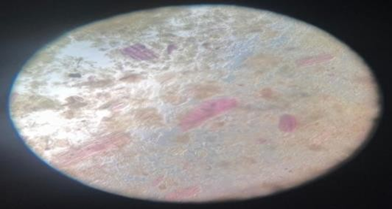
Fig no:15 Liquorice powder microscopy
The serum was evaluated by organoleptic evaluation colour, odour, taste, texture and state of serum
Table 2 Organoleptic evaluation
|
Colour |
Brownish white |
|
Odour |
Pleasant |
|
Texture |
Smoothy |
|
State |
liquid |
|
homogeneity |
Good |
Table 2 pH evaluation of serum
|
S.NO |
pH |
|
1 |
6.5 |
|
+2 |
6.6 |
|
3 |
6.9 |
|
Average |
6.6 |
The pH of the formulation was found to be 6.6. As, the skin has an acidic range and the pH of the skin serum should be in the range of 4.1-6.7. This range of formulation is suitable for skin. The prepared cream can be an efficacious Homogeneity.
Table 3 Viscosity of serum
|
Liquid |
Time of flow [Sec] |
Mean [Sec] |
Density [p][g/ml] |
Viscosity (cp) |
||
|
|
1 |
2 |
3 |
|
|
|
|
Distilled water |
5.98 |
5.75 |
5.80 |
5.84 |
0.77 |
0.9cp |
|
Polyherbal serum |
6.9 |
6.7 |
6.5 |
6.5 |
0.99 |
1.27cp |
Viscosity is the critical parameter for topical formulation. Topical solution with low viscosity has faster clearance than viscous solution. In addition, highly viscous solution can have an undesired effect on skin. The viscosity of the face serum was found to be 1.29 cp. Shown in table 3
Table 4 Spredability of the formulation
|
S. NO |
Time in sec |
|
|
|
|
1 |
8.40 |
|
2 |
8.08 |
|
3 |
6.4 |
|
4 |
8.1 |
|
Average |
7.75 |
Spreadability of liquid formulation that is ability of the face serum to spread over the skin and play important role in administration of standard dose of medicament formulation on skin. The speadibility of the serum was found to be 6.2 cm
|
Experiment |
Observation |
Inference |
|
Mayer’s reagent A small amount of sample was taken and add 2ml of dil Hcl. Mixed and filtered. And add drop of mayer’s reagent was added and filtered. |
Cream Coloured precipitate or white precipitate was observed |
Presence of alkaloids |
|
Experiment |
Observation |
Inference |
|
Libbermann or salkowaski test for steroidal glycosides Sample was treated with chloroform and con.H2SO4. |
Red colour was observed |
Absence of steriods |
|
Experiment |
Observation |
Inference |
|
FOAM TEST 1ml of formulation was diluted separately with distilled water to 20ml and shaken a graduated cylinder for 15mins. A 1cm layer of foam indicates presence of saponins opius lather formation indicates the presence of saponins. |
Foam present for more than 2mins. |
Presence of saponins |
|
Experiment |
Observation |
Inference |
|
The formulated solution added with diluter fecl3 solution 15% |
Deep blue colour, black,or greenish blue or violet precipitate was observed |
Presence of tanins. |
|
Experiment |
Observation |
Inference |
|
A few drops of 10%taanic acid solution added to the formulation |
White to white buff coloured precipitate is produced. |
ABSENCE OF PROTEIN |
|
Experiment |
Observation |
Inference |
|
Salkowski test Extract5ml was mixture with 2ml chloroform and co.H2SO4 carefully added. |
Appereance of reddish brown layer |
Presence of terpenoids |
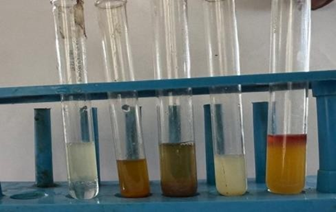
Fig:16 Aloe vera juice
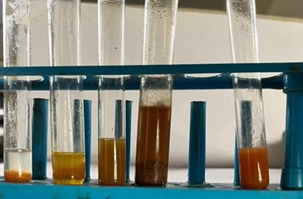
Fig :17 Carrot juice
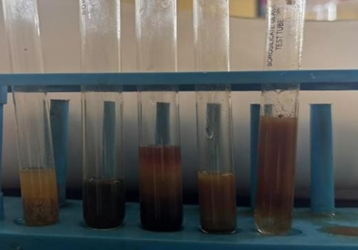
Fig:18 Neem extract

Fig :19 Liquorice extract

Fig :20 Papaya juice
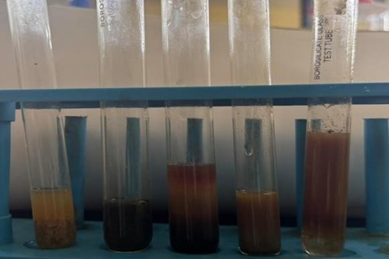
Fig :21 Cucumber juice

Fig :22 Potato juice
Table 6 Preliminary phytochemical screening of selected herbs
|
Ingredients |
Alkaloids |
Carbohydrates |
Proteins |
Steroids |
Tannin |
Flavonoids |
Saponins |
|
Neem extract |
+ |
- |
- |
+ |
+ |
+ |
+ |
|
Liquorice extract |
- |
- |
- |
+ |
- |
+ |
+ |
|
Carrot |
- |
- |
- |
- |
+ |
+ |
+ |
|
Cucumber |
- |
+ |
+ |
+ |
+ |
+ |
+ |
|
Aloe vera |
+ |
- |
- |
_ |
+ |
+ |
+ |
|
Potato |
- |
+ |
- |
- |
- |
+ |
+ |
|
Papaya |
- |
- |
+ |
- |
+ |
+ |
+ |
(-) ve - Not Present ; (+) ve - Present
Sample [Formulation]
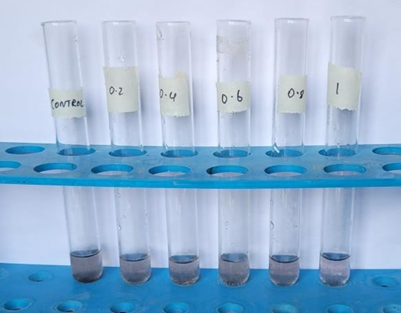
Fig :23 Sample (serum)
Standard
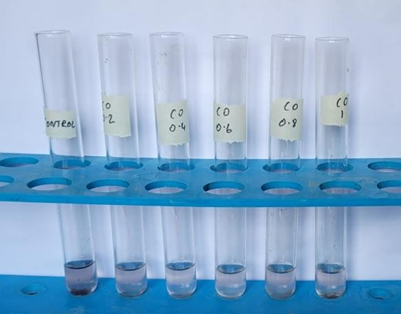
Fig :24 Standard (Garnier)
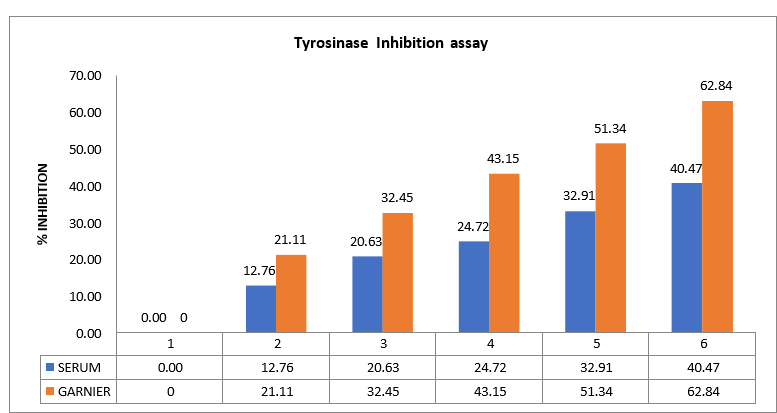
Fig : 25 Graph
Table: 7 Effect of polyherbal serum on tyrosinase inhibition activity
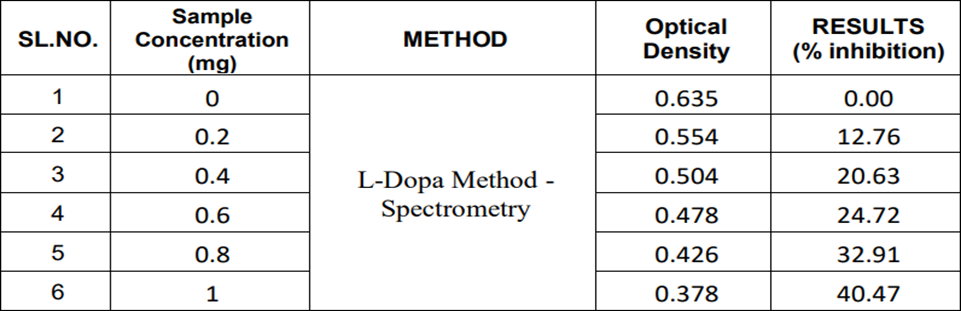
Table 8 Effect of standard sample [Garnier ] on tyrosinase inhibition activity
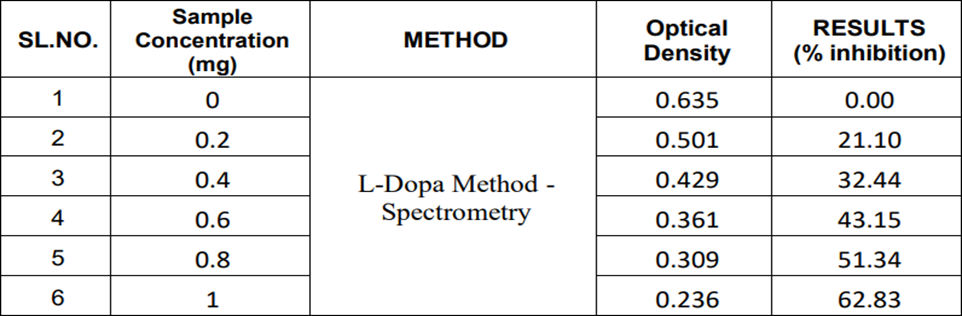
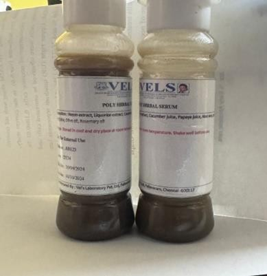
Fig 26: Formulation with label
SUMMARY
Serum is a highly concentrated product based on water or oil Serum is liquid preparation of oil in water. It is good for facial purpose and convenient for usage. Melasma is a common skin pigmentation due to aging. The plant which contains polyphenolic compounds such as tannin, flavonoid have a very good antioxidant property , are used in most of the medicated polyherbal serum.
Based on the literature review and folklore knowledge, the indigenous herbs and normal health plant materials were selected. The serum was formulated by natural method without any chemical component as preservatives and colorants .Rosemary oil is used as flavour as well as diluent. Carrot and cucumber juice are used as a skin whitening purpose and remove the blackspots in melasma .Liquorice roots and neem leaves were used as good pigmentation property as active medical reagent . The serum was evaluated for organoleptic properties. The consistence was found to be good. PH was found to be neutral. Viscosity was within in the limit. The spreadable property was found stable and good. The formulated serum was evaluated for pigmentation property b Tyrosine inhibition assay activity by L- dopa method.The results indicated that ,it was found to be produce good inhibition with IC50 value as compared to standard polyherbal serum [ Granier } . The serum was found to exhibit 40 % of inhibition as compared to standard herbal formulation which showed 62.83% at the 1 mg concertation
So the results of the present study proved that the formulated natural herb based serum was good pigmentation activity for melasm. Further studies needed to confirm its stability for long storage
CONCLUSION-
The aim of the study was to formulate Poly herbal serum to reduce pigmentation condition in melasma on skin. Cosmeceuticals are skin care products that cater both cosmetics purpose and medicinal uses.
In this study the formulated serum contains Neem, Liquorice are main active compounds for pigmentation. The formulated serum was evaluated for tyrosine inhibition assay.
The pH was found to 6.6. The organoleptic evaluation of serum colour brownish white, odour is pleasant, texture is smooth, state is Liquid was easy to penetrate on skin. Spread ability of serum was found to be 6.2 cm. The serum was evaluated by tyrosine inhibition assay [L-DOPA] method. The serum was found to exhibit 40 % of inhibition as compared to standard herbal formulation which showed 62.83% at the 1 mg concertation
REFERENCES






Keerthivasan G., Jayakumari S., Kabilan J., Sowmya Sri K., J. Harish, K. Sakthikumar, Formulation And Evaluation of Poly Herbal Facial Serum for Melasma, Int. J. of Pharm. Sci., 2025, Vol 3, Issue 7, 2861-2883. https://doi.org/10.5281/zenodo.16269520
 10.5281/zenodo.16269520
