
Department of B. Pharmacy, Usha Dwarkadas Patharikar Institute of Pharmacy
Cosmetic science has entered a period of accelerated innovation driven by interdisciplinary advances in dermatology, biotechnology, materials engineering, nanoscience, and digital analytics. This review provides a comprehensive and academically structured evaluation of the contemporary trends, breakthrough technologies, and emerging applications shaping modern cosmetic research and development. Key areas of progress include biomimetic and bioactive ingredients, stem cell–derived actives, nanocarrier-enabled delivery systems, skin–microbiome modulation, regenerative and neurocosmetic approaches, and the integration of artificial intelligence into diagnostic, predictive, and formulation processes. Increasing demands for sustainability have further catalyzed the adoption of green chemistry principles, circular design strategies, and life-cycle assessment tools. This review synthesizes current knowledge, critically examines technological opportunities and regulatory challenges, and outlines future research directions to support evidence-based, safe, and sustainable cosmetic innovation
Cosmetic science has evolved from an empirical craft rooted in traditional practices into a technologically sophisticated field that intersects with biomedical research, materials engineering, and computational sciences. Historically, cosmetic products were primarily evaluated based on sensory perception texture, fragrance, and immediate visual appearance rather than measurable biological outcomes. However, contemporary consumers demand products that offer clinically validated benefits such as barrier repair, pigmentation correction, anti-aging efficacy, and environmental protection. This shift has compelled researchers and manufacturers to integrate evidence-based methodologies, dermatological insights, and advanced material technologies into product design. Simultaneously, globalization, digitalization, and heightened regulatory scrutiny have transformed supply chains, ingredient sourcing strategies, formulation paradigms, and claims-substantiation practices. The increasing convergence between cosmetics and dermatology often termed dermocosmetics or cosmeceuticals reflects the expectation that cosmetic products deliver functional improvements in skin physiology, not merely aesthetic enhancement.Several interconnected drivers have accelerated innovation in cosmetic R&D:
Despite the rapid expansion of cosmetic science, the literature remains fragmented across dermatology journals, materials science publications, biotechnology papers, and regulatory documents. There is a clear need for an integrated academic review that consolidates emerging technologies and scientific frameworks into a coherent landscape. This paper aims to fill that gap by offering:
The intention is to establish a foundational scholarly resource for researchers, formulators, dermatologists, regulatory professionals, and academicians.
2. FUNDAMENTALS OF COSMETIC SCIENCE
Cosmetic science is a multidisciplinary field concerned with the research, development, evaluation, and regulation of products intended for external application to the human body. It integrates principles from chemistry, biology, dermatology, pharmacology, and material science to ensure that cosmetic products are safe, effective, stable, and acceptable to consumers. A sound understanding of the fundamental concepts of cosmetic science is essential for designing formulations that perform their intended function without compromising skin or hair health.From a regulatory perspective, cosmetics are defined as substances or preparations applied to the skin, hair, nails, lips, or teeth for cleansing, beautifying, perfuming, protecting, or maintaining these body parts in good condition. Based on their intended use, cosmetic products are broadly classified into skincare products, haircare products, decorative cosmetics, oral care products, fragrances, and sun care formulations. In recent years, the emergence of cosmeceuticals and dermocosmetics has expanded this classification. These products contain biologically active ingredients that exert beneficial effects on skin and hair while remaining within the cosmetic regulatory framework.
Table 1. Classification of Cosmetic Products and Their Primary Functions
|
Cosmetic Category |
Examples |
Primary Function |
|
Skincare products |
Creams, lotions, serums, masks |
Hydration, protection, anti-aging, skin repair |
|
Haircare products |
Shampoos, conditioners, hair oils |
Cleansing, conditioning, strengthening, scalp health |
|
Decorative cosmetics |
Foundation, lipstick, eye makeup |
Enhancement of appearance, aesthetic appeal |
|
Sun care products |
Sunscreens, after-sun lotions |
Protection against UV radiation, prevention of photoaging |
|
Oral care products |
Toothpaste, mouthwash |
Oral hygiene, prevention of dental issues |
|
Fragrances |
Perfumes, deodorants |
Body odor control, sensory appeal |
A thorough understanding of skin and hair biology forms the cornerstone of cosmetic science. The skin, as the largest organ of the human body, serves as a protective barrier against environmental insults while regulating hydration and temperature. It is composed of three primary layers: the epidermis, dermis, and hypodermis. The outermost layer, the stratum corneum, plays a critical role in barrier function and is the main target for most cosmetic products. Effective cosmetic formulations must interact with this layer without disrupting its integrity or causing irritation.Similarly, hair biology is central to the development of haircare products. Hair structure consists of the cuticle, cortex, and medulla, each contributing to mechanical strength, elasticity, and appearance. Cosmetic products such as shampoos, conditioners, and styling agents are designed to cleanse the scalp, protect the hair shaft, and enhance aesthetic properties like smoothness and shine.Another fundamental aspect of cosmetic science is the interaction between cosmetic ingredients and biological systems. Most cosmetic products are designed to act on the surface of the skin or hair, although limited penetration of certain active ingredients may occur. Factors such as molecular size, lipophilicity, formulation type, and vehicle composition influence ingredient penetration and performance. Therefore, formulation scientists must carefully select ingredients and delivery systems to achieve the desired effect while ensuring safety and consumer comfort.Overall, the fundamentals of cosmetic science provide the scientific basis for developing innovative, effective, and safe cosmetic products. Mastery of these principles enables formulators to translate biological knowledge into functional formulations that meet both regulatory requirements and consumer expectations.
3. EMERGING TRENDS IN THE COSMETIC INDUSTRY
The cosmetic industry is undergoing rapid transformation, driven by evolving consumer preferences, scientific advancements, and growing awareness of health and environmental issues. One of the most prominent trends shaping modern cosmetic science is the shift toward natural, herbal, and clean-label products. Consumers are increasingly cautious about synthetic chemicals and are actively seeking formulations that are perceived as safer, gentler, and environmentally responsible. This trend has encouraged the incorporation of plant-derived ingredients, essential oils, and bioactive extracts, as well as the elimination of controversial substances such as parabens, sulfates, and synthetic colorants.Another significant trend is the rise of personalized and customized cosmetic products. Advances in digital technology, artificial intelligence, and skin diagnostic tools have made it possible to tailor cosmetic formulations according to individual skin type, genetic background, lifestyle, and environmental exposure. Personalized cosmetics aim to enhance efficacy and consumer satisfaction by addressing specific needs rather than offering generalized solutions. This approach represents a major shift from mass-market products toward precision-based cosmetic care.The demand for multifunctional and hybrid cosmetic products has also increased considerably. Modern consumers often prefer simplified beauty routines, leading to the popularity of products that combine multiple benefits in a single formulation. Examples include moisturizers with sun protection, foundations enriched with skincare actives, and anti-aging products that also provide hydration and antioxidant protection. These hybrid products reflect the growing integration of skincare and decorative cosmetics.Sustainability and ethical responsibility have emerged as central themes in the cosmetic industry. Consumers increasingly expect brands to adopt eco-friendly practices, including the use of sustainably sourced ingredients, biodegradable formulations, and recyclable packaging. Cruelty-free testing and transparent supply chains have become important purchasing criteria. As a result, manufacturers are investing in green chemistry, sustainable manufacturing processes, and life-cycle assessment strategies.Digitalization is another emerging trend influencing cosmetic science. Online platforms, virtual try-on technologies, and data-driven marketing strategies have transformed how consumers interact with cosmetic products. These technological advancements not only enhance the consumer experience but also provide valuable insights that support product innovation. Collectively, these trends reflect a dynamic and consumer-centric evolution of the cosmetic industry, driving continuous innovation in cosmetic science.
4. ADVANCES IN COSMETIC INGREDIENTS
Advancements in cosmetic ingredients have played a pivotal role in enhancing the efficacy, safety, and functional performance of modern cosmetic formulations. Traditional cosmetic ingredients primarily focused on basic functions such as cleansing, moisturizing, and fragrance. In contrast, contemporary cosmetic science emphasizes the use of bioactive compounds capable of delivering targeted benefits to the skin and hair. This shift has been largely driven by improved understanding of skin biology, molecular mechanisms of aging, and the impact of environmental stressors.Bioactive ingredients such as antioxidants, peptides, ceramides, and vitamins are widely incorporated into advanced cosmetic formulations. Antioxidants, including vitamin C, vitamin E, polyphenols, and flavonoids, help neutralize free radicals and protect the skin from oxidative damage caused by ultraviolet radiation and pollution. Peptides have gained considerable attention due to their ability to stimulate collagen synthesis, improve skin firmness, and reduce the appearance of wrinkles. Ceramides and essential fatty acids play a crucial role in maintaining skin barrier integrity and preventing moisture loss.
Table 2. Major Advanced Cosmetic Ingredients and Their Functional Roles
|
Ingredient Type |
Examples |
Functional Role in Cosmetics |
|
Antioxidants |
Vitamin C, Vitamin E, polyphenols |
Protection against oxidative stress, anti-aging |
|
Peptides |
Signal peptides, carrier peptides |
Collagen stimulation, wrinkle reduction |
|
Ceramides |
Ceramide NP, AP |
Restoration of skin barrier, moisture retention |
|
Botanical extracts |
Aloe vera, green tea, chamomile |
Anti-inflammatory, soothing, antioxidant effects |
|
Biotechnology-derived actives |
Hyaluronic acid, enzymes |
Hydration, skin repair, enhanced bioavailability |
Botanical and marine-derived ingredients continue to be extensively explored due to their multifunctional properties and consumer acceptance. Plant extracts obtained from herbs, fruits, seeds, and flowers exhibit antioxidant, anti-inflammatory, antimicrobial, and soothing effects. Similarly, marine-derived ingredients such as algae extracts, marine collagen, and polysaccharides offer unique bioactivities, including hydration enhancement and anti-aging potential. Advances in extraction, purification, and standardization techniques have improved the consistency and reliability of these natural actives.Biotechnology has emerged as a powerful tool in cosmetic ingredient development. Fermentation and cell culture technologies enable the sustainable production of high-purity cosmetic actives, including hyaluronic acid, enzymes, and peptides. These methods reduce dependence on natural resources while ensuring consistent quality and scalability. Additionally, biotechnology supports the development of novel ingredients with enhanced bioavailability and stability.Overall, advances in cosmetic ingredients have expanded the functional scope of cosmetic products, enabling targeted action, improved performance, and greater consumer satisfaction. The continued exploration of innovative and sustainable ingredients is expected to further drive progress in cosmetic science.
5. INNOVATIVE COSMETIC TECHNOLOGIES
Technological innovation has become a central driver of progress in cosmetic science, enabling the development of formulations with enhanced efficacy, stability, and consumer appeal. Traditional cosmetic products relied largely on simple emulsions and conventional delivery mechanisms, which often limited the performance of active ingredients. In contrast, modern cosmetic technologies focus on improving ingredient delivery, protecting sensitive actives, and ensuring controlled and targeted action on the skin and hair.

Figure 1. Schematic Representation of Advanced Delivery Systems in Cosmetics
Nanotechnology represents one of the most significant advancements in cosmetic technology. The application of nanoscale materials in cosmetic formulations has improved the solubility, stability, and penetration of active ingredients. Nanocarrier systems such as liposomes, nanoemulsions, solid lipid nanoparticles, and nanostructured lipid carriers are widely used to encapsulate bioactive compounds. These systems enhance skin absorption while minimizing irritation and degradation, thereby improving overall product performance. Nanotechnology also enables sustained and controlled release of actives, reducing the frequency of application and enhancing consumer compliance.Advanced delivery systems play a crucial role in modern cosmetic formulations. Encapsulation technologies protect sensitive ingredients such as vitamins, enzymes, and antioxidants from environmental factors including light, oxygen, and heat. Controlled-release systems ensure that active compounds are released gradually over time, maintaining prolonged efficacy. Such technologies are particularly beneficial in anti-aging, sun care, and sensitive skin formulations, where consistent delivery is essential.Biotechnology and synthetic biology have further expanded the technological landscape of cosmetic science. Biotechnological processes allow for the production of innovative cosmetic ingredients through microbial fermentation and cell-based synthesis. These methods support sustainability by reducing resource consumption and environmental impact. Synthetic biology offers the potential to design and produce complex molecules with specific functions, opening new avenues for cosmetic innovation.In addition to formulation-based technologies, digital and smart technologies are increasingly influencing cosmetic science. Smart cosmetic devices, wearable sensors, and digital skin analysis tools provide real-time data on skin condition, supporting personalized product selection and use. Collectively, these innovative technologies are redefining cosmetic product development, enabling more effective, sustainable, and consumer-focused solutions.
6. FORMULATION STRATEGIES AND PRODUCT DEVELOPMENT
Formulation science is a critical component of cosmetic product development, as it determines the stability, efficacy, safety, and sensory characteristics of the final product. Modern cosmetic formulation extends beyond simple mixing of ingredients and involves a systematic approach that integrates physicochemical principles, ingredient compatibility, and consumer preferences. The objective of formulation strategies is to deliver active ingredients effectively while ensuring product stability, aesthetic appeal, and regulatory compliance.
One of the primary considerations in cosmetic formulation is the selection of appropriate ingredients and excipients. Formulators must carefully balance active ingredients, emulsifiers, preservatives, solvents, and fragrances to achieve the desired performance without causing irritation or instability. The choice of formulation type, such as emulsions, gels, serums, foams, or solid dosage forms, depends on the intended application, target site, and consumer expectations. Advances in formulation science have led to the development of novel textures and delivery formats that enhance user experience and product differentiation.Sensory properties play a decisive role in consumer acceptance of cosmetic products. Attributes such as texture, spreadability, absorption rate, fragrance, and after-feel significantly influence user perception and repeat usage. Modern formulation strategies emphasize the optimization of sensorial characteristics while maintaining functional efficacy. This has led to the incorporation of sensorial modifiers and innovative structuring agents that improve product feel without compromising performance.Stability testing is an essential aspect of cosmetic product development. Cosmetic formulations must remain physically, chemically, and microbiologically stable throughout their shelf life under various storage conditions. Stability studies assess parameters such as phase separation, color change, odor variation, pH, viscosity, and microbial growth. These evaluations ensure that products maintain quality, safety, and efficacy over time.Quality control and manufacturing considerations are equally important in cosmetic product development. Compliance with good manufacturing practices ensures consistency, safety, and traceability. Process optimization, scale-up studies, and batch-to-batch reproducibility are critical for successful commercialization. Overall, effective formulation strategies and systematic product development processes are fundamental to delivering high-quality cosmetic products that meet both regulatory standards and consumer expectations.
7. APPLICATIONS OF ADVANCED COSMETIC PRODUCTS
Advanced cosmetic products are designed to address a wide range of aesthetic and functional needs across skincare, haircare, decorative cosmetics, and sun care. The integration of innovative ingredients and advanced technologies has significantly expanded the scope and effectiveness of cosmetic applications, allowing products to deliver targeted benefits while maintaining high safety standards.In skincare, advanced cosmetic formulations are widely used to manage concerns such as aging, hyperpigmentation, acne, dryness, and sensitivity. Anti-aging products represent one of the largest segments within the cosmetic industry and are formulated to reduce the appearance of wrinkles, improve skin elasticity, and enhance hydration. These formulations often contain bioactive ingredients such as peptides, antioxidants, retinoid alternatives, and hyaluronic acid, supported by advanced delivery systems to improve skin penetration and efficacy. Products aimed at acne and pigmentation focus on regulating sebum production, promoting gentle exfoliation, and restoring skin barrier function.Haircare applications have also benefited from significant scientific progress. Modern haircare products are designed not only to cleanse but also to maintain scalp health, repair damaged hair fibers, and improve cosmetic appearance. Advanced shampoos and conditioners incorporate mild surfactants, conditioning agents, proteins, and botanical extracts to improve strength, smoothness, and shine. Specialized formulations targeting hair loss, dandruff, and scalp sensitivity have gained prominence, supported by an improved understanding of scalp biology and hair growth cycles.
Decorative cosmetics have evolved to include skincare functionality, leading to the development of multifunctional makeup products. Foundations, powders, and lip products are increasingly enriched with moisturizing agents, antioxidants, and sun protection factors. This integration enhances product performance while offering additional skin benefits, aligning with consumer demand for simplified beauty routines.Sun care products constitute another critical application area within cosmetic science. Advanced sunscreens provide broad-spectrum protection against ultraviolet radiation while maintaining cosmetic elegance. Innovations in UV filters, encapsulation technologies, and formulation design have improved photostability, safety, and user acceptability. Collectively, these applications highlight the expanding role of advanced cosmetic products in promoting skin and hair health alongside aesthetic enhancement.
8. SAFETY, EFFICACY, AND REGULATORY PERSPECTIVES
Safety and efficacy assessment are fundamental pillars of cosmetic science, ensuring that products are suitable for regular human use without causing adverse effects. As cosmetic formulations become increasingly complex and functionally active, rigorous evaluation strategies are essential to maintain consumer safety and regulatory compliance. Modern cosmetic science places strong emphasis on scientifically validated safety testing and substantiated product claims.
Safety assessment begins with a comprehensive evaluation of individual cosmetic ingredients. This includes toxicological profiling, assessment of skin and eye irritation potential, sensitization risk, and phototoxicity. Traditionally, animal testing was employed for safety evaluation; however, ethical considerations and regulatory restrictions have led to the widespread adoption of alternative testing methods. In vitro assays, reconstructed human skin models, and computational toxicology approaches are now commonly used to predict safety outcomes while adhering to cruelty-free principles.Efficacy evaluation is equally important, particularly for products making functional or performance-based claims. Instrumental methods, such as skin hydration measurement, elasticity analysis, and imaging techniques, provide objective evidence of product performance. Consumer perception studies and clinical evaluations further support efficacy claims by assessing real-world performance and user satisfaction. These studies help establish credibility and differentiate products in a competitive market.Regulatory frameworks for cosmetic products vary across regions but share the common objective of protecting consumer health. Regulatory authorities require manufacturers to ensure product safety, accurate labeling, and compliance with ingredient restrictions. Documentation such as product information files, safety assessments, and stability data are essential components of regulatory submissions. Post-market surveillance systems play a critical role in monitoring adverse reactions and maintaining long-term product safety.As innovation in cosmetic science continues to accelerate, regulatory bodies face the challenge of balancing consumer protection with technological progress. Continuous updates to regulatory guidelines and increased collaboration between industry and regulators are necessary to address emerging ingredients and technologies. Overall, robust safety, efficacy, and regulatory frameworks are essential for sustaining consumer trust and supporting responsible innovation in the cosmetic industry.
9. SUSTAINABILITY AND GREEN COSMETIC APPROACHES
Sustainability has emerged as a critical focus in cosmetic science, driven by increasing environmental awareness, regulatory pressure, and consumer demand for ethically responsible products. Green cosmetic approaches aim to minimize environmental impact throughout the product life cycle, from raw material sourcing and manufacturing to packaging and disposal. As a result, sustainability considerations are now integral to cosmetic research, formulation, and commercialization.One of the primary aspects of sustainable cosmetics is the use of eco-friendly and renewable ingredients. Natural raw materials derived from plants, algae, and microbial sources are increasingly preferred, particularly when sourced through sustainable farming or biotechnological processes. Green chemistry principles are applied to reduce the use of hazardous solvents, minimize waste generation, and improve energy efficiency during ingredient synthesis and formulation. Biodegradable ingredients are favored to limit environmental persistence and ecological harm.Sustainable packaging has also become a major priority in cosmetic product development. Conventional plastic packaging contributes significantly to environmental pollution, prompting the industry to explore alternatives such as recyclable, refillable, and biodegradable materials. Lightweight packaging designs and the use of post-consumer recycled materials help reduce carbon footprint and resource consumption. In addition, brands are increasingly adopting minimalist packaging strategies without compromising product protection or usability.Manufacturing practices play a vital role in supporting sustainability goals. Energy-efficient production processes, reduced water consumption, and waste management strategies are being implemented across the cosmetic industry. Life-cycle assessment is widely used to evaluate the environmental impact of cosmetic products and identify opportunities for improvement. These assessments support informed decision-making and transparency.Despite significant progress, challenges remain in balancing sustainability with product performance, stability, and cost-effectiveness. Natural ingredients may exhibit variability in quality, and eco-friendly alternatives may not always match the functionality of conventional components. Nevertheless, continued research and innovation are expected to address these limitations, reinforcing the role of sustainability as a key driver of future advancements in cosmetic science.
10. FUTURE PERSPECTIVES AND EMERGING OPPORTUNITIES
The future of cosmetic science is closely linked to rapid technological progress, deeper understanding of skin and hair biology, and increasing demand for personalized and sustainable solutions. As consumer expectations continue to evolve, cosmetic research is moving toward precision-based, data-driven, and smart product development approaches. These emerging opportunities are expected to redefine the scope and impact of cosmetic science in the coming years.Personalized cosmetics are anticipated to play a central role in future product innovation. Advances in genomics, skin microbiome research, and biomarker identification are enabling a more detailed understanding of individual skin characteristics and responses to cosmetic ingredients. By integrating genetic data, lifestyle factors, and environmental exposure, cosmetic formulations can be tailored to deliver optimized efficacy for specific users. Artificial intelligence and machine learning tools further support this trend by analyzing large datasets to predict consumer needs and guide formulation design.
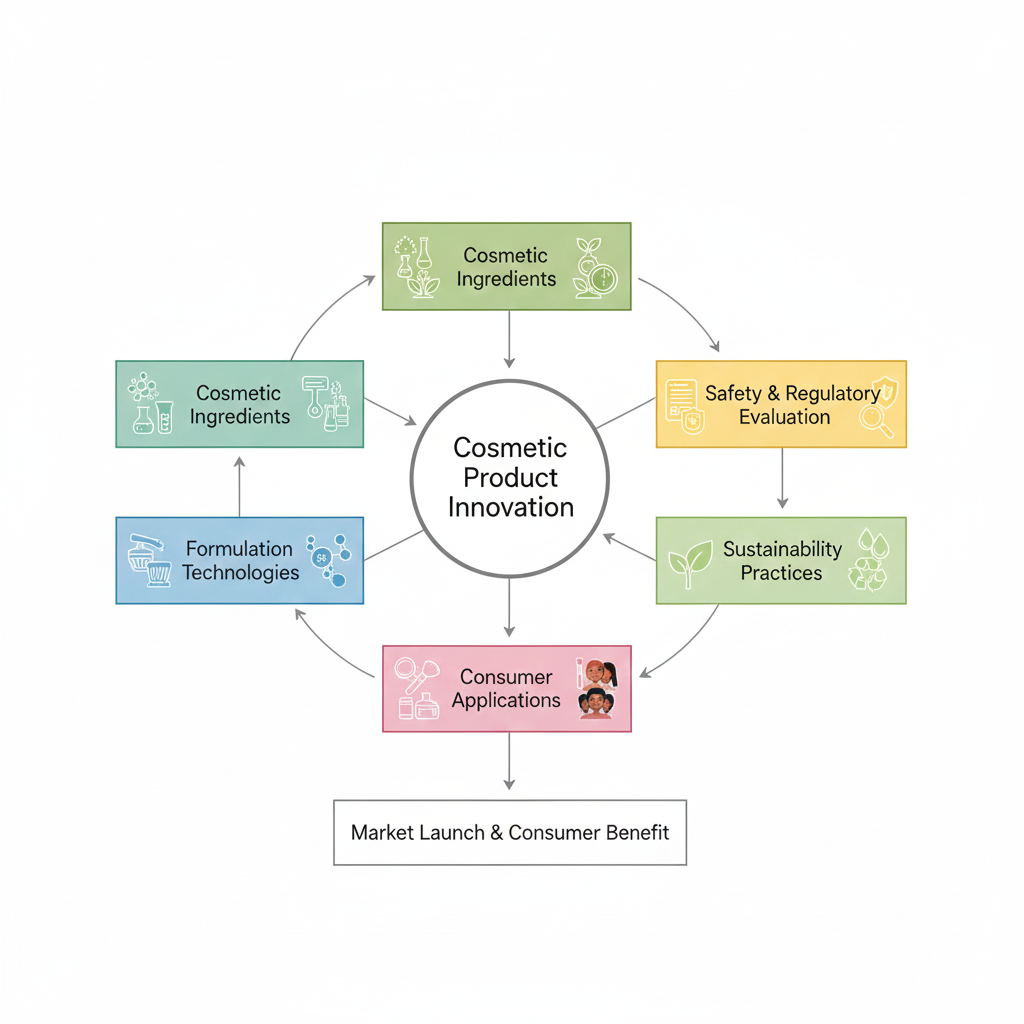
Figure 2. Integrated Framework of Modern Cosmetic Science
Smart cosmetics and digital beauty technologies represent another promising area of growth. Wearable sensors, mobile applications, and connected beauty devices can monitor skin parameters such as hydration, sebum levels, and ultraviolet exposure in real time. These technologies not only enhance consumer engagement but also provide valuable feedback that can inform product development and usage recommendations. Smart delivery systems that respond to environmental or physiological stimuli are also being explored to improve controlled release and targeted action.
Table 3. Emerging Technologies and Their Applications in Cosmetic Science
|
Technology |
Application Area |
Expected Impact |
|
Nanotechnology |
Targeted delivery systems |
Improved penetration and controlled release |
|
Artificial intelligence |
Personalized formulation design |
Enhanced efficacy and consumer satisfaction |
|
Skin microbiome research |
Probiotic and microbiome-friendly cosmetics |
Long-term skin health maintenance |
|
Wearable beauty devices |
Real-time skin monitoring |
Data-driven skincare recommendations |
|
Synthetic biology |
Sustainable ingredient production |
Reduced environmental impact |
Advances in cosmetic biotechnology are expected to expand the availability of novel, high-performance ingredients produced through sustainable processes. Synthetic biology offers the potential to design customized bioactive molecules with enhanced stability and functionality. Additionally, increased focus on the skin microbiome is opening new avenues for developing cosmetics that support microbial balance and long-term skin health.Despite these opportunities, challenges related to regulatory adaptation, safety validation, and consumer acceptance must be addressed. Continuous collaboration between researchers, industry stakeholders, and regulatory authorities will be essential to translate emerging technologies into safe and effective products. Overall, the future of cosmetic science lies in innovation that combines scientific rigor, technological sophistication, and ethical responsibility.
CONCLUSION
Cosmetic science has transformed from traditional beautification practices into a sophisticated, research-driven discipline that integrates chemistry, biology, biotechnology, and material science. Modern cosmetic products are designed not only to enhance appearance but also to improve skin and hair health, protect against environmental stressors, and provide functional benefits such as anti-aging, hydration, and barrier repair. Advances in bioactive ingredients, nanotechnology-based delivery systems, and biotechnology-derived compounds have significantly improved efficacy, stability, and targeted action. Safety and regulatory compliance remain central to responsible product development, with increasing reliance on in vitro testing, alternative models, and rigorous efficacy validation to ensure consumer protection. At the same time, sustainability has become a key priority, encouraging the use of eco-friendly ingredients, biodegradable formulations, and sustainable packaging. Looking ahead, the future of cosmetic science lies in personalized, smart, and data-driven solutions. Integration of artificial intelligence, microbiome research, and wearable technologies promises to deliver customized and highly effective cosmetic products. By combining scientific innovation, ethical practices, and environmental responsibility, the cosmetic industry is well-positioned to meet evolving consumer expectations and continue advancing the field in the coming years.
REFERENCES



Dattatray A. Salunke, Datta A. Bambarde, Shachin H. Lanjewar, Dr. Yuvraj R. Girbane, Advances in Cosmetic Science: A Comprehensive Review of Trends, Technologies, and Applications, Int. J. of Pharm. Sci., 2026, Vol 4, Issue 2, 661-673. https://doi.org/10.5281/zenodo.18491466
 10.5281/zenodo.18491466
