View Article

Abstract

AI is a novel technology that has been used in heart treatment for a long time. It has made it easier to diagnose, assess risk, treat, and keep an eye on patients in a method that costs less. Cardiovascular diseases (CVDs) continue to be the primary cause of global death. AI-based technologies like machine learning (ML), deep learning (DL), and natural language processing (NLP) have made it possible for doctors to look at data that is getting more and more complicated with accuracy and speed. The article talks about some of the most popular AI-based clinical tools that cardiologists utilize right now. These are cardiac imaging, predictive analytics, wearable technologies, and systems that help doctors make decisions. We will talk about how AI could be used in the future between groups of people, such as in genomics, robotic interaction, and digital twins, to mention a few. This article aims to summarize previously reported accomplishments and highlight their importance in advancing research, evaluating evidence-based clinical management, and improving AI accessibility to enhance patient outcomes in cardiovascular disease.

Keywords

Artificial Intelligence, Machine Learning, Deep Learning, Cardiac Imaging, Predictive Analytics, AI Genomics

Introduction

The cardiovascular system is also called as circulatory system of our body. Cardiovascular diseases (CVD) are the number one cause of death worldwide and resulted into approximately 18 million deaths per year1. Nonetheless, that means the early diagnosis and individualized treatment pose big challenges for cardiology2 despite great improvement was achieved in pharmacologic therapy and interventional procedures. Transmutation of cardiovascular information from images and electrocardiograms to genomics and electronic health records (EHRs) also requires more sophisticated analytical solutions for the discovery of knowledge and advancement in this field3.

AI will alter healthcare by offering us new tools that can help us uncover information, see patterns in business, and think about challenges that can come up in the future4. AI helps clinicians make better diagnoses and tailor therapies for people with heart disease by using large, diverse datasets like electronic health records (EHRs), imaging data, genomics data, and signals from wearable devices. This will help patients get better results5.

Each realm of the cardiovascular care continuum has integrated technologies based on artificial intelligence (AI) such as machine learning (ML), deep learning (DL) and natural language processing (NLP). Such systems offer automatic image interpretation, risk-stratifications, remote control of treatments by patients and parents, robotic telesurgery assisted treatment at distance as well as virtual simulations of the patient (virtual patient or so-called digital twin)6,7.

The convergence of AI and cardiovascular medicine may bring care out of reaction mode – in other words, spotting disease early, treating it more directly and continuously staying vigilant for recovery progress. However, AI is accompanied by a number of ethical, regulatory and technical challenges that must be addressed in order to ensure its safe and fair deployment towards their specific patients8.

In the current manuscript, we attempt to present a comprehensive review of AI in CV medicine from trends to future directions. From imaging and predictive analytics to wearables, genomics, robotics and next generation computing - discussing the potential use cases and impact of AIs in high level patient use cases as well as for technical constraints/ethical considerations on using AI.

Fig. No. 1: BLOCK DIAGRAM OF CARDIOVASCULAR SYSTEM

MATERIALS AND METHODS

Searching a massive number of articles and integrating the peer-reviewed literature, clinical trials, and bibliometric analyses on AI in cardiovascular medicine, this review article was written9. The search strategy used databases such as PubMed, Web of Science Scopus and Google Scholar10. The key words used when searching include " artificial intelligence and cardiology ", " machine learning heart disease ", " deep learning in heart scans ", " AI of heart failure" and "predictive analytics for cardiovascular diseases"11. The included studies had to meet strict criteria for selection12:

  • Published between January 2018 and October 2025.
  • Focusing on AI application in cardiovascular diagnostics
  • English publication
  • Articles from peer-reviewed journals, meta-analyses, systematic reviews and original scientific research reports

The following studies were excluded12:

  • Non-English publications
  • Not cardiovascular-related studies
  • Editorials, commentaries and other contents of this kind, which are not peer-reviewed work. Data extraction targeted the type of AI technology used, clinical application results measured and future implications13.

RESULTS AND DISCUSSION:

Current Trends and Future Prospects in AI for Cardiovascular Medicine

1. AI in Cardiac Imaging

Cardiac imaging has been transformed by using the Artificial Intelligence (AI), which is now able to handle image acquisition, segmentation and interpretation. AI is used across various imaging modalities, such as echocardiography (ECG), cardiac CT (CCT), cardiovascular magnetic resonance (CMR), nuclear imaging and cardiac MRI14-15.

1.1 Echocardiography

The AI-based echocardiography leverages CNNs to automate:

  • Chamber detection: Left and right ventricle and atria identification16.
  • Estimation of the ejection fraction: Real-time measurement with low operator dependence16.
  • Wall motion: Identification of regional abnormality in myocardial contraction.

Several tools such as EchoNet-Dynamic have achieved performance comparable to humans in left ventricular function evaluation which uses 2D echocardiograms16.

1.2 Cardiac Computed Tomography (CCT)

AI makes CCT better by:

  • Plaque Characterization: Differentiating calcified from non-calcified plaque17.
  • Coronary artery segmentation: Automatic vessel tracking and stenosis quantification are performed17.
  • Radiomics: to get high-dimensional features for sorting risk.

The AI-based quantitative CT shows a rough correlation with invasive methods like NIRS-IVUS17,18.

1.3 Cardiovascular Magnetic Resonance (CMR)

AI is very important for a lot of CMR uses:

  • One important area is characterizing tissue, which helps in finding the scar tissue, edema, and fibrosis19.
  • Another part is about figuring out how much flow there is: It is possible to automate the process of phase-contrast analysis, which helps with valve assessment19.
  • AI also helps with function analysis: volume measurements can be made in any of the heart's chambers19.
  • Deep learning models have made post-processing time more than 70% shorter. But the accuracy of the diagnosis has not changed20.

1.4 Nuclear Imaging AI and PET

AI helps perfusion mapping by increasing resolution and lowering noise levels. It also helps standardize the distribution of myocardial tracers by looking at how much they are taken up. When PET is used with CT or MRI, computers can do a full analysis MEMBER21.

TABLE 1: AI APPLICATIONS ACROSS CARDIAC IMAGING MODALITIES14-21

Modality

AI Functionality

Clinical Benefit

Echocardiography

Chamber segmentation, EF estimation

Real-time analysis, reduced variability

CCT

Plaque analysis, vessel tracing

Early CAD detection

CMR                               

Tissue characterization, flow quantification

Accurate diagnosis of cardiomyopathies

PET/ Nuclear

Perfusion mapping, tracer analysis

Improved ischemia detection

2. AI in Predictive Analytics and Risk Stratification

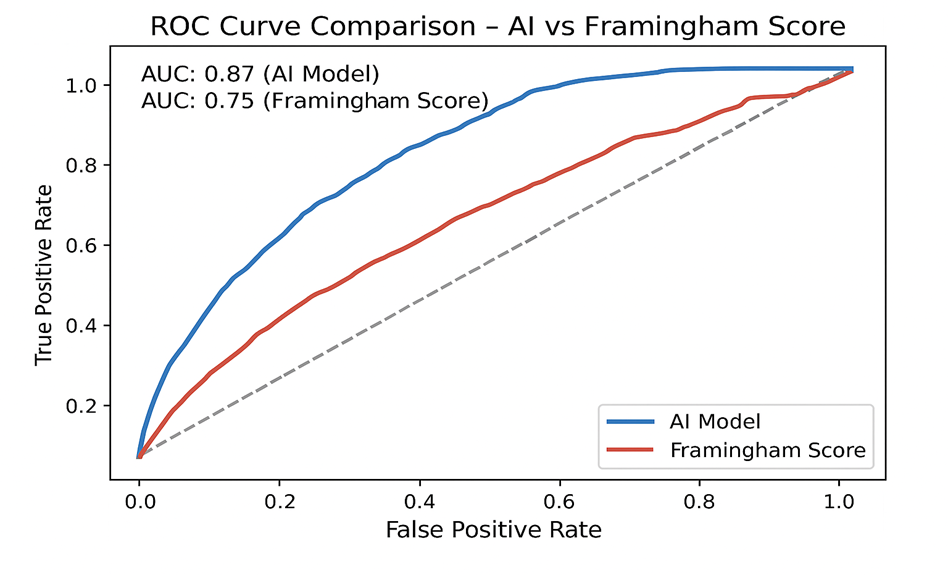
One of the most important uses of AI is to use predictive analytics in heart medicine.  AI models are better than the Framingham Risk Score and the ASCVD calculator, which are both traditional ways to measure risk22,23. They work well because they use a lot of different kinds of data, such as EHRs, genetic markers, and lifestyle factors24.

Machine learning methods like XG Boost and random forests predict the myocardial infarction, stroke, and the heart failure with high sensitivity and specificity which helps in predicting analytics and risk stratification. 

These models allow healthcare providers to identify high-risk patients early.

They also support preventive measures, such as starting statins or making lifestyle changes, that are tailored to individual risk profiles25.

2.1 Conventional Risk Models vs AI-Driven Formulations Traditional risk models

It includes the Framingham Risk Score, ASCVD calculator and SCORE system depends on a small set of variables (for example age, cholesterol and blood pressure)22. Such models may not accommodate variability in the profiles of individual patient, and therefore perform less accurately amongst different populations24.

Specially DL-based, ensemble learning methods of AI models can:

  • Integrate hundreds of variables simultaneously.
  • Detect nonlinear relationships.
  • Get smarter and better with new information.
  • Personalize predictions for the individual, not just the population.
  • Improves over the time as new datasets are included.
  • Capable of early risk identification and preventive guidance.

TABLE 2: COMPARISON OF TRADITIONAL VS AI-BASED RISK MODELS

Feature

Traditional Models

AI-Based Models

Variables used

Limited (5–10)

Extensive (100+)

Data types

Structured only

Structured + unstructured

Population bias

High

Lower (with diverse training)

Accuracy

Moderate

High (AUC > 0.90 in some models)

Adaptability

Static

Dynamic and self-improving

2.2 AI Algorithms for Cardiovascular Risk Prediction

A number of machine learning algorithms have been tried in cardiovascular risk prediction25:

  • Random Forests: For feature selection and classification.
  • Gradient Boosting Machines (GBM): Good at handling unbalanced datasets.
  • Neural Networks: Capture complex interactions between variables.
  • Support Vector Machines (SVM): Useful for binary classification tasks.

The features of these models include:

  • Whether or not to refer patients to appropriate diagnostic units.
  • Stroke incidence
  • Sudden cardiac death (SD)
  • Hospitalization rates for acute heart failure patients who did not initially receive medications or who were resistant to treatment.
  • Need for further coronary revascularization

2.3 Real-World Applications

We can now use ai technology, "big data," and many other tools to predict the five-year cardiac risk of a patient by means of its deep learning models trained on more than one million electronic health records (EHRs). Beyond risk prediction, AI algorithms are now widely used to analyze medical images such as ECG and CT scans, identifying abnormalities that can escape from human detection24.

Once equipped with imaging, genomics as well as traditional clinical data, AI4Heart can distinguishes among many times before ill-health occurs a bad orchard from its companion (Lu, 48). LYNA, developed originally for use with cancer patients, has been adapted to assess cardiovascular risk26.

2.4 Integration into Clinical Algorithms AI-based risk scores

These are being integrated into electronic health records to24:
  • Alert clinicians about high-risk patients.
  • Recommend diagnostic tests or referrals.
  • Guide preventive interventions (e.g., statin initiation, lifestyle counseling).
  • Real time analyzing patient data.
  • Helps in medication optimization.
  • Make your guesses more accurate.
  • Helps keep the health of a group of people in check.

Fig. No. 2: ROC CURVE COMPARISON—AI VS. FRAMINGHAM SCORE (SHOWS THAT AI MODELS HAVE A HIGHER AUC FOR PREDICTING HEART EVENTS)

2.5 Limitations and Challenges

  • How good the data is A model can work worse if it has missing or wrong data.
  • Generalization: Models that work well for one group of people may not work well for another.
  • Understandability: Clients trying to figure out the black-box models may not work, and doctors lose faith in them26.

3. Wearable devices and remote health monitoring devices that use AI

These have opened up a whole new world of cardiovascular monitoring when used with AI. They let you collect and analyze data in real time. Wearable devices can help patients keep track of their heart rate, blood oxygen levels, blood pressure, and physical activity27. They make it easier for patients and healthcare providers to embrace rapid cardiovascular disease identification, personalize treatment plans, and lower the number of hospitalizations. Devices that use AI and don't need to be watched by a doctor can also keep an eye on your heart all the time, day and night. Devices like the Apple Watch and KardiaMobile use AI algorithms to read single-lead ECGs. With a sensitivity of over 95%, they can find atrial fibrillation28.

The Zio Patch and BioBeat are two new kinds of patches that can check for heart failure by keeping an eye on thoracic impedance, heart rate variability, and breathing patterns29. These technologies also let patients and doctors keep an eye on each other, which can lead to faster actions, shorter hospital stays, and a better quality of life30.

3.1 Presentation of Wearable Technologies

Smartwatches, chest patches, biosensors, and implantable devices with sensors and AI algorithms that help people all over the world are all examples of wearables today. They keep track of things like how fast and how often the heart beats27.

  • Blood pressure
  • How much you sleep and how much you do
  • The amount of oxygen in your blood
  • The speed at which you breathe
  • These devices send information to cloud-based platforms, where AI algorithms look for patterns, find problems, and send alerts.

3.2 Wearables AI Algorithm

AI enhances the functionality of wearables by:

  • Signal processing: Removing noise and artifacts from raw data.
  • Pattern recognition: Spotting arrhythmias, ischemic changes and heart failure decompensation.
  • Predictive modeling: Forecasting adverse events based on historical trends.

Common machine learning models such as support vector machines (SVM), decision trees, and recurrent neural networks (RNNs) are embraced by wearables31.

3.3 Purposes in Clinical Detection

Atrial Fibrillation Detection

AI in the apple watch and KardiaMobile for wearable devices is used to analyze single-lead ECGs. The performance of the stethoscope is more than 95% sensitive in discerning atrial fibrillation. Early detection AF can reduce the risk of stroke and help guide anticoagulant therapy28

Monitoring Heart Failure

Patches with AI on board (for instance, the Zio Patch and BioBeat) use thoracic impedance, HRV measurements and respiratory recording to predict when forms of heart failure might worsen. Pre-emptive alerts tie medicine adjustments made at home or in an ambulance may prevent hospital admission29.

High Blood Pressure Management

Wearable devices with a digital cuff that can measure blood pressure use AI to change the readings based on the time it takes for the pulse to move and photoplethysmography (PPG). These tools help people change their medications and their way of life when they need to. It helps find hidden hypertension and white coat hypertension, predicts when high blood pressure will happen, and allows for personalized treatment, among other things30.

3.4 Patient Participation and Compliance

Devices that use AI and work with wearable sensors can give you personalized reminders and feedback. It turns health goals into a game, which makes people 50% less likely to skip their medicine and more likely to eat better and work out more30.

TABLE 3: AI-ENABLED WEARABLES IN CARDIOVASCULAR CARE

Device

AI Functionality

Clinical Utility

Apple Watch

ECG analysis, AF detection

Stroke prevention

Fitbit

Heart rate variability, activity tracking

Lifestyle modification

BioBeat

BP, HR, SpO? monitoring

Hypertension and heart failure

Zio Patch

Long-term rhythm monitoring

Arrhythmia diagnosis

3.5 Limitations and Challenges

  • Accuracy of data: Moving your wrist or having different skin tones can change how the sensor reads.
  • Battery life: Watching things all the time drains the battery.
  • Privacy concerns: All of a patient's health information must be kept and sent safely, like by encrypting it.
  • Clinical validation: Most technologies haven't been tested enough in real life to prove that they work as they say they do31.

3.6 Future Directions

  • Multi-modal sensing: ECG, PPG, accelerometry, and quick temperature monitoring all work together to keep an eye on patients' health.
  • Edge computing: AI runs on the computer itself, which speeds things up and makes them less reliant on the cloud.
  • Integration with EHRs: Clinical systems can easily get information from both preventive and restorative care.
  • AI coaching: Based on real-time, hard physiological signs.
  • Customized care: AI-powered platforms that give you personalized medicine doses, types of therapy, and more27,30.

4. AI-assisted stethoscopes

AI-enhanced stethoscopes combine regular sound sensors with ECG capabilities, making it easier to find heart problems, especially arrhythmias and valvular disorders32.   The Eko DUO and StethoMe are two examples of devices that work well for both kids and adults33.   These advanced stethoscopes use machine learning to look at heart sounds34.

4.1 Evolution of the Digital Stethoscope

Traditional stethoscopes can make mistakes because they depend on the doctor's ability to listen carefully. Digital stethoscopes turn sounds from the heart into electronic signals that can be seen, stored, and studied. This makes the results more accurate and exact32.

AI improves this by: 

  • Filtering out background noise 
  • Classifying heart sounds (S1, S2, murmurs, gallops) 
  • Spotting abnormal rhythms and problems with heart valves34,35 

Examples include:

  • Eko DUO: This device merges ECG and digital listening with AI to detect murmurs32
  • StethoMe: This system uses AI to find respiratory and heart issues in young patients33.
  • Butterfly iQ+: While mainly an ultrasound tool, it uses AI for heart assessments36.

4.2 Clinical Applications

Valvular Heart Disease: AI algorithms, which have been trained on thousands of annotated heart sound recordings, can identify:

  • Aortic stenosis
  • Mitral regurgitation
  • Tricuspid insufficiency There are reports that AI-assisted stethoscopes can achieve sensitivity and specificity >85% for common valvular lesions34.

Arrhythmia Detection ECG equipped dual-mode stethoscopes may detect:

  • Atrial fibrillation
  • Bradycardia
  • Tachyarrhythmias Live alerts facilitate timely measure and lower the risk of stroke32.

Paediatric Cardiology AI improves auscultation in children, who frequently have faint and hard to discern heart sounds. It can help to identify congenital heart defects and innocent murmurs and more diseases.

    1. Integration with Telemedicine 

Telemedicine platforms are increasingly used with AI-supported stethoscopes.

Remote clinicians can:

  • Obtain good heart speech recordings
  • View synchronized ECG traces
  • Decide without being there This is particularly crucial in rural and underserved regions37.

4.4 Limitations and Challenges 

  • False positives: AI could mistakenly say that mild murmurs are something serious, which would result in unnecessary referrals35.
  • Bias in training datasets: Models that were trained on adults won't work as well on kids33.
  • Cost and access: Small clinics might not be able to buy expensive equipment.
  • Issues with rules: Clinical fulfillment has to follow the rules set by the FDA and CE37.

4.5 Future Directions

  • Data fusion uses sounds from a stethoscope, information from an ECG, and pictures to quickly and completely figure out what's wrong36.
  • Cloud-based learning gets better over time when you share and save data online.
  • Voice-guided feedback: This helps new doctors figure out how the heart is beating right now.
  • Electronic health records make it easy for hospitals to keep track of patient information and follow up with them37.

TABLE 4: CAPABILITIES OF AI-SUPPORTED STETHOSCOPES

Device

AI Features

Clinical Use

Eko DUO

ECG + murmur detection

Valvular disease, AF

StethoMe

Sound classification

Pediatric screening

Thinklabs One

Amplified digital auscultation

Heart failure monitoring

Butterfly iQ+

AI-guided ultrasound

Cardiac imaging support

5. Clinical Decision Support Systems (CDSS) Powered by AI

CDSS are computer applications designed to help the health care professionals in making evidence-based decisions. Enriched with AI, these systems become state-of-the-art and build on extensive databases identifying the patterns, offering personalized recommendations with hwlp of AI by identifying the best practice in the cardiovascular care38.

AI-driven (CDSS) support clinicians in the diagnosis, planning of treatment, and prognosis modeling38. They use the patient data and clinical guidelines to offer the optimal therapies, highlight alerts on possible side effects of any drug used by the particular patient, and perform record-keeping automatically and report if any side effect or adverse effect of a drug detected on patients39.

Notable examples include HeartFlow Analysis for non-invasive coronary FFR estimation and CardioSmart Advisor for customized care planning²?. AI-driven clinical decision support systems improve diagnostic accuracy, reduce errors, and increase clinical workflow efficiency40.

5.1 Overview of AI-Driven CDSS

Traditional CDSS use logic that is based on rules that have already been set and clinical guidelines that are set in stone. AI-driven CDSS, on the other hand, use advanced technologies like machine learning, deep learning, and natural language processing to:

  • Look at both organized and unstructured data, like EHRs, images, and lab reports
  • Guess what will happen in the patient's treatment
  • Recommend the best tests and treatments for the diagnosis
  • Tell healthcare workers about possible bad outcomes

AI-powered CDSS also learn from new data and clinical experience, which makes them more accurate over time. This is different from older systems38,41.

5.2 Components of CDS Systems 

Level of Data Integration: You can effortlessly dive into a treasure trove of data from all sorts of sources, like genomic databases, those fancy wearable gadgets, imaging systems, and the ever-popular electronic health records (EHRs). It's like a data buffet, and you're invited to feast on it40.

Getting AI to do your bidding!

Dive into the wacky world of complex algorithms that whip up spot-on classifications, predictions, and suggestions tailored just for you—like a personal assistant who knows your coffee order better than you do.

Ambitions for the user interface: Handing healthcare professionals a treasure map of clear, useful information that's as easy to read as a comic book and totally on point for what they need41.

5.3 Application in Cardiology

Diagnosis Assistance

AI-powered CDSS may act like a doctor by looking at a patient's test results, medical history, and symptoms and coming up with a list of possible diagnoses, like a game of medical bingo!    To give you an idea:  HFrEF and HFpEF are like the odd couple of heart failure. They each have their own unique traits that set them apart from the rest42.

Treatment Optimization

AI-CDSS gives therapeutic recommendations that are based on clinical criteria and the specific needs of each patient is by choosing the optimum antithrombotic medication for atrial fibrillation39.
Based on the lipid profile and hereditary risk factors, it is recommended to start statins,
deciding who can get device-based treatments like CRT and ICD42.

IBM Watson and Google DeepMind are two systems that can guess: -

    • The chance of going back to the hospital within 30 days
    • People with acute coronary syndrome are more likely to die
    • The likelihood of stroke in persons with atrial fibrillation43

Workflow Automation

AI-CDSS can do simple tasks on its own, such as: 

    • Writing and making discharge summaries plans for follow-up instructions for smooth patient recovery.
    • Sending alerts when lab results are unusual40

5.4 Benefits

  • More accurate: It lowers the number of diagnostic errors and encourages people to follow healthcare guidelines more closely.
  • Efficiency: Saves time by automating data synthesis and documentation.
  • Personalization: Tailors recommendations to individual patient profiles.
  • Scalability: Can be deployed across hospitals and clinics with minimal infrastructure, making it easy to implement widely.

5.5 Future Directions

  • Explainable AI: This makes things clearer, which helps clinicians trust and understand system recommendations even more.
  • Voice-enabled interaction: It lets CDSS work as a hands-free assistant during clinical operations.
  • Federated learning: This is when model training happens at more than one institution without exchanging sensitive raw data.
  • Digital twin integration: This lets you simulate the outcomes of different patients to help you choose the best treatment.

TABLE 5: AI-CDSS CAPABILITIES IN CARDIOVASCULAR CARE

Function

AI Capability

Clinical Impact

Diagnosis

Pattern recognition from EHRs and imaging

Early and accurate detection

Treatment

Personalized therapy recommendations

Improved outcomes

Prognosis

Risk prediction models

Preventive interventions

Workflow

Automation of documentation and alerts

Increased efficiency

6. AI in Genomics and Precision Medicine

Using genomics and artificial intelligence together makes it possible to use precision medicine in new ways to treat heart problems. By combining genetic data with clinical and lifestyle information, AI can find new biomarkers, figure out the best treatments for a person, and even figure out who is more likely to get sick. AI is making genomics in heart care happen faster by helping to figure out complicated genetic data for predicting risk and tailoring treatment to each patient44.Machine learning algorithms can identify relevant single nucleotide polymorphisms (SNPs) from genome-wide association studies and build polygenic risk scores for disorders such as coronary heart disease and atrial fibrillation45. AI systems such as MyGeneRank and CardioDx turn genomic profiles into actionable decisions through AI guidance on questions like whether to wait and see if you're at high risk of an existing condition to undergo drug therapy, lifestyle change early detection46. Such strategies allow medicines to meet specific needs by taking into consideration an individual's genetic makeup47.

6.1 Cardiovascular Disease in the Era of Precision Medicine 

 This section describes how precision medicine has begun to benefit... In cardiology, prevention, diagnosis and treatment today must be: Precisely honed Genetic risk scoring Pharmacogenomics Molecular phenotyping Targeted therapies AI has become indispensable. Charles Scriver Credit: © Charles B. Scriver It processes high-dimensional genomic data sets and uncovers complex interactions between genes and with the environment44,47

6.2 AI Techniques Used in Genomic Analysis 

AI algorithms in genomics includes:

  • Unsupervised learning: Clustering gene expression profiles to identify disease subtypes.
  • Supervised learning: Predicting disease risk based on known genetic variants.
  • Natural language processing (NLP): Mining literature for gene-disease associations.
  • Deep learning: Modeling nonlinear relationships in multi-omics data.
  • These techniques make it possible to: Find single nucleotide polymorphisms (SNPs) linked to CVD Speculate on drug metabolism and adverse reactions Integrate transcriptomic, proteomic and epigenomic data45.

6.3 Pharmacogenomics

AI mode’s forecast—how an individual will respond to cardiovascular drugs for example:

  • Clopidogrel: CYP2C19 Variants affects antiplatelet effect
  • Warfarin: VKORC1 and CYP2C9 P450 variants influence required doses
  • Statins: SLCO1B1 Variants linked to myopathy risk47.

Among the many clinical pathways supported by patents this year was AI-CDSS, integrating both genetic and clinical data to recommend a personalized drug regimen; small adverse events can thus be greatly reduced and beneficial outcomes are more likely.

6.4 Biomarker Discovery

AI can be used to aid in biomarker study by performing the following functions44,48:

  • Analysing data from gene expression
  • Discovering fresh targets for heart failure arrhythmia and cardiomyopathy
  • Validating biomarkers by using cross-platform data Examples of the above include:
  • miRNA signatures for myocardial infarction
  • Identities of the exosomes in heart failure
  • Genomic predictors of sudden cardiac death 

6.5 Clinical Implementation

  • MyGeneRank: an AI-driven app that predicts a PRS for coronary artery disease.
  • CardioDx: Testing for gene profile associated with obstructive CAD risk.
  • All of Us Research Program: An NIH initiative uses AI to examine, from diverse populations, the genetic data on which this research is based46.

6.6 Challenges and Limitations

  • Data heterogeneity: Variability in sequencing platforms and annotation standards.
  • Ethical concerns: Genetic privacy and consent for data use.
  • Population bias: Inadequate or no representation of non-European ancestries in training datasets.
  • Clinical translation: Limited integration of genomic insights into routine practice.
  • Model interpretability: Advanced AI models often act as black box making it difficult for clinicians to understand their predictions, which can reduce trust and use.
  • Regulatory hurdles: Gaining approval for AI medical tools is often slow and costly, delaying their move from research to clinical use47.

6.7 Future Directions

  • Multi-omics integration: Marrying genomics, proteomics, metabolomics, microbiomics and even geography data as well.
  • Federated learning: Model training through many institutions but not at University itself.
  • AI-guided gene editing: Genetic interventions on virtual patient models that can be simulated with known outcomes.
  • Digital twin genomics: Simulating genetic interventions in virtual patient models48.

TABLE 6:AI APPLICATIONS IN GENOMICS FOR CARDIOVASCULAR MEDICINE

Application

AI Role

Clinical Impact

Polygenic Risk Scoring

Variant selection and weighting

Early disease prediction

Pharmacogenomics

Drug response modeling

Personalized therapy

Biomarker Discovery

Pattern recognition in omics data

Novel diagnostic tools

Gene Expression Profiling

Clustering and classification

Disease subtyping

7. Robotics and AI in Cardiac Surgery

The combination of AI with robotics has marked a new era in precision, safety, efficacy and outcome49. AI algorithm-guided robotic procedures provide superior visualization, dexterity and decision support, turning historical surgical methods into minimally invasive interventions that use data for improved outcomes. Systems like the da Vinci Surgical System and CorPath GRX employ AI to help them target optimal instrument trajectories, deliver real-time anatomical guidance and spare a surgeon from having to spend long hours on telesurgery50. Positive impacts of AI adoption have been observed in a variety of procedures such as mitral valve repair, coronary artery bypass grafting (CABG), and atrial septal defect closure51. According to reports in the literature, decreased blood loss, a short hospital stay and sooner recovery are seen when compared with conventional techniques52.

7.1 Overview of Robotic Cardiac Surgery

Robotic cardiac surgery employs computer-assisted systems such as the:

  • da Vinci Surgical System
  • CorPath GRX (Corindus)
  • MAKO SmartRobotics These systems allow surgeons to perform complicated procedures through small incisions using robot arms controlled from a distance.

They are now being enhanced with AI to:

  • Optimize instrument trajectories
  • Predict surgical complications
  • Provide real-time anatomical guidance49,51

7.2 Applications of AI in Cardiac Surgery 

Preoperative Planning

AI analyse imaging data (CT, MRI, echocardiography) using algorithms to:

  • Reconstruct 3D models of cardiac anatomy
  • Simulate surgical approaches
  • Identify optimal incision sites and graft paths53 

Intraoperative Guidance

  • Finding tissue in real time
  • Automatically stitching and anastomosing
  • Hemodynamic alerting and monitoring with computer vision and deep learning models make it easier to tell the difference between healthy and diseased tissue, which lowers the number of mistakes made during surgery50,53.

Postoperative Monitoring

  • AI keeps track of things like heart rate variability and oxygen saturation that affect recovery.
  • Scores for the pain and movement

You can use these factors to find possible problems, such as atrial fibrillation, infections after surgery, or bleeding, and get treatment early54.

7.3 Routine Robotic Cardiac Procedures

  • Repairing or replacing the mitral valve
  • Using a graft to bypass the coronary arteries (CABG)
  • Closing the atrial septal defect
  • Putting in epicardial leads for pacemakers
    Studies have shown that robotic CABG results in:
  • Less blood loss
  • Shorter hospital stays
  • A quick recovery and return to daily activities52

7.4 Benefits of AI-Robotic Integration

  • Accuracy: Clinicians can make precise cuts or do surgeries exactly where they are needed with the help of computer-controlled tools which helps in doing precise surgeries and hence patient compliance.
  • Imagery: Surgeons can see tiny details inside the body more clearly now that 3D images and high magnification have gotten better their vision on every single detail inside the human body.
  • Using technology and real-time alerts may help lower the number of surgical mistakes, infections, and other problems.
  • Doctors also say they are less tired.
  • Individualization: AI helps doctors make personalized treatment plans for each patient, which leads to the best results.
  • Precision: With the help of AI, we can reach to the precision in the cardiovascular treatment of a patient and increase the chances of success rate and precision rate in treating cardiovascular diseases.
  • Eliminate errors: Reduces the chances of errors in the cardiovascular treatment when compared to humans49,52.

Fig. No. 3: WORKFLOW OF AI-ENABLED ROBOTIC CARDIAC SURGERY

7.5 Constraints and Hurdles

    • Cost: The initial investment needed for capital and the ongoing costs will be high.
    • Training: Surgeons and staff will have to endure an extremely steep learning curve.
    • Data dependency: The efficacy of AI is based on obtaining high-quality inputs.
    • Approval from the government: It has to be shown to be safe and work before it can be used54.

7.6 Future Directions

  • - Autonomous surgical systems: Robotic surgeries that use AI and don't need much help from     people.
    • Haptic feedback integration: The remote surgeon is made to feel like they are touching something.
    • Simulation with AI: The release of virtual reality training modules for people of all skill levels.
    • Digital twin surgery: a way to practice surgery on a patient before doing it for real.
    • Use of AI: AI and wearable biosensors work together to keep an eye on the heart all the time, which makes it possible to find and treat arrhythmias, heart failure, and other heart problems in the right away in greater precision rates than humans.
    • Better learning models: These let AI systems learn from data from a lot of different places while still keeping patient privacy and data security confidential at high security level so that not any information of patients gets leaked53,54.

TABLE 7: AI AND ROBOTICS IN CARDIAC SURGERY

Phase

AI Contribution

Clinical Benefit

Preoperative

3D modelling, risk prediction

Personalized planning

Intraoperative

Tissue recognition, guidance

Precision and safety

Postoperative

Recovery tracking, complication alerts

Early intervention

8. Explainable AI and Digital Twins in Cardiology

Explainable AI (XAI) is an important tool for putting AI into practice in the real world because it makes the decision-making process of a model clear. SHAP (SHapley Additive exPlanations)56, LIME (Local Interpretable Model-Agnostic Explanations)57, and attention maps are some of these methods55. These let you know how important each attribute is and how the model works. Not only does this openness help build trust in AI systems, but it also helps doctors trust them and get permission from regulators and patients.

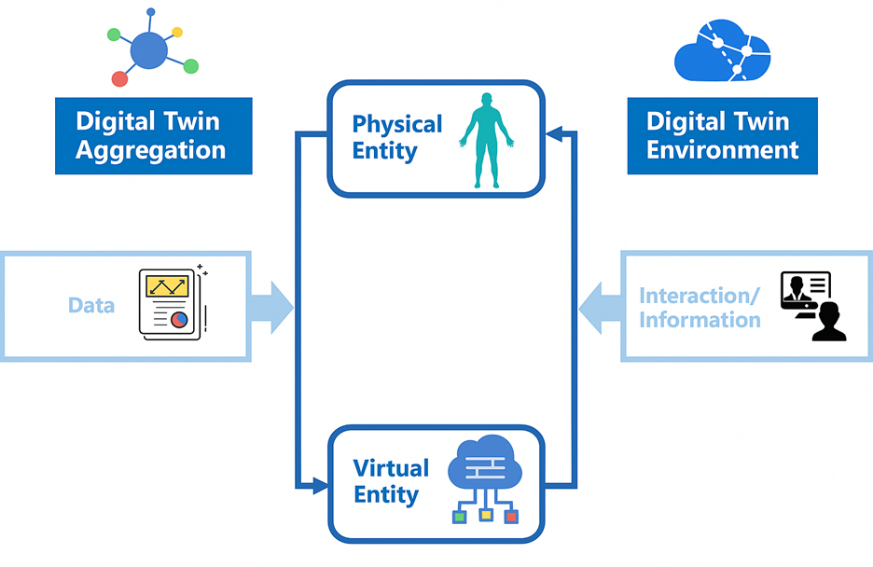
Digital twins—AI-powered computer models that represent the patient’s cardiovascular system—are capable of simulating the progression of the disease along with the treatment response58. These models combine anatomical, physiological, behavioural, and genomic data to not only make the care more personalized but also to facilitate the safe testing of interventions59.

8.1 Explainable AI (XAI)

It refers to the methods that make the decisions of complex AI models transparent and understandable to humans. In cardiology, XAI will help clinicians to:

  • Visualize the importance of various features, such as identifying which factors influenced a risk prediction.
  • Understand model behaviour across different patient populations.
  • Identification and mitigation of biases in training data.

Uses in Cardiology:

  • Making it easier to understand how likely heart attacks are.
  • Explaining why treatment recommendations, like starting statin therapy are made.
  • Pointing out the parts of the ECG that cause arrhythmia alarms.

TABLE 8: EXPLAINABLE AI TECHNIQUES IN CARDIOVASCULAR APPLICATIONS

Technique

Function

Use Case

SHAP

Feature attribution

Risk prediction models

LIME

Local model approximation

Therapy recommendation

Attention Maps

Visual focus areas

Imaging interpretation

8.2 Digital Twins in Cardiology

These days, when technology is so personal, the lines between patients and doctors are quickly fading. This means that medical data like X-rays need to be shared and understood better right away. Digital twins meet this need by giving doctors virtual models of the patient's cardiovascular system, which are essential for accurate treatment58.

These digital twins always get real-time data from wearables, imaging equipment, genetic profiles, and clinical records. This lets them run simulations that show how diseases progress and how treatments work55. This is a problem that a lot of healthcare systems have: data comes from a lot of different places, which makes it hard to put it all together. But these digital twins might help put all of that data into one system. This is a good step forward that will probably lead to progress in the near future.

The main parts of a digital twin for cardiology are:

  • 3D Model: A very detailed computer model of the heart and blood vessels.
  • Anatomical Model: This shows how the heart and blood vessels work together.
  • Physiological Model: This model shows how blood flows, how pressure changes, and how electricity works in the heart and blood vessels.
  • Behavioral Model: Looks at how people live their lives and how well they stick to their drug plans.
  • Predictive Engine: Uses AI to make guesses about what will happen in the clinic for a lot of different treatment options in the cardiovascular treatment.

Uses

  • Changing valves or putting in stents to see what happens.
  • Predicting how heart failure will get worse with different treatments.
  • Testing how different medications work together and what side effects they might have in a virtual setting.
  • Running virtual clinical trials.
  • Keeping track of patients' health over time58,59.

Fig. No. 4: ARCHITECTURE OF A CARDIAC DIGITAL TWIN

8.3 Benefits

  • Openness: Doctors are willing to use AI recommendations because they are reliable, and trustworthy55.
  • Personalization: Each patient's treatment plan is made to fit their body and way of lifestyle they used to live.
  • Safety: AI helps to carefully test and confirm therapies in a controlled setting.
  • Continuous Learning: Doctors can learn more by practicing with a lot of different simulated (virtual) patient situations.
  • Cost-effectiveness: Virtual exams cut down on the need for expensive and invasive medical procedures.

8.4 Limitations and Challenges

  • High Processing Demands: These systems need to have a lot of processing power and be able to handle large amount of data, difficult datasets with ease.
  • Data quality is important because the accuracy of the data is the only factor that can determine whether the findings are valid or not.   The results won't be true if the data is lacking, or incomplete58.
  • Needs Thorough Clinical Evaluation: Before these approaches are used in actual medical settings, they must go through a clinical evaluation process59.
  • Security and privacy are paramount.   
  • Keeping patient data private during simulations is crucial.
  • Issues with Accuracy and Model Validation.

8.5 Future Directions

  • Real-time Digital Twins: They always get new information from EHRs and wearable devices58.
  • Working with robots: Real-time twin-based simulations surgeries.
  • Population-Level Twins: This lets you watch and learn about how diseases spread59.
  • AI–XAI Integration: This combines the ability to make clear and easy-to-understand decisions with the ability to make strong predictions56.

9. AI in Population Health and Epidemiology for Cardiovascular Disease

AI is playing a bigger and bigger role in the big efforts to stop and treat heart disease. AI can work with a lot of databases and do tasks that hospitals and public health groups used to do by hand. It might also show new health trends by looking at how changes in the population affect the health of each patient.

Machine learning might be able to find groups that aren't well represented but are still in danger. Because of this, people of different ages, species, and backgrounds are less likely to make wrong predictions. AI can find the areas with the most heart disease by using mapping, clustering algorithms, and predictive modeling60. As a result, doctors can better manage their time and give patients treatments that are based on real facts,
also makes things more fair by making sure that health metrics are the same all over the world. Two projects already use AI to make finding illnesses, screening for them, and treating heart problems more fair. These are India's Ayushman Bharat Digital Mission and the CDC's PLACES Project in the United States. These programs will all help with planning for better public health based on data61.

9.1 Overview of Population Health in Cardiology

One way to define "population health" is as the overall health of a certain group of people, taking into account things like their income, education level, and way of life. In a medical setting, it means the following:

  • Keeping track of how often and how bad diseases are.
  • Figuring out which groups are at the greatest risk
  • Looking at how different treatments affect the health of different groups and comparing the results
  • Making and carrying out plans to encourage healthy living
  • As more information about programs and funding becomes available, improving the health of the population will depend on close cooperation between many scientific fields.
  • This is how to get rid of the "stovepipes" that keep one dataset from being active and another's problems from being seen.

A study at Harvard Medical School using data from 390,483 medical patients across 143 countries concluded that conditions such as obesity, diabetes and high blood pressure now affect all countries, rounding off the figure in these “many countries” with 57% to 80% of various populations afflicted by smoking problems62.

9.2 AI Techniques in Population Health

Some AI models that are commonly used in health analytics and epidemiology are:

  • Predictive
  • Modeling: Predicts when diseases will spread and how many people will need to go to the hospital.
  • Clustering Algorithms: These will find groups of people who have the same risk factors.
  • Geospatial Analysis: This makes maps that show where diseases are most common.
  • Natural Language Processing (NLP): This technology gets useful information from public health data and clinical documents. So, more advanced methods may be able to find patterns and links that regular statistical methods miss63.

9.3 Applications in Cardiovascular Epidemiology

According to the global data of AI algorithms to give regional directions of high CVD burden

This may include:

  • A map of hypertension occurrences in each zip code
  • As for Los Angeles and surroundings, where do heart failure admissions take place64

Allocation of Resources

AI models help guide the use of the following:

  • Mobile clinics and telehealth units
  • Emergency response systems

Behavioural and Lifestyle Analytics

AI can combine data from mobile apps and wearable devices, such as:

  • Keep track of how much food and exercise you get.
  • Pick groups that are likely to get sick because they don't walk and only eat white bread and drink two pints of cola at any time of day.

9.4 Benefits

  • Scalability: AI can look at and process millions of health records all at once.
  • Timeliness: This will let people react quickly and make choices when new health problems come up.
  • Accuracy: It sends help to the groups that need it the most.
  • Value for Money: Makes the most of health resources that are often hard to get65.

TABLE 9: AI APPLICATIONS IN POPULATION-LEVEL CARDIOVASCULAR HEALTH

Application

AI Technique

Impact

Risk Mapping

Geospatial modeling

Identifies disease hotspots

Resource Allocation

Predictive analytics

Optimizes healthcare delivery

Equity Analysis

Clustering, NLP

Reveals disparities

Behavior Monitoring

Wearable data mining

Guides lifestyle interventions

9.5 Limitations and Challenges

  • Data Fragmentation: Health systems don't have the same standards for data, which makes it hard to share information in a way that makes sense.
  • Privacy Issues: Health data that has been put together should stay private and be kept safe.
  • Algorithmic Bias: The results of AI models may show differences in society and institutions that are already there.
  • Integration into Policy: It's still hard to turn AI-generated insights into public health policy that works and can be put into action65.

9.6 Future Directions

  • Federated Learning lets schools and businesses from all over the world work together to make AI models without sharing private information.
  • AI-Driven Policy Simulation: AI lets us try out new health policies in a fake world so we can see how they might affect people before we use them for real.
  • AI uses information about both climate and pollution to figure out how they affect heart disease.
  • AI helps people from all over the world work together to fight heart disease in many different countries65.

10. Ethical and Regulatory Challenges of AI in Cardiovascular Medicine

AI could change heart medicine, but there are moral and legal problems that need to be carefully thought about before it can be used. The most important problems are privacy of data, bias in algorithms, lack of transparency, and strong clinical validation66,71.  Before these technologies can be safely used in clinical practice, they need to be put through a lot of testing70.   As AI systems become more common now a days in healthcare, the issue of responsibility will probably get more complicated day by day71.

AI needs large datasets that could have very confidential information about patients, so it's very important to follow data privacy rules very closely.   This will take the form of laws like the General Data Protection Regulation (GDPR), the Health Insurance Portability and Accountability Act (HIPAA), and India's Personal Data Protection Act for Digital Society66,67.

Other problems that are still going on are getting permission to use the data, figuring out who owns it, and making sure that health information can be shared safely between institutions and health care centres67. It is very important to deal with these problems first so that AI applications in cardiovascular care are moral, responsible, and reliable71. Another problem is algorithmic bias. Those AI diagnoses that are informed by a dataset containing certain people could exacerbate health inequalities in those same populations and this is especially true of historically marginalized groups. For example, some models have demonstrated lower accuracy in diagnosing vascular diseases outcomes for women and those other than Caucasians (so-called "minority groups")68.

Transparency and explainability can be said to guarantee clinical trust. Black-box models, especially deep learning systems, often cannot be given a fair explanation. This allows clinicians little opportunity to understand or challenge a recommendation generated chart (see Article 105) by an AI computer program. Techniques such as explainable AI (XAI) have been developed to bridge the gap69.

Organizations such as the U.S. Food and Drug Administration, European Medicines Agency headquarters and India's Central Drugs Standard Control Organization publish guidelines for assessing AI-based medical devices. These include paths to Software as a Medical Device (SaMD), adaptive algorithms and postmarketing surveillance70.

Finally, the question of liability is still not solved: Who is responsible if AI misdiagnoses one case or leads to an adverse event? Whether the clinician, developer or institution should take blame for these kinds of cases requires setting down clear rules on what is legal and ethical. without these, the introduction of AI cannot be considered safe or trolly-based at all71.

10.1 Data Privacy and Security

AI technologies can significantly augment their functionality with essential private patient information, including66,67:

  • DNA patterns
  • Patient medical records (EHRs)
  • Interesting results from health-tracking devices
  • Hopeful new information about medical imaging and diagnosis

Main Problems:

  • Unauthorized access: Even though there is a chance of hacking and identity theft, there are always ways to make security better and keep ourselves safe.
  • Control over data: It's exciting to think about who should be able to handle patient data—patients, healthcare institutions, or tech companies.
  • Managing consent: With the right information, patients can better understand how their data will be used and shared.
    GDPR (Europe), HIPAA (USA), and India's Digital Personal Data Protection Act are all examples of privacy laws that try to protect patient data from hackers. However, there are still ways to make enforcement and interoperability better, which would make the laws more reliable.

10.2 Algorithmic Bias and Fairness

AI systems that get training on datasets that don't purely represent the whole population can mistakenly make health care inequalities bad.  But they also tell us where we can do better and come up with new ideas.   For example, many AI models today depend heavily on data from male patients.   This gap gives us a chance to really learn more about women's health.   We can really improve how heart disease is detected in women and make sure everyone gets good care if we pay attention to the specific symptoms that women can to have68.

Some AI tools that help to find arrhythmias might not work as well for people with dark skin tone. This is because of the sensors and training data haven't been adjusted to work with different types of skin tones. These biases may make diagnoses less precise, but they also show us how to make AI systems better with time in detection and evaluation, which will help people trust them more in the coming future68.

TABLE 10: SOURCES AND IMPACTS OF BIAS IN AI MODELS

Source of Bias

Impact

Mitigation Strategy

Skewed training data

Diagnostic errors

Diverse data collection

Labeling inconsistencies

Poor model generalization

Expert consensus labeling

Sensor limitations

Inaccurate readings

Inclusive hardware design

10.3 Transparency and Interpretability

AI-driven models make a lot of decisions that need a lot of trust, especially when it comes to health care. Still, the fact that deep learning "black box" systems are hard to understand might make doctors less sure of themselves and make it harder to use the tools69.

Some possible solutions are:

  • Explainability tools like SHAP Scikit-learn and LIME from Microsoft that help you figure out how a model works. Visualizations of the most important things that went into each choice
  • Detailed model documentation and audit trails to make things clearer, more accountable, and easier to do again69.

10.4 Clinical Validation and Safety

  • Before AI tools can be used in a clinical setting, they need to be put through a lot of tests in real medical settings to make sure they work and are safe70.
  • Benchmarking: Comparing AI results to known best practices and standards in healthcare.
  • Post-Market Surveillance: Watching how well and reliably something works in market.
    The USFDA (USA), EMA (Europe), and CDSCO (India) are all working on rules for how to approve and keep an eye on medical software that uses AI. These are:
  • Putting software in the Medical Device SaMD category.
  • Rules for algorithms that can change and systems that are always learning When AI is added to medical devices, you need to pay close attention. Since the whole system is now seen as one medical entity, any changes to the rules or upgrades to the algorithms must be handled very carefully70.

10.5 The Ethical Use of Genomics AI 

There are a lot of ethical and privacy issues that come up when you use AI in genomics66,67:

  • Genetic discrimination: the chance that employers or insurance companies will misuse genetic information.
  • Informed consent: People need to know exactly what will happen to their genomic data.
  • Sharing data: To protect people's privacy while still getting the most out of scientific research.
  • Patient awareness: Making sure that patients understand how their genetic information could be used in the coming future71.

10.6 Future Directions

  • An ethics-by-design approach: Putting moral ideas into the process of making machine intelligence from the start.
  • International standards: Making sure that the rules are the same in all countries so that AI can be used in all of them.
  • Support for health consumers: Helping people keep track of their personal information and talk to AI.
  • AI morals panels: Institutions' duty to use AI in a moral way71.

CONCLUSION

Innovative algorithms are leading to major changes in cardiology by their ability to be more precise in diagnostics, to create the individual therapy, and to manage the health of the population in an easier way. AI is being used at different stages of the treatment process - from image reading and predictive models to gene science and robot-assisted surgery.

The good utilization of AI, however, depends on the resolution of main issues connected to the confidentiality of data, the justice of the algorithms, the clinical verification, and the supervision of the authorities. Explainable AI, moral codes, and cooperation between different disciplines will be necessary phases for AI instruments that are safe, fair, and of clinical value.

In particular, as AI is continuously upgrading, the blending of AI with digital health, genomics, and real-time monitoring is very promising for the future of proactive, personalized, and data-driven cardiovascular care. By a careful integration and strong administration, AI may help to lessen the incidence of CVD worldwide and facilitate the coming of the precision cardiology era.

Continuous education and training in AI for healthcare professionals will promote smoother integration in emerging technologies into clinical practice.

REFERENCES

  1. World Health Organization. Cardiovascular diseases (CVDs). WHO; 2023.
  2. Roth GA, Mensah GA, Johnson CO. Global burden of cardiovascular diseases and risk factors, 1990–2019. J Am Coll Cardiol. 2020;76(25):2982-3021.
  3. Esteva A, Robicquet A, Ramsundar B, et al. A guide to deep learning in healthcare. Nat Med. 2019;25:24-29.
  4. Topol EJ. High-performance medicine: the convergence of human and artificial intelligence. Nat Med. 2019;25:44-56.
  5. Johnson KW, Soto JT, Glicksberg B. Artificial intelligence in cardiology. J Am Coll Cardiol. 2018;71(23):2668-79.
  6. Dey D, Slomka PJ, Leeson P. Artificial intelligence in cardiovascular imaging: state-of-the-art review. J Am Coll Cardiol Img. 2019;12(9):1935-59.
  7. Bruynseels K, Santoni de Sio F, van den Hoven J. Digital twins in health care: ethical implications. Stud Health Technol Inform. 2018;259:198-205.
  8. Morley J, Machado CCV, Burr C. The ethics of AI in health care: a mapping review. Lancet Digit Health. 2020;2(8):e382-93.
  9. Grant MJ, Booth A. A typology of reviews: an analysis of 14 review types and associated methodologies. Health Info Libr J. 2009;26(2):91–108.
  10. Falagas ME, Pitsouni EI, Malietzis GA, Pappas G. Comparison of PubMed, Scopus, Web of Science, and Google Scholar: strengths and weaknesses. FASEB J. 2008;22(2):338–42.
  11. Adedinsewo DA, Carter RE, Attia ZI. Artificial intelligence in cardiology: applications, challenges, and the future. Lancet Digit Health. 2023;5(1):e20–e31.
  12. Page MJ, McKenzie JE, Bossuyt PM. The PRISMA 2020 statement: an updated guideline for reporting systematic reviews. BMJ. 2021;372:n71.
  13. Topol EJ. High-performance medicine: the convergence of human and artificial intelligence. Nat Med. 2019;25:44–56.
  14. Dey D, Slomka PJ, Leeson P. Artificial intelligence in cardiovascular imaging: JACC state-of-the-art review. J Am Coll Cardiol. 2019;73(11):1317–35.
  15. Litjens G, Kooi T, Bejnordi BE. A survey on deep learning in medical image analysis. Med Image Anal. 2017;42:60–88.
  16. Ouyang D, He B, Ghorbani A. EchoNet-Dynamic: AI system for echocardiogram analysis. Commun Med. 2021;1:24.
  17. Van Rosendael AR, Maliakal G, Kolli KK. AI for coronary plaque characterization using CT. J Cardiovasc Comput Tomogr. 2020;14(5):384–92.
  18. Commandeur F, Goeller M, Razipour A. Machine learning for quantitative plaque analysis in cardiac CT. JACC Cardiovasc Imaging. 2020;13(2 Pt 1):366–76.
  19. Bai W, Sinclair M, Tarroni G. Automated CMR segmentation and tissue characterization using AI. Med Image Anal. 2018;47:72–85.
  20. Sun H, Jiang T, Ma X. Deep learning reconstruction for rapid CMR imaging. Magn Reson Med. 2020;84(2):1045–56.
  21. Betancur J, Commandeur F, Motwani M. Deep learning for myocardial perfusion PET imaging. J Nucl Med. 2018;59(2):249–56.
  22. D’Agostino RB, Vasan RS, Pencina MJ. General cardiovascular risk profile for use in primary care. Circulation. 2008;117(6):743–53.
  23. Arnett DK, Blumenthal RS, Albert MA. 2019 ACC/AHA guideline on the primary prevention of cardiovascular disease. Circulation. 2019;140:e596–646.
  24. Khera R, Haimovich J, Hurley NC. Use of machine learning models to predict cardiovascular disease with electronic health record data. JAMA Cardiol. 2021;6(3):283–91.
  25. Motwani M, Dey D, Berman DS. Machine learning for prediction of coronary artery disease and cardiac events. JACC Cardiovasc Imaging. 2017;10(4):449–60.
  26. Hannun AY, Rajpurkar P, Haghpanahi M. Cardiologist-level arrhythmia detection using deep neural networks. Nat Med. 2019;25:65–9.
  27. Steinhubl SR, Waalen J, Edwards AM. Effect of a home-based wearable continuous ECG monitoring patch on detection of undiagnosed atrial fibrillation. JAMA. 2018;320(2):146–55.
  28. Wasserlauf J, You C, Patel R. Smartwatch performance for the detection of atrial fibrillation. Circ Arrhythm Electrophysiol. 2019;12(12):e007789.
  29. Bumgarner JM, Lambert CT, Hussein AA. Smartwatch algorithm for automated detection of cardiac arrhythmias. J Am Coll Cardiol. 2018;71(21):2600–10.
  30. Piwek L, Ellis DA, Andrews S, Joinson A. The rise of consumer health wearables: promises and barriers. PLoS Med. 2016;13(2):e1001953.
  31. Sharma A, Minh Duc NT, Luu Lam Thang T. Wearable devices and AI for cardiovascular monitoring: current applications and future directions. Eur Heart J Digit Health. 2021;2(2):150–61.
  32. Thomson DJ, Jeong H, Lin FC. Digital stethoscope and AI-assisted auscultation: current evidence and future applications. J Am Coll Cardiol. 2022;79(8):840–53.
  33. Fija?kowski M, Krzy?aniak A, StethoMe Team. Validation of an AI-based home stethoscope for pediatric respiratory and heart sound assessment. Sensors (Basel). 2020;20(18):5248.
  34. Potes C, Parvaneh S, Rahman A. Ensemble machine-learning algorithms for detection of abnormal heart sounds. Physiol Meas. 2016;37(12):2181–201.
  35. Chorba JS, Shapiro AM, Leifer LE. Deep learning–assisted detection of cardiac murmurs: accuracy of a digital stethoscope platform. Circulation. 2021;144(3):168–80.
  36. Kim C, Kang D, Park J. AI-guided handheld ultrasound for cardiac imaging: validation and clinical usefulness. Eur Heart J Digit Health. 2021;2(1):71–9.
  37. Martinez B, St. Clair M, Broderick JT. The role of digital and tele-auscultation in remote cardiac care. Telemed J E Health. 2021;27(9):1023–30.
  38. Sutton RT, Pincock D, Baumgart DC. An overview of clinical decision support systems: benefits, risks, and strategies for success. NPJ Digit Med. 2020;3:17.
  39. Fearon WF, Achenbach S, Engstrom T. Accuracy of HeartFlow FFR-CT for the diagnosis of coronary artery disease. J Am Coll Cardiol. 2019;73(18):1935–47.
  40. Berner ES, La Lande TJ. Overview of clinical decision support systems. In: Clinical Decision Support Systems. Springer; 2014. p. 1–17.
  41. Patel VL, Shortliffe EH, Stefanelli M. The coming of age of AI in medicine. Artif Intell Med. 2009;46:5–17.
  42. Lin K, Hu Y, Kong G. AI-enabled decision support for diagnosis and management of heart failure. Eur J Heart Fail. 2021;23(6):879–89.
  43. Rajkomar A, Dean J, Kohane I. Machine learning in medicine. N Engl J Med. 2019;380:1347–58.
  44. Krittanawong C, Johnson KW, Rosenson RS. Deep learning for cardiovascular medicine: a practical primer. Eur Heart J. 2019;40(25):2058–73.
  45. Inouye M, Abraham G, Nelson CP. Genomic risk prediction of coronary artery disease in 480,000 adults: implications for primary prevention. J Am Coll Cardiol. 2018;72(16):1883–93.
  46. Grallert H. MyGeneRank: A genetic risk tool for coronary artery disease. Circ Genom Precis Med. 2021;14(3):e003352.
  47. Roden DM, Wilke RA, Kroemer HK, Giacomini KM. Pharmacogenomics: The genetics of variable drug responses. Lancet. 2019;394(10197):521–32.
  48. Libbrecht MW, Noble WS. Machine learning applications in genetics and genomics. Nat Rev Genet. 2015;16(6):321–32.
  49. Bonatti J, Vetrovec GW. Robotic cardiac surgery: current status and future directions. J Thorac Cardiovasc Surg. 2021;162(1):302–10.
  50. Balkhy HH, Nathan S, Arnsdorf SE. Robotic coronary surgery: state of the art. Ann Cardiothorac Surg. 2016;5(6):530–43.
  51. Mahapatra S, Ferrell KL, Grayson AD. Machine learning and robotic technologies in cardiothoracic surgery. Innovations (Phila). 2020;15(3):177–85.
  52. Srivastava S, Gammie JS, Troutman GS. Surgical outcomes of robotic-assisted coronary artery bypass grafting. Circulation. 2020;142(13):1279–91.
  53. Kruse J, Figueroa CA, Taylor CA. AI-driven preoperative planning for cardiovascular surgery. Nat Biomed Eng. 2022;6(4):365–78.
  54. Qian F, Englum BR, Kim S. Postoperative outcomes and monitoring using wearable devices and AI analytics. J Am Coll Surg. 2021;233(4):423–33.
  55. Samek W, Wiegand T, Müller KR. Explainable artificial intelligence: Understanding, visualizing and interpreting deep learning models. IT Commun Eng. 2017;5(12):39–48.
  56. Lundberg SM, Lee SI. A unified approach to interpreting model predictions. Adv Neural Inf Process Syst. 2017;30:4765–74.
  57. Ribeiro MT, Singh S, Guestrin C. Why should I trust you? Explaining the predictions of any classifier. Proceedings of the 22nd ACM SIGKDD Conference. 2016;1135–44.
  58. Corral-Acero J, Margara F, Marciniak M. The digital twin for cardiovascular medicine: A future vision for precision cardiology. Eur Heart J. 2020;41(48):4556–64.
  59. Viceconti M, Henney A, Morley-Fletcher E. In silico clinical trials: How computer simulation will transform the biomedical industry. Int J Clin Trials. 2016;3(2):37–46.
  60. Topol EJ. High-performance medicine: the convergence of human and artificial intelligence. Nat Med. 2019;25(1):44–56.
  61. Centers for Disease Control and Prevention (CDC). PLACES: Local Data for Better Health. 2023.
  62. Afshar M, Rodrigues J, Shafiee H. Machine learning and population health: opportunities and challenges. Lancet Digit Health. 2022;4(4):e260–e272.
  63. Beam AL, Kohane IS. Big data and machine learning in health care. JAMA. 2018;319(13):1317–1318.
  64. Goldstein BA, Navar AM, Carter RE. Moving beyond regression techniques in cardiovascular risk prediction: applying machine learning to large-scale health data. Circulation. 2017;136(25):261–272.
  65. Rajpurkar P, Chen E, Banerjee O, Topol EJ. AI in health and medicine. Nat Med. 2022;28:31–38.
  66. Price WN II, Cohen IG. Privacy in the age of medical big data. Nat Med. 2019;25(1):37-43.
  67. Vayena E, Blasimme A. Health data governance: navigating privacy, consent, and fairness in the era of AI. Nature. 2023;620:45-52.
  68. Obermeyer Z, Powers B, Vogeli C, Mullainathan S. Dissecting racial bias in an algorithm used to manage population health. Science. 2019;366(6464):447-53.
  69. Amann J, Blasimme A, Vayena E, Frey D, Madai VI. Explainability for artificial intelligence in healthcare: a multidisciplinary perspective. BMC Med Inform Decis Mak. 2020;20(1):310.
  70. U.S. Food and Drug Administration. Artificial Intelligence/Machine Learning (AI/ML)-Based Software as a Medical Device (SaMD) Action Plan. FDA Guidance Document. 2021.
  71. Mittelstadt BD. Principles alone cannot guarantee ethical AI. Nat Mach Intell. 2019;1:501-7. 

Reference

  1. World Health Organization. Cardiovascular diseases (CVDs). WHO; 2023.
  2. Roth GA, Mensah GA, Johnson CO. Global burden of cardiovascular diseases and risk factors, 1990–2019. J Am Coll Cardiol. 2020;76(25):2982-3021.
  3. Esteva A, Robicquet A, Ramsundar B, et al. A guide to deep learning in healthcare. Nat Med. 2019;25:24-29.
  4. Topol EJ. High-performance medicine: the convergence of human and artificial intelligence. Nat Med. 2019;25:44-56.
  5. Johnson KW, Soto JT, Glicksberg B. Artificial intelligence in cardiology. J Am Coll Cardiol. 2018;71(23):2668-79.
  6. Dey D, Slomka PJ, Leeson P. Artificial intelligence in cardiovascular imaging: state-of-the-art review. J Am Coll Cardiol Img. 2019;12(9):1935-59.
  7. Bruynseels K, Santoni de Sio F, van den Hoven J. Digital twins in health care: ethical implications. Stud Health Technol Inform. 2018;259:198-205.
  8. Morley J, Machado CCV, Burr C. The ethics of AI in health care: a mapping review. Lancet Digit Health. 2020;2(8):e382-93.
  9. Grant MJ, Booth A. A typology of reviews: an analysis of 14 review types and associated methodologies. Health Info Libr J. 2009;26(2):91–108.
  10. Falagas ME, Pitsouni EI, Malietzis GA, Pappas G. Comparison of PubMed, Scopus, Web of Science, and Google Scholar: strengths and weaknesses. FASEB J. 2008;22(2):338–42.
  11. Adedinsewo DA, Carter RE, Attia ZI. Artificial intelligence in cardiology: applications, challenges, and the future. Lancet Digit Health. 2023;5(1):e20–e31.
  12. Page MJ, McKenzie JE, Bossuyt PM. The PRISMA 2020 statement: an updated guideline for reporting systematic reviews. BMJ. 2021;372:n71.
  13. Topol EJ. High-performance medicine: the convergence of human and artificial intelligence. Nat Med. 2019;25:44–56.
  14. Dey D, Slomka PJ, Leeson P. Artificial intelligence in cardiovascular imaging: JACC state-of-the-art review. J Am Coll Cardiol. 2019;73(11):1317–35.
  15. Litjens G, Kooi T, Bejnordi BE. A survey on deep learning in medical image analysis. Med Image Anal. 2017;42:60–88.
  16. Ouyang D, He B, Ghorbani A. EchoNet-Dynamic: AI system for echocardiogram analysis. Commun Med. 2021;1:24.
  17. Van Rosendael AR, Maliakal G, Kolli KK. AI for coronary plaque characterization using CT. J Cardiovasc Comput Tomogr. 2020;14(5):384–92.
  18. Commandeur F, Goeller M, Razipour A. Machine learning for quantitative plaque analysis in cardiac CT. JACC Cardiovasc Imaging. 2020;13(2 Pt 1):366–76.
  19. Bai W, Sinclair M, Tarroni G. Automated CMR segmentation and tissue characterization using AI. Med Image Anal. 2018;47:72–85.
  20. Sun H, Jiang T, Ma X. Deep learning reconstruction for rapid CMR imaging. Magn Reson Med. 2020;84(2):1045–56.
  21. Betancur J, Commandeur F, Motwani M. Deep learning for myocardial perfusion PET imaging. J Nucl Med. 2018;59(2):249–56.
  22. D’Agostino RB, Vasan RS, Pencina MJ. General cardiovascular risk profile for use in primary care. Circulation. 2008;117(6):743–53.
  23. Arnett DK, Blumenthal RS, Albert MA. 2019 ACC/AHA guideline on the primary prevention of cardiovascular disease. Circulation. 2019;140:e596–646.
  24. Khera R, Haimovich J, Hurley NC. Use of machine learning models to predict cardiovascular disease with electronic health record data. JAMA Cardiol. 2021;6(3):283–91.
  25. Motwani M, Dey D, Berman DS. Machine learning for prediction of coronary artery disease and cardiac events. JACC Cardiovasc Imaging. 2017;10(4):449–60.
  26. Hannun AY, Rajpurkar P, Haghpanahi M. Cardiologist-level arrhythmia detection using deep neural networks. Nat Med. 2019;25:65–9.
  27. Steinhubl SR, Waalen J, Edwards AM. Effect of a home-based wearable continuous ECG monitoring patch on detection of undiagnosed atrial fibrillation. JAMA. 2018;320(2):146–55.
  28. Wasserlauf J, You C, Patel R. Smartwatch performance for the detection of atrial fibrillation. Circ Arrhythm Electrophysiol. 2019;12(12):e007789.
  29. Bumgarner JM, Lambert CT, Hussein AA. Smartwatch algorithm for automated detection of cardiac arrhythmias. J Am Coll Cardiol. 2018;71(21):2600–10.
  30. Piwek L, Ellis DA, Andrews S, Joinson A. The rise of consumer health wearables: promises and barriers. PLoS Med. 2016;13(2):e1001953.
  31. Sharma A, Minh Duc NT, Luu Lam Thang T. Wearable devices and AI for cardiovascular monitoring: current applications and future directions. Eur Heart J Digit Health. 2021;2(2):150–61.
  32. Thomson DJ, Jeong H, Lin FC. Digital stethoscope and AI-assisted auscultation: current evidence and future applications. J Am Coll Cardiol. 2022;79(8):840–53.
  33. Fija?kowski M, Krzy?aniak A, StethoMe Team. Validation of an AI-based home stethoscope for pediatric respiratory and heart sound assessment. Sensors (Basel). 2020;20(18):5248.
  34. Potes C, Parvaneh S, Rahman A. Ensemble machine-learning algorithms for detection of abnormal heart sounds. Physiol Meas. 2016;37(12):2181–201.
  35. Chorba JS, Shapiro AM, Leifer LE. Deep learning–assisted detection of cardiac murmurs: accuracy of a digital stethoscope platform. Circulation. 2021;144(3):168–80.
  36. Kim C, Kang D, Park J. AI-guided handheld ultrasound for cardiac imaging: validation and clinical usefulness. Eur Heart J Digit Health. 2021;2(1):71–9.
  37. Martinez B, St. Clair M, Broderick JT. The role of digital and tele-auscultation in remote cardiac care. Telemed J E Health. 2021;27(9):1023–30.
  38. Sutton RT, Pincock D, Baumgart DC. An overview of clinical decision support systems: benefits, risks, and strategies for success. NPJ Digit Med. 2020;3:17.
  39. Fearon WF, Achenbach S, Engstrom T. Accuracy of HeartFlow FFR-CT for the diagnosis of coronary artery disease. J Am Coll Cardiol. 2019;73(18):1935–47.
  40. Berner ES, La Lande TJ. Overview of clinical decision support systems. In: Clinical Decision Support Systems. Springer; 2014. p. 1–17.
  41. Patel VL, Shortliffe EH, Stefanelli M. The coming of age of AI in medicine. Artif Intell Med. 2009;46:5–17.
  42. Lin K, Hu Y, Kong G. AI-enabled decision support for diagnosis and management of heart failure. Eur J Heart Fail. 2021;23(6):879–89.
  43. Rajkomar A, Dean J, Kohane I. Machine learning in medicine. N Engl J Med. 2019;380:1347–58.
  44. Krittanawong C, Johnson KW, Rosenson RS. Deep learning for cardiovascular medicine: a practical primer. Eur Heart J. 2019;40(25):2058–73.
  45. Inouye M, Abraham G, Nelson CP. Genomic risk prediction of coronary artery disease in 480,000 adults: implications for primary prevention. J Am Coll Cardiol. 2018;72(16):1883–93.
  46. Grallert H. MyGeneRank: A genetic risk tool for coronary artery disease. Circ Genom Precis Med. 2021;14(3):e003352.
  47. Roden DM, Wilke RA, Kroemer HK, Giacomini KM. Pharmacogenomics: The genetics of variable drug responses. Lancet. 2019;394(10197):521–32.
  48. Libbrecht MW, Noble WS. Machine learning applications in genetics and genomics. Nat Rev Genet. 2015;16(6):321–32.
  49. Bonatti J, Vetrovec GW. Robotic cardiac surgery: current status and future directions. J Thorac Cardiovasc Surg. 2021;162(1):302–10.
  50. Balkhy HH, Nathan S, Arnsdorf SE. Robotic coronary surgery: state of the art. Ann Cardiothorac Surg. 2016;5(6):530–43.
  51. Mahapatra S, Ferrell KL, Grayson AD. Machine learning and robotic technologies in cardiothoracic surgery. Innovations (Phila). 2020;15(3):177–85.
  52. Srivastava S, Gammie JS, Troutman GS. Surgical outcomes of robotic-assisted coronary artery bypass grafting. Circulation. 2020;142(13):1279–91.
  53. Kruse J, Figueroa CA, Taylor CA. AI-driven preoperative planning for cardiovascular surgery. Nat Biomed Eng. 2022;6(4):365–78.
  54. Qian F, Englum BR, Kim S. Postoperative outcomes and monitoring using wearable devices and AI analytics. J Am Coll Surg. 2021;233(4):423–33.
  55. Samek W, Wiegand T, Müller KR. Explainable artificial intelligence: Understanding, visualizing and interpreting deep learning models. IT Commun Eng. 2017;5(12):39–48.
  56. Lundberg SM, Lee SI. A unified approach to interpreting model predictions. Adv Neural Inf Process Syst. 2017;30:4765–74.
  57. Ribeiro MT, Singh S, Guestrin C. Why should I trust you? Explaining the predictions of any classifier. Proceedings of the 22nd ACM SIGKDD Conference. 2016;1135–44.
  58. Corral-Acero J, Margara F, Marciniak M. The digital twin for cardiovascular medicine: A future vision for precision cardiology. Eur Heart J. 2020;41(48):4556–64.
  59. Viceconti M, Henney A, Morley-Fletcher E. In silico clinical trials: How computer simulation will transform the biomedical industry. Int J Clin Trials. 2016;3(2):37–46.
  60. Topol EJ. High-performance medicine: the convergence of human and artificial intelligence. Nat Med. 2019;25(1):44–56.
  61. Centers for Disease Control and Prevention (CDC). PLACES: Local Data for Better Health. 2023.
  62. Afshar M, Rodrigues J, Shafiee H. Machine learning and population health: opportunities and challenges. Lancet Digit Health. 2022;4(4):e260–e272.
  63. Beam AL, Kohane IS. Big data and machine learning in health care. JAMA. 2018;319(13):1317–1318.
  64. Goldstein BA, Navar AM, Carter RE. Moving beyond regression techniques in cardiovascular risk prediction: applying machine learning to large-scale health data. Circulation. 2017;136(25):261–272.
  65. Rajpurkar P, Chen E, Banerjee O, Topol EJ. AI in health and medicine. Nat Med. 2022;28:31–38.
  66. Price WN II, Cohen IG. Privacy in the age of medical big data. Nat Med. 2019;25(1):37-43.
  67. Vayena E, Blasimme A. Health data governance: navigating privacy, consent, and fairness in the era of AI. Nature. 2023;620:45-52.
  68. Obermeyer Z, Powers B, Vogeli C, Mullainathan S. Dissecting racial bias in an algorithm used to manage population health. Science. 2019;366(6464):447-53.
  69. Amann J, Blasimme A, Vayena E, Frey D, Madai VI. Explainability for artificial intelligence in healthcare: a multidisciplinary perspective. BMC Med Inform Decis Mak. 2020;20(1):310.
  70. U.S. Food and Drug Administration. Artificial Intelligence/Machine Learning (AI/ML)-Based Software as a Medical Device (SaMD) Action Plan. FDA Guidance Document. 2021.
  71. Mittelstadt BD. Principles alone cannot guarantee ethical AI. Nat Mach Intell. 2019;1:501-7. 

Photo
Dr. Akash Yadav
Corresponding author

IPS Academy College of Pharmacy, Rajendra Nagar, A.B. Road, Indore, Madhya Pradesh, India 452012

Photo
Pratham Singh
Co-author

IPS Academy College of Pharmacy, Rajendra Nagar, A.B. Road, Indore, Madhya Pradesh, India 452012

Photo
Dr. Dinesh Kumar Jain
Co-author

IPS Academy College of Pharmacy, Rajendra Nagar, A.B. Road, Indore, Madhya Pradesh, India 452012

Pratham Singh, Dr. Akash Yadav, Dr. Dinesh Kumar Jain, Advances in Artificial Intelligence for Cardiovascular System: Present Applications and Future Directions, Int. J. of Pharm. Sci., 2026, Vol 4, Issue 1, 1558-1582. https://doi.org/10.5281/zenodo.18269239

More related articles
ARTIFICIAL INTELLIGENCE IN PHARMACEUTICAL SCIENCES...
Thota Srinivas , Syed.Dasreen, Thangabalan B, ...
Evaluating the Impact of Formulation Parameters on...
Gurubasavaraj A M T, Shankrayya M, Chaithra R P, Pradeep U , ...
Aldehyde-Mediated Neurotoxicity and Lutein Interve...
Kavita Gaisamudre, Prakash Sarwade, Omprakash Swami, Senthil Prab...
Formulation Development...
Siddhesh Pagar, Gayatri Patil, Chetan Patil, Tejaswini Patil, Saloni Pawar, Ankita Shewale, ...
Design Formulation and Evaluation of Nanoparticles...
Ashlesha Zol, Dhiraj Wagh, Arti Walunj, Ram Nikhate, ...
More related articles
Evaluating the Impact of Formulation Parameters on Permeation of Clotrimazole fr...
Gurubasavaraj A M T, Shankrayya M, Chaithra R P, Pradeep U , ...
Aldehyde-Mediated Neurotoxicity and Lutein Intervention: A Novel Therapeutic Str...
Kavita Gaisamudre, Prakash Sarwade, Omprakash Swami, Senthil Prabhu Sivasamy, Khusboo Jasra, Ruchi S...
Evaluating the Impact of Formulation Parameters on Permeation of Clotrimazole fr...
Gurubasavaraj A M T, Shankrayya M, Chaithra R P, Pradeep U , ...
Aldehyde-Mediated Neurotoxicity and Lutein Intervention: A Novel Therapeutic Str...
Kavita Gaisamudre, Prakash Sarwade, Omprakash Swami, Senthil Prabhu Sivasamy, Khusboo Jasra, Ruchi S...