
Rungta Institution of Pharmaceutical Sciences and Research
Hair is an essential component of the human body, originating from the ectodermal layer during embryonic development and functioning as a protective structure involved in thermoregulation and sensory perception. It is considered an important accessory appendage of the integumentary system, along with sebaceous glands, sweat glands, and nails. Beyond its physiological functions, hair significantly contributes to an individual’s aesthetic appearance and may also reflect internal health conditions. Maintaining proper hair hygiene is therefore crucial, with shampooing being the most common and fundamental practice for cleansing the scalp and hair. Shampoos are primarily formulated to remove accumulated sebum, dirt, dust, dead skin cells, dandruff, and environmental pollutants. However, frequent use of synthetic hair care products containing chemical ingredients may adversely affect hair structure, texture, and growth. With advancements in cosmetic science, modern shampoos have evolved from simple cleansing agents to multifunctional formulations designed to improve hair quality and address specific scalp and hair disorders such as dandruff, oily scalp, and hair loss. In recent years, there has been growing interest in herbal and natural shampoos due to their perceived safety, reduced side effects, and eco-friendly nature. This review highlights the structure and function of hair, the role of shampoos in hair care, and the development of various shampoo formulations, emphasizing the importance of selecting suitable products for maintaining scalp health and promoting overall hair wellness.
Hair is an important component of the human body that originates from the ectodermal layer of the skin during embryonic development. It functions as a protective structure and plays a significant role in thermoregulation and sensory perception. In pharmaceutical and dermatological terminology, hair is regarded as an accessory appendage of the integumentary system, which also includes structures such as sebaceous glands, sweat glands, and nails. These appendages arise from the epidermis and contribute to the maintenance of skin health and physiological protection of the body.
Hair, sebaceous glands, sweat glands, and nails are collectively referred to as epidermal derivatives, as they originate from the epidermal layer during embryological development. Hair plays a significant role in the aesthetic appearance and overall personality of an individual. Moreover, the condition of hair often reflects the internal physiological state of the body and can serve as an external indicator of general health. Among various hair care practices, shampooing is considered the most widely used and fundamental method for maintaining scalp hygiene and hair cleanliness.
Shampoo is a hair care product used to clean the scalp and hair. The word “shampoo” in English is derived from the Hindustani word “champoo,” which means to massage. Shampoo helps remove excess oil, dirt, dust, dandruff, dead skin cells, environmental pollutants, and other impurities that accumulate on the scalp and hair during daily activities. Many hair care products such as synthetic shampoos, dyes, conditioners, hair gels, perms, straighteners, and sprays contain chemical substances that may damage the hair. These chemicals can affect the natural growth, structure, and texture of hair when used frequently.
In the modern era, significant technological developments have taken place in the cleansing of hair and scalp. Earlier, the widespread availability of soap bars and improved sanitation facilities helped promote personal hygiene and regular body cleansing. Gradually, specialized hair-cleansing products known as shampoos were developed and introduced in various types and formulations specifically designed for hair and scalp care. Today, washing the hair and scalp with shampoo has become a common and almost universal practice. Shampoos are among the most widely used hair care products, and they may be formulated using synthetic ingredients as well as herbal or natural components. The primary function of shampoo is to cleanse the hair and scalp by removing accumulated sebum (natural oil), dust, dirt, dead skin cells, and other impurities. In addition to cleansing, modern shampoo formulations are also designed to improve hair quality and support healthy hair care practices. Many shampoos are developed to address specific hair and scalp problems such as oily scalp, dandruff, and androgenic alopecia (hair loss).
Shampoos:
Shampoos are specially formulated products used to clean the scalp and hair by removing dirt, environmental pollutants, excess sebum (oil), sweat, and residues of hair care products. In modern times, shampoos have become multifunctional products designed to suit different hair types, personal care preferences, and scalp conditions. Today, consumers expect more than just clean hair; they also look for additional cosmetic benefits, such as improved hair texture, shine, and overall hair health. This change in consumer preference has been driven by increasing awareness about the possible harmful effects of traditional shampoos containing synthetic chemicals, which may affect both long-term hair health and the environment. As a result, many people are becoming more interested in natural and herbal alternatives in hair care products.In recent years, herbal shampoos have gained increasing popularity due to their ability to provide effective cleansing while remaining gentle on the scalp, skin, and hair. Unlike many conventional shampoos, herbal formulations are considered milder and are less likely to cause harmful or undesirable effects. Herbal shampoos are primarily prepared using plant-based ingredients, including botanical extracts, essential oils, and other natural compounds, instead of synthetic chemical substances. The use of herbal ingredients in hair care is not new; it dates back to ancient civilizations, where different cultures recognized the benefits of naturally derived substances for maintaining hair health and beauty. Hair is an important part of the human body and requires proper care to maintain its strength, shine, smoothness, and manageability. Since ancient times, people have relied on herbal products for cleaning, nourishing, and enhancing the appearance of hair, as well as for making hair easier to comb and manage.Nowadays, many synthetic shampoos are available in the market. These shampoos mainly contain surfactants, which are responsible for providing cleansing and foaming properties. Surfactants help in removing oil, dirt, and other impurities from the hair and scalp. However, the continuous use of synthetic chemical agents may sometimes cause harmful effects on hair, scalp, skin, and eyes. Over time, these chemicals have become widely used in commercial hair care products, but increasing awareness among consumers about their possible adverse effects has raised concerns. As a result, herbal shampoos are gaining popularity because they are derived from natural sources and are generally considered safer and milder. Their natural origin, reduced toxicity, and minimal side effects have increased consumer demand for herbal hair care products.
Overview of Shampoo and Its Various Types:
Shampoo is a hair care preparation, usually available in the form of a viscous liquid, that is used for cleaning the hair and scalp. In some cases, shampoos are also available in solid bar form. The product is generally applied to wet hair, gently massaged into the scalp to produce lather, and then thoroughly rinsed off with water to remove dirt, oil, and other impurities.
Hair is often considered an external indicator of the internal condition of the body. The health and appearance of hair may reflect nutritional status, general health, and lifestyle factors. Shampooing is the most common and widely practiced method of hair care and scalp cleansing. Different shampoo formulations are developed to improve hair quality, support proper hair care practices, and address specific hair or scalp problems. These formulations are designed to meet the needs of different hair types and conditions. Therefore, shampoos are available in various types, such as the following:
In traditional Indian systems of medicine, both fresh and dried fruits of medicinal plants are commonly used for therapeutic purposes. Almost all parts of these plants, including the fruits, seeds, leaves, roots, bark, and flowers, are utilized in various Ayurvedic and Unani herbal formulations. Therefore, the present work has been designed to provide a review on the formulation and evaluation of natural herbal dry shampoo. This herbal preparation not only helps in enhancing the appearance of hair but also assists in protecting the scalp and hair from problems such as eye irritation, scalp irritation, hair fall, and hair dryness. In addition, herbal ingredients may possess antibacterial, antimicrobial, and antioxidant properties, which support overall scalp health. The use of natural ingredients helps in developing a chemical-free alternative to commercial dry shampoos. Herbal dry shampoo can effectively absorb excess oil and impurities from the hair without the need for water, thereby maintaining hair cleanliness and promoting a healthy scalp and hair condition. It also allows individuals to maintain fresh-looking hair for about 2 - 4 days without washing with water.
Objectives of Herbal Dry Shampoo Formulation:
Cleansing Action: The primary function of shampoo is to cleanse the hair and scalp by removing dirt, excess oil (sebum), sweat, and other impurities that accumulate on the scalp and hair strands.
Oil removal: Shampoo helps to remove excess oil (sebum) from the hair and scalp, which prevents the hair from looking greasy and heavy. However, frequent or excessive use of shampoo may strip the natural oils from the hair, leading to dryness and possible hair damage. Therefore, it is important to maintain a proper balance in shampoo use to keep the hair clean while preserving its natural moisture.
Nutrient delivery: Some shampoos are specially formulated to provide essential nutrients to the hair, including vitamins, minerals, and proteins. These nourishing ingredients help to strengthen the hair strands, improve hair health, and maintain the overall condition of the hair.
Darkening hair colour: Certain shampoos contain special ingredients that help enhance or maintain the natural colour of hair. These ingredients may gradually deepen or improve the hair’s natural shade, giving it a richer and more vibrant appearance.
Gloss and Manageability: Shampoos are formulated to improve the appearance of hair by providing shine and smoothness, which enhances its natural gloss and luster. They also help maintain hair manageability, reduce tangling, and make the hair easier to comb and style.
Texture improvement: Shampoo can help improve the texture of hair, making it smoother, softer, and easier to manage. Regular use of suitable shampoo helps maintain the overall condition and appearance of the hair.
Scalp manipulation: Proper scalp manipulation, including gentle massage and exfoliation during shampooing, is an important part of hair care. These techniques help improve blood circulation, remove dead skin cells, and maintain a healthy and clean scalp, which supports overall hair health.
Functions of the Scalp and Skin layers: A proper understanding of the functions of the scalp and the different layers of the skin is important for providing effective care and treatment during shampooing. This knowledge helps ensure that the scalp is cleansed properly while maintaining its health and protecting the hair roots.
Demonstrating Shampoo and Conditioning procedures: Providing a step-by-step demonstration of proper shampooing and conditioning techniques helps individuals understand the correct procedure. This ensures that the process is followed effectively and helps achieve better hair cleanliness, conditioning, and overall hair care results.
Advantages of using herbals ingredients:
Ideal properties of natural herbal dry shampoo:
Hair Structure:
Hair is composed of two main parts: the hair follicle and the hair shaft. The hair follicle is located within the skin and is responsible for the growth and development of hair. The hair shaft is the visible portion that extends above the skin surface. It is considered biologically inactive (dead tissue) and mainly consists of proteins (keratin), small amounts of lipids, water, trace elements, and melanin, which gives hair its natural colour. Structurally, the hair shaft is divided into three distinct layers: the cuticle, cortex, and medulla. The cuticle is the outermost layer and is composed of overlapping scale-like cells. This layer serves as a protective barrier, shielding the inner structures of the hair from physical and chemical damage. It also plays an important role in maintaining the smoothness and shine of the hair shaft.
The cortex is the middle layer of the hair shaft and surrounds the medulla. It makes up the largest portion of the hair fiber. The cortex consists of elongated, keratinized fibrous cells that contain cysteine-rich keratin filaments. The cysteine molecules form strong disulfide covalent bonds, which are responsible for the strength, shape, and elasticity of hair. These disulfide bonds remain stable even when the hair is wet, allowing the hair to return to its original form after drying. In contrast, weaker bonds such as hydrogen, ionic, and van der Waals bonds can easily be broken when the hair is exposed to moisture or water. The cortex also contains melanin pigments, which determine the natural colour of the hair. The medulla is the innermost layer located at the center of the hair strand. It has a porous and spongy structure and is composed of loosely arranged polygonal cells. The medulla is less prominent in fine hair and may sometimes be absent.
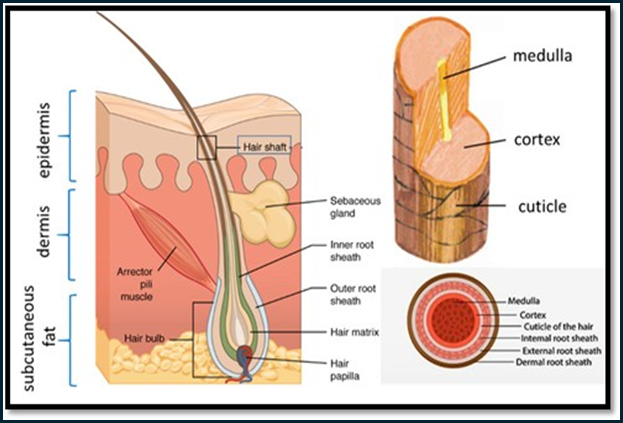
Figure 1: Structure of Human Hair
Basic Composition of natural herbal dry Shampoo:
Shampoos may also be formulated in powdered form using natural ingredients, designed to cleanse the hair and scalp according to different hair types and conditions. Various ingredients are incorporated in the formulation not only to remove dirt and excess oil but also to improve characteristics such as lather formation, fragrance, and overall aesthetic appeal. In shampoo formulations, certain ingredients play a primary role in cleansing and improving hair manageability, usually through the action of detergent and conditioning agents. In addition, other ingredients are included to enhance the stability, appearance, and acceptability of the product, making it more effective and appealing to consumers.A typical powdered herbal shampoo generally contains a combination of 3 to 6 natural ingredients, selected according to the desired effects, such as cleansing, conditioning, nourishing, or healing of the hair and scalp. This type of formulation provides a natural and chemical-free alternative to conventional liquid shampoos, utilizing the therapeutic and nourishing properties of plant-based materials to promote healthier hair and scalp.
The main components involved in herbal shampoo formulation are as follows: -
DRUG PROFILE
Biological name: - Phyllanthus embilica
Common name: - Indian gooseberry
Synonyms: - Aonla
Kingdom: - Phyllanthus embilica
Genus: - Phyllanthus
Species: - Phyllanthus embilica
Benefits of Amla:
Properties of Amla:
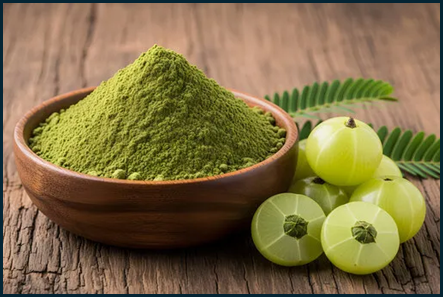
Figure 2: Amla
Biological name: - Azadirachta indica
Common name: - Neem, Nimba, margosa tree
Synonyms: - Malia azadirachta
Kingdom: - Plantae
Family: - Meliaceae
Genus: - Azadirachta
Species: - Azadirachta indica
Benefits of Neem:
Properties of Neem:
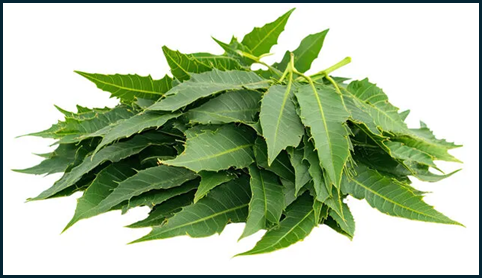
Figure 3: Neem
Biological name: - Allium ceppa
Common name: - Onion powder
Synonyms: - Ground onion
Kingdom: - Plantae
Family: - Amaryllidaceae
Genus: - Allium
Species: - cepaTop of Form
Benefits of Onion powder:
Properties of Onion powder:
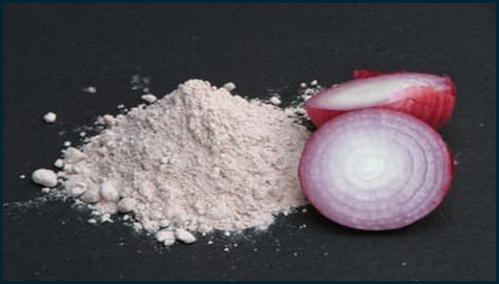
Figure 4: Onion Powder
Biological name: - Trigonella foenum graceum
Common name: - Grik hay
Synonyms: - Birds foot
Kingdom: - Trigonella foeum graceum
Family: - Fabaceae
Genus: - Trigonella
Species: - Foenum graceum
Benefits of Methi:
Properties of Methi:
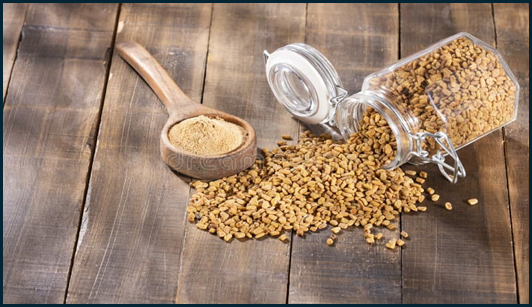
Figure 5: Methi
Biological name: - Aloe vera (L.) Burm.f.
Common name: - Aloe vera, Ghritkumari, Aloe
Synonyms: - Aloe barbadensis miller, aloe indica royle
Kingdom: - Plantae
Family: - Asphodelaceae
Genus: - Aloe
Species: - Aloe vera
Benefits of Aloe vera powder:
Properties of Aloe vera powder:
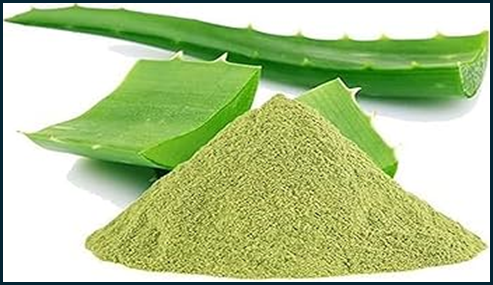
Figure 6: Aloe vera powder
MATERIAL AND METHOD
|
S.NO. |
INGREDIENTS |
QTANTITY TAKEN |
|
1 |
Amla |
10 gm |
|
2 |
Neem |
05 gm |
|
3 |
Shikakai |
08 gm |
|
4 |
Brahim |
06 gm |
|
5 |
Heena |
04 gm |
|
6 |
Onion Powder |
03 gm |
|
7 |
Rose Petal |
05 gm |
|
8 |
Methi |
07 gm |
|
9 |
Aloe vera Powder |
02 gm |
|
|
Total: - |
50 gm |
CONCLUSION
Currently, the new generation is experiencing several hair-related problems such as hair fall, scalp itching, irritation, and dandruff. The frequent use of synthetic shampoos may further aggravate these conditions and may also lead to side effects like eye and skin irritation. In some cases, prolonged exposure to certain chemical ingredients may even increase the risk of other health complications. Therefore, there is a growing interest in safer and more natural alternatives. Herbal shampoos, formulated with plant-based ingredients, are being explored as a better option due to their minimal side effects and beneficial effects on scalp and hair health. The present work is ongoing and aims to develop and evaluate a herbal shampoo formulation that can effectively address common hair problems while ensuring safety and compatibility with the scalp. A high-quality herbal dry shampoo should provide effective oil absorption, add volume, and impart a pleasant fragrance while maintaining scalp health through the use of safe and natural ingredients. Herbal dry shampoos serve as a suitable alternative to conventional chemical-based products, particularly for individuals seeking eco-friendly, gentle, and effective hair care solutions. These formulations are designed to cleanse the scalp without the need for water while minimizing potential side effects associated with synthetic ingredients. When selecting an appropriate herbal dry shampoo, it is important to consider factors such as hair type, scalp sensitivity, and the composition of natural ingredients to ensure optimal results and overall hair health.
A high-quality herbal dry shampoo should provide effective oil absorption, enhance hair volume, and offer a pleasant fragrance while maintaining scalp health through the use of safe and natural ingredients. Herbal dry shampoos can serve as a suitable alternative to conventional chemical-based shampoos, especially for individuals who prioritize eco-friendliness, effectiveness, and overall hair care. These products help refresh the hair without the need for water while minimizing potential side effects associated with synthetic ingredients. When selecting an appropriate herbal dry shampoo, it is important to consider factors such as hair type, scalp sensitivity, and ingredient preferences to ensure the best results and maintain healthy hair and scalp.
Depending upon the nature of the ingredients, shampoos may be classified as simple or plain shampoos, antiseptic or antidandruff shampoos, and nutritional shampoos containing vitamins, amino acids, and protein hydrolysates. Herbal shampoo preparations can be formulated using natural ingredients such as amla, neem, shikakai, henna, brahmi, onion powder, rose petals, methi (fenugreek), and aloe vera powder in different ratios. In recent years, people have become more aware of the harmful effects of synthetic shampoos on hair, skin, and eyes. This awareness has attracted the community toward herbal products, which are comparatively less expensive and have minimal side effects. The formulated herbal shampoos are considered not only safer but also beneficial for maintaining healthy hair and scalp.
REFERENCES
Bottom of Form



Ujjawal Dubey, Sakshi singh, Rohit Baidh, Akansha Sahu, Dr. Gyanesh Kumar Sahu, A Review on the Development and Characterization of Natural Herbal Dry Shampoo, Int. J. of Pharm. Sci., 2026, Vol 4, Issue 4, 1461-1471, https://doi.org/10.5281/zenodo.19482193
 10.5281/zenodo.19482193
