
Rashtriya College of Pharmacy Hatnoor, Kannad, Chh. Sambhajinagar 431103
Shampoo is one of the beautifying agent.it is cosmetic type products using surfactant as the main compound which when used under the specified condition will remove surface grease (6) The herbal shampoo was prepared by using bahera amla hibiscus neem Tulsi alo-vera fenugreek evaluated for organic powder characteristic from test dirt dispersion test surface tension management. The herbal shampoo is a natural product. The herbal shampoo nit only cleanses the hair but also provide conditioning smoothing and overall hair health ensuring the absence of dandruff grease and lice. (23,24) Various drug is used for per mixture of cosmetics shampoo. This in present work we found good properties for the herbal shampoo and further optimization study benefits of herbal shampoo on human used as beautifying agent. The study aimed to formulate a pure shikakai shampoo and to evaluate and campire its physicochemical properties with the marketing synthetic and shikakai shampoo. The formulated shikakai shampoo wash also evaluated for condition performance by administering a blind test to 20 student volunteers. The formulated shikakai shampoo wash clear and appear.
Hairs are the integral part of human hair is also a crown for humans for those reason hair require special care to keep it shily smooth difficult to broken and easy to combed. (6,8)
Different shampoo formulations cater to various hair type care habits and specific issues like oily hair dandruff and androgenic alopecia.
Herbal medicine has come become more and more popular recently because of all of their benefits
Herbal shampoos are the cosmetic preparations that consist of tranditional and ayurvedic herbs which are meant for cleansing the hair and scalp just like the regular shampoos. (6)
Herbal shampoo is probably widely used cosmetic products for cleansing hair and scalp in our daily life herbal shampoos are the cosmetic preparations that with the use of tranditional ayurvedic herbs are meant for cleansing the hair and scalp just like the regular shampoo. (1)
This leaves the hair too dry to handle or comb. Hence proper conditioning of the hair is also an important consideration some shampoo cause irritations to the eye and a lasting corneal cloud.
Scientific innovation and the art of improving one’s personal beauty and well-being are expert combined in the bord field of cosmetic science.
This area of study clarifies the producer that transform raw material into composition that enhance visual beauty by delving into the intracule chemistry biological chemistry technology manufacturing cosmetic
Cosmetic are not only used to modify appearance of an individual but are also used care of skin and body there are various types of cosmetics available with specific and significant purpose.
The creative self-expression and self-identify aspect are considered to be the key facter which contribute to the fame of cosmetic in correct scenario. (28)
The traditional south Asian herb shikakai is well known for its advantageous effect on skin and hair care. (18,19,20)
The objective of this project is to develop an herbal shampoo that promotes hair growth enhance strength smoothness adds shine and restores natural hair colour without causing any damage. (2,3,4)
Herbal Shampoo
Shampoos are most probably used as beautifying it is a hair care product that is use for cleanse scalp and hair in our daily life.
The purpose of using herbal shampoo is used to remove dirt that is make up on the hair without stripping out much of the sebum. the purpose of using herbal shampoo is used to remove dirt that is make up on the hair without stripping out much of the sebum.
The herbal shampoo is better in performance & safer than the synthetic shampoo herbal shampoos are totally natural no any other ab Delhi. Bohot dur chemical is added.
They are large number of medicinal plants which are beneficially effect on hair and are commonly used. (1)
Objective:
The objective of using shampoo can be summarizes as follow
Advantage:
The advantage of using herbal shampoo include
Disadvantage:
History-Indian subcontinent
In the Indian subcontinent a variation of herb and their extract have been use as shampoo science ancient times.
Human hair: A very effective early shampoo wash made by boiling sapindas with dry Indian gooseberry (amla) and selection of other herbs using the strand extract and. (30)
Hair problem
Split ends when the oil from the scalp does t reach the ends of the hair it tends to dry and split over time and another reason is heat worse the ends.
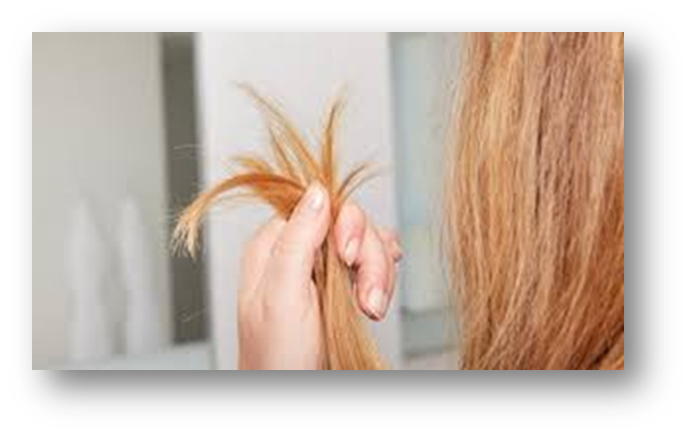
Fig-1- split ends of hair
Dandruff the scaly particle that to the root of the hair is dandruff which is caused by poor dirt dry scalp infection excess sebum and sensitivity certain product it is a harmless non inflammatory skin condition that affect the scalp and can lead to hair loss. (28)
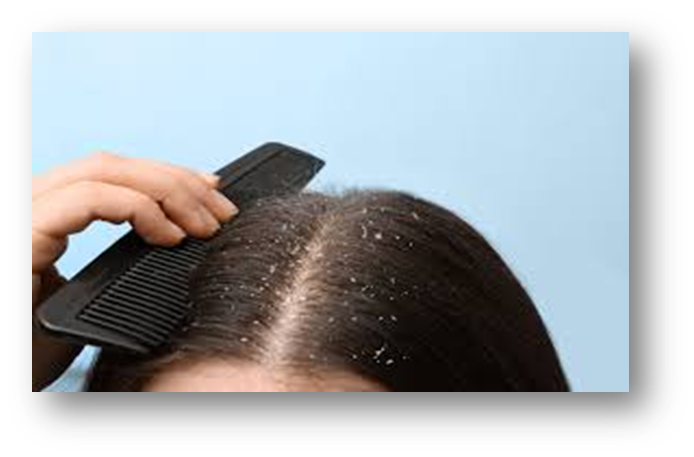
Fig - 2 - Dandruff problem hair
Hair colour damage regular coloring sessions can damage the hair in the long run. The chemical in the dry can also Couse dryness dandruff breakage and split ends. Medicated shampoo extra care conditioning and nourishing can treat damage hair
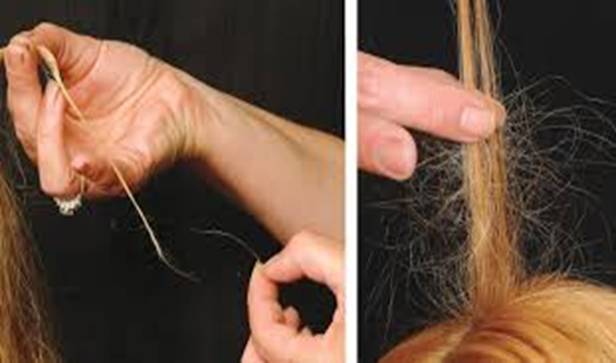
Fig- 3 - Hair Colour Damage
Hair loss occurs due to several factors such as stress hormonal imbalance and using the wrong products. Prevention is possible by using protein food food switching to mild shampoo massage with hot oil staying hydrates and exercise regularly.
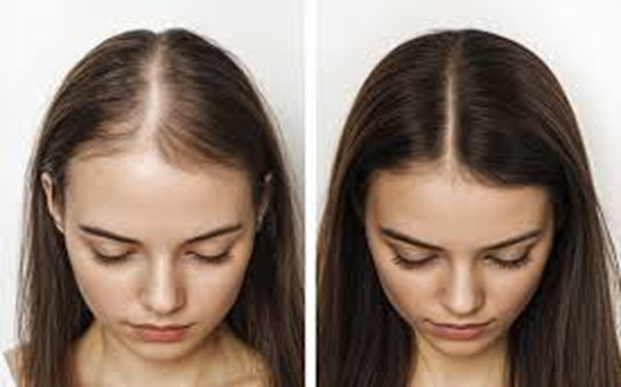
Fig – 4 - Hair loss problem (28)
Part of the Hair
Dermal papillae: the dermal papilla is responsible regulating the hair cycle and heir growth and also comprised of androgen receptors that are sensitive to the presents of DHT
Matrix: the matrix surrounds the dermal papillae and contains all the active seeded for hair growth for the development of the different parts of the hair particularly the outerrootsheath the inner root sheath and the hair shaft (1)
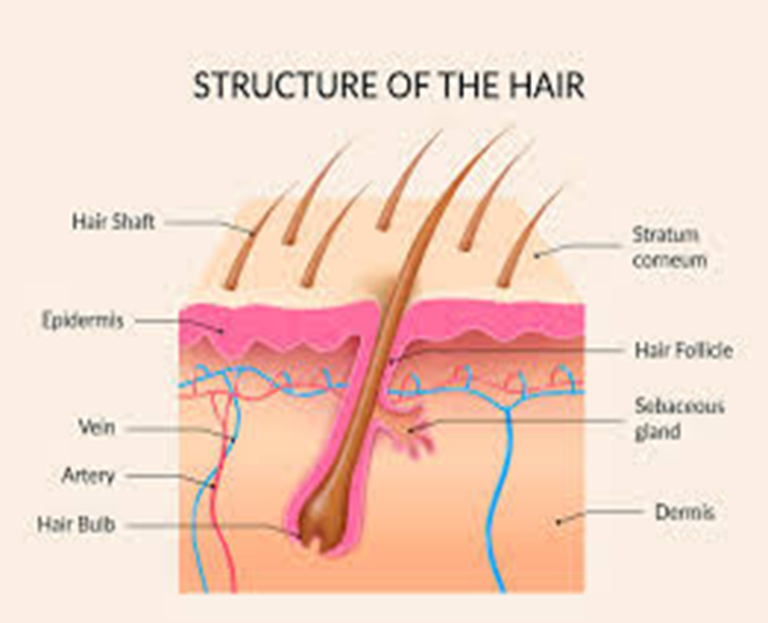
Figure
Ideal properties of herbal shampoo
USE OF INGREDIENTS
1) Soap Nut Extract
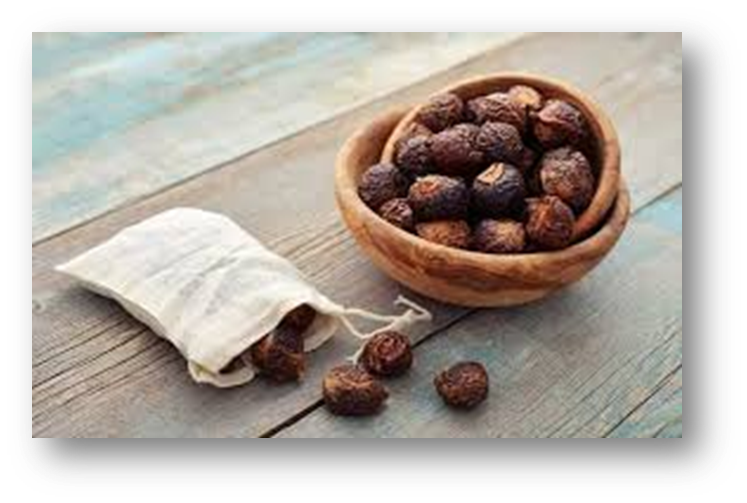
Fig-1-Soap-Nut
Soap nut extract from the fruit of the sapindas mukorossi tree is increasingly used in herbal shampoo due to its natural cleansing properties and skin benefits
1. Natural Surfactant: soap nut extract contains saponins which act as natural surfactants. This allows it to effective remove dirt oil and impurities from the hair and scalp without stripping surfactants.
2. Moisturizing Properties: soap nut extract is known for its moisturizing effect helping to keep the hair hydrate. (12,13)
3. Scalp health: the antimicrobial properties of soap nut extract can help maintain scalp health by combating dandruff and other scalp conditions.
Its natural antifungal and antibacterial properties can reduce itchiness and irritation.
2) Amla extract
Family: Euphor biaceae
Biological source: Emblica officinalis Gaerth
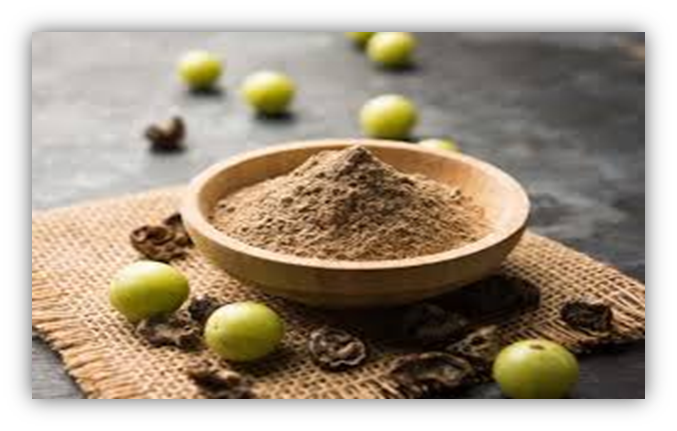
Fig – 2 - Amla
Amla is widely used in shampoos due to its numerous benefits for hair health.
Nutrition support: Amla is rich in vitamin c essential fatty acid and other nutrients that nourish hair follicles promoting healthy growth. (16)
Dandruff control: Amla possesses anti-inflammatory and antimicrobial properties that can help alleviate dandruff and soothe an irritated scalp.
Natural conditioning: Amla as a natural conditioner improving hair texture making it softer and shinier and scalp.
Strengthening hair: helping to detangle hair. (13
3) Shikakai extract
Family: Fabaceae
Biological source: Driedpods of Acaciaconcinna
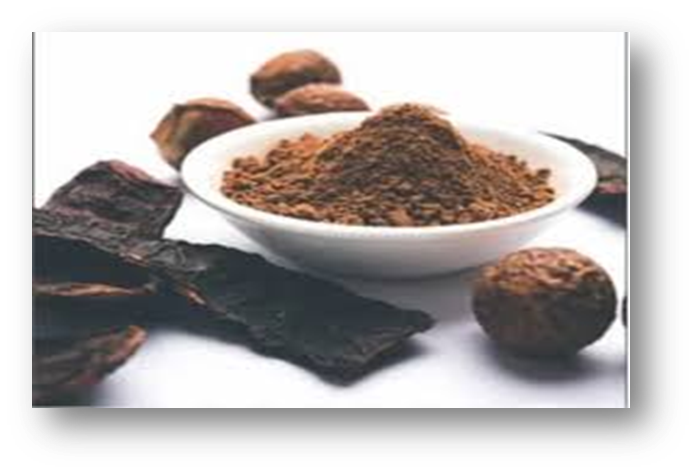
Fig – 3 - Shikakai
Shikakai derived from the pods of the acacia concinna tree is a popular ingredient in herbal shampoos due to its numerous benefits for hair.
Natural Cleansing Agent: shikakai acts as a natural cleanser due to its saponin content which helps remove dirt and excess oil from scalp without stripping hair of its natural moisture
Promote Healthy Hair Growth: shikakai rich in vitamin A C D E and K which nourish hair follicle and promote healthy hair growth. Its use in shampoos can help strengthen hair and reduce hair loss.
PH balancer: Shikakai has a low PH which helps maintain the natural acidity of the scalp and hair promoting overall hair health. This balance is essential for preventing dryness and damage. (11,12)
4) Aloe vera
Family: Asphodelaceae
Biological source: Driedlatex of aloe-vera leaves
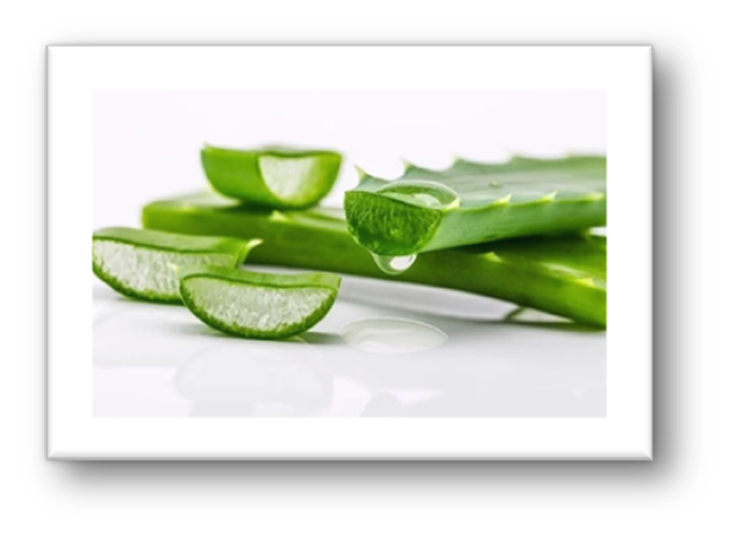
Fig-4-Aloevera
Aloe vera extract is a popular ingredient in shampoo and hair care product due to its numerous beneficial properties.
Moisturizing properties:
Use: aloe vera is known for its hydrating properties helping to retain moisture in the hair and scalp.
Shooting Irritation:
Use: aloe vera can help soothe an irritated scalp and reduce inflammation making it beneficial for those with sensitive skin. (11,12,13)
5) Reetha
Family: Sapindaceae
Biological Source: Dried fruits of Saprindus mukorossi
Sapindus mukarossi sapindaceae, soapnuts is also called as arishtak in ayurveda and soap nut tree in India. It is well known for traditional medicinal uses as a hair cleanser.
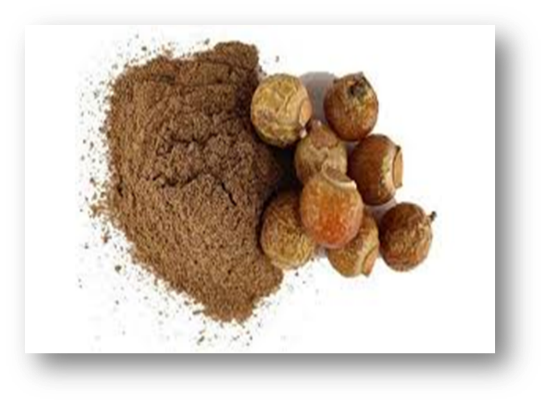
Fig – 5 - Reetha
Uses
Reetha is responsible for the production of from and for anti-foaming effect so it used in herbal shampoo for foam production in the shampoo.
It is generally used as a cleansing and production of from in the shampoo.
Hence is important ingredient that are used in the formulation of herbal shampoo. (2,3)
6) Methi
Family: Fabaceae
Biological source: Dried rips seeds of Trigonella foenum-graecum.
These seeds are a stable in every Indian kitchen. Its seed are high in vitamin A, C, K protein and folic acid making it the best ayurvedic medicine fenugreek seed contain the protein nicotinic and which is effective against hair loss dandruff and other scalp issues.
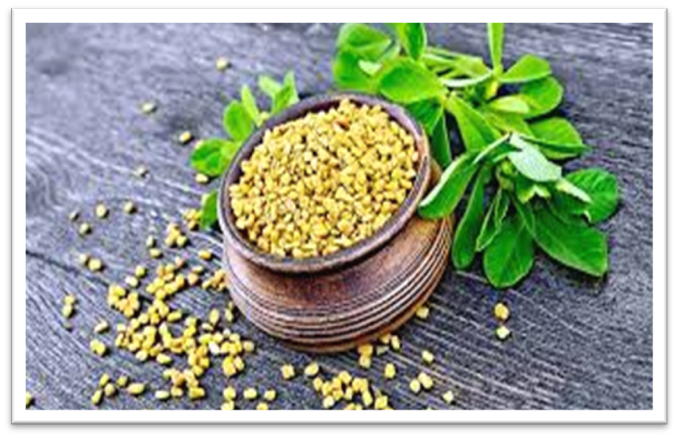
Fig – 6 - Methi
Uses
Reduce hair fall:
Methi contains protein and nicotinic acid which strengthen hair roots and reduce hair fall.
Control dandruff:
Both shikakai and methi have antifungal and antibacterial properties that help reduce dandruff and itchy scalp
Gentle cleansing:
Shikakai in natural cleanser that removes dirt and oil without stripping natural moisture
7) Neem
Family: meliaceous
Biological Source: the biological source of neem is the Azadirachta indica tree which is native to India subcontinent and parts of southeast Asia.
Uses: Neem is a common ingredient in herbal shampoo. because it promotes the hair growth neem leaves contain quercet in and B-sitosterol which contain anti-bacterial and anti-microbial properties which provide protein from fungus that causes dandruff.
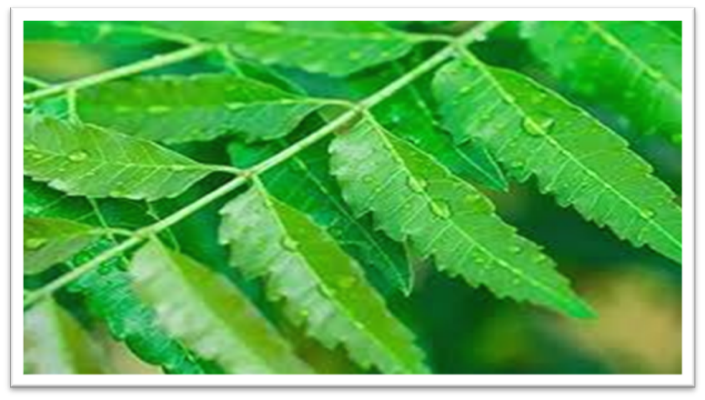
Fig-7-Neem
It also contains flavonoids tannin phenols saponin azadirachtin and gallic acid and also contain vitamin E All these chemical constituents are found in neem that promotes the hair losses and also reduce the dandruff in the scalp.
In neem tannin and are present that plays an important role in formulation herbal shampoo because it promotes the antifungal activities as well also contain anti inflammation activity.
Neem is a rich source of vitamin E which help repair damaged cells. (5)
8) Rose oil
Rose oil particularly rose essential oil can be a voluble ingredient in shampoo due to numerous beneficial properties. Here are some key uses and benefits.
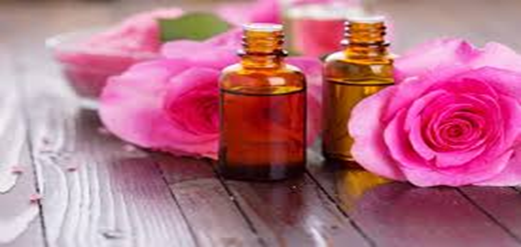
Fig -8 -Rose oil
Uses:
1) Moisturizing property:
Rose oil can help hydrate the scalp and hair preventing dryness and promoting overall hair health.
2) Anti-inflammatory effect:
Rose oil can soothe an irritated scalp which may help reduce conditions like dandruff and itching. (12)
Evaluation of herbal shampoo
The prepared formulation underwent evaluation for product performance including assessment of organoleptic characteristics PH level physiochemical properties and solid content.
Dirt dispersion: two drops of the shampoo are added to a test tube containing 10 ml of distilled water.
Visual assessment: colour of prepared shampoo is evaluated foe its colour the colour is checked visually. Odour: odour is found by smelling the product.
PH determination: the of prepared herbal shampoo in distilled water 10%v/v is evaluated by mean of ph. analyzer in the room temperature (16,17)
How can shikakai in hair care routine (30)
|
1 |
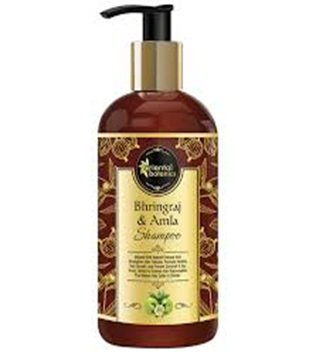
Shikakai shampoo |
With the help of natural shampoo cleanses and Nourishes your hair. Shampoo without Parabens help heal severely damage hair reduce frizz. |
|
|
2 |
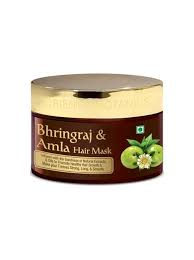
Shikakai hair mask |
Mask promotes elasticity and luster while providing the hair with deep nourishment.it hair fall and stops hair breaking. |
|
|
3 |
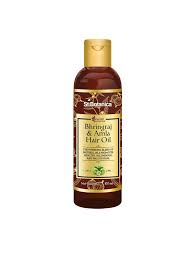
Shikakai hair oil |
Natural herbs Support as treatment of many hairs issue is added to this natural hair oil. |
|
MATERIALS AND METHOD
Collection of material: (29)
TABLE : Detail of the plant material study
|
Sr |
Common name |
Botanical name |
Parts used |
Category |
|
1 |
Hibiscus |
Hibiscus rosa-sinensis |
Flower |
Conditioning agent |
|
2 |
Amla |
Embolic officinalis |
Fruit |
Anti-dandruff agent |
|
3 |
Shikakai |
Acacia concinna |
Powder |
Detergent |
|
4 |
Soapnut |
Sapindas indica |
Fruit |
Detergent |
|
5 |
Cassia |
Cassia auriculata |
Leaves |
Antidandruff agent |
|
6 |
Bring raj |
Eclipta prostrate |
Leave flower |
Hari growth |
|
7 |
Aloe vera |
Aloe barbadense |
Leaf |
Copland |
Material
|
Material |
Quantity |
|
Reetha extract Amla extract Shikakai extract Sidr extract Neem extract Methyl problem Gelatin solution Citric acid Essential oil |
2.5 g 2.5 g 2.5 g 2.g 2.5 g 1ML of 0.05% solution q.s q.s 0.1 mL |
Type of shampoo
Shampoos are of following types given below
Benefits of herbal shampoo
Function of hair shampoo
Uses of Shikakai Shampoo
Promotes Hair Growth:
It strengthens hair roots and helps in reducing hair fall clean and dandruff-free.
Prevents Dandruff:
Its antifungal and antibacterial properties help keep the scalp
Condition The Hair:
Shikakai acts as a natural conditioner making hair soft shiny and smooth.
Prevent Dryness and Itching:
Its smoothness the scalp and reduce irritation or dryness.
RESULT AND CONCLUSION
Nowadays our new generation facing lot of problem-like hair fall itching in scalp irritation dandruff problems. (7) The purpose of this review article is to raise awareness among individuals about the potential of traditional plant in hair care treatment. Herbal shampoo is safer than synthesis shampoo. The PH of the shampoo was adjusted to 5 to retain mantle of scalp which is acidic there is a strong need to change the consumer of a good shampoo and the onus lies with formulations. (29)
REFERENCES



Sangram Nagargoje, Pallavi Rathod, Snehal Chaudhari, A Review on Herbal Shikakai Shampoo, Int. J. of Pharm. Sci., 2025, Vol 3, Issue 12, 460-470. https://doi.org/10.5281/zenodo.17798599
 10.5281/zenodo.17798599
