
Institute of Pharmacy and Research, Badnera, Amravati, Maharashtra
Costus igneus Nak and Costus pictus D. Don, commonly referred to as the Spiral flag, belong to the family Costaceae and are relatively recent introductions to India from South and Central America. These plants are perennial in nature, growing upright with a spreading habit, and typically reach a height of about two feet. They are characterized by spirally arranged leaves and visually appealing flowers. In southern regions of India, the plant is widely cultivated as an ornamental species, and its leaves are traditionally consumed as a dietary supplement for managing diabetes. In recent years, several scientific studies have investigated its antidiabetic activity. In addition to this, the plant has demonstrated multiple pharmacological properties such as lipid-lowering, diuretic, antioxidant, antimicrobial, and anticancer effects. Phytochemical investigations have identified the presence of carbohydrates, proteins, triterpenoids, alkaloids, tannins, saponins, flavonoids, steroids, and trace elements. The present work aims to review and summarize the available literature on the phytochemical composition and pharmacological activities reported for this plant to date.
Costus igneus Nak, commonly referred to as fiery costus, spiral flag or the insulin plant. It is indigenous to regions of South and Central America. It has been introduced into India in recent years as a medicinal plant used in the management of diabetes, which is why it is popularly known as the “insulin plant”[1]. In southern India, the plant is frequently cultivated as an ornamental species and has also naturalized in several areas[2]. In traditional practice, it is used to help regulate blood glucose levels and individuals with diabetes are known to consume one leaf daily for this purpose [3]. Among the tribal communities of the Kolli Hills in the Namakkal district of Tamil Nadu. The leaves of C. igneus are recognized as an effective remedy for diabetes[4].The plant is a member of the family Costaceae. Nakai elevated Costaceae to family status based on distinctive features such as spirally arranged leaves and rhizomes lacking aromatic essential oils. Prior to this classification, ENGLER and PRANTL had placed the group as a subfamily of Costoideae within the Zingiberaceae. Its distinct taxonomic position is supported by several morphological and anatomical characteristics including a well-developed aerial shoot system with firm and often branched stems.[5] The leaves are arranged in a low spiral pattern with specific divergence angles. The family Costaceae comprises four genera and nearly 200 species. With the genus Costus being the most extensive containing around 150 species predominantly found in tropical regions.
Taxonomical Classification of Costus igneus Plant :
Table.No.1. Taxonomical classification table for Costus igneus plant
|
Botanical Name |
Costus Igneus N.E.Br. |
|
Domain |
Eukaryota |
|
Kingdom |
Plantae |
|
Subkingdom |
Viridaeplantae |
|
Phyllum |
Tracheophyta |
|
Subphyllum |
Euphyllaphytina |
|
Infraphyllum |
Radiatopses |
|
Class |
Liliopsida |
|
Subclass |
Commelinidae |
|
Order |
Zingiberales |
|
Superorder |
Zingiberaceae |
|
Family |
Costaceae |
|
Subfamily |
Asteroidae |
|
Tribe |
Coreopsidae |
|
Genus |
Costus |
|
Specific epithet |
Igneus |
PLANT PROFILE :
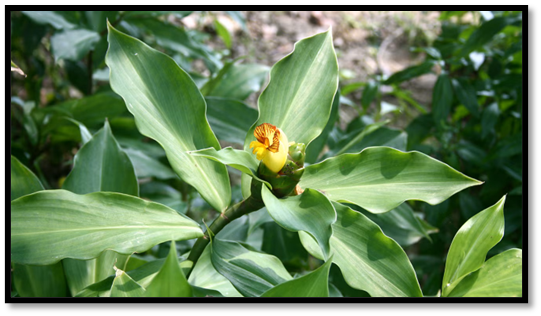
Figure.No.1. Costus Igneus Plant
Morphology : The plant is a perennial herb with an upright and spreading growth habit, typically reaching a height of about two feet. It has tall stems tend to bend and trail along the ground as they mature. The leaves are simple, alternately arranged with smooth margins and an oblong shape remaining green throughout the year. They usually measure between 4 and 8 inches in length and display prominent venation. This tropical evergreen is characterized by large, glossy, dark green leaves with paler undersides, arranged spirally around the stem to form attractive, arching clusters that emerge from underground rhizomes. During warmer seasons, the plant produces showy orange flowers measuring approximately 1.5 inches in diameter, borne on cone-shaped inflorescences at the ends of branches[6]. The fruits are small, inconspicuous, less than 0.5 inch in size and exhibit a green to multi-coloured appearance.
Major Constituents of Essential Oil :
Table.No.2.Table for Stem oil, Leaf oil and Rhizome oil.
|
Stem oil (%) |
Leaf oil (%) |
Rhizome oil (%) |
|
Hexadecanoic acid (28.3) |
Hexadecanoic acid (24.51) |
Hexadecanoic acid (25.26) |
|
9,12-Octadecanoic acid (18.33) |
2-pentalol (22.48) |
9,12-Octadecanoic acid (7.74) |
|
Dodecanoic acid (5.62) |
Dodecanoic acid (3.96) |
Dodecanoic acid (16.56) |
|
Linalyl propanoate (6.03) |
β-ionone (8.69) |
Tetradecanoic acid (10.20) |
|
Tetradecanoic acid (4.82) |
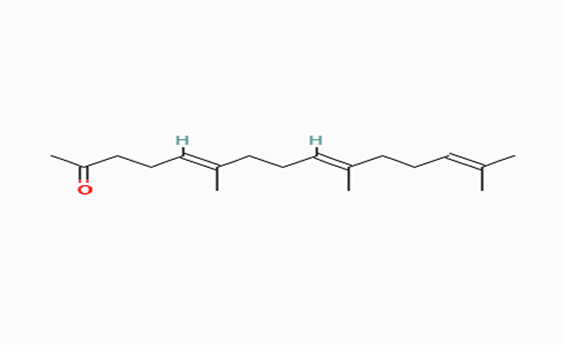
Farnesyl acetone (7.04) |
Linalool (8.48) |
|
A-eudesmol (3.55) |
A-ionone (8.01) |
α-terpineol (4.44) |
|
γ-eudesmol (3.21) |
|
|
|
4-ethoxy phenol (3.06) |
|
|
Treatment of Diabetes Mellitus :
The Diabetes Mellitus can be treated by using the various synthetic medications as follows :
But due to continous administration of these medications or drugs, some adverse effects may harm the human body and health. Some common adverse effects can be occurs in human body as follows :
Therefore, to overcome the side effects which induced due to the synthetic medications, the herbal plant named Costus igneus plays a major role in treating or managing the diabetes mellitus. The plant has less adverse effects than any other drugs or medications.
Management of Diabetes Mellitus :
Costus igneus, illustrated in Figure 1, belongs to the family Costaceae and is commonly referred to as the spiral or helical flag. The species is native to eastern regions of Brazil, particularly the states of Bahia and Espírito Santo, as well as other parts of South America[7]. It has been introduced into India more recently and is widely cultivated as an ornamental plant in Kerala[8]. The plant grows well under tropical climatic conditions. It bears simple, alternately arranged, smooth-edged, oblong leaves that remain evergreen and typically measure between 4 and 8 inches in length with parallel venation. The leaves are large, glossy, dark green and arranged in a spiral manner around the stem. The plant usually grows up to about 60 cm in height with longer stems often reclining on the ground. During the summer season, attractive orange flowers ranging from 2.5 to 12.5 cm in diameter are produced. Propagation is commonly achieved through stem cuttings. The leaves are traditionally consumed as a health supplement. The individuals must take two to three leaves daily for the management of diabetes, which has led to the plant being popularly known as the “insulin plant”[9].
Therapeutic Molecular Targets For Diabetes Mellitus :

Figure.No.2. Therapeutic targets for diabetes mellitus and their underlying mechanisms: (a) IR, (b) DPP-IV, and (c) PPAR-γ.
Bioinformatics attributes cost-effective and expedited work involved in designing trials, executing them and enforcing laboratory trials. Physiochemical principles and intricate scientific calculation ways are combined in a new way via molecular docking. Grounded on the typical commerce between the receptor and ligand and medicine patch, docking aids in drug development. It aids the assiduity in concentrating on substances having the topmost eventuality against a specific target[14]. In this investigative work, Manasi Yadav et al. had reported that the phytoconstituents of Costus igneus and for this an activator of Insulin receptor (IR), Dipeptidyl Peptidase- IV (DPPIV) asset, and an agonist of Peroxisome proliferator actuated receptor- gamma (PPAR- γ) were chosen as remedial molecular targets for diabetes mellitus.
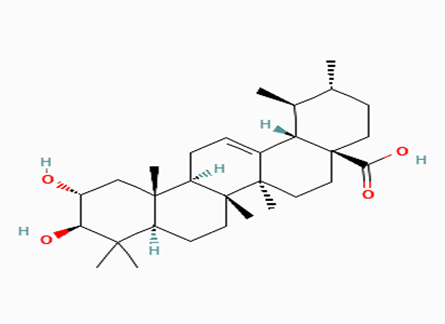
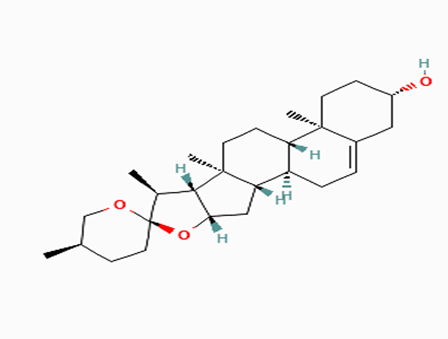
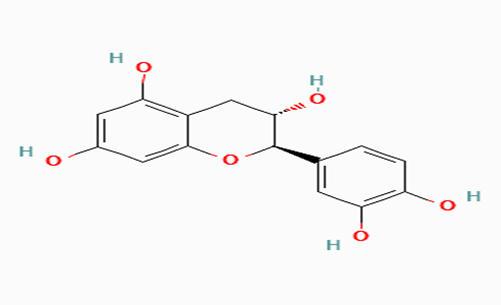
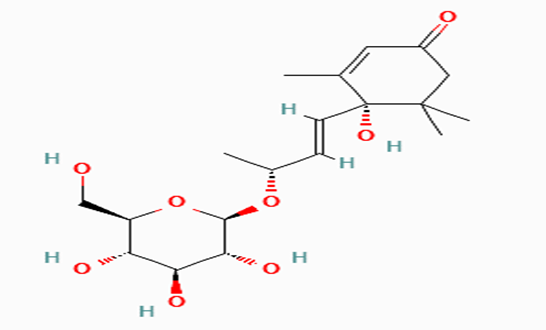
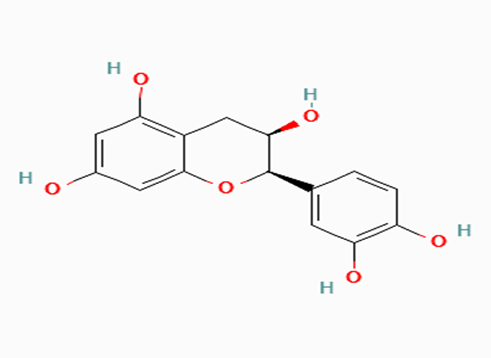
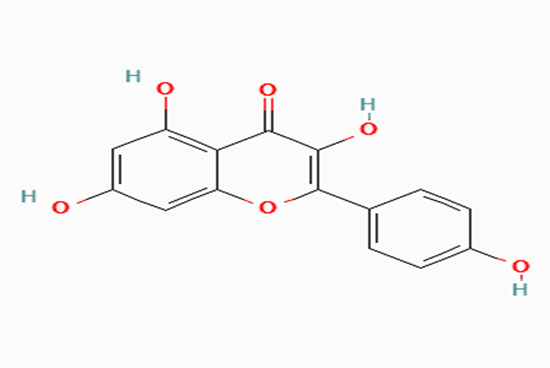
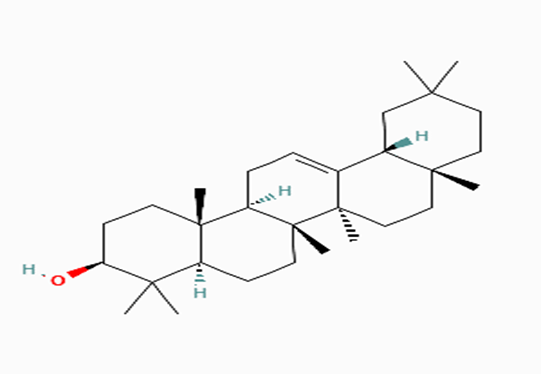
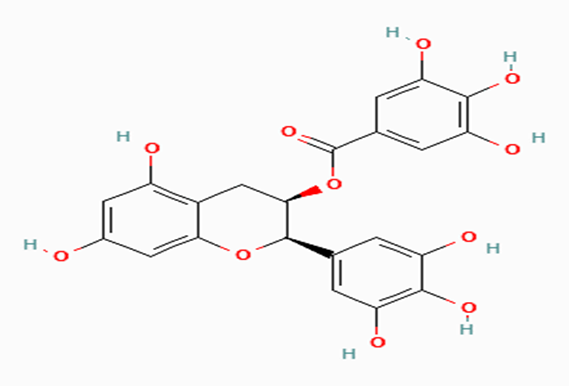
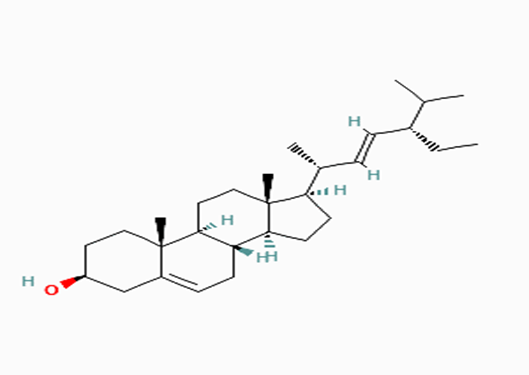
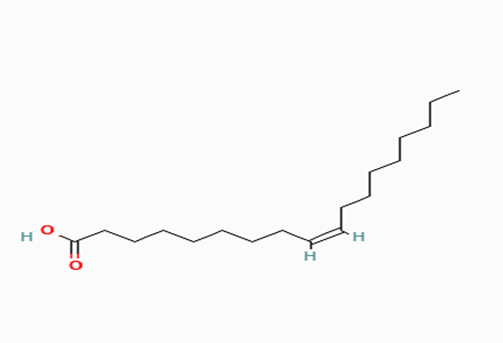
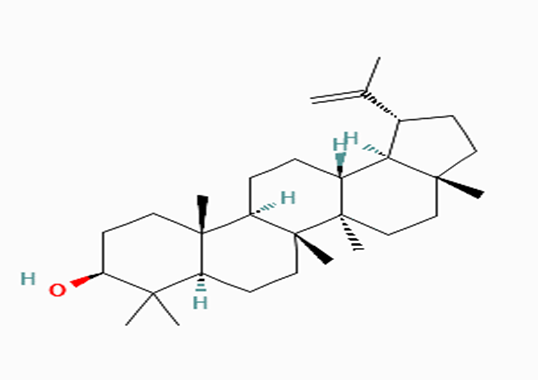
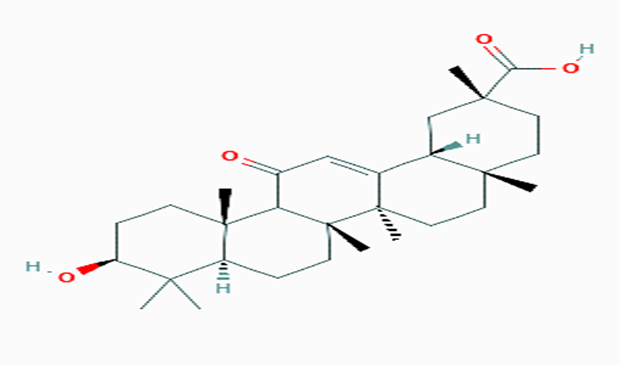
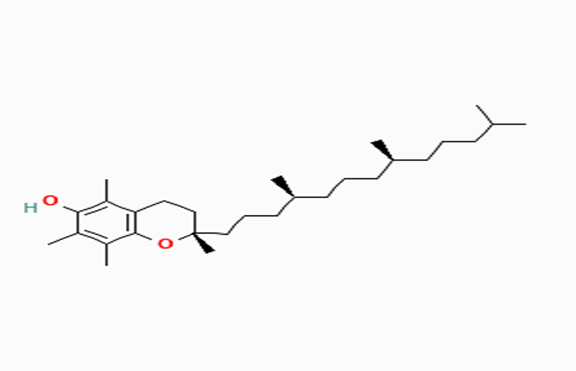
Phytochemical Constituents of Costus igneus Plant :






CONCLUSION :
This review supports the therapeutic potential of the leaves in diabetes. The anti?diabetic effect of its leaves is currently been tested in diabetic patients. Studies reveal its role in various diseases, which opens up new clinical research areas. Medicinal plants provide safer and more inexpensive alternatives as follows :
REFERENCES


Parag Wankhede, Dr. S. J. Dighade, S. A. Thombre, A Review on Costus Igneus Plant, Int. J. of Pharm. Sci., 2026, Vol 4, Issue 1, 149-157. https://doi.org/10.5281/zenodo.18131591
 10.5281/zenodo.18131591
