View Article

  • A Review of Phytochemical and Pharmacological Profile of Clerodendrum Viscosum Vent

  • 1,2 Department of Pharmacy, M.J.P. Rohilkhand University, Bareilly, Uttar Pradesh (243006) 
    3,4  Department of Pharmacy, Faculty of Engineering and Technology, MJP Rohilkhand University, Bareilly, (243006)
     

Abstract

Aim: This review aims to compile and critically evaluate recent research findings on the phytochemical composition and pharmacological potential of Clerodendrum viscosum, with special focus on its antioxidant, analgesic, diuretic, and anticancer properties. Background: Clerodendrum viscosum Vent., commonly known as hill glory bower or bhant in local languages, has been traditionally valued in tropical and subtropical medicine systems such as Ayurveda and Unani. The plant is rich in diverse phytochemicals and has been associated with various pharmacological effects. Body: A comprehensive literature search was conducted using databases such as Scopus, PubMed, ScienceDirect, and Google Scholar. Studies have shown that different plant parts contain a wide range of bioactive compounds, including phenolics, phenylpropanoids, flavonoids, tannins, quercetin, saponins, alkaloids, terpenoids, and steroids. These compounds contribute to significant medicinal properties such as antioxidant defence, pain relief, diuretic function, and potential anticancer activity. Traditional use in Ayurveda and Unani highlights its therapeutic prominence, while experimental evidence further validates many of these claims. Conclusion: The pharmacological activities observed in Clerodendrum viscosum suggest it is a promising natural source of compounds with therapeutic potential. Further detailed investigations, including clinical trials and bioactivity-guided isolation, are essential to establish its efficacy and safety, thereby promoting its application in modern medicine.

Keywords

Clerodendrum viscosum, Diuretic, Antioxidant, Analgesic, Anticancer

Introduction

Natural products are viewed as a significant asset in the field of medicinal formulation. Scientists have invested many years in the pursuit of new natural materials from diverse sources, including microscopic organisms, flora, and other living entities [1,2]. The goal of these initiatives is to evaluate their effectiveness as antioxidants, pain relievers, and diuretics, as well as to gain insight into their mechanisms within the body. Clerodendrum viscosum, commonly referred to as hill glory bower or Bhant, is a shrub that typically reaches heights of 1 to 2 meters and is indigenous to the region. This species is commonly located in various warm regions, including Bangladesh, India, Myanmar, Thailand, Malaysia, and Sri Lanka[3,4]. This plant belongs to the Verbenaceae family and thrives in agricultural settings as well as in low-lying areas adjacent to roadways, railways, industrial zones, and newly developed communities[4-6]. The initial description of the group was made by Linnaeus in 1753, naming Clerodendrum infortunatum as its main species, which is the same as Clerodendrum viscosum found in India. In 1763, Adanson revised the plant's name, switching it from Clerodendrum in Latin to Clerodendron in Greek. However, in 1942, two centuries later, Moldenke reverted the name to Clerodendrum[7]. The plant's name is derived from two Greek terms: "Kleros," meaning "chance" or "fate," and "dendron," which translates to "tree”. Clerodendrum viscosum houses a diverse array of natural chemicals, featuring phenolics, flavonoids, tannins, quercetin, saponins, alkaloids, terpenoids, and steroids[8-10]. These substances can be located throughout the plant, particularly in the leaves and roots. Important chemical constituents of the leaf encompass phenols, tannins, flavonoids, alkaloids, saponins, proteins, simple sugars, along with several acids such as oleic, stearic, lignoceric, gallic acids, in addition to sterols and triterpenoids[11-17]. The key active parts found in Clerodendrum viscosum include limonene, catechol, p-vinylguaiacol(4-ethenyl-2-methoxyphenol), 5,8,11-eicosatriynoic acid, stigmasterol, desulphosinigrin, guaiacol(2-methoxyphenol), tyrosol-d4(4-hydroxy-benzeneethanol-4d), vaccenic acid, hexadecanoic acid, phytol, betulin, and hydroxymethylfurfural[18] .In addition, compounds such as (3β,5Z,7E)-9,10-Secocholesta-5,7,10(19)-trien-3,24,25-triol, eugenol (2,6-dimethoxy-4-prop-2-enylphenol, cinnamic acid (3-[2-(1,2,3,4-tetrahydronaphthalen-2-ylmethyl)phenyl] propanoic acid, and vanillic acid (methyl 2-(4-acetyloxy-3-methoxyphenyl) acetate) were isolated from Clerodendrum viscosum [18] .

Extracts from plants and natural compounds have been a significant component of traditional healing practices, including Ayurveda, Homeopathy, and Unani. The juice extracted from the plant is beneficial in treating worm infections, coughs, itching, and various other ailments. It aids in eliminating worms, induces vomiting, and provides mild relief for constipation. Renowned for its advantageous qualities, this plant helps to reduce inflammation, protect nerves, relieve discomfort, combat cancer, fight pathogens, lower blood sugar, safeguard the liver, and act as an antioxidant [19-26]. The plant is often experienced with a widely noxious odor [27]. Its flowering and fruiting time is from February to May. Due to its wide distribution, various parts of the plant are extensively used in traditional medicines for treatment of common ailments. Several phytochemicals are distributed throughout the plant, but the contents present in leaves and roots are preferred largely for such treatments. This review summarizes the specific pharmacological properties of these extracts and highlights on their traditional uses, scientific validation and phytochemical composition.[28]

PLANT PROFILE

A small tree or bush with soft, hairy branches that are sharply four-sided at the top.  The leaf is whole, shaped like an egg with a short point at the tip, and has a heart shape at the base.  It measures about 16 by 12 cm and is thick and paper-like.  The veins are a bit like fingers spreading out, with five main lines.  The flower cluster is at the top, loose, and can be up to 20 cm long.  The small leaf-like structures at the base of the flowers are not very noticeable.  A pedicle that is 2 cm long. [27,28]
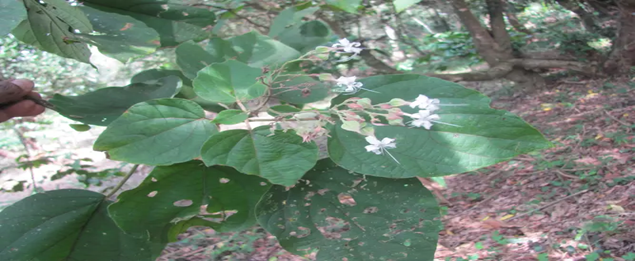
  • Species : Clerodendrum viscosum vent.
  • Family : Verbenaceae
  • Common name : Hill Glory Bower
  • Collection Locality : Dohra road, near MJP Rohilkhand University, Bareilly
  • Habitat : Degraded deciduous forest
  • Habit : Shrub
  • Flower, Fruit : October-July
  • Native : India

Fig. Clerodendrum viscosum vent

PHYTOCHEMICAL CONSTITUENTS

Clerodendrum viscosum Vent., also known as Clerodendrum infortunatum, is a perennial shrub widely recognized for its medicinal properties in traditional medicine. Phytochemical analyses have identified a diverse array of bioactive compounds within this plant, contributing to its therapeutic potential.[29-34]

1. Terpenoids: The plant contains various terpenoids, including monoterpenoids, diterpenoids, and triterpenoids. Notably, compounds such as clerodolone, clerodol, and clerosterol have been isolated from the roots.[35,36]

2. Flavonoids: Flavonoids like scutellarin and hispidulin-7-O-glucuronide have been identified in the leaves, while apigenin and acacetin are present in the flowers.

3. Steroids: Steroidal compounds, including β-sitosterol and stigmasterol, have been detected in various parts of the plant.

4. Phenolic Compounds: Phenylethanoid glycosides such as angoroside C and martynoside have been reported, contributing to the plant's antioxidant properties.[37]

5. Saponins: Saponins are among the major compounds found in the leaves, contributing to the plant's medicinal properties.

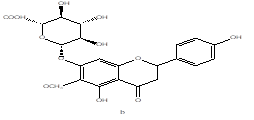
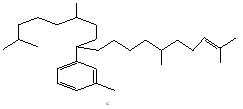
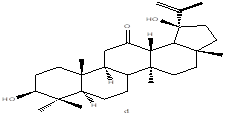
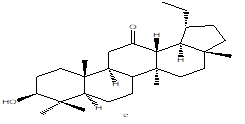
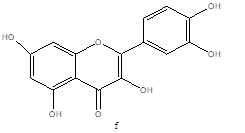
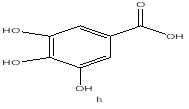
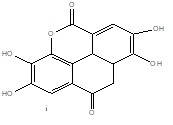
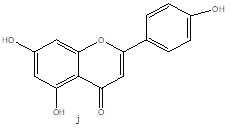
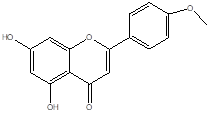
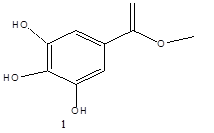
Chemical Structures of different compounds
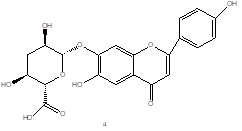
Table 1: - Name of the given structures

Sr. No

Name

Sr. No

Name

A.

Scutellarin

G.

Palmitic acid

B.

Hispidulin-7-0 glucuronide

H.

Gallic acid

C.

Viscosene

I.

Ellagic acid

D.

Clerodolone

J.

Apigenin

E.

Pregnanolone

K.

Acacetin

F.

Quercetin

L.

Syringic acid

TRADITIONAL USES

The healing capabilities of plants have made them essential to human health over time. Many individuals continue to rely on plants to maintain their health. Ayurveda, a traditional Indian health system, has a rich history of sharing knowledge about plant-based treatments. In Ayurvedic medicine, it’s claimed that the extracts of Clerodendrum viscosum can assist with respiratory ailments, skin irritations, gastrointestinal problems due to worms, and leprosy. The sap extracted from its bark was beneficial for alleviating stomach discomfort and pain, while the juice from its leaves proved effective against scorpion stings. In the Unani tradition, it was employed to relieve joint discomfort and to expel worms[38]. In Indian Homeopathy, it is recognized for helping with diarrhoea, issues after giving birth, and treating fresh cuts or wounds. Leaves rubbed with cooking oil can help relieve pain quickly.  In the Chotanagpur plateau region of India, residents utilize various plant components such as roots, stems, and leaves to prepare remedies for ailments like asthma, cataracts, malaria, and problems related to blood, skin, and lungs. Fresh leaves are utilized to create traditional remedies for coughs as well as treatments for expelling worms.[39].  Similar uses were found in Thailand, where people use leaves and roots as medicine to treat intestinal infections and kidney problems[40]. In Bangladesh, the juice from leaves is employed for worm removal, inducing vomiting, aiding in mild cases of constipation, and enhancing bile synthesis. It is also used on the skin for growths, skin issues, snake bites, and scorpion stings.[41]

Table 2 :- Pharmacological activity shown by different parts.[42-49]

Sr. No.

Plant part

Uses

1.

Whole plant

Colic pain, scorpion sting, snake bite, skin diseases, treatment of tumor, Bronchitis, asthma, fever, diseases of the blood, inflammation, burning sensation, epilepsy etc.

2.

Leaves

As vermifuge, treatment of malaria, Inflammation, skin diseases, smallpox Bitter tonic, anti-periodic, pain killer, laxative, Wounds, leprosy Traditional expectorant pills, Tumors, scorpion stings

3.

Roots

Laxative, diuretic, analgesic, anti-inflammatory, anti-tumor antibacterial activities

PHARMACOLOGICAL ACTIVITIES

The diverse phytochemical profile of Clerodendrum viscosum underpins its wide range of pharmacological activities, including:

  1. Antioxidant: The presence of phenolic compounds and flavonoids contributes to significant antioxidant activity.[50-54]
  2. Anticancer: Studies have indicated potential anticancer properties, particularly against cervical cancer cell lines.
  3. Antimicrobial: The plant exhibits antimicrobial activity against various pathogens, attributed to its rich phytochemical content.

Different types of flavonoids.  Apigenin, acacetin, quercetin, scutellarin, hispidulin-7-0-glucuronide, and cabruvin are different chemical compounds found in the plant.  There are also terpenoids like clerodin, and some phenolic compounds such as fumeric acid, stearic acid, and caffeic acid.  Additionally, the plant contains anthraquinones and alkaloids, which can be found in specific parts or throughout the entire plant.  Viscosum means thick or sticky.  These substances have been found to help treat various animal diseases.  Other substances have been taken from this plant, including steroids like clerodolone, clerodone, clerodol, and clerosterol from the root extracts.  In addition to steroids, there are a few other substances like scutellarin, hispidulin-7-0-glucuronide, and apigenin, acacetin[51] , viscosene[52] In 2009, there was research about saponin[54].

1. INSECTICIDAL ACTIVITY:

Extracts obtained from the leaves and stems of Clerodendrum viscosum demonstrated significant efficacy in managing pests such as tea mosquito bugs, tea red spider mites, and flour beetles. They outperformed both the neem tree and synthetic pesticides. Extracts from leaves dissolved in various liquids proved effective in combating insects found in stored grains. In Manipur, the presence of this plant deters rice insects. Ethanol extracts showed strong effects against worms, working better than regular medicines.[55-58]

2. ANTIMICROBIAL ACTIVITY:  

Research indicates that extracts from the roots, stems, and leaves of Clerodendrum viscosum possess antibacterial and antifungal properties. Various solvents such as acetone, chloroform, alcohol, ethanol, and ethyl acetate proved to be effective. Leaf extracts dissolved in ethanol and ethyl acetate showed excellent efficacy, producing a significant combined action against different bacteria and fungi, and at times, exceeding the effectiveness of regular pharmaceuticals.[59-62]

3. ANALGESIC ACTIVITY:

Pain-relief medicines can often have serious side effects, but plant products like Clerodendrum viscosum provides safer options. Leaf-derived saponin increased the effectiveness of conventional pain relievers. Pain relief observed in mice and rats was achieved through alcohol extracts from the leaves and roots, showing effects similar to the analgesics pethidine and indomethacin. [63-65]

4. ANTINOCICEPTION:

Extracts made with methanol and ethanol from Clerodendrum viscosum showed strong pain-relieving effects in Swiss albino mice. Higher doses of the ethanolic extract were more effective in reducing acetic acid-induced pain, yet it was not as potent as aminopyrine. Yet, in a separate research study, the findings indicated effects that resemble those of diclofenac sodium. [66,67]

5. ANTICONVULSANT:

Saponin an isolated major compound from Clerodendrum viscosum had shown dose-dependent anticonvulsant activity in leptazol-induced seizures on Swiss albino mice.[68]

6. WOUND HEALING:

Wound healing potency of chloroform and ethanolic leaf extract was tested in rats and was found significant as that of nitrofurazone drug.[69]

7. ANTI-INFLAMMATORY:

Sample taken from the hanging root structures of Clerodendrum viscosum. performed tests involving rats and mice, effectively reduced carrageenan-induced swelling, exhibiting more pronounced results at elevated dosage. The outcomes were substantial and closely resembled the effects of standard anti-inflammatory agents like phenylbutazone and indomethacin.[70,71]

8. ANTI-SNAKE VENOM:  

Alcohol-based extract from Clerodendrum viscosum provided protection to mice in a way that increased with the dose against the venom of the Naja naja snake.  The venom from snakes targets specific receptors in the body that play a crucial role in muscle movement. By binding to these receptors, the root extract can inhibit the venom's attachment and mitigate its adverse effects. [72-74]

9. ANTIOXIDANT:

Ethanol leaf extract of Clerodendrum viscosum showed powerful antioxidant effects in tests like DPPH, FRAP, and hydrogen peroxide, doing better than extracts from petroleum ether and chloroform.  Laboratory experiments and research conducted on living organisms demonstrated a significant capacity to counteract harmful radicals and enhance antioxidant activity. Among various solvent types, the ethyl acetate extract demonstrated the highest effectiveness in eliminating harmful substances during the ABTS, NO, and H2O2 assays.[6,19,44,53]

10. HEPATOPROTECTION:

Methanol leaf extract of Clerodendrum viscosum helped protect the livers of rats from damage caused by carbon tetrachloride.  It greatly improved blood test results and helped the liver work better. Tissue studies indicated that the treatment preserved a normal appearance of the liver relative to subjects that were not treated.[75]

11. CYTOTOXIC ACTIVITY:

Cytotoxic activity of Clerodendrum viscosum was proved using brine shrimp lethality assay, where mortality increased with rising concentrations of root and leaf methanolic extracts. Compared to vincristine sulphate (LC50: 0.773 mg/mL), the plant extract showed an LC50 value of 3.696 mg/mL, indicating notable cytotoxic potential.[76,77]

CONCLUSION

Clerodendrum viscosum has a long history of use in traditional medicinal systems throughout several Asian countries, particularly in India, where it is commonly employed to treat a wide range of diseases in both humans and animals. The plant holds significant ethnomedicinal value; however, despite its extensive traditional applications, only a limited number of bioactive constituents have been isolated and scientifically evaluated. Consequently, the therapeutic potential of many of its phytochemicals remains insufficiently explored. Among the reported compounds, flavonoids such as apigenin, acacetin, and various flavone glycosides are known to play a major role in providing antifungal activity. In addition to flavonoids, several diterpenoid and related compounds, including clerodin, lupine, clerodone, uncinatone, and pectolinarigenin, contribute significantly to the plant’s insecticidal and antiparasitic properties. Furthermore, a distinct class of saponins isolated from C. viscosum has been shown to exhibit notable analgesic and anticonvulsant effects, supporting its traditional use in the management of pain and neurological disorders. The presence of these diverse phytoconstituents indicates that C. viscosum is a promising source of pharmacologically active compounds. Therefore, further systematic phytochemical isolation and detailed pharmacological studies are required to fully validate and utilize its medicinal potential.

REFERENCES

  1. Ghosh, G., Panda, P., Rath, M., Pal, A., Sharma, T., & Das, D. (2015). GC-MS analysis of bioactive compounds in the methanol extract of clerodendrum viscosum leaves. Pharmacognosy Research, 7(1), 110–113.
  2. Sermakkani M, Thangapandian V. GC MS analysis of Cassia Italica leaf methanol extract. Asian J Pharm Clin Res 2012;5:90 4.
  3. Srivastava, M., Maurya, P., Jyotshna, & Shanker, K. (2021). Clerodendrum viscosum: a critical review on phytochemistry, pharmacology, quality assurance, and safety data. In Medicinal Chemistry Research (Vol. 30, Issue 12, pp. 2145–2167).
  4. Nandi, S., & Lyndem, L. M. (2016). Clerodendrum viscosum: Traditional uses, pharmacological activities and phytochemical constituents. In Natural Product Research (Vol. 30, Issue 5, pp. 497–506).
  5. Islam, J., Shila, T. T., Islam, Z., Kabir, E., Haque, N., Khatun, M., Khan, S., Jubayar, A. M., Islam, F., Nikkon, F., Hossain, K., & Saud, Z. A. (2023). Clerodendrum viscosum leaves attenuate lead-induced neurotoxicity through upregulation of BDNF-Akt-Nrf2 pathway in mice. Journal of Ethnopharmacology, 304, 116024.
  6. Rahman, M. (2013). Antihemolytic Activity of Clerodendrum viscosum Vent. is Mediated by its Antioxidant Effect. European Journal of Medicinal Plants, 3(1), 127–134.
  7. Patel, J. J., Acharya, S. R., & Acharya, N. S. (2014). Clerodendrum serratum (L.) Moon. – A review on traditional uses, phytochemistry and pharmacological activities. Journal of Ethnopharmacology, 154(2), 268–285.
  8. Panda  P,  Rath  M,  Pal  A,  Sharma  T,  Das  D.  GC-MS  analysis  of bioactive compounds in the methanol extract of Clerodendrum viscosum leaves. Pharmacogn Res 2015; 7(1):110-113.
  9. Islam R, Rahman A. A GC-MS study: Identification of the essential oil  compositions  of  Clerodendrum viscosum  Vent  flower.  J Essent Oil-Bear Plants 2015; 18(5): 1271-1274.
  10. Newman, D. J., & Cragg, G. M. (2020). Natural Products as Sources of New Drugs over the Nearly Four Decades from 01/1981 to 09/2019. Journal of Natural Products, 83(3), 770–803.
  11. Prashith Kekuda, T. R., Dhanya Shree, V. S., Saema Noorain, G. K., Sahana, B. K., & Raghavendra, H. L. (2019). Ethnobotanical uses, phytochemistry and pharmacological activities of Clerodendrum infortunatum L. (Lamiaceae): A review. Journal of Drug Delivery and Therapeutics, 9(2), 547–559.
  12. Akihisa, T., Matsubara, Y., Ghosh, P., Thakur, S., Shimizu, N., Tamura, T., & Matsumoto, T. (1988). The 24α- and 24β-epimers of 24-ethylcholesta-5,22-dien-3β-ol in two Clerodendrum species. Phytochemistry, 27(4), 1169–1172.
  13. Pal, A., Das, D., Panda, P., Rath, M., & Sharma, T. (2015). GC-MS analysis of bioactive compounds in the methanol extract of Clerodendrum viscosum leaves. Pharmacognosy Research, 7(1), 110.
  14. Jacke, G., & Rimpler, H. (1983). Distribution of iridoid glycosides in Clerodendrum species. Phytochemistry, 22(8), 1729–1734.
  15. Ashoor L.S. Mohammd T.U. Baker R.K. Extraction, antimicrobialactivity and phytochemical of Clerodendrum viscosum. Plant Archiv. 2018 18 2 2087 2090
  16. Sumi S.A. Evaluation of analgesic and antioxidant properties in the ethanolic root extract of clerodendrum viscosum vent. Cell 2015 61 0469173485 International journal of pharma sciences and research. (2010).
  17. Das, J. K., Choudhury, S., Adhikary, S., Das, B., Samanta, S., Mandal, S. C., & Dey, S. P. (2011). Anthelmintic activity of Clerodendrum viscosum. Oriental Pharmacy and Experimental Medicine, 11(2), 119–122.
  18. Kar P. Antioxidant and pharmaceutical potential of Clerodendrum L.: An overview. Int. J. Green Pharm. 2014 8 4
  19. Rahman, M. M., Rumzhum, N. N., & Zinna, K.-E.-K. (1970). Evaluation of Antioxidant and Antinociceptive Properties of Methanolic Extract of <i>Clerodendrum viscosum</i> Vent. Stamford Journal of Pharmaceutical Sciences, 4(1), 74–78.
  20. Chandrashekar, R., Rai, M., & Kalal, B. S. (2022). Acute and chronic toxicity studies on ethanolic leaf extracts of Clerodendrum viscosum and Leucas indica in Swiss albino mice. International Journal of Biochemistry and Molecular Biology, 13(4), 40–48.
  21. Roy, S., Kundu, L. M., Roy, G. C., Barman, M., & Ray, S. (2022). Cell Cycle Delay, Pro-Metaphase Arrest and C-Metaphase Inducing Effects of Petroleum Ether Fraction of Leaf Aqueous Extract of <i>Clerodendrum viscosum</i> Vent. CYTOLOGIA, 87(2), D-21-00084.
  22. Islam, R., & Rahman, A. (2015). A GC-MS Study: Identification of the Essential Oil Compositions of Clerodendrum viscosum Vent Flower. Journal of Essential Oil Bearing Plants, 18(5), 1271–1274.
  23. Das, S. C., Qais, M. N., Kuddus, M. R., & Hasan, C. M. (2013). Isolation and Characterization of (22E,24S)-Stigmasta-5,22,25-trien-3b-ol from Clerodendrum viscosum Vent. Asian Journal of Chemistry, 25(11), 6447–6448.
  24. Gouthamchandra, K., Mahmood, R., & Manjunatha, H. (2010). Free radical scavenging, antioxidant enzymes and wound healing activities of leaves extracts from Clerodendrum infortunatum L. Environmental Toxicology and Pharmacology, 30(1), 11–18.
  25. Ahmed, F., Shahid, I. Z., Biswas, U. K., Roy, B. A., Das, A. K., & Choudhuri, M. S. K. (2007). Anti-inflammatory, Antinociceptive, and Neuropharmacological Activities of Clerodendron viscosum . Pharmaceutical Biology, 45(7), 587–593.
  26. Haque, N., Chowdhury, S. A. R., Nutan, M. T. H., Rahman, G. M. S., Rahman, K. M., & Rashid, M. A. (2000). Evaluation of antitumor activity of some medicinal plants of Bangladesh by potato disk bioassay. Fitoterapia, 71(5), 547–552.
  27. Kirtikar KR, Basu BD. 2001. In: Mhaskar KS, Cains JF, editors. Indian medicinal plants. III. 2nd ed. Delhi: Sri Satguru
  28. Haines HH. 1925. The botany of Bihar and Orissa. II. Dehradun: Bishen Singh and Mahendra Pal Singh.
  29. Praveen M. Preliminary phytochemical, antimicrobial and toxicity studies on Clerodendrum paniculatum Linn. leaves. SEMANTIC SCHOLAR 2012
  30. Yen, G.-C., Duh, P.-D., & Tsai, H.-L. (2002). Antioxidant and pro-oxidant properties of ascorbic acid and gallic acid. Food Chemistry, 79(3), 307–313.
  31. Liang, H., Huang, Q., Zou, L., Wei, P., Lu, J., & Zhang, Y. (2023). Methyl gallate: Review of pharmacological activity. Pharmacological Research, 194, 106849.
  32. Subramanian, S. S., & Nair, A. G. R. (1973). Scutellarin and hispidulin-7-O-glucuronide from the leaves of Clerodendrum indicum and Clerodendron infortunatum. Phytochemistry, 12(5), 1195.
  33. Jirovetz L. Essential oil analysis of the leaves and the root bark of the plant Clerodendrum infortunatum used in ayurvedic medicine. Herba Pol. 1999 2 45 87 94,
  34. Dutta S, D. P. (2015). Comparative Phytochemical Profiling of Clerodendrum infortunatum L. Using GC-MS Method Coupled with Multivariate Statistical Approaches. Journal of Postgenomics Drug & Biomarker Development, 05(03).
  35. Manzoor-i-Khuda, M. (1966). Constituents of Clerodendron infortunatum (BHAT)—II. Tetrahedron, 22(7), 2377–2386.
  36. Sannigrahi, S., Mazumder, U. K., Pal, D., & Mishra, S. L. (2012). Terpenoids of methanol extract of Clerodendrum infortunatum exhibit anticancer activity against Ehrlich’s ascites carcinoma (EAC) in mice. Pharmaceutical Biology, 50(3), 304–309.
  37. Hazarika, A., & Saha, D. (2017). PRELIMINARY PHYTOCHEMICAL SCREENING AND EVALUATION OF ANTI-DIARRHOEAL ACTIVITY OF ETHANOLIC EXTRACT OF LEAVES OF CLERODENDRUM INFORTUNATUM. International Journal of Current Pharmaceutical Research, 9(4), 143.
  38. Singh VK, Ali ZA, Siddiqui MK. 1997. Medicinal plants used by the forest ethnics of Gorakhpur district (Uttar Pradesh), India. Int J Pharm. 35:194– 206.
  39. Rajurkar BM. 2010. Morphological study and medicinal importance of Clerodendrum infortunatum Gaertn. (Verbenaceae), found in Tadoba National Park, India. J Pharm Res Health Care. 2:216–220
  40. Islam Md S, Moghal Md MR, Ahamed SK, Ahmed J, Islam Md A. 2013. A study on cytotoxic and anthelmintic activities of crude extracts of leaves of Clerodendrum viscosum. Int Res J Pharm. 4:99– 102
  41. Goswami A, Dixit VK, Srivastava BK. 1998. Anti-malarial activity of aqueous extract of Clerodendrum infortunatum. Bionature. 48:45–48.
  42. Modi AJ, Khadabadi JSS, Deore SL. 2010. In vitro anthelmintic activity of Clerodendrum infortunatum. Int J Pharm Tech Res. 2:375–377.
  43. Modi AJ, Khadabadi SS, Deore SL, Kubde MS. 2010. Antioxidant effects of leaves of Clerodendrum infortunatum (Linn.). Int J Pharm Sci Res. 1:67–72.
  44. Modi AJ, Khadabadi SS, Farooqui IA, Ghorpade DS. 2010. Studies on antimicrobial activity of Clerodendrum infortunatum, Argyreia nervosa and Vitex negundo: A comparison. Der Pharmacia Lettre. 2:102–105.
  45. MohammedR,Ariful HM, Nasir A, Zobaer AB, Hossain MM, Azam MNK. 2010. A survey of medicinal plants used by folk medicinal practitioners in two villages of Tangail district, Bangladesh. Am-Eurasian J Sustain Agric. 4:357–362
  46. Gupta S, Gupta R. 2012. Detection and quantification of quercetin in roots, leaves and flowers of Clerodendrum infortunatum L. Asian Pac J Trop Dis. 2:S940–S943.
  47. Yusuf M, Chowdhury JU, Wahab MA, Begum J. 1994. Medicinal plants of Bangladesh. Dhaka: Bangladesh Center for Scientific and Industrial Research (BCSIR).
  48. Sannigrahi S, Mazumder UK, Pal DK, Mishra S L. 2009. Hepatoprotective potential of methanol extract of Clerodendrum infortunatum Linn. against CCl4 induced hepatotoxicity in rats. Pharmacogn Mag. 5:394–399.
  49. 49.Aley KNA, Mathews SM, Leena PN. 2011. Physical, phytochemical screening and antibacterial activities of Clerodendron infortunatum L. Root. Int J Pharm Biol Sci. 2:182–187.
  50. Sinha NK, Seth KK, Pandey VB, Dasgupta B, Shah AH. 1981. Flavonoids from the flowers of Clerodendron infortunatum. Planta Med. 42:296–298.
  51. Dutta-Choudhury M, Paul SB, Choudhury S, Choudhury S, Choudhury PPN. 2009. Isolation, characterization and - activity Screening of Compound from Clerodendrum viscosum Vent. Assam Univ J Sci Tech: Biol Sci. 4:29–34.
  52. Pal DK, Sannigrahi S, Mazumder UK. 2009. Analgesic and anticonvulsant effect of saponin isolated from the leaves of Clerodendrum infortunatum Linn in mice. Ind J Exp Biol. 47:743–747
  53. Ghosh G. Antibacterial and antioxidant activities of methanol extract and fractions of Clerodendrum viscosum Vent. leaves. Indian J. Nat. Prod. Resour. 2014 5 2 134 142
  54. Kabir, E., Islam, J., Shila, T. T., Beauty, S. A., Sadi, J., Gofur, Md. R., Islam, F., Hossain, S., Nikkon, F., Hossain, K., & Saud, Z. A. (2024). Ameliorating effects of Clerodendrum viscosum leaves on lead?induced hepatotoxicity. Food Science & Nutrition, 12(9), 6472–6481.
  55. Roy R, Pandey V B, Singh U P, Prithiviraj B. 1996. Antifungal activity of the flavonoids from Clerodendron infortunatum roots. Fitoterapia. 67:473–474.
  56. Roy S, Mukhopadhyay A, Gurusubramanian G. 2010. Field efficacy of a biopesticide prepared from Clerodendrum viscosum Vent. (Verbenaceae) against two major tea pests in the sub Himalayan tea plantation of North Bengal, India. J Pest Sci. 83:371–377.
  57. Talukdar MW, Akter MY, Islam MW, Hassan P. 2014. Insecticidal and repellent activity of Clerodendrum viscosum Vent. (Verbenaceae) against Tribolium castaneum (Herbst) (Coleoptera:tenebrionoidea). Acad J Entomol. 7:63–69
  58. Bhattacharjee PP, Roy DC. 2010. Pest management beliefs and practices of Manipuri rice farmers in Barak Valley, Assam. Ind J Trad Knowl. 9:673–676.
  59. Oly WT, Islam W, Hasan P, Parween S. 2011. Antimicrobial activity of Clerodendrum viscosum Vent. (Verbenaceae). Int J Agric Biol. 13:222–226.
  60. Rajakaruna N, Harris CS, Towers GHN. 2002. Antimicrobial activity of plants collected from serpentine outcrops in Sri Lanka. Pharm Biol. 40:235–244.
  61. Lobo R, Chandrshakar KS, Jaykumar B, Mamatha B. 2010. In vitro antimicrobial activity of Clerodendrum viscosum (Vent). Der Pharmacia Lettre. 2:257–260.
  62. Ghosh G, Sahoo S, Das D, Dubey D, Padhy RN. 2014. Antibacterial and antioxidant activities of methanol extract and fractions of Clerodendrum viscosum Vent. leaves. Ind J Nat Prod Resour. 5:134–142
  63. Prasanth KG, Anandbabu A, Johns T, Dineshkumar B, Krishnakumar K, Geetha G, Venkatanarayanan R. 2012. Ethanol extract of Clerodendrum viscosum Vent Roots: Investigation of analgesic and anti inflammatory effects in male adult Swiss albino mice. Int J Nat Prod Res. 1:67–71.
  64. Pal DK, Sannigrahi S, Mazumder UK. 2009. Analgesic and anticonvulsant effect of saponin isolated from the leaves of Clerodendrum infortunatum Linn in mice. Ind J Exp Biol. 47:743–747.
  65. Das JK, Kandar CC, Dey SP, Mandal SC. 2011. Evaluation of analgesic activity of Clerodendrum viscosum L. (Verbenaceae) leaves on experimental animal model. Int J Pharm Biol Sci. 2:345–349
  66. Rahman Md M, Rumzhum NN, Zinna KEK. 2011. Evaluation of antioxidant and antinociceptive properties of methanolic extract of Clerodendrum viscosum Vent. Stamford J Pharm Sci. 4:74–78
  67. Khatry N, Kundu J, Bachar SC, Uddin MN, Kundu JK. 2005. Studies on antinociceptive, antiinflammatory and diuretic activities of methanol extract of the aerial parts of Clerodendron viscosum Vent. Dhaka Univ J Pharm Sci. 5:63–66.
  68. Pal DK, Sannigrahi S, Mazumder UK. 2009. Analgesic and anticonvulsant effect of saponin isolated from the leaves of Clerodendrum infortunatum Linn in mice. Ind J Exp Biol. 47:743–747.
  69. Gouthamchandra K, Mahmood R, 2011. Free radical scavenging, antioxidant enzymes and wound healing activities of leaves extracts from Clerodendrum infortunatum L. Environ Toxicol Pharmacol. 30:11–18.
  70. Prasanth KG, Anandbabu A, Johns T, Dineshkumar B, Krishnakumar K, Geetha G, Venkatanarayanan R. 2012. Ethanol extract of Clerodendrum viscosum Vent Roots: Investigation of analgesic and anti inflammatory effects in male adult Swiss albino mice. Int J Nat Prod Res. 1:67–71
  71. Kapoor LD. 2001. CRC handbook of Ayurvedic medicinal plants. New Delhi: CRC Press.
  72. Lobo R, Punitha ISR, Rajendran K, Shirwaikar A. 2006. Prelimenary study on the antisnake venom activity of alcoholic root extract of Clerodendrun viscosum in Naja naja venom. J Nat Prod Sci. 129:153–156.
  73. Gurumukh S. 1999. Essentials of forensic medicine. API text book of medicine. 6th ed. Mumbai: Association of Physicians of India; p. 1317–1320.
  74. Haruna AK, Chowdhury MK. 1995. In vivo antisnake venom of a furanoid diterpene from Aristolochia albida. Ind J Pharm Sci. 57:222–224.
  75. Sannigrahi S, Mazumder UK, Pal DK, Mishra S L. 2009. Hepatoprotective potential of methanol extract of Clerodendrum infortunatum Linn. against CCl4 induced hepatotoxicity in rats. Pharmacogn Mag. 5:394–399.
  76. Azad AK, Wan-Azizi WS, Syafiq TMF, Mahmood S, Almoustafa HA, Labu ZK. 2013. Isolation, characterization and cytotoxic effect exploration of methanolic extract of local medicinal plant Clerodendrum viscosum. Vent Aus J Basic Appl Sci. 7:641–647.
  77. Jirovetz L, Buchbauer G, Puschmann C. 1999. Essential oil analysis of the leaves and the root bark of the Clerodendrum infortunatum used in Ayurvedic medicine. Herba Polonica. 45:87–94

Reference

  1. Ghosh, G., Panda, P., Rath, M., Pal, A., Sharma, T., & Das, D. (2015). GC-MS analysis of bioactive compounds in the methanol extract of clerodendrum viscosum leaves. Pharmacognosy Research, 7(1), 110–113.
  2. Sermakkani M, Thangapandian V. GC MS analysis of Cassia Italica leaf methanol extract. Asian J Pharm Clin Res 2012;5:90 4.
  3. Srivastava, M., Maurya, P., Jyotshna, & Shanker, K. (2021). Clerodendrum viscosum: a critical review on phytochemistry, pharmacology, quality assurance, and safety data. In Medicinal Chemistry Research (Vol. 30, Issue 12, pp. 2145–2167).
  4. Nandi, S., & Lyndem, L. M. (2016). Clerodendrum viscosum: Traditional uses, pharmacological activities and phytochemical constituents. In Natural Product Research (Vol. 30, Issue 5, pp. 497–506).
  5. Islam, J., Shila, T. T., Islam, Z., Kabir, E., Haque, N., Khatun, M., Khan, S., Jubayar, A. M., Islam, F., Nikkon, F., Hossain, K., & Saud, Z. A. (2023). Clerodendrum viscosum leaves attenuate lead-induced neurotoxicity through upregulation of BDNF-Akt-Nrf2 pathway in mice. Journal of Ethnopharmacology, 304, 116024.
  6. Rahman, M. (2013). Antihemolytic Activity of Clerodendrum viscosum Vent. is Mediated by its Antioxidant Effect. European Journal of Medicinal Plants, 3(1), 127–134.
  7. Patel, J. J., Acharya, S. R., & Acharya, N. S. (2014). Clerodendrum serratum (L.) Moon. – A review on traditional uses, phytochemistry and pharmacological activities. Journal of Ethnopharmacology, 154(2), 268–285.
  8. Panda  P,  Rath  M,  Pal  A,  Sharma  T,  Das  D.  GC-MS  analysis  of bioactive compounds in the methanol extract of Clerodendrum viscosum leaves. Pharmacogn Res 2015; 7(1):110-113.
  9. Islam R, Rahman A. A GC-MS study: Identification of the essential oil  compositions  of  Clerodendrum viscosum  Vent  flower.  J Essent Oil-Bear Plants 2015; 18(5): 1271-1274.
  10. Newman, D. J., & Cragg, G. M. (2020). Natural Products as Sources of New Drugs over the Nearly Four Decades from 01/1981 to 09/2019. Journal of Natural Products, 83(3), 770–803.
  11. Prashith Kekuda, T. R., Dhanya Shree, V. S., Saema Noorain, G. K., Sahana, B. K., & Raghavendra, H. L. (2019). Ethnobotanical uses, phytochemistry and pharmacological activities of Clerodendrum infortunatum L. (Lamiaceae): A review. Journal of Drug Delivery and Therapeutics, 9(2), 547–559.
  12. Akihisa, T., Matsubara, Y., Ghosh, P., Thakur, S., Shimizu, N., Tamura, T., & Matsumoto, T. (1988). The 24α- and 24β-epimers of 24-ethylcholesta-5,22-dien-3β-ol in two Clerodendrum species. Phytochemistry, 27(4), 1169–1172.
  13. Pal, A., Das, D., Panda, P., Rath, M., & Sharma, T. (2015). GC-MS analysis of bioactive compounds in the methanol extract of Clerodendrum viscosum leaves. Pharmacognosy Research, 7(1), 110.
  14. Jacke, G., & Rimpler, H. (1983). Distribution of iridoid glycosides in Clerodendrum species. Phytochemistry, 22(8), 1729–1734.
  15. Ashoor L.S. Mohammd T.U. Baker R.K. Extraction, antimicrobialactivity and phytochemical of Clerodendrum viscosum. Plant Archiv. 2018 18 2 2087 2090
  16. Sumi S.A. Evaluation of analgesic and antioxidant properties in the ethanolic root extract of clerodendrum viscosum vent. Cell 2015 61 0469173485 International journal of pharma sciences and research. (2010).
  17. Das, J. K., Choudhury, S., Adhikary, S., Das, B., Samanta, S., Mandal, S. C., & Dey, S. P. (2011). Anthelmintic activity of Clerodendrum viscosum. Oriental Pharmacy and Experimental Medicine, 11(2), 119–122.
  18. Kar P. Antioxidant and pharmaceutical potential of Clerodendrum L.: An overview. Int. J. Green Pharm. 2014 8 4
  19. Rahman, M. M., Rumzhum, N. N., & Zinna, K.-E.-K. (1970). Evaluation of Antioxidant and Antinociceptive Properties of Methanolic Extract of <i>Clerodendrum viscosum</i> Vent. Stamford Journal of Pharmaceutical Sciences, 4(1), 74–78.
  20. Chandrashekar, R., Rai, M., & Kalal, B. S. (2022). Acute and chronic toxicity studies on ethanolic leaf extracts of Clerodendrum viscosum and Leucas indica in Swiss albino mice. International Journal of Biochemistry and Molecular Biology, 13(4), 40–48.
  21. Roy, S., Kundu, L. M., Roy, G. C., Barman, M., & Ray, S. (2022). Cell Cycle Delay, Pro-Metaphase Arrest and C-Metaphase Inducing Effects of Petroleum Ether Fraction of Leaf Aqueous Extract of <i>Clerodendrum viscosum</i> Vent. CYTOLOGIA, 87(2), D-21-00084.
  22. Islam, R., & Rahman, A. (2015). A GC-MS Study: Identification of the Essential Oil Compositions of Clerodendrum viscosum Vent Flower. Journal of Essential Oil Bearing Plants, 18(5), 1271–1274.
  23. Das, S. C., Qais, M. N., Kuddus, M. R., & Hasan, C. M. (2013). Isolation and Characterization of (22E,24S)-Stigmasta-5,22,25-trien-3b-ol from Clerodendrum viscosum Vent. Asian Journal of Chemistry, 25(11), 6447–6448.
  24. Gouthamchandra, K., Mahmood, R., & Manjunatha, H. (2010). Free radical scavenging, antioxidant enzymes and wound healing activities of leaves extracts from Clerodendrum infortunatum L. Environmental Toxicology and Pharmacology, 30(1), 11–18.
  25. Ahmed, F., Shahid, I. Z., Biswas, U. K., Roy, B. A., Das, A. K., & Choudhuri, M. S. K. (2007). Anti-inflammatory, Antinociceptive, and Neuropharmacological Activities of Clerodendron viscosum . Pharmaceutical Biology, 45(7), 587–593.
  26. Haque, N., Chowdhury, S. A. R., Nutan, M. T. H., Rahman, G. M. S., Rahman, K. M., & Rashid, M. A. (2000). Evaluation of antitumor activity of some medicinal plants of Bangladesh by potato disk bioassay. Fitoterapia, 71(5), 547–552.
  27. Kirtikar KR, Basu BD. 2001. In: Mhaskar KS, Cains JF, editors. Indian medicinal plants. III. 2nd ed. Delhi: Sri Satguru
  28. Haines HH. 1925. The botany of Bihar and Orissa. II. Dehradun: Bishen Singh and Mahendra Pal Singh.
  29. Praveen M. Preliminary phytochemical, antimicrobial and toxicity studies on Clerodendrum paniculatum Linn. leaves. SEMANTIC SCHOLAR 2012
  30. Yen, G.-C., Duh, P.-D., & Tsai, H.-L. (2002). Antioxidant and pro-oxidant properties of ascorbic acid and gallic acid. Food Chemistry, 79(3), 307–313.
  31. Liang, H., Huang, Q., Zou, L., Wei, P., Lu, J., & Zhang, Y. (2023). Methyl gallate: Review of pharmacological activity. Pharmacological Research, 194, 106849.
  32. Subramanian, S. S., & Nair, A. G. R. (1973). Scutellarin and hispidulin-7-O-glucuronide from the leaves of Clerodendrum indicum and Clerodendron infortunatum. Phytochemistry, 12(5), 1195.
  33. Jirovetz L. Essential oil analysis of the leaves and the root bark of the plant Clerodendrum infortunatum used in ayurvedic medicine. Herba Pol. 1999 2 45 87 94,
  34. Dutta S, D. P. (2015). Comparative Phytochemical Profiling of Clerodendrum infortunatum L. Using GC-MS Method Coupled with Multivariate Statistical Approaches. Journal of Postgenomics Drug & Biomarker Development, 05(03).
  35. Manzoor-i-Khuda, M. (1966). Constituents of Clerodendron infortunatum (BHAT)—II. Tetrahedron, 22(7), 2377–2386.
  36. Sannigrahi, S., Mazumder, U. K., Pal, D., & Mishra, S. L. (2012). Terpenoids of methanol extract of Clerodendrum infortunatum exhibit anticancer activity against Ehrlich’s ascites carcinoma (EAC) in mice. Pharmaceutical Biology, 50(3), 304–309.
  37. Hazarika, A., & Saha, D. (2017). PRELIMINARY PHYTOCHEMICAL SCREENING AND EVALUATION OF ANTI-DIARRHOEAL ACTIVITY OF ETHANOLIC EXTRACT OF LEAVES OF CLERODENDRUM INFORTUNATUM. International Journal of Current Pharmaceutical Research, 9(4), 143.
  38. Singh VK, Ali ZA, Siddiqui MK. 1997. Medicinal plants used by the forest ethnics of Gorakhpur district (Uttar Pradesh), India. Int J Pharm. 35:194– 206.
  39. Rajurkar BM. 2010. Morphological study and medicinal importance of Clerodendrum infortunatum Gaertn. (Verbenaceae), found in Tadoba National Park, India. J Pharm Res Health Care. 2:216–220
  40. Islam Md S, Moghal Md MR, Ahamed SK, Ahmed J, Islam Md A. 2013. A study on cytotoxic and anthelmintic activities of crude extracts of leaves of Clerodendrum viscosum. Int Res J Pharm. 4:99– 102
  41. Goswami A, Dixit VK, Srivastava BK. 1998. Anti-malarial activity of aqueous extract of Clerodendrum infortunatum. Bionature. 48:45–48.
  42. Modi AJ, Khadabadi JSS, Deore SL. 2010. In vitro anthelmintic activity of Clerodendrum infortunatum. Int J Pharm Tech Res. 2:375–377.
  43. Modi AJ, Khadabadi SS, Deore SL, Kubde MS. 2010. Antioxidant effects of leaves of Clerodendrum infortunatum (Linn.). Int J Pharm Sci Res. 1:67–72.
  44. Modi AJ, Khadabadi SS, Farooqui IA, Ghorpade DS. 2010. Studies on antimicrobial activity of Clerodendrum infortunatum, Argyreia nervosa and Vitex negundo: A comparison. Der Pharmacia Lettre. 2:102–105.
  45. MohammedR,Ariful HM, Nasir A, Zobaer AB, Hossain MM, Azam MNK. 2010. A survey of medicinal plants used by folk medicinal practitioners in two villages of Tangail district, Bangladesh. Am-Eurasian J Sustain Agric. 4:357–362
  46. Gupta S, Gupta R. 2012. Detection and quantification of quercetin in roots, leaves and flowers of Clerodendrum infortunatum L. Asian Pac J Trop Dis. 2:S940–S943.
  47. Yusuf M, Chowdhury JU, Wahab MA, Begum J. 1994. Medicinal plants of Bangladesh. Dhaka: Bangladesh Center for Scientific and Industrial Research (BCSIR).
  48. Sannigrahi S, Mazumder UK, Pal DK, Mishra S L. 2009. Hepatoprotective potential of methanol extract of Clerodendrum infortunatum Linn. against CCl4 induced hepatotoxicity in rats. Pharmacogn Mag. 5:394–399.
  49. 49.Aley KNA, Mathews SM, Leena PN. 2011. Physical, phytochemical screening and antibacterial activities of Clerodendron infortunatum L. Root. Int J Pharm Biol Sci. 2:182–187.
  50. Sinha NK, Seth KK, Pandey VB, Dasgupta B, Shah AH. 1981. Flavonoids from the flowers of Clerodendron infortunatum. Planta Med. 42:296–298.
  51. Dutta-Choudhury M, Paul SB, Choudhury S, Choudhury S, Choudhury PPN. 2009. Isolation, characterization and - activity Screening of Compound from Clerodendrum viscosum Vent. Assam Univ J Sci Tech: Biol Sci. 4:29–34.
  52. Pal DK, Sannigrahi S, Mazumder UK. 2009. Analgesic and anticonvulsant effect of saponin isolated from the leaves of Clerodendrum infortunatum Linn in mice. Ind J Exp Biol. 47:743–747
  53. Ghosh G. Antibacterial and antioxidant activities of methanol extract and fractions of Clerodendrum viscosum Vent. leaves. Indian J. Nat. Prod. Resour. 2014 5 2 134 142
  54. Kabir, E., Islam, J., Shila, T. T., Beauty, S. A., Sadi, J., Gofur, Md. R., Islam, F., Hossain, S., Nikkon, F., Hossain, K., & Saud, Z. A. (2024). Ameliorating effects of Clerodendrum viscosum leaves on lead?induced hepatotoxicity. Food Science & Nutrition, 12(9), 6472–6481.
  55. Roy R, Pandey V B, Singh U P, Prithiviraj B. 1996. Antifungal activity of the flavonoids from Clerodendron infortunatum roots. Fitoterapia. 67:473–474.
  56. Roy S, Mukhopadhyay A, Gurusubramanian G. 2010. Field efficacy of a biopesticide prepared from Clerodendrum viscosum Vent. (Verbenaceae) against two major tea pests in the sub Himalayan tea plantation of North Bengal, India. J Pest Sci. 83:371–377.
  57. Talukdar MW, Akter MY, Islam MW, Hassan P. 2014. Insecticidal and repellent activity of Clerodendrum viscosum Vent. (Verbenaceae) against Tribolium castaneum (Herbst) (Coleoptera:tenebrionoidea). Acad J Entomol. 7:63–69
  58. Bhattacharjee PP, Roy DC. 2010. Pest management beliefs and practices of Manipuri rice farmers in Barak Valley, Assam. Ind J Trad Knowl. 9:673–676.
  59. Oly WT, Islam W, Hasan P, Parween S. 2011. Antimicrobial activity of Clerodendrum viscosum Vent. (Verbenaceae). Int J Agric Biol. 13:222–226.
  60. Rajakaruna N, Harris CS, Towers GHN. 2002. Antimicrobial activity of plants collected from serpentine outcrops in Sri Lanka. Pharm Biol. 40:235–244.
  61. Lobo R, Chandrshakar KS, Jaykumar B, Mamatha B. 2010. In vitro antimicrobial activity of Clerodendrum viscosum (Vent). Der Pharmacia Lettre. 2:257–260.
  62. Ghosh G, Sahoo S, Das D, Dubey D, Padhy RN. 2014. Antibacterial and antioxidant activities of methanol extract and fractions of Clerodendrum viscosum Vent. leaves. Ind J Nat Prod Resour. 5:134–142
  63. Prasanth KG, Anandbabu A, Johns T, Dineshkumar B, Krishnakumar K, Geetha G, Venkatanarayanan R. 2012. Ethanol extract of Clerodendrum viscosum Vent Roots: Investigation of analgesic and anti inflammatory effects in male adult Swiss albino mice. Int J Nat Prod Res. 1:67–71.
  64. Pal DK, Sannigrahi S, Mazumder UK. 2009. Analgesic and anticonvulsant effect of saponin isolated from the leaves of Clerodendrum infortunatum Linn in mice. Ind J Exp Biol. 47:743–747.
  65. Das JK, Kandar CC, Dey SP, Mandal SC. 2011. Evaluation of analgesic activity of Clerodendrum viscosum L. (Verbenaceae) leaves on experimental animal model. Int J Pharm Biol Sci. 2:345–349
  66. Rahman Md M, Rumzhum NN, Zinna KEK. 2011. Evaluation of antioxidant and antinociceptive properties of methanolic extract of Clerodendrum viscosum Vent. Stamford J Pharm Sci. 4:74–78
  67. Khatry N, Kundu J, Bachar SC, Uddin MN, Kundu JK. 2005. Studies on antinociceptive, antiinflammatory and diuretic activities of methanol extract of the aerial parts of Clerodendron viscosum Vent. Dhaka Univ J Pharm Sci. 5:63–66.
  68. Pal DK, Sannigrahi S, Mazumder UK. 2009. Analgesic and anticonvulsant effect of saponin isolated from the leaves of Clerodendrum infortunatum Linn in mice. Ind J Exp Biol. 47:743–747.
  69. Gouthamchandra K, Mahmood R, 2011. Free radical scavenging, antioxidant enzymes and wound healing activities of leaves extracts from Clerodendrum infortunatum L. Environ Toxicol Pharmacol. 30:11–18.
  70. Prasanth KG, Anandbabu A, Johns T, Dineshkumar B, Krishnakumar K, Geetha G, Venkatanarayanan R. 2012. Ethanol extract of Clerodendrum viscosum Vent Roots: Investigation of analgesic and anti inflammatory effects in male adult Swiss albino mice. Int J Nat Prod Res. 1:67–71
  71. Kapoor LD. 2001. CRC handbook of Ayurvedic medicinal plants. New Delhi: CRC Press.
  72. Lobo R, Punitha ISR, Rajendran K, Shirwaikar A. 2006. Prelimenary study on the antisnake venom activity of alcoholic root extract of Clerodendrun viscosum in Naja naja venom. J Nat Prod Sci. 129:153–156.
  73. Gurumukh S. 1999. Essentials of forensic medicine. API text book of medicine. 6th ed. Mumbai: Association of Physicians of India; p. 1317–1320.
  74. Haruna AK, Chowdhury MK. 1995. In vivo antisnake venom of a furanoid diterpene from Aristolochia albida. Ind J Pharm Sci. 57:222–224.
  75. Sannigrahi S, Mazumder UK, Pal DK, Mishra S L. 2009. Hepatoprotective potential of methanol extract of Clerodendrum infortunatum Linn. against CCl4 induced hepatotoxicity in rats. Pharmacogn Mag. 5:394–399.
  76. Azad AK, Wan-Azizi WS, Syafiq TMF, Mahmood S, Almoustafa HA, Labu ZK. 2013. Isolation, characterization and cytotoxic effect exploration of methanolic extract of local medicinal plant Clerodendrum viscosum. Vent Aus J Basic Appl Sci. 7:641–647.
  77. Jirovetz L, Buchbauer G, Puschmann C. 1999. Essential oil analysis of the leaves and the root bark of the Clerodendrum infortunatum used in Ayurvedic medicine. Herba Polonica. 45:87–94

Photo
Anshu Gangwar
Corresponding author

Department of Pharmacy, M.J.P. Rohilkhand University, Bareilly, Uttar Pradesh (243006)

Photo
Aeshika Sharma
Co-author

Department of Pharmacy, M.J.P. Rohilkhand University, Bareilly, Uttar Pradesh (243006)

Photo
Vimal Kumar Singh
Co-author

Department of Pharmacy, Faculty of Engineering and Technology, MJP Rohilkhand University, Bareilly, (243006)

Photo
Prashant Kumar
Co-author

Department of Pharmacy, Faculty of Engineering and Technology, MJP Rohilkhand University, Bareilly, (243006)

Anshu Gangwar, Aeshika Sharma, Vimal Kumar Singh, Prashant Kumar, A Review of Phytochemical and Pharmacological Profile of Clerodendrum Viscosum Vent, Int. J. of Pharm. Sci., 2026, Vol 4, Issue 2, 228-239. https://doi.org/10.5281/zenodo.18458917

More related articles
Oral Candidiasis Mimicking Leukoplakia in An Immun...
Dr. S. Mahalakshmi, Jayasri K., V. Nafeela Safreen, R. Sivaraj, G...
Top-Rated Contemporary Migraine Therapies: A Detai...
AYSHA SAHANA SHIREENA Y Z , CHRISTY T CHACKO, A R SHABARAYA , ...
Formulation And Evaluation of Ficus Carica Linn Le...
Senthilraja M., Ponnuthai K., Reena S., Vignesh M., Yamuna M., ...
Related Articles
A Review On Phytochemical Constituents And Medicinal Values Of Cheilocostus Spec...
R Ghana Shyam , Ananda V, D Visagaperumal , Vineeth Chandy , ...
Review On : Orphan Diseases And Treatment...
Shweta P. Manapure, Jayshree R. Khade, Vaibhav P. Uplanchiwar, Vinod M. Thakare, Tamanna B. Barve, ...
Liposomes: Versatile Nanocarriers in Modern Drug Delivery Systems - A Comprehens...
Kashish Khairnar, Mrunali Kothavade , Shraddha Vaishnav, ...
Anthelmintic Activity of Hymenocallis Littoralis Leaves Extract on Indian Earthw...
Hemant Suryawanshi, Sami Khan, Bhavana Sonar, Vaishnavi Mali, Himanshu Malve, R. A. Ahirrao, ...
Oral Candidiasis Mimicking Leukoplakia in An Immunocompetent Male: A Rare Case R...
Dr. S. Mahalakshmi, Jayasri K., V. Nafeela Safreen, R. Sivaraj, G. R. Haripriya, B. Deepasree, ...
More related articles
Oral Candidiasis Mimicking Leukoplakia in An Immunocompetent Male: A Rare Case R...
Dr. S. Mahalakshmi, Jayasri K., V. Nafeela Safreen, R. Sivaraj, G. R. Haripriya, B. Deepasree, ...
Top-Rated Contemporary Migraine Therapies: A Detailed Overview ...
AYSHA SAHANA SHIREENA Y Z , CHRISTY T CHACKO, A R SHABARAYA , ...
Formulation And Evaluation of Ficus Carica Linn Leaves Ointment for Anti-Oxidant...
Senthilraja M., Ponnuthai K., Reena S., Vignesh M., Yamuna M., ...
Oral Candidiasis Mimicking Leukoplakia in An Immunocompetent Male: A Rare Case R...
Dr. S. Mahalakshmi, Jayasri K., V. Nafeela Safreen, R. Sivaraj, G. R. Haripriya, B. Deepasree, ...
Top-Rated Contemporary Migraine Therapies: A Detailed Overview ...
AYSHA SAHANA SHIREENA Y Z , CHRISTY T CHACKO, A R SHABARAYA , ...
Formulation And Evaluation of Ficus Carica Linn Leaves Ointment for Anti-Oxidant...
Senthilraja M., Ponnuthai K., Reena S., Vignesh M., Yamuna M., ...