
PPG College of Pharmacy, Saravanampatti, Coimbatore, India 641035
Acne vulgaris is a chronic inflammatory disorder of the pilosebaceous unit, commonly affecting adolescents and young adults. Conventional acne therapies, including antibiotics and retinoids, often cause adverse effects and contribute to antimicrobial resistance. Consequently, interest in plant-based and sustainable alternatives has increased. Banana peel ( Musa spp. ), an underutilized agricultural by-product, contains numerous bioactive compounds such as phenolics, flavonoids, carotenoids, and phytosterols. These compounds exhibit antimicrobial, antioxidant, and anti-inflammatory properties, which are key mechanisms in acne pathogenesis. This review compiles and evaluates available scientific literature on the phytochemical composition of banana peel extract and its potential anti-acne activity. Evidence from in vitro antimicrobial studies, antioxidant assays, and preliminary dermatological evaluations suggests that banana peel extract may serve as a promising natural agent for acne management.
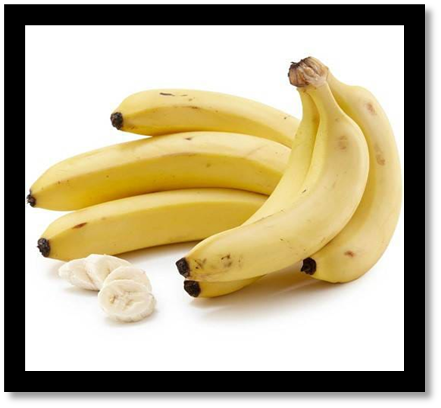
Banana fruit is one of the most widely consumed and nutritionally important fruits in the world. It is obtained from plants of the genus Musa, family Musaceae. Botanically, the banana fruit is a berry that develops parthenocarpically (without fertilization). Bananas are staple foods in many tropical and subtropical regions and play a significant role in nutrition, traditional medicine, and pharmacology.
Banana is the common name for herbaceous plants of the genus Musa and for the fruit they produce. It is one of the oldest cultivated plants. All parts of the banana plant have medicinal applications: the flowers in bronchitis and dysentery and on ulcers; cooked flowers are given to diabetics; the astringent plant sap in cases of hysteria, epilepsy, leprosy, fevers, haemorrhages, acute dysentery and diarrhoea, and it is applied on haemorrhoids, insect and other stings and bites; young leaves are placed as poultices on burns and other skin afflictions; the astringent ashes of the unripe peel and of the leaves are taken in dysentery and diarrhea and used for treating malignant ulcers; the roots are administered in digestive disorders, dysentery and other ailments; banana seed mucilage is given in cases of diarrhea in India. Antifungal and antibiotic principles are found in the peel and pulp of fully ripe bananas. The antibiotic acts against Mycobacteria. A fungicide in the peel and pulp of green fruits is active against a fungus disease of tomato plants. Norepinephrine, dopamine, and serotonin are also present in the ripe peel and pulp. The first two elevate blood pressure; serotonin inhibits gastric secretion and stimulates the smooth muscle of the intestines.
PHARMACOLOGICAL POTENTIALS
ANTI OXIDANT ACTIVITY
Although banana fruits (M. acuminata Juss.) are nutritious, there has been little research on the phenolics found in their cell walls. The soluble extract of the fruit pulp included (+)-catechin, gallocatechin, and (-)-epicatechin, as well as condensed tannins; however one or Two soluble anthocyanidins anthocyanins hydroxycinnamic acid derivatives predominated in the soluble cell wall fraction, while the anthocyanidin delphinidin, which was discovered for the first time in banana cell walls, predominated in the insoluble cell wall fraction. The total phenolic content released following the hydrolysis of the water-insoluble polymer was associated with the anti-oxidant capacity of cell wall fractions, particularly after acid and enzymatic hydrolysis, but not for the post-hydrolysis water-soluble polymer Enzymatic hydrolysis produced a single peak of oligosaccharides, while acid hydrolysis produced a variety of monosaccharides. These findings suggest that banana cell walls may be a good source of natural antioxidants and may be bioavailable in the human stomach .
HEPATOPRPTECTIVE POTENTIAL AND ANTI-ULCER ACTIVITY
Plant-based natural treatments are still the preferred therapy since they are effective, safe, and have few side effects. The hepatoprotective, anti-ulcerogenic, anti-oxidant, and cytotoxic properties of M. acuminata were investigated. As shown in the animal model, the methanolic extracts of unripe M. acuminata exhibited comparable efficacy to the commercial hepatoprotective medication silymarin and anti-ulcer drug omeprazole under specific circumstances. The extracts had low to moderate anti-oxidant activity and were not cytotoxic. The saponins, flavonoids, and triterpenes in the peel and pulp extracts, as well as the tannins in the peel extract, may be responsible for these beneficial benefits. Additional research is needed to improve the extraction of bioactive chemicals that work together to generate the ameliorative or protective effects reported in our experiments.
ANTI-BACTERIAL ACTIVITY
In vitro test was performed to assess qualitatively the anti-bacterial activity of the M.acuminata leaf methanol extract coated sample against Staphylococcus aureus ATCC 6538, a gram-positive microorganism, and Escherichia coli, a gram-negative microorganism. At 20 mg/mL of the extract, the ethanolic 96 percent, acetone, and petroleum ether extracts of M. acuminata leaf exhibited good anti-fungal activity against two pathogenic fungi Aspergillus terreus and Penicillium solitum, with inhibition zones up to 5.7 cm in diameter. The inhibitory zone diameter of a prepared gel preparation containing 4 percent M. acuminata leaf acetone extract was found to be 27 mm against Candida albicans, which was similar to nystatin cream used as a control.
ANTI-DIABETIC ACTIVITY
Using an oral glucose tolerance test in normoglycemic Wistar rats, the anti-hyperglycemic effect of ethanolic extract of inner peels of M. acuminata fruit 100-400 mg/Kg p.o. was explored. In normoglycemic rats, the extract-treated group showed a dose-dependent anti-hyperglycemic effect, but no significant p<0.05 change in blood glucose levels was observed between the control, extract-treated, and drug-treated groups; however, extracts at 200 mg/kg and 400 mg/kg p.o. level showed a significant decrease in p<0.01 in blood glucose levels in glucose-loaded normoglycemic rats, which was almost similar to the extract-treated group.
PLANT CONSTITUENTS
LEAF
Banana leaf is obtained from Musa species belonging to the family Musaceae. The banana plant is a large herbaceous perennial, not a tree, with a pseudostem formed by overlapping leaf sheaths. Banana leaves are simple, large, oblong-elliptic, bright green, and among the largest leaves in the plant kingdom. Traditionally, banana leaves are widely used in India and tropical countries for serving food, food wrapping, religious rituals, and folk medicine. In traditional systems, the leaf is valued for its cooling, wound-healing, and antimicrobial properties. Constituents are flavonoids (rutin, quercetin derivatives), phenolics (gallic acid, gallocatechin), triterpenes (friedelin, lupeol), sterols.
STEM
The banana stem, botanically referred to as the pseudostem, is obtained from Musa species belonging to the family Musaceae. The banana plant is a large perennial herb, not a true tree. The pseudostem is formed by the compact overlapping leaf sheaths, which support the inflorescence and fruit bunch. Banana stem is widely used in traditional Indian medicine, especially in Ayurveda and Siddha systems. It is consumed as a vegetable, juice, or decoction and is well known for its diuretic, antiurolithiatic, and detoxifying properties. Constituents are flavonoid glycosides (leucopelargonidin, leucocyanidin derivatives), sterols, tannins, glucosides
FRUIT
Banana fruit is obtained from Musa species, family Musaceae. The banana plant is a large perennial herb, and the edible portion is the berry-type fruit developed from the female inflorescence. Banana fruit is one of the most widely consumed fruits in tropical and subtropical regions due to its nutritional value, easy digestibility, and medicinal importance. In traditional systems of medicine such as Ayurveda and Siddha, banana fruit is used as a nutritive tonic, digestive aid, and remedy for gastrointestinal disorders. Both ripe and unripe fruits are used medicinally, each having different therapeutic properties. Constituents are fatty acids (palmitic, oleic, linoleic acids), proteins, carbohydrates (reported in some studies)
FLOWER
Banana flower (also called banana blossom or inflorescence) is obtained from Musa species, belonging to the family Musaceae. Botanically, it is a terminal inflorescence consisting of spirally arranged bracts (spathes) enclosing rows of flowers. The outer flowers are female, which develop into fruits, while the inner ones are male and sterile.Banana flower is widely consumed as a vegetable and is an important component of traditional Indian, Sri Lankan, and Southeast Asian medicine. It is valued for its nutritional richness and therapeutic properties, especially in disorders related to diabetes, menstruation, digestion, and inflammation
BANANA PEEL
Banana peel is the outer protective covering of the banana fruit obtained from Musa species belonging to the family Musaceae. It constitutes about 30–40% of the total fruit weight and is generally discarded as agricultural waste. However, extensive phytochemical and pharmacological studies have revealed that banana peel is a rich source of bioactive compounds with significant medicinal value.
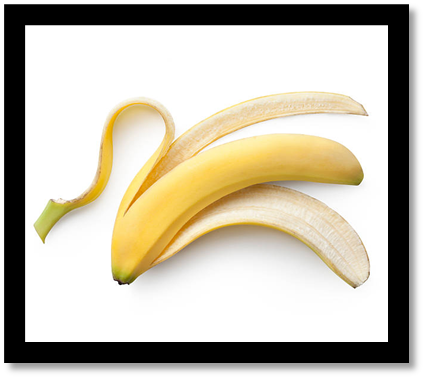
In traditional systems of medicine such as Ayurveda and folk medicine, banana peel has been used for the management of skin diseases, wounds, burns, inflammation, and gastric disorders. Modern scientific research supports these traditional uses and highlights banana peel as a potential raw material for pharmaceutical, nutraceutical, and cosmetic applications.
Anti-inflammatory effects:
Compounds like polyphenols, flavonoids, and phenolic acids (e.g., ferulic acid, isovanillic acid) help soothe irritated skin and reduce the redness and swelling associated with breakouts.
Antimicrobial properties:
Banana peel extracts have demonstrated an ability to inhibit the growth of acne-causing bacteria like Staphylococcus aureus and Cutibacterium acnes (formerly Propionibacterium acnes).
Antioxidant content:
The high levels of antioxidants, including vitamins A and C, carotenoids, and lutein, help protect skin cells from oxidative damage caused by free radicals, which can contribute to inflammation and scarring.
Skin regeneration and hydration: Nutrients in the peel promote skin healing, boost collagen synthesis, and help maintain moisture levels, which can aid in fading acne scars and improving overall
METHODS AND MATERIALS
METHODS
Extraction Techniques
Banana peels are washed, dried, powdered, and extracted using maceration or Soxhlet extraction with polar and non-polar solvents.
Phytochemical Screening
Qualitative and quantitative analyses are performed to identify phenolics, flavonoids, tannins, saponins, and alkaloids using standard chemical tests and chromatographic methods (HPLC, GC-MS).
Antimicrobial Activity
The antimicrobial potential of banana peel extract against acne-causing bacteria is evaluated using disc diffusion, agar well diffusion, and minimum inhibitory concentration (MIC) methods.
Antioxidant Activity
Antioxidant capacity is assessed using DPPH, ABTS, and FRAP assays to determine free-radical scavenging ability.
Anti-inflammatory Studies
In vitro studies measure inhibition of inflammatory mediators such as nitric oxide, TNF-α, and interleukins in stimulated cell lines.
Anti Melanogenic Activity
Banana peel exhibits anti-melanogenic activity, meaning extracts from it can inhibit melanin production, acting as natural skin-lightening agents by targeting enzymes (tyrosinase) and genes (MITF,TYR) involved in melanin synthesis, making them promising for treating hyperpigmentation disorders. While banana peel naturally browns due to polyphenol oxidase (PPO) creating melanin (enzymatic browning), its rich phenolic compounds and flavonoids actually block this process in skin cells, unlike the browning seen on the fruit itself.
CONCLUSION
Banana peel extract demonstrates considerable potential as a natural anti-acne agent due to its antimicrobial, antioxidant, and anti-inflammatory properties. The presence of bioactive phytochemicals enables the extract to inhibit acne-causing bacteria, reduce oxidative stress and suppress inflammatory responses associated with acne vulgaris. Moreover, the utilization of banana peel adds value to agricultural waste, promoting sustainability and cost. Despite encouraging invitro findings, clinical evidence remains limited. Further research is required to standardize extraction methods, evaluate formulation stability, and conduct controlled clinical trials to confirm efficacy and safety. Nevertheless, banana peel extract represents a promising candidate for inclusion in herbal and cosmeceutical anti-acne products.
REFERENCES


G. Elakkiyamani, Vidya Vikashinia, Ranjitha R, Yogeshwaran A, A Review of Musa acuminata Plant for Human Health Benefits, Int. J. of Pharm. Sci., 2026, Vol 4, Issue 3, 2337-2342. https://doi.org/10.5281/zenodo.19142465
 10.5281/zenodo.19142465
