
Khyati college of Pharmacy, Palodia, Ahmedabad
Vegetable oils are obtained by mechanical extraction or cold pressing of various parts of plants, most often: seeds, fruits, and drupels. Vegetable oils have a variety of properties , depending on their percentage of saturation. This article describes Sea-Buckthorn oil, which is extracted from the well characterized fruit and seeds of sea buckthorn. The plant has a large number of active ingredients the properties of which are successfully used in cosmetic industry and in medicine. Its frequent use in cosmetic products for the care of dry, flaky or rapidly aging skin. Moreover, its unique unsaturated fatty acids, such as palmitoleic acid (omega-7) and gamma-linolenic acid (omega-6), give sea- buckthorn oil skin regeneration and repair properties. Sea-buckthorn oil also improves blood circulation, facilitates oxygenation of the skin, removes excess toxins from the body and easily penetrates through the epidermis. Because inside the skin the gamma-linolenic acid is converted to prostaglandins, sea-buckthorn oil protects against infections, prevents allergies, eliminates inflammation and inhibits the aging process. With close to 200 properties, sea-buckthorn oil is a valuable addition to health and beauty products.
Sea buckthorn (Hippophae) is a hardy bush of the Elaegnaceae family classified into nine subspecies, from which Hipopphae rhamnoides L. subsp sinensis and Hippophae rhamnoides L. subsp rhamnoides are the most applied to commercial purposes. It is a deciduous spiny species distributed all over the temperate zone of Asia and Europe, as well as over subtropical zones at high altitude. Its products, particularly the oil obtained from the seed and the soft parts of the plant, contain an interesting composition of lipophilic compounds. In relation to the oil composition, sea buckthorn is characterized by a unique mixture of bioactive components, being one of them the fatty acids. In general, the oil obtained from seed is rich in omega-3 and omega-6 fatty acids, while in the pulp oils are predominantly fatty acids from the omega-7 group. Although the prevalence of fatty acids in the different parts is well established, there could be variations depending on the subspecies, harvesting time and method of isolation. Several mechanisms of oil extraction are used, solvent extraction using hexane and supercritical CO2 being the most common in industrial and laboratory scale. In any case, several studies of fatty acids contained in sea buckthorn oil reveal that it may play an important role in very different aspects in relation to the human body, such as cardiovascular disorders, as a stimulator of the immune system, as well as promoting cognitive functions and bone health. Moreover, it may be important to improve various skin conditions such as atopic dermatitis, acne skin or psoriasis[2]. Sea buckthorn (SB) (Hippophae rhamnoides L.) is a thorny, soil-adhering, deciduous shrub or small tree. It is naturally found in Northern and Central Europe, Caucasus, and Asia (Siberia, China, and Tibet). Since it has been recognized as a highly valuable plant, SB has been cultivated in different parts of the world, including many countries in Europe, Canada, Russia, and China. It is an anti-erosive plant that enhances the soil content since its roots have nitrogen-fixing properties. In natural habitats, it may reach up to 4 m in height. The aim of this review is to discuss the use of sea buckthorn oil, principally for cosmetological purposes, in the light of its rich chemical composition. SB oil can be obtained from two parts of the plant-seed or pericarp. Triglycerides, the main constituents of SB oil, due to their fatty acid content, are responsible for maintaining the hydration of epidermis by creating an occlusive film on the skin.[3]
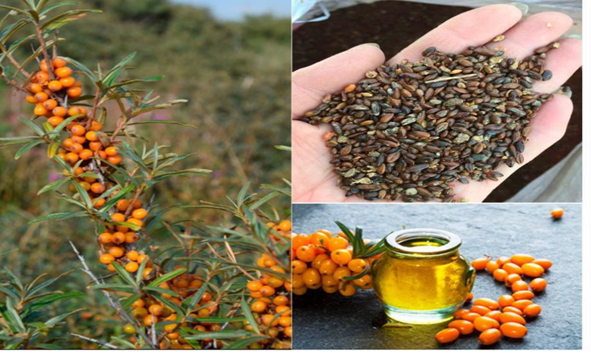
Figure 1 : Sea Buckthorn seed & oil [1]
2. SKIN
Introduction of skin
The skin is the largest organ of the human body that serves a vital role in many dynamic processes that maintain homeostasis. Composed of multiple cell types, our skin forms an effective barrier against environmental from sun exposure to direct contact with chemical agents, microbes, and physical trauma. The skin also confers the first-line of innate immune defence-a process that can go awry in disorders such as cutaneous T-cell lymphoma (CTCL) and immune-related adverse events. Melanocytes located in the basal cell layer of the epidermis produces the pigment melanin that absorbs ultraviolet (UV) light and reduces the risk of developing skin cancer. In many societies, the appearance and perception of one’s skin and hair also touches deeply upon issues of health, wellness, and identity.[4]
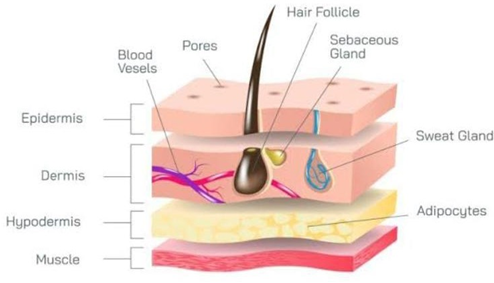
Fig 2 : skin layer diagram[4]
Main role of sea buckthorn on skin
Collagen is an essential structural protein in the extracellular matrix, thus skin integrity and collagen fiber content is related to skin aging. Collagen density may explain the observed improvement in skin pores and texture. Skin collagen density had increased by 3.3 % and 10.0 % after 4 and 12 weeks of sea buckthorn oil consumption (p < 0.05), respectively. Whereas the placebo group showed some improvement, the sea buckthorn oil group showed greater improvement. The images are representative photographs of the skin pores, skin texture and collagen of the skin.in subjects who had consumed sea buckthorn oil for 4 weeks and 12 weeks. The images clearly that the consumption of sea buckthorn oil greatly reduced the number of pores and texture of the skin, and significantly increased its thickness and collagen content (yellow-green highlights).[5]

Fig 3: Effect on Skin[5]
3. Pharmacognosy of Sea Buckthorn[6]
Common name with their region: English: Swallowthorn, sea buckthorn, seaberry; German: Sanddorn; Dutch: Duindorn;
Synonym : sallow thorn
Biological source : the berry of the sea buckthorn plant
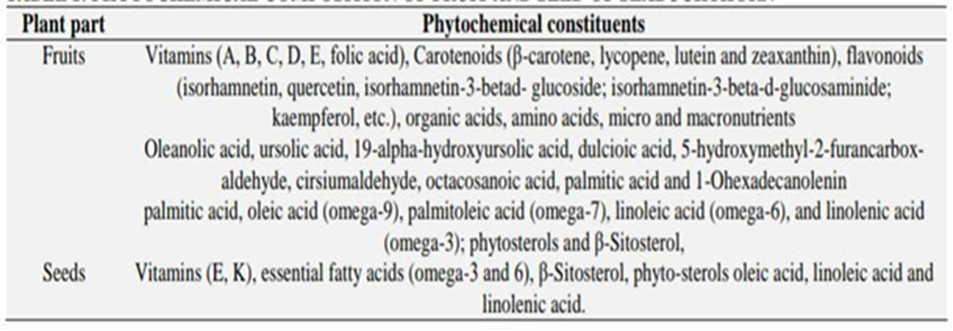
Table : Phytochemical composition of Fruit And Seed of Sea Buckthorn[7]
3. EXTRACTION
Solvent Extraction Method
The solvent extraction process was based on the principle of similar dissolution, considering the solubility and food safety of sea buckthorn flavonoids, and selecting the appropriate solvent to achieve dissolution extraction. Solvent extraction was the most basic extraction technology of flavonoids from sea buckthorn. Till now, the different concentrations of water or ethanol were generally used as the extractant. Prof. Shulin Wang studied the technology of reflux extraction of flavonoids from sea buckthorn leaves with water as solvent. The optimal technological conditions were optimized by orthogonal test: extraction temperature of 90°C, ratio of material to liquid of 1 : 10 (g/mL), extraction time of 2 h, and filter residue extraction of 1 : 8 (g/mL) for 1.5 h. Under this technological condition, the extraction rate of flavonoids from sea buckthorn was 0.93%. Flavonoids were extracted by 75% ethanol heating and refluxing from sea buckthorn (Hippophae rhamnoides L.). The optimum technological conditions were as follows: ratio of material to liquid of 1 : 16 (g/mL) and reflux time of 6 h. The extraction rate of flavonoids from sea buckthorn (Hippophae rhamnoides L.) reached 19.19%. [8]
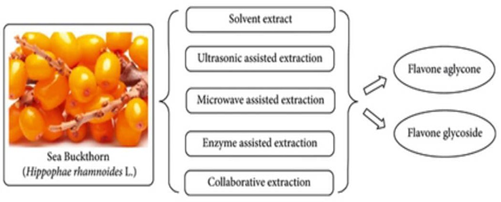
Fig 5 : Extraction Technology of Sea Buckthorn[8]
Ultrasound-Assisted Extraction Method
Ultrasound-assisted extraction had strong penetrability and good directivity, as well as cavitation and thermal effects produced by ultrasonic radiation, which quickly destroyed the integrity of cell wall, improved the permeability of cell wall, helped the solvent quickly penetrate into cells, and released cell contents. In this way, the effective ingredients were rapidly dissolved, which improved the extraction efficiency. Ultrasound-assisted ethanol extraction of flavonoids from sea buckthorn was used on the basis of single factor experiment. The optimum technological conditions were as follows: 40% ethanol concentration, ultrasonic frequency of 20 kHz, extraction at room temperature for 15 min, and extraction rate of flavonoids from sea buckthorn of 5.03%.
Based on ultrasound-assisted ethanol extraction of flavonoids from sea buckthorn (Hippophae rhamnoides L.), the extraction conditions were optimized by response surface methodology as follows: 70.64% ethanol, ultrasonic power of 561.50 W, material to liquid ratio of 1 : 35 (g/mL), and ultrasonic time of 30 min. Under this technological condition, the extraction rate of flavonoids from sea buckthorn was 10.51 mg/g. [8]
Microwave-Assisted Extraction Method
Flavonoids were extracted from sea buckthorn by microwave-assisted extraction method. Its working principle was based on microwave penetrating medium and cells and increasing temperature and pressure inside the cells. As a result, it caused the rupture of the cell wall of sea buckthorn. As a result, this method promoted the release of flavonoids inside the cells into the solvent as soon as possible and improved the extraction rate of flavonoids. Fan et al. studied the flavonoids of sea buckthorn (Hippophae rhamnoides L.) by using the microwave-assisted ethanol extraction based on single factor analysis and orthogonal design test. The optimal technological conditions were determined as follows: 50% ethanol as the extracting agent, ratio of material to liquid of 1 : 40 (g/mL), microwave power of 550 W, microwave time of 5 min, and flavonoid extraction rate of 0.19%.[8]
Enzyme-Assisted Extraction Method
Enzymatic assisted extraction of flavonoids from sea buckthorn was to use enzymes to degrade cellulose and hemicellulose in the cell wall of sea buckthorn. This method destroyed dense structure and tissue, improved the permeability, and reduced the mass transfer resistance of solvent and flavonoids in the extraction process. It facilitated the dissolution of flavonoids from the cell and achieved effective extraction. The high specificity and variability of the enzyme determined that the efficiency of enzyme- assisted extraction of sea buckthorn flavonoids was closely related to the type of enzyme, solvent, pH, and temperature. Zhu et al. studied the flavonoids from sea buckthorn by using cellulase-assisted extraction technology and found the optimum extraction conditions based on orthogonal design test: 4% cellulase addition, material to liquid ratio of 1 : 50 (g/mL), temperature of 40°C, and extraction time of 2 h. The results showed that the order of factors affecting the extraction rate was as follows: enzyme dosage > enzymolysis time > material to liquid ratio > enzymolysis temperature. Enzyme-assisted extraction had the advantages of mild extraction conditions, high extraction rate, and protection of flavonoid activity. Thus, it was widely used in the extraction of many other active components of natural products.[8]
Collaborative Extraction Method
Comprehensive utilization of several extraction methods to cooperatively assisted extraction of active components from natural products realized the complementary advantages of several methods and improved the extraction rate of active components. This process was a new auxiliary extraction technology developed in past years. The best extraction conditions of flavonoids from sea buckthorn (Hippophae rhamnoides L.) were determined as follows: ratio of material to liquid of 1 : 70 (g/mL), addition amount of sucrose ester of 0.02 g/mL, temperature of 70°C, and extraction time of 1.5 h. Under this technological condition, the extraction rate of flavonoids from sea buckthorn was 1.60%. Prof. Furong Zhao used ultrasound-microwave-assisted extraction of flavonoids from sea buckthorn and found the optimal process conditions optimized by response surface methodology: 68.10% ethanol, fixed ultrasonic temperature of 60°C, ultrasonic time of 25 min, material to liquid ratio of 1 : 17 (g/mL), and flavonoid extraction rate of sea buckthorn of 4.28%. Compared with ethanol reflux, microwave-assisted extraction, and ultrasound-assisted extraction, the flavonoid extraction rate of sea buckthorn increased by 14.67%, 24.04%, and 36.63%, respectively. Compared with solvent extraction method, synergistic extraction had the advantages of less solvent consumption, shorter extraction time, and significantly improving the extraction rate of flavonoids. However, several methods of synergistic assisted extraction had relatively complex process conditions and higher requirements for equipment.[8]
4. CHEMICAL COMPOSITION-KEY CONSTITUENTS
Fatty acid profile
The fatty acids in berry pulp/peel oils were palmitic (16:0) (23-40%), oleic (18:1n-9) (20-53%) and palmitoleic (16:1n-7) (11-27%). Small or trace amounts of vaccenic (18:1n-7), linoleic(18:2n-6), α-linolenic (18:3n-3), stearic (18:0), myristic (14:0), pentadecanoic (15:0), cis- 7 hexadecenoic (16:1n-9), margaric (17:0) and two long chain fatty acids, arachidic (20:0) and eicosenoic (20:1n-9) acids were observed in all analyzed soft part oils.[9] Most valuable fatty acids of Sea buckthorn are palmitoleic acid, linoleic acid, and α-linolenic acid. Palmitoleic acid is the predominant fatty acid in human skin. It has antimicrobial properties and it is effective in blocking the adherence of pathogenic strains of Candida albicans to porcine stratum corneum. Palmitoleic acid may be used in medicine and pharmacology, for the treatment of secondary gram-positive bacterial infections, or as a grampositive bacteria antimicrobial in wound dressings (Wille et al., 2003). Further, it decreases the content .[10] Fatty acid composition of Sea buckthorn extracts used in the study in the form of methyl esters (FAME) was determined by GC-FID as previously reported by Christopherson et al. (1969). Fatty acid composition was analysed by the gas chromatograph GC-7890 (Agilent, USA) with a capillary column DB-23 (60 m × 1 mm × 00:25 12:25 film microns). The conditions of analysis were as follows: FAME and heptane (1 %) was used for the injection (1 ml), split (10:1) at 230 °C; carrier gas flow rate (H) 16.4 cm3 min– 1; 220 kPa; oven temperature set to 150 °C, the temperature program was used. Temperature rose at 5 °C min–1 to 170 °C, 6 °C min–1 at 220 °C and was maintained for another 6 min. Next was the rate of 6 °C min–1 at 220 °C for 1 min and 30 °C min–1 at 240 °C for 10 minutes. The hydrogen flow to the FID and the air flow rate were 40 cm3 min–1 and 450 cm3 min–1, respectively.[10]
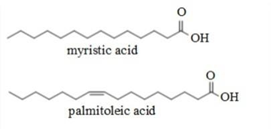
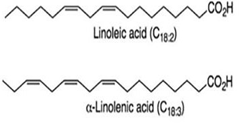
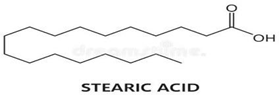
Fig : Fatty acid structure[11]
Carotenoids profile
The carotenoids were exhaustively extracted from Sea buckthorn berries with a mixture of petroleum ether: methanol and ethyl acetate (1:1:1, v/v/v). The combined extracts were filtered and then partitioned in a separation funnel with diethyl ether and saturated NaCl solution. The upper organic phase was collected, dried over anhydrous sodium sulfate, and evaporated until dry. Samples were stored at −20 °C until they were subjected to saponification. The samples were dissolved in an appropriate volume of diethyl ether for saponification. An equal volume of 30% potassium hydroxide solution (in methanol) was added and the sample was stirred for 6 h, in the dark, at room temperature, under nitrogen. The mixture was transferred into a separation funnel containing diethyl ether, washed with 5% NaCl until alkali-free, and concentrated until dry. The Sea buckthorn extracts were dissolved in ethyl acetate and filtered through 0.2 μm PTFE filters before HPLC analysis. All the experiments, extraction, saponification, and HPLC analysis were performed three times, using the same batch of berries.[12]
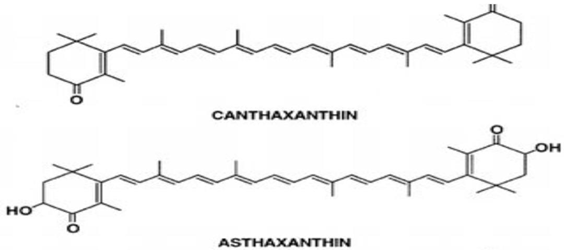
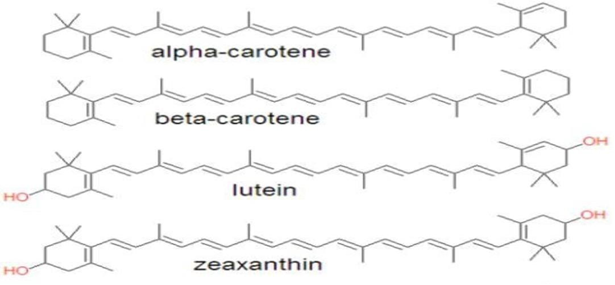
Fig : Carotenoids structure[13]
Tocopherols profile
The total tocopherol content varied from 1246.4 mg kg–1 to 3047 mg kg–1. According to the Zadernowski et al. (2003), the total tocopherol content in whole berries of Sea buckthorn was 1014 and 1283 mg kg–1 of oil. Andersson et al. (2008) reported that the total tocopherol content varied from 260.4 to 1173.8 mg kg–1. In other studies, Beveridge, et al. (1999) and Zhang et al. (1989) confirmed the total tocopherol content from 610 to 1130 mg kg–1 in seed oil, from 1620 to 2550 mg kg–1 in juice oil. The predominant tocopherol was α-tocopherol. Contents of α-tocopherol varied from 659.0 mg kg–1 to 1102.9 mg kg–1. Content of δ-tocopherols in seeds was 94.7 mg kg–1. It was found also in large amounts (414.3 mg kg–1) in Sea buckthorn tea. Gamma-tocopherol was found in all parts of Sea buckthorn plant we analyzed, and its content varied from 160.7 mg kg–1 for Sea buckthorn tea, to 587.0 mg kg–1 for leaves. Seeds and peels contain 458.5 mg kg– 1 and 188.0 mg kg–1 of γ-tocopherol, respectively. In this study, we found β-tocophe rol in seeds (170.7 mg kg–1) and in tea (171.4 mg kg–1) only. In studies of Andersson et al. (2008) and Zadernowski et al. (2003), β-tocopherol was not found in morphological parts of Sea buckthorn. On the other hand, Go’rnas et al., (2016) reported that leaves contain 24.3 mg kg–1of β-tocopherol. [14]
Phenolic compound profile
Phenolic compounds (flavonoids, phenolic acids, and tannins) are considered to be the major plant compounds possessing antioxidant activity (Upadhyay et al., 2010). Therefore, for better characterisation of sea buckthorn leaves, shoots, berries and flowers, two commonly applied antioxidant activity testing methods were used: ferric reducing antioxidant power and free radical scavenging activity (DPPH). The findings in the current study show that sea buckthorn leaves of both gender shrubs contained the highest amount of total phenols and also possessed the highest antioxidant activity. This was also indicated by Pearson correlation analysis, by a strong and significant relationships between total phenol concentration and FRAP/ DPPH activity in all tested sea buckthorn samples. The study showed that different parts of sea buckhorn are rich in phenolic compounds and exhibit antioxidant activity, and that the most valuable part with regard to total phenol content and antioxidant activity is leaves from female tree, and the less valuable — shoots from male trees. There are differences in chemical composition and activity of various sea buckthorn parts, and more detailed investigation of their extracts, specific fractions and compounds and their activity during the whole vegetative season is needed.[15]
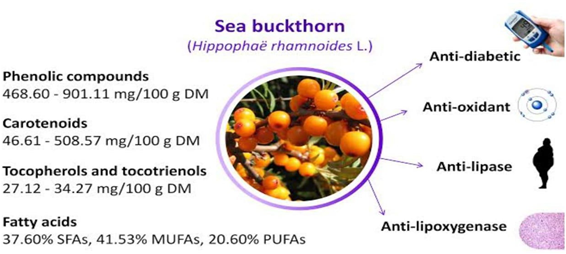
Fig 6: Activities of sea buckthorn[16]
5. MECHANISM UNDERPINNING BIOLOGICAL EFFECTS
Anti-inflammatory signaling
AAll parts of the plant are rich in various biologically active compounds. Its fruits are used for commercial scale production of medically important fatty oil (Oleum hippophae) and the leaf extracts have been reported to have marked anti-bacterial, anti-viral and anti-tumor activities. Leaf drugs, containing flavanoids, increase the wound healing effect after chemical burns and plain wounds. SBT leaves have also been reported to have significant anti-oxidant and immunomodulatory property. However, its anti-inflammatory activity remains to be determined. Therefore, the present study was undertaken to determine the anti-inflammatory effect of SBT in adjuvant induced arthritis (AIA) rat model leading to a severe inflammatory joint disease which primarily affects synovial membrane of affected joints, with clinical and laboratory features representing a valid model for human rheumatoid arthritis (RA)[17].Several in vitro and animal studies show that SBO components reduce pro-inflammatory cytokines (TNF-a,IL-1B) and inhibit NF-k B and COX-2 pathways. The combination of essential fatty acids and antioxidant micronutrients likely produce a synergistic attenuation of inflammatory signaling in skin and mucosal tissues [18].
Anti–oxidant activity
Sea buckthorn leaf (SBL) is a by-product of sea buckthorn cultivation and is usually discarded as waste. However, SBL has been recognized as a valuable source of lipophilic antioxidants, polyphenols and flavonoids. Therefore, SBLE shows high antioxidant activity and strong inhibitory effect on the growth of Staphylococcus aureus, Listeria monocytogenes, and Bacilluscereus. SBLE also has biological effects, such as lowering blood sugar, improving immunity, regulating lipid metabolism, and anti-inflammatory effects. Therefore, SBLE has the potential to be used as a natural antioxidant to improve the antioxidant property, oxidative stability, and biological effect of SBO.[19]
6. PRECLINICAL AND IN VITRO EVIDENCE
Seabuckthorn leaves in a preclinical study on rats using a cutaneous excision-punch wound model. Four full-thickness excision-type wounds of 8.0 mm diameter were created on the dorsal surface of rats under aseptic conditions. The aqueous lyophilized extract of seabuckthorn leaves, at doses of 0.5%, 1.0%, and 1.5% w/v prepared in propylene glycol, were applied topically twice daily for 7 days. Control animals received the vehicle alone in an identical manner. Wound granulation tissues were excised on eighth day postwounding, and the hydroxyproline, hexosamine, total protein content, and antioxidant levels were determined. Wound surface area was also measured on the eighth day before wound excision to determine wound contraction. Topical application of 1.0% seabuckthorn leaf extract statistically significantly augmented the healing process, as evidenced by increases in the content of hydroxyproline and protein as well as the reduction in wound area when compared with similar effects in response to treatment using povidone-iodine ointment (standard care). The reduced glutathione, vitamin C, superoxide dismutase, catalase, and glutathione peroxidase activities showed significant increases in seabuckthorn leaf extract-treated wounds as compared to controls. The lipid peroxide levels were significantly decreased in leaf extract-treated wounds. The results suggest that aqueous leaf extract of seabuckthorn promotes wound healing, which may be due to increased antioxidant levels in the granulation tissue.[20]Animal and cell culture work shows SBO accelerates re-epithelialization, increases collagen deposition, reduces oxidative markers in wounded tissue. In vitro keratinocyte assays show enhanced proliferation and migration with SBO or palmitoleic-enriched fractions. Antibacterial and anti fungal activity has also been reported for certain extracts, suggesting potential adjunctive benefits in infected wounds [21].
7. CLINICAL EVIDENCE – TOPICAL AND ORAL TRIALS
Wound healing and burns
Carotenoids and tocopherols scavenge free radicals ,protecting cellular structures from oxidative damage. Phytosterols and flavonoids modulate inflammatory cytokines,reducing tissue edema and pain. Fatty acids such as linoleic and palmitoleic acids stimulate fibrolast proliferation and collagen deposition.[22] Randomized clinical studies comparing topical sea buckthorn formulations to standard care (e.g. silver sulfadiazine) report shorter healing times and improved wound appearance with sea buckthorn dressings or creams in second-degree burns. These trials are encouraging but vary in sample size and formulation standardization[23,24]
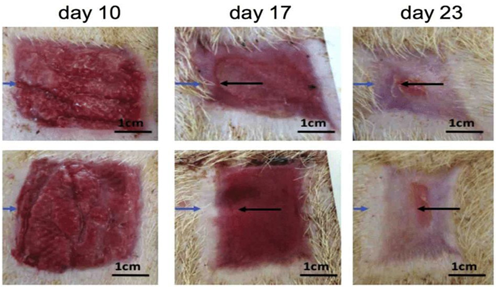
Fig 7 : wound healing process[25]
Skin Aging , Hydration and Elasticity
Sea Buckthorn oil-from berry pulp and seeds-is rich in omega-7, linoleic and gama-linolenic acids, carotenoids and vitamins A,C and E. These components support epidermal lipids, scavenge reactive oxygen species and modulate matrix-metalloproteinases, giving a plausible mechanism for anti=photoaging effects. Instrumental human studio4s have reported statistically significant improvements in skin hydration, elasticity and surface roughness after ~3 months of treatment, and multiple preclinical studies show reduced UV-induced collagen degradation and improved barrier recovery.[26]Oral supplementation and topical SBO application have been linked to improved skin hydration, elasticity, and subjective appearance in small randomized or open-label studies results are promising for cosmeceutical use but need standardization of dose, product composition, and objective endpoints [27]
8. FORMULATION SCIENCE : STABILITY , DELIVERY AND COSMETIC USE
SBO’s carotenoid richness gives pulp oil a vivid color and susceptibility to photo-and oxidative degradation. Stabilization via antioxidants (additional vitamin E, rosemary extract), protective packaging, and micro/nano-encapsulation helps preserve activity and mask coloration when needed.
Nano emulsions and SEDDS (self-emulsifying drug delivery system) have been developed to enhance percutaneous absorption and protect labile components in topical or oral applications[28]
Practical cosmetic consideration: Pulp oil’s color can stain fabrics or tint skin; formulators often use seed oil or blends to minimize visible color. Emolument and barrier effects make SBO suitable for duty, atopic, or damaged skin formulations. Encapsulation technologies improve carotenoid bio accessibility for oral products. [29].
9. SAFETY AND TOLERABILITY
SBO is generally well tolerated. Topical reactions are uncommon but contact sensitivity is possible. Oral intake but contact sensitivity is possible. Oral intake has been associated with mild gastrointestinal symptoms in some individual at high doses. Because SBO can influence lipid metabolism, monitoring is prudent in patients on anticoagulant or lipid-modifying therapies, though robust interaction data are limited[30]. Quality control is important : adulteration, pesticide residues, or oxidative rancidity can compromise safety and efficacy.[31,32]
CONCLUSION
Sea buckthorn oil is very rich in fatty acids and could play an important role in several activities related to human health. PA has an evident clinical application on skin and mucous disorders such as vaginal inflammatory atrophy, skin hyper pigmentation or wounds, infections. In addition, other different positive effects in hypercholesterolemia, diabetes and liver dysfunction are demonstrated. The OA has a well founded indication in the protection of cardiovascular diseases. Although ALA is known to reduce cardiovascular risk, it is also useful in dry eye and health bone. The omega-6 fatty acids (GLA and LA) may have clinical applications in skin disorders. LA is beneficial in psoriasis and GLA in acne skin, atopic dermatitis and dry eye. In addition, LA seems to improve atherosclerosis condition. Large amount of experimental data evidencing those fatty acids could influence in a huge range of activities in human health being a possible candidate for several clinical application. It is possible to conclude that sea buckthorn oil is a promising product due to its diversity of fatty acids and its unique composition of omega- 7 fatty acids group and these fatty acids have a strong relation with human health. However, the main results of the present review are obtained from studies of fatty acids isolated due to the lack of researches of sea buckthorn oil fatty acids. Although these studies permit to extrapolate the effects of the isolated fatty acids in sea buckthorn oil, they limit the possible synergic effect between the fatty acids or with other compounds present in the oil.Sea buckthorn oil is a scientifically interesting botanical oil with a distinctive composition-most notably palmitoleic acid and high carotenoid content-that support antioxidant, anti-inflammatory , wound healing, mucosal hydration and skin health effects. The preclinical and growing clinical evidence is promising , particularly for dermatological and ocular-surface indications. However, translation into routine clinical or therapeutic use requires standardized products, larger independent clinical trials, and better long-term safety data. For formulators and researchers, SBO offers a rich source of active lipids for innovative cosmeceutical and nutraceutical products, provided quality control & stabilization are rigorously applied.
REFERENCES

Mahi Kanojia, Purvi Ramanuj, Dr. Pragnesh Patani, A Next-Generation Herbal Photoprotective Approach, Int. J. of Pharm. Sci., 2026, Vol 4, Issue 3, 52-65. https://doi.org/10.5281/zenodo.18839538
 10.5281/zenodo.18839538
