
School of Pharmacy, G H Raisoni University, Saikheda, Dist.-Pandhurna, Madhya Pradesh, India-480337.
Commonly known as Indian bay leaf (Cinnamomum tamala), a culinary spice and a medicinal plant, has drawn the interest of scientists due to its high antioxidative properties. The review below is an in-depth breakdown of its Antioxidant potential through Phytochemical, Pharmacological, and ethnomedicinal methods. It has been identified that oxidative stress contributes significantly to the pathogenesis of a variety of chronic illnesses, and over the past few years, there has been an interest in safer unsusceptible plant-derived antioxidants. C. tamala contains a good level of bioactive compounds (flavonoids, tannins, eugenol, cinnamaldehyde, and terpenoids) and displays strong free radical scavenging activity, metal chelation properties, and the ability to activate enzymes. The plant shows the capacity to lower the oxidative biomarkers, which is confirmed through in vitro tests such as DPPH, ABTS, and FRAP, as well as in vivo models. The standardization and identification of its major constituents have been made feasible by the analytical methods such as HPLC and GC-MS. According to the comparative studies conducted, C. tamala is one of the most effective Indian medicinal plants the antioxidant effect, and the favourable safety profile has been proven through acute and subacute toxicity studies. Its use in ancient herbal medicine and also its GRAS exclusion also prove its relevance as a treatment agent. The results warrant additional clinical confirmation, formulation, and investigation of its scientific use in functional foods and the pharmaceutical sector. The present review justifies C. tamala's potential as a natural antioxidant to be included in health-related innovations in the future.
The past several decades have only seen oxidative stress emerge as a mainstream topic of biomedical research about the development of chronic and degenerative diseases. Oxidative stress is regarded as an imbalance between levels of reactive oxygen species (ROS) generation and bacterial defense or healing of the ensuing damage (Prakash & Reddy, 2016). Above normal levels of ROS can also react with other crucial constituents of cells (lipids, nucleic acids, or proteins), resulting in cell dysfunction, aging, and development of numerous pathological issues, including cardiovascular and neurodegenerative diseases of Alzheimer or Parkinson's, inflammatory diseases, cancer, and diabetes (Prakash & Reddy, 2016; Joshi & Mehta, 2018). The antidote to the detrimental impact of the ROS is the mechanisms of oxidation protection, which have developed into a complex system. Tamala is a medium-sized, barrel-shaped barrel shaped evergreen tree that belongs to the family Lauraceae and is native to the Indian sub-continent as well as widely grown in the Himalaya. uric acid, among others. The exogenous antioxidants are predominantly dietary in nature, and these consist of vitamins (vitamin C and E, etc.), carotenoids, polyphenols, and flavonoids (Joshi & Mehta, 2018). With these detrimental effects having become general knowledge concerning the utilization of the artificial antioxidant substitutes like butylated hydroxytoluene (BHT) and butylated hydroxyanisole (BHA), the tendency since then has been to look into the usage of the plant-based and natural antioxidants, as they are effective and readily available, not to mention the safety aspect of the two. The results concerning the use of medicinal plants have led to the discovery of the fact that it is not merely a good way of getting natural antioxidants. Their high anti-oxidative activities are associated with the unusual free radical scavenging activity and metal-chelating activity because of the existence of the secondary metabolites, flavonoids, phenolic acids, alkaloids, and terpenoids (Banerjee & Das, 2019). The phytochemicals of medicinal plants are found to possess high antioxidant activity in many in vitro and in vivo studies; thus, they are extremely strong with respect to anti-inflammatory, anti-aging, anti-cancer, and cardiovascular protective capacity (Choudhary & Kumar, 2020). The convergence between ethnobotanical traditions and contemporary pharmacology, of which this is only the latest example, has generated interest in the need to explore natural products of plants as a possible realistic alternative to cognitive synthetic drug formulations, both in primary prevention and treatment of oxidatively and inflammatory-based diseases. Among all those medicinal plants, Cinnamomum tamala Nees & Eberm., which is also an Indian bay leaf or the Tejpatta in Hindi, has also been found to as a potential source of antioxidants as well. C. Tamala is an average-sized tree that is barrel-shaped, evergreen, classified under the family Lauraceae, and is commonly grown in the Indian sub-continent, and also originated in the Himalayan regions. The herb is highly common in the field of Indian cuisine in use as a spice when cooking, but it is massively broad in its medicinal benefits as well (Rai & Kumar, 2019; Rana & Ali, 2020). C. tamala has been used as a medication since time immemorial to cure many ailments, which are discussed below: gastrointestinal illnesses, diabetes, respiratory infection, inflammation, and infections by microbial agents, as known under the traditional medicine frameworks such as Ayurveda medicine, Unani medicine, as well as Siddha medicine (Rai & Kumar, 2019). The traditional application of C. tamala has proven to be right in the recent findings of the modern phytochemical studies as it has been found out that the leaves of the plant are defined by the prevalence of the essential oils, polyphenols, tannins, flavonoids among other components that have bioactivity potential due to the high anti-oxidant power of the compounds (Gupta & Verma, 2019; Naik & Kadam, 2018). Some of the elements that are declared to possess the broadest radius of exploitation in the form of their crucial oil component are eugenol, cinnamaldehyde, linalool, and methyl eugenol (Jain & Patel, 2016). Such compounds not only add an aroma and flavour but also have pharmacological to some compounds, like antioxidant, antimicrobial, and anti-inflammatory activity (Choudhary & Kumar, 2020). C. tamala has an antioxidant effect, which was measured in several in vitro assays (DPPH, ABTS, and FRAP) as well as in vivo antioxidant models (of oxidative stress) in some cases (Balasubramani & Mohan, 2018; Kumar & Sahoo, 2020). Since there are more global concerns on functional food and therapies based on plants, the antioxidant profile of C. tamala is highly promising both scientifically and clinically. It therefore needs to have a critical review of its antioxidant properties, phytochemical content, traditional values, as well as pharmacological testing in an attempt to show its therapeutic importance and other fields that need to be researched. The paper tries to synthesize existing scientific evidence on the antioxidant activity of C. tamala, only on literature that has a strong background, and to provide a background for further investigation of its use as an antioxidant in natural treatments.
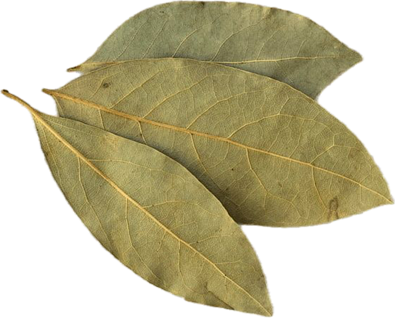
Figure No.1: Bay Leaf (Cinnamomum tamala)
2. Botanical and Ethnopharmacological Background
2.1 Taxonomy and Nomenclature
Cinnamomum (Buch. -Ham.) Nees & Eberm. Bay leaf (also known as Indian bay leaf) is a plant belonging to the Lauraceae family, which includes aromatic shrubs and trees. In the various languages and regions, it is called by different names. In Hindi, it is known as Tejpatta, and in Sanskrit, it is referred to as Tamala patra (Rai & Kumar, 2019). The Tejpatta (Marathi), Vana Tulasi (Kannada), and Biriyani ilai (Tamil) are some of the other names of this regional use in India. This plant is occasionally confused with other Bay leaves, mostly with Laurus nobilis (European bay leaf), but is identical in botany and chemistry as well (Gupta & Verma, 2019). It was first created in the South Asian territory, particularly in the eastern Himalayas with parts of Northeast India, as well as Bhutan, Nepal, and upper Myanmar (Bhatt & Dhyani, 2017). Largely, in Uttarakhand, Sikkim, Meghalaya, and Arunachal Pradesh, the cultivation is prominent since it grows in a temperate atmosphere.
2.2 Morphological Description
C. tamala is a medium to large-sized evergreen tree with 6-12 m in height. They have a length of about 5 to 15 cm and a width of 2 to 5 cm, and it has three bold parallel veins extending their length (base to tip), which makes them easily identifiable compared to other variants as well (Bhatt & Dhyani, 2017). The bark is brownish grey, rough, and smells like essential oils because of the presence of essential oils. The flowers are tiny, pale yellow to white, and prepared in panicles. It is a single-seeded drupe, and on ripening is bluish-black. There are many oil glands present in the leaf, which explains the aroma and therapeutic properties of the leaf (Jain & Patel, 2016).
2.3 Traditional Medicinal
Unani and other traditional medicine systems, such as Ayurveda, have bestowed great significance on C. tamala due to the various pharmacological values it holds. According to Ayurveda, it is mentioned as an Hridya (cardiotonic), Shoolaprashamana (analgesic), and Deepana (digestive stimulant) (Rai & Kumar, 2019). Historically, it has been used as a carminative, appetizer, antidiarrheal, and antispasmodic by using the leaves. Folk medicine. The leaves have been reported to possess infusion and decoction use against some of the common illnesses like flatulence, cough, cold, dyspepsia, and rheumatism in tribal regions of Uttarakhand, Himachal Pradesh, and the northeast of India (Chauhan & Sharma, 2021; Rana & Ali, 2020). It is also administered in the treatment of wounds through the sucking of the dried leaf powder, and used in the treatment of skin inflammatory diseases through the paste. The C. tamala is one of the common ingredients of polyherbal products, which find usage in the treatment of diabetes related disorders, abdominal problems, fever, and respiratory illness. Its use in the actual practice is addressed by the fact that it has a wide range of pharmacological effects that include antioxidant, antimicrobial, anti-inflammatory, and hepatoprotective effects (Gupta & Verma, 2019; Rana & Ali, 2020). Over the years, traditional claims have increasingly drawn the attention of scientists as they have constituted the basis of pharmacology and phytochemical research studies across the years.
3. Phytochemical Constituents of Cinnamomum tamala
Cinnamomum tamala has a diverse and rich phytochemical composition that helps in its antioxidant and treatment process. In various studies, it shows several significant groups of bio-compounds, such as flavonoids, phenolic acids, tannins, and essential oils, among others, these are responsible for their pharmacological effects. C. tamala is a medicinal plant that is also known for its essential oils. These essential oils contribute to its antioxidant, antimicrobial, antidiabetic, and anti-inflammatory properties.
3.1 Major Bioactive Compounds
It has also been revealed that the leaves of C. tamala contain an appreciable range of antioxidant molecules, specifically flavonoids, tannins, and phenolic molecules (Naik & Kadam, 2018). Such secondary metabolites also proved to be efficient free radical scavengers, metal chelators, and lipid peroxidation inhibitors. High contents of total phenolic and flavonoids in ethanolic and aqueous supplements of the leaves of C. tamala were confirmed by Naik and Kadam (2018). Tannins within the leaf also play a part in the antioxidant and antimicrobial properties of leaf content, because they complex with proteins and other biological macromolecules available within its content.
3.2 Identified Phytoconstituents
Systematic chemical studies, specifically a fractional analysis of the leaf's essential oil component of C. tamala, detected various major members. Jain and Patel (2016) indicated that the analysis detected the presence of eugenol as the key compound responsible for an aroma constituent and antioxidant potential within the leaves. Other key components are cinnamaldehyde, linalool, and methyl eugenol, which contain well-documented antioxidant, anti-inflammatory, and antibacterial characteristics. Also, caryophyllene and borneol, being terpenoids, contain significant concentrations and hence can contribute to an increase in the pharmacological characteristics of the leaf (Choudhary & Kumar, 2020). Various component demonstrates that C. Tamala has shown its antioxidant activity through multiple mechanisms, which is not restricted to the direct radical scavenging compounds, but it also boosts or enhances its antioxidant enzyme activity.
3.3 Analytical Techniques Used
There are multiple techniques which is used to isolate, identify, and quantify the phytochemical constituents of C. tamala. There are several techniques that are used in this, these are HPLC, GC-FID, LC-MS, HPTLC, and GC-MS. In all these techniques there are one of the most common methods is Gas Chromatography Mass Spectroscopy (GC-MS), which is necessary for characterising the volatile compounds and the essential oils. (Jain and Patel 2016) By this process, we find the chemicals present in the leaf oils by using the method of GC-MS, which gives the proper spectrum of terpenoids and phenylpropanoids. HPLC (High Performance Liquid Chromatography), which has been used for the separation and quantification of flavonoids and phenolic acids (Sharma & Gupta, 2019). TLC (Thin Layer Chromatography), these methods have also been used for the identification and comparison of phytochemical components in different extracts. There are two methods, HPLC and TLC, which have been used to detect the presence of rutin, quercetin, and gallic acid in the leaves of the C. Tamala.
4. Antioxidant Assays and Methodologies
C. tamala gives the antioxidant effect through different in vitro and in vivo experiments. These plants help to neutralize free radicals, bind metals, and also protect against oxidative damage. Its performance is also compared to other common antioxidants, such as vitamin C in which contains ascorbic acid contain and butylated hydroxytoluene (BHT).
4.1 In Vitro Assays
In vitro antioxidant assays have been used to measure the free radical scavenging capacity of C. tamala leaf extract in which contains methanolic, ethanolic, and aqueous extracts. In this assay, one of the most commonly used methods is the DPPH (2,2-diphenyl-1-picrylhydrazyl) radical scavenging test, in which the hyperbolically measure the ability of antioxidants to donate hydrogen atoms or electrons in which can neutralize the stable radical DPPH. (Balasubramani and Mohan 2018). (Saxena and Tiwari, 2017) In these, C. tamal extract, which strongly inhibited ABTS radical, shows the potential of the plant as an extraordinary radical quencher. These in vitro tests are fast, effective, and reproducible methods to screen antioxidant capabilities, and on this premise, the assay of the antioxidant capabilities of C. tamala has convincingly proven that it has great potential.
4.2 In Vivo Models for Oxidative Stress
Even though preliminary information is received in in vitro tests, in vivo testing is necessary in the validation of antioxidant performance under physiological conditions. In C. tamala, various animal species have been used to assess the ability to counteract oxidative stress due either to pathological or chemical manifestations. When investigating the effect of C. tamala on the protective impact on the liver in rats exposed to carbon tetrachloride (CCl 4 )-induced liver injury in rats, a standard antioxidant paradigm (Kumar and Sahoo 2020) pointed out that it is likely to alter cytochrome P450 in animals. With C. tamala extract treatment resulting in a significant malondialdehyde (MDA) reduction coupled with an increased endogenous antioxidant enzyme, such as superoxide dismutase (SOD), catalase, and glutathione peroxidase (GPx), this implies that there was an efficient regulation of oxidative stress with the extract. The animal models of liver injury induced by paracetamol showed the opposite levels of the antioxidant enzyme levels and protective effects of the tissues, confirming histologically (Mishra and Singh, 2017). The findings point to the in vivo therapeutic significance of the use of the plant and verify the medicinal practice of the treatment of the disease, implicating oxidative harm.
4.3 Comparison with Standard Antioxidants
To determine the therapeutic potential value of C. tamala, the efficiency thereof is compared with normal synthetic and natural antioxidants, like ascorbic acid and BHT. The results of the study conducted by (Joshi and Mehta 2018) showed that the methanolic extracts of C. tamala showed similar behaviour to ascorbic acid (Joshi and Mehta, 2018). Albeit slightly weaker than BHT in others, natural extract was safer and more biocompatible than synthetic counterparts due to the side effects that they are prone to in most cases. This comparative advantage supports the potential of the plant as a potential, plant-based antioxidant agent in health and nutraceutical formulation.
5. Mechanism of Antioxidant Action
Cinnamomum tamala has been found to have antioxidant potential due to a combination of chemical and biological modes of action that compensate for oxidative stress. These processes are either direct interactions of the mechanisms with reactive oxygen species (ROS) or with the regulation of endogenous defence systems. Its dense phytoconstituents have multifactorial properties through which C. tamala is able to exert an antioxidant effect, including free radical scavenging, metal ion chelation, lipid peroxidation, and enzymatic antioxidant augmentation.
5.1 Free Radical Scavenging Mechanism
These types of antioxidants, found in abundance in the C. tamala in the form of flavonoids, phenolic acids, and essential oil constituents, such as eugenol and cinnamaldehyde, are the origin of the phenomena of free radical scavenging activity. These are electron or hydrogen donors, which neutralize unstable free radicals (free radical scavengers) of a superoxide anion (O 2 -), hydroxyl radical (O H), and a peroxyl radical (ROO -) and stop the chain reactions that lead to cell damage (Banerjee & Das, 2019). (Choudhary and Kumar 2020) highlighted the radical-scavenging activity of C. tamala using DPPH and ABTS tests and suggested that the activity could be based on the ability of hydroxyl groups of phenolic compounds to stabilize radicals by resonance delocalization. Hence, these phytochemicals act as primary antioxidants and directly scavenge free radicals before they catalyse lipid peroxidation or damage to the DNA.
5.2 Metal Chelation and Inhibition of Lipid Peroxidation
The other significant action takes the form of C. tamala constituent chelating properties; this action is due to the resistance of catalytic activity of transition metals such as Fe 2 + and Cu 2++ that are involved in Fenton and Haber-Weiss reactions. Such metal-dependent reactions produce hyperreactive hydroxyl radicals that can cause lipid peroxidation in cell membranes (Saxena & Tiwari, 2017). Chelating these metal ions, C. tamala, in turn, indirectly minimizes the extent of secondary oxidation product formation, including malondialdehyde (MDA), a biomarker of peroxidation. This effect was demonstrated by (Saxena and Tiwari 2017), who produced considerable inhibition of lipid peroxidation in rat liver homogenates against which the leaf extract of C. tamala was used.
5.3 Enzymatic Upregulation of Antioxidant Defenses
The studies conducted with respect to animals have revealed that, in addition to possessing short-term antioxidant properties, C. tamala also has the capacity to serve as an endogenous defence system antioxidant regulator in the body. It has been discovered that its extracts activate the work of the important enzymes, like: • Superoxide Dismutase (SOD) - the enzyme that breaks down the superoxide radicals into hydrogen peroxide and oxygen too. • The other substrate is glutathione - this is broken down when oxidized by glutathione peroxidase (GPx), which breaks down free H 2 O 2 and lipid hydroperoxides. The findings made by (Kumar and Sahoo 2020) establish that the levels of these enzymes were completely elevated in the rats, which were subjected to oxidative agents when they had previously been given pretreatment with C. tamala extract. Likewise, (Mishra and Singh 2017) noted that paracetamol hepatotoxicity-induced models tend to promote normality in the activity of enzymes, which is considered one of the protective measures of the antioxidant enzyme system. Information presented above supports the role of C. tamala as the biological regulator of antioxidant factors, and this fact speaks positively about the response of cells to oxidative stress and the balance of redox in the cell.
6. Pharmacological Evidence of Antioxidant Activity
C. tamala has clearly signified its potential antioxidant activity by several forms of extracts and forms of experiment in the pharmacological testing. It has antioxidant activity and its fine phytochemical profile, which consists of polyphenols, flavonoids, and essential oils. For the confirmation of its efficacy, there are different in vitro and in vivo pharmacological studies which investigate the dose-response mechanism and standard antioxidant comparison.
6.1 Ethanolic and Aqueous Extracts
C. tamala, which contains the antioxidant potential of the ethanolic and aqueous extracts that came from the leaves of the plant. There are several papers that have found that the ethanolic extracts have stronger antioxidant properties than the aqueous extract. All the differences are only due to non-polar phenolic compounds, which dissolved better in ethanol. C tamala reduced the lipid peroxidation and nitric oxide levels in vitro. The effectiveness of the extracts in scavenging radicals has to be confirmed by using DPPH and FRAP tests (Naik and Kadam 2018).
6.2 Essential Oils
The antioxidant activity of the essential oil, which comes from the Baf leaf which is stronger. (Jain and Patel 2016) which found that the oils have high free radical scavenging activity due to the presence of multiple agents, like eugenol, cinnamaldehyde, and linalool. These all-volatile components play an important role in neutralizing reactive oxygen species (ROS) and also reducing oxidative stress in vitro. This essential oil showed the ability to inhibit lipid peroxidation and bind metal ions. These show that the essential oils are natural antioxidant preservatives in both medicine and the food industry.
6.3 IC?? Values and Dose-Response Relationships
For the effectiveness and safety of antioxidants required pharmacological confirmation is required, which requires quantitative data, in which the IC 50 of C. tamala methanolic leaf extract is around 35.6 mg/mL in the DPPH assay, which is close to the result of ascorbic acid at 27.4 mg/mL. This all gives good antioxidant activity. In the paracetamol tablet-induced oxidative stress models in rats (Mishra and Singh 2017), this all shows in an in vivo experiment. These results support the need for C. Tamala, which contains antioxidant properties which is more effective with a favourable IC 50 value and dose responsiveness.
7. Comparative Analysis with Other Medicinal Plants
In comparative analysis, the C. tamala is a well-known Indian spice and also a herb; it has received a lot of attention for its antioxidant properties. In some studies, the C. tamala has been compared with other species and medicinal plants in India. They also show the antioxidant activities, effectiveness, and health benefits.
7.1 Position of C. tamala Among Indian Spices in Terms of Antioxidant Activity
In India, which has a rich variety of culinary herbs and spices, some have stronger antioxidant properties. Like C. tamala leaves, which contain high levels of phenolic compounds, flavonoids, and essential oils. These are the compounds that help it to scavenge radicals and reduce oxidative stress. (Prakash and Reddy 2016) compared the antioxidant activity of several Indian spices, including C. tamala, turmeric (Curcuma longa), clove (Syzygium aromaticum), and cumin (Cuminum cyminum).
7.2 Relative Bio-efficacy
It was concluded that C. tamala might be used as an antioxidant support in herbal formulations because of its diverse phytochemical foundation and feeble pharmacological profile. (Banerjee and Das 2019) also stated other potential effects attributed to C. tamala in terms of antioxidants, such as its anti-inflammatory capability and enzyme modification capability. These factors enhance the superiority of C. tamala in comparison with other herbs. They claim that, whereas plant-based compounds with more pronounced immediate scavenging effects may occur in clove or green tea drinks, C. tamala has a less cytotoxic profile and gastro-intestinal affability, qualifying it to be used in a long-term protocol. In summary, Cinnamomum tamala is a remarkable spice in the Indian communities with moderate to high levels of antioxidant properties, low toxicity, and wide pharmacological cell compatibility. Indeed, C. tamala has a significant contribution to the total antioxidant load when considered in the context of a polyherbal system; therefore, it is an important dietary component in culinary uses as well as in medicine.
8. Toxicity and Safety Profile
To substantiate the therapeutic use of Cinnamomum tamala and justify its use in the long term, it is important to have an insight into its toxicity profile as well as safety. The presence of experimental research and customary experience has indicated that C. tamala is substantially safe when taken in acceptable doses, though there are few toxicity studies evidencing the necessity of controlled consumption.
8.1 Acute and Subacute Toxicity Studies
The experimental aspects of evaluating the acute and subacute data on the toxicity occurrences of C. tamala revealed some promising findings with regard to the safety of the plant. Based on an investigation of the ethanolic acute toxicity of the leaf extract of C. tamala, (Kumar and Sahoo 2020) noted that the survival of Wistar rats was slow up to the dose of 2,000 mg/kg body weight, but they did not die, including a lack of behavioural change. This dose is rather large, which is a sign of a substantial safety margin of the extract. Moreover, a 28-day acute toxicity evaluation indicated no significant changes in either haematological, hepatic, or renal parameters, thus indicating that the C. tamala has no potential systemic effect caused by consecutive exposure to therapeutic doses. Similar results were achieved when (Rana and Ali 2020) reported that no histopathological changes were reported in liver or kidney tissues of test animals, even when the drugs were used at higher doses (up to 500 mg/kg/day). The findings in this study confirm the finding that C. tamala is not toxic in an acute and sub-chronic trial, especially in oral administration.
8.2 General Recognition as Safe in Traditional Use
Ethnopharmacological studies suggest the safety of C. tamala due to its traditional Ayurveda and Unani use as well as folk medicine; hence, along with modern toxicological reports. According to (Chauhan and Sharma 2021), C. tamala dried aerial part (also called tejpatta) has been in use as a spice and a digestive stimulant without any medical side effects to human beings. (Gupta and Verma 2019) emphasised the application of C. tamala in polyherbal formulations and decoctions as diabetes treatment, inflammation, and gastrointestinal disorders. Such long-standing uses, which may cross several generations, indicate high biocompatibility levels and a lack of significant side effects as a result of normal use patterns. In addition, C. tamala falls under the Generally Recognized As Safe (GRAS) category of culinary usage by different food safety organizations, which have an implication that it is safe when consumed regularly as part of a diet. Briefly, both the evidence used in toxicology and the historical use have proved C. tamala safe, especially when used in adequate dosage. Nevertheless, it is yet to be determined through long-term and chronic toxicity studies among human beings in order to exhaustively determine its pharmacovigilance profile in therapeutic use.
9. Future Perspectives
Although Cinnamomum tamala has shown antioxidant potential in studies, and this is encouraging, modern medicine and commerce still have a great deal to explore and understand in this particular area of research. There is also the body of traditional knowledge, and some preclinical proof of practical uses and useful health benefits. This means exploring areas like clinical trials or validation, standardization in how these compounds are obtained and understood or measured, and more technological improvements or innovations to make better and useful products from this amazing ingredient.
9.2 Potential in Functional Foods, Herbal Formulations, and Cosmetics
C. tamala has great potential in the segment of functional food and nutraceuticals because of its GRAS status and wide pharmacological utility. C. tamala leaf extracts, which have been used in the manufacturing of antioxidant drinks, herbal teas, fortified cereal food, and dietary supplements, which released with the proper management of oxidative stress-related diseases like diabetes and cardiovascular disorders. (Sharma and Gupta 2019) It is also possible to collaborate with polyherbal preparations, where the synergy effect produced by other plant constituents may create therapeutic benefits. The oil derived, which contains many active compounds such as eugenol and cinnamaldehyde, also provides opportunities in natural skincare and cosmetic products based on antioxidant and antimicrobial properties.
CONCLUSION
C. tamala is referred to as an Indian Bay leaf, which is also used for medicinal purposes, and it contains higher levels of antioxidant properties, which have been confirmed by human studies and also by the traditional Ayurvedic approaches. The leaves and essential oils of C. tamala have been shown both in vitro and observed in living systems to contain a variety of important naturally occurring chemical compounds, including flavonoids, tannins, eugenol, cinnamaldehyde, and terpenoids. Each of these chemicals is acting in concert to provide antioxidant actions and, for example: 1) eliminate damaging free radicals and chemical complexes; 2) prevent the oxidation of organic fats in vivo; and 3) stimulate or support protective enzymes that can help recycle and eliminate harmful free radical compounds when introduced into biological systems Observations from experimental studies (in vitro and living systems) show that C. tamala is capable of improving health and reducing oxidative stress and free radical damage via acting as a free radical scavenger, complexing with harmful metallic ions, and stimulating cytoprotective enzymes (e.g., SOD, catalase, glutathione peroxidase) C. tamala shows antioxidant activity similar if not slightly less than, vitamin C and BHT (butylated hydroxy toluene) and demonstrates the medicinal utility of this herb. Toxicology studies show that C. tamala is relatively non-toxic in both animals, which have not exhibited harmful effects even at high doses. Its common use, however, confirms safety, particularly in the kitchen, as it is commonly used in traditional medicine, cooking, and its common designation as "Generally Recognized as Safe (GRAS)" supports its safety in animals. However, more human studies and clinical trials will be needed to confirm its safety for humans.
REFERENCES


Rahul Akotkar, Rahul Kadre, Mona Salwatkar, A Comprehensive Review on the Antioxidant Potential of Indian Bay Leaf (Cinnamomum tamala), Int. J. of Pharm. Sci., 2026, Vol 4, Issue 2, 2707-2717. https://doi.org/10.5281/zenodo.18671921
 10.5281/zenodo.18671921
