
Shree Venkateshwara College of Paramedical Sciences, College of Pharmacy, Gobi-638 455, Tamil Nadu.
Setaria italica (L.) is an annual herbaceous plant that is commonly known as Foxtail millet. It is regularly consumed by humans and animals, and rural peoples have traditionally used it for treating inflammation. This review focusses on antibacterial activity of Setaria italica husk. This study demonstrated that phenolic acids, coumarins, carotenoids and flavonoids are the major antibacterial components found in this plant. These phytochemicals exhibit antibacterial activity through various mechanisms, including disruption of bacterial cell membranes, inhibition of nucleic acid and protein synthesis, interference with metabolic pathways and alteration of intracellular ph. According to this study phenolic acids shows strong antibacterial activity against both gram-positive and gram-negative bacteria. This plant produces some of the pharmacological activity such as anti-cancer, hepatoprotective, appetite stimulant, anti-lipase, anti-inflammatory, anti-fungal, anti-hyperlipidemic, anti-hypertensive, anti-diabetic, anti-oxidant, anti-bacterial, trypsin inhibition, cytotoxic and hypoglycemic activity. There are 2 extraction techniques commonly used to extract the phytochemicals. They are conventional and non- conventional methods. Sonicator is a device used to extract the bioactive compounds from the plant material.
The common name of Setaria italica is Foxtail millet. In the Poaceae family, the foxtail millet is an annual herbaceous plant. Over 8000 years it has been cultivated. China is recognized as the origin of this plant. It is primarily used for human and animal consumption. Due to its nutritional value and delicious taste, Chinese people consumed it in form of porridge. It can easily adapted on the arid and semi-arid areas. So, it is planted widely in northern china. Its de-husked grains contain rich source of bioactive compounds such as proteins, fats, amino-acids, phenolic compounds, sterols, phytic acid, minerals and vitamins. The bioactive compounds in Setaria italica are increasingly valued as functional food ingredients. Even in low concentration, these compounds contribute positively to human health. Recent research has revealed that its extracted bioactive compounds shows a range of biological activities like antioxidant effects, enhancing immunity, reducing blood pressure, lowering blood lipid and anti-aging properties. In Chinese traditional medicine, it is considered to tonify the stomach, spleen and also nourish the kidney.
As far back as 4000 years ago, Foxtail millet cultivation has been documented in Europe. Until the 17th century, it was traditionally cultivated as a summer crop. After that time, it was slowly replaced by maize. Today the main area of production is Central Europe.
Setaria italica is one of the oldest cultivated cereal grain in India, especially in Andhra Pradesh and Tamilnadu. Primarily raised for its grain, yet also used as animal fodder. Its seeds can be eaten like rice as for its sweet and savory taste.
Now-a-days Setaria italica is a minor crop in South-Eastern Europe, parts of Asia (India, China, Bangladesh and Japan) and North Africa. In rural areas, foxtail millet seeds have been employed as a traditional remedy for inflammation.
Foxtail millet is highly nutritious. Every 100g of its edible portion provides 2.4g of fibre, 12.3g of protein, 60.9g of carbohydrates, and 4.3g of fat. It also contains 31mg of calcium, 2.8mg of iron, 290mg of phosphorous, 3.3g of minerals, and supplies 331 Kcal of energy.
In the 14th century, Sushena’s Ayurvedic text Mahodadhi characterized foxtail millet as sweet and astringent. Foxtail millet is gaining research attention owing to its short growth duration, resilience against insect and disease attacks, capacity to tolerate saline environments, high photosynthetic efficiency, and rich nutritional and medicinal benefits.
Although foxtail millet offers many health benefits, it remains underused in modern diets, mainly because of limited awareness and the perception that it is inconvenient to prepare. To utilize the nutritional value of foxtail millet by applying extrusion technology, converting it into an easy-to-cook, ready-to-use product that suits current dietary habits. Incorporating foxtail millet into extruded foods also corresponds with the growing trend of reintroducing ancient grains in food innovation, influenced by consumers preference for healthier substitutes to refined grains.
At present, foxtail millet is grown in 26 countries and holds the second position in global millet production. Regarding yield potential, it ranks fourth among all millet varieties. Since its cultivation generally avoids the use of pesticides, it is more easily recognised as a product associated with organic farming.
Foxtail millet is economical to cultivate and its seeds can be preserved longer due to their resistance to pests.
PLANT PROFILE
Scientific Name : Setaria italica (L.) P. Beauv.
Family : Poaceae family.
Common Names : Foxtail millet, Italian millet, Italian foxtail, Siberian millet, Hungarian millet, Foxtail bristlegrass, German millet.
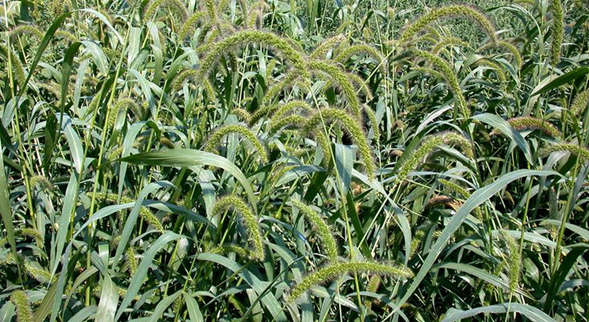
Figure no: 01
Taxonomical Classification
|
Kingdom |
Plantae |
|
Subkingdom |
Tracheobionta |
|
Superdivision |
Spermatophyta |
|
Division |
Magnoliophyta |
|
Class |
Liliopsida |
|
Subclass |
Commelinidae |
|
Order |
Cyperales |
|
Family |
Poaceae |
|
Genus |
Setaria |
|
Species |
italica |
Vernacular Names
|
Tamil |
Tenai, Kavalai |
|
Hindi |
Kangni |
|
Gujrati |
Kang |
|
Kannada |
Navane |
|
Bengali |
Kaon dana |
|
Oriya |
Kangam |
|
China |
Su, Xiaomi, Shao-mi, Kou wei tsao |
|
Japan |
Awa |
|
Indonesia |
Siberian millet, Dawa |
|
Russia |
Mohar |
|
France |
Millet des oiseaux, millet d’ItalieIt |
|
Portugal |
Panico, Milho panico, Milho panico de Italica |
|
Kenya |
Kimanga |
|
Marathi |
Kaang, Raal |
|
Telugu |
Korra |
Description
Setaria italica is an erect annual grass. It is grown in subtropical zones up to 4 - 6.5 feet with slim, vertical and leafy stems. It is self-pollinated and typically produces seeds within85 - 95 days under grain seed production. It is well suited for tropical cultivation, it thrives at elevations up to 2000 meters. It comprises a diploid chromosome number (2n=18). Characterized by an erect growth habit, limited stem branching, and a well-developed, deep root system. It grows better in the temperature range of 16-26 °c. The species is best suited to climates with 500-700mm of rainfall per year. It is frost-sensitive.
Morphology
SEED
Foxtail millet seeds are small, approximately 2mm in diameter and are enclosed in a thin, papery hull that is easily removed during threshing. The seed coat and husk generally form a single entity and have a glossy appearance. The grains closely resemble paddy rice in structure, with an outer husk that must be removed before consumption. Seed colour varies significantly among different genotypes, but it is typically yellowish.
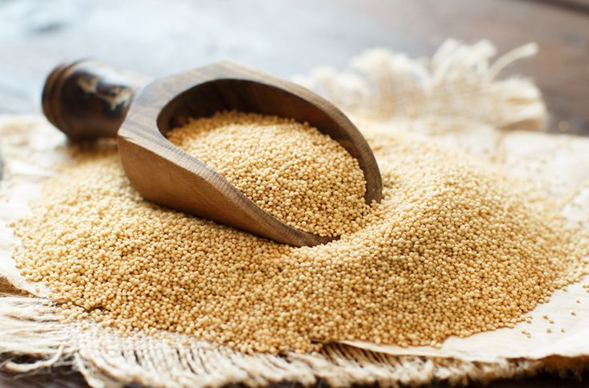
Figure no :02
LEAF
Foxtail millet leaf is 15 – 50cm long and its breadth is 0.5 – 4cm. The leaf blade is broad-lanceolate in shape, tapering to a long, pointed tip (acuminate) and is densely rough to the touch (scabrous). It features a prominently coloured midrib and serrated margins. The leaf sheaths extend beyond the length of the nodes.
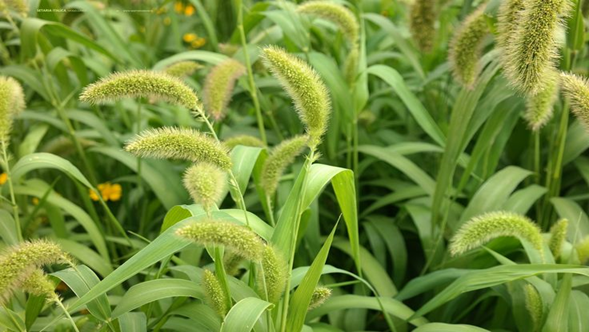
Figure no :03
STEM
The stems are erect and tiller from the base. They are coarse, leafy and relatively slender. The plants stalk consists of loosely arranged tissues.
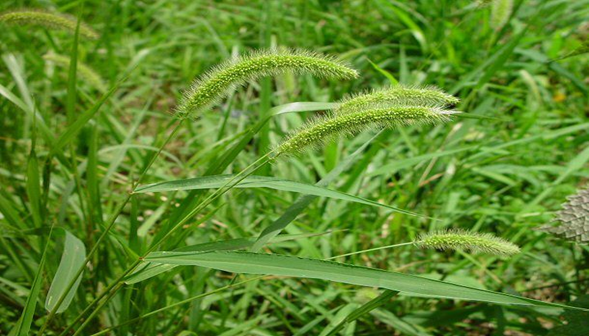
Figure no :04
FLOWER
Each spikelet of the plant typically contains two flowers, with the upper flower being bisexual. Cultivated varieties usually features 2 – 3 bristles per spikelet.
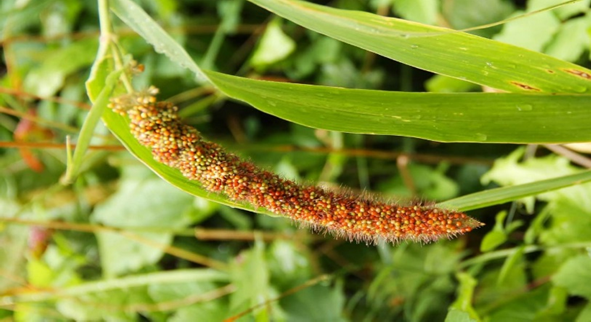
Figure no :05
ROOT
Foxtail millet possesses a dense network of fine, adventitious roots.
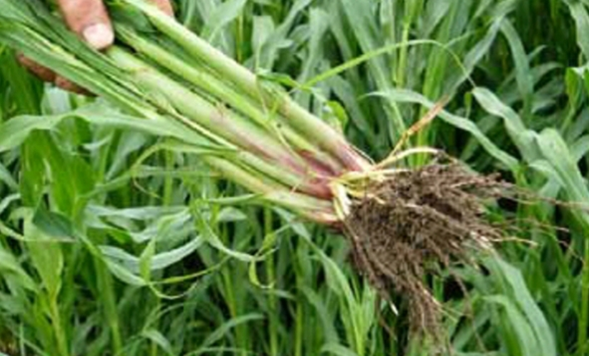
Figure no :06
Distribution
Foxtail millet, one of the oldest cultivated crops, originated in China. Approximately six million tons of foxtail millet are produced globally. This crop is prominently grown in countries such as India, China, Japan, Nepal, Sri Lanka, Pakistan, Russia, Ukraine, Turkey, Romania, Europe, North Africa, Indonesia and the Korean peninsula.
In India, it is harvested in Andhra Pradesh, Karnataka, Tamilnadu, Telengana, Bihar, Uttar Pradesh, Uttarakhand, Odisha, Rajasthan, Maharashtra, Madhya Pradesh, Chhattisgarh, Sikkim, Assam, Arunachal Pradesh, Ladakh and Himachal Pradesh.
In the United States, foxtail millet is mainly produced in northern and western great plains, Midwest, the Dakotas, Colorado, Kansas, Nebraska and Wyoming.
Adaptation
Foxtail millet suitable for sandy to loamy soils, it prefers a pH range of 5.5 – 7. Exhibits superior adaptability to arid and barren lands relative to most crops. It has the capability for resilience and tolerance to drought and salinity. Well- adapted to low-input farming, it suits for farmers operating under resource constraints. Able to endure temperatures from 5°c up to 35°c. It can adapt to an annual rainfall range of 300 – 4000mm. It can be cultivated in plains and in higher elevations up to 1500m.
Habitat
Foxtail millet is generally a facultative upland plant (FACU), occurring mostly in non -wetland areas though it may sometimes grow in wetlands. In the Caribbean, however, it is rarely found in wetlands.
Ethnobotany
Foxtail millet has been cultivated for human consumption in China for more than 4000 years, with its origins tracing back to the Neolithic Era. It remains the dominant millet crop in China at present. It used to be a major crop in the northern Philippines, but over times, rice cultivation in ponded fields and the rise of sweet potato farming in swidden areas replaced it. In the semi-arid tropics of Asia and Africa, foxtail millet is considered one of the top millet crops, along with pearl millet and finger millet. Foxtail millet was rarely grown in the United States before the post-colonial era.
Uses
PHYTOCHEMICAL CONSTITUENTS
The main phytochemical constituents present in foxtail millet are
The seeds of Setaria italica provide essential nutrients, including proteins, carbohydrates, fibre, ash, minerals, phosphorous, iron, and vitamins such as thiamine (B1) and riboflavin (B2). Its leaves are known to contain two coumarins: 6,7-dimethoxy coumarin and 5,8-dimethoxy coumarin. Further chemical studies have shown that the leaves possess six identified O-glycosylflavones and 10 C-glycosylflavones. These include newly reported compounds like scoparin 2”-o-xyloside, scoparin 2”-o-glycoside, as well as six novel acylated C-glycosylflavones.
Foxtail millet serves as a rich source of biologically active compounds such as
Phenolic compounds
Phenolic compounds are polar compounds because they contain a hydroxyl group attached to an aromatic ring. In foxtail millet, the identified phenolic compounds include hydroxybenzoic acid and hydroxycinnamic acid. Both benzoic acid and cinnamic acid derivatives were detected in raw as well as processed foxtail millet grains. Processing treatments such as germination and steaming were shown to enhance the benzoic and cinnamic acid content of foxtail millet. The hull of foxtail millet contains high amounts of both bound and free cinnamic acids. Among the phenolic acids, ferulic acid (hydroxycinnamic) and vanillic acid (hydroxybenzoic) were identified as the predominant types, while caffeic, gallic, and p-hydroxybenzoic acids were present in lower concentrations. In the soluble fraction, caffeic, ferulic, and sinapic acids were dominant, whereas p-coumaric acid and ferulic acid were found in higher concentrations in the bound fraction.
Bioactive peptides
Bioactive peptides are smaller molecules than proteins and can be derived from grains such as wheat, barley, rice, rye, oat, millet, sorghum, and corn. Millet proteins are classified into four main groups: albumin, globulin, prolamin, and glutelin, among them prolamins being the dominant fraction, accounting for more than 50% of the total protein content.
Carotenoids
Carotenoids in nature are mainly grouped into two categories: carotenes, such as β-carotene, which are linear hydrocarbons that may have cyclic structures at one or both ends, and xanthophylls, which are oxygenated forms of carotenes including lutein, violaxanthin, neoxanthin and zeaxanthin. In foxtail millet, xanthophyll and zeaxanthin (primary carotenoid) were detected.
Tocols
Tocols, which include tocopherol and tocotrienol, are found in their unesterified form. The highest yield of tocols were found in the bran of foxtail millet, which mostly contains α- and β-tocopherol.
Fatty acids
Fatty acids present in foxtail millet include oleic, linoleic, and linolenic acids ( which are the main unsaturated fatty acids), along with stearic and palmitic acids (the main saturated fatty acids). Their composition follows the order: linoleic > oleic > palmitic > stearic > linolenic. These fatty acids make foxtail millet a potential functional food. Flavonoids are found in foxtail millet but in low quantity.
Role of Phytochemical Constituents
Phenolic acids
In foxtail millet, phenolic acids primarily act as antioxidants, structural components and defensive chemicals against environmental and pathogens stress.
They contribute to the grains health benefits, such as antidiabetic, anti-inflammatory properties.
They are key components in antioxidant defense mechanisms and lignins synthesis.
Flavonoids
In the foxtail millet plant, flavonoids contribute to its resistance against ultra-violet light, diseases and pests.
It also play a role in the plants colour and flavour.
It influencing the grains overall nutritional quality and desirable traits.
Coumarins
Coumarins in foxtail millet act as secondary metabolites.
They exhibit antimicrobial activity against pathogens and provide antioxidant protection to reduce stress.
Coumarins support plant-microbes interaction in the soil, thereby shaping the composition of the root microbebiome.
Carotenoids
Carotenoids are valuable as anti-oxidants.
It possess beneficial functions in human health like revention of atherosclerosis, support of immune system and cells in the eye.
ANTIBACTERIAL ACTIVITY OF PHYTOCHEMICALS AND THEIR MECHANISM OF ACTION
Antibacterial activity
Antibacterial activity is defined as the capacity of a substance to suppress or destroy bacteria. These agents are generally grouped into two main types: bactericidal compounds, which directly kill microorganisms, and bacteriostatic compounds, which inhibit bacterial growth and reproduction. Such substances act by targeting various bacterial components, including the cell wall, cell membrane, DNA replication process, and protein synthesis machinery. The effectiveness of antibacterial agents on their ability to disrupt these vital functions.
Phenolic acids
The antibacterial activity of phenolic acids depends on their interaction with specific target molecules, leading to varied mechanism of action. Phenolic acids are known to disrupt bacterial membranes, resulting in the leakage of essential cellular components such as nucleic acids, proteins, and inorganic ions like potassium and phosphate. Their effects occur at both membrane and cytoplasmic levels. At the membrane level, another mode of action is hyperacidification, which disrupts the membrane potential. By increasing membrane permeability, phenolic acids interfere with processes such as the sodium-potassium pump. Gram positive bacteria are particularly vulnerable to this mechanism due to the lack of an outer membrane.
In Gram-negative bacteria, phenolic acids primarily act within the cytoplasm. Their antimicrobial effect is determined by the concentration of phenolic acids in their undissociated state. Because these undissociated molecules are partly lipophilic, they can move across the cell membrane by passive diffusion. Once inside the cell, phenolic acids lower the intracellular pH, causing acidification of the cytoplasm. This reduction in pH, together with disruption of the membrane structure, leads to protein denaturation. As a result, the cell membrane becomes damaged, increasing its permeability and causing a loss of potassium ions.
Phenolic acids can also inhibit bacteria through mechanisms that do not involve the cell membrane. For instance, p-coumaric acid has the ability to bind bacterial DNA, when p-coumaric acid interacts with Shigella DNA, it increases the molecular planarity of the DNA structure. This effect indicates that planar aromatic acid molecules can insert themselves between the base pairs of DNA within a hydrophobic environment.
Flavonoids
Flavonoids have been shown to act against both Gram-positive and Gram-negative bacteria, mainly by targeting bacterial cell membranes. Their antibacterial effect comes from disrupting phospholipid bilayers, interfering with the respiratory chain, and blocking ATP production. Two modes of interaction with the phospholipid bilayer exist: a) hydrophilic flavonoids interact with polar phospholipid heads, and b) lipophilic flavonoids penetrate the bilayer. Since, lipophilic flavonoids have stronger membrane affinity, they generally display greater antibacterial activity. Other reported mechanisms include inhibition of nucleic acid, fatty acid, and peptidoglycan synthesis.
Flavonoids have been particularly effective in treating local skin and soft tissue infections, especially those caused by Gram-positive bacteria like Staphylococcus aureus and S. epidermidis, which commonly infect or colonize skin wounds. In addition, flavonoids may act synergistically with β-lactams and are thought to inhibit certain β-lactamases produced by bacteria. Lipophilicity plays a crucial role in determining the antibacterial effectiveness of plant flavonoids against Gram-positive bacteria.
Coumarins
Coumarins are phenolic compounds with a benzopyran-2-one (or chromen-2-one) backbone, structurally related to flavonoids. They are considered promising drug candidates due to their wide range of pharmacological properties, including antimicrobial, antioxidant, and anti-inflammatory activities. The antibacterial effect of coumarins and their derivatives against S. aureus, including methicillin-resistant Staphylococcus aureus strains (MRSA), has been linked to their ability to bind to the β-subunit of DNA gyrase.
Carotenoids
Carotenoids are natural tetraterpenes, and together with their oxygenated derivatives (xanthophylls), they belong to the class of natural pigments. These compounds perform a wide range of functions and are recognized as beneficial for health. Regarding skin health, carotenoids exhibit antioxidant and anti-inflammatory effects, which support wound healing. They also play an important role in photoprotection, helping to prevent premature aging and reduce the risk of skin cancer. Certain carotenoids additionally demonstrate antibacterial properties. Due to their combined antioxidant, antimicrobial, and wound-healing activities, carotenoids are promising candidates for topical infection treatments.
PHARMACOLOGICAL ACTIVITY
Anti-cancer activity
Polyphenols found in foxtail millet bran have been shown to inhibit the growth of colorectal cancer (HCT -116) cells and promote their apoptosis. This effect is linked to the suppression of the nuclear factor (NF)-kB signalling pathway and the activation of the mitochondria-dependent intrinsic pathway, which together trigger pro-apoptotic activity. Studies indicate that polyphenols from foxtail millet possess natural antiproliferative effects against colon cancer.
Hepatoprotective activity
The oil extracted from foxtail millet bran (FMBO) was studied for its physicochemical properties, antioxidant potential, and protective effects against alcohol-induced liver damage in mice. GC-MS analysis showed that FMBO is rich in unsaturated fatty acids (UFAs), especially linoleic acid, along with polyunsaturated fatty acids (PUFAs), squalene, and phytosterols. In laboratory tests, FMBO demonstrated strong antioxidant activity by reducing ferric ions and scavenging harmful radicals such as DPPH and OH.
Experiments on mice revealed that oral administration of FMBO at different doses reduced liver damage caused by ethanol. It was found to counteract ethanol-induced rises in serum alanine aminotransferase (ALT), aspartate aminotransferase (AST), triglycerides (TG), and malondialdehyde (MDA). Additionally, FMBO improved superoxide dismutase (SOD) activity to levels similar to those of healthy controls. Histological examinations of the liver confirmed that FMBO can protect against ethanol-induced liver injury.
Appetite stimulant
A study on 12 varieties of Setaria italica revealed that their ash and fibre levels are similar to those of other millets, while protein and calcium levels are slightly higher. In vitro digestibility tests indicated that Setaria italica contains a higher amount of pepsin but lower trypsin.
Furthermore, treating the flour with acid was found to enhance in vitro protein digestibility with trypsin.
Anti-lipase activity
The methanolic extract of Setaria italica was tested for its anti-lipase potential using a radioactive method. In this experiment, pancreatic lipase activity was measured with the help of a radioactive substrate, TRIOLEIN, and the corresponding enzymatic reaction was conducted. Following this, the inhibitory effect of Setaria italica on pancreatic lipase was evaluated. The extract were pre-incubated with the enzyme, where the negative control contained no inhibitor, and the positive control included an inhibitor. The results demonstrated that the methanolic extract of Setaria italica exhibited strong in-vitro anti-lipase activity.
Anti-inflammatory activity
Polyphenols found in foxtail millet bran help reduce the levels of several pro-inflammatory cytokines (IL-8, IL-6, and IL-1β) while increasing the production of the anti-inflammatory cytokines (IL-10). This effect occurs by inhibiting the nuclear translocation of (NF-kβ)-p65 in HT-29 cells, which contributes to controlling and reducing inflammation.
Antifungal activity
A peptide with anti-fungal properties, having a molecular mass of 26.9 kDa, was isolated from Setaria italica. Its effectiveness was tested against different fungal species, including Fusarium oxysporum, Botrytis cinerea, Trichoderma viride and Alternaria alternata. The findings revealed that treatment with this peptide caused significant ultrastructural alterations in Alternaria alternata, demonstrating its anti-fungal potential derived from foxtail millet seeds.
Anti-hyperlipidemic activity
The methanolic extract of foxtail millet has been shown to lower lipid accumulation inHepG2 cells by decreasing both total cholesterol and triglyceride levels.
Anti-hypertensive activity
The antihypertensive potential of foxtail millet was studied using its protein hydrolysates. The millet was first fermented and then hydrolysed to obtain protein hydrolysates. When rats were fed foxtail millet hydrolysates for 4 weeks, there was a significant reduction in angiotensin II levels, angiotensin-converting enzyme activity, and systolic blood pressure compared to the control group. Therefore, foxtail millet demonstrates antihypertensive properties and may help in preventing cardiovascular disorders.
Anti-diabetic activity
Consuming 50g of foxtail millet daily for 12 weeks significantly improved glycemic control in individuals with impaired glucose tolerance. This improvement may be linked to reduced insulin resistance, increased leptin levels, and lower inflammation. A diet containing foxtail millet plays an important role in regulating lipid metabolism, glucose metabolism, and inflammatory responses. Furthermore, a study confirmed that foxtail millet helped lower blood sugar levels in diabetic patients, supporting its use as a functional medicinal food.
Cytotoxic and hypoglycemic activity
The crude ethanolic extract of Setaria italica was evaluated for its pharmacological activities. Results showed that the extract exhibited analgesic properties in the acetic acid-induced writhing test. In the radiant heat tail-flick method, the extract demonstrated a moderately significant anti-nociceptive effect. Additionally, the ethanolic extract, along with chloroform and petroleum ether fractions, displayed strong free radical scavenging activity. Overall, the crude extract exhibited notable cytotoxic and hypoglycemic effects.
Anti-oxidant activity
Fractions of foxtail millet such as whole flour and bran-rich portions were analysed for their antioxidant potential. Phytochemical screening indicated the presence of compounds like alkaloids, phenolics, reducing sugars, and flavonoids in both methanolic and aqueous extracts, along with tannins and terpenoids. Methanolic extracts of both whole flour and bran- rich fractions demonstrated markedly higher radical scavenging ability in the DPPH assay and greater reducing power at a concentration of 2mg. Among these, the bran-rich fraction exhibited the strongest antioxidant activity, which can be attributed to the abundance of antioxidant constituents located in the bran layer.
Antimicrobial activity
The antimicrobial activity was tested against microbial strains such as Aspergillus niger, Aspergillus flavus, Escherichia coli, Staphylococcus aureus, Pseudomonas aeruginosa, and Proteus vulgaris using the disc diffusion method. Dicloxacillin served as the control, and the zone of complete inhibition was recorded. The ethyl acetate extract of Setaria italica exhibited strong activity against the test organisms compared to the control.
Trypsin Inhibitor Activity
A key trypsin inhibitor, designated FMTI-II, was obtained from foxtail millet seeds. It is composed of 67 amino acids, including 10 half-cystine residues that form 5 disulfide bridges within the molecule. In addition, another subtilisin inhibitor, FMTI-III, was also identified in foxtail millet seeds. The molecular weight and amino acid composition of FMTI-III are similar to those of FMTI-II. Both proteins consisted of 67 amino acid residues, with their sequences being identical except for the substitution of the C-terminal glutamine in FMTI-II by glutamic acid in FMTI-III. It reveals that FMTI-III functions specially as a single- headed inhibitor of trypsin.
EXTRACTION TECHNIQUES
In pharmaceutical applications, extraction refers to the process of isolating medicinally active compounds from plants and animal tissues by separating them from inactive or unwanted components. This is usually achieved using selective solvents through standardized extraction techniques. The resulting plant extracts are generally impure and appear as liquids, semisolids or powders meant for oral or external use. While some extracts can directly serve as medicinal preparations such as tinctures and fluid extracts, others require additional processing. Conventional extraction techniques-such as Maceration, Percolation, and Soxhlet extraction-commonly rely on organic solvents, often involving large solvent volumes and long processing times. On the other hand, methods like decoction and hydro-distillation utilize water as the solvent.
The primary objectives of the extraction process are: a) to isolate specific bioactive compounds from complex plant materials, b) to improve the selectivity of analytical techniques, c) to enhance the sensitivity of bioassays by increasing the concentrations of the desired compounds, d) to transform bioactive compounds into forms that are more suitable for detection and separation, and e) to establish a reliable and reproducible method that remains consistent regardless of variations in the sample matrix.
Extraction techniques for extracting phytochemicals
Conventional methods
Non-Conventional methods
Sonicator
A Sonicator, also known as an ultrasonic processor or ultrasonic disruptor, is a device that uses high-frequency sound waves (usually between 20-100 kHz) to vibrate a sample. These vibrations generate mechanical energy, which helps break apart particles, tissues, or cells, making various processes easier.
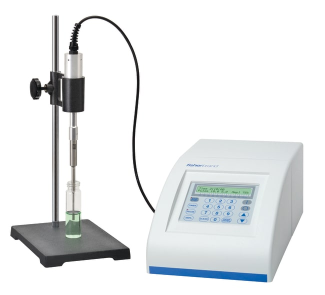
Figure no: 07
The Sonicator works by converting electrical energy into mechanical energy through a transducer. This transducer is connected to a probe (a metal rod or tip) that directly touches the sample. When the probe vibrates, it produces cavitation bubbles in the liquid medium. As these bubbles collapse, they release intense heat and pressure, which in turn causes the sample to breakdown, transform, or become disrupted.
Sonication enhances the release of compounds from solid materials into a solvent, making the process more efficient. This technique is particularly useful in extracting bioactive compounds from plant materials or biological tissues.
Transducers, the key elements of ultrasonic devices, play a vital role in converting mechanical or electrical energy into acoustic waves. In ultrasound-assisted extraction (UAE), these transducers generate sound waves that travel through the solvent-filled vessel. As the waves interact with the medium, acoustic resonance develops, producing alternating high- and low-pressure zones (compression and rarefaction). The sonication process creates cavitation and bubble implosions, which rupture cell walls and increase the number of disrupted cells. Once the cells are broken, the solvent penetrates them, allowing intracellular plant components to be released and dissolved into the medium.
CONCLUSION
From this review, we concluded that comprehensive study on the antibacterial activity of Setaria italica exhibited by phenolic acids, coumarins, carotenoids, flavonoids has good antibacterial activity. This plant also produce anti-cancer, hepatoprotective, appetite stimulant, anti-lipase, anti-inflammatory, anti-fungal, anti-hyperlipidemic, anti-hypertensive, anti-diabetic, antioxidant, anti-microbial, trypsin inhibition, cytotoxic and hypoglycemic activity. This study gives the idea about the phenolic compounds can be used as a lead compound for inhibiting the bacterial growth. Further, in this plant Setaria italica, we use the husk to study anti-bacterial activity.
REFERENCES

A. Sneha, K. B Ilango, K. Abitha, B. Harini, P. V. Harivarshan, B. Ranjithkumar, A. Shanmugapriyan, A Comprehensive Review on the Antibacterial Activity of Setaria italica (L.) Husk, Int. J. of Pharm. Sci., 2026, Vol 4, Issue 3, 1531-1545. https://doi.org/10.5281/zenodo.19013317
 10.5281/zenodo.19013317
