
GH Raisoni University, Saikheda, Teh. Sausar, Dist. Pandhurna, Madhya Pradesh, India (480334)
Energy drinks are caffeine-based non-alcoholic beverages that typically include sugar, amino acids, vitamins, and herbal ingredients like guarana, ginseng, yerba mate, and ginkgo biloba. Introduced in the 1950s, these drinks have become increasingly popular among teenagers and adults due to their promoted benefits in boosting energy, endurance, focus, and overall alertness. They are available in various formulations, including regular, sugar-free, and fruit-based types, all promoted as fast energy enhancers. The health benefits of EDs are mainly liked to their active ingredient. Reported positive effects include improved physical performance, enhanced concentration and memory, better mood and alterness, weight management, and supply of micronutrients such as B-complex, vitamins. These drinks are popular among student, athletes and professionals who need mental alterness and physical endurance. However, consuming them in excess can cause health problems such as heart issues, headaches, sleep disturbances, anxiety, seizures, obesity, type II diabetes, kidney and digestive disorders, dental erosion, and even caffeine poisoning. Most of these effects are linked to their high caffeine and sugar content, meaning the health risks mainly depend on what they contain and how much is consumed. If the caffeine and sugar level are maintain the safe limits recommended by the FDA and WHO, energy drinks containing natural ingredients may provide health benefits without major risks. This review highlights both the advantages and disadvantages of EDs and stresses the importance of moderate and responsible consumption
Energy drinks are caffeine rich, non-alcoholic beverages that often include large amounts of sugar and other stimulants like taurine, guarana, and ginseng(1). First introduced in Austria in 1987 & later in North America in 1997,these formulations generally include carbohydrates, vitamins, minerals, and bioactive compounds, with caffeine and taurine as taurine as the key functional ingredients (2). Their consumption has become widespread amoung adolescents, young adults, and people in high-stress jobs due to their energy boosting effects. However, skin cells are particularly vulnerable to oxidative stress including senescence, which contributes to premature aging and age related disease(3). Energy drinks were first introduced in Europe and Asia in 1960,and in the following decades their popularity expanded globally, developing into a multibillion dollar industry(4). Caffeine, chemically 1,3,7-trimethylxanthine, derives its name from the German Kaffee and French café, and its earliest documented use dates back to 2737 BCE, when Emperor Shen Nung of China prepared the first tea infusion(5). Recent studies highlight caffeine’s bioactive potential, including protective effects against oxidative stress in Alzheimer’s disease (6), though vulnerable groups such as hypertensive individuals, children, adolescents, and the elderly are more sensitive to its adverse effects(7). Consumption excessive amounts of caffeine over a long duration can result in a condition known as caffeinism, which is marked by symptoms such as restlessness, dependence, irritability, anxiety, muscle tremors, sleep disturbances, headaches, rapid heartbeat, and breathing irregularities(8). Dr. Amelia Lake, a public health nutrition professor at Teesside University, reviewed 57 recent studies examining how energy drinks affect young people health, incorporating findings from more than one million children across 21 different countries(9). Since the launch of Red Bull, the first commercial energy drink, global consumption has increased rapidly(10), with the market valued at USD 45.80 Billion by 2013 at a CAGR of 8.2%(11). A 2013 survey across 16 European countries reported that 18% of children (3 to 10 years) and 68% of adolescents (10 to 18 yrs.) consumed EDs in the preceding years, while 12 to 35% of young people reported weekly use (12). Given this widespread consumption, both the benefits and risk of caffeine require evaluation across human physiological system(13). As per the U.S. Food and Drug Administration (FDA), energy drinks are beverages that mainly consist of caffeine along with additional stimulants like guarana, taurine, and L-carnitine. These ingredients are intended to boost alertness, focus, and energy levels but may also elevate blood pressure, heart rate, and breathing rate, Such drinks are often promoted for enhancing both mental and physical performance(8). Since energy drink consumption may pose health risks for adolescents, many studies have examined the factors influencing their use, with particular attention to attitudes toward energy drinks (14). This view focuses on assessing the potential of caffeine-free herbal energy drinks prepared with natural ingredients that offer health benefits. It examines their composition and functional properties, particularly their antioxidant, adaptogenic, and energizing effects. The review also explores the relationship between consumer choices, health consciousness, and the increasing interest in safer options compared to traditional caffeinated energy drink. According to the National Sleep Foundation, around three-fourths of high school students in the United States consume at least one caffeinated drink each day, which aligns with findings from other research showing similar consumption patterns (15) (Fig. 1).
Caffeinated Energy Drinks background
Caffeinated beverages have been consumed for millennia(17). Tea was first found in china around 2737 BCE and later became popular in Asia and Europe (5). Energy drinks are a comparatively new category of non-alcoholic beverages. They were first introduced in japan in 1960, later entered the European market in 1987, and became available in the US in 1997 (18). The risk becomes greater when several energy drinks are consumed within a short duration. Combining these drinks with alcohol can reduce one’s perception of intoxication, thereby increasing the likelihood of alcohol related harm or accidents(19). The mixture may elevate the risk of irregular heartbeats, especially in individuals with existing heart conditions. Studies indicate that teenagers often cobine energy drins with alcoholic beverages(20). This combination can be harmful because individuals may not realize how much alcohol they have consumed. Additionally, the caffeine present in such drinks consumed by teenagers has been associated with increased blood pressure levels(21). Long term consumption of large amounts of caffeine can cause symptoms such as restlessness, dependence, irritability, anxiety, muscle tremors, sleep disturbances, headaches, rapid breathing, and irregular heartbeat(22). William Roberts from the Royal Society for Public Health mentioned that the review adds further support to the evidence showing that energy drinks can have harmful effects on the physical and mental health of children and teenagers, both in the short term and over time(9). EDs use in this age group is concerning because it can cause health problems. One of the main factors linked to Energy Drink consumption is the attitude or perception that young people have toward these drinks (14).
Frequency of EDs Consumption amongst young peoples
Study conducted among adolescents aged 10 to 19 yrs. A survey conducted in Norway, Hungary, and Poland (n> 2200) showed that energy drink consumption varied between 25% and 66.3%. Among Polish adolescents, 10.4% reported drinking energy drinks daily or several times a day, while the most frequent pattern was one to three times per month. In Norway, 8.3% consumed them weekly, and 3.4% drank them four or more times per week. Interestingly, regular energy drink use was also noted among younger individuals aged 10 to 15 years.(14). Multiple studies have reported that energy drinks are commonly consumed to make up for lake of sleep, boost energy, enhance focus during studies, stay alert during long drives, mix with alcohol for flavor, or reduce hangover effects(23). Many of the negative health impacts associated with energy drink consumption are mainly due to their high caffeine content per 100 ml. The European Food Safety Authority (EFSA) advises that children and adolscents should not exceed a daily caffeine intake of 3 mg per kilogram of body weight(4). The frequency of energy drink consumption was found to be positively linked with behaviors like marijuana use, risky sexual activities, involvement in physical fights, neglecting seatbelt use, and participation in daring or risky acts among the participants. Among white students, it was additionally associated with smoking, alcohol use and related problems, as well as misuse of prescription drugs, whereas these associations were not observed among black students (19) (Fig. 2)
Comparative test of Marketed EDs:
It shows some various popular energy drinks along with their caffeine and sugar content per 500 ml serving. The values highlight the differences in formulation and potential health impact.
Red Bull, Monster, and Rockstar each provide roughly 160 mg of caffeine and between 54 to 62 g of sugar, making them beverages that are both high in stimulants and calories. Besides caffeine and sugar, they also include taurine, B vitamins, herbal extracts, and amino acids, which are claimed to improve energy & focus.
Mountain Dew has comparatively lower caffeine content (72 mg) but contains a high amount of sugar (61 g). It is made from carbonated water, high fructose corn syrup, citric acid, orange juice concentrate, and the artificial color Yellow 5, making it essentially a sweetened soft drink with added caffeine.
Race provide 160 mg caffeine but is sugar free, marking it lower in calories, though still high in stimulants.
Stingstands out with the highest caffeine content (290 mg) in this group, along with 50g of sugar. It also contains taurine, inositol, ginseng, and vitamin B3, which may enhance stimulation but increase heaith risks if overused.
Magnus Omnilife has no specified caffeine, sugar, or ingredient details, limiting its evaluation.
Demon Energy Shot is extremely concentration just 60ml contains 200mg caffeine, equal to 1600mg per 500ml, which is far about safe intake levels. It also contains 10g taurine and B vitamins, making it potentially harmful if consumed in excess.
Full Throttle provides 141 mg caffeine and 57 g sugar, with added taurine, guarana, carnitine, and B vitamins, while Lucozade has the lowest caffeine (60.5 mg) and sugar (23 g) among the listed drinks, making it relatively milder. Its composition includes carbonated water, citric acid, artificial sweeteners like aspartame and acesulfame K, preservatives, coloring agents, and vitamin C. Overall, most energy drinks contain caffeine, sugar, taurine, herbal extracts, and vitamins. While these ingredients may temporarily improve alterness and physical performance, the high caffeine and sugar content pose health risks such as cardiovascular stress, obesity, diabetes, and sleep disturbances when consumed in excess(8) (Table 1).
Adverse effect of Marketed EDs:
Adverse heart effect
Research has found that energy drinks can speed up the heartbeat and increase blood pressure due to their caffeine content. In some cases, drinking too much can lead to dangerous heart issues like abdominal rhythms, signal changes in the heart, and delays in normal heart activity.
Brain or psychological effect
Caffeine overdose often happens at doses of 200 mg or more. It can cause anxiety, sleeplessness, stomach discomfort, muscle shaking, restlessness, and extreme energy. Too much caffeine is also linked to frequent headaches because it makes the brain more sensitive. A study in 15 – 16 yrs olds showed a showed a strong link between caffeine use and aggressive or problem behavior. Some reports also warn that energy drinks may raise the risk of stroke and seizures.
Digestive effects
Moreover, the elevated sugar content of energy drinks has been associated with reduced activity, diversity, and gene expression of the intestinal micro biota, there by contributing to an increased risk of the obesity and metabolic syndrome. Consumption of caffeine in large amount can temporarily lower insulin sensitivity, which may explain the rise in blood glucose levels reported after drinking energy beverages in some studies.
Acute kidney effects
Caffeine in energy drinks makes the body pass more urine. Because of this, they should not be taken during long exercise in hot weather, as they can cause dehydration. Caffeine also makes the body lose sodium through urine, which reduces blood volume and can affect heart performance during exercise.
Dental effects
Evidence indicates that consuming energy drinks can increase the likelihood of tooth and oral damage by up to 2.4 times. This effect is primarily attributed to the high sugar content in these drinks, which contributes to enamel, leading to tooth sensitivity and weakening of the protective layer of the teeths 55(32).(Fig. 3)
Types of EDs:
Energy shorts
Energy drinks are sold in two ways. Firstly, it is in large bottles, similar to soft drinks, usually around 16 ounces. The second is in small bottles called energy shorts, which are about 2 to 2.5 ounces. Despite their small size, energy short can have the same amount of caffeine and other ingredients as the large drinks. They are designed to provide quick energy with fewer calories, which regular energy drinks to be consumed in full cans that often contain 250 or more calories.
Fruit-based
Blended beverages represent an effective approach to enhancing nutritional value and addressing limitations associated with conventional formulations. Several energy drink alternatives have been developed utilizing fruit-based ingredients. For approximately 30 mg of caffeine/100ml, While other variants have incorporated juices.
Non-fruit based
Conventional or non-fruit based EDs typically contain elevated levels of caffeine, sugar, and additional stimulatory components such as guarana, taurane, and fortified vitamins. Commonly available commercial formulations include Red Bull, Rockstar, Monster, Throttle, and NOS, with Red Bull serving as a widely recognized example of this category.
Sugar-free
Recently, more people are choosing sugar-free energy drinks, likely because they are low in calories and do not have regular sugar. The main ingredient is in these drinks, like sugar-free Red Bull, is caffeine. Caffeine commonly used to boost performance, as it helps improve exercise endurance and tiredness.
Plant-based
The most majority of conventional drinks are contain synthetic caffeine, excessive amounts of sugar, and artificially added mood-enhancing agents. In this, plant-based energy drinks are formulated with anti-oxidants, there by representing a comparatively healthier alternative (33) (Fig. 4).
Therapeutic Benefits of Caffeine-Free EDs:
Anti-anxiety Effect
Absence of Caffeine helps reduce stimulation of “fight or flight” hormones, thereby lowering anxiety, nervousness, and risk of panic attacks.
Improved Sleep Quality
Caffeine-free drinks promote better and deeper sleep by preventing sleep latency and night time awakenings commonly caused by caffeine.
Enhanced Nutrient Absorption
Without caffeine’s tannins, absorption of essential nutrients such as iron, calcium, B-vitamins, and zink improves, supporting overall metabolic health.
Better Dental Health
Non-caffeinated drinks prevent tooth staining and enamel erosion associated with acidic, tannin-rich beverages like caffeinated tea.
Hormonal Balance
Limiting caffeine helps maintain balanced estrogen and testosterone levels, supporting reproductive and endocrine health.
Stable Blood Pressure
Caffeine-free energy drinks help maintain normal blood pressure by avoiding the stimulatory cardiovascular effects of caffeine.
Balanced Brain Chemistry
Absence of caffeine prevents dependency and withdrawal symptoms (e.g., Headache, Fatigue) and supports steady mood and alertness.
Reduced Headache Frequency
Regulate the use of caffeine-free beverage minimizes caffeine withdraw headache and promotes mental clarity.
Improved Digestive Health
To avoid caffeine reduces bowel irritation, diarrhea, and risk of GIT related disorders like GERD or Crohn’s Disease.
Anti-aging and Skin Health
Caffeine free energy drinks support collagen synthesis, helping maintain skin elasticity and also reducing the wrinkle formation.
Thus, caffeine-free Energy Drink (34) can be serve as a healthier alternative, promoting balanced body functions and long-term wellness.
DISCUSSION:
The study of non-caffeinated herbal energy drinks shown that these formulation provide a safe and natural alternative to conventional caffeinated energy drink(35). The results indicate that herbal drinks enriched without causing common side effects such anxiety, palpitation, or insomnia(36). The presence of Antioxidant and Phytochemicals contributes to cellular protection, improve metabolism, and better immune response(37). Probiotic enriched and also formulate further support digestive health and nutrient absorption(38). Unwanted traditional EDs, these preparations maintain oral and renal safety due to their balanced pH and lower sugar content(39). Overall, the discussion suggests that non-caffeinated herbal energy drinks is not only enhance physical and mental performance in a milder way but also provide additional health promoting benefits(40), and making them more suitable for long term and safe consumption, especially among sensitive population such as children, elders individual and patients with cardiovascular risks(13)(41).
CONCLUSION:
Caffeine-free herbal energy drinks represent a promising and alternative to conventional energy drink. They provide natural energy by herbal extract, vitamin, mineral and bioactive compounds without the adverse effects commonly associated with caffeine. There Antioxidant, immune modulatory and digestive benefits further enhance their functional value, unwanted traditional energy drinks, these formulations are safe for children, elders individual, and those with cardiovascular concerns. Overall, the review highlights that caffeine-free herbal energy drink support physically and mental performance with contributes to long term wellness, made them a valuable option in the functional energy beverage industry. Therefore, to clearly understanding these herbal energy drinks, more long term observational and experimental studies are required.
REFERENCES:
Table 1. Comparative overview of commercially available Caffeine-Free Energy Beverages and their key Ingredients.
|
Sr. no. |
Source |
Drink/Product |
Key Ingredients |
Reference link |
|
1. |
Official site Hydroshark; Amazon listing |
Hydroshark (India’s First Caffeine-free Energy Drink) |
Vitamins B2, B6, B12 real fruit juice; no caffeine; “energized throughout the day” via hydration + vitamin. |
(24),(25) |
|
2. |
URZZA |
Bisleri International (India) |
Fortified with essential vitamins; no caffeine; positioned as energy booster that “stimulates the mind and refreshes the body”. |
(26),(27) |
|
3. |
Amazon India listing |
Enerzal zero (400 ml, orange) |
Zero Caffeine, zero calorie; no carbohydrate, with electrolyte. |
(28) |
|
4. |
Arcane Sugar Free Energy Drink (Watermelon flavonour, Caffeine-Free) |
Arcane Energy Drink |
Alpha GPC; L-Tyrosine; L-Carnitine; sugar-free, Zero calories; No Caffeine. |
(29) |
|
5. |
Caffeine informer |
Bang -Caffeine Free flavours |
Same or similar non-caffeine components eg. EAA / amino acids, flavor, sucralose etc.) but without the caffeine in certain flavors. |
(30) |
|
6. |
Flipkart listings |
Diet Gear Electrolutes Effervescent (tablets) |
Zero Caffeine; Zero sugar added; Flavourus agent (Watermelon, lemon etc.) with flavouring agents. |
(31) |
Fig.1 Diagrammatic representation of the analytical framework using in this systematic review, organized according to the study’s Population (P), Exposure (E), Comparator (C), and Outcome (O) elements(16).
|
32% |
|
24% |
|
10% |
|
34% |
Fig. 2. Freguency of energy drink intake among individuals aged 13 to 19 residing in a Polish province. The survey was carried out by Zylka and Ocieczek, involving a total of 709 respondents.
.
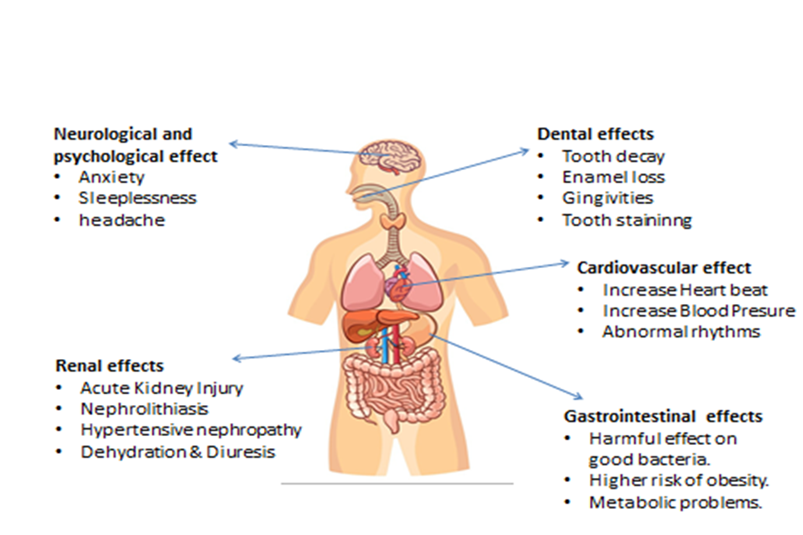
Fig. 3. These effects highlight the widespread impact of the substance on various organs and system in the body
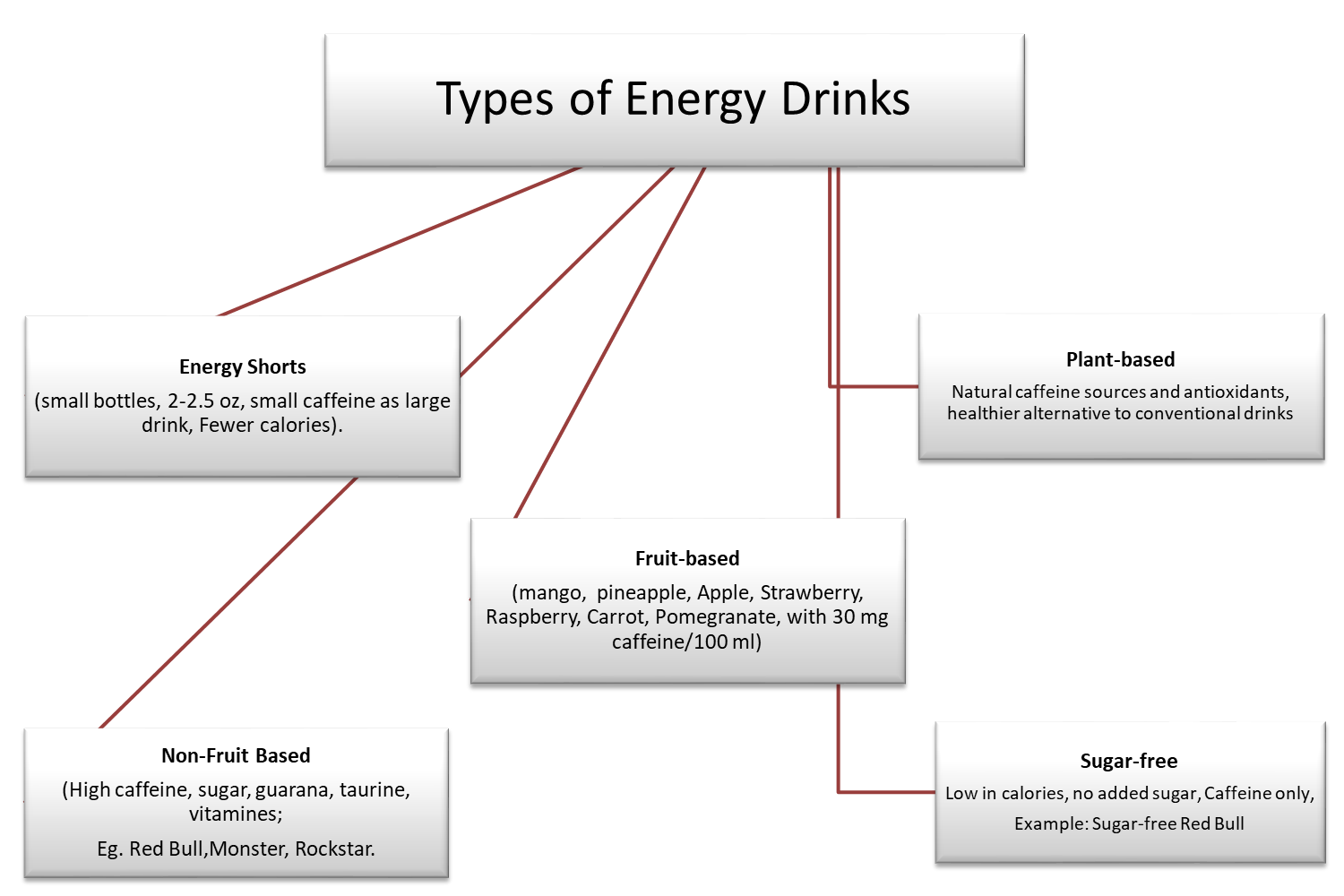
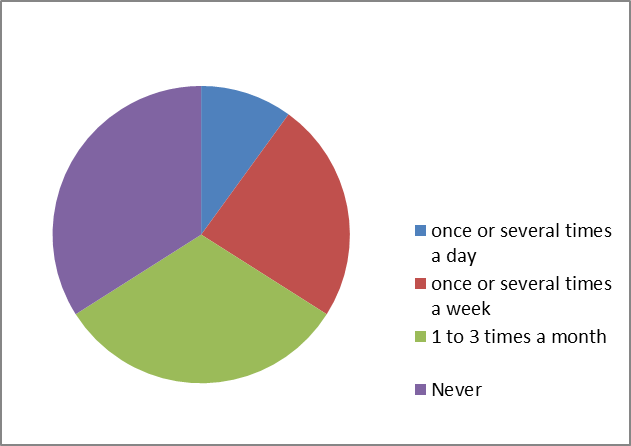
Fig. 4. Types of Energy Drinks chart.

Mo. Sadik Sheikh *, Gunjan Thavle, Ganesh Derkar, A Comprehensive Review on Caffeine-Free Energy Herbal Drinks, Int. J. of Pharm. Sci., 2026, Vol 4, Issue 2, 526-536. https://doi.org/10.5281/zenodo.18484361
 10.5281/zenodo.18484361
