
Dattakala College of Pharmacy, Swami Chincholi, Bhigwan, Daund, Pune, Maharashtra, 413130
Shankhpushpi (Convolvulus prostratus Linn.), an important indigenous herb of the family Convolvulaceae, occupies a remarkable position in the Indian system of medicine, particularly in Ayurveda, Siddha, and Unani traditions. Classified as a Medhya Rasayana—a rejuvenating drug for the brain and nervous system—it has been revered for centuries as an effective nervine tonic, memory enhancer, anxiolytic, and neuroprotective agent. The name “Shankhpushpi” is derived from its characteristic conch-shaped flowers (Shankha meaning conch, and Pushpi meaning flower). Traditionally, the plant has been employed to treat mental debility, insomnia, anxiety, epilepsy, hypertension, and various cognitive disorders. In the context of modern pharmacology, increasing attention has been directed toward its multifaceted actions on the central nervous system (CNS), validating its ancient claims through contemporary scientific exploration. The present review provides an exhaustive compilation of traditional, phytochemical, pharmacological, and clinical data available on Shankhpushpi with a focus on its mechanisms of action and therapeutic implications. Phytochemical investigations have identified several classes of bioactive compounds, including alkaloids (shankhapushpine, convolvine, convolamine, scopoletin), flavonoids (kaempferol, quercetin, myricetin), glycosides, coumarins, and fatty acids. These constituents are believed to act synergistically to produce diverse pharmacological effects such as nootropic, antioxidant, anticonvulsant, anxiolytic, and neuroprotective activities. Experimental studies have shown that Shankhpushpi enhances cholinergic transmission, upregulates acetylcholine levels in the brain, and improves synaptic plasticity, thereby facilitating learning and memory consolidation. It also modulates key neurotransmitters including serotonin, dopamine, and GABA, which collectively contribute to its mood-stabilizing and anxiolytic effects.
Since ancient times, the human species has relied on plants for food, housing, medicine and other necessities. In Asian and African nations, medicinal plants play a significant role in traditional medical systems. Herbs have been used from many centuries as a natural medicine to treat the variety of diseases. Some herbs contain active ingredients that have been shown to promote neurotransmitter levels in the brain, lower oxidative stress, and enhance memory and cognitive performance. Medicinal plants are considered as very important source for drug production due to presence of therapeutic phytochemicals.
The local and important herb Shankhpushpi (Convolvulus prostratus) is well known for its capacity to improve nervous system functions. Because of its strong bioactive ingredients, it is frequently utilized in traditional Ayurvedic treatment as a single herb and in formulations. This plant belongs to the Convolvulaceae family and is widely distributed across the various region. Shankhpushpi of the Ayurvedic pharmacopeia of India consists of the whole plant of Convolvulus pluricaulis and Convolvulus microphyllus. Shankhpushpi has long been used to treat poor energy, insomnia, exhaustion, and nervous debility. It is used as brain tonic to boost the brain.
Traditional Shankhpushpi formulations, like Churna, Vati, and Shankhpushpi syrup, are frequently prescribed as adaptogens and brain tonics. According to clinical observations, it may help patients with mental exhaustion and moderate cognitive impairment by enhancing their attention span, cognitive alertness, and emotional equilibrium. The herb's therapeutic range is expanded by its hepatoprotective, antiulcer, immunomodulatory, and hypolipidemic properties in addition to its neuropharmacological activity.
Shankhpushpi used to treat the central nervous system disorder (CNS) like a memory loss, anxiety, epilepsy, thinking ability, dementia and insomnia. It is Nootropic drug that means brain supplements, cognitive and memory enhancers, brain boosters. The ethanolic and methanolic extracts decreased mice’s spontaneous motor activity, eliminated the conditioned avoidance response and tremorine induced tremors. The juice of whole plant prevents excessive menstruation in female. The fine paste made by grinding the plant is helpful to cure absces
Taxonomical classification:
Table 1. Taxonomical Classification
|
Kingdom: |
Plantae |
|
Sub-kingdom: |
Tracheobionta |
|
Super-division: |
Spermatophyta |
|
Division: |
Magnoliophyta |
|
Class: |
Magnoliopsida |
|
Sub-class: |
Asteridae |
|
Order: |
Solanales |
|
Family: |
Convolvulaceae |
|
Genus: |
Convolvulus L. |
|
Species: |
C. prostrates Forssk |
Common Names of Shankhpushpi:
Table 2.- Common Names of Shankhpushpi
|
English |
Speedwheel |
|
Hindi |
Shankhpushpi, Aparajit |
|
Sanskrit |
Sankhapuspi |
|
Urdu |
Sankhali |
|
Gujarati |
Shankhavali |
|
Kannada |
Bilikanthisoppu |
|
Malayalam |
Krsnakranti |
|
Marathi |
Shankhabela |
|
Tibetan |
Shankhapushpi |
|
Telugu |
Shankhapushpi |
|
Tamil |
Sanghupushpam |
Description:
The stem of Shankhpushpi is light green, slender and cylindrical with a thickness of about 0.1cm or less. It is a perennial herb that seems like morning glory. Branches of herb spread on the ground and can be more than 30cm long. The flowers are blue in color; it has noticeable hairy nodes and internodes. Under a microscope the stem shows a single layered unicellular hair. The cortex is differentiated into two zones: 2-3 layers of upper collenchymatous cells and 1-2 layers of lower parenchymatous cells both of which are round to oval and elongated. The fruit is capsule shaped, oblong to globose, with a leathery pale brown outer layer. Seed are brown with fine minute hairs. The herb is commonly found in India, especially in the state of Bihar.
Shankpushpi plant uses:
The herbal extracts of plants are seen to possess spermatogenic properties, so it can be beneficial in cases of sperm debility. It is used to treat the urinary system ailments. It is known to have cooling effects that alleviate symptoms of vomiting, burning sensations, and thirst which is common during fever. Plant extracts can is used for ailments in a respiratory system-like cough and cold, it is also used to prevent irritation of respiratory organs as it has expectorant properties. The Herbal extracts have tranquilizing effects and thus used for syncope, vertigo, etc. Herbal extracts are also used for treating the digestive system and other ailments such as jaundice, constipation, piles dyspepsia, etc. The hemostatic effects of shankhpushpi are beneficial for piles mostly the bleeding piles. A decoction of this herbal plant is used for cleaning wounds and it has the ability to prevent pus formation. In Ayurveda, the Shankhapushpi plant is also used for the treatment of epilepsy.
Shankhpushpi Leaves Uses:
Leaves of Shankhpushpi plants can be grounded and mixed with salt for applying over swellings. Powder of leaves is also used for treating brain disorders. The leaves of white flower shankhpushpi are mixed with salt made into a paste and applied for retroauricular adenitis. The fresh leaves juice mixed with ginger juice is an effective remedy for controlling excessive sweating. The powdered leaves are used for treating brain disorders. Leaves of Shankhapushpi plant are used to treat bronchitis and asthma.
Shankhpushpi Flower Uses:
A gram of Shankupushpam flower powder if taken daily with honey can be useful for uterus bleeding problems. The blue flowers of Shankhpushpi are used for food coloring for rice and other recipes in some of the Asian region.
Shankhpushpi Roots uses:
The roots of grounded shankhpushpi are used with ghee or butter, two to three times daily to increase memory and intelligence. The root extracts of shankhpushpi are used for eye, throat infections, ulcers, and urinary. For migraines, the root juice extracts are poured through nostrils. The roots of the white-flowered Shankhpushpi are used as a medicinal paste for skin diseases. The root juice with milk is beneficial in sticky phlegm cough and it can also relieve asthma problems.
Shankhpushpi Seed Uses:
The seeds are fried in ghee and powdered and consumed with hot water for skin diseases. The crushed seeds mixed with honey and are used for applying Tonsillitis.

Figure 1: Shankhpushpi
Chemical constituents:
|
Class |
Chemical constituents |
|
Carbohydrates |
D-glucose, maltose, rhamnose, sucrose, starch, and other carbohydrates |
|
Proteins and amino acids |
Protein and amino acids |
|
Alkaloid |
Shankhapushpine, convolamine, convoline, convolidine, convolvine, confoline, convosine. |
|
Fatty acids\ volatile acids\ fixed oil |
Fatty alcohols, hydrocarbons, myristic acid, palmitic acids and linoleic acids. |
|
Phenolic\ glycosides\ triterpenoids\ steroids |
Scopoletin, B-sitosterol, ceryl alcohols, 20-oxodotriacontanol, tetratriacontanoic acids, kampferol, phytosterols. |
Table 3 - Phytochemical structures present in C. prostratus
|
Chemical name |
Structure |
|
Cetyl alcohol |

Cetyl alcohol is also known as palmityl alcohol, is a fatty alcohol. |
|
Kampferol |

Kampferol is a natural flavonoid, it has a wide range of pharmacological activities such as antimicrobial, anti-cancer, anti-inflammatory, neurotropic, cardio protective, etc. |
|
Glucose |

Glucose is a dextrose or sugar; it is a monosaccharide mainly found in plants. |
|
Sucrose |

|
|
Maltose |
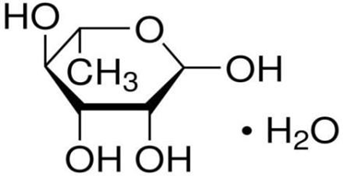
It is a disaccharide sugar made of two glucose units linked by an alpha-1,4 glycosidic bond. |
|
Convolvine |
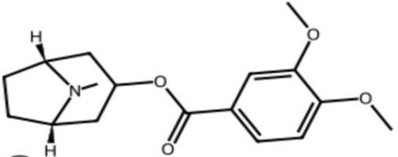
Convolvine is alkaloids present in the leaves and stem of this species. |
|
Convoline |
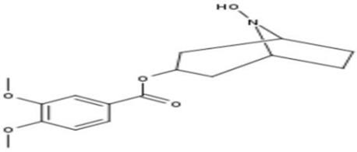
Convoline is a known chemical constituent of Convolvulus prostratus. It is one of several alkaloids present in this plant. |
|
Linoleic acid |
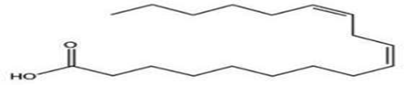
It is an unsaturated n-6 fatty acid present in this species. |
|
Starch |
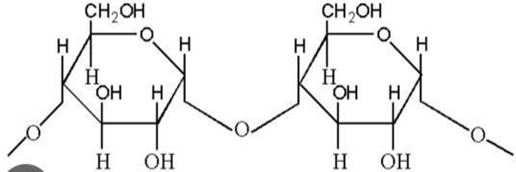
Research has identified starch as a chemical component present within the Convolvulus prostratus plant itself. |
|
Sitosterol |
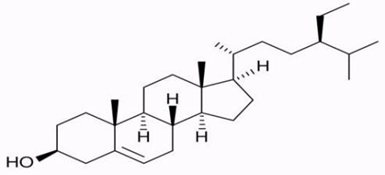
It is a phytosterol with chemical structure similar to chxolesterol, found in the Shankhpushpi plant. |

Fig. 2- Mechanism of Action
MECHANISM OF ACTION:
Shankhpushpi enhances cholinergic neurotransmission, which is vital for learning and memory. The alkaloids such as shankhpushpine and convolvine inhibit the enzyme acetylcholinesterase (AChE). This increases the level of acetylcholine (ACh) at synaptic junctions, leading to:
Mechanistic pathway: ↓AChE activity → ↑ Acetylcholine concentration → ↑ Synaptic transmission, Improved Cognition.
Shankhpushpi acts on GABAergic neurons and enhances GABA (gamma-aminobutyric acid) activity — the primary inhibitory neurotransmitter in the CNS. This produces a calming and anxiolytic effect.
It also regulates serotonin (5-HT) and dopamine levels, balancing mood and reducing anxiety.
Mechanistic pathway: ↑ GABAergic tone + balanced 5-HT & dopamine → ↓ Anxiety → Improved mental relaxation.
The herb contains flavonoids, phenolic compounds, and coumarins that exhibit strong antioxidant activity. These compounds scavenge reactive oxygen species (ROS) and reduce lipid peroxidation, thereby protecting neurons from oxidative stress–induced damage.
Enhanced antioxidant defense also supports neuronal longevity and prevents neurodegenerative changes.
Mechanistic Pathway: ↓ ROS & lipid peroxidation → ↑ Neuronal survival → Neuroprotection
It decreases Monoamine Oxidase (MAO) activity, leading to higher availability of monoamines (dopamine, serotonin, norepinephrine) essential for mood, alertness, and memory.
It also maintains membrane phospholipid composition, ensuring neuron membrane stability.
Mechanistic pathway: ↓ MAO → ↑ Monoamines → Better mood and cognition
Shankhpushpi enhances cerebral circulation by improving blood flow and oxygen utilization in brain tissue. This ensures optimal nutrient and oxygen delivery to neurons, which improves alertness and focus.
Mechanistic pathway: ↑ Cerebral perfusion → ↑ Oxygen & nutrient supply → ↑ Brain efficiency
Shankhpushpi acts as an adaptogen by stabilizing the Hypothalamic–Pituitary–Adrenal (HPA) axis. It helps reduce elevated cortisol levels during stress conditions and normalizes adrenal gland function.
This regulation decreases mental fatigue, promotes calmness, and enhances resilience to stress.
Mechanistic Pathway: ↓ Cortisol secretion → Normalized HPA axis → ↓ Stress response → Mental relaxation.

Fig.- Therapeutic potential of Shankhpushpi
Table 4 - Chemical constituents, parts and mechanism of action.
|
Chemical constituents |
Parts used |
Mechanism of action |
Diseases |
|
Flavonoids |
Leaves |
Antioxidant and anti- inflammatory properties |
Inflammation |
|
Glycosides |
Seeds |
Cardioprotective effects |
Cardiovascular diseases |
|
Saponins |
Roots |
Immune- modulatory, antiviral Activities |
Viral infections |
|
Alkaloids |
Whole plant |
Neuroprotective effects, enhancing neurotransmitters |
Neurological disorders |
|
Terpenoids |
Flowers |
Anti-anxiety and sedative effects |
Anxiety |
|
Phenolic compounds |
Aerial parts |
Antimicrobial and wound healing properties |
Infections, wounds |
|
B-Sitosterol |
Aerial parts |
Pro-apoptotic, anti- proliferative, antipyretic, and anti- inflammatory |
Fever, Inflammation |
|
Convoline |
Roots and aerial parts |
Anti-epileptic property |
Epilepsy |
|
Scopoletin |
Whole herb |
Action that are anti- fungal, anti-aging, Hypouricemic, and anti-allergic |
Fungal infection and allergy |
TRADITIONAL USES:
According to reports, this plant is a well-known memory enhancer, a psychostimulant a tranquilizer and a stress reliever. A relevant reference on the drug’s use as a brain tonic in hypotensive disorders can be found in Ayurvedic literature. The herbs pharmacological research has revealed a range of hypotensive and sedative properties. Clinical research has shown that C. pluricaulis has measurable positive effects on people with anxiety neurosis.

A. Health benefits of Shankhpushpi
Improves Cognitive Functioning:
Shankhpushpi is a traditional remedy for increasing the functioning of the brain. The powerful antioxidants and flavonoids present in it improve memory capacity, focus, concentration, alertness of an individual. Being a brain tonic and stimulator, people taking shankhpushpi improved memory, reasoning, problem-solving, and other cognitive abilities. The neuroprotective elements in the plant prevent loss of memory and relieve tension from the brain.
Reduces Mental Fatigue:
Mental fatigue is a condition of excessive and prolonged cognitive activity. It mostly occurs due to excessive work using a computer, watching television for hours, learning or memorizing activities, etc. and causes a person to lose concentration and feel lethargic. Shankhpushpi is a powerful memory booster that helps in enhancing the brain’s working capacity and reduce the loss of concentration. Intake of a decoction of a spoonful of shankhpushpi powder with a glass of water on a daily basis can do wonders in boosting your memory.
Shankhpushpi for Depression:
Shankhapushpi holds high significance due to its potent anti-stress, anti-depressive and anti- anxiety properties are extremely useful for treating different types of psychotic problems like depression, dementia, restlessness, etc. It balances the brain chemicals i.e. neurotransmitters and ups the secretion of dopamine which in turn keeps the serotonin level under control and helps to reduce various symptoms of anxiety which includes restlessness, uneasiness, cold hands, and feet, and helps in relaxing the mind and body.
Enhances Cardiac Functioning:
Shankhpushpi is extremely effective in treating various heart ailments due to its strong antioxidative nature. It strengthens the heart muscles and prevents lipid build up in the blood vessels. The bioactive constituents like the ethanolic extract reduce the levels of non- esterified fatty acids i.e. NEFA, and hence reduces the risk of heart attacks, heart blocks, blood clots, etc. It also plays a key role in lowering the levels of cholesterol in the blood.
Stimulate Digestion:
The digestive properties found in this traditional herb is found to be extremely beneficial in improving digestion. It stimulates the secretion of digestive juices thereby increasing the absorption of essential nutrients and enhancing digestion. It also prevents fluid retention and treats symptoms of abdominal pain, abdominal distension, ulcerative colitis, and irritable bowel syndrome.
Shankhpushpi for Neural Diseases:
This memory-boosting herb is a magical remedy for a host of psychotic diseases like epilepsy, dementia, Alzheimer’s as it prevents the destruction of neurons and improves cognitive functioning. Also Read: World Alzheimer’s Day: Try These Nutritious Smoothies to Enhance Brain Function.
Nootropic Activity:
Volatile oil, fatty acids, flavonoids like kaempferol and hydroxycinnamic acid, b-sitosterol and carbohydrates like glucose, rhamnose, sucrose, etc. are all present in C. prostratus giving it nootropic properties. Convolvine an alkaloid in this herb has also been discovered to block the M2 and M4 cholinergic muscarinic receptors. Convolvine also helps arecoline, another muscarinic memory booster, work more effectively giving C. prostratus nootropic properties
SHANKHPUSHPI FORMULATIONS:
Shankhpushpi is widely available in the market in various forms like tablets or capsules known as gutikas, powder or churna, juices syrups and oil.
Shankhpushpi Syrup
Shankhpusphi syrup is an excellent ayurvedic formulation which works wonders in enhancing brain power and memory. It is highly beneficial in treating mental issues, forgetfulness and poor concentration. The herb acts on brain and nerves cells thereby enable to calm the mind, lowers anxiety, mental pressure, stress and depression. It is best suggested for enhancing learning abilities and stimulating intelligent quotient in children, while it is also valuable in preventing dementia and memory loss in older people. The powerful combination of shankhpusphi and Brahmi in the syrup functions as an amazing brain stimulant.
Shankhpushpi Powder:
The powder can be infused in lukewarm milk and can be ingested in the morning preferably after meals. Used on a daily basis, it is extremely beneficial to boost memory.
Shankhpushpi Juice:
The juice can be mixed with water or taken as shots twice a day to prevent memory loss and boost brain functioning.
Shankhpushpi oil:
Massaging the forehead and scalp with the oil relieves from stress and headache.
Shankhpushpi Decoction:
Boil 1 teaspoon of shankhpushpi powder with a cup of water. Cool, filter the liquid and apply it over the wounds dabbed in cotton to eliminate germs and enhance quick healing.
MODERN PERSPECTIVE AND FUTURE DIRECTIONS:
Taxonomic clarification
Establish and promote one authentic botanical source for standardization.
Drug discovery and development
The bioactive compounds identified in Convolvulus prostratus hold promise as lead molecules for drug development. Further research is required to isolate, characterize, and evaluate these compounds for their therapeutic potential against various diseases.
Clinical Trails
To establish the safety and efficacy of Convolvulus prostratus for human use, well designated clinical trials are essential. These trails should evaluate its potential benefits and side effects across different patient populations.
Combination Therapy Research
Study synergistic effects with other Ayurvedic herbs like Brahmi and Ashwagandha.
Formulation Development
Design novel dosage forms like nanoparticles, liposomes or nasal sprays for improved brain bioavailability. Techniques like nanotechnology and microencapsulation could enhance the stability and bioavailability of its bioactive compounds.
Global Recognition
Promote Shankhpushpi as a natural nootropic in global herbal markets through validated scientific data.
CONCLUSION:
Present review discusses the plant profile, pharmacognosy, pharmacology, phytochemistry of the herb Convolvulus prostratus. It is a perennial herb that seems like morning glory. Shankhpushpi is a highly valued traditional herb widely recognized for its potent neuropharmacological and adaptogenic properties. Modern pharmacological studies have validated its traditional use as a memory enhancer, anxiolytic, antidepressant, and neuroprotective agent. The presence of bioactive constituents such as alkaloids, flavonoids, and glycosides contributes to its therapeutic potential in managing cognitive disorders, stress, and neurological diseases. Despite promising preclinical data, further systematic clinical trials, standardization of extracts, and elucidation of molecular mechanisms are essential to confirm its efficacy and safety. Future research focusing on formulation development, synergistic herbal combinations, and pharmacokinetic studies can help in establishing Shankhpushpi as an evidence-based phytotherapeutic agent for brain health and mental wellness. Clinical trials are necessary to establish its safety and efficacy in humans. Incorporating Convolvulus prostratus into modern medicine could offer a valuable addition to the existing pharmacological armamentarium.
REFERENCES


Vaishnavi Pondkule, Shubhangi Pawar, Bhagyashri Pilane, Sonali Pore, Tejaswini Adsul, Shankhpushpi (Convolvulus prostratus): Natural Brain Booster and Nootropic Herb, Int. J. of Pharm. Sci., 2026, Vol 4, Issue 1, 2377-2389. https://doi.org/10.5281/zenodo.18340628
 10.5281/zenodo.18340628
