
1, 4 Rungta Institute of Pharmaceutical Sciences, Bhilai
2, 3 Rungta Institute of Pharmaceutical Sciences & Research, Bhilai.
The aim of this study is to know about the herbal extract used in the treatment of acne which is the common problem in adults. There are many compounds present in the herbal form which are commonly used in treatment of acne like aloe vera, honey, turmeric, neem, rice, beetroot, tea tree oil, clove oil and many more. Individual herbal extract has their own specific properties which play an important role in the treatment of acne. Aloe vera properties has been known from reports about its moisturising, antiacne, antibacterial, smoother skin properties and help removing acne scars. According to reports, tea tree oil and clove oil contain antiviral, anti-inflammatory, antioxidant, and anti-acne qualities.
1.1 Skin:
Skin is the largest organ of the body because it covers about 15% of the total body weight of an adult. It has various functions like body temperature regulation, protects the body from external factors it can be physical, chemical or biological and prevents the excessive absorption of water in body
1.2 Layers of skin:
1.2.1 Epidermis layer: the epidermis layer of skin is the outermost layer of skin. It basically provides protection against external factors like heat, water, insects, etc. It acts like a waterproof barrier to the body which prevents excessive absorption of water.
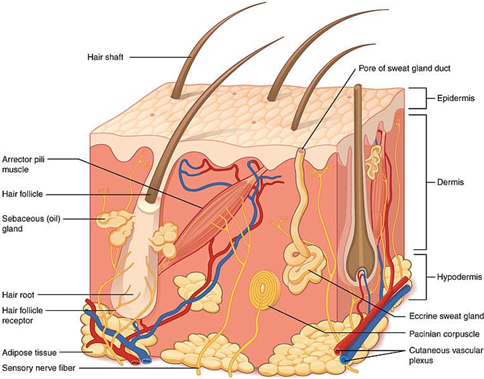
1.2.2 Dermis layer: the dermis layer is present beneath the epidermis layer of the skin. Dermis layer consists of tough connective tissue, sweat glands and hair follicles.
1.2.3 Hypodermis layer: the hypodermis layer of the skin is the innermost layer of the skin. It is also known as subcutaneous layer thus this layer consists of fats.
2.Acne vulgaris:
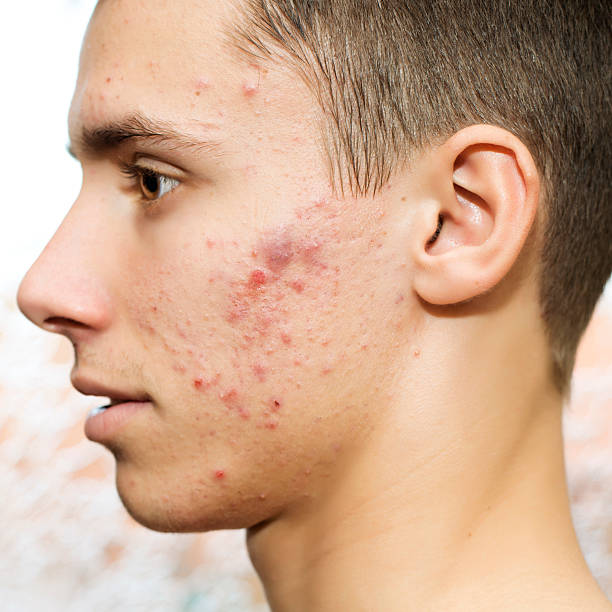
Acne vulgaris or acne is a human skin condition, is characterized by seborrhea, or scaly, red skin, blackheads, and Pimples, scarring, big papules (nodules), whiteheads (comedones), and pinheads (papules). Skin area with thick sebaceous follicles, such as the chest, back, and face is more affected by acne. It can be Inflammatory and non-inflammatory types of acne both possible. Increase stimulation in Androgen causes lesions because it changes the pilosebaceous units. In both women and men, acne typically occurs by an increase in androgen levels, such as testosterone, mainly during puberty. With age, acne tends to diminish and eventually go away.
2.1 Epidemiology:
About 9.4% of the population is affected by acne which was reported in 2010. It mainly affects people during their teenage years or sometimes at adulthood this commonly occur during the time of puberty because of hormonal imbalance its reported about 90%. 20% of people suffer from moderate to severe conditions of acne which leads to lowering self confidence in an individual. Females are more affected by the acne as compared to males, in females its about 9.8% and in males its 9.0%. Acne as skin condition is common in people, about 90% of population is suffering from acne.
2.2 Etiology:
Acne basically occurs due to the blockage of follicles, over production of keratin, a tough protein leads to blockage of follicles and cause acne. Excessive androgen production, sebaceous glands are enlarged and sebum production is increased. Blackheads may occur due to the enlargement of sebum. The blockage leads to the failure of cells to shed normally and results in acne.
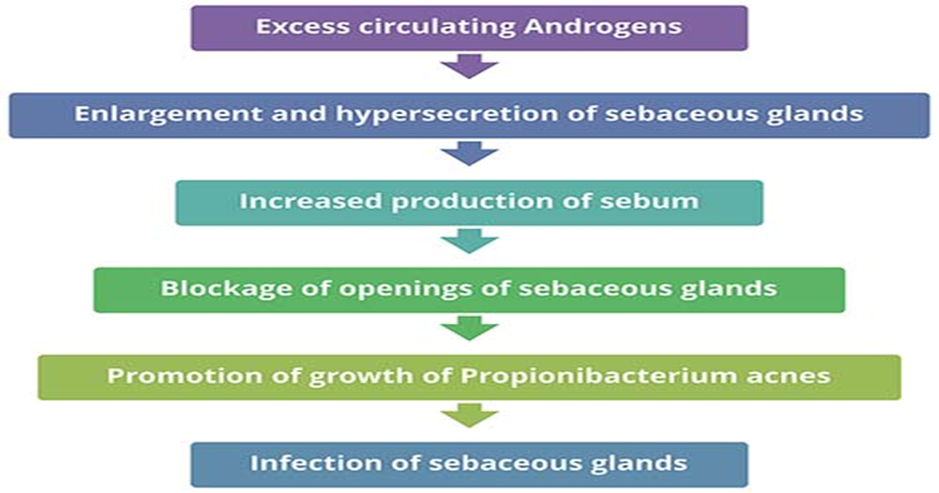
There are various factors by which the acne occurs, some of them are mentioned below -
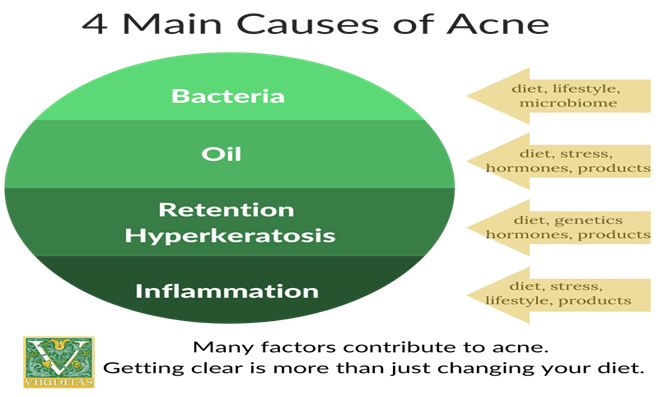
2.3 Pathogenesis:
Acne is brought on by bacterial growth and inflammation in the pilosebaceous units. The body's hormone levels change the pilosebaceous gland's function, which causes acne. Stronger intracellular adhesions and less shedding are the outcomes of follicular epithelial cells' abnormal differentiation. As a result, microcomedones or hyperkeratotic plugs form that develop into open or closed, non-inflammatory comedones. The primary cause of acne is androgens, which trigger the creation of sebum. Generation that alters the skin's normal composition and causes comedones to grow flora is associated with the production of androgen related.
Herbal ingredients used in management of acne vulgaris:
Aloe-vera:
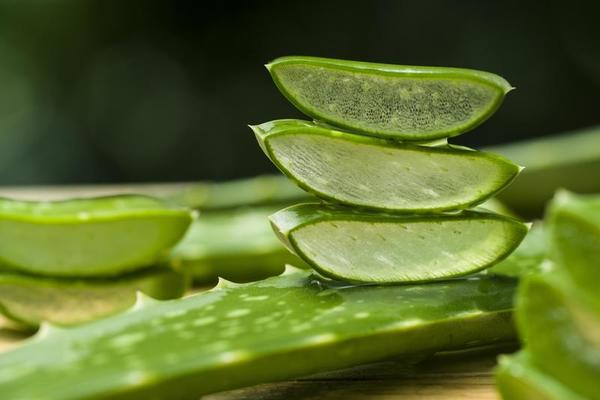
Synonyms: Aloe, Aloe Indica
Biological name: Aloe Barbadensis
Biological Source: Dried Juice of the leaves of Aloe barbadensis Miller (curacao aloes), Aloe perryi Baker (socotrine aloes).
Family: Liliaceae
Chemical constituent:
Uses:
Properties:
Turmeric:
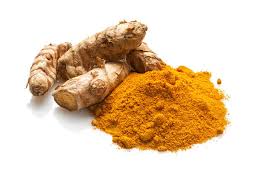
Synonyms:Indian saffron, haldi
Biological name: curcuma longa
Biological source: dried rhizomes of curcuma longa.
Family: zingiberaceae
Chemical constituents:
Uses:
Properties:
Neem:
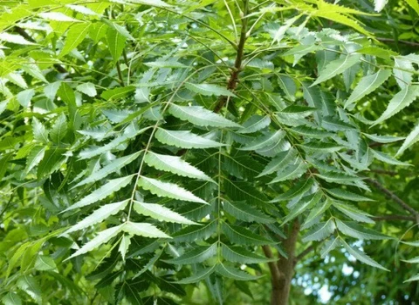
Synonyms: Holy tree, Indian lilac, margosa
Biological name: Azadirachta indica
Biological source: aerial parts of the plant, azadirachta indica. These includes leaves, bark and seed.
Family: meliaceae
Chemical constituents:
Uses:
Properties:
Honey:
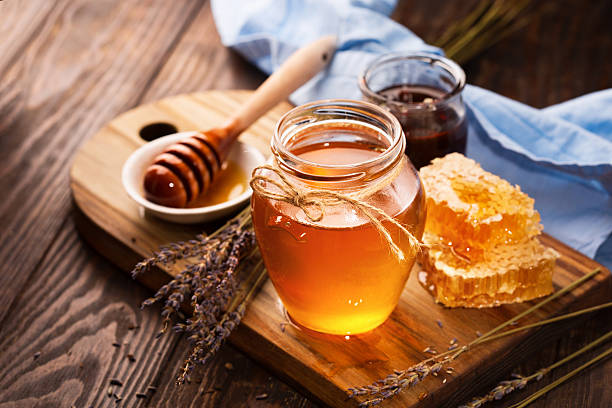
Synonyms: madhu, mel
Biological name:
Biological source: a sweet secretion made by various species of bees, such as apis mellifera, apis indica and apis dorsata. The bees collect nectar from flowers and convert it into honey through enzymatic action.
Family: Apidae
Chemical constituents:
Uses:
Properties:
Rice:
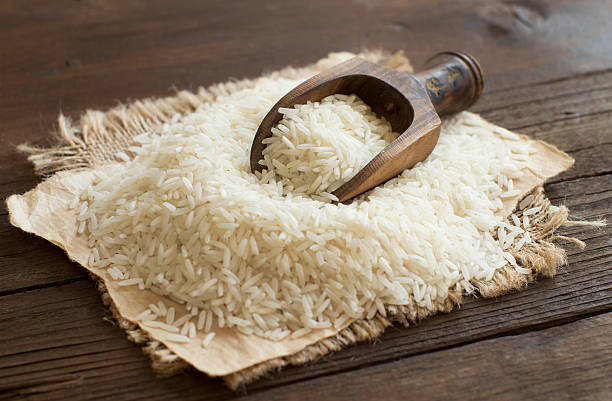
Synonyms: Asian rice, Indian rice.
Biological name: Oryza sativa
Biological source: dried plant of Oryza sativa
Family: poaceae
Chemical constituent:
Uses:
Beetroot:
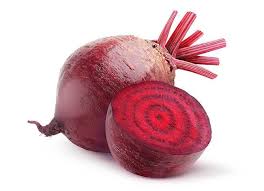
Synonyms: beet, garden beet, sugar beet, swiss chard, mangold
Biological name: beta vulgaris
Biological source: the fresh root of the beta vulgaris plant.
Family: amaranthaceae
Chemical constituents:
Uses:
Properties:
Clove:
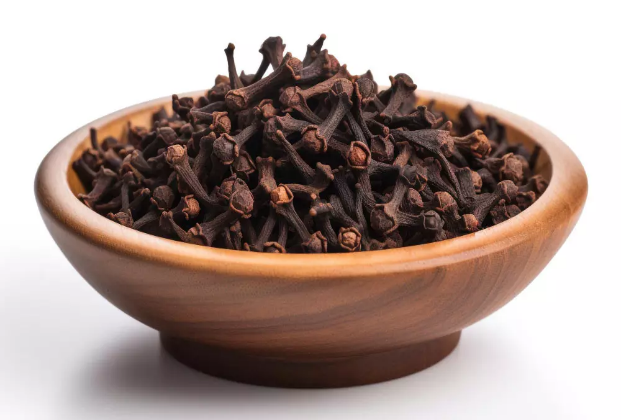
Synonyms: Caryophyllum, Clove Flower, Clove bud, Lavang
Biological Source: It consists Dried flower buds of Eugenia Caryophyllus
Family: Myrtaceae
Chemical Constituents:
Uses:
Properties:
Tea tree oil:
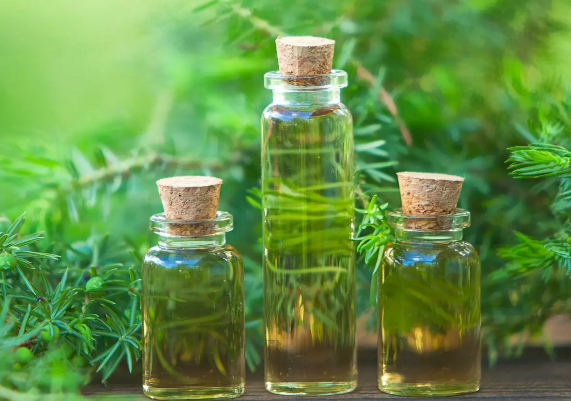
Synonym: Paperbark tree
Biological name:melaleuca alternifolia
Biological Source: Extract from dried leaves and terminal branches of Melaleuca alternifolia
Family: Myrtaceae
Chemical Constituents:
Uses:
Properties:
CONCLUSION
The study investigated the herbal extract used in the treatment of acne vulgaris. There are various properties in different herbal extracts like antioxidants, anti-inflammatory, antimicrobial, anti-acne, anti-fungal, anti-bacterial etc in herbal product aloe vera, turmeric, neem, beetroot, honey, rice, clove, tea tree oil, these all properties are present in extracts, thus involves in the treatment of acne. Acne leaves marks known as pigmentation can also be treated at the same time. Extracts with antioxidant properties are responsible for reducing the pigmentation.
REFERENCES

Bhoomika Sahu, Praveen Kumar Sahu, Dr. Gyanesh Kumar Sahu, Dr. Chanchal Deep Kaur, Topical Herbal Agent for Management of Acne: A Comprehensive Review of Ingredients, Int. J. of Pharm. Sci., 2026, Vol 4, Issue 4, 183-190 https://doi.org/10.5281/zenodo.19383416
 10.5281/zenodo.19383416
