
Dattakala College of Pharmacy, Swami Chincholi, Bhigwan, Daund, Pune, Maharashtra, 413130
The aim of this study was to develop simple, advance, accurate and precise method for the quantification of Montelukast and Rupatadine in Pharmaceutical Dosage form and Bulk by using high Performance Liquid Chromatography (HPLC) technique.The chromatogram was run through a Kromosil C18 Column, 5 µm, 4.6 mm X 150 mm, with a mobile phase containing Buffer 0.01N Potassium dihydrogen phosphate: Acetonitrile taken in a ratio of 70:30 %v/v pumped through the column at a flow rate of 1.0 ml/min. The optimal wavelength chosen for this method was 232.0 nm, and Retention time of Montelukast and Rupatadine were found to be 2.361 min and 3.100 min. %RSD of the Montelukast and Rupatadine were and found to be 0.6% and 0.4% respectively. %Recovery was obtained as 100.22% and 99.00% for Montelukast and Rupatadine respectively. LOD, LOQ values obtained from regression equations of Montelukast and Rupatadine were 0.02, 0.06 and 0.02, 0.06 respectively. %Assay was obtained as 99.76% and 99.37% for Montelukast and Rupatadine respectively. Regression equation of Montelukast is y = 84727x + 8121.7, y = 59604x + 5241.2 of Rupatadine, the developed method was also applied to monitor the forced degradation studies on the drug for testing for its ability to resolve the drug from their degradation products. The specificity of the developed method was evaluated by applying acid, base, oxidation, thermal, photolytic and neutral stress conditions to the drug. It was concluded that the estimation of Montelukast and Rupatadine in bulk and its pharmaceutical dosage form was found to be successfully conducted by using the method.
Tridax procumbens Linn., it is a topical plant that is native to tropical and subtropical regions. a member among the Asteraceae relatives. Actually, it is referred to as Tridhara or Bishalyakarani in West Bengal . It is a tiny, semi-prosthetic, herbaceous creeper weed with short, hairy leaves that resemble blades that can be annual or perennial. Corolla has a yellow hue. The stem is elongated, branching, sparsely hairy, and roots at nodes. It can reach a height of 20 to 60 cm. Simple, opposite, stipulate, lanceolate, or ovate leaves are available. 4–8 cm in length, with a toothed edge, An elongated foundation, a brief petiole, as well hair regarding both surfaces. The yellow, hairy flowers have a tubular form with a capitulum inflorescence. Ray florets and disc florets are the two floral kinds found on the plant . The plant is examined to check for the presence of components of phytochemistry and antioxidant attributes . The plant has demonstrated efficacy intreating a number of circumstances, such as the healing of wounds , diarrhoea , schizophrenia, malarial illness , nausea, diarrhoea, elevated BP, insulin , haemorrhage, and metabolic syndrome . The examination of phytochemicals showed existence of carotenoids, alkaloids, tannins, saponins, and flavonoids (catechins and flavones) . Several synthetic medications made by the pharmaceutical industry have occasionally led to The appearance of resilient microorganisms, which is now an important worldwide issue in the therapy for infectious illnesses. It's been demonstrated that antibacterial medications derived from plants are effective and have fewer side effects . Approximately twenty-five Thousand species make up the Asteraceae family, A large number of which are rich in further metabolites having physiological function . The phytochemicals found in fruits and vegetables, like phenolics, pigments, and fat soluble vitamin and ascorbic acid of water soluble vitamin , are mostly responsible for these health advantages. vegetation containing one or more sets of hydroxyls attached to one or more fragrant rings produce secondary metabolites called polyphenols. Thousands of polyphenolic chemicals have been found in higher plants, including food plants. The two primary categories of plant polyphenols are flavonoids and non- flavonoids.
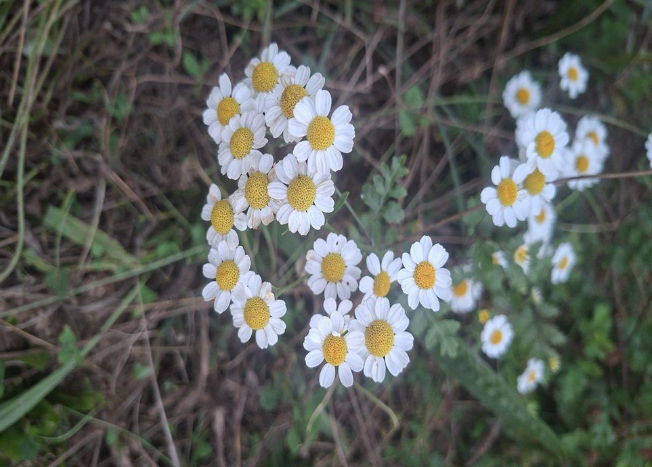
Fig : Tridax Procumbens
1.1 Scientific categorising:
Synonym
1.2 Preparation of cultivate extract:
Tridax procumbens fresh leaves were washed and patted dry. In a mixer, the 700 g of leaves were pulverised without the addition of water or any other material. Juice from 600 cc of leaves was extracted by straining the extract through muslin cloth. After that, a 300 ml filtratewas centrifuged at 1000 rpm for 15 minutes using an Eppendorf centrifuge. A 225 ml supernatant was extracted from this. For fifteen to twenty minutes, the supernatant solution was frozen using dry ice and acetone.
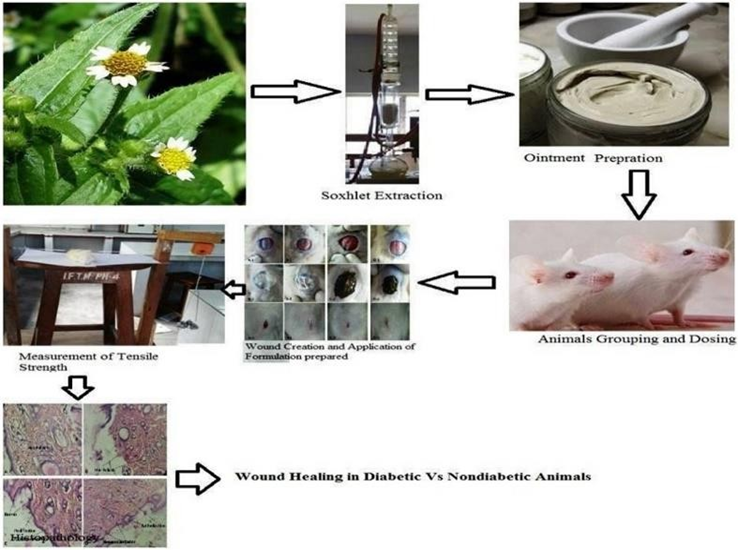
Fig 1 preparation of cultivate extract.
After that, the frozen compound was stored in a freeze dryer for 24 hours under vacuum and at -47 0 C for lyophilization. Following full drying, a about 5 g water soluble leaf extract powder was produced. By dissolving the powdered substance made from the extract of Tridax procumbens leaves in normal saline, it was given orally at various doses. Two drops of Tween 80 and 0.5% (w/v) methyl cellulose were added to a suspension of tramadol hydrochloride. Diclofenac sodium was given in a standard saline solution.
1.3 GOALS:
- To extract the Tridax procumbens leaves using an appropriate solvent (ethanol). The use appropriate chemical separation to recover the chemical ingredient from the crude extract of Tridax procumbens leaves.
- To use spectroscopic and chemical analysis to analyse the chemical group present in the crude extract of Tridax procumbens leaves in order to gain a general understanding of the compound present in the extract
1.4 BOTANICAL MORPHOLOGY [20,21]
LEAVES:
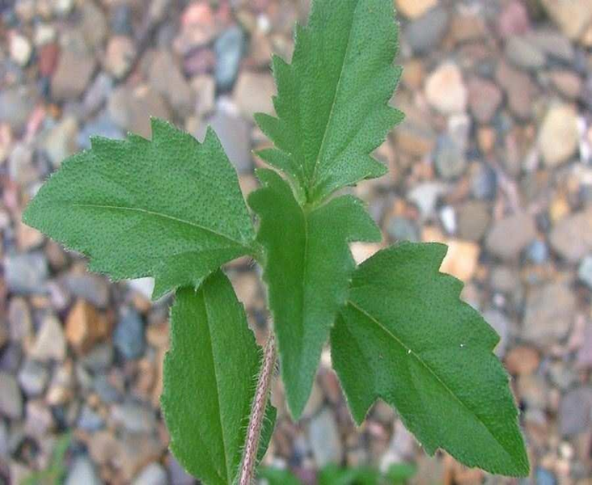
Fig. 2. Leaves of tridax procumbens
The leaves are lanceolate, simple, ovate, opposite, exstipulate, and irregularly toothed, with an overall arrowhead shape. They measure 3-7 cm. basal lead with a wedge form, small petioles, and hairy surfaces on both sides.
STEM:
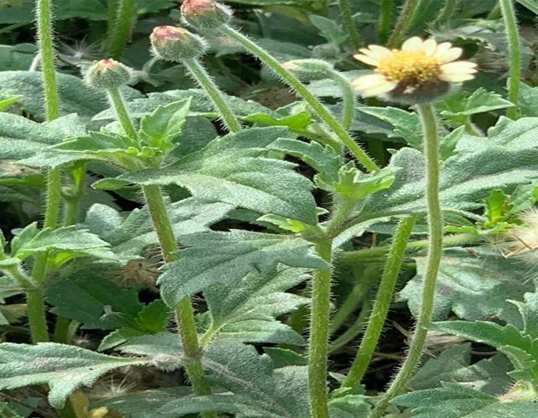
Fig. 3. Stem of tridax procumbens
The plant stem is rooted at nodes and ascends to a height of 30 to 50 cm. It is sparsely branched
FLOWER:
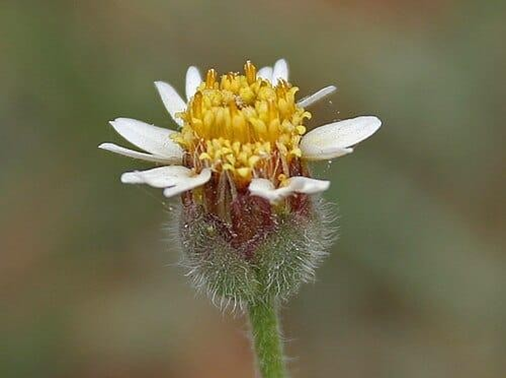
Fig. 4. Flower of tridax procumbens
FRUIT:
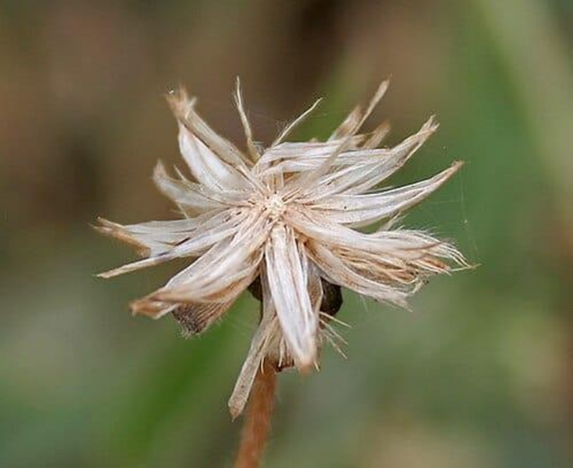
Fig. 4. Fruit.
SEED:
Produlous embryo endosperm is lacking from plant seeds.
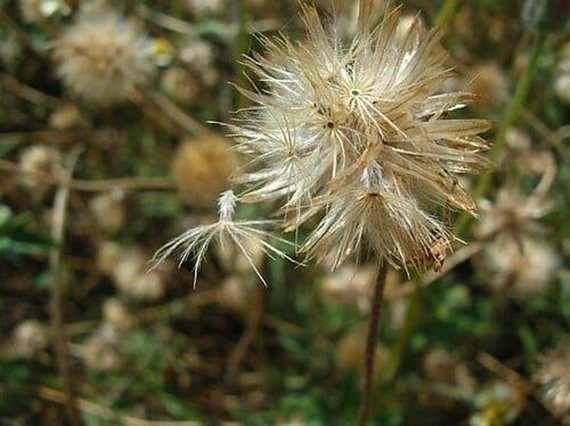
Fig. 5. Seed.
Table. 1. Morphology of tridax procumbens plant.
|
Root |
branching, suberect, pilose (thickly hairy), creeping at the base, or trailing above. |
|
Leaves |
Acute apex, simple, opposite, elliptic-rhomboid, ovate-lanceolate, or elliptic rhomboid, cuneate base, clearly hispid, and serrated to the coarsely dentate. |
|
Flowers/ Inflorescence |
Heads are actinomorphic, pentamerous, and bisexual. single, 1.2–1.5 cm across, with several yellowish tubular–campanulate disc floret involucres per head. The length of the poduncle is 10–30 cm. |
|
Calyx |
reduced to pappus, characterised by scales. |
|
Fruit |
Stiff hairs covering a hard achene fruit at one end. Its white pappus is fluffy and resembles a plume. |
|
Seed |
There is no endosperm in the plant seeds because the embryo is pendulous. |
|
Root |
Taproot framework |
1.5 Common names of T. procumbens:
|
Country/ language |
Vernacular Names |
|
English |
Coat buttons, Tridax daisy |
|
French |
Herbe Caille |
|
Latin |
Tridax procumbens (Linn.) |
|
Malayalam |
Chiravanak |
|
Marathi |
Dagadi Pala |
|
Oriya |
Bishalya Karani |
|
Sanskrit |
Jayanti Veda |
|
Spanish |
Cadillo, Chisaca |
|
Telgu |
Gaddi cheanthi |
|
Tamil |
Thata poodu |
|
Australia |
Tridax daisy |
|
Brazil |
Erva de Touro |
|
Burma |
Mive Sok Ne-gya |
|
Burundi |
Agatabi |
|
Colombia |
Cadillo Chisaca |
|
Cuba |
Romerillo de Loma, Romerillo |
|
Dominican Republic |
Piquant Jambe |
|
El Salvador |
Hierba del Toro |
|
Fiji |
Wild Daisy |
|
Ghana |
White-dirty Cream, Nantwi bini |
|
Gautemala |
Bull Grass, Bull’s herb |
|
Hawaii |
Tridax |
|
Hondurus |
Hierba del Toro |
|
India |
Bisalyakarmi, Mukkuthipoo, Phanafuli, Tunki, Ghamara, Javanti Veda, Dhaman grass, Vettukkayapoondu, Vettu kaaya |
|
Indonesia |
Gletang, Gletangan, Sidowlo, Tar Sentaran |
|
Jamaica |
Bakenbox |
|
Japan |
Kotobukigiku |
|
Java |
Songgolangit |
|
Madagascar |
Anganiay |
|
Malaysia |
Coat Buttons, Kanching Baju |
|
Mauritius |
Herbe Caille |
1.6 Different Chemical Constituents Isolated from Tridax procumbens
|
Sr. No |
Chemical constituent |
Chemical Unit |
Molecular Formula |
|
1. |
Alkaloid |
Trypthanthrin |
C15H18N2 O2 |
|
Betulinic Acid |
C30H48O3 |
||
|
Stigmasterol |
C29H48O |
||
|
2. |
Flavonoids |
Quercetin |
C15H10O7 |
|
Luteolin |
C15H10O6 |
||
|
Kaempferol |
C15H10O6 |
||
|
Catechin |
C15H14O6 |
||
|
3. |
Saponins |
Disogenin |
C27H42O3 |
|
Oleanolic acid |
C30H48O3 |
||
|
Hederagenin |
C30H48O4 |
||
|
Campesterol |
C28H48O |
||
|
4. |
Tannis |
Ellagic acid |
C14H6 O |
|
Gallic acid |
C7 H6 O5 |
||
|
Catechin |
C16H14O6 |
||
|
5. |
Phenolic compound |
Caffeic acid |
C9 H8 O4 |
|
Chlorogenic acid |
C16H18O9 |
||
|
Ferulic acid |
C10H10O4 |
||
|
6. |
Terpenoids |
Eugenol |
C10H12O2 |
1.7 PHARMACOLOGICAL ACTIVITIES
The wide variety of secondary metabolites in Tridax indicate the potential pharmacological properties of this species, however, we have also seen its use in allopathic medicine. These compounds have been used for their properties in preventing anemia, protecting the liver, strengthening immunity, antioxidant activity, anticarcinogenic, antibacterial, antifungal, antiparasitic, antiplasmodial and antiviral. This species can serve as a bridge between traditional and western medicine because of its pharmacological potential. There is a need to further isolate and characterize the active ingredients. No research shows whether there are changes in activity during the preparation and isolation of pharmacological compounds.
Tridax procumben has various potential restorative activities such as antimicrobial activity, antioxidant antioxidant activity: antibiotic activity, wound healing activity, insecticidal, anti-inflammatory, diarrhea and dysentery activity.
Tridax procumbent shows other activities such as antidiabetic, anticarcinogenic, cardiovascular effects, anti-juvenile hormonal activity, leishmanicidal activity, anti-tuberculosis potential, etc.
1.7.1 Antimicrobial Activity
The ethyl acetate and methanolic extracts of Tridax procumbens were evaluated against different bacterial strains using Disc diffusion and Agar well diffusion methods. The ethyl acetate extracts were more effective compared to the methanolic extracts in both methods. Specifically, the ethyl acetate extract exhibited a larger zone of inhibition against Staphylococcus aureus, Salmonella typhi, and Bacillus cereus, while the methanolic extractonly showed significant inhibition against Escherichia coli in the Disc diffusion method. In the Agar gel diffusion method, the methanolic extract displayed antimicrobial activity against Staphylococcus aureus, Klebsiella pneumoniae, Salmonella typhi, and Escherichia coli, whereas the ethyl acetate extract had significant inhibition zones against Staphylococcus aureus, Klebsiella pneumoniae, Salmonella typhi, Escherichia coli, andBacillus cereus. The ethyl alcohol-extracted Tridax procumbens leaf was identified as the most effective antimicrobialagent against Pseudomonas vulgaris. The ethanol extract exhibited strong antibacterial activity against various Gram-negative and non-fermentative agents, including drug-resistant Pseudomonas strains associated with nosocomial infections. Plant compounds like flavonoids and tannins found in the extract contribute to its antibacterial actions, such as inhibiting DNA gyrase, cytoplasmic membrane function, and energy production.In one study, n-hexane extract of T. procumbens was effective against pathogens such as Mycobacterium smegmatis, Klebsiella species and Salmonella species, the ethyl acetate extract active against Mycobacterium smegmatis and Staphylococcus aureus. These different antibacterial activities may be due to the presence of Carbon dioxide mixture in n-hexane extracts such as neophytadine and long chain fatty acids such as hexadecanoic acid. Inside cases of ethyl acetate extract, fatty acids, aromatic compounds, polyaromatic carboxylic acids, polysubstituted phenols and thiols were reported. Endophytic microorganisms, including fungi or bacteria, have been documented to produce antifungal agents. Such as pseudomycins, ecomycins and antibacterial agents such as indole terpene compounds. Fungi or bacteria Endophytes (BE) are considered a potential source of new antibiotics. In a recent study, improving the tests Dermatophyte lesions caused by T. procumbens plant extract demonstrate the existence of an antifungal principle for treatment. Dermatophytosis. In addition, this plant is also known for its antibacterial properties. Analysis of fifty books Endophytes from the leaves and stems of T. procumbens showed association with the bacillus species Cronobacter sakazakii. Enterobacter species, Bacillus spharicus Lysini, Pantoea species, Pseudomonas species. And Terribacillus saccharophilus and growth.Bacterial endophytes associated with the roots of T. procumbens can be used for the bioavailability of heavy metals.Mushroom Endophytes have antibacterial activity against T. procumbens. In experimental research, outside of Six endophytic fungi (TP-1 to TP-6) were isolated from T. procumbens leaves, TP- 1 was Alternaria sp. has been shown High antibacterial activity against Escherichia coli, Salmonella typhi, Bacillus sp., Pseudomonas aeruginosa, Staphylococcus aureus and Klebsiella pneumonia.
1.7.2 Antifungal Activity
The proliferation study of Tridax on a Linn plate was carried out against two infectious pathogens. The minimum inhibitory concentration (MIC), the minimum fungicidal concentration (MFC) and the absolute movement were also evaluated to ensure the antifungal capacity of each dynamic concentration. Flavonoid extracts showed surprising activity against A. Niger, although alkaloid extracts were considered inert against two parasites tested.A remarkable antifungal potential was recorded with the expectation of a complementary flavonoid from the stem and a related flavonoid from the stem and flower. A study on A.niger showed that Tridax procumben can be used as a source of antifungal drug formulation for the treatment of diseases caused by A.niger. The effectiveness of Tridax procumbens in treating fungal infections has not been fully confirmed. If considering the use of Tridax procumbens or its extracts for medical purposes, it is recommended to consult with a healthcare professional for advice and to use it in conjunction with traditional antifungal treatments. Tridax procumbens contains a variety of phytochemicals such as flavonoids, alkaloids, tannins, saponins, and terpenoids, some of which are thought to contribute to its medicinal properties, including its antifungal effects. However, the authors do not describe which bioactive compounds are responsible for the antifungal properties of. The authors suggest that these compounds may be derivatives and components of fatty acids, but it is not proven for this.
1.7.3 Antibacterial activity
Tridax procumbens extracts have broad-spectrum antibacterial activity, meaning they can inhibit the growth of or kill a wide range of Gram-positive and Gram-negative bacteria. This includes pathogenic bacteria responsible for various infections
1.7.4 Antioxidant Activity
Tridox procumbens contains all phenols it is referred to as acetic acid equivalent (GAE). Phenolic content is above 12 mg/g GAE. This The result shows that there is a connection between phenol content in medicinal plants and antioxidant activity chloroform does not dissolve A fraction of Tridox autonol extract procumbens to D-galactosamine Lipopolysaccharide (Dgaln\LPS)-induced cancer. In procumbent Tridax mice it is very effective Oxidative reduction by D-galn\LPS Stress shows its antioxidant properties. ONE Many historical reports confirm this Detection of plant-like selective metabolites Flavonoids, tannins, catechins and other phenols. This compound has the ability to enhance the cells work.
Tridax procumbens, which helps protect cells from damage caused by oxidative stress, a process that affects many chronic diseases. and aging they work by eliminating harmful molecules called free radicals that can damage cells and The development of various health problems. They contain various biological compounds that exhibit antioxidant properties, including flavonoids.
1.7.5 Anticancer Activity
Anticancer activity of essential oil under laboratory conditions obtained from T. procumbens leaves were screened for the MCF-7 cell line using the MTT method, the results showed that essential oil was important the anticancer activity is related to the presence of the important factor Terpenes such as α-pinene and β-pinene. Blue and acetate lead flowers an extract from the plant Tridax procumbens was also tested against epiprostata. PC3 cancer cells by measuring cell viability by the MTT method. particle for the correct object .The diagnosis is based on the activity of mitochondrial enzymes in living cells To reduce the yellow metal salt of MTT to blue violet Sedimentation was determined by spectrophotometric method at 570 nm wavelength. The analytical results showed the anti-cancer activity of raw flower withdrawal Anticancer activity of essential oil under laboratory conditions obtained from T. procumbens leaves were screened for the MCF-7 cell line Using the MTT method, the results showed that essential oil was important . The anticancer activity is related to the presence of the important factor Terpenes such as α-pinene and β-pinene. Blue and acetate lead flowers an extract from the plant Tridax procumbens was also tested against epiprostata. PC3 lellial cancer cells by measuring cell viability by the MTT method. Particle for the correct object the diagnosis is based on the activity of mitochondrial enzymes in living cells to reduce the yellow metal salt of MTT to blue violet Sedimentation was determined by spectrophotometric method at 570 nm wavelength. The analytical results showed the anti-cancer activity of raw flower withdrawal. Tridax procumbens has shown potential anticancer activity in preliminary studies due to its rich content of bioactive compounds, such as flavonoids, tannins, saponins and phenolic compounds. These compounds may inhibit cancer cell growth and induce apoptosis (programmed cell death), making Tridax procumbens a promising plant for further anticancer research. Here’s an overview:
Mechanisms of Anticancer Activity
Induction of Apoptosis: Compounds in Tridax procumbens, such as flavonoids and phenolic acids, have been found to trigger apoptosis in cancer cells. This process involves activating pathways that lead to the controlled death of cancer cells, preventing their growth and spread.
Ant proliferative Effects: Tridax procumbens extracts have been shown to slow down the proliferation of certain cancer cells, particularly in studies on breast, liver, and colon cancers. By inhibiting the rapid division of cancer cells, these extracts may help in controlling tumor growth.
Free Radical Scavenging: Oxidative stress is a known factor in cancer development. The antioxidant properties of Tridax procumbens, thanks to its flavonoid and phenolic content, can help neutralize free radicals, which may reduce the risk of DNA damage and mutations associated with cancer initiation.
Inhibition of Angiogenesis: Some studies suggest that Tridax procumbens may inhibit angiogenesis the process by which tumors develop their blood supply, which is essential for their growth. This may be due to specific compounds in the plant that interfere with the formation of new blood vessels around tumors.
1.7.6 Wound Healing
Traditionally, the juice of T. procumbens leaves has been used to heal skin wounds. Thewound healing process involves three phases, namely inflammation, angiogenesis and collagen deposition. In a cutand incision wound model in Wistar rats, aqueous and ethanolic extracts of
T. procumbens increased the wound tensile strength compared to control rats. In addition,wound healing biomarkers such as hydroxyproline, collagen, and hexosamine were significantly increased.(61) The wound healing capacity was also confirmed by a topical ointment formulation based on T. procumbens leaf extract in a mouse model, where a dose- dependent improvement in cell proliferation and remodeling injury was observed.
2. LITERATURE REVIEW
This study shows the importance and need for more research on plants known for use in traditional medicine, which can lead to the discovery and creation of new conventional medicines. Tridax procumbenshas a long history of traditional use, but the isolation and evaluation of each phytochemical is not correctly correlated with its pharmacological properties and may present difficulties in reproducibility after isolation and evaluation.
Herbal medicine has become of global importance, both medically and economically. Although the use of these medicinal herbs has increased, their quality, safety and efficacy are serious concerns in both industrialized and developing countries. Herbal remedies are increasingly supported by patients because they are free from the typical side effects of allopathic medicines.
T. procumbens Linn. although native to tropical America, is also found in India, tropical Africa, Asia, Australia and India as a climbing weed. T. procumbens has been traditionally used in the Ayurvedic system for centuries and has many pharmacological properties including healing, antioxidant, antibacterial, antifungal, immunomodulatory, anti-inflammatory, and antidiabetic, vasorelaxant, antihyperlipidemic, analgesic, antiplasmodial, anticoagulant and anticoagulant.
Medicinal plants are rich in natural medicines for the treatment of pathogenic diseases and other diseases. The Tridax procumbent plant belongs to the Asteraceae family. It is known as "Ghamara", in English usually called "coat button" and distributed under the name "Bhringraj" by some Ayurveda practitioners. Tridax procumben is the most preferred remedy that is recycled in many researches included in Ayurvedic literature.
It is rich in carotenoids, saponin, oleanolic acid and ions such as calcium, magnesium, potassium, sodium and selenium. Luteolin, glucoluteolin, quercetin and isoquercetin have been reported in its flowers. Tridax procumbens is known pharmacologically for its antiviral, antioxidant, hepatoprotective, antibiotic, curative, insecticidal, curative, antidiabetic, hypotensive, immunomodulatory, anti- bronchial, dysentery, diarrhea and hair loss prevention properties. It pr omotes hair growth and its antimicrobial activity against grampositive and gram-negative bacteria, its anticancer, anti-inflammatory and antituberculosis activity
Tridax procumbens from the family Asteraceae is often known as ‘Ghamra’ in local language and ‘coat buttons’ in English (Vaishali Rai et al.,). The wide range of curative applications is attributed to the existence of phytochemicals such as alkaloids, carotenoids, flavonoids, terpenoids, saponins and tannins. Hence it is wortwithdrawing the phytoconstituents from Tridax procumbens and to examine their antioxidant activity (vishnupriya et al.,). Tridax procumbens used either as an individual drug or conjugation with other drugs. Traditionally, it is used for the treatment of bronchial catarrh, dysentery, malaria, stomachache, diarrhea, high blood pressure and to verify hemorrhage from cuts, bruises, and wounds and to avert falling hair.
3. NEED OF WORK :
1. Specificity and Standardization
Need: Current studies often use crude extracts (ethanol, acetone, methanol) which contain hundreds of compounds. While these extracts show promising activity against various cancer lines (e.g., A549, Hep G2, MDA-MB-231, PC3), the effective concentration (IC50) is often high, and the exact active ingredient is unclear.
Required Work:
Isolation and Characterization: Precisely isolate, purify, and characterize the specific active compounds (phytochemicals) responsible for the anticancer effect. For instance, studies mention flavonoids like Luteolin and Kaempferol, but their isolated efficacy needs more rigorous testing.
Standardization: Develop a standardized extract or dosage form where the concentration of the key active compound(s) is consistently measured and controlled, ensuring batch-to-batch reproducibility for clinical studies.
2. Mechanism Elucidation (Molecular Level)
Need: While initial studies show the extract induces apoptosis (cell death) and suppresses angiogenesis and metastasis (in a mouse model), the exact molecular targets and signaling pathways are not fully mapped out.
Required Work:
Target Identification: Determine which specific proteins, enzymes, or genes the active compounds are interacting with. For example, validating the binding of a phytochemical (like Luteolin) to key cancer proteins (like MCM7, as suggested in some studies) through advanced biochemical assays.
Pathway Analysis: Conduct transcriptomic (RNA sequencing) and proteomic studies to understand the global changes in gene and protein expression caused by the compound in cancer cells.
3. Advanced Pre-clinical Development (In Vivo)
Need: There are limited studies demonstrating the efficacy and safety in complex animal models (in vivo), which are necessary before human trials.
Required Work:
Pharmacokinetics and Pharmacodynamics (PK/PD): Study how the body absorbs, distributes, metabolizes, and excretes (PK) the active compound, and how it relates to the therapeutic effect (PD). This is crucial for determining a safe and effective dosage.
Targeted Delivery: Develop advanced drug delivery systems (e.g., polymer-herbal nanoparticles) to improve the solubility, stability, and targeted delivery of the active compounds to the tumor site, thereby reducing toxicity to healthy tissues.
4. Clinical Validation
Need: Zero clinical trials have reached the advanced stages to validate T. procumbens as a standalone or adjuvant (supportive) anticancer therapy in humans.
Required Work:
Toxicity Studies: Comprehensive clinical toxicology and safety studies (Phase 1) are required to establish the maximum tolerated dose and identify any potential side effects in humans.
Efficacy Trials: Well-designed Phase II and III clinical trials are needed to confirm therapeutic efficacy and safety in cancer patients.
1. Evaluate Cytotoxicity: To determine the ability of various extracts (e.g., ethanol, acetone, chloroform, aqueous) and specific phytochemicals from T. procumbens to inhibit the proliferation or induce cell death (cytotoxicity) in a panel of human cancer cell lines (e.g., lung, breast, liver, prostate cancer).
2. Identify Active Components (Phytochemical Screening): To isolate, purify, and characterize the specific bioactive secondary metabolites (such as flavonoids, terpenoids, polyphenols, etc.) responsible for the observed anticancer activity using analytical techniques like HPLC or GC-MS.
3. Elucidate Mechanism of Action: To investigate the molecular and cellular pathways through which the extract or isolated compound exerts its effect. This includes evaluating its ability to:
Assess Antioxidant Potential: To quantify the antioxidant activity of the extracts, as oxidative stress plays a major role in cancer development, and this activity often correlates with antiproliferative effects.
3.2 Advanced/ Future Objectives
Following successful in vitro (test tube/cell culture) studies, subsequent objectives often transition to more complex models and drug development aspects:
In Vivo Efficacy and Safety: To evaluate the anticancer activity and safety profile (toxicity) of the most promising extracts or compounds in animal models (e.g., mice with induced tumors).
Formulation Development: To develop stable and bioavailable drug delivery systems, such as nanoformulations (e.g., polymer-herbal nanoparticles), to enhance the therapeutic potential and targeted delivery of the active compounds.
Molecular Modeling (In Silico): To use computational methods (like molecular docking and MD simulations) to predict and validate the binding affinity and inhibitory potential of specific isolated phytochemicals against key cancer-related protein targets (e.g., MCM7, various proteases).
4. MATERIALS AND METHODS
Plant collection
Tridax procumbens leaves were collected from local area of Vayalur, Trichirappalli and the plant was authenticated by the Botany department of our college and the voucher specimen was obtained. The leaves chosen for the study had been washed, macerated and lyophilized. About 500g of the leaves yielded 33g of leaf powder. The technique was repeated to collect the required quantity.
Preparation of plant extracts
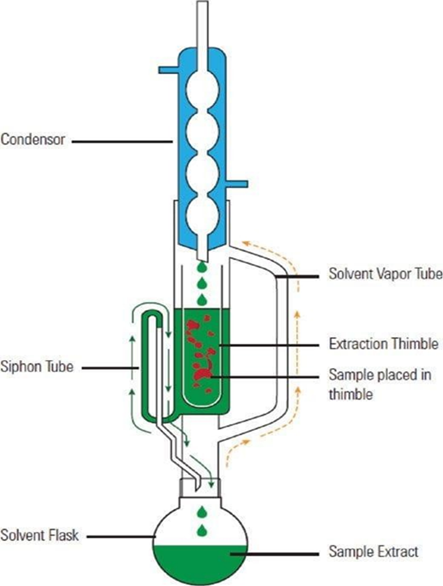
100g of the powdered peels were extracted in Soxhlet apparatus separately using 1 L of ethanol for 18h and then filtered. The filtrates were evaporated to dryness under reduced pressure and at a lower temperature in a rotary evaporator. The dried residues were stored in airtight containers for further use. Phytochemical screening For qualitative phytochemical analysis, the ethanolic extract of leaves of T.procumbens plant were tested by using standard protocols.
Antibacterial activity
The antibacterial activity of the ethanolic leaf extract was tested against 5 bacterial isolates viz., E.coli, Staphylococcus aureus Streptococcus sp, Klebsiella pneumoniae and Proteus sp. All isolates were tested for susceptibility to the extracts and antimicrobial agents on Mueller Hinton agar by the standard disk diffusion method. The plates were then incubated overnight at 37 .
Minimal inhibitory concentration
The minimal inhibitory concentration (MIC) can be determined by adopting the procedure outlined by CLSI using the microtitre plates and were examined for bacterial growth (CLSI, 2006). The Minimal Inhibitory Concentration (MIC) assay is performed to determine the concentration of the extract that is lethal to the target bacteria in vitro.
DPPH radical scavenging assay
The ability of T.procumbens to scavenge 1, 1- diphenyl-2 picrylhydrazyl (DPPH) was measured by the reported method (Alothman et al., 2009). A mixture of absolute methanol and extract served as blank. Ascorbic acid was used as standard and different concentrations. of the extract (50,100,150,200 and 250 µl) were marked as tests. Finally DPPH reagent was added to all the test tubes including blank. Then, the absorbance of all samples was read at 515nm.
4.1 Material Required:
4.2 Chemicals:
4.3 Method of Extraction :
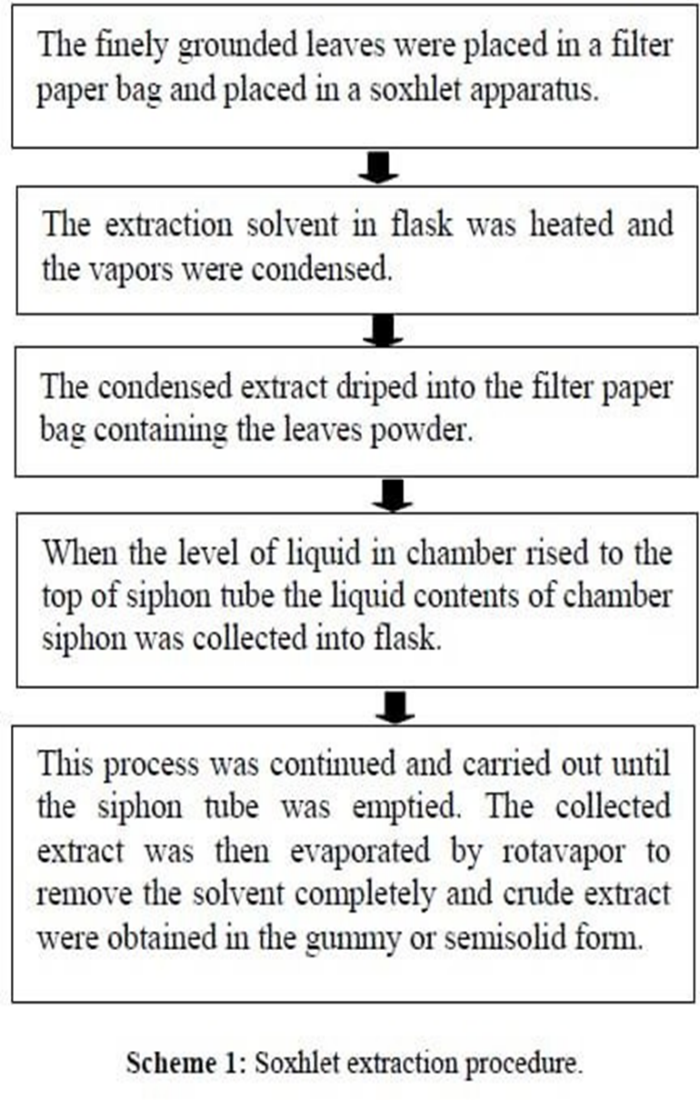
4.4 Soxhelet Apparatus
COLLECTION OF PLANT MATERIAL
?
?
WASHING AND CLEANING
?
?
DRYING (Shade dry)
?
?
GRINDING / SIZE REDUCTION
?
?
WEIGHING PLANT MATERIAL (Known wt.)
?
?
ADDING DISTILLED WATER (1:3 to 1:4 ratio)
?
?
SETUP CLEVENGER-TYPE HYDRODISTILLATION UNIT
?
?
HEATING AND DISTILLATION
(3–4 hrs with steady reflux)
?
?
CONDENSATION OF VAPORS (Oil + Water)
?
?
SEPARATION OF ESSENTIAL OIL IN TRAP
?
?
COLLECTION OF OIL LAYER (Using funnel)
?
?
DRYING OVER Na?SO? (Dehydration)
?
?
WEIGHING AND YIELD CALCULATION
?
?
STORAGE IN AMBER VIALS AT 4°C GC -MS ANALYSIS (IF REQUIRE)
5. EVALUATION:
% Antioxidant activity = {(absorbance at blank) – (absorbance at test) / (absorbance at blank)}X 100.
5.1 Docking studies
The Protein Data Bank (PDB) is a source for the 3-D structural data of huge biological molecules, such as proteins and nucleic acids. The 3D structure of 1 mix protein from different mammals were retrieved using this.
Auto Dock is a type of automated docking tools. It is designed to calculate how small molecules, such as substrates or drug applicants, bind to a receptor of recognized 3Dstructure. Auto Grid calculates the energy of the noncovalent interactions between the protein and probe atoms that are situated in the different grid points of a lattice that defines the area of interest. The end result of these calculations the output file of the protein-ligand complex with stretchy residues and the ligand placed within the binding pocket is obtained. Each structure was scored and categorized by the program by the calculated communication energy.
5.2 Molecular docking study
MGL tools 1.5.4 with AutoGrid4 and AutoDock4 were used to accomplish docking calculations between the synthesized compounds and proteins. The crystal structure of beta trypsin phosphonate inhibited was acquired from the protein data bank (http://www.rcsb.org./pdb). Receptor (protein) and ligand (synthesized compounds) files were prepared using Auto Dock Tools. At first, all the heteroatoms including water molecules were deleted. Lamarckian genetic algorithm, as implemented in Auto Dock, was used to perform docking calculations. Further factors were set to default. The bottommost energy docked conformation, according to the Auto Dock scoring task, was selected as the binding mode. The output from Auto Dock was visualized using Plymel molecular graphics program.
MTT (3-4, 5 dimethylthiazol-2yl-2, 5-diphenyl tetrazolium bromide) assay, is based on the ability of a mitochondrial dehydrogenase enzyme of viable cells to cleave the tetrazolium rings of the pale yellow MTT and form a dark blue colored formazan crystal which is largely impermeable to cell membranes, thus resulting in its accumulation within healthy cells. Solubilization of cells by the addition of detergents (DMSO) results in the liberation of crystals which are solubilized. The number of viable cells is directly proportional to the level of formazan product created. The colour can be quantified using a multi-well plate reader.
5.3 RESULTS AND DISCUSSION
Phytochemical screening
Secondary metabolites plays a vital role for the plant to rely on for medicinal property. Phytochemical studies were carried out for ethanolic leaf extract of Procumbent to detect the presence of steroids, terpenoids, tannins, flavonoids, saponins, glycosides, amino acids etc.
This study evidenced that the ethanolic leaf extract of T. procumbens contains the following secondary metabolites such as steroids, proteins amino acids, anthocyanins, phenols, flavonoids and terpenoids.
Table 1: Phytochemical Screening – leaf Extract of procumbence.
|
Sr.no |
Phytocompounds |
Ethanolic extract |
|
1. |
Steroids |
+ |
|
2. |
Carbohydrates |
+ |
|
3. |
Proteins |
+ |
|
4. |
Amino acids |
+ |
|
5. |
Anthocyanins |
+ |
|
6. |
Phenols |
+ |
|
7. |
Alkaloids |
- |
|
8. |
Saponins |
- |
|
9. |
Flavonoids |
+ |
|
10. |
Terpenoids |
+ |
|
11. |
Sugars |
- |
5.3.4. ANTIOXIDANT ACTIVITY
The DPPH radicals are widely used to investigate the scavenging activity. In the DPPH assay, the antioxidants has the capacity to reduce the stable radical DPPH to the yellow colored diphenyl- picrylhydrazine, resulting a colour change from purple to yellow. The absorbance declined when the DPPH was scavenged by an antioxidant through the contribution of hydrogen to form a stable DPPH molecule.
Table 2: Antioxidant activity of T.procumbens.
|
Sr. no |
Concentration Extract (ul) |
(OD) Value |
% of antioxidant |
|
1. |
50 |
3.00 |
21.05% |
|
2. |
100 |
3.00 |
23.09% |
|
3. |
150 |
0.479 |
48.05% |
|
4. |
200 |
0.247 |
69.07% |
|
5. |
250 |
0.049 |
98.06% |
Series 1- Concentration of plant extract
Series 2- Antioxidant % of ascorbic acid
Series 3- Antioxidant % of plant extract
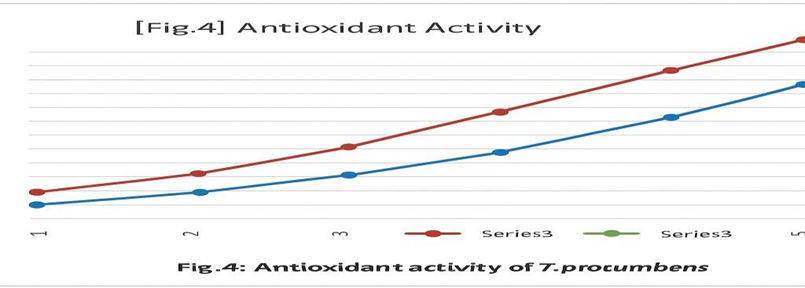
Fig 1: Antioxidant activity of T.procumbens
5.4.5. Anticancer Activity
For the determination of anticancer potential, the plant extract was taken and performed invitro studies against a MCF-7 cell line at different concentrations to determine the IC50 (56% growth inhibition) by MTT assay. MCF-7 cells were incubated with leaf extracts at 20 μg/ml, the amount of formazan was similar to control cells, while in other cells it was distinctly lower. The quantity of formazan produced varied between different concentrations of leaf extract treated cells. The formation of formazan crystals decreases when the concentration of a leaf extract increases for about 100µg/ml in MCF-7 cells. Though this study concluded that the ethanolic leaf extract of T.procumbens may be a potential drug for breast cancer in future
Table 3: OD Value of different concentrations of plant extract at 570 nm (control).
|
Sr. no |
Tested sample concentration (μg/ml) |
OD Value at 570 nm (in triplicates) |
||
|
1. |
Control |
0.460 |
0.420 |
0.490 |
|
2. |
100μg/ml |
0.450 |
0.430 |
0.470 |
|
3. |
90μg/ml |
0.420 |
0.440 |
0.450 |
|
4. |
80μg/ml |
0.380 |
0.450 |
0.430 |
|
5. |
70μg/ml |
0.350 |
0.360 |
0.340 |
|
6. |
60μg/ml |
0.320 |
0.330 |
0.330 |
|
7. |
50μg/ml |
0.280 |
0.370 |
0.290 |
|
8. |
40μg/ml |
0.250 |
0.390 |
0.220 |
|
9. |
30μg/ml |
0210 |
0.380 |
0.350 |
|
10. |
20μg/ml |
0.469 |
0.450 |
0.460 |
|
11. |
10μg/ml |
0.560 |
0.560 |
0.640 |
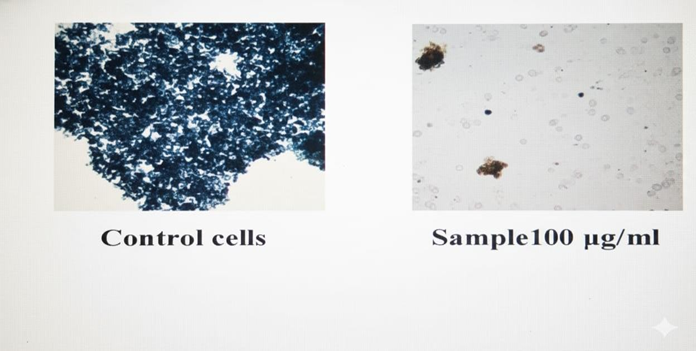
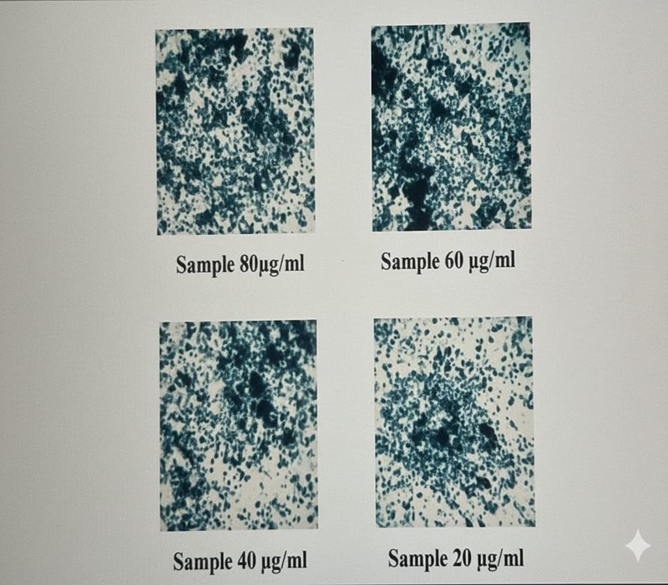
Fig 2: Formation of formazan crystals in control cells and herbal extract treated cells.
REFERENCES






Trupti Agre, Tanmay Atole, Vaishnavi Bharati, Shravani Babar, Rahul Arote, Rohan Jadhav, Review on Pharmacological Activities of Tridax procumbens, Int. J. of Pharm. Sci., 2026, Vol 4, Issue 1, 3622-3639. https://doi.org/10.5281/zenodo.18442306
 10.5281/zenodo.18442306
