
1,2 Rungta Institute of Pharmaceutical Sciences & Research
3,4,5,6,7 Rungta Institute of Pharmaceutical Sciences
under eye dark circles are a frequent aesthetic problem the eyes are brought on by aging, stress, exhaustion, and poor blood circulation. The creation and assessment of a herbal under-eye patch utilizing organic components such as coconut oil, sandalwood, and Sankhpushpi are the main objectives of this study. These components were chosen because of their well-known medicinal and aesthetic qualities. Sankhpushpi has rejuvenating and antioxidant properties that help to improve skin tone and lessen pigmentation. The cooling, calming, and antiinflammatory qualities of sandalwood help to soothe the sensitive skin beneath the eyes and lessen discoloration. Coconut oil improves the hydration and elasticity of skin by acting as a great emollient and moisturizer.Using an appropriate extraction technique, the herbal extracts were made and added to a gel-based patch formulation. Numerous physicochemical parameters, including pH, thickness, weight uniformity, moisture content, and stability, were assessed for the prepared under-eye patches. To guarantee safety and user acceptability, the formulation was also evaluated for spreadability, skin irritation, and general appearance. According to the findings, the herbal under-eye patch was stable, non-irritating, and exhibited good hydration and adhesion qualities. Together, the natural ingredients improved microcirculation, nourished the skin, and lessened the visibility of dark circles. According to this study, the created herbal formulation can promote the use of plant-based ingredients in dermatological applications by providing a safe, affordable, and efficient substitute for synthetic cosmetic products for under-eye care.
Cosmetics are defined by Indian and EU regulations as "any article intended to be applied in some other way, such as rubbing, pouring, sprinkling, or spraying on the human body, or any portion of it, for the purposes of cleaning, beautifying, enhancing beauty, or changing the look and encompasses any item meant to be used as a cosmetic component. The" Cosmetics that produce pharmaceutical therapeutic effects are referred to as cosmetics. advantages, but not those of biological therapy. It highlights skincare items that have active components that are good for nourishing and enhancing the skin's appearance within the skin.
DARK CIRCLE
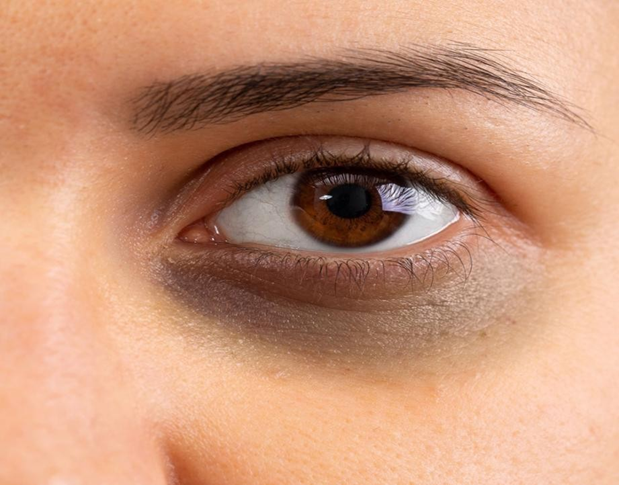
Conditions that give the appearance of relatively dark infraorbital eyelids are known as dark circles that are infraorbital. Due to general exhaustion, dark circles under the eyes are getting worse. especially lack of sleep. Since the eyelids' skin is the thinnest in the body, It allows blood vessels to readily poke through, giving puffy eyes their swollen, black appearance look. Many factors, such as fluid retention brought on by too much alcohol or salt consumption, feelings, especially tears, allergies, changes in hormones, sleep deprivation, and other illnesses, can cause puffy eyes. Hyperpigmentation in the periorbital region is a common skin condition that usually affects girls between the ages of sixteen and 45. A dark periorbital region beneath the lower eyelids is how it appears. An additional problem that may There are several causes of dark circles under the eyes, such as stress, sleep deprivation, aging, and heredity. the lower lids of the eyes. There are two main causes of dark circles:
EPIDERMOLOGY
People of all ages, genders, and ethnicities around the world suffer from dark circles, a very common cosmetic condition. Young adults, particularly those aged 16 to 35, are more likely to exhibit them because of lifestyle factors like stress, sleep deprivation, extended screen time, and erratic routines. Due to genetic predisposition, increased skin melanin content, hot weather, and growing urbanization, which causes poor sleep patterns and stress from work, the condition is very common in the Indian population.
Its spread is also aided by environmental factors like pollution, sun exposure, dietary deficiencies, and frequent eye rubbing from allergies. Dark circles can a strong effect one's well being self esteem, self-esteem, and facial appearance, despite not being a serious medical condition.

Etiology
Bilateral, spherical, uniform pigmentation is the hallmark of dark circles (DC) beneath the eyes.macules on the areas infraorbital. Dermal melanin is one of several etiologic factors that cause it.deposition, hyperpigmentation following inflammation brought on by atopic or allergic contact dermatitis,shadowing brought on by loose skin, superficial vasculature, and periorbital edema.
1. Deposition of Dermal Melanin (Pigmentation)
Dark coloring is the result of excess melanin buildup in the skin. Skin appears darker due to increased light reflection (the Tyndall effect) caused by thicker dermis and edema.
2. Post inflammatory hyperpigmentation
Results from atopic dermatitis or allergies. Scratching and rubbing the area around the eyes exacerbates pigmentation. Another factor is the buildup of fluid during an allergy.
3. Vascular Cause: Superficial Blood Vessels
As we age, vessels become more noticeable due to thinning skin and loss of subcutaneous fat. A bluish appearance is caused by a visible capillary network.
4. Depression Through Tears (Structural Cause)
As we age, the natural hollow beneath our eyes deepens. Circles appear darker due to the shadowing effect created by fat displacement and skin thinning.
5. Sleep deprivation and fatigue
The appearance is exacerbated by general fatigue, particularly sleep deprivation.
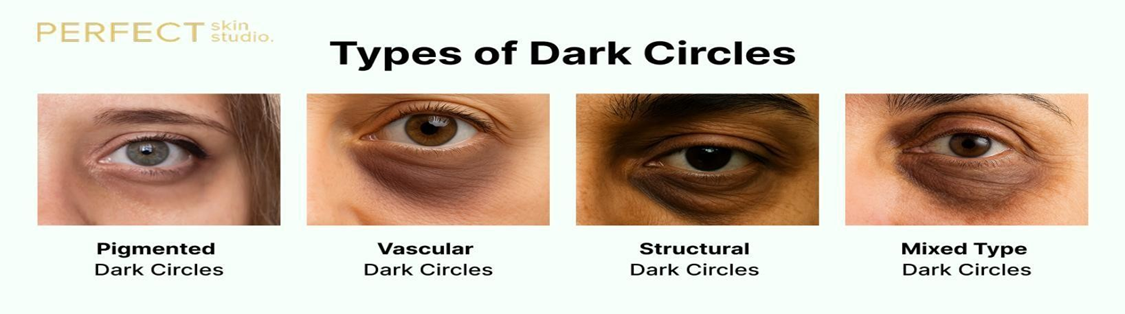
TYPES OF DARK CIRCLE
1. Pigmented Dark Circles
Pigmented dark circles appear as brown or dark-brown discoloration under the eyes due to excess melanin production. This type is often linked to:
2. Vascular Dark Circles
Caused by visible blood vessels under the thin skin around the eyes, giving a bluish or purple tint. Common triggers include:
3. Structural (Shadow) Dark Circles
Caused by the natural shadowing effect of the eye socket, making the area appear darker. Often linked to:
4. Mixed-Type Dark Circles
Several elements are combined to create mixed-type dark circles, including:
When two or more types of dark circles (pigmented, vascular, shadow, hollow, or allergic) occur simultaneously, they are referred to as mixedtype dark circles. Multiple symptoms such as discoloration, puffiness, and shadowing are frequently present, making treatment more complicated and requiring a customized approach.
Symptoms of Dark Circle
The following signs and symptoms may be present in dark circles:
1. DISCOLORATION – Bluish or dark areas beneath the eyes.
2. PUFFINESS – Edema or swelling beneath the eyes.
3. TIRED LOOK – The eyes show signs of weariness or exhaustion.
4. ITCHING AND IRRITATION – Itching or irritation may be experienced by certain individuals.
5. HOLLOW APPEARANCE – A hollow appearance under the eyes refers to a sunken or depressed area, often giving a tired or aged look.
6. ISIBLE BLOOD VESSELS – Small blood vessels are visible under the skin.
7. DRY SKIN – Dry, flaky skin under the eye.
PATCHES
Patches are thin sheets of adhesive that are applied to the skin or a particular body part and contain active ingredients. To deliver the desired effects, they deliver the ingredients gradually and steadily.
TYPES OF PATCHES
There are several types of eye patch –
1. PATCHES APPLIED TOPICALLY
2. UNDER EYE AND COSMETIC PATCHES
3. HERBAL PATCHES
4. HYDROGEL PATCHES
HERBAL EYE PATCHES
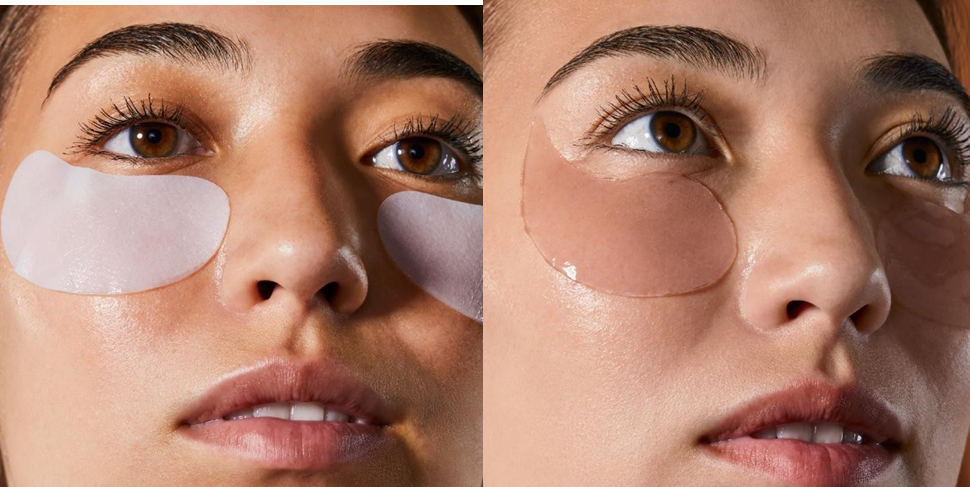
A herbal eye patch is a thin sheet or hydrogel patch that contains natural plant-based extracts like coconut oil, sandalwood, aloe vera, and shankhpushpi. It has cooling, calming, hydrating, and depigmenting properties when applied under the eyes. It usually contains natural oils like coconut oil and herbs like sandalwood and shankhpushpi, which combine to lessen dryness, puffiness, and dark circles under the eyes.
Sandalwood has cooling, anti-inflammatory, and depigmenting properties for the skin, while shankhpushpi helps relax eye muscles and enhance microcirculation. As a nourishing base, coconut oil provides moisture and improves the absorption of herbal actives. By directly delivering herbal nutrients to the skin beneath the eyes, these patches promote hydration, enhance skin tone, lessen pigmentation, and leave the skin looking refreshed. Because they use natural ingredients, herbal eye patches are gentle, suitable for sensitive skin, and provide a safe alternative to chemical-based cosmetic treatments.
Advantages of herbal eye patch
Disadvantage of Herbal Eye Patch
HERBAL PLANTS
Plants used for medicinal purposes. For basic needs like food, clothing, shelter, transportation, fertilizers, flavors, and medications, humans have relied on nature throughout history. People have always believed that medicinal plants can heal.
Because of the ancient notion that plants were made to give humans food, medicine, and other advantages, some people cherish these plants. The World Health Organization estimates that approximately 80% of the 5.2 billion people who live in developing countries receive their primary healthcare primarily from traditional medicine. Traditional medicine is based on medicinal plants, which means that over 3.3 billion people depend on them.
Nearly all of the world’s nearly 2000 ethnic groups have unique traditional knowledge and customs. Since ancient times, medicinal plants have been utilized for medical purposes. Numerous studies have been conducted all over the world to evaluate their efficacy, and some of the results have helped develop plantbased medications. Products derived from medicinal plants are currently valued at over $100 billion annually on the global market With a focus on contemporary methods of disease prevention, the value of medicinal plants in treating illnesses of public health significance is discussed.
Additionally contrasted are "population" and "high-risk" approaches. It emphasizes how crucial it is to use medicinal plants as a common strategy to involve health advocates in spreading awareness. The role of the five main health care tasks in preventing common diseases is examined. Because medicinal plants are essential for preventing disease, they should be used in all current prevention programs. However, careful planning is required in order to accurately identify, classify, and place medicinal plants within the design and implementation of these strategies. These approaches provide novel and fascinating perspectives on the study of therapeutic plants. It has been proposed to plan for the future significance and role of medicinal plants in preventing disease.
HERBS
A plant or plant part used for its flavor, aroma, or therapeutic qualities is called a herb. One kind of dietary supplement is an herbal remedy. They can be made from fresh or dried plant materials and are available as tablets, capsules, powders, teas, and extracts. Herbal remedies are used by people to maintain or enhance their health. Many people believe that goods with the label “natural” are always beneficial and safe, but this isn’t always the case. Compared to pharmaceutical drugs, herbal remedies do not need to undergo the same testing. Certain herbs, such as ephedra and comfrey, can be dangerous. Additionally, some herbs may interfere with over-the-counter or prescription medications.
If you are considering taking any herbal product, make sure to get information from trusted sources. Always inform your healthcare provider about any herbal medicines you are using. Herbs are generally the leafy parts of plants used in cooking, either fresh or dried. Other plant parts, usually dried, are known as spices. These may include:
HERBAL PLANT USE IN DARK CIRCLES
1. CLITORIA TERNATEA
Convolvulus pluricaulis, or shankhpushpi, is a significant medicinal herb used extensively in Ayurveda to enhance brain function and promote general mental and physical well-being. It is categorized as a Medhya Rasayana, which means a natural brain and memory rejuvenator, and gets its name from its conch-shaped flowers. Shankhpushpi is renowned in Ayurveda for its rejuvenating (Rasayana), calming (Medhya), and cooling (Sheetala) qualities. It works for stress, anxiety, restlessness, and cognitive weakness because it balances the Pitta and Vata doshas. Alkaloids, flavonoids, glycosides, and antioxidants are among the beneficial substances found in the herb that support and shield nerve cells.
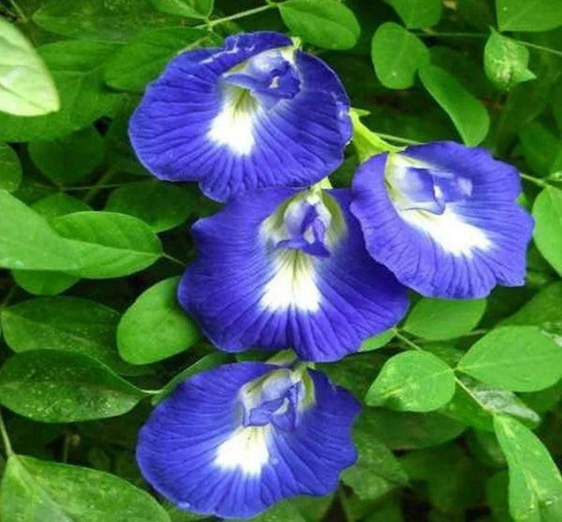
Shankhpushpi has significant benefits for skin in addition to brain health.
Its cooling and anti-inflammatory qualities support a clear, radiant complexion and lessen skin irritation, redness, and itching.
It delays early aging, shields the skin from free-radical damage, and promotes healthy, soft, and nourished skin due to its antioxidant activity.
It is particularly helpful in reducing Pitta-related skin issues like inflammation, burning sensations, and heat rashes.
Shankhpushpi is also used in herbal skin and eye care products, such as cooling gels and eye patches, because of its calming properties.
USE
SANDALWOOD
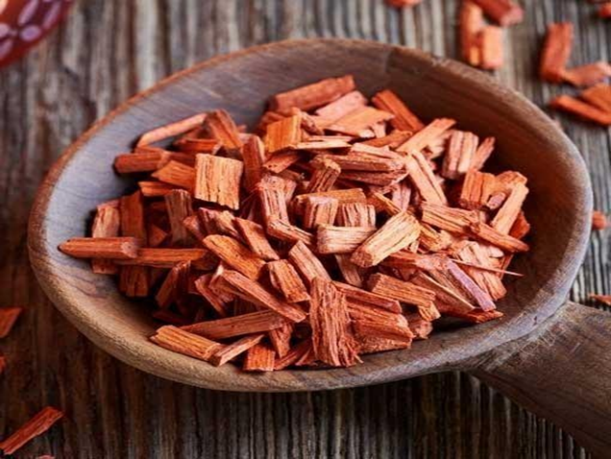
Sandalwood, because of its potent cooling, calming, and restorative qualities, is a highly prized aromatic and medicinal plant that is frequently used in Ayurveda.
Because it contains active ingredients like antioxidants, sesquiterpenes, and santalol, it works incredibly well for both skin care and eye-related treatments. Sandalwood is regarded as Sheetal (cooling), Varnya (improving complexion), and Ropan (healing) in Ayurveda. It is advantageous for heat-related skin and eye issues because of its inherent cooling effect, which balances Pitta dosha.
Sandalwood has long been used for its calming and cooling properties.
It relieves fatigued or strained eyes and lessens puffiness, swelling, and dark circles under the eyes.
Its anti-inflammatory properties reduce eye irritation and burning sensations.
Because of these benefits, sandalwood is frequently used to relax and brighten the area under the eyes in herbal eye patches, eye gels, and ayurvedic lepas.
Use
COCONUT OIL
Coconut oil is a natural, versatile oil isolated the mature dried seed of the coconut (Cocos nucifera). It is rich in medium-chain fatty acids (MCFAs) such as lauric acid, capric acid, and myristic acid, along with vitamin E, antioxidants, and moisturizing lipids, which make it highly valuable in skin-care and therapeutic formulations. In Ayurveda, coconut oil is known for its Sheetal (cooling), Snigdha (nourishing), and Ropan (healing) properties. Because it is cooling, calming, and hydrating, coconut oil is a key component of eye patch formulations. By deeply nourishing the sensitive skin beneath the eyes, it helps lessen dryness, fine lines, puffiness, and dark circles. While vitamin E promotes skin regeneration and brightening, its anti-inflammatory qualities reduce swelling and tired eyes. Additionally, coconut oil serves as an efficient carrier oil that facilitates better absorption of other herbal ingredients into the skin, such as aloe vera, sandalwood, and shankhpushpi.
Use
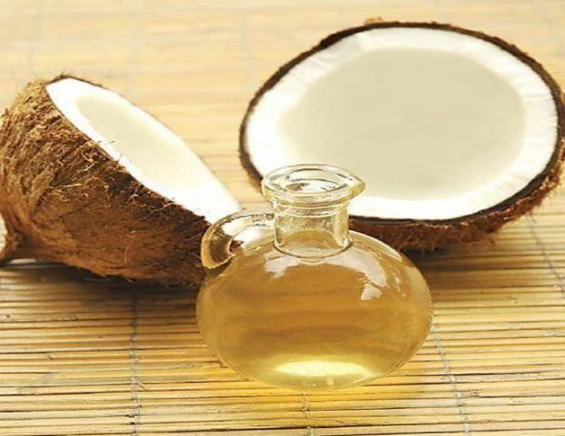
Fig1- Dark circle
Table –Application of Herbal Phytomedicines
|
Herbal phytomedicine |
Potent phytoconstituent |
Part used |
Uses |
|
Sankhpushpi |
Alkaloid, Flavonoid, Coumerine |
Flower |
Anti-inflammatory, De pigmentating, antioxidant |
|
Sandalwood |
Tannin, Phenolic compound |
Bark |
Cooling, Astringent, Refreshing |
|
Coconut oil |
Fatty acid, Protein, Vitamin, Carbohydrates |
Oils/ fruit |
Emollient, Skin protective, Moisturizing |
CONCLUSION
The current study effectively concentrated on the creation and assessment of a herbal under-eye patch for the treatment of dark circles, utilizing organic components like coconut oil, sandalwood, and Sankhpushpi. These herbal ingredients were chosen because of their traditional applications and scientifically documented qualities, which include skin-rejuvenating, calming, moisturizing, and antioxidant effects. The goal of the formulation was to offer a natural, safe, and efficient substitute for synthetic cosmetics, which occasionally have long-term negative effects or cause irritation. Numerous physicochemical characteristics, including pH, thickness, weight uniformity, moisture retention, spreadability, and stability, were assessed for the prepared under- eye patch. The outcomes showed that the formulation had qualities that were appropriate for topical use. The formulation is non-irritating and safe for frequent use because the pH was found to be compatible with the sensitive skin under the eyes. The patch demonstrated strong hydration, flexibility, and adhesion— all of which are critical for enhancing skin texture and preserving moisture equilibrium. According to the study's overall findings, the created herbal under-eye patch is stable, efficient, affordable, and easy to use. It supports the rising demand for natural skincare products and draws attention to the potential of herbal formulations in contemporary cosmetology. the formulation of herbal plant it is a safe for cure the dark circle, and it can be further investigated through clinical evaluation and large-scale production.
REFERENCES

Anjali Sahu, Jaya Bharti Sahu, Khushboo Yadav, Kirti Sahu, Vimla Sahu, Shweta Ram, Dr. Gyanesh Kumar Sahu, Recent Advances in Herbal Transdermal Patch Systems for Dark Circle Management, Int. J. of Pharm. Sci., 2026, Vol 4, Issue 3, 591-601. https://doi.org/10.5281/zenodo.18894156
 10.5281/zenodo.18894156
