
Department of Pharmacognosy , Poona District Education Association’s Seth Govind Raghunath Sable College of Pharmacy, Saswad, Pune, Maharashtra, India.
Throat infections are common health conditions affecting people worldwide and are often associated with symptoms such as sore throat, irritation, coughing, and difficulty in swallowing. Conventional treatment approaches generally include antibiotics, analgesics, and antiseptic lozenges. However, the frequent or prolonged use of these medications may lead to adverse effects and the growing problem of antimicrobial resistance. Because of these limitations, herbal medicines are increasingly being considered as safer and more effective alternatives due to their natural origin and diverse therapeutic properties.Polyherbal lozenges are a convenient dosage form that dissolves slowly in the mouth, allowing the active herbal components to remain in contact with the throat tissues for an extended period. This prolonged contact enhances the local therapeutic effect and provides relief from throat irritation and infection. Medicinal plants such as liquorice, amla, baheda, ajwain, and cinnamon possess antimicrobial, anti-inflammatory, antioxidant, and soothing properties that make them suitable ingredients for throat care formulations.This review focuses on the formulation and preparation of polyherbal lozenges, their evaluation parameters, advantages, packaging considerations, and comparison with synthetic lozenges. It also highlights the potential of herbal lozenges as a promising natural approach for the management of throat infections
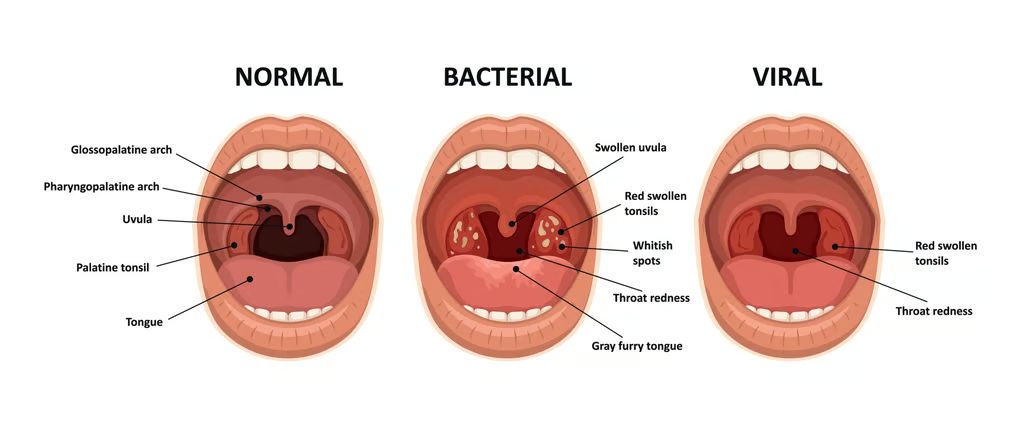
Throat infections refer to inflammatory conditions affecting the pharynx and surrounding tissues of the throat [16]. These infections are commonly caused by microorganisms such as bacteria and viruses. Bacterial pathogens like Streptococcus pyogenes and viral agents including influenza and rhinovirus are frequently associated with throat infections. In addition to microbial causes, environmental pollutants, allergens, and certain lifestyle habits can also contribute to throat irritation and inflammation [17,18]. Individuals suffering from throat infections often experience symptoms such as soreness, dryness, irritation, persistent coughing, and difficulty in swallowing food or liquids [19].
Conventional medical treatments for throat infections typically involve antibiotics, analgesics, and antiseptic preparations aimed at providing symptomatic relief. However, these treatments may present several limitations, including possible adverse effects, increased treatment costs, and the growing problem of antimicrobial resistance resulting from excessive antibiotic use [20,21]. Because of these concerns, there has been increasing interest in herbal medicines as safer and more natural therapeutic alternatives. Traditional systems of medicine such as Ayurveda and Unani have long utilized medicinal plants for the treatment of throat and respiratory disorders [22,23].
Polyherbal formulations, which combine two or more medicinal plants in a single preparation, are often considered more effective than single-herb formulations. The combination of multiple herbs may produce synergistic therapeutic effects and help reduce potential toxicity [24]. Lozenges represent a convenient and patient-friendly dosage form that dissolves gradually in the mouth, enabling the release of active ingredients directly onto the throat tissues. This slow dissolution allows the therapeutic agents to remain in contact with the affected area for an extended period, thereby improving their effectiveness [25,26]. Therefore, polyherbal lozenges provide an effective approach that combines the advantages of herbal medicine with a convenient oral delivery system for managing throat infections [27].Top of Form
Bottom of Form
Conventional treatments provide symptomatic relief but have drawbacks: adverse effects, cost, and antimicrobial resistance[20,21]. Herbal medicines have been used for centuries in traditional systems like Ayurveda and Unani[22,23]. Polyherbal formulations combine multiple plants, enhancing efficacy and reducing toxicity[24].
Lozenges are a convenient dosage form, dissolving slowly in the mouth and delivering herbal extracts directly to the throat[25,26]. Polyherbal lozenges combine therapeutic effects with patient-friendly administration[27].
2. Anatomy and Physiology of the Throat
The throat connects the oral and nasal cavities to the respiratory and digestive systems. It includes:
Nasopharynx
Oropharynx
Laryngopharynx
The throat is an important anatomical structure that connects the oral and nasal cavities with the respiratory and digestive systems. It functions as a common pathway for both air and food and plays a vital role in breathing, swallowing, and speech. Anatomically, the throat is divided into three main regions: the nasopharynx, oropharynx, and laryngopharynx.
The nasopharynx is located behind the nasal cavity and mainly serves as a passage for air during respiration. The oropharynx lies behind the oral cavity and functions as a pathway for both food and air. The laryngopharynx, which is the lower portion of the throat, connects the pharynx to the larynx and oesophagus and directs food toward the digestive tract while allowing air to enter the respiratory system.
The inner surface of the throat is lined with a mucosal membrane that produces mucus and contains immune cells that help protect the body against harmful microorganisms and foreign particles. This mucosal lining acts as a defensive barrier that traps pathogens and prevents their entry into deeper tissues. When infectious agents such as bacteria or viruses invade the throat tissues, the body’s immune response triggers inflammation. This inflammatory reaction leads to symptoms such as redness, swelling, irritation, and pain in the throat region.
Herbal agents possessing soothing, antimicrobial, and anti-inflammatory properties may help reduce irritation of the throat mucosa and support the healing process by protecting the tissues and reducing inflammation [29,30]. These natural compounds may therefore play a supportive role in relieving symptoms associated with throat infections and promoting recovery [31].

Throat infections develop when pathogenic microorganisms such as bacteria, viruses, or fungi invade the mucosal tissues of the throat. These infectious agents colonize the pharyngeal region and disrupt the normal protective mechanisms of the mucosal lining. As a result, the immune system becomes activated in response to the presence of these pathogens.
During infection, the body releases various inflammatory mediators including cytokines and prostaglandins. These mediators promote vasodilation and increase blood flow to the infected tissues, leading to characteristic symptoms such as redness, swelling, pain, and irritation in the throat. The inflammatory response also stimulates immune cells to migrate to the site of infection in order to eliminate the invading microorganisms. In many cases, this inflammatory process may cause additional symptoms such as dryness of the throat, difficulty in swallowing, and persistent coughing.
The severity of throat infections depends on the type of microorganism involved as well as the immune status of the affected individual. Viral infections are often mild and self-limiting, whereas bacterial infections may require therapeutic intervention to prevent further complications. Effective management strategies therefore focus on controlling microbial growth, reducing inflammation, and relieving discomfort associated with the infection.
Herbal ingredients that possess antimicrobial and anti-inflammatory properties may help alleviate symptoms of throat infections by inhibiting microbial activity and reducing inflammatory responses. These natural compounds can support the healing of irritated throat tissues and contribute to faster recovery from infection [36,37].
Top of Form
Bottom of Form
4. Herbal Medicine in Throat Disorders
Medicinal plants provide bioactive compounds (flavonoids, alkaloids, tannins, essential oils) with therapeutic effects[38] .
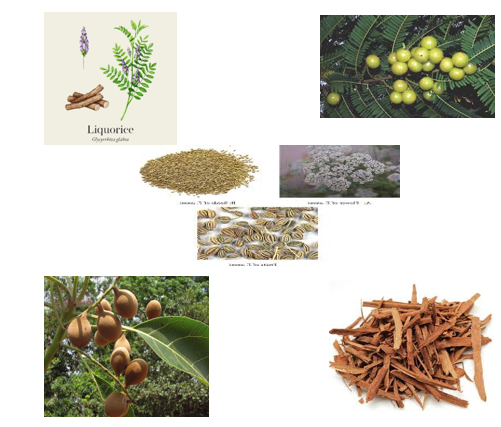
Key Herbs in Polyherbal Lozenges
Lozenges are solid medicated dosage forms designed to dissolve gradually in the mouth, allowing the active ingredients to be released slowly. They are commonly used for the management of throat irritation, cough, and minor infections affecting the oral cavity and throat. Because lozenges dissolve slowly, the active substances remain in contact with the throat tissues for a prolonged period, which helps provide a localized therapeutic effect.
These formulations typically contain active agents with antiseptic, antibacterial, analgesic, or soothing properties that help reduce throat discomfort and irritation. The base of lozenges generally consists of sugar, sugar substitutes, or gums that provide structure and enable gradual dissolution. In addition, flavouring agents and colouring substances are often incorporated to enhance the taste and appearance of the product.
In many formulations, natural ingredients such as honey, ginger, menthol, or herbal extracts are included to provide additional soothing and therapeutic effects. The presence of these components may help relieve irritation and promote comfort in the throat region. Lozenges are considered convenient and easy to administer, making them suitable for both adults and children.
For optimal effectiveness, lozenges should be allowed to dissolve slowly in the mouth rather than being chewed or swallowed immediately. This ensures proper release of the active ingredients and prolongs their contact with throat tissues. Due to their ease of use and therapeutic benefits, lozenges are widely available as over-the-counter products used for temporary relief from throat discomfort and cough [13–16] .
Advantages
Types
|
HERB |
ACTIVE CONSTITUENTS |
ROLE IN LOZENGES |
CITATION |
|
Glycyrrhiza glabra |
Glycyrrhizin, flavonoids, saponins |
Soothing, anti-inflammatory |
[39] |
|
Phyllanthus emblica |
Vitamin C, tannins, gallic acid |
Antioxidant, immune booster |
[40] |
|
Terminalia bellirica |
Tannins, lignans |
Antimicrobial, anti-inflammatory |
[9] |
|
Trachyspermum ammi |
Thymol, terpenes |
Antimicrobial, antiseptic |
[10] |
|
Cinnamomum verum |
Cinnamaldehyde, eugenol |
Flavour, antimicrobial |
[11,12] |
|
EXICIPIENT |
FUNCTION |
|
Sugar |
Base |
|
Honey |
Sweetener, antimicrobial |
|
Citric acid |
Flavour enhancer |
|
Menthol |
Cooling effect |
|
Acacia |
Binder |
|
INGREDIENTS |
QUANTITY |
|
Liquorice extract |
2g |
|
Amla powder |
1g |
|
Baheda powder |
1g |
|
Ajwain powder |
0.5g |
|
Cinnamon powder |
0.5g |
|
Sugar base |
20g |
|
Honey |
3g |
|
Menthol |
0.1g |
|
Citric acid |
0.2g |
Preparation Method (Moulding)
10. Evaluation of Lozenges
Tests include:
1.Organoleptic characteristics
The prepared lozenges are visually examined for physical properties such as colour, odour, taste, surface texture, and overall appearance to ensure product acceptability.
Should possess uniform colour, pleasant taste, smooth texture, and be free from cracks or defects[24,25].
2.Weight uniformity test
Twenty lozenges are randomly selected and weighed individually to determine uniformity in weight and dose distribution.
Individual weights should not vary more than ±5% from the average weight[26] .
3.Hardness measurement
The mechanical strength of lozenges is measured using a hardness tester to determine resistance to pressure and breakage.
Generally, ranges between 4–10 kg/cm²[27] .
4.Friability test
This test evaluates the resistance of lozenges to abrasion during handling, packaging, and transportation using a friabilator.
Percentage weight loss should be below 1%[28] .
5.Disintegration or dissolution time
The time required for the lozenge to dissolve slowly in the oral cavity or testing medium is measured.
Usually between 5–15 minutes[29] .
6.Dissolution study
This test determines the rate and extent at which active constituents are released from the lozenge formulation in the dissolution medium.
About 75–85% of active ingredient should be released within 30 minutes[30] .
7.Moisture content determination
The percentage of water present in the formulation is measured to ensure stability and prevent microbial growth.
Typically maintained below 5%[31] .
8.pH measurement
The pH of the lozenge solution is determined after dissolving it in distilled water to ensure compatibility with oral tissues.
Ideally between pH 5.5 and 7.5[32] .
11. Advantages of Polyherbal Lozenges[33-38]
12. Comparison: Herbal vs Synthetic Lozenges
|
Parameter |
Synthetic Lozenges |
Natural (Herbal) Lozenges |
|
Definition |
Lozenges containing chemically synthesized active ingredients. |
Lozenges prepared using plant-derived or herbal extracts. |
|
Source of Ingredients |
Artificial or laboratory-synthesized drugs. |
Derived from medicinal plants and natural products. |
|
Examples of Active Ingredients |
Benzocaine, Cetylpyridinium chloride, Dextromethorphan |
Glycyrrhiza glabra (Mulethi), Phyllanthus emblica, Cinnamomum verum |
|
Mechanism of Action |
Usually provides rapid pharmacological action such as anaesthesia, antiseptic, or cough suppression. |
Works through natural antimicrobial, anti-inflammatory, and soothing properties of herbs. |
|
Side Effects |
May cause allergic reactions, numbness, irritation, or other adverse effects with prolonged use. |
Generally fewer side effects when used in appropriate doses. |
|
Cost |
Usually higher due to synthetic drug manufacturing and regulation. |
Often cheaper if herbs are locally available. |
|
Patient Preference |
Preferred when quick symptomatic relief is needed. |
Preferred by people who favour natural or traditional remedies. |
|
Shelf Life |
Usually longer because of preservatives and stable chemical compounds. |
Slightly shorter shelf life due to natural ingredients. |
|
Regulatory Approval |
Strict pharmaceutical regulation and clinical trials required. |
Often categorized as herbal or traditional medicines with different regulatory pathways. |
|
Examples of Products |
Strepsils, Vicks Vapour Drops |
Himalaya Koflet Lozenges, Dabur Honitus Lozenges |
13. Future Prospects
1. Development of Novel Herbal Combinations
Future research can focus on exploring new combinations of medicinal plants with antimicrobial, anti-inflammatory, and soothing properties for the treatment of throat infections. Many plants used in traditional medicine remain underexplored in modern pharmaceutical formulations. By combining scientifically proven herbs such as Phyllanthus emblica and Trachyspermum ammi with other therapeutic plants, more effective polyherbal lozenge formulations can be developed. These combinations may enhance therapeutic efficacy through synergistic interactions among phytochemicals [33,34] .
2. Standardization and Quality Control of Herbal Ingredients
Standardization of herbal raw materials is essential for ensuring consistent quality and therapeutic activity in polyherbal lozenges. Variations in climate, soil conditions, harvesting time, and processing methods can significantly affect the concentration of active constituents in medicinal plants. Future studies should focus on developing validated analytical methods for identifying and quantifying phytochemicals present in herbs such as Glycyrrhiza glabra and Terminalia bellirica. Proper standardization will improve the reliability and acceptance of herbal lozenges in modern medicine [35] .
3. Application of Advanced Drug Delivery Systems
Modern pharmaceutical technologies can improve the effectiveness of herbal lozenges. Techniques such as microencapsulation, controlled drug release, and nano-delivery systems may help enhance the stability and bioavailability of herbal active constituents. These approaches can allow gradual release of herbal compounds in the throat cavity, providing prolonged therapeutic action. Such innovations may significantly improve the clinical effectiveness of herbal lozenge formulations [36] .
4. Clinical Research and Scientific Validation
Although many medicinal plants have been traditionally used for treating throat infections, there is a need for well-designed clinical trials to confirm their safety and efficacy. Future studies should involve randomized clinical trials to evaluate the therapeutic potential of polyherbal lozenges in patients with sore throat and respiratory infections. Scientific validation through clinical research will increase the credibility of herbal medicines and encourage their integration into mainstream healthcare systems [37]
5. Increasing Demand for Herbal Medicines
The demand for herbal healthcare products has increased significantly worldwide due to growing awareness about natural therapies and their safety. Consumers are increasingly preferring herbal remedies because they are perceived to have fewer side effects compared with synthetic medications. Polyherbal lozenges can therefore become an important natural alternative for throat care and cough relief in the pharmaceutical market [38] .
6. Commercialization and Industrial Production
Polyherbal lozenges have strong potential for commercial development by pharmaceutical and nutraceutical industries. With proper formulation development, quality control, and regulatory approval, these products can be manufactured on a large scale. Industrial production will improve accessibility of herbal throat lozenges and promote the growth of herbal pharmaceutical industries globally [39] .
7. Global Expansion of Herbal Products
The global herbal medicine market is expanding rapidly due to increasing interest in complementary and alternative medicine. Polyherbal lozenges developed using scientifically validated herbal ingredients may gain international recognition as safe over-the-counter throat care products. Proper regulatory approval, quality assurance, and clinical evidence will support their acceptance in global markets [40] .
CONCLUSION
Throat infections are among the most common health problems affecting people of all age groups, leading to symptoms such as irritation, cough, inflammation, and difficulty in swallowing[33] . Conventional medications provide symptomatic relief but may sometimes lead to adverse effects and antimicrobial resistance with prolonged use. In recent years, herbal medicines have gained significant attention due to their safety, effectiveness, and traditional therapeutic value[35] .
Polyherbal lozenges represent a promising dosage form for the management of throat infections because they dissolve slowly in the mouth and provide prolonged contact of active ingredients with the throat mucosa. Medicinal plants such as Glycyrrhiza glabra, Phyllanthus emblica, Terminalia bellirica, Trachyspermum ammi, and Cinnamomum verum possess antimicrobial, anti-inflammatory, antioxidant, and soothing properties that contribute to effective throat infection management. The combination of these medicinal plants in a polyherbal formulation can produce synergistic therapeutic effects and improve overall efficacy.
The formulation and evaluation of polyherbal lozenges involve careful selection of herbal ingredients, appropriate excipients, and suitable preparation methods such as the molding technique. Various evaluation parameters including hardness, friability, weight variation, disintegration time, and stability studies are essential to ensure the quality and effectiveness of the final product. Proper packaging and storage conditions also play an important role in maintaining the stability and shelf life of the lozenges[39] .
Overall, polyherbal lozenges offer several advantages such as natural origin, improved patient compliance, cost-effectiveness, and reduced side effects compared with synthetic formulations. However, further research including standardization, quality control, and clinical trials is necessary to validate their therapeutic potential. With increasing interest in herbal medicines and growing demand for natural healthcare products, polyherbal lozenges have strong potential for future development as effective and safe throat care formulations[40] .
ACKNOWLEDGEMENT
The authors would like to express their sincere gratitude to the faculty members and mentors of the Department of Pharmaceutics for their valuable guidance, encouragement, and support throughout the preparation of this review on polyherbal lozenges for throat infection management. We are also thankful to our institution for providing the necessary academic resources and facilities required to complete this work successfully.
The authors would like to acknowledge the contributions of researchers and scientists whose published literature and scientific studies have greatly assisted in understanding the formulation, evaluation, and therapeutic potential of medicinal plants such as Glycyrrhiza glabra, Phyllanthus emblica, and Trachyspermum ammi used in polyherbal throat lozenges. Their research has provided valuable insights that contributed significantly to this review study.
Finally, we extend our heartfelt thanks to all individuals who directly or indirectly supported the completion of this work.
REFERENCES



Snehal Wagaj, Vaishnavi Pawar, Shital Darekar, Polyherbal Lozenges for the Management of Throat Infection, Int. J. of Pharm. Sci., 2026, Vol 4, Issue 3, 2996-3006, https://doi.org/10.5281/zenodo.19202310
 10.5281/zenodo.19202310
