
Rungta Institute of Pharmaceutical Sciences and Research, Bhilai.
Autism Spectrum Disorder (ASD) is a complicated neurodevelopmental condition marked by challenges in social communication, narrow interests, repetitive behaviors, anxiety, sleep issues, and cognitive deficits. Although behavioral therapies and certain medications are currently available, there remains a demand for safer and more holistic treatment options to address accompanying symptoms. This study investigates the possible therapeutic effects of specific herbal ingredients—Brahmi (Bacopa monnieri), Shankhpushpi (Convolvulus pluricaulis), Jatamansi (Nardostachys jatamansi), and Tagar (Valeriana wallichii)—in managing the symptoms of ASD. The purpose of this research is to create and assess a polyherbal remedy that targets the main and related symptoms of ASD. Standardized behavioral and cognitive assessment parameters will be used to evaluate the formulation’s safety, tolerability, and potential therapeutic efficacy. The results could offer scientific understanding of the function of traditional herbal medicine as an adjunctive strategy for managing symptoms of ASD..
Autism Spectrum Disorder (ASD) is one of the many illnesses that have recently emerged in the world that cannot be clinically diagnosed. A significant neurodevelopmental disorder, this illness affects a variety of behavioral domains, such as social and communicative skills as well as repetitive and stereotyped behaviors.[1] According to WHO statistics, ASD was diagnosed in 0–63 percent of very young children and continues to spread to adolescents and adults. The symptoms and indicators start early.[2] A person with ASD may suffer from mental problems such as anxiety and misunderstanding, which can impair their capacity to function adequately during various periods of life.[3] But ASD is a brain developmental disorder that impacts a person's entire life for the rest of their life. It is important to remember that this condition may develop due to a combination of genetic and environmental factors.[4] While complete recovery is not possible for patients with this condition, its effects can be lessened temporarily if the symptoms are identified early. Scientists believe that human genes are to blame for the inability to pinpoint the exact causes of ASD.[6] While social interaction and communication are particularly difficult for people with ASD, they can still interact and communicate with others:-[7,8]
It is difficult to identify ASD because there are many other mental illnesses that have symptoms that are strikingly similar to those of ASD. Additionally, machine learning (ML) is the most popular field for identifying functional patterns for treating autism patients by employing various techniques to identify the condition and determine whether an individual is affected or not.[9] suggested a machine learning (ML) model to forecast ASD and related psychological disorders that have a major impact on a person's social behavior. They identified the disease, examined it, and determined the best course of action to lessen its severity using linear analysis and the quadratic discriminant algorithm. They analyzed and discovered the data from the University of California, Irvine (UCI) reservoir in order to construct the machine learning model. The Youden index, accuracy, sensitivity, and F1 score were all thoroughly assessed. The Quadruple Analysis Algorithm (QDA) demonstrated its high accuracy of 99.77 percent after adjusting the hyperparameters, demonstrating the effectiveness and efficiency of the suggested model. et al. Md. Mokhlesur Rdot.[10]
According to the Autism and Developmental Disabilities Monitoring Network (ADDM), for instance, the estimated prevalence of ASD rose from 0.67 percent in 2000 to 1.46 percent in 2012.In order to estimate the most recent prevalence of ASD among US children at the national and state levels in 2016, we examined nationally representative data from the National Survey of Children's Health (NSCH). Additionally, we calculated the percentages of people with ASD who received behavioral and pharmaceutical treatments.[11]
ASD is difficult to diagnose, and recent modifications to diagnostic standards and the way the disorder is viewed have sparked debate among experts, decision-makers, patients, and their families.[12]
2. Types :-
(Autism was previously classified into distinct disorders under the Diagnostic and Statistical Manual of Mental Disorders (DSM-IV))
Over- or under-sensitivity to sensory stimuli can occur in children with ASD. Examples include :-
In the event that screening indicates autism, specialists conduct a thorough evaluation that may involve:
To diagnose ASD, physicians follow the recommendations found in the Diagnostic and Statistical Manual of Mental Disorders (DSM-5).
The DSM-5 states that the individual must exhibit:
A few dietary adjustments may help control some symptoms of ASD. Sometimes behavioral problems are lessened by following
Among the drugs that are frequently used to treat irritability and aggressive behavior is:-
These medications must always be taken under a doctor's supervision.
Plant profile :-
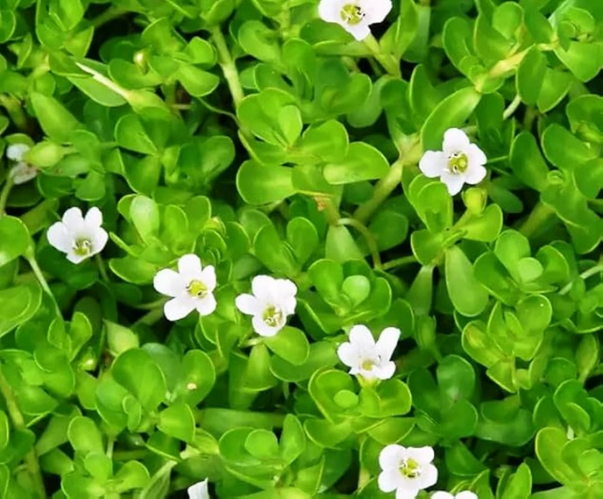
Fig. 1. Brahmi
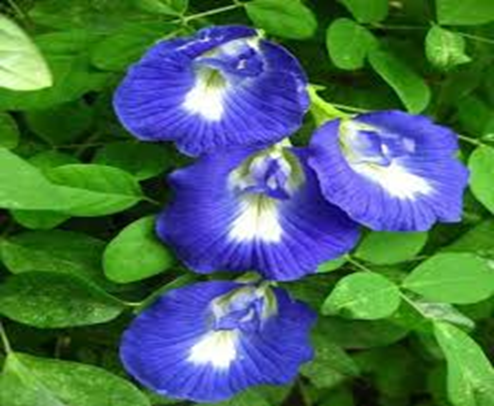
Fig. 2. Shankhpushpi
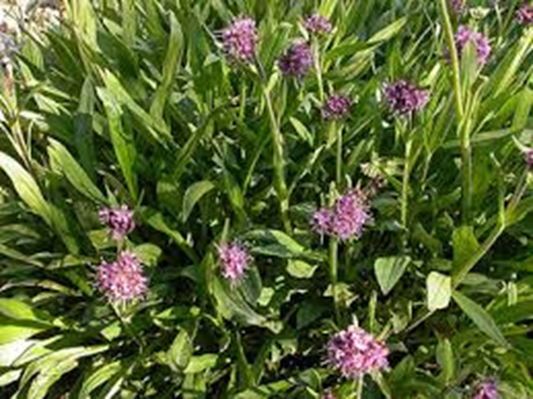
Fig. 3. Jatamansi
Valerian Root
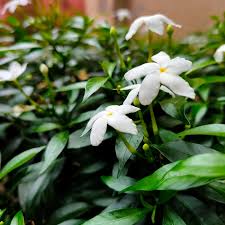
Fig. 4. Tagar
MATERIAL AND METHOD
Table :- Ingredients
|
s. no. |
Ingredients |
Quantity |
Properties |
|
1 |
Brahmi |
75gm |
Improves memory and cognitive function |
|
2 |
Shankhpushpi |
75gm |
Reduces stress and anxiety |
|
3 |
Jatamansi |
75gm |
Helpful in insomnia and hyperactivity |
|
4 |
Tagar |
75gm |
Neuroprotective activity |
|
5 |
Sugar |
650gm |
Sweetening agent |
|
6 |
Citric acid |
2gm |
Acidifying agent |
|
7 |
Sodium benzoate |
1gm |
Preservative |
|
8 |
Glycerin (optional) |
50ml |
Viscosity enhancer |
|
9 |
Purified water |
Quantity sufficient |
Solvent |
Procedure :-
Step 1
Authentication and Cleaning Verify crude drugs.
Manually remove any foreign material.
Step 2
Drying & Powdering: Let the raw medications dry in the shade. Pulverize independently to a coarse powder (40 sieve).
Aqueous Extraction (Decoction Method)
Step 3:
Combine 300 g of coarse powder.
Add 2000 milliliters of purified water.
Gently boil for 45 to 60 minutes.
Lower the volume to about 500 milliliters.
Filter through muslin cloth after cooling.
Get a filter (herbal extract).
Step 4:
Syrup Base Preparation: Dissolve 650 g of sugar in 400 mL of purified water. Gently heat until fully dissolved.
If required, filter. The syrup base should be cooled.
Step 5:
Complete Mixing Stir continuously as you gradually, add the filtered herbal extract to the syrup base.
Add: Citric acid, sodium benzoate (dissolved in a small amount of water), glycerin (optional for viscosity and stability), and finally, 1000 mL of purified water to make up the final volume. Mix well.
Step 6:
Filtration & Filling Use muslin cloth to filter the finished syrup.
Pour into dry, clean amber bottles and label.
CONCLUSION
The polyherbal syrup containing Brahmi, Shankhpushpi, Jatamansi and Tagar was successfully formulated using the decoction method. The preparation may be useful as a supportive herbal supplement for neurological health. Further clinical evaluation is required to confirm its therapeutic efficacy in Autism Spectrum Disorder.
RESULT
The successful preparation of a brown, sweet, homogenous herbal syrup was achieved. Under typical storage conditions, the formulation demonstrated good stability and acceptable organoleptic properties.
REFERENCES
Campisi, L., Imran, N., Nazeer, A., Skokauskas, N., & Azeem, M. W. (2018). Autism spectrum disorde

Uttam Kumar, Santosh, Mahendra Gadhewal, Maneesh Baghel, Shweta Ram, Suchita Wamankar, Dr. Gyanesh Kumar Sahu, Plant-Based Medicines for Managing Symptoms of Autism Spectrum Disorder, Int. J. of Pharm. Sci., 2026, Vol 4, Issue 4, 264-272 https://doi.org/10.5281/zenodo.19385132
 10.5281/zenodo.19385132
