
Srinivas College of Pharmacy, Valachil, Farangipete Post, Mangalore, 574143
Physalis minima is a native perennial herb commonly found in both tropical and temperate regions and is popularly known as Gooseberry, Ground Cherry, or Sunberry. It belongs to the Solanaceae family. This species, native to East Malaysia and closely related to Physalis angulata, is recognized for its diverse pharmacological properties. Various parts of the plant have been studied for their phytochemical content, which includes withanolides, flavonoids, phenols, steroids, and tannins, extracted using multiple methods. Phytochemical studies of Physalis species have also identified important secondary metabolites such as withaphysalins, physalins, and phytosterols. These compounds are responsible for a wide range of pharmacological activities, including potent cytotoxic effects against various human cancer cell lines, immunomodulatory effects, and cancer chemopreventive properties. Traditionally, the plant has been used in indigenous medicine for the treatment of kidney and urinary disorders, leishmaniasis, inflammation, skin infections, neurological disorders, and more. The aim of this review is to consolidate existing knowledge about Physalis minima, including its botanical characteristics, nutritional value, phytochemical composition, and traditional uses, while also highlighting its diverse therapeutic applications.
The rain forests of south East Asia especially in East Malaysia harbor a wide variety of medicinal plants with vast pharmacological potential as the result indigenous communities in East Malaysia tend to rely more on traditional remedies drawing on their extensive ethnomedical knowledge rather than on modern medical practices1. Solanaceae or nightshade family consists of nearly 100 genera and 2500 species distributed in different parts of the world. They include many of our favorite foods with different important phytochemicals2. Some of the species such as chili (Capsicum annuum L.) tomato (Lycopersicom esculentum L.) and potato (solanum tuberosum L.) are cultivated in this family. The family also contain many wild growing species such as Physalis which is the fifth largest genes of the Solanaceae comprising about 70 species. The center of the physalis diversity is located in Mexico and is endemic to this region. Physalis minima is the plant from America that are wide spread to other tropical regions. This plant can grow in high land so it is easy to find3.
Physalis minima L. (family Solanaceae) is a well-known native perennial herb that thrives in both tropical and temperate regions. Commonly referred to as wild gooseberry, native gooseberry, pokok letup-letup (West Malaysia), and tulapak (north borneo). P. minima grows to a height of 25-50cm and is densely covered with long, thick hairs, particularly at the tips. Its stems are angular at the top, nearly cylindrical below, hollow, and tinged with purple4. This species closely resembles P. angulata, but the purple-tinged stems and leaves are unique to P. minima. Furthermore P. minima can be distinguished from other species in the genes family physalis by its corolla diameter of less than 6mm the presence of visible brown blotches and, yellow anthers. Its flowers have sepals that bloom 3-5mm long, while the fruiting sepals are greenish-yellow with purple ribs and measure 1.5-2.5cm in length. The berries are golden and range from 8-14mm in diameter5.
In recent years, Physalis has emerged as an important food crop and is now widely cultivated in tropical, subtropical and temperate regions. Europe is the largest consumer of Physalis fruit both as food and in the pharmaceutical industry6. Numerous studies have highlighted the nutritional value of Physalis fruit worldwide with consumption in various forms including raw in salad, sauces, compotes, and jams7.
Physalis are reported to possess a broad range of therapeutic properties, including anti-inflammatory, quinone reductase–inducing, immunomodulatory, antitumor, antioxidant, anticarcinogenic, and hypoglycaemic activities. Phytochemical analyses confirm the presence of steroidal lactones, physalins (notably leishmanicidal variants), and withanolides, compounds believed to play a key role in the plant’s diverse pharmacological actions8.
This review provides a detailed account of the plant biology, highlights the various phytoconstituents it contains, a outlines its diverse Pharmacological applications.
TAXONOMY9
|
Kingdom |
Plantae |
|
Phylum |
Spermatophyte |
|
Class |
Angiosperms |
|
Order |
Solanales |
|
Family |
Solanaceace |
|
Genus |
Physalis |
|
Species |
minima |
VERNACULAR NAMES10
|
Sanskrit |
Avagutha |
|
Tamil |
Sodukkuthakkali |
|
Hindi |
Bandhapariya |
|
Kannada |
Sanna budda gida |
|
Bengali |
Ban Tipariya |
|
English |
Country gooseberry |
|
Telugu |
Kupanti,Budama |
|
Malayalam |
Njodi Njotta |
DISTRIBUTION11
Physalis minima Linn., a member of the family Solanaceae and genus Physalis, is commonly found as a roadside weed. It occurs widely across India, Baluchistan, Sri Lanka, Afghanistan, tropical Africa, and Australia, and can grow at altitudes up to 2300 m [1920]. The genus Physalis comprises herbaceous annuals and perennials, primarily native to tropical regions of North and South America, though some species are now widely distributed in warmer areas worldwide. Certain species are cultivated for their edible fruits, with one or two species growing wild in India, while three others are cultivated. Physalis species have been traditionally used in Colombia, southern Florida, northeast Nebraska (United States), Brazilian Amazon, Peruvian Amazon, Suni Mirafio (Peru), Morang (Nepal), and Kopaonik Mountain (Central Serbia).
DESCRIPTION OF THE PLANT12
The key parts of the Physalis minima plant include the leaves, flowers, fruit, and stem. The plant is characterized by its ovate to oblong leaves with toothed margins, small, yellowish flowers, and yellowish fruits enclosed in a papery, balloon-like calyx. The stem is typically hollow and viscid-pubescent.
Leaves:
Physalis minima has simple, alternate, ovate leaves with coarsely toothed margins. The leaves can be up to 10 cm long and have a dark green upper surface and a lighter green lower surface.
Flowers:
The flowers are small and yellowish, with a corolla that does not rotate open. The flower is enclosed in a calyx, which later develops into the papery husk that surrounds the fruit.
Fruit:
The fruit is a berry, typically yellow or orange, and is enclosed within the inflated, papery calyx. The fruits are about 1 cm long.
Stem: The stem is generally an annual herb, up to 75 cm in height. It is often viscid-pubescent (covered in sticky hairs) and hollow.
Calyx:
The calyx is a key part of the plant, as it is the structure that surrounds and protects the developing fruit. It becomes papery and inflated as the fruit matures.
Roots:
Physalis minima also has a root system, which anchors the plant and absorbs water and nutrients from the soil.
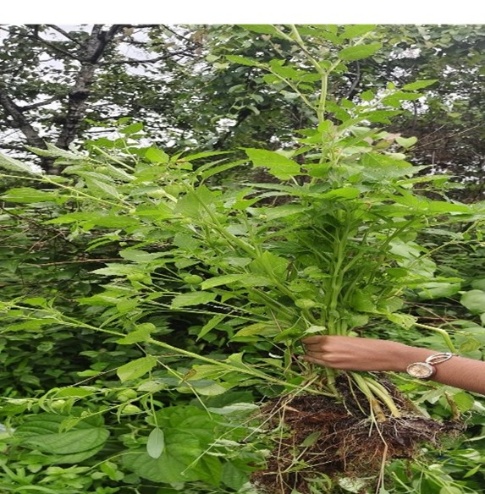
Fig.1: Physalis minima plant

Fig.2: Physalis minima root
ACTIVE CONSTITUENTS11
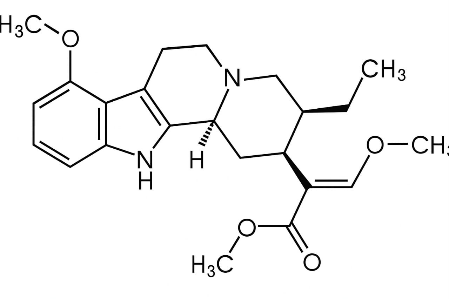
Physalis minima Linn. possesses a broad spectrum of bioactive compounds that underlie its medicinal potential. Studies on its phytochemistry have demonstrated the occurrence of alkaloids, flavonoids, tannins, phenolics, terpenoids, steroids, and saponins across various plant parts. Notably, the plant is abundant in withanolides, a class of steroidal lactones with an ergostane backbone, recognized for their anti-inflammatory, anticancer, and antimicrobial effects. It also harbors physalins, glycosides, and polysaccharides, which exhibit immunomodulatory and cytotoxic activities. Flavonoid constituents such as quercetin, luteolin, and kaempferol derivatives provide significant antioxidant and hepatoprotective properties. In addition, the plant contains β-sitosterol, stigmasterol, essential oils, and fixed oils, which contribute to its hypolipidemic and antimicrobial actions. The fruits are further enriched with carotenoids, vitamin C, and other nutritive compounds, highlighting their role as functional food sources. Collectively, these phytoconstituents establish the pharmacological foundation of Physalis minima and account for its wide-ranging therapeutic applications.
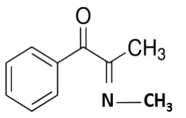
Alkaloid
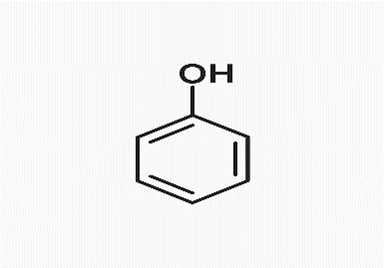
Phenol
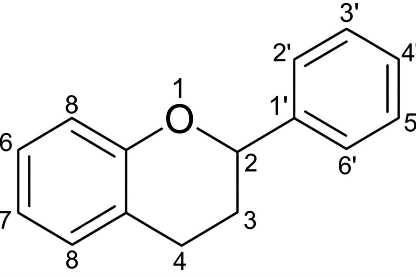
Flavonoid
Saponins
TRADITIONAL USE
Physalis minima has a long history of use in traditional medicine for its therapeutic benefits. In Ayurvedic medicine, it is called Tankari and has been utilized to address inflammation, digestive disorders, and skin ailments such as erysipelas. The plant is traditionally employed for the treatment of kidney and urinary problems, gout, ascites, and bladder disorders. It is also used as a natural remedy for diabetes, kidney stones, and gastrointestinal issues, including stimulating appetite and aiding digestion. Externally, leaf pastes are applied to treat skin infections, measles, yaws, and guinea worm sores, while crushed leaves are used as a remedy for snake bites13. The fruit and other plant parts are considered bitter, diuretic, laxative, and tonic, promoting digestive and urinary health. These traditional uses, combined with its rich phytochemical composition—including withanolides, flavonoids, phenols, steroids, and tannins underscore the plant’s extensive therapeutic potential in indigenous medicine14.
PHARMACOLOGICAL USE:
Anti-inflammatory Activity: The anti-inflammatory potential of Physalis minima was evaluated using the carrageenan-induced paw edema model in rats. Methanol extract and chloroform fractions were administered orally, while aspirin served as the standard control, given one hour before carrageenan injection. At a dose of 400 mg, the methanol extract inhibited paw edema by 66.67%, and the chloroform fraction by 68.25%, with maximum effect observed during the third hour. At a lower dose of 200 mg, the methanol extract exhibited peak inhibition (57.81%) in the fourth hour, while the chloroform fraction reached maximum inhibition (61.90%) in the third hour. Additionally, quercetin 3-O-galactoside isolated from the crude leaf extract showed significant anti-inflammatory activity comparable to phenylbutazone in the same model15.
Antidiuretic Activity: The antidiuretic effect of the methanol leaf extract was tested orally in rats deprived of food and water for 18 hours. Doses of 100 mg/kg and 200 mg/kg increased urine volume and electrolyte excretion. At 100 mg/kg, urine output was 7.46 mL with Na? 86.23 and K? 540.7, while 200 mg/kg increased urine output to 9.82 mL with Na? 108.18 and K? 635.2, indicating enhanced diuresis and electrolyte elimination16.
Anti-malarial Activity: The alcoholic extract of P. minima demonstrated in vivo anti-malarial activity against the erythrocytic stages of Plasmodium berghei (NK-65 strain)17.
Anticancer and Cytotoxic Activity: Alkaloids from P. minima have been shown to inhibit DNA synthesis in mouse S-180 ascitic tumor cells and bone marrow cells in vitro, suggesting potential use in leukemia chemotherapy, although higher doses may suppress bone marrow activity. Furthermore, chloroform extract exhibited strong cytotoxicity against NCI-H23 human lung adenocarcinoma cells in a dose- and time-dependent manner (24, 48, 72 hours), inducing apoptosis as confirmed by DNA fragmentation studies18.
Antioxidant Activity: Aqueous leaf extract effectively scavenged free radicals, highlighting its potential as a natural antioxidant19.
Anti-ulcer Activity: Methanolic leaf extract was evaluated in ethanol-induced ulcer and pylorus ligation models in Wistar rats, demonstrating notable protective effects and confirming its anti-ulcer potential19.
Antibacterial activity
The antibacterial activity of Physalis minima fruit was investigated according to fruit maturity and the type of solvent used. Young fruit extracted with diethyl ether showed inhibitory activity against Bacillus cereus with a minimum inhibitory concentration (MIC) of 8. Pre-young fruit extracted with methanol demonstrated strong inhibition against Micrococcus luteus, with an MIC of 2. Ripe fruit showed different antibacterial effects depending on the solvent. Ethyl acetate extracts inhibited Micrococcus luteus and Bacillus subtilis, both with an MIC of 4. Acetone extract inhibited Escherichia coli at an MIC of 4, while methanol extract inhibited Bacillus cereus at 1 MIC and Micrococcus luteus at 0.25 MIC .Pre-ripe fruit extracted with diethyl acetate inhibited Bacillus cereus at 4 MIC and Micrococcus luteus at 8 MIC, while acetone extract inhibited Bacillus subtilis at 4 MIC. Ripe fruit extracted with acetone inhibited Bacillus cereus and Staphylococcus epidermidis, both at 4 MIC. Diethyl acetate extract inhibited Bacillus subtilis at 1 MIC, ethyl acetate extract inhibited Bacillus subtilis at 0.5 MIC, and methanol extract inhibited Escherichia coli at 4 MIC20.
Antidiabetic Activity:
The antidiabetic effect of methanol extract of Physalis minima Linn (PML) on blood glucose levels and sperm quality was evaluated in normoglycemic mice. Twenty-four ICR male rats were randomly divided into four groups and fed a maintenance diet (5 g/head/day of commercial rat diet) with water provided ad libitum. Group A (n = 6) served as the control and received 2 ml/kg body weight of distilled water, while Groups B, C, and D were administered PML at doses of 50, 100, and 200 mg/kg body weight, respectively. Body weight and blood glucose levels were monitored weekly. After four weeks, all animals were sacrificed by cervical dislocation, the epididymis was collected, and sperm analysis was performed. Body weight increased significantly over time (p < 0.05), but no significant differences (p > 0.05) were observed between the treatment groups.PML treatment caused a dose-dependent reduction in blood glucose levels: 21.54% at 50 mg/kg, 32.81% at 100 mg/kg, and 33.87% at 200 mg/kg body weight. Blood glucose decreased significantly (p < 0.05) in all PML-treated groups compared to the control. However, PML administration had no significant effect on sperm quality in normoglycemic mice21.
CONCLUSION
Physalis minima, a perennial member of the Solanaceae family, has long been used in traditional systems of medicine to treat ailments such as urinary disorders, inflammation, skin diseases, and digestive issues. Scientific studies have revealed that the plant contains a rich profile of secondary metabolites, including withanolides, physalins, flavonoids, phenolics, and steroids, which are largely responsible for its pharmacological actions. These constituents contribute to a broad range of therapeutic effects, such as anti-inflammatory, anticancer, antidiabetic, antioxidant, antimicrobial, and cytotoxic activities, thereby supporting its ethnomedicinal significance. Although preclinical studies provide strong evidence for its medicinal value, research on P. minima is still at an early stage, with limited clinical validation. To realize its full therapeutic potential, further investigations are needed on extract standardization, mechanistic insights, toxicological profiling, and well-designed human trials. Owing to its nutritional richness and diverse pharmacological benefits, P. minima shows considerable promise for development as a nutraceutical, phytopharmaceutical, and complementary therapeutic agent.
REFERENCES






Karunakar Hegde, A Sandesh Shetty, Abhiram Kashyap K V, Akshatha, Amrutha N, Apeksha, Phytochemical Composition and Pharmacological Activities of Physalis minima Linn.: A Comprehensive Review, Int. J. of Pharm. Sci., 2025, Vol 3, Issue 12, 2600-2607. https://doi.org/10.5281/zenodo.17951759
 10.5281/zenodo.17951759
