
Pres’s College of Pharmacy (for Women), Chincholi, Nashik, Maharashtra, India
Pharmaceutical trash is a type of medical waste that contains leftover prescription drugs as well as sporadic extras such old test strips and other equipment. Because of the risks, it is not a less significant subject to think about. Pharmaceutical trash needs specific care and cannot be disposed of like regular waste. The handling of pharmaceutical waste raises a number of issues. We covered a variety of waste types, regulatory management practices related to waste material management, and waste management strategies in this article. Metals, endocrine disruptors, and other substances that are harmful to both the environment and animals are found in several medications. Additionally, there is a chance that improperly disposed of pharmaceutical waste will wind up in the hands of drug abusers. Understanding the unique risks associated with the waste material and the capacity of a particular disposal method to mitigate them is essential for the safe storage and disposal of trash.
Pharmaceuticals like ibuprofen and diclofenac have been found in trace for human health, pharmaceutical items are concentrations in ground and surface water unavoidable. In addition to the vast array of as well as municipal water systems over the pharmaceutical goods already on the years. In order to minimize the hazards to market, pharmaceutical companies bring the public's and the environment's health, new drugs to the market every year due to unwanted medications should be disposed the increasing demand for pharmaceuticals. of properly and affordably. Unwanted through regular usage, damage, and medications should be disposed of properly expiration, pharmaceutical waste is and affordably to reduce the risks to the released into the environment in low environment and public health. Inadequate concentrationsby households, farms, understanding of how to properly dispose healthcare facilities, and pharmaceutical of leftover medications causes unintended industries. It is unknown how active poisoning, increased medical expenses, pharmaceutical ingredients (API) affect scavenging and theft in landfills, environmental non-target species.[1]
Pharmaceutical waste is made up of several different waste streams that might compromise the consistency and integrity of the chemicals used in medications. Pharmaceutical waste may be produced by a wide range of activities in a medical facility, such as IV preparation, general compounding, breakages, partially used ampoules, needles, and IVs, as well as by outdated, unused preparations, fallow unit doses, personal cations, and obsolete medications. Dodging, minimization, reuse, energy recovery, and disposal are some of the several alternatives available for the treatment and management of trash. The management of solid and hazardous waste produced in the United States is governed by the Resource Conservation and Recovery Act (RCRA), which was passed into law in 1976. Healthcare facilities have not been handling hazardous waste in accordance with RCRA, according to findings from the Environmental Protection Agency (EPA) and state environmental protection inspectors over the past few years. According to RCRA, a variety of medications and pharmaceutical formulas qualify as hazardous waste. Healthcare facilities must now identify, separate, contain, properly label, store, transport, and dispose of these hazardous wastes in accordance with RCRA, as mandated by the EPA and some state environmental authorities. Surveyors for the Joint Commission (JC) are also incorporating pharmaceutical waste management into their survey questions as a result of this regulatory focus [2].
OBJECTIVE
Examining the origins of pharmaceutical waste, disposal expenses, safe disposal techniques, the consequences of improper disposal, and the involvement of pharmacists in the disposal process are the goals of this review [1].
TREND AND S0URCE
Pharmacies and their sources of waste Increases in population age and life expectancy, economic expansion in emerging nations, new clinical procedures, the development of new medications, intensified agricultural practices, and climate change are all expected to contribute to an increase in the usage of pharmaceuticals. The pharmaceutical industry is expected to grow at an annual rate of 6.5%, according to the United Nations (U.N.). Additionally, 10% of pharmaceutical products that are manufactured pose a risk to the environment. A third of the 4 billion prescription medications in the United States of America (USA) have been discarded, according to a 2019 report by the Product Stewardship Council.
Table: Result of the County’s HUGE Againt Polution
|
Category |
Data Point |
Geographic Area |
|
Area Industrial Growth Rate |
6.5% per year Growth Rate |
Global |
|
Environmental Risk |
10% of manufacturing goods |
global |
|
United States prescription wasted |
One-third of the four billion prescription drugs |
global |
|
Antibiotics are rise |
Rise by 67% |
Developing Nations |
|
Germany Use Rises |
expected to increase by 43%. |
Germany |
|
Rate of Excretion |
30% to 90% |
Humans and animals |
|
WWTP Pollution |
High quantities of UK are present in 13% of WWTPs |
UK |
The likelihood of dying from diseases spread by mosquitoes and ticks is expected to rise as a result of climate change. By 2030, developing nations are expected to see a 67% increase in the use of antibiotics in livestock. By 2045, the use of pharmaceuticals is predicted to rise by 43% in Germany as a result of the country's huge aging population. APIs are distributed throughout the world through prescription, over-the-counter, and veterinary medications. Between 30% and 90% of oral medications' active ingredients are eliminated by urine and the face in both humans and animals. at India, China, Korea, the United States, and Israel, pharmaceuticals have been found at high concentrations in rivers and industrial effluents. Furthermore, 13% of WWTPs in the United Kingdom (U.K.) had elevated levels of ibuprofen, propranolol, diclofenac.
Purpose
Goal These rules cover the following topics: managing waste storage locations across the Military Treatment Facility (MTF), disposing of waste material, classifying pharmaceutical waste, and keeping and updating an inventory of pharmaceutical waste streams. The instructions offer advice on how to run and accomplish your program. The ultimate choices regarding how to create and uphold the requirements outlined can be made by MTFs[2].
Dangerous Trash RCRA definitions must be taken into consideration as a starting point for identifying which pharmaceutical waste is hazardous. Federal EPA laws classify drugs as "P list," "U list," or "chemical (D-list) characteristic" if they are considered harmful. P-listed substances are acutely poisonous (e.g., epinephrine, phentermine, physostigmine, nicotine, nitroglycerin, and warfarin >3%); the medicine and its container are hazardous and need to be disposed of in a container that has been approved by the RCRA. Items on the U-list, including as phenol, lindane, choral hydrate, and some anti-neoplastic waste, are regarded as harmful [2].
2. Non-hazardous Waste
Medications Any product that is left unused or partially used once the manufacturer's packaging is opened is regarded by some as non-hazardous pharmaceutical waste. I.V. bags and tubing carrying drugs, discontinued prescriptions that are unfit for reuse, tablets and capsules that have been dropped or spit out by a patient, and unused or partially used vials, ampules, or bottles are a few examples. This category may potentially include outdated medications that are being thrown out. Pharmaceutical waste also includes discontinued drugs that patients have brought from home and left, which must be disposed of in compliance with state, EPA, and Drug Enforcement Administration guidelines.
The impact of these types of pharmaceutical waste on public health and the environment is unclear. This waste can be solidified and dumped in a landfill if both state and RCRA regulations allow it. However, a better management practice is to have non- hazardous pharmaceutical waste processed by a medical waste incinerator or a properly permitted municipal waste incinerator. IV solutions without medication additives are an exception to this rule and can be disposed of in wastewater systems.Disposal of devices used to administer non- hazardous medications, such as inhalers that use propellants, is another consideration [2].
"Any solid waste generated in the diagnosis, treatment, or immunization of human beings or animals, in research pertaining thereto, or in the production of medical waste" is the definition of medical waste. or testing of biologicals" by the United States Medical Waste Tracking Act of 1988 (United States Congress, 1988). The World Health Organization (WHO) estimates that 20% of medical waste can be categorized as hazardous materials, which include potentially harmful, infectious, or radioactive substances (Bric Hard, 2002). The lack of a universally accepted definition of medical waste, however, is a problem from a comparative perspective because shifting definitions make it challenging to draw meaningful comparisons between nations or even between areas within nations.These include medical waste, hospital garbage, infectious medical waste, and controlled medical waste. According to the United States Environmental Protection Agency's definition of medical waste (U.S. EPA, 2012a), the term "medical waste" will be used to refer to all waste produced at any healthcare or healthcare-related facility for the sake of clarity and consistency throughout this review. The subset of waste produced at healthcare facilities that cannot be disposed ofin a municipal solid waste system because of pathogenic concerns is referred to as infectious medical waste [3].
2.1 Characteristics
Every one of the sixteen studies that were found through the literature search used a cross-sectional study design. Eleven articles (69%) were undertaken in the United States, as shown in table 2, while one article (6%) each was conducted in Australia, Cairo, Malta, Mexico, and Sabah. Measuring the medications collected in prescription return programs was the clear goal of the majority of papers (63%) 2, 6, 8, 11, 13, 16, 19, and 20.
Regarding data collection techniques, 5 publications (31%) polled participants who gathered medications through the offered medication return program. Perceptions of environmental risks associated with medications and the desire to participate in a medication return program are the subjects of the survey [4].
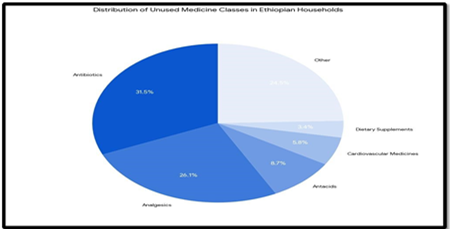
Figure 1: Distribution of Unused Medicine Classes in Ethiopian Households
2.2 Study outcome measures
Additionally, the survey was used to learn about the participants' medication disposal practices and motivations. 6, 8, 11, 21. Additionally, every article thoroughly explains the data collection techniques (4). 2.3 Study outcome measures. Ethiopian households' prevalence of leftover medications. The pooled prevalence of unused medications among Ethiopian households was ascertained using a comprehensive review and meta-analysis of 12 published research. 10–13, 24–31 According to the survey, 44.34 percent of Ethiopian homes had unused medications (95 percent CI: 32.83, 55.84). According to various research, the reported prevalence of unused medications ranged from 13.8% in the Amhara region to 66% in the region. 24 Antibiotics accounted for 31. 49 percent (95 percent CI: 21.81–41.18) of all unused prescriptions in households, making them the most commonly unused class of medications. Antacids made up 8.7% (95 % CI: 4.57–12.84), whereas anal gesics came in second at 26.14 % (95 % CI: 16.72–35.56). Conversely, the least often reported unneeded medications were nutritional supplements (3.4%) and cardiovascular medications (5.75%; 95% CI: 2.14–9.37) [5].
3. Collecting Schemes and Regulation on Drug Disposal Around the World
On its website, the U.S. Food and Drug Administration (FDA) offer information and guidance on how to properly dispose of expired, unwanted, or unused medications. This can be done by flushing the medication down the toilet if it is on the FDA's "flush list," or by using the take-back program. Table 3 outlines the APIs in medications that can be flushed out in accordance with FDA guidelines. First, the FDA advises identifying take-back locations to gather prescription and/or over-the-counter medications for disposal. Take-back alternatives include periodic events (National Prescription Drug Take-Back Days) and permanent collecting places and sites, both of which are in partnership with the U.S. Drug Enforcement Administration (DEA). Customers can flush the toilet to get rid of useless medications that are on the FDA "flush list" if the take-back option is not available. If not, it is advised that ineffective pharmaceutical products be disposed of in the household trash, following the easy steps for safe disposal, such as combining them with inert, inpalatable material (like coffee grinds), putting the mixture in a sealed container (like a Ziplock plastic bag), and then throwing it out [6].
4. Pharmaceutical (Drug) Pollution
Even though the general people does not perceive drug pollution as a threat to their health or the environment, it is becoming a significant local and global public health issue in Brazil's rapidly growing pharmaceutical and healthcare sector and industry. Pharmaceutical pollution encompasses the active ingredients and finished pharmaceutical products
(micropollutants) that are thrown by homes and healthcare systems, in addition to the consistently large discharges of untreated or improperly treated industrial effluent. Even illegal substances and their drug-abusing metabolites, such as cocaine, methamphetamine, opiates, ketamine, and benzoylecgonine, have been found in wastewater from a number of urban areas, which has made the issue with water quality worse. The active pharmaceutical ingredients (APIs) are one of the biggest issues pertaining to the environment and public health.
This concern stems from the fact that their dangerous concentrations may not always exhibit a conventional dose-response curve of toxicity, which could result in a detrimental effect from their accumulating amounts of pollutant. This is particularly true for endocrine-disrupting chemicals (EDCs), which can be dangerous to both humans and wildlife at very low quantities. The potential persistence of APIs in the environment and their metabolism, which happens through biotransformation and can intensify and prolong these bioactive compounds' detrimental impacts on the environment, are additional considerations that raise anxiety among scientists and environmentalists. Because of its intrinsic local and global relevance, the emission of APIs and PPCPs as pollutants in the environment is currently a crucial issue that requires evaluation and extensive discussion.
Because of its intrinsic local and global relevance, the emission of APIs and PPCPs as pollutants in the environment is currently a crucial issue that requires evaluation and extensive discussion. Importantly, this problem stems from the fact that, rather than APIs, attention is typically directed toward environmental contamination brought on by massive amounts and volumes of hazardous wastes from the chemical and processing industries and finished goods, such as plastics. The growth of the healthcare sector is correlated with a rise in pharmaceutical waste because of the rise in patients and consumers, the use of prescription and over-the-counter drugs, and the overproduction of pharmaceuticals. Additionally, the rise in PPCP production, diversification, and consumption—including that of face creams [6].
5. Medical waste generation rate and EPI scores
Each nation's average rate of medical waste creation is shown with the environmental performance index of that nation's managed solid waste management. According to the findings, industrialized and high-income countries generate medical waste at a far higher rate than do low- and middle-income countries. The average waste generation rate per day is between 0.3 and 8.4 kg/bed. The largest amounts of medical waste are produced in the US and Canada (8.4 and 8.2 kg/bed/day, respectively). In Asia, Kazakhstan and Iran produce the most medical waste (4.6 kg/bed/day), whereas Spain and Italy produce the most in Europe (4.4 and 4.1 kg/bed/day, respectively). The lowest amounts of medical waste are produced in Greece and Pakistan (about 0.3 kilogram per bed per day, respectively).
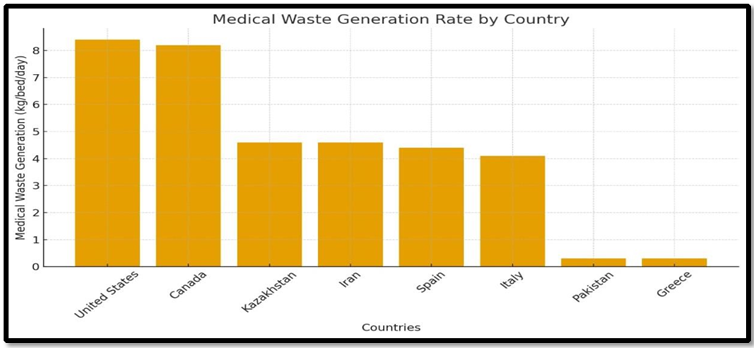
Figure 2: Medical Wast Generation Rate by Countries
Previous research has also shown similar patterns in the rate of medical waste creation, with transitional economies producing medical waste at a far lower rate than wealthy nations (Minoglou et al., 2017; Ansari et al., 2019; Windfeld & Brooks, 2015). Better healthcare services and an older population in wealthy nations may be to blame for this, as they use the most medical resources and services. However, millions of people now have access to better healthcare services and have been able to escape poverty because to the recent economic transition in emerging nations. Nonetheless, the demands for medical resources during and after the COVID-19 pandemic may be a contributing factor to the sharp rise in medical waste production worldwide [6].
6. Harmful Effects of Pharmaceutical Pollutants in Water Bodies
It is impossible to undervalue the biologically active compounds known as pharmaceuticals, their presence in many environmental compartments, especially water systems, and the possible health dangers they bring to humans and other living things. Typically, traditional WWTPs' effluent treatment is insufficiently effective to eliminate all of the physiochemically varied APIs that are released into wastewater. Pharmaceutical and chemical removal efficiency varies depending on wastewater treatment technology, and these methods are not effective in removing all bioactive compounds from sewage effluents. For example, in three technologically diverse full-scale WWTPs, Komolafe et al. examined the presence and efficacy of the removal of a number of chemicals from various classes (such as triclosan, polycyclic aromatic hydrocarbons, estrogen, and polybrominated diphenyl ethers), ranging from 0.1 to 49 g L 1.
These technologies, which included upflow anaerobic sludge blanket reactors (UASBs), waste stabilization ponds (WSPs), and conventional activated sludge (CAS), are the most widely used wastewater treatment methods in Brazil. As a result, the WSP wastewater treatment system outperformed CAS in terms of removal efficiency, achieving 89–99% for such bioactive compounds. The aquatic biota may be at risk because the residual effluent concentrations of bioactive compounds (triclosan and estrogen) were higher than their environmental quality standards, even though all three waste treatment systems had a notably high removal capacity. When it comes to pharmaceutical pollution across the country, these statistics are vitally important. With a population of more than 213 million in 2020, Brazil is home to the world's most expressive coastal seawater and surface freshwater resources [6].
7. Cardiotoxicity of Cytotoxic Drug
7.1 Antracyclin
The usage of anthracyclines has been thoroughly evaluated in relation to cardiotoxicity. Cardiomyopathy, congestive heart failure, and ECG abnormalities (such as nonspecific ST-T shifts, reduced QRS voltage, and prolonged QT interval) have all been linked to anthracyclines. There have been reports of both early and late onset cardiac effects. Within a year of beginning anthracycline therapy, early onset effects can manifest as acute, subacute, or chronically progressive.
Compared to late onset clinical cardiotoxicity, early onset cardiotoxicity appears to be less common in children. Up to 20 years after anthracycline medication is finished, late-onset effects may manifest. Acute poisoning Rarely, anthracycline induced acute or subacute cardiotoxicity will happen during or right after infusion and is typically temporary. (for instance, pericarditis-myocarditis syndrome, ventricular dysfunction with congestive heart failure, nonspecific ST-T abnormalities, and QT prolongation) and will subside once the treatment is stopped. 6: Long-term toxicity Early cardiac irregularities are the first signs of persistent damage, which can lead to overt heart illness. Clinical symptoms may include all indications of cardiomyopathy, including electrophysiologic abnormalities, a reduction in left ventricular function, alterations in exercise-stress capacity, and overt manifestations of congestive heart failure. Chronic effects continue even after the anthracyclines are stopped [7].
7.2 Fluorescent of Contamination
During PPE Removal Bacteriophage MS2, a non-pathogenic, non-enveloped RNA virus, is frequently employed to investigate how infections propagate. 18– 20. However, using this organism does not visualize contamination and necessitates microbiological skill. Fluorescent powders or lotions have been used in the past to mimic pathogen contamination, including transmission to skin, clothing, and environmental surfaces after PPE removal. 15–17,21 Escherichia coli 15597 was used to disseminate Bacteriophage MS2 15597B1 (ATCC). 19. There were fifty simulations run at a research lab. In the customary fashion, participants wore nitrile gloves (Denville Scientific Inc.) and contact isolation gowns (Safety Plus Polyethylene Gown; TIDI Products). We infected gloved hands with 0.5 mL of phosphate-buffered saline containing 108 plaque-forming units of MS2 and 0.5 mL of fluorescent lotion using a variation of the Casanova et al.17 approach. Volunteers then rubbed both solutions over their gloved hands for 15 seconds until they were dry.
Using a black light (UltraLight UV1, Grizzly Gear), volunteers took off their gloves and gowns as they usually did, and the level of contamination on their hands and wrists from the fluorescent lotion was measured. After that, volunteers used a sterile, premoistened 4x4 gauze pad to wipe their hands and wrists. The pad was placed in a sterile container with 10 mL of phosphate-buffered saline and vortexed for one minute to elute the bacteriophage. To measure the number of virus particles, aliquots of each elutant were serially diluted and cultured [8].
8. Body contamination after personal protective equipment removal among health care
Health care workers (HCP) are susceptible to occupationally acquired diseases due to the possibility of coming into touch with microorganisms released by diseased patients. Emerging pathogens like Ebola Virus Disease (EVD) and Severe Acute Respiratory Syndrome Coronavirus 2 (SARS-CoV-2) as well as endemic pathogens like norovirus and seasonal influenza are among the recent threats. The major method of preventing infections in healthcare institutions is still personal protective equipment (PPE), which shields patients and healthcare professionals from pathogen exposure. 4,5 PPE usually consists of multiple pieces of equipment and is worn in an ensemble. The ensemble employed during clinical action for the majority of infectious diseases is usually determined by the route of disease transmission. (1) Gloves and a gown are examples of conscient precautions (CP), a surgical mask as a droplet precaution, and a respirator as an airborne precaution. 5. Depending on the possible exposures and the context of patient care, several transmission-based precautions might be applied concurrently or added utilizing the concepts of conventional pre-cautions. Increased precautions are employed for infectious diseases that have a high mortality rate; these usually involve respiratory protection and full body coverage with clothing that is resistant to fluids. EVD outbreak, enhanced precautions were mostly utilized in emergency response and specialized biocontainment facilities; nevertheless, the outbreak prompted many HCP to take enhanced precautions for the first time [9].
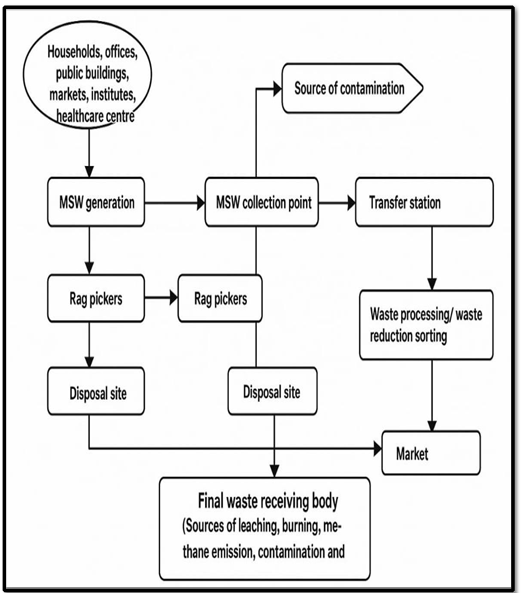
Figure 3: Households , Public building Waste Management
9. Food Processing and Pharmaceutical Industrial Wastes as Potential Biosorbents
Water contamination and the resulting shortage of fresh and clean water resources for present and future generations are among the most difficult environmental issues brought on by increased industrial activity. Numerous harmful substances, including organics, heavy metals, and dyes, are present in industrial effluent and may be harmful to aquatic life as well as humans. The highest allowable amounts of these substances in water streams were suggested by the World Health Organization (WHO). Since dyes have a complicated aromatic structure that hinders their biological degradation, they are among the most contaminated categories. They are generated in enormous quantities by a variety of industries, including food, cosmetics, pharmaceuticals, paper, leather, and textiles. examined and potential areas for development.
To the best of the authors' knowledge, no research on these specific forms of garbage has been reported elsewhere. A thorough critical review is provided on (i) the various biosorption techniques and mechanisms, (ii) controlling factors, (iii) equilibrium and kinetics studies, and (iv) recovery and/or pretreatment options. Furthermore, concluding remarks will be provided at the end, along with some recommendations for future research [10].
9.1 Sources and Applications of Biosorbents
Since the usage of inexpensive adsorbents, particularly biosorbents, became so common, adsorption as a process has received a lot of attention lately. Biosorbents are a broad category of inexpensive adsorbents that can be further classified as industrial solid wastes, biomass (alive or dead), and agricultural wastes. Many studies have used dead biomass as an efficient biosorbent to remove various contaminants. Its ability to be used in the presence of harmful substances or when nutrients are scarce without significantly affecting its sorption efficiency has made it popular.
Furthermore, compared to living biomass, dead biomass is more easily desorbed. As inexpensive biosorbents, living biomasses such as fungi, algae, and other microbial cultures with various strains were also employed.
Biosorbents derived from agriculture are a broad category of wastes that have drawn interest from numerous researchers worldwide. The availability of such trash locally determined their use. Rice husks and straws, various nut shells, fruit and vegetable peels or leaves, wheat bran, chitin and chitosan, and numerous other agricultural wastes were used by the researchers. Activated sludge from various biological processes or municipal (sewage) sludge [61] were used in biosorption applications of industrial solid wastes. As some of the world's largest producers of olive oil, several researchers in the Mediterranean region (Italy, Spain, Turkey, etc.) were interested in olive oil wastes.
The sorption of heavy metals and dyes from solutions was done using a variety of waste materials from the olive oil business, including pomace, pulp, stones, and milling sludge. One study used olive pomace to remove Cr (VI) from aqueous solutions with nearly 100% effectiveness. There was only one study that used olive oil pomace to remove phenol, and it had a removal effectiveness of above 90% in both batch and column modes. Another study that looked into the possibility of using olive oil mill wastes as Cu (II) biosorbents found that twice washing the biosorbent decreased COD release to 600 mg/L without affecting sorption effectiveness. Different oil industrial wastes, such as palm or sunflower oil waste, were used in other studies to remove dye [10].
10. Characterization and bioremediation of pharmaceutical industries’ wastewater
One of the biggest problems facing modern society is environmental pollution. According to research, solid waste, other hazardous waste, and industrial effluent discharge account for one-third of all water pollution in India. The natural water system may be at risk from industrial wastewater. Numerous organic and inorganic materials found in this effluent are harmful to the ecosystem's different life forms. Numerous studies have demonstrated how common these contaminants are in surface water, ground water, and wastewater. Rivers have suffered greatly as a result of the growing pollution load from industrial water streams, which poses serious health hazards for anyone consuming or bathing in the river water.
Environmental contamination brought on by industrial effluents has a negative impact on the general health of field workers, farmers, and residents who live close to chemical synthesis facilities [11].
10.1 Biological treatment of pharmaceutical wastewater
The complex pollution load of pharmaceutical industry wastewater effluents has not been successfully addressed by the traditional chemical treatment methods. In addition, they occasionally contribute to the development of another complex by-product that is more challenging to treat and further contaminates soil or water sources. Costly chemicals and treatment facilities are used in chemical/physicochemical purification processes, which are challenging to administer at the industrial unit level (Amin et al. 2013). Inorganic coagulants, such as Fe and Al salts, were shown to be less successful in treating pharmaceutical wastewater in a pharmaceutical facility (Mayabhat 1988). Compared to unsubstituted phenols, chlorinated phenols are more hazardous. The degree of chlorination and the lipophilicity of chlorophenols both increase the toxicity of phenol [11].
11. Pharmaceutical Waste Disposal
Life expectancy has increased as a result of medical advancements and technological advancements. According to data from the World Health Organization (WHO), life expectancy rose from 66.79 to 73.31 between 2000 and 2009, and the average life expectancy more than doubled globally between 1900 and 2019. On the other hand, the data of the use of particular pharmaceutical categories show how social, economic, and cultural developments have impacted the development of civilization diseases including obesity, diabetes, cardiovascular diseases, cancer, and autoimmune disorders. The Organization for Economic Co-operation and Development (OECD) reports that, on average, the use of hypertension medications rose by 70% between 2000 and 2017, while the use of cholesterol-lowering medications tripled and that of antidiabetic medications doubled, similar to the use of antidepressants [12].
11.1 Pharmaceutical Waste
Across the globe, trash is defined differently in each nation's legal framework [20]. In the European Union, "waste" is defined as any material or item that the owner discards, plans to discard, or is obligated to trash in accordance with Directive 2008/98/EC of the European Parliament and of the Council of November 19, 2008, on waste, which repeals certain Directives (OJ L 312 22.11.2008, p. 3). Both unused and expired medications appear to be considered pharmaceutical waste. Although unused medications may be used by other patients, only a certified pharmacy is permitted to sell them due to safety concerns (falsified medications are a global issue). The following are the primary causes of a patient's dissatisfaction with a medication or its eventual unused status:
12. Sustainable Environmental
Management of Healthcare Waste
Ecologically Friendly Handling of Medical Waste Facilities for healthcare services play a significant role in sustainability since they aid in the prevention, management, and treatment of illnesses. Any nation's health sector uses a large portion of its financial and human resources, which reflects sustainability's economic component. As a result, healthcare institutions use a lot of resources and will always produce waste, which has an impact on environmental sustainability. Reducing healthcare waste has numerous positive effects on the environment in addition to Facilities for healthcare services play a significant role in sustainability since they aid in the prevention, management, and treatment of illnesses. Any nation's health sector uses a large portion of its financial and human resources, which reflects sustainability's economic component. As a result, healthcare institutions use a lot of resources and will always produce waste, which has an impact on environmental sustainability.
In addition to having a major positive impact on the environment, addressing healthcare waste also helps to reduce costs and enhances the reputation of all parties involved. The provision of medical care and related support services, like maintenance and feeding, typically results in healthcare waste.
The majority of waste is classified as municipal solid waste (MSW), which includes household waste like food, paper, and plastic. The World Health Organization (WHO) estimates that 15% of healthcare waste is hazardous medical waste (HMW), which includes infectious, radioactive, or pathological materials. Population expansion and the corresponding rise in healthcare facilities have led to a major increase in healthcare waste output on a global scale. Countries all across the world now face economic and environmental challenges as a result of this development. Healthcare waste is the fourth-largest source of mercury emissions into the environment, according to Zimmer and McKinley [13].
12.1 Materials and Methods
With a land area of 2,149,690 km2, Saudi Arabia is the largest nation in both the Arabian Gulf and the Middle East. The nation, Oman, Bahrain, the United Arab Emirates, Qatar, and Kuwait are all members of the Gulf Cooperation Council (GCC). 1 Examining all official documents currently in existence regarding Saudi Arabia's healthcare waste policies and procedures; 2 Quickly observing healthcare waste management policies and practices; 3 Semi-structured interviews with important informants in the field of health waste management ; assembling medical professionals in a focus group [13].
13. Pharmaceutical Packaging Material
An item or device that holds a pharmaceutical product and may or may not come into direct contact with the product is known as a pharmaceutical package container. For medicinal purposes, the container needs to be stable [14].
13.1 Recent trends and future of pharmaceutical packaging technology.
The collection of various elements that envelop the pharmaceutical product from the point of manufacture until it is used is known as packaging. The task of packaging pharmaceutical products is extensive, complex, and multifaceted. Packaging is in charge of supplying innovative products such as medical nutritionals (nutraceuticals), life-saving medications, medical devices, and treatments in every possible dosage form to distribute any kind of supplement, poultice, liquid, solid, powder, suspension, or drop to people worldwide. When done well, it is transparent to the end user; when done incorrectly, it is subject to criticism from all sides. Product distribution has never been more worldwide. A topic that requires explanation and discussion is the mass customisation of packaging to enable its use in various markets.
Product distribution has never been more worldwide. A topic that requires explanation and discussion is the mass customisation of packaging to enable its use in various markets. Sustainability and other environmental concerns will always be a subjective aspect of packaging design [14].
14. The Global Public Health Issue of Pharmaceutical Waste: What Role for Pharmacists?
Medications like penicillin, insulin, smallpox and polio vaccines, aspirin, morphine, oral contraceptives, and digoxin are just a few examples of how medications have significantly improved the quality of life for people in the modern era. Pharmaceuticals and their packaging have a major detrimental influence on the environment, even though it is known that they play a substantial role in enhancing many "quality of life" indicators related to human physical, mental, and social wellness. This adverse effect is brought on by the carbon that is contained in the production and distribution of medications as well as the trash that is produced during these processes (Gell, 2010) [15].
We are on the brink of many diseases and are welcoming them with open arms as our culture transitions to modernity through altered eating and lifestyle patterns. Many medications and their combinations are being used to treat these illnesses. Pharmaceutical companies use excipients and active pharmaceutical substances to manufacture dosage forms for these medications. When pharmaceutical dosage forms are developed, a variety of hazardous wastes are created. If these wastes are released into the environment untreated, they may have a negative impact on both our environment and the lives of living
Many environmentalists claim that because pharmaceutical wastes affect the environment and have a variety of harmful impacts, they should be referred to be pollutants. Among the contaminants found in pharmaceutical wastes include dosage forms, liquids, ampoules, anti-infective and anti-neoplastic medications, propellants, aerosol containers, and expired solids, semi-solids, and powders [15].
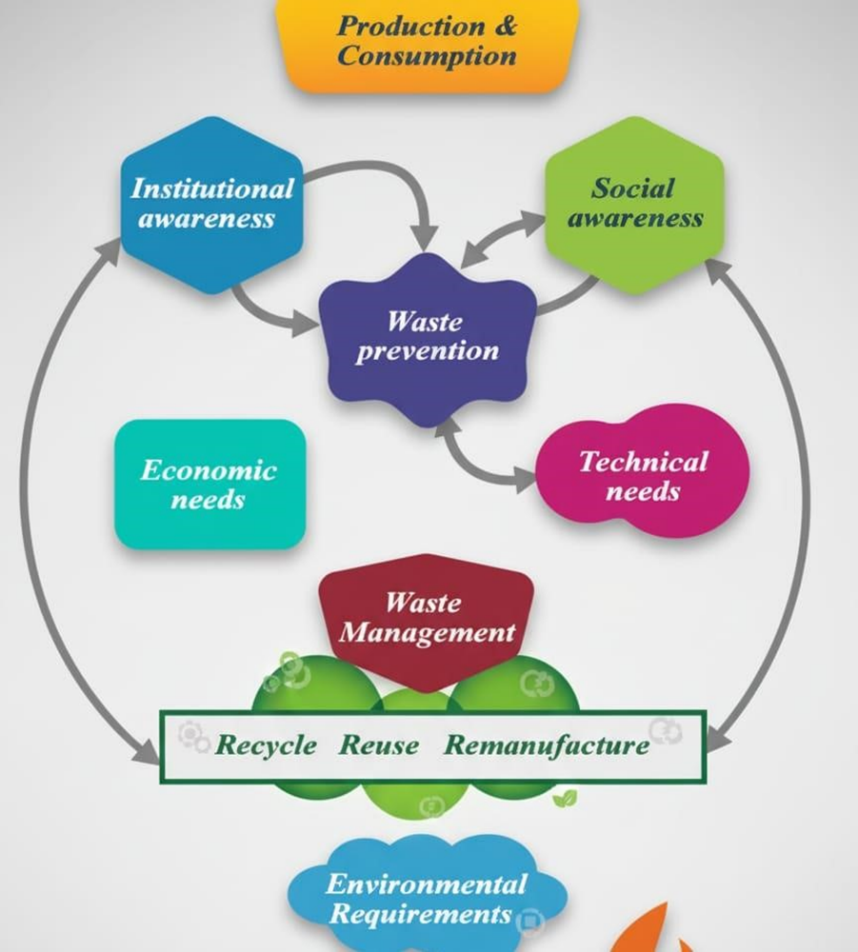
Figure 4: Recycle and Reuse of West
15. Occurance of Vetarnary Pharmaceuticals in Aqueous Matrix
Over the past ten years, numerous studies have examined the presence of veterinary medications in various aquatic settings, whether they are man-made (found in landfill leachates and various types of waste water) or natural (found in lakes, rivers, and groundwater). The various aquatic habitats and related literature pertaining to the prevalence of veterinary medications will be discussed separately in the sections that follow [16]. In recent years, there have been significant worries about the extensive use of veterinary medications and their subsequent leakage into various environmental compartments, which has had an adverse effect on the ecosystem and ecology.
Claimed that despite the fact that the global pharmaceutical market has doubled in size over the past ten years, there is a chance that the quantity of veterinary medications released into the environment was significantly higher because there is little regulation over the kinds and quantities of drugs used, particularly in nations like China and other Southeast Asian countries.
For instance, according to the European Federation of Animal Health (FEDESA), the European Union consumed about 4700 tons of veterinary drugs in 1999. According to reports, a third of the antibiotics consumed in Europe are used for veterinary purposes, with poultry and pigs accounting for the majority of these applications [16].
15.2 Various ways to present and determine hazardous wastes:
16. Impact of Pharmaceutical Wastes On Human Life and Environment
Both the pharmaceutical industry and modern culture are releasing extremely harmful. Pharmaceutical substances, either directly or through chemical modification, are employed for a number of advantageous applications in environmental pollutants. One Furthermore, a variety of pathways, including the release of treated wastewater, seepage from landfills, sewage lines, runoff from animal waste, etc., might allow pharmaceutical chemicals to infiltrate the environment. Although many pharmaceutical compounds may be reduced by various physical and biological processes that occur in aquatic ecosystems, trace amounts of pharmaceutical compounds for humans and animals, along with their metabolites, have been found in a variety of water bodies, including drinking water sources, groundwater, and surface water. 4-6 India's pharmaceutical sector ranks 14th in terms of value and third in terms of volume worldwide
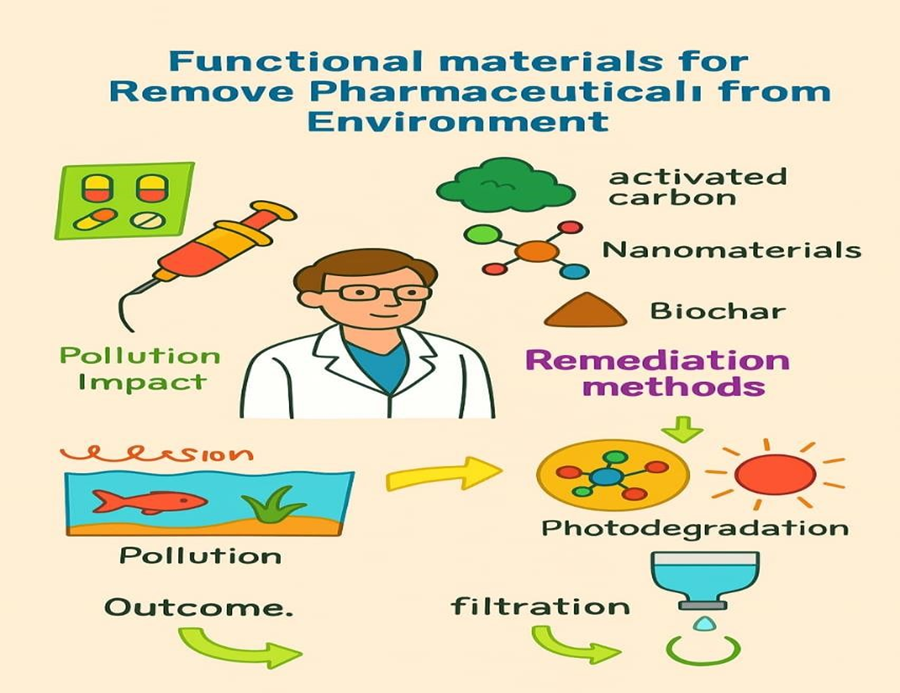
Figure 5: Remove Pharmaceutical Waste From Environment
16.1 Pharmaceuticals in the Environment
Hormones, contraceptives, antihypertensives, Pharmaceuticals can enter the environment through industrial facilities, hospital wastewater, land uses (such as biosolids and water reuse), etc. Twelve However, the active compounds in waste water are not always successfully removed by sewage treatment services. As a result, drugs end up in aquatic environments, where they have a direct impact on aquatic life and have the potential to enter food chains. According to a recent study, the effluents from a nearby wastewater treatment plant in Visakhapatnam, India, contained abnormally high concentrations (mg/L) of a number of pharmaceuticals [18].
17. Veterinary Medical Waste Disposal and Management
Any chemical or combination of substances used in the diagnosis, treatment, or prevention of animal sickness is referred to as a veterinary drug. This includes biological products, sanitary products, and products used to treat internal and external parasites and disease-transmitting vectors. Worldwide, pharmaceuticals are created and consumed in ever-increasing quantities each year. these substances' effects on the environment Low concentrations of Pharmaceutical chemicals are increasingly found in surface and ground waters. There is worry that medications may negatively affect aquatic life and human health, even though environmental concentrations of these substances are now much lower than the recommended therapeutic levels [18].
Techniques for disposing of veterinary medication wastes and to determine the dangers of incorrect disposal, by a thorough analysis of earlier research [18].
17.1 Veterinary Waste Handling
Because it can injure anyone who comes into contact with it, medical and hazardous waste produced during veterinary practice is controlled trash. To reduce risk, it is crucial that anyone handling untreated medical or hazardous waste is outfitted with the proper personal protective equipment (PPE). Additionally, workers must receive instruction on how to properly use and dispose of personal protective equipment [18].
CONCLUSION
Every year, a significant amount of pharmaceutical waste accumulates due to over prescription, overproduction, and consumption. Numerous investigations have revealed traces of pharmaceuticals in soil, water supply systems, and rivers. These active pharmaceutical substances get up in the food chain and are then passed back to people, animals, and plants as a result of inappropriate disposal. If environmental and public safety are to be maintained, pharmaceutical waste must be disposed of safely. Lack of cash, limited infrastructure, low awareness, and inadequate storage capacity are the main issues with disposing of pharmaceutical waste.
Among patients, healthcare professionals, and the general population. Safe waste management should be pursued and put into practice by all parties involved, including the government, pharmaceutical firms, the media, healthcare professionals, patients, the general public, and non-governmental organizations. Enforcing safe disposal requires interdisciplinary collaboration and coordination at the home, healthcare, and industrial levels. Reducing the risks associated with pharmaceutical waste requires the implementation of national regulations, economical disposal methods, staff training, and public education. To reduce the massive amounts of expired medications that harm the environment, legislation pertaining to expired medications must be created.
ACKNOWLEDGEMENT
We wish to thank our Principal and Institute for the support. All the authors For their contribution on AI and Drug Delivery System
REFERENCES


Devkar Divya, Dhamak Kiran, Pharmaceutical Waste Management: An Overview, Int. J. of Pharm. Sci., 2026, Vol 4, Issue 2, 3275-3292. https://doi.org/10.5281/zenodo.18713427
 10.5281/zenodo.18713427
