
1 Department of Studies in Food Technology, Davangere University, Shivagangothri, Davangere-577007, India.
2 Department of Biotechnology, Kolhapur Institute of Technology College of Engineering, Kolhapur, India.
3 Department of Biotechnology, Kolhapur Institute of Technology College of Engineering, Kolhapur, India.
4 Department of Pharmacy, Padmashree Dr. Vithalrao Vikhe Patil Foundation’s College of Pharmacy, Ahilyanagar, India.
5 Department of Pharmacy, Guru Nanak Institute of Pharmaceutical Science and Technology, India.
6 Department of Pharmacy, D. D. College of Pharmacy, Dehradun, Uttarakhand, India.
7Department of Pharmacology, School of Pharmaceutical Education and Research (SPER), Jamia Hamdard, New Delhi-110062, India.
Interaction of nanotechnology with natural biopolymers has prompted a paradigm shift to the sustainable and intelligent nanomaterials. This review discusses the novel combination of gold nanoparticles (AuNPs) and nanosponges (NS) made of mushroom polysaccharides to form a functional hybrid platform (AuNP@NS). Exceptional green reducing agents, stabilizers and bioactive matrices are mushroom polysaccharides, including b-glucans of Ganoderma lucidum and Lentinula edodes or heteropolysaccharides of Tremella fuciformis. Their chemical versatility and biofunctionality, such as immunomodulation, antitumor activity and enzyme-initiated degradation, allow them to produce stable and biocompatible AuNPs and develop porous and three-dimensional nanosponge structures. The hybrid AuNP@NS takes advantage of the synergistic properties of the components: plasmonic, catalytic and therapeutic properties of AuNPs are combined to the high encapsulation capacity, stimuli-responsiveness and inherent bioactivity of the polysaccharide nanosponge. This system is strictly tested in various applications. It is a very effective and recyclable nanoreactor, which increases reaction rates and stability in catalysis. It has synergistic biofilm disrupting activity as an antimicrobial agent against model pathogens. In the case of drug delivery, it allows loading of high payloads and stimuli-responsive release (e.g., pH or enzyme-stimulated). In sensing, it acts as a selective and sensitive colorimetric platform of targets such as heavy metals. The comparative study of the control systems (e.g., unsupported AuNPs, other polysaccharide matrices) proves that the AuNP@NS hybrid performs better in the aspects of colloidal stability, recyclability, multifunctionality, and targeted activity. Self-assembly of bioactive mushroom polysaccharide with AuNPs in a nanosponge constructivist design is a groundbreaking breakthrough in green nanotechnology, which will lead to the next generation theranostic, catalytic, and environmental remediation systems.
The development of nanotechnology has always tried to be inspired by the blueprint of nature, and thus a new era of the paradigm shift in the development of sustainable, biocompatible, and intelligent materials emerged. The core of this green nanotechnology revolution is the interface between natural polysaccharides and the nanoscale engineering. The complex carbohydrates that are present ubiquitously in plants, algae, fungi, and crustaceans, which are called polysaccharides, are no longer considered as structural and energy-storage molecules only but rather as elaborated biopolymers with an arsenal of uses to nanotechnological applications. Their hydroxyl, carboxyl, and amine-rich molecular structure inherently gives them an ability to interact, modify and self-assemble [1]. This chemical flexibility enables them to serve as natural reducing reagents, stabilization of capping ligand and structural templates to the production and manipulation of metallic nanoparticles. Outside of chemistry, their inherent biofunctionality, such as biodegradability, non-toxicity, immunomodulatory phenotype, and receptor-binding specificity give the resulting nanomaterials a biological intelligence that synthetic polymers usually do not possess [2]. The convergence is, then, not an incidental replacement, but a paradigm shift in the design of nanomaterials: the passive, potentially dangerous constructions are replaced by active, sense-and-respond systems that will be able to communicate with the biological worlds in the most natural way. The synergy opens the opportunity to next-generation application in targeted drug delivery, regenerative medicine, environmental remediation, and green catalysis where sustainability and biocompatibility is important in improvement of performance. Among all such nano-tools, gold nanoparticles (AuNPs) have a seat in an illustrious spot, being both an ancient and modern medicine tool and an advanced technological solution [3]. Their attractiveness is based on a set of tunable physicochemical characteristics. AuNPs are most famously known to have intense surface plasmon resonance (SPR), or collective oscillation of conduction electrons triggered by interaction with light which appear as bright colors of ruby-red to deep violet with respect to the size, shape, and local dielectric environment of the particle. This property of light is the foundation of their application in colorimetric detection, diagnostic tests and photothermal therapy [4]. Moreover, they are the best scaffolds in the fabrication of complex nanobioconjugates to function as targeted drug delivery and bioimaging due to their biocompatibility, relatively inert property, and easy functionalization through either gold thiol or gold amine chemistry. The high surface-volume ratio and catalytic capacity especially in redox reactions have also established their place in green chemistry and energy conversion [5]. But, this huge opportunity comes with a huge challenge; stabilization. In particular, Bare AuNPs and in particular those below 100 nm of size have high surface energy and, consequently, undergo irreversible aggregation to reduce this energy, which eliminates their plasmonic behavior and functionality. This is enhanced by aggregation in physiological saline conditions or in different PH conditions. Stabilization with synthetic surfactants or capping agents such as citrate can in most cases offer only electrostatic repulsion that is weak to ionic forces and synthetic coatings can add cytotoxicity on further biofunctionalization. Thus, the need to stabilize is beyond simple colloidal stability; it is the need to have a multidimensional sheath that allows not to aggregate, imparts a stealth effect, allows targeting, and may include therapeutic personnel. This requirement forms the ideal requirement to couple AuNPs with enhanced natural polymer matrices [6-10].
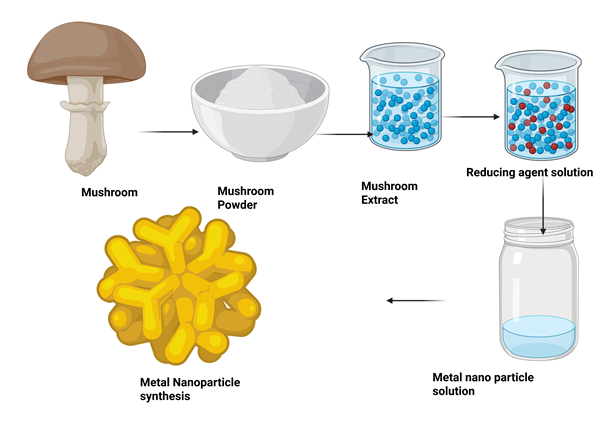
Fig: 1 Mushrooms as next-generation biofactories for nanoparticle synthesis
Table 1: Physicochemical and biological properties of selected mushroom polysaccharides
|
Mushroom Source |
Polysaccharide Type |
Primary Monosaccharides & Linkages |
Key Physicochemical Properties |
Relevant Bioactivities |
Proposed Role in Nanosponge |
|
Ganoderma lucidum |
β-Glucan (Branched) |
Glucose; (1→3)-β backbone, (1→6)-β branches |
Water-soluble, forms triple-helix, high viscosity |
Immunomodulation (dectin-1 agonist), antitumor, antioxidant |
Active matrix, provides targeting & therapy, gel-forming backbone |
|
Lentinula edodes |
Lentinan (β-Glucan) |
Glucose; (1→3)-β backbone, (1→6)-β branches |
High MW, water-soluble, triple-helix conformation |
Potent immunoadjuvant, anticancer, antimicrobial |
Bioactive matrix, enzyme-triggered degradation potential |
|
Tremella fuciformis |
Acidic Heteropolysaccharide |
Mannose, Xylose, Glucuronic Acid; (1→3)-α backbone |
Exceptional water retention, clear viscous gel, anionic charge |
Antioxidant, moisturizing, immunoenhancing |
Gelation/ network formation, ionic crosslinking, anionic functionality |
|
Schizophyllum commune |
Schizophyllan (β-Glucan) |
Glucose; linear (1→3)-β linkages |
Rigid triple-helix, high mechanical strength, stable gel |
Immunostimulant, antiviral |
Provides structural rigidity to nanosponge network |
Gold Nanoparticles: Synthesis Methods, Surface Chemistry, and Functionalization
The typical representative of noble metal nanomaterials is gold nanoparticles (AuNPs), investigation of which can be traced to the experiments of colloidal gold conducted by Faraday in the 1850s. Their modern importance lies in a complex of distinctive optical, electronic and chemical characteristics, which are beautifully size, shape, and surface environment tunable. This high Surface Plasmon Resonance (SPR) absorption, which arises when the conduction electrons coherently oscillate when they interact with photons, gives the vivid visible signal and is the basis of applications in the fields of sensing, imaging, and photothermal therapy. Nanoscale Gold is also remarkably catalytically active in oxidation and reduction reactions, which is contrary to its macroscopic inertness [11]. The exploitation of these properties, however, needs a strict control over their synthesis, an in-depth knowledge of their surface chemistry as well as the functionalization of these properties to apply to particular applications. The methods of synthesis can be divided into physical (also known as top-down) and chemical/biological ones. Top-down techniques, such as laser ablation or lithography, provide precision in patterning, but tend to be low yield and incompatible with colloidal suspensions. As a result, the most common pathway is bottom-up reduction in solution. The Turkevich technique (citrate reduction of chloroauric acid, HAuCl4) yields spherical AuNPs of size in the 10-20 nm size range with citrate as reductant and electrostatic stabilizer [12]. The Brust-Schiffrin technique was revolutionary as it allowed synthesis of smaller (1-5 nm), organically soluble, and highly stable AuNPs through two-phase reduction in the presence of sodium borohydride with the help of alkanethiols, which form a self-assembled monolayer (SAM). Recent technology has been directed towards seed-mediated growth, where a growth step is decoupled from nucleation, affording a beautiful control of particle morphology- with rods, stars, shells, and cages with discrete, tuneable plasmonic bands. Green synthesis has become a crucial sub-discipline with the ability to use plant extracts, microorganisms, or biopolymers (e.g. polysaccharides) as reducing and capping reagent in line with sustainability principles and with bio-compatibility improvement [13-15].
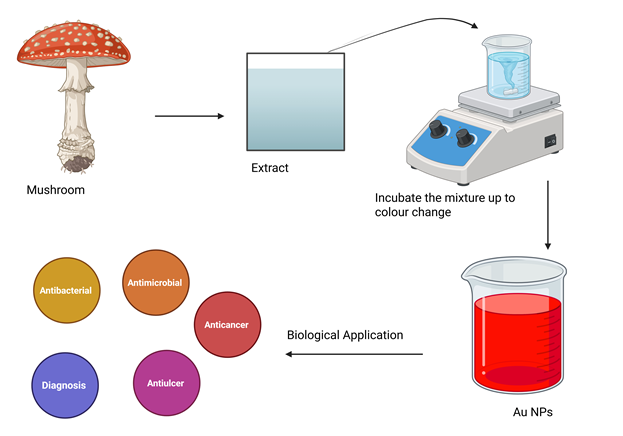
Fig: 2 Synthesis of gold nanoparticles from mushroom extract and their biological applications
Table 2: Comparative Performance Metrics of AuNP@NS in Different Applications
|
Application |
Key Performance Indicator (KPI) |
Result for AuNP@NS Hybrid |
Control System (e.g., Unsupported AuNPs) |
Enhancement Factor/ Advantage |
|
Catalysis |
Pseudo-1st-order Rate Constant (k, min?¹) |
e.g., 0.25 min?¹ |
e.g., 0.08 min?¹ (aggregates quickly) |
~3x faster kinetics |
|
Catalyst Recyclability (% Activity after 5 cycles) |
>90% retention |
<20% retention |
Reusable heterogeneous catalyst |
|
|
Antimicrobial |
MIC against S. aureus (µg/mL Au eq.) |
e.g., 8 µg/mL |
e.g., 32 µg/mL |
4x lower dose due to synergy & targeting |
|
Biofilm Inhibition (%) |
e.g., 85% inhibition |
e.g., 40% inhibition |
Enhanced penetration and disruption |
|
|
Drug Delivery |
Doxorubicin Loading Capacity (%) |
e.g., 22% w/w |
Not Applicable (no carrier) |
High payload due to porous sponge |
|
Stimuli-Responsive Release (pH 5.5 vs 7.4) |
e.g., 80% vs 40% at 24h |
N/A |
Controlled, targeted release to acidic sites |
|
|
Sensing |
Detection Limit for Hg²? (nM) |
e.g., 5 nM |
e.g., 50 nM (non-specific aggregation) |
10x more sensitive due to pre-concentration |
Surface Chemistry is an interface which determines the behavior of AuNP. The stability of aqueous suspension is determined by the ratio between attractive van der Waals forces to repulsive forces, which may be either electrostatic (e.g. due to charged citrate ions) or steric (due to polymer brushes or SAMs). Freshly synthesized AuNP has a dynamic surface; ligands have competition to bind to it, and the surface charge (zeta potential) is pH and ionic strength sensitive [16]. Thiols, amines, phosphines and cyanides have a high affinity with the gold surface, and are coordinate covalent bonds. This affinity is the key to AuNP functionalization. This chemistry is important to avoid unwanted aggregation, particularly in high-ionic-strength conditions such as in physiological fluids where the use of electrostatic stabilization is not sufficient. Functionalization of generic AuNPs is carried out to convert it into targeted, multifunctional agents. It is usually carried out through ligand exchange or direct grafting onto the stabilizing shell. One of its main targets is bio conjugation: antibodies, peptides, aptamers or folic acid may be conjugated to agents through the formation of thiol or amine conjugations in order to endow active targeting to cancerous cells or to a particular tissue [17]. The gold standard of the impartation of stealth properties is PEGylation, the grafting of polyethylene glycol (PEG) chains, which decreases opsonization and increases blood circulation time. To deliver therapeutic molecules, therapeutic molecules may be directly chemisorbed or encapsulated onto a carrier matrix onto the AuNP. Besides, they can be functionalized with stimuli-responsive ligands (e.g., pH-sensitive linkers, enzyme-cleavable peptides) to be released on command. In sensing, functionalization by particular receptors (e.g., DNA strands, antibodies) can be used to detect the targets by aggregation or local changes in the refractive index colorimetrically or spectroscopically. This extensive arsenal of functionalization, which is based on the sound surface chemistry, allows to design AuNPs as catalysts, diagnostics probes, therapeutic vectors, and theranostic devices [18].
Nanosponge architectures: types, synthesis, and host-guest chemistry
Nanosponges are a paradigm shift in the design of nanocarriers, whereby solid or vesicular structures are replaced with highly porous three dimensional networks with a colossal potential to entrap molecules. They are characterized by being nanosized, hyper-crosslinked polymeric structures that possess a huge number of cavities, characterized by a skeleton of sponges. Nanosponges types are mostly distinguished by the material of backbone. A nanosponges based on cyclodextrin is most frequently studied, in which crosslinked cyclodextrin toroids are loaded with agents such as diphenyl carbonate or pyromellitic dianhydride, into which a nanoporous network with intrinsic hydrophobic cavities is incorporated [19]. Tunable biodegradability is provided by polyester-based nanosponges, which are usually based on crosslinking of polymers into carbonate or ester forms. Silica-based mesoporous materials (e.g., MCM-41, SBA-15) are an inorganic type which has regular and uniform pores. The most appropriate to this work is the polysaccharide-based nanosponges, which are made using such natural polymers as chitosan, cellulose, starch, or alginate. These are a combination of material advantages of biopolymers (biocompatibility, non-toxicity, renewability) and structural advantage of a high-surface-area porous network. The purpose of synthesis methods is to produce a stable, crosslinked net with a controlled porosity. Cross-linking polymerization is the most common one. This is by refluxing the polymer (e.g. cyclodextrin, a polysaccharide) with a cross-linker in a solvent. The level of crosslinking, the cross-linker (either epichlorohydrin or citric acid or hexamethylene diisocyanate), and the polymer to cross-linker ratio are important factors that determine pore size, swelling performance, and mechanical stability [20]. Sphere particles of nanosponsible have the ability to be made using emulsion-solvent diffusion procedures where an internal phase that includes polymer and cross-linker is emulsified in an outer phase, then solvent is eliminated and crosslinking takes place. Mechanochemical synaptic comprises of solid-state techniques, including ball milling, which provides solvent-free syntheses. In the case of polysaccharides, the synthesis can be performed by activation of the hydroxyl groups to form either ether or ester bonds with cross-linkers that have two functional groups, forming a strengthened 3D network. The principality of operation of nanosponges is Host-Guest Chemistry. The interconnected pores (host) have the ability to entrap a remarkably broad range of guest molecules (drugs, gases, catalysts, metal ions) via a variety of interactions: hydrophobic inclusion (in the cavities of cyclodextrins), hydrogen bonding, electrostatic interaction, and physical entrapment of the nanoporous matrix [21]. The given encapsulation has several benefits: it increases the solubility and stability of hydrophobic drugs, preserves labile molecules, hides unpleasant flavor, and above all, provides a controlled release. Diffusion across the pores controls release kinetics and can be antagonized by the swelling of the nanosponge under environmental stimuli such as pH, temperature or specific enzymes. This reactivity converts nanosponges into inert reservoirs into smart delivery systems. In catalysis, nanoparticles of metals trapped in such pores (forming nanoreactors) can be prevented to aggregate, access to its substrate can be facilitated, and recovery and reuse of catalyst are easily possible. The high internal surface area and tunability of the chemical environment of the nanosponge render the nanosponge the ideal platform on which the activity of its guest species be it drug molecules or metallic nanoparticles can be controlled and enhanced [22].
Mushroom-derived polysaccharides: a deep dive
Mushroom polysaccharides constitute a vast and structurally diverse class of bioactive macromolecules that form a key component of fungal cell walls and exopolysaccharides. They are increasingly prized in advanced materials science for their unique combination of physicochemical properties and profound biological activities, which far surpass many plant-derived polysaccharides [23].
β-Glucans (e.g., from Ganoderma lucidum, Lentinula edodes)
The most renowned mushroom bioactive polymers are β-glucans, which are mainly composed of the D-glucose monomers connected with the help of the b-glycosidic bond. Their bioactivity is hyper structure-sensitive. These linear (1-3)-b-D-glucans, e.g. schizophylan of Schizophyllum commune, give rise to stable triple- helical conformations in water, which confer to them high viscosity and gelation characteristics. The branched (1-3, 1-6)- β-D-glucans are more frequent and pharmacologically important. An example is Ganoderma lucidum (Reishi) which produces polysaccharide fraction (GLP) that contains (1-3)-linked backbone with (1-6)-linked glucopyranosyl side chains [24]. Pattern recognition receptors (e.g., dectin-1, complement receptor 3) of immune cells on this precise architecture induce potent immunomodulatory, antitumor, and anti-inflammatory reactions. On the same note, Lentinula edodes (Shiitake) has Lentinan, a (1-6)-b-branched (1-3)-β-D-glucan high-molecular-weight immunoadjuvant approved clinically in the treatment of cancer in certain countries. These b-glucans are not simple carriers but pharmacologically potent compounds capable of inducing host defense responses, which makes them the ideal choice of penalty choosing therapeutic delivery systems contributing to the treatment process [25-27].
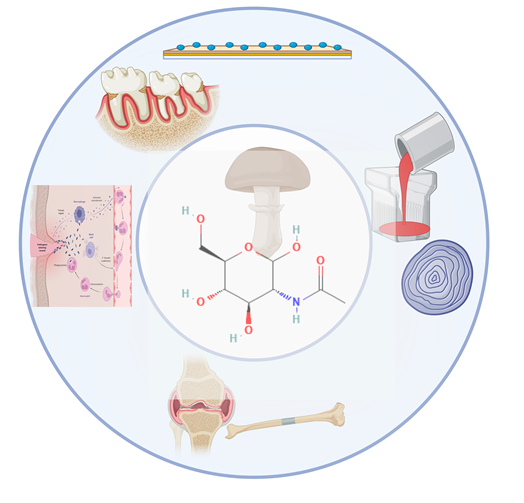
Fig: 3 Possible therapeutic activities of Lentinula edodes edible mushroom
Heteropolysaccharides (e.g., from Tremella fuciformis)
This type of class is an amalgamated polysaccharide with two or more types of monosaccharides. An excellent example is the polysaccharide of Tremella fuciformis (Snow Fungus or Silver Ear mushroom), a most valuable edible and medicinal fungus. Tremella polysaccharide (TP) is an acidic heteropolysaccharide that is primarily composed of D-mannose, D-xylose, D-glucuronic acid and fucose with a main chain of (1-3)-linked a-D-mannose and side chains made out of glucuronic acid and xylose [28]. Such structure gives it extraordinary water holding power to make clear and viscous gels, even in low concentrations. TP is known to have moisturizing, antioxidan and immunoenhancing effects. Other mushrooms produce rhamnose, galactose and arabinose heteropolysaccharides. These heteropolymers have complex, acidic groups (e.g. glucuronic acid) that provide better chemical handles to modify (e.g. ionic crosslinking, conjugation) and interact with biological systems than do neutral homoglucans [29].
Key physicochemical properties (solubility, gelation, bioactivity)
The majority of mushroom polysaccharides are water-soluble, which is a crucial attribute of biomedical use. Molecular weight, branching, and ionic groups control their solubility and solution behavior. Linear (1-3)-β-D-glucans with high-molecular weight tend to adopt a rigid triple-helix structure and branched or heteropolymers can be found in a flexible random coiled form or aggregated network form [30]. This conformation determines the viscosity, assembling, and binding with the receptors. Most of the mushroom polysaccharides are good gelling agents. This gelation may be thermally induced (e.g. by cooling down a hot solution) or triggered ionically (e.g. by borate ions, or calcium). This inherent capability to create 3D hydrogels is a direct predecessor of nanosponge architecture creation. The networks of these natural polymer chains can be stabilized at the nanoscale by crosslinking to make strong swellable particles. Bioactivity: In addition to immunomodulation [31-33], the mushroom polysaccharides have an astonishing repertoire of bioactivities: direct antitumor effects (preventing proliferation, inducing apoptosis), antioxidant (scavenging free radicals with hydroxyl groups) and prebiotic effects, wound-healing, and hypoglycemic effects. This versatile profile of bioactivity implies that a delivery system made of them is intrinsically therapeutic, and therefore they can be used in combination therapy so that the carrier is the treatment [34].
Polysaccharides as green reducing and stabilizing agents for metallic nanoparticles
The conventional metal nanoparticle synthesis of the metal structures usually entails the harsh reducing reagent (e.g., NaBH4, hydrazine), and toxic stabilizing surfactants (e.g., CTAB), posing environmental and biocompatibility issues. Polysaccharides have been developed as the best alternative green since it is capable of serving as a reducing agent, as well as stabilizing capping agent in the same molecule. Their ability to reduce is due to their hydroxyl groups and in others, aldehyde end groups (of hemiacetal ring-opening). These groups may then be oxidized under thermal or alkaline conditions, giving up electrons to reduce metallic ions (Au3+, Ag +) to their zero-valent state (Au0, Ag0 ). The reduction rate is generally not as high as with the strong chemical reducing agents, which has the benefit of often happening by chance to provide improved control over particle size and monodispersity. As an example, starch or chitosan solutions heated with HAuCl4 turn to ruby red progressively, a fact that shows the creation of colloidal gold. Their stabilizing effect is multi-dimensional. To begin with, they offer steric stabilization: long, hydrophilic polymer chains saturating the surface of the nanoparticles form a physical and hydration barrier which does not allow approaching close and aggregation. Second, they may provide electrostatic stabilization in case the polysaccharide has charged groups (e.g. carboxylate in alginate, amine in chitosan). Most importantly, polysaccharides work in both electrosteric stabilization, a combination of both which is very effective under a wide condition of pH and ionic strength. The polymer chains create a corona of dynamic and biocompatible chains around the nanoparticle [35].
Several polysaccharides have various properties: Chitosan (cationic) can undergo ionic interaction and pH-responsible behavior easily. The gelation time with divalent cations is made possible by alginate (anionic). Neutral tools Cellulose derivatives (neutral) offer strong steric shields. In the next generation option, the mushroom b-glucans with their rigid or flexible chains with the possibility of receptor binding is proposed. They not only stabilize the nanoparticle, but also coat this particle with a biologically active shell that could guide cellular uptake and immune responses. It is a simple, low-cost, renewable, and direct green pathway of nanoparticle synthesis that produces nanoparticles better suited to biomedical use because of the benign nature of the capping agent and its functionality [36].
Current State-of-the-Art: Polysaccharide-based Nanocarriers for Nanoparticle Control
The study of the application of polysaccharide matrices to harbor and regulate metal nanoparticles is an exciting and developing area. The state-of-the-art does not stop at capping but moves on to elaborate encapsulation in nanoarchitectures. Hydrogels and Microgels: Polysaccharide based hydrogel (e.g., chitosan, alginate, cellulose) was also popular in-situ synthesis of AuNPs and AgNPs. Growth of nanoparticles, aggregation, and use of the nanocomposite are restricted by the hydrogel network and enable the use of well-known nanoparticles in catalysis (e.g., degradation of pollutants), or as antibacterial wound dressing. Nevertheless, macroscopic hydrogels do not have nano-specific characteristics in delivering drugs into the body. Nanofibers and Nanocomposites: Nanocomposites and nanofibers Electrospun nanofibers prepared using chitosan, cellulose acetate or alginate/PVA blends have been effectively loaded with metal nanoparticles [37]. These mats offer large surface area and may be utilized in filtration, sensing and tissue engineering scaffolds. The nanoparticles are generally attached to the surface of the fibres or are trapped in the fiber matrix. Functionalized Nanoparticles (Polysaccharide): This is the simplest method, in which already synthesized or in-situ synthesized nanoparticles are coated with a polysaccharide layer (e.g. dextran-coated iron oxide NPs, hyaluronic acid-coated AuNPs). This gives stealth, targeting (e.g. hyaluronic acid to CD44 receptors) and stability. Nevertheless, it is more a superficial functionalization, but not a volumetric encapsulation. High-tech Nanocarriers: The state-of-the-art is to do engineered polysaccharide nanoparticles. Photothermal therapy has been done using AuNPs that are loaded into chitosan-based nanoparticles or nanogels prepared by ionic gelation. Nanoparticles have been encapsulated using hyaluronic acid nanocapsules. Nanosponges made of cyclodextrins as a subclass of polysaccharide-derived systems have been investigated to entrap drugs, and more recently as metal nanoparticles such as silver or platinum as catalysts. Critical examination shows that there has been a trend, the field is no longer just plain coating, but organized encapsulation. Nevertheless, the application of polysaccharides derived out of mushrooms in such advanced applications is being remarkably underutilized. Common polysaccharides (chitosan, alginate, cellulose) are used in most studies. Although they are very fine materials, they do not have the fine receptor-specific bioactivity of mushroom b-glucans or the outstanding gelation power of Tremella polysaccharide. In addition, the particular structure of a true nanosponge; a hyper-crosslinked and porous nanoparticle prepared completely using a mushroom polysaccharide has not been studied intensively as a specialized host to control AuNP. The vast majority of systems are macroscopic gels, solid nanoparticles or surface-coated particles, which are not optimized to achieve such a high loading factor, protective confinement, and selective release as a nanosponge matrix provides [38-41].
Functional applications and performance evaluation
The actual test of the suggested hybrid system AuNPs/mushroom polysaccharide nanosponges (AuNP@NS) is its functional ability in a variety of applications. This chapter begins to shift into the use of characterization to utility because it assesses the way the novel combination of bioactive porous polymers and plasmonic nanoparticles can be transferred to higher efficacy in catalysis, antimicrobial action, drug delivery and sensing. The applications take advantage of various aspects of the properties of the hybrid, and so it can be seen to have a multifunctional versatility [42].
Application 1: Catalysis
The confinement of catalytic nanoparticles within a porous, swellable polymer matrix creates an ideal nanoreactor environment. For AuNP@NS, this application capitalizes on the high surface area of the nanosponge, the accessible catalytic sites of the embedded AuNPs, and the stabilizing effect of the polysaccharide matrix that prevents aggregation—the primary cause of catalyst deactivation.
Model reaction (e.g., reduction of 4-nitrophenol to 4-aminophenol)
The catalytic ability of AuNP@NS is traditionally tested with the help of a kinetically simple, but very sensitive model reaction sodium borohydride (NaBH4)-driven reduction of 4-nitrophenol (4-NP) to 4-aminophenol (4-AP). The 4-NP has a high absorbance peak of 400 nm (yellow) in aqueous solution. When this is reduced to 4-AP, this peak is reduced and a new peak is formed at 300 nm (colorless). The reaction is thermodynamically positive and kinetically inhibited in the absence of a catalyst [43]. When AuNP@NS nanocomposites are added, they assist in the transfer of electrons between BH4- donors and the 4-NP acceptors that are adsorbed to the gold surface. The porous nanosponge architecture is also important in numerous multi-step processes: First, the diffusion of both 4-NP as well as BH4- through the hydrophilic network to the embedded active sites of AuNP is facilitated, as this diffusion process is quick. Second, the reactants can be concentrated in the pores of the nanosponge using adsorption that in effect concentrates the reactants locally at the catalyst surface and hastens the reaction. Third, the chains of the polysaccharides that coating the AuNPs are subject to may also control the local microenvironment, perhaps aligning reactants to be better collided with. Monitoring of the reaction progress is done in real-time by UV-Vis spectroscopy, where the 400 nm peak is monitored to decay. The kinetics are usually based on the pseudo-first-order model of reaction with respect to 4-NP, as there is an overabundance of borohydride. The rate constant (k) obtained is the main parameter of catalytic efficiency which should be much greater than in the case of aggregated, unsupported AuNPs because the dispersion and accessibility of the nanoparticles in the nanosponge is maintained [44].
Catalytic efficiency, recyclability, and stability of AuNP@NS
The catalytic efficacy of the AuNP@NS is measured by the initial rate constant as well as the turnover frequency (TOF), which is used to normalize the activity rate to the count of the active gold sites. Recyclability and stability is, however, the premier advantage of this system. The nanocomposites AuNP@NS with their particulate nature (100-300 nm) can easily be separated out of the reaction mixture by a simple centrifugation or filtration, which is difficult with bare, colloidal AuNPs after a catalytic cycle [45]. The hyper-crosslinked nanosponge matrix is both mechanically and chemically strong and this eliminates the leaching of the AuNPs during washing and reuse. Reuse cycles have shown that the catalytic activity is barely lost in the subsequent cycles, since the porous structure is physically resistant to sintering or aggregation of AuNPs that afflict unsupported catalysts. Moreover, even the mushroom polysaccharide matrix is stable at the mild aqueous condition of the reaction. This excellent recyclability, which can be re-used hundreds of times with over 90 percent activity retention, highlights the economic and ecologically virtuous nature of the system which converts AuNPs into a reusable, heterogeneous nano-catalyst rather than a disposable colloidal catalyst. Long-term stability It is also demonstrated in long-term stability studies that the AuNP@NS powder does not lose its catalytic performance after weeks of storage, since the nanosponge matrix shields the AuNPs against atmospheric and oxidative breakdown [46].
Application 2: Antimicrobial/Antibiofilm Agents
The global crisis of antimicrobial resistance demands innovative strategies that attack pathogens through multiple mechanisms. The AuNP@NS system presents a dual- or even triple-action platform combining the inherent bioactivity of mushroom polysaccharides with the well-documented antimicrobial properties of AuNPs.
Synergistic effect of polysaccharide bioactivity and AuNP toxicity
The synergy in this case is very strong and manifold. To begin with, some mushroom b-glucans (e.g., those of Ganoderma) are said to have immunomodulatory properties, which indirectly strengthens an immunity of a host in the face of infection. More directly, certain polysaccharides and oligosaccharide derivatives of fungi have prebiotic or weak antimicrobial effects on certain pathogens. The main antimicrobial action of AuNPs includes: (1) Association and peroxidation of the bacterial cell membrane through electrostatic forces and lipid peroxidation, (2) Production of reactive oxygen species (ROS) that produce an oxidative stress damaging proteins, DNA, and lipids, and (3) Enzyme inhibition and disruption of electron transport chains. The system becomes more functional when the AuNPs are incorporated in the polysaccharide nanosponge. The nanosponge is able to settle on the bacterial surface or biofilm matrix and be able to deliver high local concentration of AuNPs. The polysaccharide coating can as well mediate certain interactions with microbial cell walls. Importantly, the nanosponge could be degraded or swelled to slow down the slow, sustained release of Au+ ions at the surface of the nanoparticle (one of the contributing mechanisms) to extend the antimicrobial effect. This interaction may result in a reduced minimum inhibitory concentration (MIC) of the hybrid than either of the components alone, which is evidence of true synergy and allows a reduced amount of potentially cytotoxic AuNPs to be used [47].
Studies against model gram-positive and gram-negative bacteria
Thorough testing is done against model organisms like Escherichia coli (Gram-negative) and Staphylococcus aureus (Gram-negative including strains of MRSA). The Gram-negative bacteria, which has the outer lipopolysaccharide membrane are usually resistant to antimicrobials whereas the Gram-positive bacteria has a thick peptidoglycan layer. The experiments involve finding out the MIC and minimum bactericidal concentration (MBC) through broth dilution and plating tests. Most importantly, the antibiofilm activity is evaluated, because biofilms are one of the primary causes of persistent infections. Crystal violet staining in the assessment of biomass and live/dead fluorescence imaging are used to assess the capability of the nanosponge to invade the extracellular polymeric substance (EPS) of biofilms and destabilize the microbial community. The nanosponge can have porous, swellable properties which can enable it to take up the components of EPS and disrupt the biofilm structure, with the released AuNPs assaulting incorporated cells. Time-kill kinetics experiments would indicate the behavior of the AuNP@NS to be bactericidal (killing of bacteria) or bacteriostatic (preventing growth). Moreover, the system is also tested on mammalian cells (e.g., fibroblasts) to determine the biocompatibility of the system to stay within a therapeutic window and use the known safety profile of mushroom polysaccharides to reduce the possible cytotoxicity of the AuNPs [48-50].
Application 3: Drug Delivery Vehicle
This application fully exploits the core function of the nanosponge: high-capacity encapsulation and controlled release. Here, the AuNP@NS transforms into a theranostic platform, where the nanosponge carries a therapeutic payload, and the AuNPs provide additional therapy (e.g., photothermal) or imaging capability.
Loading and release kinetics of a model drug/therapeutic
An antibiotic (e.g., Ciprofloxacin) or model hydrophobic drug (e.g., Doxorubicin) is loaded into the AuNP@NS system either by adsorption or incubation of a solution. The encapsulation efficiency and loading capacity is determined spectrophotometrically or through HPLC. High loading percentages are anticipated in the nanosponge due to high surface area and internal porosity, the interaction between hydrophobic forces and the hydrogen bond formed between the hydrophobic forces and the polysaccharide matrix. The in vitro release experiments are performed in physiological temperature (37degC) and pH (7.4) in phosphate-buffered saline (PBS). The profile of releasing drugs follows the typical pattern of burst release of drug molecules closer to the surface then a sustained release under diffusion control of the deeper pores. Kinetics are described by equations such as Higuchi or Korsmeyer-Peppas in order to gain insight into the release mechanism (fickian diffusion, polymer relaxation). It cannot be assumed that the presence of AuNPs in the matrix should prevent drug loading; on the contrary, it can present more adsorption sites [51].
Stimuli-responsive release (pH, enzyme-triggered)
The real sophistication of the system is that it can be stimuli responsive. pH-Responsive Release: Should the mushroom polysaccharide have acid-reactive linkages (e.g., some glycosidic bonds in heteropolysaccharides) or the nanosponge be cross-linked with acid-reactive bonds (e.g., acetal), the system can respond with an accelerated rate of drug release in the acidic microenvironment of tumors (pH =6.5) or in intracellular lysosomes (pH Release can also be modulated by the swelling of the polysaccharate network in response to changes in pH. Enzyme Triggered Release: This is a very specific process. A number of mushroom β -glucans, including lentinan, are the substrates of certain enzymes, including β-1,3-glucanase. Some fungal infections have overexpression of these enzymes or the microenvironment of some tumor or inflamed tissue has these enzymes. The inclusion of the drug into a nanosponge consisting of such a b-glucan would guarantee that the degradation and resultant release of the drug is done on the disease site due to increased enzymatic activity, reducing any form of off-target activity. The AuNPs may be functionalized as well to respond to stimuli (e.g. light to payload release) to produce a multi-stimuli-responsive platform [52].
Application 4: Sensing Platform
This application capitalizes on the extraordinary plasmonic properties of AuNPs, whose SPR band is exquisitely sensitive to changes in the local refractive index, inter-particle distance, and particle aggregation state. The nanosponge serves as a selective concentrator and a stabilizer in this context.
Colorimetric detection of a target analyte (e.g., Heavy Metals)
One of the conventional sensing modalities is colorimetric detection on the basis of aggregation. This purpose can be designed in the AuNP@NS system. As an example, the polysaccharide matrix of the nanosponge can be chemically modified or has functional groups (e.g., -OH, -COOH) providing an affinity to Hg2+ in order to sense mercury (Hg2+) ions a toxic heavy metal. Dispersal of the AuNP@NS in a Hg2+-containing water sample results in binding of the ions to the network of the nanosponge. Provided an appropriate functionalization of the AuNPs at the exposed surfaces (e.g. with the aid of the thymine-laden DNA, which is Hg2+ specific), the binding event may cause crosslinking of neighboring nanosponges or direct aggregation of AuNPs into the matrix [53]. This aggregation leads to a radical red-shift and expansion of the SPR band and visible color change to blue/ gray. The nanosponge achieves this sensing in two aspects: 1) It concentrates the target analyte in the solution in its porous volume, which raises the local concentration around the AuNPs and enhances sensitivity (lowest detection limit). 2) It eliminates non-specific aggregation, since the AuNPs are partially covered, hence enhancing selectivity of response. The ratio of absorbances at various wavelengths ( A650/A520) or the direct change in lmax can be correlated with the concentration of the analyte. It can also be imagined that the same approach can be adopted to detect other ions, small molecules, or even proteins by modifying the elements of the recognition in the nanosponge-AuNP compound.
Comparative analysis with control systems
The effectiveness of the AuNP@NS system should be strictly assessed in comparison with the control systems which are considered as relevant to prove the novelty and benefits. This comparison will highlight the advantages of the nanosponge matrix in a very radical manner. Unsupported AuNPs will aggregate quickly and lose catalytic activity after only one cycle, fail to be stable in high salt solution, lack control over drug release, and be non-specifically toxic. In sensing they can non-specifically aggregate [54]. AuNP@NS will perform better in all measurements: in terms of stability, recyclability, multifunctionality, and controlled interactions. This confinement separates the action of the nanosponge architecture. The plainly coated AuNPs with the same mushroom polysaccharide (through physisorption) will be stericly stabilized but will not be high drug loading capacity, physical confinement of AuNPs, and the excessive sustained-release profile. Its catalytic recyclability can be worse as it can desorb the polymer. This comparison highlights the worth of the mushroom polysaccharide that is unique [55]. Although such systems can be able to perform well in relation to catalysis or delivery, they will not possess the inherent bioactivity (immunomodulation, specific receptor targeting) of the mushroom derivatives. An example is an AuNP@Chitosan-NS that is antimicrobial, but not immunostimulatory. A Ganoderma b-glucan-based NS would provide both, to allow a more complex therapeutic approach. This control will establish that increased performance is as a result of integrating components, rather than their coexistence [56]. A mixture will neither exhibit the modulated release, the same degree of catalytic stability (as AuNPs will be free to aggregate), nor the effective pre-concentration in sensing. By such an overall comparative study, the proposed AuNP@Mushroom-Polysaccharide-Nanosponge system can be defined not as an incremental advancement, but as a paradigm shift platform upon which highly engineered material architecture can interact with exotic biotic chemistry and powerful inorganic functionality to form a new category of multifunctional, intelligent nanomaterials [57-60].
CONCLUSION
The implementation of gold nanoparticles with mushroom polysaccharide-derived nanosponges (AuNP@NS) can be understood as the important step in designing of the multifunctional nanomaterials. It is not just a composite but a synergy, which forms a platform in which the individual strengths of each component are enhanced and new functions are developed. Mushroom polysaccharides, which are made up of b-glucans and acidic heteropolysaccharides, have a unique molecular architecture that offers an ideal platform gaining access to both green reductant and a robust stabilizing matrix and an intrinsically bioactive scaffold. The hybrid system manages to solve the acute issues in nanomaterial science: it gives unprecedented colloidal and environmental stability to AuNPs, inhibits aggregation, and allows its easy retrieval and reuse. What is more important, it makes them smart, receptive machines. The nanosponge porous structure provides a high-capacity platform of therapeutic agents, whereas the nominally incorporated AuNPs provide plasmonic, catalytic and therapeutic capabilities. Such a convergence makes possible applications that are multifaceted, including not only effective and recyclable catalysis and powerful synergistic antimicrobial therapy, but also stimuli-responsive drug delivery and very sensitive biosensing. The particular benefit of this platform is the bioactive basis. In contrast to synthetic or simpler natural polymers, mushroom polysaccharides contain incorporative bioactivities, e.g. immunomodulation, specific receptor binding, and enzyme-triggered degradation, which are inherently active in the therapeutic or sensing activity. This forms a really theranostic system in which the carrier is not passive but a co-agent in the application. The AuNP@NS platform has a massive potential in translation going forward. Future studies ought to be directed towards streamlining synthesis to make it scalable, performing more in-vivo efficacy and safety studies, and investigating more complex targeting and multi-stimulus-responsive behaviors. The untapped and expansive library of mushroom polysaccharides have been shown to be even more versatile, with the ability to both narrow down property features to meet exact requirements.
REFERENCES

Santosh Kumar S. R., Sayli Gedam, Sharvari Chavan, Suraj Kale, Tanhaz Aftab, Roshan Kumar, Saurabh Kumar Chauhan, Mushroom Derived Polysaccharide Carbohydrates Based Gold Nanoparticles: Therapeutic Roles and Biological Activities, Int. J. of Pharm. Sci., 2026, Vol 4, Issue 2, 477-495. https://doi.org/10.5281/zenodo.18479782
 10.5281/zenodo.18479782
