View Article

Abstract

Pharmacognosy plays a vital role in the discovery, evaluation, and standardization of medicinal substances obtained from natural sources. A crucial step in pharmacognostic investigations is the extraction of bioactive phytoconstituents from crude plant materials. This document provides a comprehensive overview of extraction processes with special emphasis on the Soxhlet extraction technique. It covers the fundamentals of pharmacognosy, principles of extraction, solvent selection, and classification of conventional and modern extraction methods. Detailed discussion is presented on the history, principle, instrumentation, construction, working mechanism, advantages, limitations, and recent modifications of the Soxhlet apparatus. Comparative insights into traditional and advanced extraction techniques are included to highlight efficiency, sustainability, and applicability. The document also outlines factors affecting extraction efficiency and provides practical examples of Soxhlet extraction applied to various herbal drugs. Overall, this study underscores the continued relevance of Soxhlet extraction in pharmacognostic research while emphasizing the need for greener and more efficient alternatives in modern pharmaceutical practice.

Keywords

Pharmacognosy; Extraction techniques; Soxhlet extraction; Phytoconstituents; Herbal drugs; Solvent selection; Conventional extraction; Modern extraction methods; Solid–liquid extraction; Phytochemical analysis

Introduction

    1. Pharmacognosy:

Pharmacognosy is the branch of pharmaceutical sciences that deals with the study of medicinal drugs obtained from natural sources, including plants, animals, minerals, and microorganisms. It involves the scientific exploration, identification, extraction, purification, and characterization of bioactive substances present in these natural materials.[1]

Pharmacognosy encompasses various subfields such as phytochemistry, ethnobotany, phytopharmacology, and quality control of crude drugs. It bridges traditional knowledge and modern scientific approaches, helping in the validation of herbal medicines, identification of active principles, and ensuring their efficacy, safety, and quality.[2]

    1. Introduction to Extraction:

Extraction is the process of separating the active phytochemical constituents from crude plant materials using suitable solvents through standardized procedures. It is a crucial step in the preparation of herbal formulations and the isolation of bioactive compounds for analysis and research.[1,2]

The purpose of extraction is to obtain the therapeutically active portion of the plant by removing inert or inactive materials such as cellulose, proteins, and other debris. The choice of extraction method and solvent depends on the nature of the plant material and the solubility of the desired constituents.[2,3]

Common extraction methods include maceration, percolation, infusion, decoction, Soxhlet extraction, reflux, and modern techniques like ultrasound-assisted extraction, microwave-assisted extraction, and supercritical fluid extraction. Efficient extraction ensures higher yield, purity, and reproducibility of phytoconstituents, which are essential for pharmacological studies, quality control, and standardization of herbal formulations.[4]

Extraction is based on the principle that different phytoconstituents dissolve selectively in different solvents. The solvent penetrates the plant cell wall and dissolves soluble components, which are then separated from the insoluble residue. The efficiency of extraction depends on the solvent polarity, temperature, and duration of extraction. [1,4]

    1. Selection of solvent for extraction:

The selection of an appropriate solvent is a critical step in the extraction of phytoconstituents from herbal materials. The efficiency, yield, and quality of the extract depend largely on the solvent used. Since different phytochemicals vary in their polarity and solubility, the solvent must be carefully chosen to selectively dissolve the desired active compounds without affecting their stability.[5]

    1. Ideal properties of solvent selection:
    • The solvent should be non-toxic and safe for handling and use.
    • It should be chemically inert, meaning it does not react with the phytoconstituents.
    • The solvent must be easily available and cost-effective for routine use.
    • It should be capable of efficiently dissolving the target phytochemical constituents.
    • The choice of solvent should be guided by the polarity of both the solvent and the phytoconstituents.
    • Non-polar solvents are preferred for extracting lipophilic compounds such as fats, waxes, and terpenes.
    • Polar solvents are suitable for extracting hydrophilic compounds like alkaloids, flavonoids, tannins, and glycosides. [5]

The choice is mainly guided by the polarity of both the solvent and the phytoconstituents, which determines the solubility pattern—non-polar solvents extract lipophilic compounds such as fats and terpenes, while polar solvents extract hydrophilic compounds like alkaloids, flavonoids, and glycosides.[6]

In herbal extraction, commonly used solvents include:[6]

Table-1 Types of solvent [5][6]

Polar solvent

Non-polar solvent

Water

Petroleum ether

Ethanol

Hexane

Methanol

Benzene

Acetone

Chloroform

Ethyl acetate

Toluene

Propanol

Carbon tetrachloride

  1. DIFFERENT TECHNIQUES OF EXTRACTION:
    1. Method of Extraction:

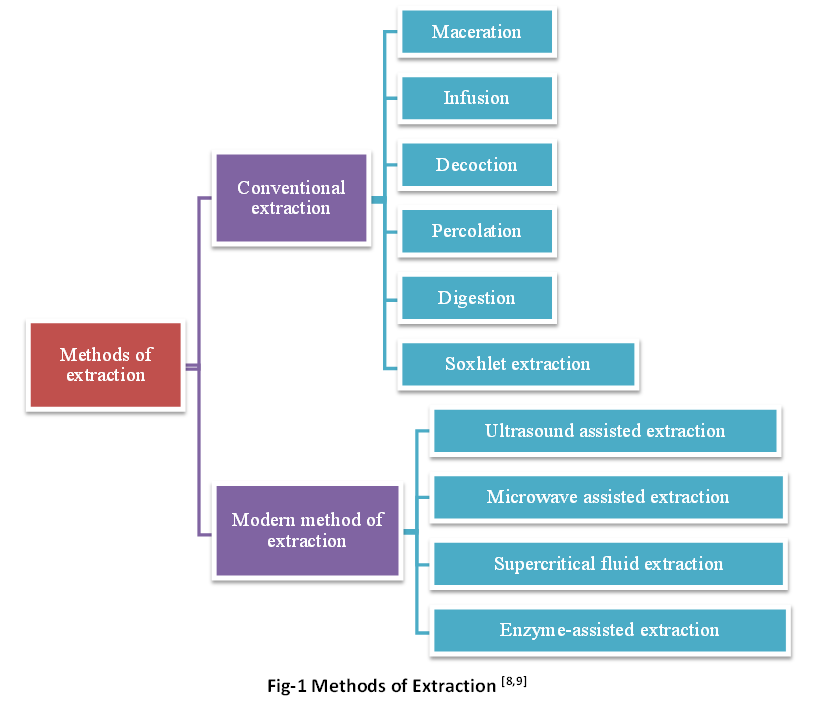
Methods of extraction are the various techniques used to isolate active phytoconstituents from crude plant materials using suitable solvents. These methods differ in temperature, duration, and equipment used. Based on the process, extraction methods are broadly classified into conventional (traditional) and modern (advanced) techniques. [7,8]

The selection of a suitable method depends on the nature of the plant material, solvent polarity, and thermal stability of the phytoconstituents [8]
    1. Conventional Extraction Technique:

Conventional extraction techniques are traditional, time-tested methods that rely on heat, solvent diffusion, and mechanical agitation to extract active phytoconstituents. These are still widely used in herbal industries due to their simplicity and low cost.[9]

Table- 2 Conventional Method of Extraction Technique [10]

Sr. No.

Technique

Principle / Description

Common Solvent Used

Phytoconstituents Extracted

1

Maceration

Plant material is soaked in solvent at room temperature for several days to allow diffusion of constituents.

Water, ethanol, hydroalcoholic

Glycosides, alkaloids

2

Percolation

Continuous flow of solvent through a column of powdered drug for efficient extraction.

Alcohol, ethanol, water

Alkaloids, flavonoids

3

Digestion

Maceration with gentle heating to accelerate extraction.

Ethanol, methanol

Alkaloids, saponins

4

Infusion

Soaking the plant material in hot or cold water for a short time.

Water

Polyphenols, tannins

5

Decoction

Boiling the crude drug in water for a specified time to extract heat-stable constituents.

Water

Tannins, glycosides, saponins

6

Soxhlet Extraction

Continuous hot extraction by repeated washing of plant material with refluxing solvent.

Petroleum ether, ethanol

Oils, fats, terpenoids, alkaloids

    1. Modern Extraction Technique:

Advanced extraction techniques are modern, eco-friendly, and efficient methods designed to overcome the limitations of conventional techniques. These methods reduce extraction time, minimize solvent use, and preserve thermolabile bioactive compounds. [10,11]

They often use green solvents, high pressure, ultrasound, microwave, or supercritical fluids to enhance yield and selectivity. [11]

Table-3 Modern Method of  Extraction [12,13]

Sr. No.

Technique

Principle / Description

Solvent / Medium Used

Phytoconstituents Extracted

1

Ultrasound-Assisted Extraction (UAE)

Uses ultrasonic waves to disrupt plant cells and improve solvent penetration.

Water, ethanol, methanol

Flavonoids, phenolics

2

Microwave-Assisted Extraction (MAE)

Microwave energy heats the solvent and plant material rapidly, enhancing extraction efficiency.

Methanol, ethanol, water

Polyphenols, alkaloids

3

Supercritical Fluid Extraction (SFE)

Uses supercritical CO? under high pressure and temperature to extract non-polar compounds.

Supercritical CO?

Essential oils, terpenes, fatty acids

4

Pressurized Liquid Extraction (PLE) / Accelerated Solvent Extraction (ASE)

Uses high pressure and temperature to improve extraction in a closed system.

Ethanol, methanol

Alkaloids, glycosides

5

Enzyme-Assisted Extraction (EAE)

Enzymes (cellulase, pectinase) degrade cell walls to release active constituents.

Aqueous enzyme solution

Polysaccharides, phenolics

6

Microwave–Ultrasound Combined Extraction (MUCE)

Combines both microwave and ultrasound for higher yield and reduced time.

Hydroalcoholic solvent

Flavonoids, tannins

7

Ionic Liquid Extraction (ILE)

Uses ionic liquids as green solvents with tunable polarity.

Ionic liquids

Alkaloids, phenolics

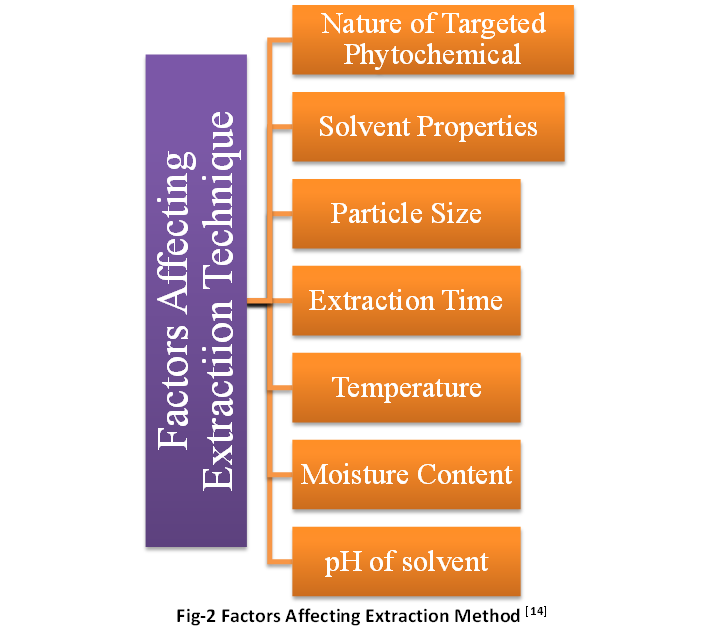
    1. Factors Affecting Extraction Technique:
  1. SOXHLET EXTRACTION:
    1. Definitions:

As per I.P “Soxhlet extraction is a continuous solid–liquid extraction technique widely used for isolating bioactive phytoconstituents from plant materials using a suitable solvent.” Developed by Franz von Soxhlet in 1879, this method ensures exhaustive extraction of both polar and non-polar compounds without the need for repeated manual solvent replacement.[15]

In this process, the powdered herbal material is placed inside a thimble within the extraction chamber. The solvent in the flask below is heated to reflux, vaporizes, condenses, and percolates through the plant material. The siphon mechanism then automatically returns the extract-rich solvent to the flask, repeating the cycle multiple times until complete extraction is achieved.[15][16]

Soxhlet extraction offers several advantages, such as high efficiency, minimal solvent wastage, and continuous washing of the plant matrix with fresh solvent. It is commonly employed for extracting alkaloids, glycosides, flavonoids, tannins, terpenoids, and essential oils from herbal drugs.[16]

To perform Soxhlet extraction of a selected herbal material using an appropriate solvent in order to obtain a concentrated extract rich in bioactive phytoconstituents for further phytochemical and analytical evaluation.[17]

    1. Objectives of Soxhlet Extraction:
  • To prepare and standardize the herbal sample (drying, size reduction, and sieving).
  • To select a suitable solvent based on the polarity of desired phytoconstituents.
  • To carry out continuous extraction of the herbal powder using the Soxhlet apparatus.
  • To concentrate the extract under reduced pressure and remove the solvent.
  • To calculate the percentage yield of the extract obtained.
  • To evaluate the extract for organoleptic, physicochemical, and phytochemical parameters.
  • To understand the principle, working mechanism, and advantages of Soxhlet extraction over conventional maceration or percolation methods.
  • To obtain a standardized extract for use in formulation development or pharmacological studies.[18]
    1. History of Soxhlet extraction Technique:

Before the invention of the Soxhlet extractor in 1879, scientists and pharmacists relied on traditional extraction techniques to isolate active compounds from natural sources like plants and animal tissues. These methods were simple but had major limitations in terms of efficiency, time, and reproducibility. [18,19]

      1. Ancient Extraction Method:
  • Maceration:

One of the oldest extraction methods, in which the powdered plant material is soaked in a suitable solvent (like water, alcohol, or oil) at room temperature for several hours or days.

Used by: Early Ayurvedic, Unani, and European herbalists.

Limitation: Incomplete extraction; large amount of solvent required; long duration.[9][20]

  • Percolation:

The solvent passes slowly through a column of powdered drug material, gradually extracting the soluble constituents.

Advantage: More efficient than maceration.

Limitation: Continuous manual operation and slow rate.[10][20]

  • Digestion (Hot Maceration):

The material is soaked in a solvent and heated gently to speed up extraction.

Limitation: Possible degradation of heat-sensitive compounds. [19,21]

  • Decoction and Infusion:

Mainly used in traditional medicine — plant parts are boiled or steeped in water to extract active ingredients.

Limitation: Only suitable for water-soluble and heat-stable compounds.

These early methods were labour-intensive, time-consuming, and lacked reproducibility. Extraction efficiency depended largely on operator skill and could not ensure complete recovery of bioactive compounds.[21]

      1. Limitation Of Ancient Extraction Method:

Table- 4 Limitation Of Ancient Extraction Technique [22]

Problem in Old Techniques

Effect on Extraction

Low extraction efficiency

Many active compounds remained unextracted

High solvent consumption

Increased cost and waste

Long extraction time

Limited throughput in laboratories

Inconsistent results

Poor reproducibility between batches

Manual handling

Risk of contamination and error

Inability to handle heat-sensitive compounds

Loss of activity or degradation

      1. Invention Of Soxhlet Extraction:

In 1879, Franz Ritter von Soxhlet, a German agricultural chemist, invented the Soxhlet extractor to improve lipid (fat) extraction from solid food materials, particularly milk solids.[23]

  1. Reason For Invention:
  • To Achieve Complete Extraction
  • To Save Solvent
  • To Reduce Manual Labor
  • To Improve Reproducibility and Accuracy
  • To Prevent Loss of Solvent and Sample

Soxhlet’s design was revolutionary because it allowed continuous extraction using a limited volume of solvent. The apparatus used repeated cycles of solvent condensation and siphoning, ensuring that the sample was constantly exposed to fresh solvent without manual intervention. This made extraction more efficient, reproducible, and complete compared to older methods like maceration and percolation. [23,24]

During the late 1800s and early 1900s, the Soxhlet extractor became a standard laboratory tool for lipid extraction and later extended to various other organic compounds from plant and animal matrices.[25]

Researchers soon adopted it for phytochemical investigations, allowing extraction of alkaloids, glycosides, flavonoids, and other bioactive constituents. It became a benchmark method for solid–liquid extraction due to its simplicity and efficiency.[25]

      1. Modification and Advancement:

As research expanded into natural product chemistry, limitations of the traditional Soxhlet technique—such as long extraction times, large solvent consumption, and thermal degradation of heat-sensitive compounds—became evident.[25,26]

This led to the development of improved systems:

  • Automated Soxhlet Apparatus (Soxtec and Soxtherm Systems): Introduced in the mid-20th century to reduce solvent use, extraction time, and manual labor. These systems automated the heating, boiling, rinsing, and solvent recovery processes.
  • Thimble Improvements: Porous cellulose and glass fiber thimbles replaced traditional filter paper, enhancing solvent flow and extraction uniformity.
  • Solvent Recycling Units: Added to reduce waste and improve environmental safety.

Before 1879, extraction methods were simple but inefficient, leading to poor recovery and reproducibility of natural compounds. Franz von Soxhlet invented the Soxhlet extractor to overcome these issues, introducing a continuous and automated extraction system that minimized solvent use and maximized yield. This innovation laid the foundation for all modern extraction technologies, which continue to evolve on the same fundamental principle of efficient solvent–solute interaction.[26]

  1. INSTRUMENTATION OF SOXHLET APPARATUS:
    1. Soxhlet Extraction

A Soxhlet extraction is a form of continuous solid-liquid extraction where a desired compound is extracted from solid material (containing unwanted products) using a solvent. Whilst there are other ways to acheive extraction (for example adding the solid for extraction directly into solvent and filtering), Soxhlets are particularly effective where a compound has only limited solubility in the extraction solvent as the solvent is repeatedly reused during the extraction.[27]

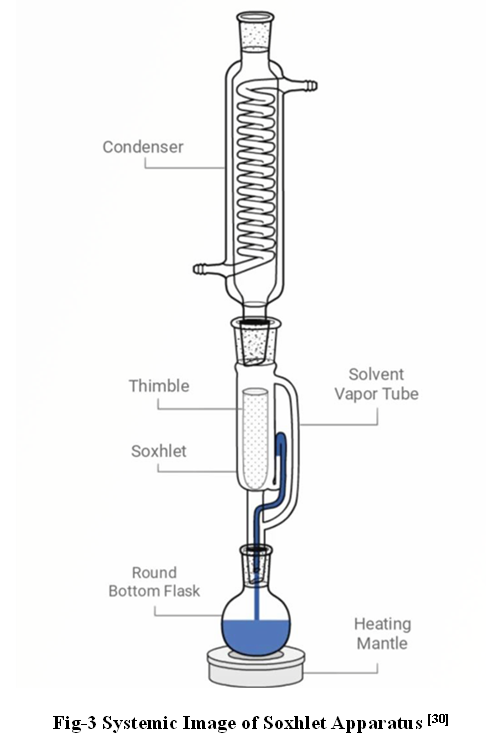
The soxhlet extractor setup consists of a round bottom flask, siphon tube, distillation path, expansion adapter, condenser, cooling water inlet, cooling water outlet, heat source and thimble. In this method, powdered sample is enclosed in a porous bag or “thimble” made from a strong filter paper or cellulose, which is placed, is in thimble chamber of the Soxhlet apparatus.[27,28]

Extraction solvent is taken in the round bottom flask and heated by using heating source like heating mantle. The heating temperature is built on the solvent employed to extraction. Due to heat the solvent in the bottom flask vaporizes into the condenser and then drip back to the sample thimble. When liquid content reaches the siphon arm, the liquid contents emptied into the bottom flask again and the process is the end of the process is indicated the clear solution in the siphon tube. The benefit of this system is possible that instead of many portions of warm solvent being passed through the sample, just one batch of solvent is recycled.[29]

    1. Principle:

The Soxhlet extraction method uses a small amount of solvent and is very cost-effective. The Soxhlet extraction uses the solvent reflux and siphon principle to continuously extract the solid matter by pure solvent, which saves the solvent extraction efficiency and high efficiency. The sold sample is placed on a thimble-shaped filter paper, positioned into Soxhlet extractor, and the device is assembled.[29]

The solvent is added to the solvent reservoir flask and mounted onto a heating mantle. After heating, the condensed vapors of the solvent come in contact with the sample powder, and the soluble part of the powder gets mixed with the solvent for extraction. When the solvent surface exceeds the maximum height of the siphon, the solvent containing the extract is siphoned back. The flask is repeated, extracting a portion of the material each time so that the solid material is constantly used as a pure solvent and the extracted material is concentrated in the flask.[30]
    1. Construction Of Soxhlet Apparatus:
      1. Glassware Set-up of Soxhlet Apparatus:
  • Select an appropriate sized round-bottomed flask, Soxhlet, condenser and heat source.
  • Securely clamp the round bottomed flask containing solvent and stirrer bar or anti-bumping granules over the heat source. It is usually desirable to be able to remove the heat source at the end of the reaction, for example using a lab jack.
  • Fit the Soxhlet extractor to the round bottom flask and securely clamp in place around the top ground-glass joint.[1,31]
  • Add the thimble containing the solid to the Soxhlet extractor. If there is an internal standard to add then this should be added to the thimble. Note that the thimble is porous, so if any liquids (e.g standards which are liquids or solutions), ensure the thimble is in the extractor before adding these to avoid losing any.
  • Add the condenser to the top of the Soxhlet extractor.
  • Turn on water to the condenser and start the extraction.
  • Once the extraction is complete, turn off/remove the heat and allow to cool.
  • The glassware is dismantled in the reverse order to addition (condenser removed first, then the Soxhlet and finally the round-bottomed flask).
  • Liquid from the extractor can be added to the round bottomed flask which contains the extracted material. [1,32]
      1. Component of Soxhlet Apparatus:
  • Round bottom flask:

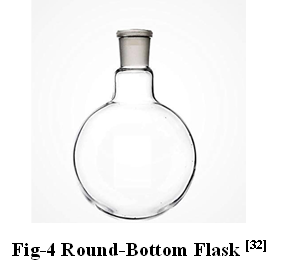
The round bottom flask is the lowest part of the Soxhlet apparatus and serves as the reservoir for the extraction solvent. It is usually made of borosilicate glass, which can withstand high temperatures without cracking or deforming. The flask is placed on a heating mantle or water bath, which provides uniform and controlled heat during the extraction process.[32]

When heated, the solvent inside the flask evaporates and rises upward through the side tube into the extraction chamber. After each siphon cycle, the solvent returns to this flask, now containing dissolved compounds from the plant or drug material. Over time, the extract in the flask becomes concentrated with the desired phytochemicals. This design minimizes solvent wastage because the same solvent is repeatedly used throughout the extraction process.[33]
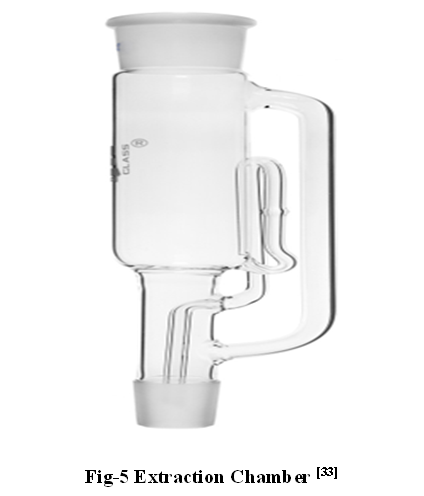
  • Extraction Chamber:

The extraction chamber, also known as the Soxhlet body, is the central part of the apparatus. It is a cylindrical glass tube that connects the round bottom flask at the bottom and the condenser at the top. Inside this chamber, there is a thimble holder and a siphon tube, both of which play crucial roles in the extraction cycle. [31,34]

When the solvent vapor from the flask rises and condenses in the condenser above, it drips into this extraction chamber and begins to fill around the thimble containing the solid sample. As the solvent level rises, it gradually dissolves the desired components from the plant material.

Once the solvent level reaches the top of the siphon tube, the entire solution is automatically siphoned back into the boiling flask, carrying with it the dissolved compounds.

This process repeats many times without manual intervention, ensuring complete extraction of the sample. The extraction chamber thus acts as the main site where mass transfer between the solid drug and solvent occurs. [34,35]

  • Thimble:

The thimble is a porous cylindrical container made from cellulose, filter paper, or glass fiber. It is placed inside the extraction chamber and holds the powdered solid material (such as dried plant or herbal drug). The thimble serves as a filter barrier—it allows solvent to pass freely through the sample while preventing fine particles or impurities from being carried into the solvent extract. [34,36]

The choice of thimble material depends on the solvent and the sample; cellulose thimbles are suitable for most organic solvents, while glass fiber thimbles are used for higher temperatures or aggressive solvents. The thimble’s porosity ensures that the solvent can continuously circulate through the solid material, extracting soluble compounds efficiently.[37]
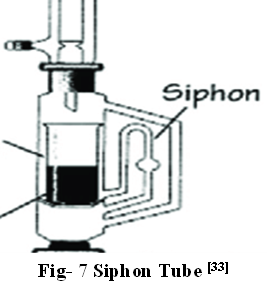
  • Siphon Tube:

The siphon tube is a narrow, bent glass tube attached to the side of the extraction chamber. It plays a critical role in maintaining the continuous solvent cycle. As the extraction chamber fills with condensed solvent, the siphon tube allows the liquid to flow back into the round bottom flask once it reaches a specific height. [37]

This automatic siphoning mechanism ensures that the solvent in the chamber never overflows, and the process continues without interruption. Each siphon cycle represents one round of extraction, and several cycles occur during a single experiment. Through this mechanism, the Soxhlet apparatus achieves continuous washing of the sample with fresh solvent, ensuring thorough extraction. [38]
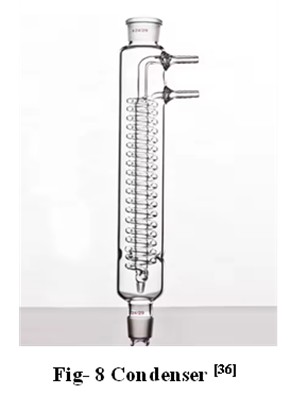
  • Condenser:

The condenser is fitted at the top of the Soxhlet apparatus and is usually a Liebig or Allihn condenser made of glass. It consists of an inner tube through which the solvent vapors pass and an outer water jacket through which cold water is continuously circulated. The water inlet is connected at the bottom of the condenser, and the outlet is placed at the top to ensure efficient cooling.[38]

The main function of the condenser is to cool and condense the solvent vapors rising from the boiling flask. The condensed solvent then drips down into the extraction chamber, where it contacts the solid sample. This continuous condensation and dripping action enables recycling of the solvent without any loss due to evaporation, maintaining a closed extraction system.[39]
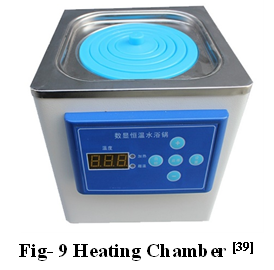
  • Heating Mantle / Water Bath:

The heating mantle or water bath provides the necessary heat to maintain the solvent at its boiling point throughout the extraction process. A heating mantle gives uniform heating and prevents localized overheating of the glass flask. In the case of volatile or flammable solvents, a water bath is preferred for safety reasons.[37,39]

The constant heating ensures that the solvent repeatedly vaporizes, condenses, and siphons, thereby maintaining the continuous extraction cycle.[39]
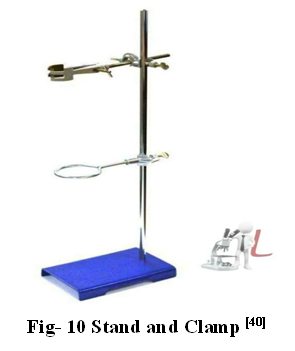
  • Stand and Clamp:

The iron stand and clamps are essential accessories used to hold the Soxhlet apparatus in an upright position. Since the apparatus is tall and made of glass, proper support is crucial to prevent breakage or spillage during operation. The clamps secure the condenser, extraction chamber, and flask, keeping them aligned and stable during heating and solvent cycling. [40]

    1. Working of Soxhlet Extraction:
      1. Preparation and set-up:
  • The powdered plant material (solid sample) is accurately weighed and placed inside a thimble, which is made of cellulose or glass fiber.
  • The thimble is then positioned inside the extraction chamber of the Soxhlet apparatus.
  • A suitable solvent (such as ethanol, methanol, petroleum ether, or water) is added to the round bottom flask at the bottom of the setup.
  • The condenser is fixed on top, and water is circulated through its jacket to maintain continuous cooling.
  • The entire apparatus is mounted securely on a stand with clamps, and the round bottom flask is placed on a heating mantle or water bath. [1,41]
      1. Vaporization Of Solvent:
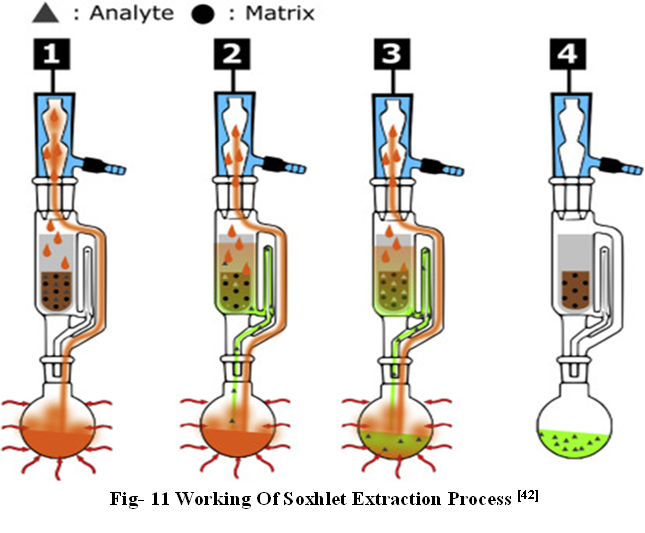
  • When heat is applied to the flask, the solvent starts to boil and vaporize.
  • The solvent vapors travel upward through the side arm of the extraction chamber and enter the condenser at the top.
  • The condenser cools these vapors using circulating cold water, converting them back into liquid solvent droplets. [38,40]
      1. Percolation and Extraction:
  • The condensed solvent drips slowly into the extraction chamber containing the thimble with the solid sample.
  • The chamber gradually fills with solvent, allowing the solvent to percolate through the sample and dissolve the soluble compounds (phytochemicals) from it. [41,42]

During this process, the solvent acts as a medium to extract bioactive constituents such as alkaloids, glycosides, flavonoids, tannins, or terpenoids, depending on the polarity of the solvent.
      1. Siphoning and Solvent Return:
  • As the solvent level in the extraction chamber rises, it eventually reaches the top of the siphon tube.
  • The siphon tube then automatically empties the chamber, drawing the solution (extract-laden solvent) back into the round bottom flask.
  • This ensures that the solvent in the flask becomes progressively enriched with the extracted compounds after each cycle.
  • Meanwhile, the solid residue in the thimble remains in the chamber for the next extraction cycle.[43]
      1. Continuous Cycling Processes:
  • The entire process of evaporation, condensation, extraction, and siphoning continues automatically for several hours without interruption.
  • Each cycle uses freshly condensed solvent, ensuring complete and exhaustive extraction of the plant material.
  • The process continues until the solvent in the extraction chamber becomes colorless, indicating that all soluble constituents have been extracted. [41,43]
      1. Recovery Of Extract:
  • After completion of the extraction cycles, the heating is stopped and the apparatus is allowed to cool.
  • The solvent in the round bottom flask now contains the concentrated extract of the desired compounds.
  • The solvent can be evaporated or distilled off under reduced pressure using a rotary evaporator to obtain the dry crude extract, which can then be used for further analysis or formulation studies.[44]

Table- 5 Soxhlet Extraction of Various Herbal Drug [45,46,49,50]

Sr. No.

Herbal Drug (Plant Name & Part Used)

Major Phytochemical Constituents Extracted

Solvent Used

Extraction Conditions (Temperature / Duration / Cycles)

1

Azadirachta indica (Neem) – Leaves

Alkaloids, Flavonoids, Tannins, Terpenoids, Saponins

Ethanol (95%)

60–65°C, 6 hours, 8–10 cycles

2

Ocimum sanctum (Tulsi) – Leaves

Eugenol, Apigenin, Flavonoids, Glycosides

Methanol

55–60°C, 5 hours, 6–8 cycles

3

Curcuma longa (Turmeric) – Rhizome

Curcuminoids (Curcumin, Demethoxycurcumin), Essential oils

Ethanol / Acetone

60°C, 6 hours, 10 cycles

4

Zingiber officinale (Ginger) – Rhizome

Gingerols, Shogaols, Phenolic compounds

Methanol

60°C, 5–6 hours, 8 cycles

5

Phyllanthus amarus – Whole Plant

Lignans (Phyllanthin, Hypophyllanthin), Alkaloids, Flavonoids

Methanol

55°C, 6 hours, 6–8 cycles

6

Aloe vera – Leaf pulp

Anthraquinones, Glycosides, Saponins, Flavonoids

Ethanol (95%)

65°C, 5 hours, 8–10 cycles

7

Withania somnifera (Ashwagandha) – Roots

Withanolides, Alkaloids, Steroidal lactones

Ethanol / Hydroalcoholic (50%)

60°C, 7 hours, 8 cycles

8

Trigonella foenum-graecum (Fenugreek) – Seeds

Trigonelline, Saponins, Flavonoids

Ethanol

55–60°C, 6 hours, 7–9 cycles

9

Emblica officinalis (Amla) – Fruit

Ascorbic acid, Polyphenols, Tannins, Flavonoids

Methanol

50°C, 5 hours, 6 cycles

10

Moringa oleifera – Leaves

Phenolic compounds, Flavonoids, Alkaloids

Ethanol

60°C, 6 hours, 8 cycles

11

Andrographis paniculata – Leaves

Andrographolide, Diterpenoids, Flavonoids

Ethanol / Methanol

55°C, 5–6 hours, 6 cycles

12

Centella asiatica – Whole Plant

Asiaticoside, Madecassoside, Triterpenoids

Methanol

60°C, 6 hours, 8 cycles

13

Tinospora cordifolia – Stem

Alkaloids (Berberine), Glycosides, Terpenoids

Ethanol / Water (50%)

65°C, 7 hours, 8–10 cycles

14

Terminalia chebula – Fruit

Tannins (Chebulic acid), Phenolic compounds

Ethanol

60°C, 6 hours, 8 cycles

15

Lawsonia inermis (Henna) – Leaves

Lawsone, Flavonoids, Tannins

Ethanol / Acetone

60°C, 6 hours, 6 cycles

16

Mentha piperita (Peppermint) – Leaves

Menthol, Flavonoids, Volatile oils

Ethanol

55°C, 5 hours, 8 cycles

17

Allium sativum (Garlic) – Bulb

Allicin, Sulfur compounds, Flavonoids

Ethanol / Methanol

60°C, 6 hours, 7–8 cycles

18

Camellia sinensis (Green Tea) – Leaves

Catechins, Polyphenols, Flavonoids

Methanol / Water (70%)

55°C, 5 hours, 6–8 cycles

19

Glycyrrhiza glabra (Liquorice) – Root

Glycyrrhizin, Flavonoids, Saponins

Ethanol (70%)

65°C, 6 hours, 8 cycles

20

Eucalyptus globulus – Leaves

Eucalyptol, Flavonoids, Tannins

Ethanol

60°C, 5 hours, 6–8 cycles

    1. Advantages Of Soxhlet Extraction:
  • Continuous Extraction Process
  • Exhaustive Extraction
  • Efficient Solvent Utilization
  • High Extraction Yield and Reproducibility
  • Simple Apparatus and Easy Operation
  • Temperature Control and Efficiency
  • Wide Range of Solvent Compatibility
  • Closed System Prevents Solvent Loss
  • Requires Minimal Supervision
  • Suitable for Both Analytical and Preparative Extraction [44,47]
    1. Limitation of Soxhlet Apparatus:
  • High Temperature May Degrade Thermolabile Compounds.
  • Time-Consuming Process
  • Large Energy Consumption
  • Solvent Hazard and Toxicity Issues
  • Limited to Solid–Liquid Extraction
  • Requires Skilled Handling and Supervision
  • Environmental and disposal problems
  • Risk of Bumping or Solvent Loss
  • Post-Extraction Filtration and Concentration Needed [47]
    1. How to overcome the Limitation:
  • Use modified Soxhlet systems such as cold finger Soxhlet or low-temperature extraction using vacuum-assisted Soxhlet to reduce boiling point of solvent.
  • Employ automated Soxhlet extractors (e.g., Soxtec system) which reduce extraction time by continuous solvent circulation and rapid heating.
  • Use energy-efficient heating mantles or reflux systems with thermal insulation to minimize heat loss. Automation and optimization of extraction cycles can also reduce total energy requirements
  • Replace toxic organic solvents with green solvents such as ethanol, water, or ethyl lactate. Also use solvent recovery systems to minimize exposure and reduce environmental contamination
  • Combine Soxhlet with other techniques such as supercritical fluid extraction (SFE) or pressurized liquid extraction (PLE) to handle semi-solid or complex matrices.
  • Use semi-automatic or fully automated Soxhlet extractors with temperature and solvent control systems, reducing the need for continuous manual supervision.
  • Implement solvent recycling units to reuse solvent and reduce chemical waste. Follow green chemistry protocols and waste management regulations for safe disposal.
  • Use boiling chips or anti-bumping granules to prevent bumping. Employ condenser systems with efficient cooling and tight connections to minimize solvent evaporation.
  • Integrate in-line filtration systems or rotary evaporators directly after extraction to simplify downstream processing and reduce handling time. [47,48]
  1. CONCLUSION:

Soxhlet extraction remains a cornerstone technique in pharmacognosy for exhaustive solid–liquid extraction due to its simplicity, reproducibility, and efficiency in producing concentrated extracts suitable for analytical and phytochemical studies. However, its limitations—such as prolonged extraction time, high thermal load, significant solvent and energy use, and environmental risks—restrict its suitability for thermolabile compounds and green chemistry workflows. Modern advancements, including vacuum or low-temperature Soxhlet, automated systems, and solvent-recovery units, along with alternative methods like ultrasound-assisted, microwave-assisted, supercritical fluid, pressurized liquid, and enzyme-assisted extraction, address these challenges by reducing time, temperature, and solvent consumption while enhancing safety and sustainability. A decision-based approach is thus recommended: employ conventional Soxhlet for stable samples requiring exhaustive extraction, and adopt advanced, eco-friendly methods when handling sensitive compounds or when speed and environmental safety are priorities. Combining extraction with solvent recovery, in-line filtration, controlled heating, and waste management ensures high-quality extracts and compliance with sustainable laboratory practices.

REFERENCES

  1. Indian Pharmacopoeia. Herbal Products – General Notices and Monographs. Vol. II. Ghaziabad: Indian Pharmacopoeia Commission, Ministry of Health and Family Welfare, Government of India; 2022. p. 1834–6.
  2. Kumar M, Sharma A, Juneja R, Parashar T, Arif M, Singh AD, et al. Biological evaluation of herbal preparations and formulation standardization: A literature study. J Neonatal Surg. 2025;14(8s): p. 273–88.
  3. Libre Texts. Liquid-Liquid Extraction Chemistry. 2013 Oct 25 [cited 2025 Nov 8]. Available from: Libre Texts platform.
  4. Kister HZ. Distillation Design. 1st ed. New York: McGraw-Hill; 1992. ISBN 0-07-034909-6.
  5. Sultana B, Anwar F, Ashraf M. Effect of extraction solvent/technique on the antioxidant activity of selected medicinal plant extracts. Molecules. 2009 Jun 15;14(6): p. 2167–80.
  6. Lezoul NEH, Belkadi M, Habibi F, Guillén F. Extraction processes with several solvents on total bioactive compounds in different organs of three medicinal plants. Molecules. 2020 Oct 13;25(20):4672 p. 33-66.
  7. Handa SS, Khanuja SPS, Longo G, Rakesh DD. Extraction technologies for medicinal and Glycoside plants. Trieste: UNIDO and ICS-UNIDO; 20 p. 55-62.
  8. Doughari JH. Phytochemicals: Extraction methods, basic structures and mode of action as potential chemotherapeutic agents. In: Phytochemicals – A Global Perspective of Their Role in Nutrition and Health. IntechOpen; 2012 p. 23-45.
  9. Dua K, Sheshala R, Al-Waeli HA, Chellappan DK, Gupta G. Antimicrobial efficacy of extemporaneously prepared herbal mouthwashes. Recent Pat Drug Deliv Formul. 2015;9(3): p. 201–5.
  10. Sharma V, Janmeda P. Extraction, isolation and identification of flavonoid from Euphorbia neriifolia leaves. Arab J Chem. 2014; p. 78–98.
  11. Hussein RA, El-Anssary AA. Plants secondary metabolites: The key drivers of the pharmacological actions of medicinal plants. In: Builders PF, editor. Herbal Medicine. IntechOpen; 2018. doi:10.5772/intechopen.76139.
  12. Handley AJ. Extraction Methods in Organic Analysis. Sheffield: Sheffield Academic Press; 1999.
  13. Birajdhar SD, Rajagopalan S, Sawant JS, Padmanabhan S. Continuous countercurrent liquid-liquid extraction method for the separation of 2,3-butanediol from fermentation broth using n-butanol and phosphate salt. Process Biochem. 2015;50: p. 1449–58.
  14. Siddiqui SA, Redha AA, Salauddin M, Harahap IA, Rupasinghe HPV. Factors affecting the extraction of (poly)phenols from natural resources using deep eutectic solvents combined with ultrasound-assisted extraction. Crit Rev Anal Chem. 2023;55(1): p. 139–60.
  15. González-Hernández RA, Valdez-Cruz NA, Trujillo-Roldán MA. Factors that influence the extraction methods of terpenes from natural sources. Chem Pap. 2023;77: p. 2783–810.
  16. Dean JR. Extraction Techniques in Analytical Sciences. Newcastle: Northumbria University; 2009 p. 12-35.
  17. Handa SS, Khanuja SPS, Longo G, Rakesh DD. Extraction technologies for medicinal and aromatic plants. Trieste: International Centre for Science and High Technology; 2008. p. 21–25.
  18. Visht S, Chaturvedi S. Isolation of natural products. Curr Pharma Res. 2012;2(3): p. 584–99.
  19. Boopathi T, Gopalasatheeskumar K, Parthiban S, Sangeetha G, ThangaKokila M, Manimaran T. Evaluation of antimicrobial activity of Tecoma stans and Muntingia calabura. Int J Curr Microbiol Appl Sci. 2007;6(3): p. 617–27.
  20. Elshierh AE, Edres ABE, Abd Elaziz ME. Extraction of neem oil from neem seeds. 2014.
  21. Tesfaye B, Tefera T. Extraction of essential oil from neem seed using Soxhlet extraction method. Int J Adv Eng Manag Sci. 2017;3(6): p. 646–50.
  22. Khraisha YH. Retorting of oil shale followed by solvent extraction of spent shale: Experiment and kinetic analysis. Energy Sources. 2000;22: p. 347–55.
  23. Association of Official Analytical Chemists (AOAC). Official Methods of Analysis. 15th ed. Washington, DC: AOAC; 1990.
  24. Prasad S, Singh A, Joshi HC. Ethanol as an alternative fuel from agricultural, industrial and urban residues. Resour Conserv Recycl. 2007;50: p. 1–39.
  25. Devshony S, Eteshola E, Shanib A. Characteristics and some potential applications of date palm (Phoenix dactylifera L.) seeds and seed oil. J Am Oil Chem Soc. 1992;69(6): p. 595–7.
  26. Ali MA, Al-Hattab TA, Al-Hydary IA. Extraction of date palm seed oil (Phoenix dactylifera) by Soxhlet apparatus. Int J Adv Eng Technol. 2015;8(2): p. 261–71.
  27. Gopalasatheeskumar K, Parthiban S, Manimaran T, Boopathi T. Phytochemical screening on various extracts (benzene, ethanolic and aqueous) of stem parts of Zanthoxylum rhetsa (Roxb.) DC. Int J Univ Pharm Bio Sci. 2017;6(2): p. 79–91.
  28. Amiti B, Lisichkov K, Kuvendziev S, Atkovska K, Jashari A, Reka AA. Extraction of oils from fruit kernels with conventional and innovative methods: A review. Technol Acta. 2024;17(1): p. 25–37.
  29. Madhuri Y, Saloni M, Sandhyarani S, Sonal S, Jayshri H. Formulation and evaluation of herbal hair conditioner from custard apple and curry leaves. Educ Admin Theory Pract. 2024;30: p. 2516–8.
  30. Souza FT, Santos ER, Silva JD, Valentim I, Rabelo TC, Andrade ND, et al. Production of nutritious flour from residue custard apple (Annona squamosa L.) for the development of new products. J Food Qual. 2018:5281035 p. 12-22.
  31. Saket RK, Bisen BP, Pandey SK, Pandey S, Sharma HL. Effect of various recipes on organoleptic evaluation of custard apple jam. J Pharm Phytochem. 2018;SP2: p. 300–4.
  32. Das K, Tiwari RKS, Shrivastava DK. Techniques for evaluation of medicinal plant products as antimicrobial agents: Current methods and future trends. J Med Plants Res. 2010;4(2): p. 104–11.
  33. Ncube NS, Afolayan AJ, Okoh AI. Assessment techniques of antimicrobial properties of natural compounds of plant origin: Current methods and future trends. Afr J Biotechnol. 2008;7(12): p. 1797–806.
  34. Ghanwat DD, Bidkar JS, Bhujbal MD, Dama GY. Anti-hyperlipidemic activity of Cucumis melo fruit peel extract in Triton X-100 induced hyperlipidemia in rats. Int J Univ Pharm Bio Sci. 2012;1(1): p. 1–13.
  35. Marya BH, Bothara SB. Investigation of antihypertensive activity of leaves of Barleria prionitis in DOCA-salt induced hypertensive rats. Int J Pharm Sci Rev Res. 2013;18(2): p. 17–19.
  36. Bounty Y, Naga Rani K, Venkateswara P. Hepatoprotective activity of methanolic extract of Hibiscus sabdariffa in rats. Mintage J Pharm Med Sci. 2017;6(3):18–21.
  37. Pal DK, Samanta K. CNS activities of ethanol extract of aerial parts of Hygrophila difformis in mice. Acta Pol Pharm Drug Res. 2011;68: p. 75–81.
  38. Hegde K, Issac C, Joshi AB. Antiarthritic activity of Carissa spinarum root extract in Freund’s adjuvant induced polyarthritis in rats. Pharmacologyonline. 2010;2: p.713–8.
  39. Hanada T, Yoshimura A. Regulation of cytokine signalling and inflammation. Cytokine Growth Factor Rev. 2002;13(5): p. 413–21.
  40. Patwari GS, Harikiran L, Appa Rao AVN, Reddy YN. Evaluation of anticancer activity of dikamaliartane A, a cycloartane isolated from dikamali, a gum resin. Int J Pharm Pharm Sci. 2012;4(4): p. 975–91.
  41. Khandelwal P, Sharma RA, Agarwal M. Phytochemical analyses of various parts of Prosopis juliflora. Mintage J Pharm Med Sci. 2016;5(3): p. 16–8.
  42. Backer KW. Solvent extraction of soybeans. J Am Oil Chem Soc. 1978;55: p. 754–61.
  43. Anju D, Jugnu G, Kavita S, Arun N, Sandeep D. A review on medical prospectives of Andrographis paniculata Nees. J Pharm Sci Innov. 2011;1(1): p. 1–4.
  44. Sayyar S, Abidin ZZ, Yunus R, Muhammad A. Extraction of oil from jatropha seed—optimization and kinetics. Am J Appl Sci. 2009;6(7): p. 1390–5.
  45. Patil SD, Ahale SV, Surana SJ. Evaluation of antiasthmatic and anaphylactic activity of Balanites aegyptica (Delile) (Balanitaceae). Asian J Pharm Clin Res. 2011;4(1): p.52–55.
  46. Zygler A, S?omi?ska M, Namie?nik J, Pawliszyn J. Soxhlet extraction and new developments such as Soxtec. In: Pawliszyn J, editor. Comprehensive Sampling and Sample Preparation. Academic Press; 2012. p. 65–82.
  47. Kapadia P, Newell AS, Cunningham J, Roberts MR, Hardy JG. Extraction of high-value chemicals from plants for technical and medical applications. Int J Mol Sci. 2022;23(18): p. 1–18.
  48. Rathinam P, DhanaSekaran S, Kothapalli BC, Somasundaram J. In vitro cytotoxicity study on combined plant extracts (Cissus quadrangularis and Aegle marmelos). Eur J Exp Biol. 2012;2(4): p. 882-8.
  49. Pawar M, Teli P, Chaudhari B, Bairagi V. Comparative and synergistic effects of allopathic, Ayurvedic, homeopathic, and Unani systems in the treatment of diabetes mellitus. Int J Pharm Sci. 2026;4(1):1776–1786. doi:10.5281/zenodo.18281803.
  50. More H, Pawar M, Maurya A, Teli P, Yadav N, Vaishnav S.Drug discovery and clinical trials. International Journal of Research Publication and Reviews.2025 Sep;6(9):4220-4.

Reference

  1. Indian Pharmacopoeia. Herbal Products – General Notices and Monographs. Vol. II. Ghaziabad: Indian Pharmacopoeia Commission, Ministry of Health and Family Welfare, Government of India; 2022. p. 1834–6.
  2. Kumar M, Sharma A, Juneja R, Parashar T, Arif M, Singh AD, et al. Biological evaluation of herbal preparations and formulation standardization: A literature study. J Neonatal Surg. 2025;14(8s): p. 273–88.
  3. Libre Texts. Liquid-Liquid Extraction Chemistry. 2013 Oct 25 [cited 2025 Nov 8]. Available from: Libre Texts platform.
  4. Kister HZ. Distillation Design. 1st ed. New York: McGraw-Hill; 1992. ISBN 0-07-034909-6.
  5. Sultana B, Anwar F, Ashraf M. Effect of extraction solvent/technique on the antioxidant activity of selected medicinal plant extracts. Molecules. 2009 Jun 15;14(6): p. 2167–80.
  6. Lezoul NEH, Belkadi M, Habibi F, Guillén F. Extraction processes with several solvents on total bioactive compounds in different organs of three medicinal plants. Molecules. 2020 Oct 13;25(20):4672 p. 33-66.
  7. Handa SS, Khanuja SPS, Longo G, Rakesh DD. Extraction technologies for medicinal and Glycoside plants. Trieste: UNIDO and ICS-UNIDO; 20 p. 55-62.
  8. Doughari JH. Phytochemicals: Extraction methods, basic structures and mode of action as potential chemotherapeutic agents. In: Phytochemicals – A Global Perspective of Their Role in Nutrition and Health. IntechOpen; 2012 p. 23-45.
  9. Dua K, Sheshala R, Al-Waeli HA, Chellappan DK, Gupta G. Antimicrobial efficacy of extemporaneously prepared herbal mouthwashes. Recent Pat Drug Deliv Formul. 2015;9(3): p. 201–5.
  10. Sharma V, Janmeda P. Extraction, isolation and identification of flavonoid from Euphorbia neriifolia leaves. Arab J Chem. 2014; p. 78–98.
  11. Hussein RA, El-Anssary AA. Plants secondary metabolites: The key drivers of the pharmacological actions of medicinal plants. In: Builders PF, editor. Herbal Medicine. IntechOpen; 2018. doi:10.5772/intechopen.76139.
  12. Handley AJ. Extraction Methods in Organic Analysis. Sheffield: Sheffield Academic Press; 1999.
  13. Birajdhar SD, Rajagopalan S, Sawant JS, Padmanabhan S. Continuous countercurrent liquid-liquid extraction method for the separation of 2,3-butanediol from fermentation broth using n-butanol and phosphate salt. Process Biochem. 2015;50: p. 1449–58.
  14. Siddiqui SA, Redha AA, Salauddin M, Harahap IA, Rupasinghe HPV. Factors affecting the extraction of (poly)phenols from natural resources using deep eutectic solvents combined with ultrasound-assisted extraction. Crit Rev Anal Chem. 2023;55(1): p. 139–60.
  15. González-Hernández RA, Valdez-Cruz NA, Trujillo-Roldán MA. Factors that influence the extraction methods of terpenes from natural sources. Chem Pap. 2023;77: p. 2783–810.
  16. Dean JR. Extraction Techniques in Analytical Sciences. Newcastle: Northumbria University; 2009 p. 12-35.
  17. Handa SS, Khanuja SPS, Longo G, Rakesh DD. Extraction technologies for medicinal and aromatic plants. Trieste: International Centre for Science and High Technology; 2008. p. 21–25.
  18. Visht S, Chaturvedi S. Isolation of natural products. Curr Pharma Res. 2012;2(3): p. 584–99.
  19. Boopathi T, Gopalasatheeskumar K, Parthiban S, Sangeetha G, ThangaKokila M, Manimaran T. Evaluation of antimicrobial activity of Tecoma stans and Muntingia calabura. Int J Curr Microbiol Appl Sci. 2007;6(3): p. 617–27.
  20. Elshierh AE, Edres ABE, Abd Elaziz ME. Extraction of neem oil from neem seeds. 2014.
  21. Tesfaye B, Tefera T. Extraction of essential oil from neem seed using Soxhlet extraction method. Int J Adv Eng Manag Sci. 2017;3(6): p. 646–50.
  22. Khraisha YH. Retorting of oil shale followed by solvent extraction of spent shale: Experiment and kinetic analysis. Energy Sources. 2000;22: p. 347–55.
  23. Association of Official Analytical Chemists (AOAC). Official Methods of Analysis. 15th ed. Washington, DC: AOAC; 1990.
  24. Prasad S, Singh A, Joshi HC. Ethanol as an alternative fuel from agricultural, industrial and urban residues. Resour Conserv Recycl. 2007;50: p. 1–39.
  25. Devshony S, Eteshola E, Shanib A. Characteristics and some potential applications of date palm (Phoenix dactylifera L.) seeds and seed oil. J Am Oil Chem Soc. 1992;69(6): p. 595–7.
  26. Ali MA, Al-Hattab TA, Al-Hydary IA. Extraction of date palm seed oil (Phoenix dactylifera) by Soxhlet apparatus. Int J Adv Eng Technol. 2015;8(2): p. 261–71.
  27. Gopalasatheeskumar K, Parthiban S, Manimaran T, Boopathi T. Phytochemical screening on various extracts (benzene, ethanolic and aqueous) of stem parts of Zanthoxylum rhetsa (Roxb.) DC. Int J Univ Pharm Bio Sci. 2017;6(2): p. 79–91.
  28. Amiti B, Lisichkov K, Kuvendziev S, Atkovska K, Jashari A, Reka AA. Extraction of oils from fruit kernels with conventional and innovative methods: A review. Technol Acta. 2024;17(1): p. 25–37.
  29. Madhuri Y, Saloni M, Sandhyarani S, Sonal S, Jayshri H. Formulation and evaluation of herbal hair conditioner from custard apple and curry leaves. Educ Admin Theory Pract. 2024;30: p. 2516–8.
  30. Souza FT, Santos ER, Silva JD, Valentim I, Rabelo TC, Andrade ND, et al. Production of nutritious flour from residue custard apple (Annona squamosa L.) for the development of new products. J Food Qual. 2018:5281035 p. 12-22.
  31. Saket RK, Bisen BP, Pandey SK, Pandey S, Sharma HL. Effect of various recipes on organoleptic evaluation of custard apple jam. J Pharm Phytochem. 2018;SP2: p. 300–4.
  32. Das K, Tiwari RKS, Shrivastava DK. Techniques for evaluation of medicinal plant products as antimicrobial agents: Current methods and future trends. J Med Plants Res. 2010;4(2): p. 104–11.
  33. Ncube NS, Afolayan AJ, Okoh AI. Assessment techniques of antimicrobial properties of natural compounds of plant origin: Current methods and future trends. Afr J Biotechnol. 2008;7(12): p. 1797–806.
  34. Ghanwat DD, Bidkar JS, Bhujbal MD, Dama GY. Anti-hyperlipidemic activity of Cucumis melo fruit peel extract in Triton X-100 induced hyperlipidemia in rats. Int J Univ Pharm Bio Sci. 2012;1(1): p. 1–13.
  35. Marya BH, Bothara SB. Investigation of antihypertensive activity of leaves of Barleria prionitis in DOCA-salt induced hypertensive rats. Int J Pharm Sci Rev Res. 2013;18(2): p. 17–19.
  36. Bounty Y, Naga Rani K, Venkateswara P. Hepatoprotective activity of methanolic extract of Hibiscus sabdariffa in rats. Mintage J Pharm Med Sci. 2017;6(3):18–21.
  37. Pal DK, Samanta K. CNS activities of ethanol extract of aerial parts of Hygrophila difformis in mice. Acta Pol Pharm Drug Res. 2011;68: p. 75–81.
  38. Hegde K, Issac C, Joshi AB. Antiarthritic activity of Carissa spinarum root extract in Freund’s adjuvant induced polyarthritis in rats. Pharmacologyonline. 2010;2: p.713–8.
  39. Hanada T, Yoshimura A. Regulation of cytokine signalling and inflammation. Cytokine Growth Factor Rev. 2002;13(5): p. 413–21.
  40. Patwari GS, Harikiran L, Appa Rao AVN, Reddy YN. Evaluation of anticancer activity of dikamaliartane A, a cycloartane isolated from dikamali, a gum resin. Int J Pharm Pharm Sci. 2012;4(4): p. 975–91.
  41. Khandelwal P, Sharma RA, Agarwal M. Phytochemical analyses of various parts of Prosopis juliflora. Mintage J Pharm Med Sci. 2016;5(3): p. 16–8.
  42. Backer KW. Solvent extraction of soybeans. J Am Oil Chem Soc. 1978;55: p. 754–61.
  43. Anju D, Jugnu G, Kavita S, Arun N, Sandeep D. A review on medical prospectives of Andrographis paniculata Nees. J Pharm Sci Innov. 2011;1(1): p. 1–4.
  44. Sayyar S, Abidin ZZ, Yunus R, Muhammad A. Extraction of oil from jatropha seed—optimization and kinetics. Am J Appl Sci. 2009;6(7): p. 1390–5.
  45. Patil SD, Ahale SV, Surana SJ. Evaluation of antiasthmatic and anaphylactic activity of Balanites aegyptica (Delile) (Balanitaceae). Asian J Pharm Clin Res. 2011;4(1): p.52–55.
  46. Zygler A, S?omi?ska M, Namie?nik J, Pawliszyn J. Soxhlet extraction and new developments such as Soxtec. In: Pawliszyn J, editor. Comprehensive Sampling and Sample Preparation. Academic Press; 2012. p. 65–82.
  47. Kapadia P, Newell AS, Cunningham J, Roberts MR, Hardy JG. Extraction of high-value chemicals from plants for technical and medical applications. Int J Mol Sci. 2022;23(18): p. 1–18.
  48. Rathinam P, DhanaSekaran S, Kothapalli BC, Somasundaram J. In vitro cytotoxicity study on combined plant extracts (Cissus quadrangularis and Aegle marmelos). Eur J Exp Biol. 2012;2(4): p. 882-8.
  49. Pawar M, Teli P, Chaudhari B, Bairagi V. Comparative and synergistic effects of allopathic, Ayurvedic, homeopathic, and Unani systems in the treatment of diabetes mellitus. Int J Pharm Sci. 2026;4(1):1776–1786. doi:10.5281/zenodo.18281803.
  50. More H, Pawar M, Maurya A, Teli P, Yadav N, Vaishnav S.Drug discovery and clinical trials. International Journal of Research Publication and Reviews.2025 Sep;6(9):4220-4.

Photo
Piyush Teli
Corresponding author

Department of Pharmacognosy, K.B.H.S.S. Trust Institute of Pharmacy, Malegaon, Nashik, Maharashtra, India 423203

Photo
Madhuri Pawar
Co-author

Department of Pharmacognosy, K.B.H.S.S. Trust Institute of Pharmacy, Malegaon, Nashik, Maharashtra, India 423203

Photo
Bhavisha Chaudhari
Co-author

Department of Pharmaceutical Chemistry, K.B.H.S.S. Trust Institute of Pharmacy, Malegaon, Nashik, Maharashtra, India 423203

Photo
Dr. Vinod Bairagi
Co-author

Department of Pharmacology, K.B.H.S.S. Trust Institute of Pharmacy, Malegaon, Nashik, Maharashtra, India 423203

Madhuri Pawar, Piyush Teli, Bhavisha Chaudhari, Dr. Vinod Bairagi, Instrumentation of Soxhlet Apparatus, Int. J. of Pharm. Sci., 2026, Vol 4, Issue 2, 3553-3570. https://doi.org/10.5281/zenodo.18724314

More related articles
Niosomes-Based Controlled Drug Delivery for Oral M...
Laura SL, Vignesh R, Gopinath E, Suresh K, ...
Review Of Monkeypox Virus :Symptoms ,Pathogenesis ...
Pratiksha A. Udawant, Sabafarin Shaikh, Khare Komal, Mayur S. Bho...
Nanoemulsion Future Approach in Faster Routes of Dosage Delivery ...
Sonali Bhagat , Anup Kendre, Shubhangi Dorle , Vaishnavi Khandre , Mayuresh Ramlod, ...
A Review-Understanding The Burden Of Asthma On Individuals And Healthcare System...
Mohd Razi, Heri Tada, Basharat Nawaz, Akhilesh Patel, Rajesh Kumar Sharma, ...
Natural Solutions to Diabetes: A Review on the Medicinal Properties of the Insul...
Sonali Deshmukh, Jayashree Kadam, Savita Pathare, Dr. Amol Wadhave, ...
Related Articles
Breastfeeding Benefits: A Comprehensive Review of Maternal and Infant Health Out...
Dnyaneshwari Sultane, Dr. Shivshankar Mhaske, Satish Lodhe, ...
Phytochemical Profiling and Hydroalcoholic Extraction of White Willow (Salix alb...
Umar Rasool Parry, Oyas A. Asimi, Weekar Younus Raja, Iflah Hassan, Mir Ishfaq Nazir, Syed Shariq Na...
Development And Assessment of Natural Herbal Shampoo: A Botanically Based Approa...
Gudisi Rama Krishna, Damu Uma Sankar, Dr. B. Kiran Kumar, Kuna Akash, ...
FORMULATION AND EVALUATIONS OF HERBAL FACE PACK ...
Sakshi Ramesh Unhawane , Vishal Ambadas Narsale , Prof. Nikhil Nilkanth Jadhav , ...
More related articles
Review Of Monkeypox Virus :Symptoms ,Pathogenesis ,Diagnosis And Treatment...
Pratiksha A. Udawant, Sabafarin Shaikh, Khare Komal, Mayur S. Bhosle, Sushmita Chavan, ...
Review Of Monkeypox Virus :Symptoms ,Pathogenesis ,Diagnosis And Treatment...
Pratiksha A. Udawant, Sabafarin Shaikh, Khare Komal, Mayur S. Bhosle, Sushmita Chavan, ...