
Shivlingeshwar College of Pharmacy, Almala, Tq- Ausa, District- Latur, Maharashtra.
Anemia is a public health concern, especially in developing countries, because of nutritional deficiencies and limitations of current therapies. Herbal hematinic agents, which are derived from medicinal plants, are a safe and cost - effective approach to address the anemia problem by promoting hemoglobin, iron metabolism, and erythropoiesis. The review aims to discuss the anti - anemic potential of some selected medicinal plants and the potential of green nano - herbal formulations for managing anemia.
Anemia is a very common nutritional disorder, and it is a serious global public health problem, especially for women and children of developing countries. According to the World Health Organization, it has been estimated that 24 - 25% of the total population of the world is suffering from anemia. Anemia is a major public health problem in India, and its prevalence is very high. Anemia is a major cause of reduced physical power, mental ability, immunity, and quality of life, which may lead to severe consequences if not treated properly. Although the conventional treatment of anemia is effective, it has some limitations. Hence, there is a need for herbal medicine, which is rich in active principles that enhance iron absorption and hematopoiesis. Because of their safety, availability, and acceptability, herbal hematinics are considered a promising approach for managing anemia.
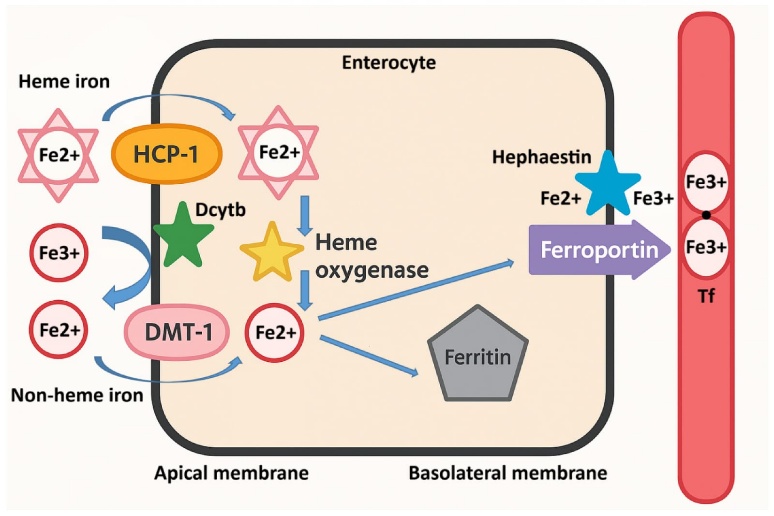
Anemia an overview: Anemia is the clinical and biological entity that results from the decrease in the quantity of hemoglobin in the blood and the quantity of red blood cells. Hemoglobin is the highly essential iron and protein combination in the red blood cells. It has played a crucial role in the transportation of the oxygen from the lungs to the different parts of the body.
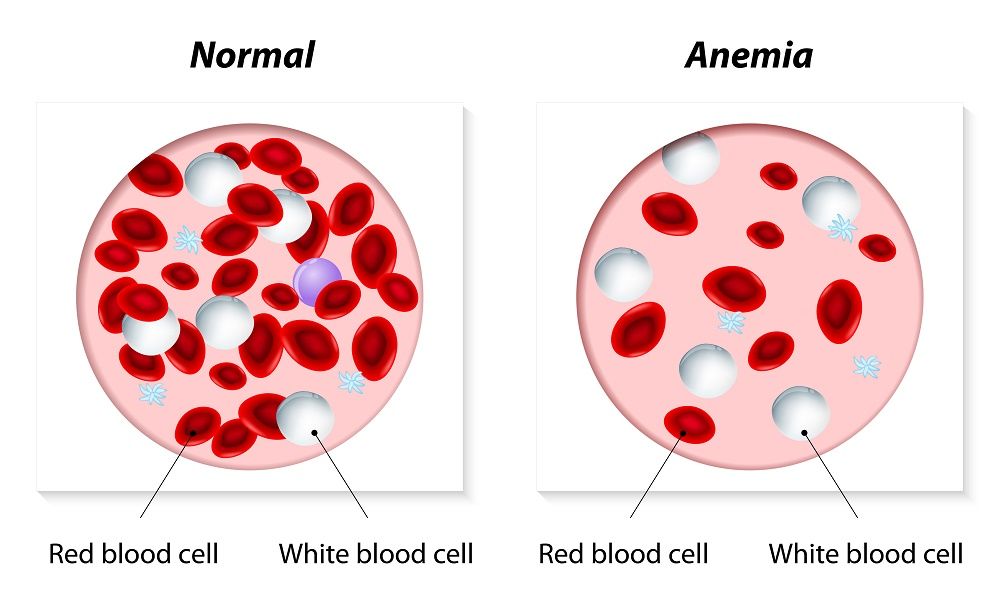
Moreover, it has played a crucial role in the transportation of the carbon dioxide from the different parts of the body to the lungs, where it is finally exhaled out of the body. Additionally, it has played a crucial role in the regulation of the acid - base balance in the blood. The normal concentration of hemoglobin in the blood of adult males ranges from 13 - 17 g/dL, in the blood of adult females ranges from 12 - 15 g/dL, and in the blood of children ranges from 11 - 14 g/dL.
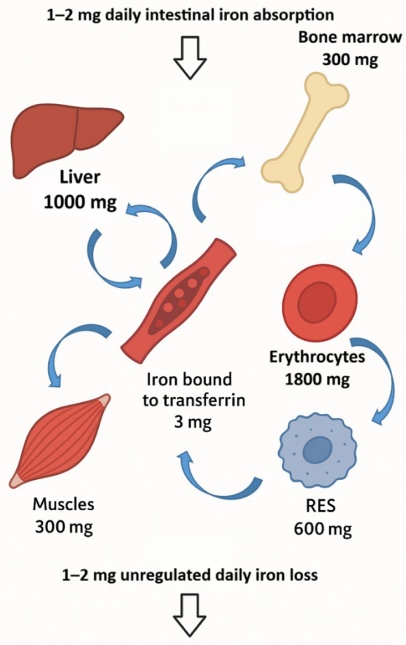
As a result of the low concentration of hemoglobin in the blood, different forms of anemia occur, and they are:
One - fourth of the total population in the world is suffering from anemia. The maximum prevalence of anemia is observed in the following places:
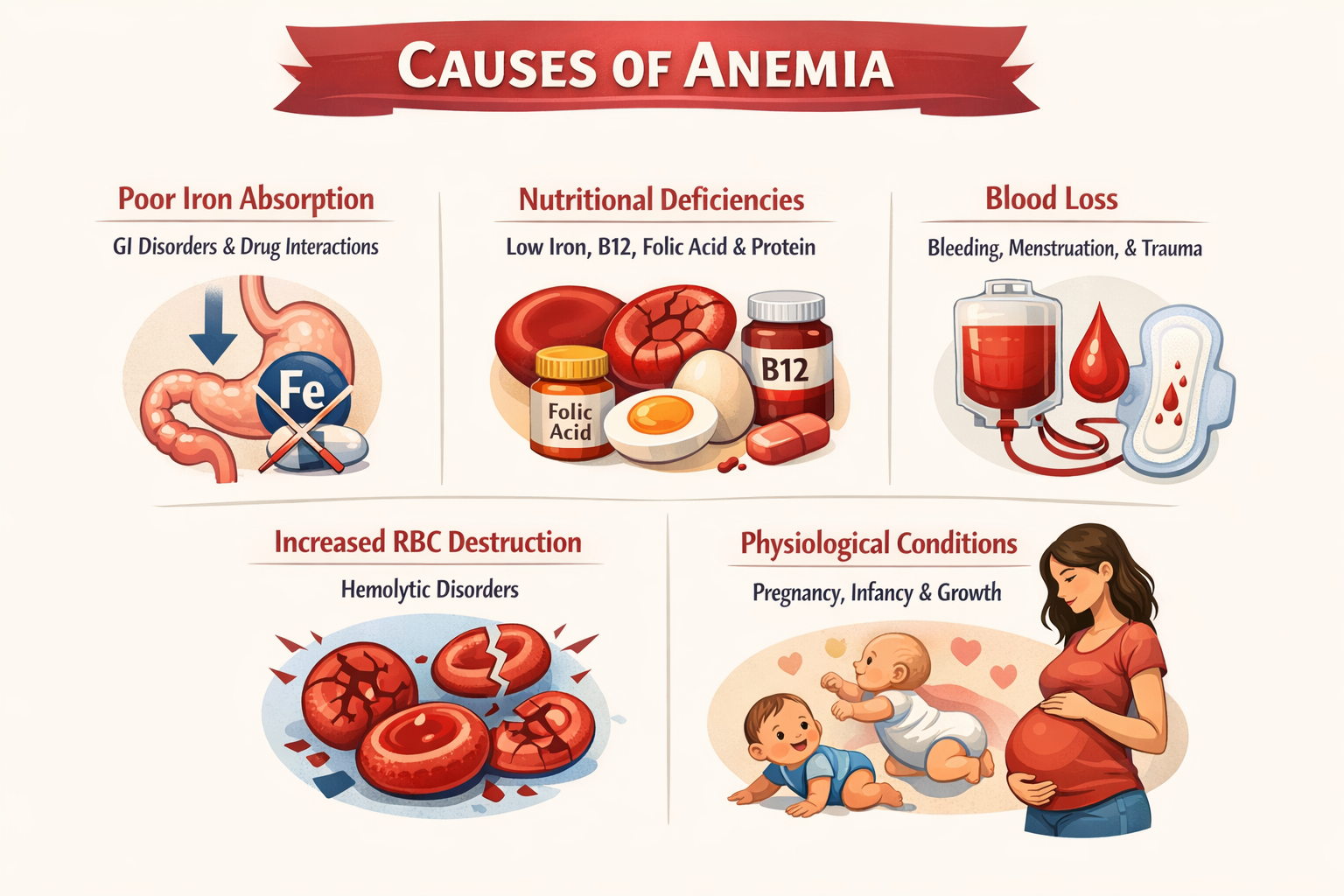
Anemia is a result of the imbalance between the body’s iron needs and the body’s iron o requirements, which is generally due to the conditions associated with chronic or acute blood loss. The primary factors that lead to anemia are the following.
1. Poor Iron Absorption: This leads to iron deficiency anemia. This is when the body is unable to absorb iron from the diet, even if the iron is ingested in adequate amounts. This is due to gastrointestinal disorders and drug interactions.
2. Nutritional Deficiencies: Iron, vitamin B??, folic acid, and protein deficiencies lead to the body’s inability to produce hemoglobin and red blood cells.
3. Blood Loss: Acute or chronic blood loss due to menstruation, gastrointestinal bleeding, trauma, or parasitic infections leads to a decrease in the iron content and red blood cell count in the body.
4. Increased Red Blood Cell Destruction: Hemolytic disorders lead to the premature destruction of red blood cells, which exceeds the body’s ability to produce new cells.
5. Physiological Conditions: Pregnancy, infancy, and growth lead to an increase in the iron requirements of the body and anemia.
Herbal hematinics are plant drugs that are used to enhance hemoglobin levels, red blood cell formation, and nutrient deficiencies. Herbal hematinics are more preferable compared to allopathic medicines, especially when treating anemia. For a long time, pl ants have been a major source of medicine in India and ancient systems. In Ayurveda, the Charka Samhita and Charka Shshruta give extensive descriptions of medicinal plants. As a result of that, medicinal plants have gained significant interest in recent years owing to their widespread availability, cost - effectiveness, and the general perception that they provide therapeutic benefits with a reduced risk of side effects. The management cost of anemia in developing countries is expensive, and the majority of the population cannot afford it Hence, it depends on medicinal plants. Ethnobotanical and pharmacological research has revealed that a substantial number of plant species are used for their medicinal properties.As many traditional medicines have been used successfully by a large number of people for a long time. The medicinally significant hemoglobin levels and red blood cell counts. According to this, pomegranates help maintain healthy blood parameters and encourage erythropoiesis. It contains a lot of flavonoids, anthocyanins, and polyphenols, all of which have been shown to have potent antioxidant qualities. Of various plants has been documented through interaction and interviews with the native people of such areas, including common people, practitioners, knowledgeable people, Vaidya, local physicians, etc. Medicinal plants are a good source of various bioactive compounds, which act as a key active agent. A variety of vital nutrients, including iron, folic acid, vitamins, and bioactive phytochemicals, which aid in the development of red blood cells and the elevation of hemoglobin, can be found in herbal hematinics. Boost iron absorption as well.
Due to the fact that the plant is not just a hematinic but also a restorative agent, the plant Embilica Officinalis which is also known as Indian gooseberry or Amla, is of great importance. It is established that the fruit of the plant is rich in Vitamin C and organic acids such as citric, gallic, malic, tartaric, and many more, as well as other minerals, amino acids, polyphenolic, flavonoid, and tannoid compounds. It is a well - known fact that the antioxidant components of the plant have the ability to form hemoglobin and protect red blood cells, and it is established that the main active compound of the plant that has the ability to act as a hematinic is Vitamin C, which has the ability to increase the ability of the human body to absorb iron.
Spinacia oleracea, a nutrient - rich green leafy food, also known as spinach, is known to possess blood - building properties. The nutrient content present in Spinacia oleracea includes iron, folic acid, vitamin C, chlorophyll, and minerals such as calcium, potassium, and magnesium. The iron content present in Spinacia oleracea, which is essential for the production of hemoglobin, possesses hematinic properties. The production of megaloblastic anemia is prevented, and the production of red blood cells is stimulated due to the presence of folic acid. The presence of chlorophyll, which is similar in composition to hemoglobin, stimulates the production of red blood cells, and vitamin C enhances the absorption of iron in the intestines. The digestive and laxative properties of Spinacia oleracea enhance the absorption of nutrients.
A very valuable medicinal plant, the drumstick tree (Moringa oleifera), has been used extensively for treating and preventing anemia. Moringa oleifera contains proteins, amino acids, iron, folic acid, vitamin B complex, and an antioxidant phytochemical. The leaves of the plant are particularly rich in essential micronutrients. The major reason for the hematinic activity of Moringa oleifera is the high iron content of the plant, which stimulates the synthesis of hemoglobin. Folic acid and vitamin B complex stimulate DNA synthesis and red blood cell formation. Amino acids and antioxidants stimulate red blood cell formation and promote blood and management of anemia.
Beta vulgaris, commonly known as beetroot, is rich in iron and is widely used. The ant - anemic principle of beetroot in ethanol. Beetroot is a moderately iron – rich vegetable. 0.8 g of iron is present in 100 g of beet plant. It contains iron, folic acid, natural nitrates, magnesium, potassium, trace minerals, and antioxidant compounds. The se constituents contribute to its nutritional and therapeutic value. The hematinic effect of Beta vulgaris is mainly due to its iron and folic acid content, which support hemoglobin synthesis and red blood cell formation. Minerals present in beetroot participate in enzymatic reactions involved in hematopoiesis. Natural nitrates are converted into nitric oxide in the body, which improves blood circulation through vasodilation. Beetroot, particularly in juice form, helps improve hemoglobin levels and acts as a supportive dietary agent in the management of anemia.
Iron, folic acid, vitamin B6, trace minerals like copper and magnesium, antioxidant polyphenols, and flavonoids are all found in the seeds of the medicinal plant Trigonella foenum - graecum, also known as fenugreek. These components aid in the production of red blood cells and hemoglobin, and their appetite - boosting and digestive properties enhance the absorption of nutrients needed for blood synthesis. Fenugreek exhibits hematinic activity as a result of these characteristics.
Withania somnifera, generally appertained to as Indian ginseng or Ashwagandha. Alkaloids, withanolides, iron, and antioxidants are among the substances set up in somnifera that add to its remedial benefits. Withania somnifera's hematinic exertion is linked to its capacity to enhance bone gist function, which in turn promotes the product of blood cells. Iron, folate, and vitamin B12, all necessary for the conflation of red blood cells, are more absorbed when digestion and metabolism are bettered guard erythrocytes from oxidative damage and promote effective iron uptake.
In low - lying areas of India, Asparagus racemosus, also known as Shatavari or Satamuli, grows. Research studies have shown that Asparagus racemosus extract has a significant protective effect against anemia. Alkaloids, flavonoids, antioxidant compounds, and steroidal saponins (shatavarins) are some of the substances found in asparagus racemosus that support its pharmacological properties. Asparagus racemosus capacity to enhance hemoglobin concentration and red blood cell production is linked to its hematinic activity. According to experimental research, administering its extract improves nutritional status and raises the red blood cell count. Its antioxidant components support general metabolic function and aid in blood cell protection.
The tropical fruit known as Carica papaya has been used extensively due to its high nutritional and therapeutic benefits. The medicinal properties of Carica papaya are attributed to the presence of polyphenols, flavonoids, tannins, alkaloids, saponins, glycosides, and antioxidant compounds. The phytochemical components of C. papaya, which have antioxidant and membrane - stabilizing qualities that shield red blood cells from harm, are primarily responsible for the hematinic activity of the fruit. By raising hemoglobin and hematocrit levels, its extracts enhance hematological parameters. Papaya's anti - sickling activity promotes blood health and preserves the normal structure of red blood cells.
Iron content is high in broccoli and other Brassica oleracea vegetables. Its therapeutic qualities are enhanced by the presence of iron, folic acid, vitamin C, dietary fiber, and other vital vitamins and phytochemicals. Brassica oleracea's iron content, which promotes hemoglobin synthesis and red blood cell formation, is primarily responsible for its hematinic activity. While folic acid encourages the maturation of red blood cells, vitamin C improves the body's absorption of iron. Its phytochemical components support healthy hematological parameters and enhance iron utilization even more.
Punica granatum is an important fruit for medicine and nutrition, and its positive effects on blood health have been thoroughly investigated. The hematinic activity of Punica granatum is attributed to the presence of iron, vitamins A, C, and E, flavonoids, anthocyanins, polyphenols, and antioxidant compounds. Punica granatum's iron content, which promotes hemoglobin synthesis and red blood cell production, is primarily responsible for its hematinic activity. Iron is better absorbed and used by the body when vitamin C is present.
|
Plant Name |
Biological Source (Family) |
Chemical Constituents |
Mechanism of Action |
Uses |
|
Emblica officinalis |
Dried fruit of Emblica officinalis (Phyllanthaceae) |
Vitamin C, organic acids, polyphenols, flavonoids, tannins |
Enhances iron absorption, supports hemoglobin synthesis |
Immunomodulatory, hepatoprotective, antidiabetic, antiulcer |
|
Spinacia oleracea |
Leaves of Spinacia oleracea (Amaranthaceae) |
Iron, folic acid, vitamin C, chlorophyll, minerals |
Promotes RBC maturation |
Antioxidant, antihypertensive, digestive aid, cardioprotective, eye health |
|
Moringa oleifera |
Leaves of Moringa oleifera (Moringaceae) |
Iron, folic acid, vitamin B complex, proteins, antioxidants |
Promotes hemoglobin synthesis, supports RBC formation |
Antidiabetic, antimicrobial, hepatoprotective, nutritional supplement |
|
Beta vulgaris |
Root of Beta vulgaris (Amaranthaceae) |
Iron, folic acid, nitrates, minerals, antioxidants |
Supports hematopoiesis |
Antihypertensive, antioxidant, anti-inflammatory |
|
Trigonella foenum-graecum |
Seeds of Trigonella foenum-graecum (Fabaceae) |
Iron, folic acid, vitamin B6, polyphenols, flavonoids |
Promotes hemoglobin synthesis |
Antidiabetic, hypocholesterolemic, digestive stimulant |
|
Withania somnifera |
Roots of Withania somnifera (Solanaceae) |
Withanolides, alkaloids, iron, antioxidants |
Bone marrow nutrient, enhances absorption, protects RBCs |
Adaptogenic, anti-stress, immunomodulatory |
|
Asparagus racemosus |
Roots of Asparagus racemosus (Asparagaceae) |
Steroidal saponins, flavonoids, alkaloids |
Increases RBC count and hemoglobin |
Antiulcer, immunomodulatory, female reproductive tonic, adaptogenic, neuroprotective, rejuvenating tonic |
|
Carica papaya |
Leaves and fruit of Carica papaya (Caricaceae) |
Flavonoids, tannins, alkaloids, saponins, glycosides |
Improves hematological parameters, anti-sickling action |
Digestive aid, antimicrobial, wound healing, anti-inflammatory, antiplatelet activity |
|
Brassica oleracea |
Inflorescence of Brassica oleracea (Brassicaceae) |
Iron, folic acid, vitamin C, fibers |
Supports RBC formation |
Anticancer, antioxidant, cardioprotective, detoxifying, immune supportive |
|
Punica granatum |
Fruit of Punica granatum (Lythraceae) |
Iron, vitamins A, C, E, flavonoids, anthocyanins |
Stimulates erythropoiesis, improves iron absorption, antioxidant action |
Antioxidant, cardioprotective, antimicrobial, anticancer, antidiabetic |
Prospects and research for anemia treatment in the future. Herbal hematinics have gained popularity as safer substitutes due to their natural origin, multi – targeted mechanisms, and conventional medical acceptance. Green nanotechnology, which combines nanoscience and herbal medicine, presents a promising approach to boosting therapeutic potency.
Green nano - herbal formulations that use plant extracts as reducing, stabilizing, and capping agents enable the environmentally friendly synthesis of nanoparticles. Because they don't require harsh chemicals or toxic solvents, green nanoparticles are ideal for biomedical applications. The increased surface area of nanoparticles improves intestinal absorption and dissolution. The dosage needed for therapeutic efficacy m ay be reduced by green nano herbal hematinics, which improve iron absorption through passive diffusion and carrier - mediated transport. Future studies may concentrate on developing herbal nanoformulations for specific types of anemia. Because of the potential for mass production at a reasonable cost made possible by developments in green synthesis techniques, nano herbal hematinics might be more appropriate than herbal hematinics.
CONCLUSION
Anemia is still a major global health concern, especially in developing countries, due to a number of factors, such as poor absorption of micronutrients, nutritional deficiencies, and inadequate healthcare facilities. This review highlights several medicine al herbs that have strong anti - anemic properties, including Asparagus racemosus, Carica papaya, Brassica oleracea, Beta vulgaris, Trigonella foenum - graecum, Withania somnifera, Spinacia oleracea, Moringa oleifera, Punica granum, and Emblica officinalis. These herbs are said to have hematinic properties through a number of mechanisms, including enhancing iron absorption.
REFERENCES


Gaund Parija, Ghavit Rutuja, Garg Pushp, Kalegore Sumit, Sirgire Kavita, Herbal Hematinics for Anemia., Int. J. of Pharm. Sci., 2026, Vol 4, Issue 3, 142--150. https://doi.org/10.5281/zenodo.18851269
 10.5281/zenodo.18851269
