
Bankar Patil College of pharmacy, Yeola
Skin ageing is a normal biological process that is impacted by both external (such UV radiation, pollution, and lifestyle) and intrinsic (like heredity) elements. Due to their safety and medicinal advantages, herbal formulations are becoming more popular as worries about the negative effects of synthetic cosmetics develop. Using natural plant extracts with antioxidant, anti-inflammatory, antibacterial, and skin-rejuvenating qualities—such as Aloe vera, Curcuma longa, Emblica officinalis, and Ocimum sanctum—the current study is on creating and assessing a herbal anti-aging cream. Stearic acid, cetyl alcohol, liquid paraffin, glycerin, and preservatives were among the appropriate excipients used to make the cream as an oil-in-water (O/W) emulsion. A number of physical and physicochemical characteristics, including appearance, homogeneity, pH, spreadability, viscosity, washability, and stability, were assessed for the produced formulation. The herbal anti-aging cream’s acceptable look, decent spreadability, appropriate viscosity, skin-friendly pH, and satisfactory stability were all demonstrated by the results. The produced herbal anti-aging cream is safe, efficacious, and appropriate for topical administration, according to the study’s findings
Skin ageing is a complex process that results from damage to cellular DNA and proteins. It is divided into two categories: “sequential skin ageing” and “photo-aging,” each of which has unique clinical characteristics. Photo-aging is caused by UV exposure and results in disorganised skin, whereas sequential ageing involves physiological changes such decreased lipid formation leading to dryness and wrinkles. In alternative medicine, herbal substances have become more popular. They may be used in cosmetic compositions to prevent environmental damage and fight indications of ageing.[1].Cosmetic products are used to protect skin against Exogenous and endogenous harmful agents and enhance the beauty and attractiveness of skin [2].There are many synthetic cosmetic products that are similarly effective, but their various Negative effects have caused people to be Concerned about their health, thus the Demand for herbal cosmetics is fast Increasing. [3] These ingredients also help to promote Cell turnover for clearer, healthier looking skin.[4]
Uses anti-aging cream
• Enhances complexion.
• Anti-aging lotion prevents wrinkles, gives your skin a natural sheen, and minimises fine lines.
• The cream works gently on the skin and is rich in natural oils, herbs, and fruit extracts. Hydrates and moisturises sun-damaged and ageing skin.
• Reduces wrinkles and restores young suppleness by neutralising environmental damage.[5]
|
Sr No |
Ingredients |
Category |
Quantity (% w/w) |
Role |
|
1 |
Aloe vera gel |
Herbal active |
5.0 |
anti-aging |
|
2 |
Curcuma longa extract |
Herbal active |
0.5 |
Antioxidant |
|
3 |
Emblica officinalis extract |
Herbal active |
1.0 |
Collagen booster |
|
4 |
Ocimum sanctum extract |
Herbal active |
0.5 |
Antimicrobial |
|
5 |
Stearic acid |
Emulsifying agent |
4.0 |
Cream base |
|
6 |
Cetyl alcohol |
Stiffening agent |
2.0 |
Consistency |
|
7 |
Liquid paraffin |
Emollient |
6.0 |
Skin softener |
|
8 |
Glycerin |
Humectant |
5.0 |
Moisturizing |
|
9 |
Triethanolamine |
Emulsifier / pH adjuster |
0.8 |
pH adjustment |
|
10 |
Methylparaben |
Preservative |
0.2 |
Preservative |
|
11 |
Propylparaben |
Preservative |
0.1 |
Preservative |
|
12 |
Purified water |
Vehicle |
q.s.to 100 |
Base |
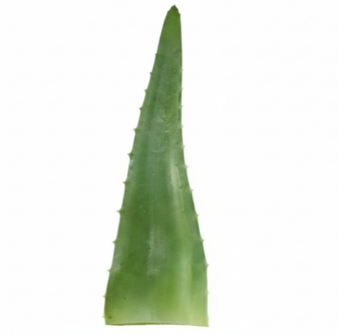
Picture No: -1 Aloe vera
Aloe Vera
Biological source: - Aloe consists of the dried juice/ latex collected by
Incision of the leaves of Aloe barbadensis Miller
(also known as Curacao Aloe) , Aloe perryi , etc.
Family: Liliaceae
Synonyms: - Acemannan ,Aloe africana, Aloe barbadensis, Aloe apensi
Usefual part:- Gel
Curcuma Longa Extract
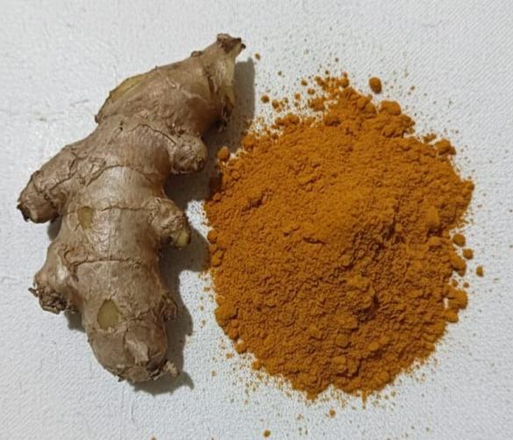
Picture No: -2 Curcuma longa extract
Biological source:- Turmeric cosists of dried as well as fresh “Rhizomes” Of the plant Curcuma longa
FAMILY: Zingiberaceae
SYNONYM: Indian Saffron, Turmeric, Haldi, Haridra
Useful Part :- The rhizomes (underground stems) are the part of the plant used for obtaining the extract, which contains the active compounds called curcuminoids [6]
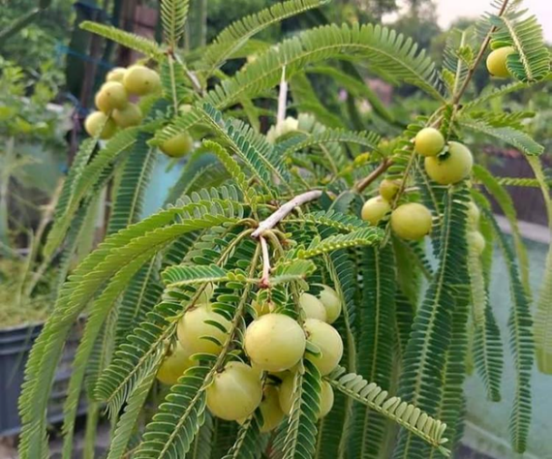
Picture No: - 3 Emblica officinalis extract
Emblica Officinalis Extract
Synonym:- Emblica, Indian goose berry, amla
Biological Source:- This consists of dried, as well as fresh fruits of the plant Emblica officinalis Gaerth (Phyllanthus emblica Linn.)
Family:- Euphorbiaceae [7]
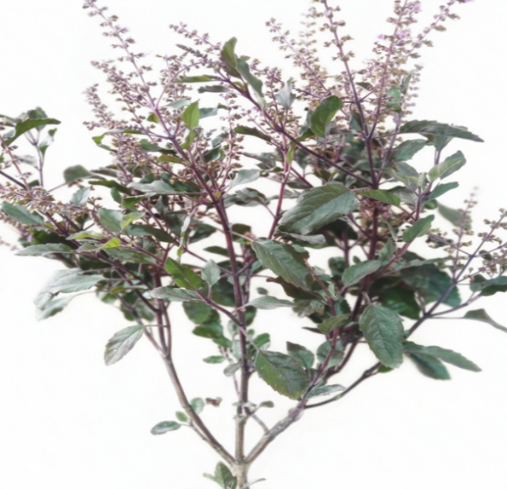
Picture No:4 Ocimum sanctum extract
Ocimum Sanctum Extract
Synonyms Holy basil, sacred basil, Indian basil, “Queen of Herbs,” Tulsi, Tulasi, Manjari, Vishnu-Priya, Gouri, Bhutaghni
Biological Source :- The fresh or dried leaves (and other parts) of the plant Ocimum sanctum Linn., which is often botanically synonymous with Ocimum tenuiflorum
Family :-Lamiaceae (also known as Labiatae), the mint family
Useful Part :- The entire plant is considered useful, including the leaves, stem, flowers,Roots, and seed [8]
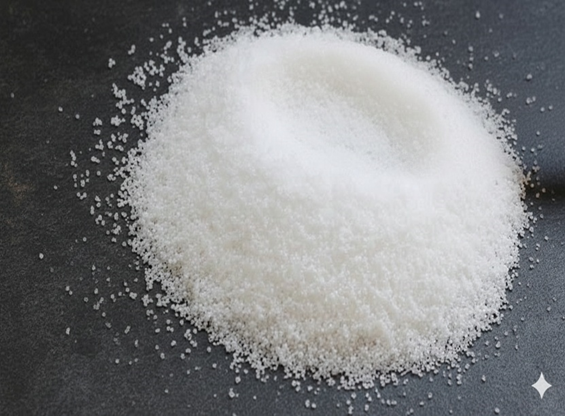
Picture No: -5 Stearic acid:
Stearic Acid: - is used in anti-aging creams as an emollient, thickener, and emulsifier, helping to create smooth textures while strengthening the skin’s moisture barrier to lock in hydration, soften skin, reduce dryness, and improve suppleness, which diminishes the appearance of fine lines and wrinkles for a more youthful look. It supports the skin’s natural lipids, protects against environmental stressors, and provides a non-greasy, soft feel, making skin smoother and more resilient. [9]
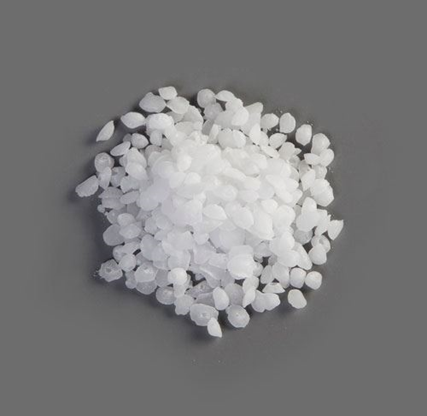
Picture No: -6 Cetyl Alcohol
Cetyl Alcohol :- is commonly used in anti-aging skincare products due to its emollient, thickening, and stabilising properties. While cetyl alcohol does not have direct anti-aging properties, it is an important component in the formulation of these products, improving their texture, stability, and efficacy. Here’s how cetyl alcohol helps with anti-aging skincare formulations. [10]
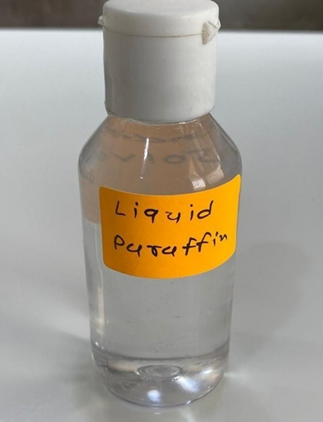
Picture No: -7 liquid paraffin
Liquid paraffin: - is frequently used in anti-aging creams and skincare products because it helps to maintain skin hydration, which in turn can reduce the appearance of fine lines and wrinkles. Its primary role is as an emollient and a protective agent, rather than directly modifying the skin’s cellular aging processes. [11]
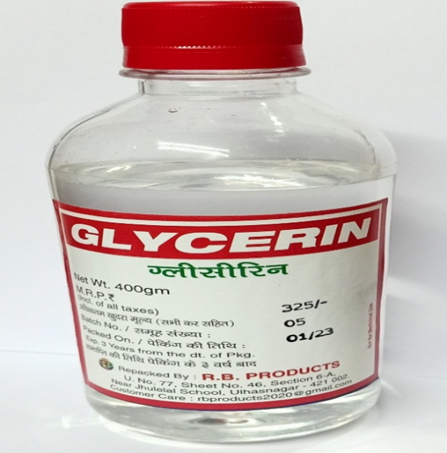
Picture No: - 8 Glycerin
Glycerin:- is a key anti-aging ingredient in creams because it’s a powerful humectant,drawing moisture into the skin to plump it, smooth fine lines, and reduce wrinkle appearance, improving texture and elasticity for a more youthful, hydrated look while also strengthening the skin’s protective barrier[12]
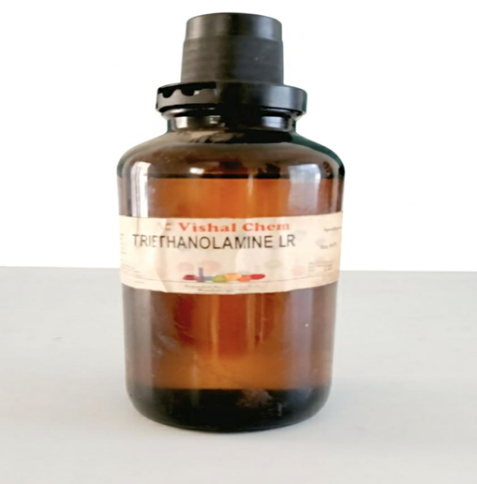
Picture No: - 9 triethanolamine
Triethanolamine: - (TEA) in anti-aging creams acts as a behind-the-scenes helper: an emulsifier to blend oils/water, a pH adjuster for skin health, and a surfactant for better texture, improving product stability, application, and feel, rather than being a direct anti-aging active, though it supports ingredient effectiveness and moisture [13]
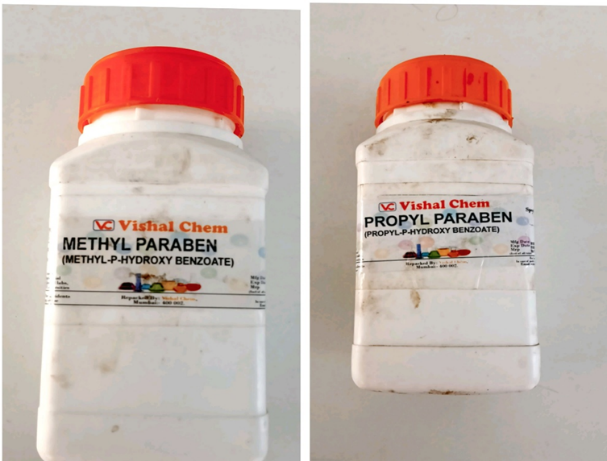
Picture No: -10 Methylparaben and Propylparaben
Methylparaben And Propylparaben:- are preservatives in anti-aging creams, used together for broad-spectrum protection against bacteria, molds, and yeasts, extending shelf life; while considered safe by regulators at low levels (often <0.8%), concerns exist about potential endocrine disruption, leading many brands to offer paraben-free options, making the choice a personal one based on risk perception and desire for natural/cleaner ingredients[14]
Flow Chart Of Preparation Of Anti- Anti-Aging Cream:
Collection of Herbal Extracts
↓
. Preparation of Oil Phase
(Stearic acid + Cetyl alcohol + Liquid paraffin)
↓ (Heat at 70°C)
Preparation of Aqueous Phase
(Water + Glycerin + Preservatives + Herbal extracts + TEA)
↓ (Heat at 70°C)
Addition of Aqueous Phase to Oil Phase
↓
Continuous Stirring
↓
Formation of Uniform Emulsion
↓
Cooling at Room Temperature
↓
Filling and Packaging
Step 1 Collection of Herbal Extracts.
The first and most crucial stage in creating a herbal anti-aging cream is gathering botanical extracts. Based on their established antioxidant, anti-inflammatory, and skin-rejuvenating qualities, medicinal herbs including Aloe vera, Curcuma longa, Emblica officinalis, and Ocimum sanctum are chosen in this step. To guarantee their authenticity, purity, and quality, the plant materials are gathered from dependable sources and authenticated.To guarantee the presence of active phytoconstituents, which have a direct impact on the final herbal cosmetic formulation’s safety, effectiveness, and stability, it is crucial to collect and choose herbal extracts carefully.
Step 2. Preparation of Oil Phase
The components of the oil phase include liquid paraffin, cetyl alcohol, and stearic acid. These components are precisely weighed and cooked collectively. These components are precisely weighed and cooked collectively. Stearic acid functions as an emulsifier. Cetyl alcohol gives it rigidity and enhances its texture. Liquid paraffin hydrates and smoothes skin by acting as an emollient. Heating the oil phase facilitates the melting of solid substances and guarantees even mixing. For stable emulsion formation, the oil phase must be heated to roughly 70°C in order to equal the temperature of the aqueous phase
Step 3. Preparation of Aqueous Phase
Purified water, glycerin, preservatives (propyl and methyl paraben), herbal extracts, and triethanolamine (TEA) are all present in the aqueous phase. Glycerin enhances skin hydration by acting as a humectant. Microbial growth is inhibited by preservatives. Herbal extracts provide anti-aging properties. Triethanolamine (TEA) aids in pH correction and emulsification. In order to guarantee enough ingredient solubilisation and avoid phase separation during emulsification, the aqueous phase is also heated to 70°C.
Step 4 Addition of Aqueous Phase to Oil Phase
The heated aqueous phase is gradually added to the oil phase while continuously stirring. This controlled addition is critical for producing a stable oil-in-water (O/W) emulsion. Sudden mixing can cause instability and phase separation.
Step 5 Continuous Stirring.
Uniform dispersion of the aqueous phase into the oil phase is ensured by constant stirring. It increases the cream’s homogeneity, consistency, and droplet size reduction. An emulsion that is stable and smooth is the outcome of proper stirring.
Step 6 Formation of Uniform Emulsion
Emulsification takes place as the stirring goes on, creating a homogenous cream. At this point, the formulation achieves a homogeneous distribution of herbal actives throughout the base, a smooth texture, and good consistency.
Step 7 Cooling at Room Temperature
The cream is left to cool at room temperature over time. Cooling aids in the emulsion’s stabilisation and the solidification of the cream base. It is best to avoid rapid cooling because it could lead to instability or cracking.
Step 8 Filling and Packaging
The finished cream is moved into appropriate, dry, and clean containers. Proper packaging extends shelf life and preserves product quality by shielding the formulation from air, light, moisture, and contamination.[ 15,16,17,18,19,20]
Physical and Cosmetic Observations
Appearance and Consistency: A smooth, uniform, semi-solid emulsion (cream) with a decent consistency is what is anticipated from the formulation.
Washability: Triethanolamine, an alkaline substance that reacts with fatty acids like stearic acid, indicates that it is an O/W emulsion, which should be easily washable with plain water.
Spreadability: The cream should show good spreadability, making it simple to apply without being overly thick or runny.
Ph Range: The anticipated final pH value to be in a pH range that is suitable for skin (usually between 6 and 8), which reduces the possibility of skin irritation [21].
Homogeneity: When evaluated visually and by touch (rubbing between fingers), the cream looks homogeneous and shows no lumps or particles, suggesting that the oil and aqueous phases have been properly mixed.
Viscosity: The formulation usually has a suitable viscosity (usually between 1000 and 5000 cps for non-greasy creams), making it neither too thick nor too runny for topical application. [22]
Physicochemical Properties
Stability: The composition is anticipated to be chemically and physically stable, exhibiting no phase separation (separation of the layers of water and oil) when stored at ambient temperature.
Safety: Because of the characteristics of the constituents and typical evaluation criteria for such formulations, it is anticipated to be safe for topical treatment, with routine patch testing showing little to no skin irritation, redness, or oedema.
Preservation: The incorporation of As preservatives, methylparaben and propylparaben should guarantee that the product is shielded against contamination and microbiological growth, extending its shelf life [23]
Summary of Evaluation Results
|
Sr.no |
Evaluation Parameter |
Result |
|
1 |
Apperance |
Acceptable |
|
2 |
pH |
Skin friendly |
|
3 |
Spreadability |
Good |
|
4 |
Viscosity |
Suitable |
|
5 |
Stability |
Stable |
CONCLUSION
Using certain medicinal plant extracts, the current study effectively proved how to formulate a stable and effective herbal anti-aging cream. The formulation’s antioxidant, moisturising, antibacterial, and anti-wrinkle qualities were greatly enhanced by the addition of Aloe vera, Curcuma longa, Emblica officinalis, and Ocimum sanctum. During stability tests, the manufactured cream had good physical properties, a pH that was appropriate for skin application, outstanding spreadability, and no indications of phase separation. All things considered, the herbal anti-aging cream was discovered to be skin-friendly, non-greasy, and safe, making it a viable substitute for artificial cosmetics. The formulation demonstrates the potential of herbal elements in cosmetic preparations and could be further investigated through clinical evaluation and advanced stability studies for commercial use.
REFERENCES



Seema Varpe, Abhishek Madhawai, Pratiksha Chimanpure, Formulation And Evaluation of Anti-Aging Cream, Int. J. of Pharm. Sci., 2026, Vol 4, Issue 2, 2689-2696. https://doi.org/10.5281/zenodo.18671604
 10.5281/zenodo.18671604
