
School of Pharmacy, LNCT University, Bhopal, Madhya Pradesh, India 462042.
The automation and emerging digital technologies transformed the 90% of global pharmaceutical industry with an unprecedented experience triggered by artificial intelligence (AI) and machine learning (ML). Pharmaceutical innovations are more accessible and efficient by using AI tools. These AI tools enables to optimize molecular screening, clinical trials, and research development which enhance predictive accuracy and reduce development costs. This article examines the integration of AI into pharmaceutical research, fundamentally reshapes drug discovery, development, manufacturing, patient-centered healthcare and educational ecosystems. Different AI methods such as Deep learning (DL), Neural network modeling, Quantitative structure activity relationship (QSAR), computational toxicology and Natural language processing (NLP) have become destined in pharmaceutical research worldwide. Use of Algorithms and different Software tools including Schrodinger Suite, Gaussian, MOE, Auto Dock, Open Eye, KNIME, Deep Chem, and cloud-based platforms empowers researchers with high-precision analytics and simulation capabilities modulated global values of pharmaceutical research. This article highlights the integration of AI in digital education which empower students, academic researchers, and healthcare professionals by improving access to advanced learning materials, virtual laboratories and simulation-driven training. Pharmaceutical manufacturing enhances product quality, ensures regulatory compliance and strengthens patient safety through digital automated quality monitoring and predictive maintenance. Through comprehensive analysis, this article provides valuable insights into current trends, tools, methods and future opportunities which is essential for advancing AI-enabled pharmaceutical research and maximizing societal benefit.
Over the last ten years, the pharmaceutical research pipeline has been characterized by its slow pace, high costs, and labor-intensive nature, often it was taking over 10–15 years and high cost to bring a single new molecule of drug in to market. Despite such substantial investments, the likelihood of clinical success has remained low.
The global surge in artificial intelligence, robotics, advanced analytics, and computational modelling has significantly transformed the pharmaceutical industries. The incorporation of these cutting-edge technologies has revolutionized the researchers to discover new drugs, develop formulations, clinical trials, and manage pharmaceutical manufacturing processes. The advent of technologies presents a paradigm shift that not only speeds up research timelines but also improves accuracy, reduces failure rates, and enhances patient safety1.
Machine learning, Deep learning, reinforcement learning, Natural language processing technologies and computer vision have been incorporated into every phase of pharmaceutical processes and transitioned a scientific theoretical ideas to a practical. These technologies aid in predictive modeling, automate routine laboratory tasks, and facilitate the discovery of intricate molecular interactions that exceed human analytical capabilities2. This shift reflects the central theme of this review: Educate, Innovate, Empower, illustrating how AI enhances scientific understanding, fosters innovation, and empowers society by improving healthcare outcomes.
Pharmaceutical organizations now rely on extensive biological, chemical, and clinical datasets gathered from laboratory experiments, genomics, and electronic health records (EHRs), biosensors, imaging technologies, and real-world evidence. Algorithms are capable of processing millions of data points within seconds, identifying critical patterns that help scientists understand disease mechanisms, define molecular targets, and design new therapeutic strategies. After the COVID-19 pandemic adoption of AI accelerated as researchers urgently needed tools to analyze viral genomes, predict protein structures, identify potential antiviral drugs, and support vaccine development. AI-enabled structural prediction tools, such as Alpha Fold, revolutionized the protein modelling and demonstrated the transformative potential of computation-led drug discovery3.
Virtual laboratories, intelligent tutoring systems, augmented reality (AR), and e-learning platforms provide experiential learning that mirrors actual laboratory environments. Students can practice molecular docking, run simulations, visualize drug–receptor interactions, and conduct virtual experiments safely and inexpensively. This democratizes scientific learning and offers equal opportunities for students from diverse backgrounds. Such technological advancements are essential for creating a well-prepared workforce capable of leveraging AI-driven tools in professional pharmaceutical settings.
From a societal perspective predictive models help determine disease outbreaks, improve public health surveillance, safety and facilitate rapid clinical responses. Telemedicine platforms powered by artificial intelligence support remote disease management, and drug manufacturing ensures high-quality medicines with minimal contamination risks. Regulatory agencies like U. S. Food and Drug Administration (FDA) and the European Medicines Agency (EMA), are increasingly support the use of technologies and real-world evidence in decision-making.4
Beyond research and industry operation, Algorithms can also analyze genetic data to tailor drug therapies for individual patients, reducing adverse effects and increasing treatment efficacy and improves patient management through personalized medicine. Use of artificial intelligence powered pharmacogenomics helps to identify biomarkers, predict metabolism patterns, and guide dosage adjustments based on genetic traits. Such personalized therapeutic strategies are crucial for diseases like cancer, where interpatient variability can significantly affect outcomes. Global use of these technologies can optimizes healthcare by delivering the right treatment, to the right patients at the right dose.
Moreover, Traditional batch-based manufacturing processes often face challenges such as variability in raw materials, deviations in reaction conditions, and human errors. Pharmaceutical manufacturing through digital twin technologies, automation, and continuous monitoring of critical quality attributes (CQAs), these concerns through predictive analytics, real-time data tracking, and automated quality control results can optimize resource utilization and maintain consistent product quality. This is particularly important for biologics and vaccines, where slight variations may significantly affect safety and efficacy5.
By enhancing post-marketing surveillance or pharmacovigilance, pharmaceutical companies and regulatory bodies rely on different algorithms to analyze adverse drug reaction reports, social media trends, EHR data, and real-world patient records. These systems identify potential safety risks earlier than traditional manual review methods. NLP algorithms can process millions of doctor notes, patient reports, and medical documents to detect signals of emerging safety concerns.
However, despite significant progress, digital technologies has made strides in the pharmaceutical sectors, several obstacles remain. Major concerns are related to data privacy, algorithmic bias, ethical use of patient information, and the need for high-quality datasets. The shortage of skilled professionals trained in both pharmaceutical sciences and Artificial Intelligence technologies further inhibits adoption. To overcome these barriers, educational institutions must integrate AI-related subjects such as data science, computational biology, and digital health into pharmacy and life science in their curriculum. This ensures the development of a competent workforce capable of driving future pharmaceutical innovations6. This review explore the comprehensive analysis of artificial intelligence revolution in drug discovery which strengthen and accelerate pharmaceutical breakthroughs. It covers computational methods, widely used software tools and application areas including drug discovery, molecular modelling, formulation optimization, clinical trials, manufacturing, and societal impacts. Detailed diagrams, flowcharts, and conceptual frameworks are presented to improve conceptual clarity. The article also highlights responsible AI practices and emphasizes the importance of ethical, transparent, and human-centered technology adoption.
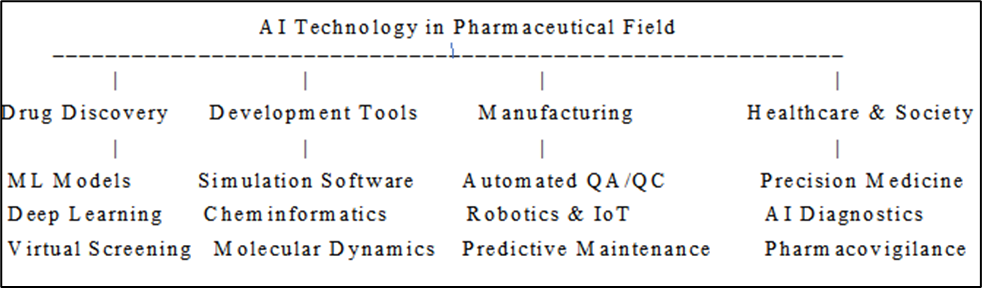
Fig. 1: Role of Artificial Intelligence technology in Pharmaceutical Field
Artificial Intelligence and their tools serve as significant catalysts in transformation of pharmaceutical industry, as illustrated in Figure. 1. They facilitate the generation of scientific knowledge (Educate), expedite the precise development of novel therapeutic strategies (Innovate), and ultimately enhance healthcare accessibility and outcomes (Empower) 7. As the pharmaceutical sector continues to undergo digital transformation, AI is poised to remain at the forefront, enabling Groundbreaking research, increasing productivity and contributing positively to societal well-being.
AI methods, Algorithms, and Technologies employed in Pharmaceutical Research
Artificial Intelligence has revolutionized the pharmaceutical research by acting as cornerstone technology that optimizes the entire product life cycle, from initial stages of drug discovery to clinical evaluation and post-marketing surveillance8. This section highlighted the principal AI methods, algorithms, and computational technologies currently influencing and reshaped pharmaceutical innovation.
Machine Learning in Pharmaceutical Research
Machine learning encompasses computational techniques that empower systems to discern patterns from data without explicit programming. The pharmaceutical industry extensively utilizes ML to analyze chemical structures, biological assays, clinical data, and manufacturing processes9.
Supervised Learning Algorithms
Supervised algorithms are trained on labeled datasets to learn predefined input-output mappings. Supervised models act as a "student," using labeled examples as guides to learn target outcomes. Supervised learning assists researchers in reducing experimental costs and designing safer molecules. These models are also valuable tools for toxicity classification, bioactivity modeling, QSAR (Quantitative Structure Activity Relationship) models, and solubility and permeability prediction10. Common supervised algorithms and their applications are detailed in Table-1.
Table-1 Supervised Algorithm and their application
|
Supervised Algorithms |
Common Application |
|
Support Vector Machines (SVM) |
Used for classification of active vs. inactive compounds |
|
Random Forest (RF) |
Common in ADMET prediction due to its handling of non-linear relationships |
|
Gradient Boosting Machines (GBM, XG Boost, Light GBM) |
Provide high accuracy in high-dimensional chemical datasets |
|
k-Nearest Neighbour (k-NN) |
Quick similarity-based compound activity prediction |
|
Logistic Regression |
Useful for basic toxicity classification tasks |
The concept of supervised learning can easily understand by a laboratory blood test which serves as an intuitive analogy for supervised learning where patient data is mapping with predefined blood component profile.
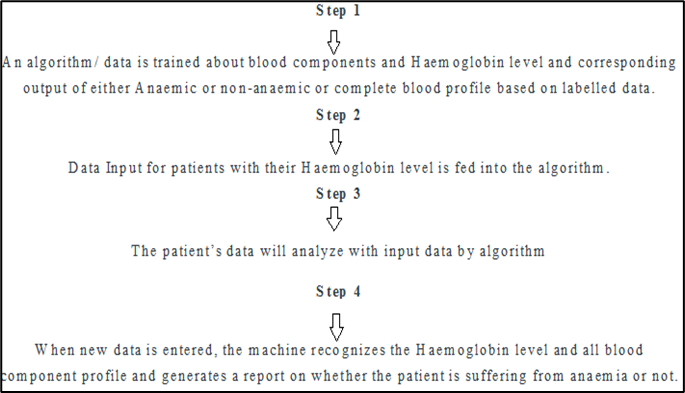
Figure: 2 Concept of supervised learning using the example of laboratory blood test
Unsupervised Learning Algorithm
Unsupervised techniques identify hidden patterns in unlabeled datasets. It is utilized for Chemical similarity clustering, Identification of novel molecular scaffolds, Stratification of patient populations and detecting anomalies in clinical trials. These methods support early exploratory research and optimize molecular libraries11.
Table-2: Common Unsupervised Algorithms and their applications
|
Unsupervised Algorithms |
Common Application |
|
k-Means Clustering |
grouping chemical libraries |
|
Hierarchical Clustering |
Classifying protein families |
|
Principal Component Analysis (PCA) |
reducing dimensionality in molecular descriptors |
|
t-SNE / UMAP |
visualizing chemical space |
Unsupervised Learning can be exemplified with spread of corona virus in all over the India and in unsupervised learning only clusters are formed, and we cannot apply it to prediction or outcome as shown in figure 3.
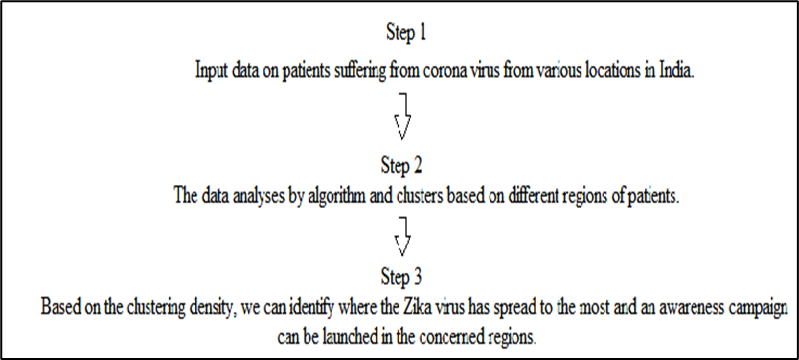
Figure 3: Unsupervised Learning Algorithm
Semi-Supervised and Self-Supervised Learning
Such models significantly improve virtual screening accuracy with minimal Pharmaceutical experimental data12.
Semi-supervised and self-supervised methods help extract meaningful representations using:
Processing Methods used in Pharmaceutical Sciences
Different processing algorithms methods and tools are utilized to accelerate literature review and medical insight extraction13. Common processing methods and their applications are mentioned in Table 3.
Table: 3 Processing methods used in Pharmaceutical Sciences
|
Sr. No. |
AI Processing Methods |
Applications |
Model Tools Used |
|
1.
A. |
Deep Learning Method (DL) Conventional Neural Networks (CNNs) |
Analyses 2D or 3D structural data Protein–ligand binding prediction Drug toxicity screening Analysis of microscopy images Prediction of molecular properties |
CNN-based models such as Atom Net pioneered the AI drug discovery revolution. |
|
B. |
Recurrent Neural Networks (RNNs) & Long Short-Term Memory (LSTMs)14 |
Used for sequence-based data (SMILES notation, protein sequences, genomic sequences De novo drug generation ADMET property prediction Partial clinical data analysis Monitoring long-term patient outcomes |
LSTM (Long Short-Term Memory) models can predict how modifications in SMILES strings affect biological activity. Sequence based task in drug development |
|
C. |
Graph Neural Networks (GNNs)15 |
Present a molecules as graphs with atoms is mapped to nodes and covalent bonds to edges. Molecular property prediction Quantum chemistry estimation Protein interface classification Drug repurposing |
Models such as Message Passing Neural Networks (MPNN) have become the gold standard in computational chemistry |
|
D. |
Transformers in Drug Discovery |
Transformers, originally developed for natural language processing, prevalent in cheminformatics for Protein structure prediction. Molecular generation. Drug repurposing. Reaction prediction. |
Mol BERT, Chem BER Ta, Mega Mol BART, Alpha Fold models |
|
2. |
Natural Language Processing (NLP) |
NLP extracts knowledge from literature, clinical notes, regulatory filings, and real-world evidence. Mining millions of scientific papers to identify drug gable targets. Extracting adverse drug reactions from medical records. Automating regulatory documentation. Monitoring social media for pharmacovigilance signals. Analyzing clinical trial reports. |
SciBERT PubMedBERT, BioGPT |
|
3. |
Generative AI Models in Drug Discovery16 |
Generative AI designs new molecules with desired drug-like properties. Creation of novel molecules Scaffold hopping. Reaction pathway prediction Optimization of hit-to-lead compounds. Predicting synthetic feasibility. |
Generative Adversarial Networks (GANs), Variation AL Auto encoders (VAEs), Reinforcement Learning-based generative models, Diffusion Models, Transformer-based molecule generators |
|
4. |
Reinforcement Learning (RL) |
To learn optimal strategies through trial-and-error with reward functions. Designing molecules under specific constraints. Optimizing formulation variables. Predicting optimal dose regimens. Autonomous lab robots controlling experiments. Manufacturing process control |
RL is becoming a crucial tool in automated drug design pipelines.
|
Computational Software and Tools Used in Pharmaceutical field
The different leading tools present in Table 4 & 5 which are commonly used in computational drug design, chemo informatics, biological simulation, and data science17.
Table: 4 Computational Software and Tools Used in Pharmaceutical field
|
Software Tools |
Application |
|
Molecular Docking & Virtual Screening Tools Schrodinger Suite Maestro, Glide, Prime Desmond |
Docking Pharmacophore generation Free energy calculations
|
|
AutoDock & AutoDock Vina |
widely used for virtual screening and ligand docking studies |
|
BIOVIA Discovery Studio |
QSAR modelling Molecular dynamics Toxicity prediction Protein modelling |
|
Open MM, GROMACS & AMBER |
Used for high-performance molecular dynamics simulations |
|
Quantum Chemistry Tools Gaussian |
Electronic structure calculations Molecular orbital visualization Reaction mechanism modelling |
|
ORCA & Q-Chem |
Provide fast semi-empirical and ab-initio calculations |
|
Quantum tools |
Help researchers understand molecular behavior at atomic precision |
|
Cheminformatics Tools Chem Axon (Marvin, J Chem) |
Structure editing Log P prediction Tautomer evaluation Database management |
|
RD Kit |
An open-source toolkit used for: Fingerprint generation QSAR modelling Similarity search Machine learning integration |
|
Machine Learning & Data Science Platforms Tensor Flow and Py Torch |
Used to develop deep learning models for Molecular property prediction Protein modelling NLP tasks |
|
IQVIA Clinical AI |
Protocol optimization Patient monitoring Real-time trial analytics |
|
KNIME Analytics |
Data integration Cheminformatics Bioinformatics |
|
Digital Twins
|
Virtual replicas of manufacturing processes used for: Real-time monitoring Predictive optimization Failure prevention |
|
AI-enabled LIMS Machine Vision Systems |
Tablet inspection Foreign particle detection Packaging quality control |
Table: 5 Category wise Tools/software18
|
Category |
Tools/ Software |
Application |
|
Computational Chemistry |
Schrodinger, Gaussian, AMBER, GROMACS |
Molecular simulations, docking |
|
Bioinformatics |
BLAST, AlphaFold, Clustal Omega |
Protein modeling, sequence alignment |
|
AI/ML Frameworks |
Tensor Flow, Py 4Torch, Scikit-learn |
Predictive modeling, deep learning |
|
Data Analytics |
KNIME, Rapid Miner |
Workflow automation |
|
ADMET Tools |
Swiss ADME, pkCSM |
Preclinical predictions |
Integration of Artificial Intelligence in Pharmaceutical field
Target Identification and Validation
AI facilitates identification of novel disease biomarkers, protein targets, and molecular pathways using multi?omics data integration. Machine learning models can detect patterns in genomics, proteomics, transcriptomic, and metabolomics datasets. Knowledge graphs link biological entities genes, pathways, diseases, phenotypes to highlight new therapeutic opportunities and accelerate the drug discovery19.
Deep learning models assist in protein structure prediction, such as Alpha Fold?derived frameworks, improving the accuracy of target characterization. AI also identifies target–disease associations through automated literature mining and NLP-based evidence extraction.
Lead identification
Traditional high?throughput screening (HTS) is often expensive and slow. Virtual screening uses predictive models to evaluate large compound libraries for binding affinity, selectivity, and drug?likeness. Generative Adversarial Networks (GANs),can model molecular structures more accurately than older descriptors, enabling prediction of physicochemical properties, ADMET profiles, and safety endpoints20. Variational auto encoders, GANs diffusion models designs new drug?like molecules with optimized characteristics. These models explore chemical spaces beyond human intuition and propose candidates for synthesis21.
Lead Optimization
AI supports medicinal chemistry workflows by predicting structure activity relationships and suggesting chemical modifications to enhance potency, reduce toxicity, and improve pharmacokinetics. Reinforcement learning models can iteratively refine molecules towards multi?objective optimization22.
Optimization of Preclinical study design
Predictive ADMET Modeling
Absorption, distribution, metabolism, excretion, and toxicity (ADMET) models use ML algorithms to forecast drug behavior in biological systems. This reduces reliance on animal studies, accelerates preclinical decisions, and minimizes late?stage failures23.
Toxicology and Safety Assessment
Bioinformatics models predict hepatotoxicity, cardiotoxicity, mutagenicity, and immunotoxicity. In-silico toxicology reduces experimental burden by providing early warnings of hazardous compounds24.
Bioinformatics and Systems Biology
AI integrates biological networks to predict off?target activities and system?level interactions. Systems pharmacology models simulate drug–disease interactions across pathways and cell types25.
Transforming clinical development
Clinical Trial Design
AI predicts optimal trial designs, identifies patient populations based on biomarker stratification, and forecasts trial outcomes using historical data. It also assists with adaptive trial designs, dose optimization, and real?time patient monitoring26.
Patient Recruitment
Machine learning algorithms mine electronic health records (EHRs) to identify eligible patients, improving recruitment efficiency. NLP extracts relevant clinical markers from unstructured notes.
Digital Biomarkers & Wearable Data
AI processes continuous data streams from wearable sensors and mobile health devices, enabling remote monitoring and early detection of adverse events27.
Digitalized pharmaceutical manufacturing
Process Development
Artificial Intelligence supports Quality by Design (QbD), continuous manufacturing, and real?time monitoring. Predictive models optimize chemical reactions, fermentation, cell culture conditions, and scale?up processes28.
Drug Formulation
AI predicts optimal excipients, dosage forms, and delivery mechanisms. DL models evaluate stability, dissolution kinetics, and formulation risks.
Quality Control
Computer vision inspects tablets, vials, syringes, and packaging for defects. Predictive maintenance models reduce equipment downtime.
Streamline for regulatory service
Regulators increasingly adopt AI for adverse event monitoring, pharmacovigilance, and review of large datasets. NLP aids signal detection by analyzing safety reports. However, transparency, explain ability, and reproducibility remain critical for regulatory approval29.
Pharmacovigilance
AI detects patterns in spontaneous reporting systems, social media, EHRs, and wearable data to identify emerging safety signals. Automated systems reduce manual workloads, improve detection speed and drug safety monitoring.
Tailored personalized medicine
Machine learning models integrate patient?specific genetic, environmental, and lifestyle data to tailor therapeutic regimens. Pharmacogenomics benefits significantly from AI, which predicts patient response variability.
Ethical, Legal, and Social Implications (ELSI)
AI?driven research faces challenges including data privacy, bias, lack of interpretability, and reproducibility issues. Ethical frameworks and governance policies are needed to ensure responsible deployment30.
Contribution of technologies in pharmaceutical industries are summarized in Table-5
Table-5: Contribution of technologies in pharmaceutical industries
|
Domain |
AI Technology Used |
Outcomes / Impact |
Representative Advancements |
|
Drug Target Identification |
Deep learning, Machine Learning classifiers, knowledge graphs |
Faster identification of disease mechanisms; improved target prioritization |
Alpha Fold structure prediction; biomarker analysis |
|
Virtual Screening |
Convolutional Neural Network (CNNs), Graph Neural Network (GNNs), Quantitative structure–activity relationship (QSAR) models |
Screening time reduced by 50–70%; higher hit rates |
Atom wise AI screening; Pfizer’s ML screening pipeline |
|
De Novo Molecule Design |
Generative Adversarial Networks (GANs), Variational Autoencoders (VAEs), diffusion models |
New chemical entities (NCEs) generated rapidly; optimized ADMET |
Exscientia’s OCD drug; In-silico fibrosis drug |
|
Clinical Trials |
Natural Language Processing (NLP), reinforcement learning, predictive analytics |
Faster patient recruitment; trial duration reduction by 10–30% |
AI-based EHR matching; adaptive dosing algorithms |
|
Regulatory Affairs |
Natural Language Processing, (NLP), anomaly detection algorithms |
Improved pharmacovigilance; faster dossier review |
FDA’s AI safety signal detection tools |
|
Manufacturing |
Predictive Machine Learning, process control algorithms |
Lower batch failures; optimized bioprocesses |
Smart bioreactors; AI-based predictive maintenance |
|
Personalized Medicine |
Genomic Machine Learning models, radionics, multimodal AI |
Tailored treatment plans; improved outcomes |
AI-driven oncology treatment selection |
Scope Constrains and Future Consideration
Despite advancements, the application of artificial intelligence (AI) in pharmaceutical research encounters several limitations. The quality, variability, and bias of data are significant concerns, as AI models are contingent upon the quality of their training data. Incomplete, noisy, or unrepresentative datasets can result in errors or overfitting in the outcomes31. Additionally, the lack of comprehensive mechanistic understanding and challenges in model interpretability are prevalent in AI, particularly because deep learning models often function as "black boxes," complicating the explanation of why a compound is predicted to be effective. This opacity raises regulatory and ethical issues, as clinicians and regulators require transparency regarding the basis of predictions. Ethical and privacy considerations must also be meticulously managed. Patient data utilized for training must be de-identified and secured, and algorithmic biases that underrepresent certain populations must be addressed to prevent inequitable outcomes. Furthermore, the economic aspects of drug development present integration challenges: pharmaceutical companies must reconcile in silico predictions with expensive wet-lab experiments, and the equilibrium between proprietary algorithms and shared scientific knowledge necessitates careful consideration29. Technically, AI in pharma must also overcome practical hurdles to ensuring robust cross-validation of models, incorporating uncertainty metrics, and maintaining models over time as data distributions shift (a problem known as “concept drift”)32. The Artificial Intelligence driven pipelines require continuous validation on independent datasets to ensure stability and finally, there is the human dimension deploying AI effectively requires multidisciplinary teams (data scientists, biologists, clinicians) and a culture shift within organizations.
Transforming Pharmaceutical Outcomes
The transformative role of AI integration in the pharmaceutical sector has been previously discussed. Through the integration of AI this review explore the associated benefits of reduced research timelines, significant cost reductions, accelerated drug discovery, market expansion, increased productivity, and enhanced healthcare outcomes. AI-driven programs are contributing to a more robust pipeline of candidate therapies33. Patients are likely to benefit from the expedited availability of treatments and more personalized drug regimens. AI methods and their pharmaceutical impacts are detailed in Table-6.
Table-6: AI based methodologies and their Pharmaceutical impacts34
|
AI Method |
Primary Function |
Advantages |
Limitations |
Pharmaceutical Importance |
|
Machine Learning (ML) |
Predictive modeling |
Simple, interpretable |
Limited performance on complex non-linear tasks |
Toxicity prediction, risk scoring |
|
Deep Learning (DL) |
Feature extraction from large datasets |
High accuracy; handles complex data |
Requires large datasets; black-box nature |
Structure prediction, imaging analytics |
|
Generative Models |
Design of new molecules |
Chemical novelty; multi-parameter optimization |
Hard to validate synthesis feasibility |
Novel drug candidates |
|
Knowledge Graphs |
Relationship mapping |
Integrates heterogeneous data |
Needs well-curated databases |
Drug repurposing, target discovery |
|
Reinforcement Learning (RL) |
Decision-making under uncertainty |
Adaptive learning |
Sensitive to reward design |
Adaptive clinical trials |
|
Natural Language Processing (NLP) |
Text analysis |
Automates literature & EHR mining |
Limited by language ambiguity |
Patient recruitment, regulatory review |
AI methods is transforming the entire pharmaceutical manufacturing lifecycle and optimize every stage of production form material selection and drug design to formulation process, supply chain, and preventive maintenance35. The adoption of AI in pharmaceutical sectors provide a superior alternative to traditional approaches, enabling significant economic and temporal efficiencies in drug discovery as illustrated in figure 4.
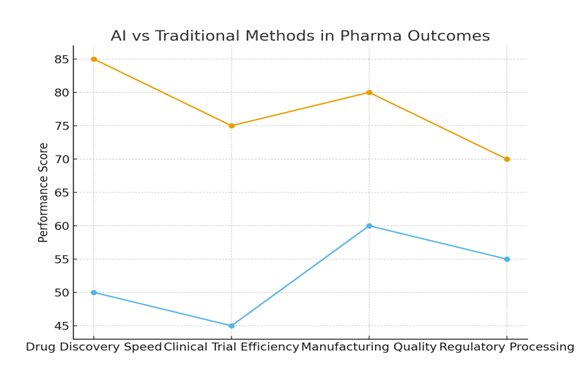
Fig. 4: The drug development pipeline under traditional (left) and AI-driven (right) paradigms. AI methods (ML/DL) are being integrated at each stage—from target identification through clinical trials—to reduce time, cost, and failure rates
CONCLUSION
Digital technologies are transforming pharmaceutical research across all stages of drug development and reshaping pharmaceutical manufacturing and operations. While challenges remain, continued innovation, improved data governance and deeper human–machine collaboration promise a future where algorithims accelerates discovery, enhances safety, and delivers more effective therapeutics. In summary, the digital metamorphosis of pharmaceutical research, with AI at its core it transforming virtually every stage of drug life cycles. Machine learning and deep learning have enabled unprecedented speed-ups in target discovery, drug development, molecule design, and trial optimization. Overall this review clearly states the integration of technology is revolutionize the pharmacy landscape, offering unprecedented opportunities for advancement of drug discovery, optimize formulation and development, improving human health and well-being while contribute to economic growth. Although this vision requires to ensure validation, transparency and equitably deployment with collaboration across R&D, industry, health sector and academia from which transformed a new era of digitally empowered pharmacy and pharmaceutical research. Emerging trends in pharmaceutical research and development are moving towards the integration of multimodal AI which combines imaging, omics, text and chemical data with robotics autonomous laboratories, quantum powered molecular simulations and highly personalized digital twins.
CONFLICT OF INTEREST:
The author has declared no conflict of interest in this review.
ACKNOWLEDGEMENT:
The author is acknowledge the guide for their valuable guidance.
REFERENCES

Smita Jain, Manju Prajapati, Digital Transformation in Pharmacy: Shaping the Future of Pharmaceutical Healthcare, Int. J. of Pharm. Sci., 2026, Vol 4, Issue 3, 1546-1560. https://doi.org/10.5281/zenodo.19013414
 10.5281/zenodo.19013414
