
S.C.S.M.S.S. Institute of Pharmacy Maregaon Maharashtra India.
Processes that were once time-consuming, costly, and inefficient. Integrating Machine Learning (ML), Deep Learning (DL), and Natural Language Processing (NLP) enables rapid identification of drug targets, prediction of pharmacokinetic and toxicological properties, and optimization of lead compounds. AI-driven models facilitate de novo drug design, virtual screening, biomarker discovery, and drug repurposing, thereby enhancing precision and reducing failure rates in preclinical and clinical phases. Additionally, AI supports personalized medicine by analyzing genomic and clinical data to tailor therapies. Despite its transformative potential, challenges such as data bias, limited transparency, and ethical and regulatory concerns remain. Addressing these issues through interdisciplinary collaboration and robust data governance is vital. Overall, AI continues to reshape the pharmaceutical landscape by improving efficiency, accuracy, and innovation in developing safer and more effective therapeutics.
Change is the only constant in life, and humanity strives to harness it, especially in medicine and pharmaceuticals. These fields focus on developing compounds and formulations to relieve physical and mental suffering. For decades, drug manufacturing has followed regulatory frameworks ensuring product quality through testing of batches, processes, final products, raw materials, and in-process materials. [1] Drug development is long, costly, and complex, often taking over a decade from discovery to market. AI techniques—such as machine learning, neural networks, and reinforcement learning—effectively analyse complex biological and chemical data, marking a major shift in pharmaceutical research.[2]
Pharmacological Innovation with AI
Pharmaceutical research and development have been revolutionized by artificial intelligence thanks to its important contributions, which include:
1. Identification of the target- AI identifies medicinal targets by analyzing clinical, proteomic, and genomic data, while machine learning uncovers biological mechanisms and therapeutic targets in drug design.
2. Online screening- Artificial intelligence (AI) simulates interactions, calculates binding, analyses the molecular basis of disease, aids target identification, identifies high-affinity drug candidates, and helps prioritize experimental compounds.
3. Modelling the structure-bioactivity correlation- Machine learning models help design drugs with improved pharmacokinetics, selectivity, and potency by linking a compound’s structure to its biological function.
4. AI-driven novel drug design- Develop novel candidates using compound libraries and data, expand chemical space, and propose drug-like compounds thanks to machine learning.
5. Drug candidate optimization- By taking pharmacokinetics, safety, and efficacy into account, AI systems assess and refine drug candidates, assisting researchers in enhancing the efficacy and safety of compounds.
6. Repurposing drugs- Artificial intelligence accelerates drug discovery by re-evaluating approved drugs through biomedical data analysis to uncover new therapeutic applications.
7. Toxicity prediction- AI predicts drug toxicity, identifies safer compounds, and accelerates drug discovery by forecasting targets, ligand interactions, and supporting cost-effective development, including toxicology and phytopharmacology assessments.[3]

Figure 1- An Introduction to AI in Drug Discovery.[2]
Current Status of Therapeutic Discovery
AI technologies are reshaping the pharmaceutical discovery process, expediting target recognition, compound refinement, and clinical evaluation via advanced machine learning algorithms and data analytics techniques.[21]

Computational Learning Applications in therapeutic Research-
Discovery and verification of molecular target -
Target identification is crucial in drug development. While traditional methods like X-ray crystallography are costly and slow, AI enables faster computational identification of potential targets. Using data mining, text analysis, and NLP, AI builds target databases and identifies target–disease links, while neural network models such as SPiDER improve interaction prediction accuracy.[17]
Biomarker discovery-
In the era of molecular medicine, the creation of biomarkers enhances the drug discovery procedure. Numerous samples must be gathered and subjected to consistent, thorough analysis in order to identify biomarkers. Biomarkers aid in the detection and confirmation of therapeutic biological macromolecules involved in disease mechanisms by serving as an outcome measure in clinical trials. As a result, each patient would receive the appropriate treatment based on the biomarkers that were analyzed.[2 ]
QSAR/ QSPR Modelling
Quantitative Structure–Activity/Property Relationship (QSAR/QSPR) modeling has advanced significantly since its development over half a century ago. These computational models accurately predict biological effects and pharmacokinetic properties, including absorption, distribution, metabolism, elimination, and adverse effects, proving their impact on drug discovery. In ligand-based QSAR/QSPR, molecular descriptors convert chemical features—functional groups, physicochemical traits, and pharmacophore patterns—into machine-readable numbers, capturing key structural properties.[5]
De Novo Drug Design-
These models have transformed the field by generating molecules with targeted properties from scratch. By learning from existing compound libraries, they can create new chemical structures that are then optimized for specific purposes.[2]
Machine learning was used to analyze top-scoring products based on neural network predictions. A deep neural network (DNN) called the Reinforced Adversarial Neural Computer (RANC), employing reinforcement learning (RL), was applied for de novo design of small organic molecules. The model was trained on SMILES strings, enabling the generation of molecules with specified chemical descriptors such as molecular weight (MW), logP, and topological polar surface area (TPSA).[5]
Lead Optimization-
Lead optimization aims to refine chemical compounds to improve pharmacokinetics, pharmacodynamics, safety, efficacy, and selectivity.[2] Machine learning aids lead optimization by predicting molecule–target interactions using large chemical and biological datasets. Trained on annotated data, ML identifies key molecular features, guiding design and efficiently forecasting promising drug candidates with high accuracy.[21]

Figure 2- A flow chart of typical drug discovery.[9]
AI in Preclinical Progress
Predicting drug–target interactions is crucial in drug design. Machine learning uses molecular features or similarity, along with binding affinities or free energy, to forecast drug interactions and evaluate their effectiveness. AI also aids preclinical study design by identifying disease biomarkers, predicting adverse effects, and analyzing complex clinical data, while anticipating trial outcomes to reduce patient risk.[1]
Predicting ADMET Properties
AI predicts a drug’s safety and efficacy by analyzing its ADMET properties. ML models identify compounds with poor pharmacokinetics early, reducing late-stage failures and ensuring only promising candidates with optimal therapeutic indices advance to clinical trials.[2] ML and DL use methods like Bayesian models, random forests, SVMs, ANNs, decision trees, deep learning, and QSAR to predict pharmacokinetic parameters, including ADME properties. Drug absorption, the entry of a drug into systemic circulation, is key for bioavailability, which guides chemists in improving uptake. Drug excretion removes drugs and metabolites, most of which are water-soluble and easily eliminated.[5]
Toxicity Prediction-
A significant percentage of drug candidates fail in clinical trials due to unexpected side effects. Assessing potential toxicity in preclinical phases is crucial to reduce failures and improve drug discovery success.[12] AI-driven computational models for predicting drug toxicity have gained popularity, with machine learning being widely used. Platforms like DeepTox assess substance toxicity, while MoleculeNet predicts toxicity and translates chemical structures for analysis.[10]
Animal Studies-
High clinical trial failure rates stem from animal models poorly reflecting human physiology. AI and ML reduce animal use, cut costs, speed development, and optimize formulation and dosing by predicting safety and efficacy more accurately.[10]
AI in Clinical Development-
Clinical Trials Design Optimization-
About 60% of all drug development expenses go toward clinical trials, making it one of the most resource-intensive stages of the process. AI uses real-world data and predictive analytics to provide creative answers to these problems.[2]

Figure 3- Benefits of leveraging AI in clinical trials.[3]
Drug Efficacy and Drug Safety Prediction-
The structures are iteratively refined using AI-driven optimization strategies to optimize pharmacokinetics, reduce toxicity, and increase medication efficacy.[11]
Real World Data Analysis-
Experimental data combined with CADD guide precise and efficient drug discovery. This multidisciplinary approach trains specialists, supports personalized treatments, and improves understanding of drug performance across populations.[15]
Technologies Used in AI for Drug Discovery-
Machine Learning-
Despite limited data, AI leverages advanced algorithms to improve predictions in drug metabolism, pharmacological responses, and development, enhancing accuracy, efficiency, and cost-effectiveness.[4]
Machine learning is increasingly used in drug discovery, helping reduce time, cost, and complexity. Major companies apply ML in R&D, and high-throughput screening allows it to minimize or replace animal testing, making drug discovery faster and more efficient.[1]
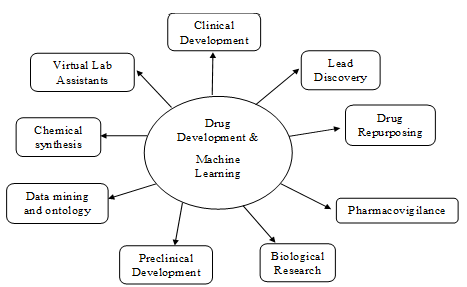
Figure 4- Drug discovery and development through machine learning techniques.[3]
Supervised AI Learning- Using labeled data, supervised learning develops algorithms for visual data analysis, natural language understanding, and predictive modeling prediction problems. Pharmaceutical discovery system maintenance and quality management, illness disease diagnosis and clinical trial outcome forecasting are some of its medical applications.
Unsupervised AI Learning- Unsupervised learning helps with data clustering and association analysis generation, feature reduction by identifying patterns within unlabeled information. It is utilized in the pharmaceutical industry for exploratory research and data visualization.[4]
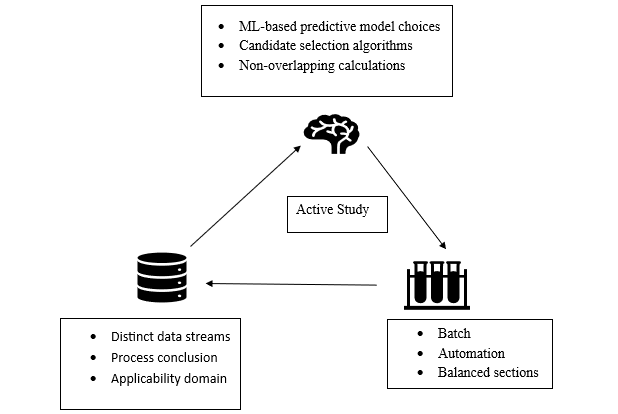
Figure 5- Data-driven predictive model.[1]
Machine Learning Procedure-
Four steps are included in machine learning, which are listed below.
-The first step is feature extraction.
-Choosing the appropriate machine learning algorithm comes in second.
-Third, training and assessing the effectiveness of the data model
-Four, making predictions with a trained model
Requirements to Create Good Machine Learning Systems:
- Preparation of datasets
- Fundamental and sophisticated algorithms
- Expandability
- Multiple workflows, including automation and iterative methods
- Collaborative model approaches.[24]
Deep Learning-
We focus on neural network (NN)–based models due to their recent impact on machine learning and relevance to drug development. In recent years, drug–protein interaction (DPI) prediction has shifted from basic ML to advanced deep learning frameworks. Architectures such as RNNs, CNNs, and deep neural networks (DNNs) have demonstrated higher accuracy than earlier methods, driving further research in DPI prediction.[9]
Natural Learning Process-
User queries are first converted from spoken to textual form, after which Natural Language Understanding interprets their semantic meaning. A key AI approach for text mining in drug discovery is natural language processing (NLP), which analyzes human language to extract information from clinical trial reports, patents, scientific literature, and other texts. By identifying drug names, target proteins, chemical compounds, and disease-related data, NLP-driven AI models help researchers gather essential information for drug discovery.[13]
Reinforcement-
Regulating the properties of generated molecules using continuous data-driven representations remains a significant challenge. For example, in generative adversarial networks (GANs), producing a molecule with the desired physicochemical properties from a vast chemical search space can be time-consuming and complex. One machine learning approach employed in drug development for molecular generation is reinforcement learning (RL). RL is a dynamic decision-making paradigm that enables the design of chemical compounds with optimal solubility, pharmacokinetic properties, or bioactivity. From the theoretically unlimited action space, deep reinforcement learning looks for the best possible set of actions.[17]
AI Based Software Tools and Database-
Artificial intelligence, exemplified by systems like IBM Watson, has the potential to transform disease diagnosis and treatment, improving patient outcomes through early intervention. AI encompasses domains such as machine learning, knowledge representation, reasoning, and problem-solving. Deep learning, a subfield of ML, uses artificial neural networks (ANNs) to detect patterns in labeled datasets.
Databases of chemical and biological information- Data from computationally predicted drug–target interactions (DTIs) and experimental bioassays should be collected in publicly accessible databases.
PubChem- PubChem is the largest free chemical information repository, containing over 111 million compounds, 279 million substances, 295 million bioactivities, and 34 million publications, organized across substance, compound, and bioassay pages. Its bioassay database provides detailed descriptions and experimental results of various biological assays.
DeepChem- DeepChem is a TensorFlow-based library that streamlines chemical data analysis and supports algorithmic research, including one-shot deep learning for drug discovery, such as modeling BACE-1 inhibitors. It enables applications like cell counting in microscopy, predicting drug solubility, estimating target binding affinities, and analyzing protein structures.
AlphaFold2- Predicting protein 3D structures from amino acid sequences is highly challenging. AlphaFold2, developed by DeepMind and accessible via Google Colab, has achieved unprecedented accuracy in this task.[17]
Challenges-
Despite major advances in AI and ML in the pharmaceutical industry, challenges remain in fully integrating these approaches into drug discovery. A key obstacle is the ineffective integration of diverse datasets—raw data, processed data, metadata, and compound information which must be systematically collected and consolidated, yet standardized procedures are currently lacking.[1] Addressing a number of issues is crucial, such as those pertaining to data quality, algorithm transparency, regulatory compliance, and the associated ethical considerations.[2]
Limitations-
Data availability- AI models require large, high-quality datasets for accuracy. Incomplete or biased data—especially for rare diseases or underrepresented populations—can lead to errors, making it essential to assess data quality and representativeness.
Ethical Consideration- The FDA’s discussion paper on AI in drug development emphasizes ethics, including patient privacy and data ownership. It stresses the need for regulatory guidelines and evaluation standards, considering patient and animal welfare, and highlights the importance of verifying AI model accuracy and reliability.
Bias in Data-The quality of the data affects how well AI models work. Predictions that are not accurate can result from biased or incomplete data, particularly if some populations are underrepresented. Accurate healthcare decision-making requires training data that is impartial, comprehensive, and trustworthy.
Reduced transparency- Because Artificial intelligence systems, sometimes referred to as a opaque “black-box” algorithms are hard to comprehend, it is challenging to confirm their accuracy and reliability. This lack of openness can impede acceptance and erode confidence, particularly when expectations and predictions diverge.
Inability to Incorporate New Data-The quality of the data affects how well AI models work. Predictions that are not accurate can result from biased or incomplete data, particularly if some populations are underrepresented. Accurate healthcare decision-making requires training data that is impartial, comprehensive, and trustworthy.[4]
Future Directions of AI Applications in Drug Development
Future Scope and Future Prospective
The rise of AI-driven tools has advanced drug discovery, with platforms like DRIMC, DrugNet, DPDR-CPI, PHARMGKB, PROMISCUOUS 2.0, and DRRS. Combining human expertise with machine learning, especially deep learning, helps manage vast data. AI-assisted treatment plans integrating clinical factors can streamline prescriptions, and with growing data and AI capabilities, these technologies are set to become standard in drug development and computer-assisted medicine.[1]AI is key in finding effective therapies for challenging diseases like Parkinson’s, diabetes, Alzheimer’s, and OCD. The COVID-19 pandemic showcased AI’s ability to accelerate drug research, enabling faster development of safe and effective treatments. Broad adoption of AI is expected to drive greater innovation and efficiency in the pharmaceutical industry.[4]
Collaborative approaches and industry trends-
By its very nature, using AI to drug discovery necessitates an interdisciplinary approach. It is essential for researchers, healthcare specialists, engineers, and data administrators to work together. Therefore, in order to fulfill the current demands of pharmaceutical trends, multidisciplinary education is needed.[10]
CONCLUSION:
ML, DL, and natural language processing use techniques like Bayesian models, random forests, SVMs, ANNs, decision trees, deep learning, and QSAR to predict pharmacokinetic parameters, including ADME properties, enhancing preclinical studies and clinical trial planning while reducing time and costs. Drug absorption into systemic circulation affects bioavailability, guiding chemists in improving uptake, while excretion removes mostly water-soluble metabolites. Despite these advances, challenges like data bias, limited algorithm transparency, and lack of standardized regulations remain. Addressing these through interdisciplinary collaboration, strict data governance, and ethical oversight is crucial for reliability, patient safety, and compliance.
REFERENCES




Sanika Soor*, Vaishnavi Ajmire, Snehal Vaidya, Dr. Nilesh O. Chachda, Artificial Intelligence: A Transformative Tool in Drug Discovery and Development, Int. J. of Pharm. Sci., 2025, Vol 3, Issue 11, 3311-3322 https://doi.org/10.5281/zenodo.17672148
 10.5281/zenodo.17672148
