
View Article

Abstract

Aegle marmelos or bael has been known from neolithic times in India with mythological significance. Each part of the tree like root, dinghy, fruit, splint, and flower has remedial significance in Ayurvedic as well as other traditional medicinal systems in treating affections. ultramodern inquiries have successfully supported the pharmacological action of bael by discovering the presence of precious bioactive composites. Studies have revealed the anti-oxidant,anti-microbial nature of bael which aids in inhibiting gastrointestinal problems, different cardiac issues. Hepatoprotective, radioprotective, anti-diabetic, crack mending conditioning are also unveiled by bael.

Keywords

Medicinal, Antidiabetic, Antioxidant, Antimicrobial, Anti-cancer, Toxicology

Introduction

In the realm of traditional medicine and herbal remedies, the application of plant leaves for their remedial properties has been a practice deeply embedded in various societies worldwide. Among these leaves, bael leaves (Aegle marmelos) hold a significant place due to their expansive use in Ayurveda, traditional Chinese medicine, and other indigenous healing systems.

Bael, frequently referred to as the “wood apple” tree, is native to the Indian subcontinent and parts of Southeast Asia. Its leaves, along with other parts of the plant, have been valued for centuries for their wide-ranging medicinal benefits (1).

For more than 5,000 years, people have utilized plant-based materials to cure diseases and restore bodily systems. The medical records of the Greek, Roman, Chinese, Indian, and Egyptian civilizations provide substantiation of this. In India, a wide variety of potentially medicinal plants are used by all social groups as traditional medicines in Siddha, Ayurvedic, and Unani systems, as well as in modern medicinal preparations. Only between 250,000 and 500,000 of India's roughly 4.5 million plant species have undergone phytochemical studies conducted to determine their possible biological or pharmacological effects.

Indian medicinal plants are believed to contain a large number of pharmacologically active ingredients and compounds that are generally used in home remedies against a variety of diseases. Bael (Aegle marmelos), another Indian medicinal plant, has produced a variety of bioactive compounds and has been demonstrated to have significant traditional benefits against a wide range of ailments (2).
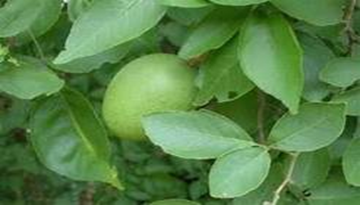
Fig .1 Aegle Marmelos Leaves (3)

PLANT PROFILE: -

The “Bael fruit tree,” or Bael (**Aegle marmelos**), is a moderately sized, slender, deciduous tree that grows wild across India’s deciduous forests. It belongs to the Rutaceae family. It is found on the Andaman Islands and in the western Himalayas, reaching elevations of 1200 meters. The tree is 90 to 120 cm in circumference and 6.0 to 7.5 meters tall (2).

Lakht e Zehra et al. (2015) observed that the leaves of the bael plant are consumed in the human diet and retain a superior amino acid profile compared to the seeds. They found that the major essential amino acids were present at optimal levels according to the ideal amino acid score, including leucine, methionine, tyrosine, phenylalanine, valine, and isoleucine. However, lysine and threonine were identified as the only limiting amino acids.

Among non-essential amino acids, alanine was the most abundant (constituting 14.29% of total amino acids), followed by aspartic acid (9.52%), arginine (9.52%), and glutamic acid (8.57%). Thus, the amino acid profile of bael plant leaves largely fulfills human dietary requirements (1).

Synonyms

Bilva, Triphala, Maredu, Baunau, Modjo bel, Kuvalum, Shivapala, Bil, Bael (8)

Traditional Uses

In traditional medicine, the bael plant (Aegle marmelos) is used to treat various ailments, including fever, inflammation, digestive disorders, and respiratory problems. The different parts of the plant, such as the leaves, bark, roots, and fruits, are used to prepare various formulations, including decoctions, infusions, and pastes (4).

Phytochemical Ingredients

Phytochemical studies have revealed that the bael plant contains a rich array of bioactive compounds, including alkaloids, glycosides, flavonoids, and phenolic acids. These compounds have been reported to possess various pharmacological activities, including anti-inflammatory, antioxidant, antimicrobial, and antipyretic effects (4).
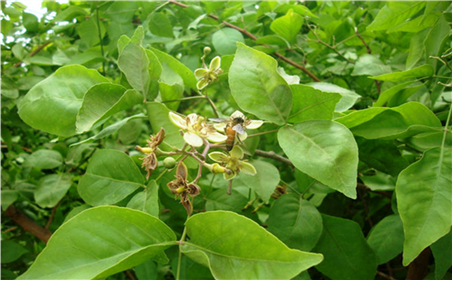
FIG 2 .  Aegle Marmelos flower and leaves

Chemical Composition :-

Major constituents from the fresh leaves of Aegle marmelos have shown activity against a few Gram-positive bacteria (Asha and Krishan). New alkaloids from the leaves of Aegle marmelos were reported, viz., halfordino, ethylcinnamamide and marmeline. Lately, a series of phenylethyl cinnamides, which included new compounds named anhydromarmeline, aegelinosides A and B, were isolated from Aegle marmelos leaves, which are α-glucosidase inhibitors.

α-Phellandrene, which is a terpenoid, was found to be the common constituent of the essential oil from leaves, shoots, and fruits. α-Phellandrene and p-cymene were reported from leaf oil. Limonene (82.4%) was reported as the main constituent from bael leaves, which is a characteristic marker for identification of Aegle marmelos oil samples. There is approximately 9% tannin in the pulp of wild fruits in comparison to the cultivated type. Tannin is also present in leaves as skimmianine, also known as 4,7,8-trimethoxyfuro-quinoline.

The phenylpropanoids included hydroxycoumarins, phenylpropenes, and lignans. Aegeline, originally claimed to be a new compound, was found to be identical to halfordinol, the principal constituent of Halfordia scleroxyla (Neeraj and Johar, 2017). Rutin flavone, flavone glycosides, and flavon-3-ols are the major flavonoids of A. marmelos leaves (5).

ORIGIN

Aegle marmelos (L.) Correa (Bael), an important member of the plant family Rutaceae, native to the Eastern Ghats and Central India, is extensively employed in traditional medicine due to its excellent remedial characteristics. Although being a tropical tree, it can grow well in tropical climates at an altitude of 1200 m. Bael is widely distributed throughout the Indian peninsula and grows in most of the Southeast Asian countries.

Morphology of Aegle Marmelos : -

The bael fruits of Aegle marmelos exhibit a diverse range of shapes, including round, globose, pyriform, or oblong, and measure 5–25 cm in diameter. The number of seeds ranges from 10 to 50, having a flat-oblong shape and approximately 1 cm in length (4) (Figure 1). Although having a high moisture content of nearly 61%, bael fruits possess high nutritional value as they contain minerals (phosphorus, potassium, calcium, magnesium, iron, copper, zinc, chromium), fat, fiber (hemicellulose, cellulose, lignin, pectin), protein, carbohydrates, vitamins (B1, B2, B3, C), amino acids (threonine, valine, methionine, isoleucine, leucine, lysine), and fatty acids (6).

Taxonomical Classification:

  • Kingdom – Plantae
  • Sub-kingdom – Tracheobionta
  • Super division – Spermatophyta
  • Division – Magnoliophyta
  • Class – Magnoliopsida
  • Subclass – Rosidae
  • Order – Sapindales
  • Family – Rutaceae
  • Genus – Aegle
  • Species – Marmelos (7)

Pharmacological Activity :-

Religious and Spiritual Uses

The leaves of Aegle marmelos are extensively used in Hindu worship, especially in offerings to Shiva. The three-lobed (trifoliate) leaves symbolize the divine trident (Trishul) of Lord Shiva. They are offered in puja and other rituals for purification and divine blessings.

Medicinal Uses (Ayurvedic and Traditional Medicine)

Digestive Health

Juice or decoction of bael leaves helps relieve indigestion, constipation, and stomach ulcers.

Diabetes Management

The leaf extract is believed to help lower blood sugar levels.

Liver Tonic

Helps detoxify and strengthen liver function.

Anti-inflammatory and Analgesic

Used in traditional remedies for general pain and inflammation.

Fever and Infections

Decoction acts as a natural remedy for mild fever and infections.

Skin Care

Paste of bael leaves applied externally helps treat skin infections, acne, and wounds due to its antimicrobial properties.

Respiratory Health

Bael leaf juice mixed with honey is traditionally used to relieve cold, cough, and asthma symptoms.

Heart Health

Regular use (under medical supervision) may help in maintaining healthy cholesterol levels and improving cardiac function.

Hair and Scalp Care

Leaf paste is occasionally used to reduce dandruff and promote healthy scalp circulation.

Antioxidant and Detoxifying Use

The leaves are rich in antioxidants that help remove toxins and boost immunity.

Insecticidal and Antimicrobial Use

Extracts are used in natural pest control and as antimicrobial agents in herbal formulations (8).

Extraction Method : -

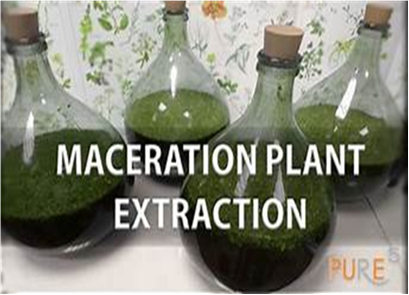
Cold Maceration :-

Procedure:
  1. Preparation of plant material
    • Collect fresh bael leaves.
    • Wash thoroughly with distilled water to remove dust and impurities.
    • Shade-dry the leaves at room temperature until crisp (avoid direct sunlight to prevent degradation of phytochemicals).
    • Grind the dried leaves into a coarse powder using a mortar and pestle or grinder.
  2. Weighing
    • Weigh an appropriate amount of powdered bael leaves (e.g., 50 g).
  3. Addition of solvent
    • Transfer the powdered leaves into a clean conical flask.
    • Add solvent in a ratio of 1:10 (w/v) (e.g., 50 g leaf powder + 500 mL ethanol).
    • Ensure the material is fully submerged.
  4. Maceration
    • Seal the flask to prevent solvent evaporation.
    • Keep the mixture at room temperature (25–30°C) for 72 hours (3 days).
    • Shake or stir the mixture occasionally (2–3 times a day) to enhance extraction.
  5. Filtration
    • After 72 hours, filter the mixture through muslin cloth or filter paper.
    • Collect the filtrate (the extract) in a clean container.
  6. Re-maceration (optional)
    • Repeat maceration with fresh solvent for complete extraction.
    • Combine all filtrates.
  7. Concentration
    • Evaporate the solvent using a rotary evaporator (below 40°C) or by air drying in a shaded area until a semi-solid extract is obtained.
  8. Storage
    • Store the concentrated extract in an airtight amber bottle at 4°C until further use.

Fig 3. Maceration extraction

EVALUATION PARAMETERS

Physical Parameters

pH

  • Take 1 g of embrocation and blend with 10 ml of distilled water.
  • Use a pH meter to measure the pH of the solution.

Viscosity

  • Use a viscometer (e.g., Brookfield viscometer) to measure the viscosity of the embrocation.
  • Record the viscosity in centipoise (cP) or millipascal-seconds (mPa·s).

Specific Gravity

  • Weigh a specific volume (e.g., 10 ml) of embrocation using a pycnometer or a density meter.
  • Record the specific gravity (ratio of embrocation density to water density).

Chemical Parameters

Assay of Bael Leaves Extract

  • Extract the bael leaves (Aegle marmelos) using a suitable solvent (e.g., ethanol or methanol).
  • Measure the extract’s concentration using a spectrophotometer or HPLC.
  • Express the result as a percentage of the extract in the embrocation.

Moisture Content

  • Weigh a sample of embrocation (e.g., 1 g) and place it in a drying oven at 105 °C.
  • Measure the weight loss after 2–3 hours.
  • Calculate the moisture content as a percentage of the original weight.

Total Ash

  • Weigh a sample of embrocation (e.g., 1 g) and place it in a crucible.
  • Ignite the sample in a muffle furnace at 600 °C until it turns into ash.
  • Measure the weight of the ash.
  • Calculate the total ash as a percentage of the original weight.

Acid Value

  • Weigh a sample of embrocation (e.g., 1 g) and dissolve it in a solvent (e.g., ethanol).
  • Titrate the solution with a strong base (e.g., NaOH) using phenolphthalein as an indicator.
  • Calculate the acid value as the number of milligrams of KOH needed to neutralize 1 g of embrocation.

Saponification Value

  • Weigh a sample of embrocation (e.g., 1 g) and dissolve it in a solvent (e.g., ethanol).
  • Titrate the solution with a strong base (e.g., NaOH) using phenolphthalein as an indicator.
  • Calculate the saponification value as the number of milligrams of KOH needed to saponify 1 g of embrocation.

TLC Analysis

Thin layer chromatography (TLC) of herbal plant extracts was performed according to standard methods (16). Hydroalcoholic extract (100 mg) of all herbal plants was dissolved in methanol (1 ml) and centrifuged at 3000 rpm for 5 minutes. The supernatant was collected and used for HPTLC analysis.

The test sample (4 μl) and standard were loaded as a 6–8 mm band on a 10 × 10 silica gel GF254 plate using a Hamilton syringe and CAMAG LINOMAT 5 instrument. After saturation with solvent vapor for 30 minutes, the TLC plate loaded with test sample and reference was placed in a TLC twin-trough developing chamber and developed up to 80 mm.

The developed plates were dried in a hot air oven to remove the solvents. The plates were kept in a photo-documentation chamber, and the images were captured under white light and UV 366 nm. The number of spots was noted and Rf values were calculated (9).

Qualitative Phytochemical Analysis

All herbal plant extracts were subjected to qualitative screening of different phytoconstituents using standard tests. Each extract was dissolved in different solvents like water, methanol, and chloroform and used as test solution according to standard methods to detect major phytochemicals like alkaloids, flavonoids, saponins, sterols, sugars, phenols, etc., present in the extract.

Detection of Alkaloids

Methanolic extract was acidified with 1–5% HCl or 10% acetic acid. This test solution was used for detection of alkaloids using various reagents.

Dragendorff’s Test

1–2 ml of test solution was mixed with Dragendorff’s reagent. Formation of bright orange precipitate confirmed presence of alkaloid in the sample.

Hager’s Test

1–2 ml of test solution was mixed with Hager’s reagent. Formation of yellow precipitate confirmed presence of alkaloid in the sample.

Mayer’s Test

1–2 ml of test solution was mixed with Mayer’s reagent. Formation of white or buff precipitate confirmed presence of alkaloid in the sample.

Wagner’s Test

1–2 ml of test solution was mixed with Wagner’s reagent. Formation of brown precipitate confirmed presence of alkaloid in the sample.

Detection of Flavonoids

Extract dissolved in chloroform/methanol/n-hexane/ethyl acetate solvent was used as test solution.

Shinoda Test

1 ml of test solution was mixed with magnesium powder and a few drops of concentrated HCl. Development of orange, pink, red, or purple color confirmed presence of flavonoid. Using zinc instead of magnesium, development of deep-red to magenta color or weak pink to magenta color indicated presence of flavonoid.

Sulfuric Acid Test

1–2 ml of test solution was mixed with a few drops of concentrated H?SO?. Flavones and flavonols produced deep yellow color. Chalcones and aurones produced red or red-bluish color. Flavanones gave orange to red color.

Detection of Sterols

Extract dissolved in non-polar solvent like chloroform/n-hexane/petroleum ether/methanol was used as test solution.

Salkowski Test

2 ml of concentrated H?SO? was added to 1–2 ml of test solution along the side of the test tube, forming two layers. Development of red color indicated presence of sterol.

Detection of Phenols

Ferric Chloride Test

Test solution was mixed with 1 ml of 5% (w/v) FeCl? in 90% methanol. Blue, blue-black, or blue-green color indicated presence of polyphenols.

Detection of Saponins

A pinch of each extract was dissolved in water and shaken well. Formation of froth indicated presence of saponin in the test sample. Froth stable for 15 minutes or more was considered positive.

Detection of Sugars

Extract dissolved in polar solvent like methanol/water/ethyl acetate/n-butanol was used as test solution.

Molisch Test

1 ml of test solution was mixed with 1 ml of 10% methanolic α-naphthol solution, followed by addition of 4–5 drops of concentrated H?SO? along the side of the test tube. Formation of violet ring indicated presence of glycoside or sugar.

RESULT AND DISCUSSION :- 

The bael leaves of Aegle marmelos were extracted by the cold maceration method using ethanol as the solvent. After 72 hours of soaking, a dark green extract was obtained. The percentage yield of the extract was approximately 10% w/w of the dried leaf powder. Preliminary phytochemical screening of the ethanolic extract revealed the presence of alkaloids, flavonoids, tannins, saponins, and phenolic compounds. These findings indicate that bael leaves are rich in bioactive constituents of therapeutic importance.

The results demonstrate that bael leaves contain several significant phytochemicals known for their antioxidant, antimicrobial, and anti-inflammatory activities. These pharmacological properties support the traditional medicinal use of bael in various herbal preparations. The cold maceration technique proved to be effective, as it helps preserve thermolabile (heat-sensitive) compounds that may degrade during hot extraction procedures. Ethanol was found to be a suitable solvent because of its ability to extract both polar and moderately non-polar constituents efficiently.

Overall, the study confirms that bael leaves are a valuable source of natural medicinal compounds and possess potential for further pharmacological investigation and herbal formulation development.

CONCLUSION

The present study demonstrates that bael leaves of Aegle marmelos contain a broad spectrum of pharmacologically active phytoconstituents. Cold maceration using ethanol provides an optimal balance between extraction yield and phytochemical diversity, making it an appropriate method for future pharmacological evaluation and formulation research.

ACKNOWLEDGEMENT

I would like to express my sincere gratitude to my guide and teachers for their valuable guidance, encouragement, and continuous support during the preparation of this review paper on Aegle marmelos leaves. I am also thankful to my institution for providing the necessary facilities and resources required to complete this work. Finally, I extend my heartfelt appreciation to my friends and family for their constant motivation and support throughout the study.

REFERENCES

  1. A Comprehensive Review on the Therapeutic Potential of Different Leaves SAMIKSHA SANTOSH GHAG AND VIJAY D. KELE International Journal of Applied Home Science Volume 11 (9 & 10), September & October (2024) : 542-550
  2. A Comprehensive Review on Medicinal Values of Aegle marmelos (Bael tree) 1Miss. Vaishnavi Satrankar, 2Miss. Vanshika K. Sahu, 3Miss. Nikita M. Wakchaware, 4Dr. Nitin B. Kohale, 5Dr. Harigopal .S. Sawarkar ISSN: 2455-2631 November 2024 IJSDR | Volume 9 Issue 11
  3. https://in.images.search.yahoo.com/yhs/search;_ylt=AwrPpZvDGAZp6A8AdDvnHgx.;_ylu=Y29sbwMEcG9zAzEEdnRpZAMEc2VjA3BpdnM-?p=aegle+marmelos+images&type=type801603455997037¶m1=269032322&hsim p=yhs-002&hspart=sz&ei=UTF-8&fr=yhs-sz-002
  4. Invitro Antipyretic Activity of Aegle Marmelos Sunayana R. Vikhe1 , Akshada Jawale2 , Shraddha Kale International Journal for Multidisciplinary Research (IJFMR) E-ISSN: 2582-2160
  5. Pharmacological Properties of Aegle marmelos: A Review Rahul Swarnkar1*, Devendra Singh1 , Abhishek Choudhary1 , Shweta Anand2 , Anita Rathore3 and Hemant K. Jediya4 International Journal of Current Microbiology and Applied Sciences ISSN: 2319-7706 Volume 8 Number 05 (2019)
  6. Aegle marmelos (L.) Correa: An Underutilized Fruit with High Nutraceutical Values: A Review Niharika Sharma 1, Radha 1, Manoj Kumar 2,3, Baohong Zhang 3, Neeraj Kumari 1, Daljeet Singh 1, Deepak Chandran 4, Tanmay Sarkar 5, Sangram Dhumal 6, Vijay Sheri 3, Abhijit Dey 7, Sureshkumar Rajalingam 8, Sabareeshwari Viswanathan 9, Pran Mohankumar 10, Marthandan Vishvanathan 11, Sangeetha Kizhakkumkara Sathyaseelan 12, Jose M Lorenzo  Int J Mol Sci 2022 Sep 17;23(18):10889
  7. Protective role of Nigella sativa against experimentally induced type-II diabetic nuclear damage in Wistar rats, Veterinary World  Sheikh TJ, Joshi DV, Patel BJ, Modi CM. 2013; 6(9):698-702
  8. Thin-layer chromatography and in vitro free radical scavenging activity of few medicinal plants from the surroundings of Junagadh, Gujarat, India. Annals of Phytomedicine.  Bhatt P, Patel U, Modi C, Pandya K, Patel H. 2019; 8(1):45-55.
  9. . In vitro antibacterial activity of sixteen medicinal plants collected from nearby region of Junagadh, Gujarat (India).  Pandya K, Patel H, Bhatt P, Patel U, Modi C. The Pharma Innovation international journal. 2019; 8(4):662- 667.
  10.  . Survey on Ethnoveterinary practices around Junagadh, Gujarat, India. Indian Journal of Pharmaceutical Sciences 2019; 81(1):161-167.
  11. Phytochemical and biological review of Aegle marmelos Linn S Monika 1, M Thirumal 1,*, PR Kumar . Future Sci OA. 2023 Mar 23;9(3):FSO849. doi: 10.2144/fsoa-2022-0068. PMID: 37026028; PMCID: PMC10072075.
  12. Aegle marmelos a review of its phytochemical profile and pharmacological application Dev Prakash Dahiya, Richa Kumari, Anchal Sankhyan, Anchal Sharma and Sachin Thakur ISSN (E): 2320-3862 ISSN (P): 2394-0530 www.plantsjournal.com JMPS 2025; 13(2): 260-264 © 2025 JMPS Received: 17-02-2025 Accepted: 25-03-2025
  13. Phytochemical screening and thin-layer chromatography of six medicinal plants from the surroundings of Junagadh, Gujarat, India Shivani L Solanki, Chirag M Modi, Harshad B Patel, Urvesh D Patel and Dixita H Bhadarka E-ISSN: 2278-4136 P-ISSN: 2349-8234 JPP 2019; 8(4): 3122-3126 Received: 13-05-2019 Accepted: 15-06-2019
  14. Phytochemical analysis of Aegle marmelos leaves. Journal of Pharmacy and Pharmacology Chaudhary, R., Singh, R. K., & Kumar, V. (2015, 67(8), 1051-1057.
  15. Antipyretic activity of Aegle marmelos leaf extract in mice. Journal of Ethnopharmacology A., Singh, R. K., & Kumar, V. (2017)., 206, 241-246
  16.  "Formulation and Evaluation of Herbal Lotion from Bael Leaves Methanolic Extract" by S. K. Singh et al., published in the Journal of Pharmacy Research (2013)
  17.   "Herbal Lotions: A Review" by A. K. Jain et al., published in the Journal of Cosmetic and Dermatological Sciences (2015)
  18.  "Antipyretic Activity of Aegle Marmelos (Bael) Leaves Extract" by R. K. Singh et al., published in the Journal of Ethnopharmacology (2011)
  19. "Pharmacological Evaluation of Aegle Marmelos for Antipyretic Activity" by S. S. Rao et al., published in the Journal of Pharmacy and Pharmacology (2012)
  20. "Formulation and Evaluation of Herbal Cream for Wound Healing Activity Using Bael Leaves Extract" by P. K. Sahu et al., published in the Journal of Wound Care (2017)
  21. "Formulation and Evaluation of Herbal Antifungal Lotion Using Leucas aspera" by A. K. Sharma et al., published in the Journal of Pharmaceutical Sciences (2018)
  22.  Formulation and Evaluation of Herbal Lotion from Bael Leaves Methanolic Extract. Singh, S. K., et al. (2013).  Journal of Pharmacy Research,
  23. Herbal Lotions: A Review. Journal of Cosmetic and Dermatological Sciences7(1), 1-5.
  24.  Antipyretic Activity of Aegle Marmelos (Bael) Leaves Extract Jain, A. K., et al. (2015)., 15(2), 123-135. 12. Singh, R. K., et al. (2011. Journal of Ethnopharmacology, 137(2), 621-625).
  25. Pharmacological Evaluation of Aegle Marmelos for Antipyretic Activity. Rao, S. S., et al.  Journal of Pharmacy and Pharmacology. (2012) 64(8), 1134-1141
  26.   Formulation and Evaluation of Herbal Cream for Wound Healing Activity Using Bael Leaves Extract. Journal of Wound Care Sahu, P. K., et al. (2017) 26(3), 123-130
  27. Formulation and Evaluation of Herbal Antifungal Lotion Using Leucas aspera Sharma, A. K., et al. (2018). Journal of Pharmaceutical Sciences, 107(2), 533-539

Reference

  1. A Comprehensive Review on the Therapeutic Potential of Different Leaves SAMIKSHA SANTOSH GHAG AND VIJAY D. KELE International Journal of Applied Home Science Volume 11 (9 & 10), September & October (2024) : 542-550
  2. A Comprehensive Review on Medicinal Values of Aegle marmelos (Bael tree) 1Miss. Vaishnavi Satrankar, 2Miss. Vanshika K. Sahu, 3Miss. Nikita M. Wakchaware, 4Dr. Nitin B. Kohale, 5Dr. Harigopal .S. Sawarkar ISSN: 2455-2631 November 2024 IJSDR | Volume 9 Issue 11
  3. https://in.images.search.yahoo.com/yhs/search;_ylt=AwrPpZvDGAZp6A8AdDvnHgx.;_ylu=Y29sbwMEcG9zAzEEdnRpZAMEc2VjA3BpdnM-?p=aegle+marmelos+images&type=type801603455997037¶m1=269032322&hsim p=yhs-002&hspart=sz&ei=UTF-8&fr=yhs-sz-002
  4. Invitro Antipyretic Activity of Aegle Marmelos Sunayana R. Vikhe1 , Akshada Jawale2 , Shraddha Kale International Journal for Multidisciplinary Research (IJFMR) E-ISSN: 2582-2160
  5. Pharmacological Properties of Aegle marmelos: A Review Rahul Swarnkar1*, Devendra Singh1 , Abhishek Choudhary1 , Shweta Anand2 , Anita Rathore3 and Hemant K. Jediya4 International Journal of Current Microbiology and Applied Sciences ISSN: 2319-7706 Volume 8 Number 05 (2019)
  6. Aegle marmelos (L.) Correa: An Underutilized Fruit with High Nutraceutical Values: A Review Niharika Sharma 1, Radha 1, Manoj Kumar 2,3, Baohong Zhang 3, Neeraj Kumari 1, Daljeet Singh 1, Deepak Chandran 4, Tanmay Sarkar 5, Sangram Dhumal 6, Vijay Sheri 3, Abhijit Dey 7, Sureshkumar Rajalingam 8, Sabareeshwari Viswanathan 9, Pran Mohankumar 10, Marthandan Vishvanathan 11, Sangeetha Kizhakkumkara Sathyaseelan 12, Jose M Lorenzo  Int J Mol Sci 2022 Sep 17;23(18):10889
  7. Protective role of Nigella sativa against experimentally induced type-II diabetic nuclear damage in Wistar rats, Veterinary World  Sheikh TJ, Joshi DV, Patel BJ, Modi CM. 2013; 6(9):698-702
  8. Thin-layer chromatography and in vitro free radical scavenging activity of few medicinal plants from the surroundings of Junagadh, Gujarat, India. Annals of Phytomedicine.  Bhatt P, Patel U, Modi C, Pandya K, Patel H. 2019; 8(1):45-55.
  9. . In vitro antibacterial activity of sixteen medicinal plants collected from nearby region of Junagadh, Gujarat (India).  Pandya K, Patel H, Bhatt P, Patel U, Modi C. The Pharma Innovation international journal. 2019; 8(4):662- 667.
  10.  . Survey on Ethnoveterinary practices around Junagadh, Gujarat, India. Indian Journal of Pharmaceutical Sciences 2019; 81(1):161-167.
  11. Phytochemical and biological review of Aegle marmelos Linn S Monika 1, M Thirumal 1,*, PR Kumar . Future Sci OA. 2023 Mar 23;9(3):FSO849. doi: 10.2144/fsoa-2022-0068. PMID: 37026028; PMCID: PMC10072075.
  12. Aegle marmelos a review of its phytochemical profile and pharmacological application Dev Prakash Dahiya, Richa Kumari, Anchal Sankhyan, Anchal Sharma and Sachin Thakur ISSN (E): 2320-3862 ISSN (P): 2394-0530 www.plantsjournal.com JMPS 2025; 13(2): 260-264 © 2025 JMPS Received: 17-02-2025 Accepted: 25-03-2025
  13. Phytochemical screening and thin-layer chromatography of six medicinal plants from the surroundings of Junagadh, Gujarat, India Shivani L Solanki, Chirag M Modi, Harshad B Patel, Urvesh D Patel and Dixita H Bhadarka E-ISSN: 2278-4136 P-ISSN: 2349-8234 JPP 2019; 8(4): 3122-3126 Received: 13-05-2019 Accepted: 15-06-2019
  14. Phytochemical analysis of Aegle marmelos leaves. Journal of Pharmacy and Pharmacology Chaudhary, R., Singh, R. K., & Kumar, V. (2015, 67(8), 1051-1057.
  15. Antipyretic activity of Aegle marmelos leaf extract in mice. Journal of Ethnopharmacology A., Singh, R. K., & Kumar, V. (2017)., 206, 241-246
  16.  "Formulation and Evaluation of Herbal Lotion from Bael Leaves Methanolic Extract" by S. K. Singh et al., published in the Journal of Pharmacy Research (2013)
  17.   "Herbal Lotions: A Review" by A. K. Jain et al., published in the Journal of Cosmetic and Dermatological Sciences (2015)
  18.  "Antipyretic Activity of Aegle Marmelos (Bael) Leaves Extract" by R. K. Singh et al., published in the Journal of Ethnopharmacology (2011)
  19. "Pharmacological Evaluation of Aegle Marmelos for Antipyretic Activity" by S. S. Rao et al., published in the Journal of Pharmacy and Pharmacology (2012)
  20. "Formulation and Evaluation of Herbal Cream for Wound Healing Activity Using Bael Leaves Extract" by P. K. Sahu et al., published in the Journal of Wound Care (2017)
  21. "Formulation and Evaluation of Herbal Antifungal Lotion Using Leucas aspera" by A. K. Sharma et al., published in the Journal of Pharmaceutical Sciences (2018)
  22.  Formulation and Evaluation of Herbal Lotion from Bael Leaves Methanolic Extract. Singh, S. K., et al. (2013).  Journal of Pharmacy Research,
  23. Herbal Lotions: A Review. Journal of Cosmetic and Dermatological Sciences7(1), 1-5.
  24.  Antipyretic Activity of Aegle Marmelos (Bael) Leaves Extract Jain, A. K., et al. (2015)., 15(2), 123-135. 12. Singh, R. K., et al. (2011. Journal of Ethnopharmacology, 137(2), 621-625).
  25. Pharmacological Evaluation of Aegle Marmelos for Antipyretic Activity. Rao, S. S., et al.  Journal of Pharmacy and Pharmacology. (2012) 64(8), 1134-1141
  26.   Formulation and Evaluation of Herbal Cream for Wound Healing Activity Using Bael Leaves Extract. Journal of Wound Care Sahu, P. K., et al. (2017) 26(3), 123-130
  27. Formulation and Evaluation of Herbal Antifungal Lotion Using Leucas aspera Sharma, A. K., et al. (2018). Journal of Pharmaceutical Sciences, 107(2), 533-539

Photo
Zaware Yash
Corresponding author

Samarth Institute of Pharmacy, Belhe, Pune, Maharashtra

Photo
Padwal Prachi
Co-author

Samarth Institute of Pharmacy, Belhe, Pune, Maharashtra

Photo
Shinde Aishwary
Co-author

Samarth Institute of Pharmacy, Belhe, Pune, Maharashtra

Photo
Bhondave Vipul
Co-author

Samarth Institute of Pharmacy, Belhe, Pune, Maharashtra

Photo
Choudhary Shrawani
Co-author

Samarth Institute of Pharmacy, Belhe, Pune, Maharashtra

Photo
Bhujbal Sayali
Co-author

Samarth Institute of Pharmacy, Belhe, Pune, Maharashtra

Padwal Prachi, Zaware Yash, Shinde Aishwary, Bhondave Vipul, Choudhary Shrawani, Bhujbal Sayali, Aegle Marmelos Leaves: Bridging Traditional Wisdom with Modern Scientific Insights, Int. J. of Pharm. Sci., 2026, Vol 4, Issue 2, 3749-3758. https://doi.org/10.5281/zenodo.18749225

More related articles
Formulation Development and Evaluation of Moringa ...
Jaydeep Wankhade, Ajay Baitule, Himani Malode , Gayatri Yeole , G...
A Multifunctional Herbal Scrub with Papain and Alo...
Parag Dani, Mahesh Kshirsagar, Dr. Gaffar Sayyed, Dr. Garje Sanja...
Gouty Arthritis in the Modern Era: Prevention, Man...
Saurabh Nimesh, Ayushi Chauhan, Rohit Kumar, Akhil Chauhan, Gosiy...
Herbal Antispasmodics with Magnesium: A Novel Approach to Dysmenorrhea Managemen...
Pranav Sonawane , Sayali Patil, Vaishnavi Khilari , Vaishnavi Tanpure , Shraddha Shinde, ...
Adverse Drug Reactions Associated With Antibiotics In Indian Population : A Revi...
Hari Singh Rathore, Mehul Soni, Bhoomi Soni, Narendra Bheemraj Parihar, Mahendra Singh Rathore, ...
Bridelia Montana Wild.: An Ethnomedicinal Plant Advancing Toward Evidence-Based ...
Akansha Ramteke, Dipali Zode, Snehal Sidham, Rajendra Ganjiwale, Deorao Awari, ...
Related Articles
Naegleria Fowleri And Primary Amoebic Meningoencephalitis: Emerging Threats in A...
R. Subashini, S. Arthanareeswaran, V. Sandhiya, C. Shifa Sidhiq Fatima, Y. Sneha, B. Rashmi Avantica...
Development and Evaluation of Emulgel Loaded with Pongamia pinnata Seed Oil and ...
Neha Shivathaya, Damodar Bhoote, Abdulrahim Jamadar, Ashwini Kotre, Sanju Hirekurabar, Jyoti Borade,...
Pharmacological and Therapeutic Potential of Tridax Procumbens Linn: A Comprehen...
Yash Chaudhari , Shubham Gurule , Sujit Gosavi, Jayesh Waghode, Pratik Bhabad , ...
Formulation Development and Evaluation of Moringa Oleifera Herbal Shampoo ...
Jaydeep Wankhade, Ajay Baitule, Himani Malode , Gayatri Yeole , Gokul Rahate , Gauri Kunjam, ...
More related articles
Formulation Development and Evaluation of Moringa Oleifera Herbal Shampoo ...
Jaydeep Wankhade, Ajay Baitule, Himani Malode , Gayatri Yeole , Gokul Rahate , Gauri Kunjam, ...
A Multifunctional Herbal Scrub with Papain and Aloe Vera: Exfoliating, Antibacte...
Parag Dani, Mahesh Kshirsagar, Dr. Gaffar Sayyed, Dr. Garje Sanjay, ...
Gouty Arthritis in the Modern Era: Prevention, Management, and Future Directions...
Saurabh Nimesh, Ayushi Chauhan, Rohit Kumar, Akhil Chauhan, Gosiya, ...
Formulation Development and Evaluation of Moringa Oleifera Herbal Shampoo ...
Jaydeep Wankhade, Ajay Baitule, Himani Malode , Gayatri Yeole , Gokul Rahate , Gauri Kunjam, ...
A Multifunctional Herbal Scrub with Papain and Aloe Vera: Exfoliating, Antibacte...
Parag Dani, Mahesh Kshirsagar, Dr. Gaffar Sayyed, Dr. Garje Sanjay, ...
Gouty Arthritis in the Modern Era: Prevention, Management, and Future Directions...
Saurabh Nimesh, Ayushi Chauhan, Rohit Kumar, Akhil Chauhan, Gosiya, ...